
Do Different Material Spark Plugs Affect Performance? A Complete Guide
Do different material spark plugs affect performance? Yes, they impact ignition quality, heat management, durability, and overall engine efficiency. Choosing the right spark plug material can improve combustion, extend service life, and optimize fuel use. Start by matching the spark plug material to your engine’s design and driving conditions for the best results.
Key Takeaways
- Copper spark plugs wear faster and typically require replacement every 20,000 to 30,000 miles.
- Platinum plugs offer better electrode durability and last around 60,000 to 100,000 miles.
- Iridium spark plugs provide the longest lifespan exceeding 100,000 miles, ideal for high-stress engines.
- Material choice affects heat dissipation, altering the tip temperature by up to 100 degrees Celsius.
- Improved ignition performance from platinum and iridium plugs can reduce engine noise and improve cold starts.
- Better electrode durability in premium materials helps maintain stable combustion and fuel efficiency over time.
Do Spark Plug Materials Impact Engine Performance?

Spark plug materials play a key role in your engine’s performance by influencing the ignition system’s operation. The type of material changes how well electricity flows and the spark’s sharpness. Iridium and platinum plugs create a more stable and consistent spark than standard copper ones. This leads to better combustion, boosting power and smoothing engine operation. More precise ignition allows fuel to burn fully, improving engine power and response.
The influence on engine power stems from improved combustion. When the spark is strong and well-timed, fuel ignites more effectively. This leads to better acceleration and fewer misfires. Engines using advanced materials like iridium can experience up to a 4% increase in fuel efficiency due to cleaner and more complete combustion. More efficient combustion also means reduced engine vibration and smoother running because the power strokes are more even. In contrast, cheaper materials may degrade faster, causing weaker sparks and a drop in performance over time.
Performance gains vary based on driving conditions and engine type. In stop-and-go city driving, the difference in ignition quality from premium materials may be less noticeable compared to highway or high-load conditions where consistent spark plays a bigger role. High-performance or forced induction engines especially benefit from materials like iridium or platinum because those plugs maintain ignition stability under higher temperatures and pressures. For everyday driving, choosing a spark plug material matched to your engine’s requirements prevents power loss and keeps acceleration crisp.
Maintaining your spark plugs with the proper material also affects how long they last and continue performing well. Copper plugs have high conductivity but wear out quickly, leading to weaker ignition after around 20,000 to 30,000 miles. Platinum and iridium plugs last longer, up to 60,000 to 100,000 miles, which means your engine maintains peak ignition quality for a longer time. Using the correct material cuts down on misfires and rough engine running that happen once plugs wear out, preventing noticeable dips in performance.
The material plays a role in thermal management too, influencing heat dissipation at the electrode. Proper heat management prevents pre-ignition and knocking, which can reduce engine power or cause damage. Plug materials designed to handle heat better support stable combustion under demanding engine conditions. That stability keeps power consistent and protects internal engine parts by avoiding abnormal combustion events.
You can maximize engine power and smoothness by choosing spark plugs with materials suited to your engine’s needs and driving habits. Investing in higher-end materials may cost $10 to $20 more per plug versus traditional options but pays off through longer life and better combustion quality. Making this choice ensures you get steady performance without frequent replacements or loss of power from worn plugs.
Common Spark Plug Materials and Their Properties
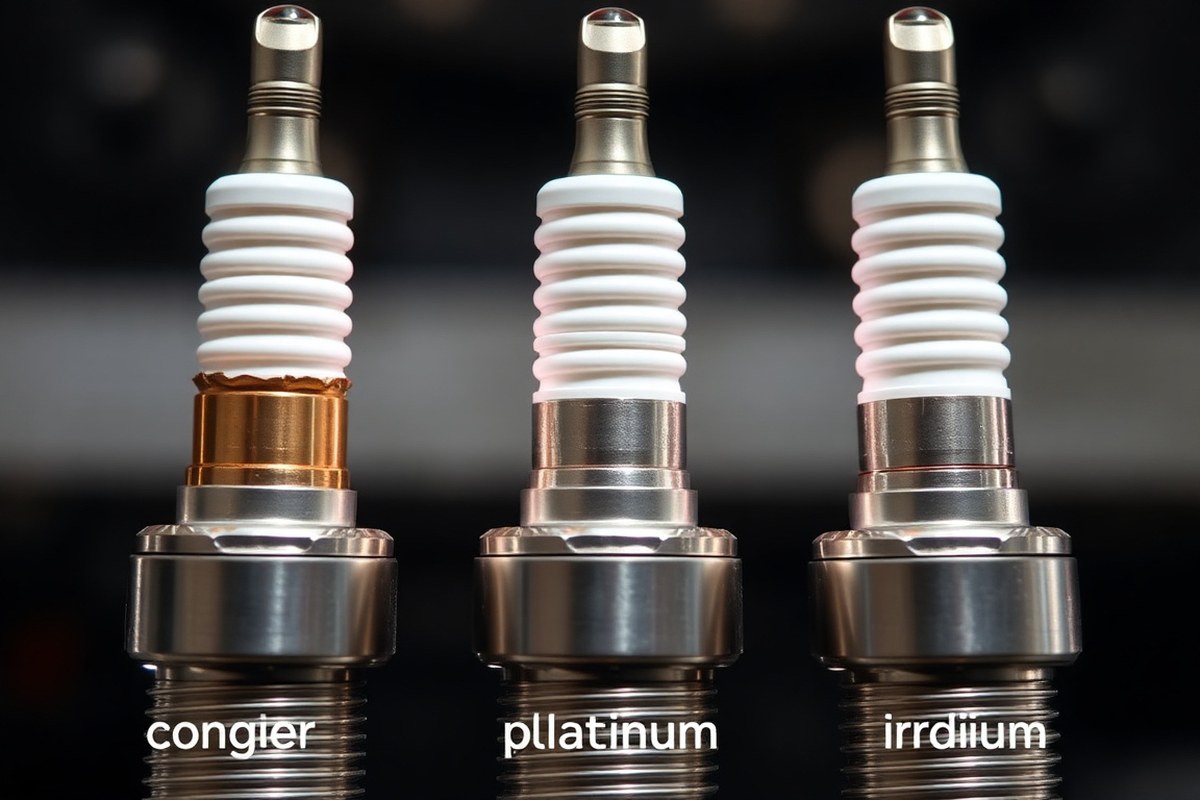
Spark plugs typically use copper, platinum, or iridium for their electrodes, each offering unique electrical and physical traits that influence ignition quality and durability. Copper provides excellent conductivity but wears faster, while platinum offers better wear resistance with moderate conductivity. Iridium combines high durability and stable spark intensity, often used in advanced or hybrid designs for extended life.
Copper Spark Plugs Characteristics
Copper spark plugs feature a core made of copper covered by a nickel alloy on the electrode. The excellent electrical conductivity of copper generates a powerful and quick spark, improving ignition performance and throttle responsiveness. The downside is copper’s softer material wears down more fast, so these plugs usually need changing after 20,000 to 30,000 miles.
Because of wear, copper plugs often need wider spark gaps to maintain proper engine performance. They cost less than other types and suit older vehicles or engines designed without advanced ignition demands. Their excellent conductivity aids quick spark delivery, but faster wear can lead to misfires or rough idle if not replaced on time.
Platinum Spark Plugs Features
Platinum spark plugs feature a thin platinum strip welded to the electrode tip, increasing hardness and resistance to erosion. This material reduces electrode wear, allowing plugs to last about 60,000 miles or more under normal driving conditions. Platinum plugs have slightly lower conductivity than copper but maintain stable ignition timing over their lifespan.
These plugs perform well in modern engines requiring longer service intervals. They often have smaller spark gaps than copper plugs to optimize spark intensity. Platinum combines durability and consistent ignition, making it a middle ground in cost and performance. Some models use double platinum, placing platinum on both center and ground electrodes, improving longevity and stability.
Iridium and Advanced Material Options
Iridium spark plugs use a fine iridium alloy on the electrode tip, a rare and extremely hard metal. Iridium provides the highest resistance to electrode wear and maintains consistent spark intensity and timing over extended periods, often exceeding 100,000 miles. Its moderate conductivity is slightly less than copper’s but comparable or better than platinum’s.
Many high-performance and forced induction engines rely on iridium or hybrid designs that mix iridium with platinum or other metals to balance cost, longevity, and ignition quality. These spark plugs usually have smaller gaps to provide an efficient, stable spark with quick throttle response and improve power output.
- Superior electrode hardness extends spark plug life
- Improved spark stability improve engine smoothness
- Smaller gaps reduce firing voltage and increase efficiency
- Higher cost due to rare metal content
- Recommended for turbocharged and direct injection engines
- Hybrid electrodes mix materials to optimize performance and durability
Always use the spark plug material type recommended for your engine to avoid issues with heat range and spark gap, which vary between materials.
How Material Affects Spark Plug Lifespan and Durability
The type of material used in your spark plugs significantly shapes their lifespan and durability. Copper plugs wear out faster but cost less, while platinum and iridium plugs last much longer thanks to better resistance to wear and corrosion. These differences directly affect how often you’ll need to replace them and how much maintenance they require to keep your engine running well.
Average Mileage Before Replacement
Copper spark plugs generally need replacement every 20,000 to 30,000 miles due to faster electrode wear. Platinum plugs extend service intervals to about 60,000 to 100,000 miles, offering a noticeable improvement in lifespan. Iridium plugs provide the longest lifespan, often lasting 100,000 miles or more, making them the best choice for drivers who want to keep maintenance intervals as long as possible.
Selecting the best spark plug material relies on factors like your driving style, budget constraints, and the specific type of engine you have. For instance, iridium spark plugs handle high heat and pressure better, making them ideal for turbocharged or high-performance engines that require long-lasting reliability. Copper spark plugs fit well for those watching their spending or who don’t mind changing plugs more often.
Wear and Corrosion Resistance
Electrode wear differs markedly across materials. Copper electrodes, while excellent conductors, degrade faster during spark generation, causing the electrode gap to widen sooner. This wear reduces ignition efficiency and requires more frequent replacement. Platinum improves electrode durability by resisting wear and maintaining a stable gap longer, which translates into consistent ignition and better fuel combustion.
Iridium stands out as the most wear-resistant material due to its exceptional hardness. It maintains the gap and resists electrode degradation far better than copper or platinum, allowing reliable engine firing over extended mileage. Both platinum and iridium materials offer superior resistance to corrosion and deposits, reducing fouling and preserving spark plug performance, especially in demanding driving conditions or engines running hotter.
Maintenance and Cleaning Requirements
Copper spark plugs demand frequent checks and care. While cleaning the electrodes can help increase their service life temporarily, they usually need replacement after 20,000 to 30,000 miles. Adjusting the gap on copper plugs as they wear also helps keep your engine running smoothly.
Platinum and iridium plugs generally need minimal maintenance beyond routine inspection during scheduled tune-ups. Their resistance to electrode wear and corrosion means gap settings remain stable longer, and cleaning is rarely required. This reduced maintenance overhead can justify the higher initial cost for many drivers. The following table summarizes key pros, cons, and expected lifespans based on spark plug material:
| Material | Estimated Lifespan (Miles) | Wear Resistance | Corrosion Resistance | Main Advantages | Main Drawbacks |
|---|---|---|---|---|---|
| Copper | 20,000, 30,000 | Low | Low | Excellent conductivity, low cost | Shorter lifespan, frequent replacement |
| Platinum | 60,000, 100,000 | Moderate to high | High | Better wear and corrosion resistance than copper, longer service intervals | Higher cost than copper |
| Iridium | 100,000+ | Highest | Highest | Exceptional hardness and durability, excellent for high-temp/pressure engines | Highest cost |
Choosing spark plugs with better electrode materials extends replacement intervals and reduces the chance of fouling or misfires. While cost rises with platinum and iridium, their long life and lower maintenance needs often offset this for most drivers, especially in high-stress engine applications.
Heat Dissipation and Thermal Benefits of Spark Plug Materials
The temperature at the tip of a spark plug depends on how well heat moves through its material, playing a key role in managing engine temperatures properly. The plug’s heat range, which is tied to the materials it’s made from, shows how fast it can move heat away from the combustion area to the cylinder head. Brisk Racing and Performance Spark Plugs say that adjusting the heat range by just one step can change the tip temperature by 75 to 100 degrees Celsius. This variation influences how stable the combustion is and how efficiently the engine runs, so choosing the right material matters.
Copper stands out with superior thermal conductivity compared to other common materials like platinum or iridium. This higher conductivity allows copper spark plugs to dissipate heat faster, keeping the tip cooler under operating conditions while maintaining a wide heat range. Faster heat transfer lowers the risk of pre-ignition and fouling, especially in engines that generate substantial heat, such as older or high-performance models. This benefit supports stronger, more reliable ignition and helps preserve engine health.
Materials with lower thermal conductivity retain heat longer, causing the spark plug tip to run hotter. While this may help burn off deposits during certain operating conditions, excessive tip temperature can lead to plug damage and increased wear. Conversely, materials that dissipate heat efficiently help maintain a consistent tip temperature and prevent overheating, which could otherwise cause knocking or engine misfires. Choosing spark plug materials that balance heat retention and dissipation aligns with your engine’s designed operating temperature and combustion requirements.
Heat management is critical because uncontrolled spark plug temperatures can lead to several engine problems, including decreased fuel efficiency, higher emissions, and shortened plug life. Managing heat effectively reduces carbon build-up, minimizes electrode erosion, and maintains stable ignition timing. Using copper spark plugs, for example, typically results in improved combustion quality and engine responsiveness due to their ability to keep the tip temperature within the ideal range.
To optimize thermal benefits when selecting spark plugs, consider your engine type and operating conditions. Engines with high thermal loads or those used in aggressive driving scenarios benefit from spark plugs made with materials that conduct heat well, such as copper alloys. For engines that run cooler or are designed with different heat ranges, materials like platinum or iridium provide better durability but at the cost of slower heat dissipation. Matching spark plug material to the engine’s thermal demands ensures efficient heat management, which ultimately supports performance and longevity.
Effects of Spark Plug Materials on Cold Starts and Engine Noise
Iridium and platinum spark plugs significantly improve cold start performance by delivering a more reliable spark at lower temperatures. Both materials have fine electrodes that reduce the voltage required to generate a spark, allowing the engine to ignite fuel more quickly during cold starts. For example, iridium plugs maintain a stable spark gap with minimal erosion, which ensures consistent ignition even under temperature extremes as low as freezing or below. Platinum plugs also offer a more stable spark than copper, sparking faster and more reliably in cold conditions while maintaining performance in hotter environments.
The choice of spark plug material directly influences engine noise levels by affecting the consistency of combustion. Iridium plugs contribute to reducing misfires and knocking sounds because their precise ignition timing and stable spark gap promote complete fuel combustion. When combustion is efficient and consistent, knocking or uneven engine noise decreases. Platinum plugs similarly support smoother combustion, though they may be slightly less effective than iridium in minimizing spark-related noise due to their electrode design. Copper plugs, by comparison, erode faster and lose spark consistency quicker, leading to more frequent misfires and increased engine noise over time.
To ensure stable ignition under extreme temperature conditions, iridium spark plugs are generally the best choice. They combine superior heat and erosion resistance, which keeps the spark plug performance steady over thousands of miles, even in very cold climates or high-heat scenarios such as towing or extended idling. Platinum plugs offer good temperature stability as well, but their lifespan and spark consistency tend to be slightly lower than iridium. Copper plugs, while less expensive, often fail to maintain stability at temperature extremes, causing rough starts and increased misfire noise.
Using iridium or platinum plugs will cost more initially, with iridium plugs typically priced between $10 and $20 each, and platinum slightly less. Copper plugs may cost under $5 each but require replacement more frequently, every 20,000 to 30,000 miles versus 60,000 to 100,000 miles or more for iridium and platinum. This longer service interval means less frequent maintenance and more consistent cold start and noise performance. However, for older vehicles with simple ignition systems, iridium plugs may offer marginal or no noticeable improvements over platinum or copper plugs, so the extra cost may not be justified in those situations.
Replacing spark plugs with iridium or platinum models can improve cold starting reliability and reduce engine noise, but always match the plug type to your vehicle’s manufacturer recommendations to avoid performance issues.
Fuel Efficiency and Emission Impacts by Spark Plug Material
Fuel economy improves when you choose spark plug materials that create a strong, consistent spark for efficient combustion. Iridium spark plugs, for example, produce a more intense spark than traditional copper ones. This sparks a more complete burn of the air-fuel mixture, which reduces wasted fuel. A cleaner and stronger ignition leads to better combustion efficiency, which can result in fuel savings of around 1 to 2 miles per gallon depending on your vehicle and driving conditions.
The material used in the spark plug affects ignition timing and combustion quality, which in turn influences your vehicle’s emission levels. Iridium and platinum spark plugs provide a more stable spark over time, helping your engine maintain proper air-to-fuel ratios. This tighter control reduces unburned hydrocarbons and carbon monoxide emissions because the fuel burns more completely. Over the lifespan of these plugs, emission control improves compared to standard copper plugs, which degrade faster and spark less consistently.
Upgrading to premium spark plug materials costs more upfront, typically between $10 to $25 per plug compared to $3 to $7 for standard copper plugs. However, the tradeoff is a longer service interval and better fuel efficiency that can offset the initial charge. A properly installed iridium spark plug might last up to 60,000 to 100,000 miles, compared to 20,000 to 30,000 miles for copper. This means fewer replacements and sustained fuel savings, which is especially beneficial if you drive frequently or want to maximize every drop of fuel.
Combustion efficiency does not only depend on plug material but also how well the plug suits your engine and driving style. For example, an iridium plug benefits daily commuters who mostly run their engines at steady speeds. High-performance engines or those with forced induction may require specific materials to maintain combustion at higher temperatures and pressures. Using the correct material ensures your fuel burns efficiently rather than leaving residues that raise emissions and lower mileage.
Fitting new plugs made from a more advanced material usually requires minimal effort but precise installation according to manufacturer torque specifications. Improper installation reduces spark consistency, negating any fuel economy gains. Expect to spend about 30 minutes to an hour for a typical vehicle, or have a professional handle it if you’re unfamiliar with plug replacement. Regularly checking your plugs allows you to catch wear early, avoiding incomplete combustion that raises both fuel consumption and pollutant output.
Cost, Maintenance, and Choosing the Right Spark Plug Material
Choosing the right spark plug material involves weighing the initial purchase price against how long the plugs last and how often you’ll need to replace them. Each material, copper, platinum, or iridium, has specific costs, maintenance needs, and best-use cases depending on your engine type and driving habits. Knowing these factors helps you make an informed decision that balances cost, upkeep, and engine performance.
Upfront Cost Versus Longevity
Copper spark plugs generally cost the least, often around $2 to $5 each, but they have the shortest lifespan, usually 20,000 to 30,000 miles. Their excellent electrical conductivity suits older or simpler engines, making them a budget-friendly choice for basic use. Platinum plugs sit in the middle, priced approximately at $10 to $15 each, with a lifespan of about 60,000 miles, offering better durability and consistent performance.
Iridium plugs carry the highest price tag, running roughly $15 to $25 each, but their lifespan extends up to 100,000 miles. The superior hardness and melting points of iridium provide long-term performance stability, making them ideal for modern engines and higher-stress driving conditions. This upfront higher cost often pays off through fewer replacements and steadier spark quality over time.
Maintenance Frequency by Material
Different materials require different maintenance intervals to keep your engine running smoothly. Copper plugs typically need replacement every 20,000 to 30,000 miles, meaning you’ll check or replace them more frequently to avoid performance degradation. Platinum spark plugs cut that interval roughly in half, requiring service around every 60,000 miles, which suits daily drivers looking for lower maintenance demands.
Iridium plugs extend maintenance intervals even further, with recommendations often around 100,000 miles, making them attractive for drivers who want a “set it and forget it” approach. Proper maintenance includes inspecting for wear, deposits, and electrode erosion. Ignoring this can lead to misfires, reduced fuel efficiency, and rough idling, especially in plugs with shorter lifespans like copper.
Matching Material to Vehicle and Usage
Choosing a spark plug material depends on your vehicle’s engine type and how you drive. Copper plugs work best in older engines without high-tech ignition systems because they conduct electricity well but wear quickly. Drivers with vintage or basic models who perform regular maintenance and want to keep costs low fit this material choice.
Modern daily drivers benefit from platinum plugs, which offer a good balance between cost, durability, and performance. These are suitable for vehicles with distributor-less ignition systems and moderate driving habits. High-performance, turbocharged, or forced-induction engines usually require iridium plugs to maintain consistent spark timing under demanding thermal conditions and stress.
- Use copper plugs if your engine is older and you don’t mind annual or biannual spark plug checks.
- Choose platinum plugs for moderate maintenance intervals and reliable daily driving performance.
- Opt for iridium plugs for longer maintenance cycles and improved durability in modern, high-performance engines.
- Consider how much you drive; long commutes justify investing in longer-lasting plugs.
- Check your vehicle’s owner manual for material recommendations specific to your engine’s ignition system.
Matching spark plug material to your vehicle and use helps maintain efficient combustion, optimal fuel economy, and consistent engine power without unnecessary replacements. Selecting plugs based on these guidelines means fewer surprises on the road and smarter long-term spending.
Performance Considerations for High-Performance and Forced Induction Engines
Iridium spark plugs are preferred in turbocharged, supercharged, and performance-tuned engines because they maintain electrode integrity at very high temperatures. These engines often push combustion chamber temperatures above 1,200°F, causing lesser materials to wear out quickly and reduce ignition quality. Iridium’s high melting point, around 4,400°F, ensures consistent spark delivery and stable performance under these intense conditions. You get a reliable spark that reduces misfires and helps maintain peak engine output.
In forced induction engines, the ignition system faces more stress due to increased cylinder pressure and heat. Materials like iridium and platinum withstand this stress better by resisting burning and erosion of the center electrode. This means the spark gap remains stable over time, supporting efficient combustion and preventing power loss. For performance tuning, this durability translates to fewer spark plug changes, usually lasting 30,000 to 50,000 miles or more, compared to 10,000 to 20,000 miles for copper plugs in the same engines.
Copper plugs offer excellent conductivity, creating a strong, fast spark often desired in racing or high-performance naturally aspirated engines. They can be a good fit for older or classic engines that require a high-output spark and where ignition system wiring handles lower voltage levels. In race or performance engines built before the advent of iridium technology, copper plugs remain popular because they promote rapid combustion, giving quick throttle response. However, copper plugs erode faster in high heat and pressure, often needing replacement every 10,000 to 15,000 miles, which increases maintenance frequency.
For engines running forced induction setups, copper plugs tend to degrade faster due to the extreme conditions. Their lower durability can lead to reduced spark efficiency and inconsistent ignition timing with extended use. Iridium plugs’ higher cost, typically around $10 to $15 each compared to $3 to $5 for copper, is offset by durability and more stable performance, making them a cost-effective choice in the long run for turbocharged or supercharged engines.
Choosing the right plug material also depends on your specific engine and performance goals. For a turbocharged street car where long intervals between maintenance matter, iridium plugs provide lasting reliability and less frequent replacements. Race engines where quick spark response takes priority and frequent maintenance is expected may still benefit from copper plugs’ conductive properties and initial high spark intensity.
Use iridium plugs in forced induction engines to avoid frequent spark plug replacements caused by electrode wear and keep your ignition system stable under high stress.
Step-by-Step Action Plan for Choosing and Using Spark Plugs
Use this plan to select the right spark plug material and check its effect on your engine’s performance.
- Before you start: Check your vehicle’s manufacturer recommendations for spark plug type and gap specifications.
- Day 1: Purchase spark plugs made from the recommended material based on your engine type, iridium or platinum are common for longevity and efficiency.
- Day 2: Install the new spark plugs carefully, ensuring the correct torque to avoid damage and ensure good heat dissipation.
- First week: Monitor engine start-up behavior and listen for any unusual noises to confirm proper operation.
- After 2 weeks: Track fuel efficiency by comparing your current mileage to past records to determine if the new plugs have improved consumption.
- After 1 month: Inspect the spark plugs for wear if possible, noting electrode erosion or deposits to judge material durability under your driving conditions.
- Every 30,000 to 60,000 miles: Replace spark plugs according to material lifespan, copper plugs need earlier replacement than iridium or platinum types.
- Ongoing: Adjust spark plug choice if you switch to a high-performance or forced induction engine, opting for materials designed to handle higher heat and stress.
Frequently Asked Questions
Can Switching Spark Plug Materials Improve Engine Acceleration?
Yes, changing spark plug materials can improve acceleration by providing a more consistent and hotter spark, which helps fuel combust more efficiently under throttle. Choose a material suited to your engine’s design for the best throttle response.
Do Different Spark Plug Materials Influence Engine Idle Smoothness?
Yes, materials that spark more consistently and resist fouling, like platinum or iridium, help maintain a smoother idle. They reduce misfires and unstable combustion that can cause rough idling.
How Do Spark Plug Materials Affect Engine Misfire Rates?
Different materials impact misfire rates because more durable electrodes maintain spark quality longer, reducing misfires. Iridium plugs usually offer better reliability in avoiding misfires over time compared to copper plugs.
Can Spark Plug Material Choice Affect Engine Overheating Risks?
Yes, certain materials dissipate heat better, preventing spark plug and combustion chamber overheating. Using the heat range compatible with your engine is key to avoiding overheating regardless of material.
Do Different Spark Plug Materials Require Varying Ignition System Adjustments?
Generally no, but some high-performance materials may need ignition system tuning to optimize spark timing for maximum efficiency. Consult your vehicle’s specifications before switching materials.
Are Spark Plug Gaps Impacted by the Type of Electrode Material Used?
Yes, some materials wear slower, keeping the spark gap consistent longer. Iridium plugs often maintain their gap better than copper because of their resistance to electrode erosion.
Before You Go
Different spark plug materials do influence engine performance in terms of efficiency, durability, and heat management. The right choice depends on your vehicle’s engine type, driving habits, and maintenance schedule. Installing plugs made from high-quality materials like iridium can improve cold starts and fuel economy. Start by checking your owner’s manual and selecting plugs that suit your engine’s demands for reliable operation.


