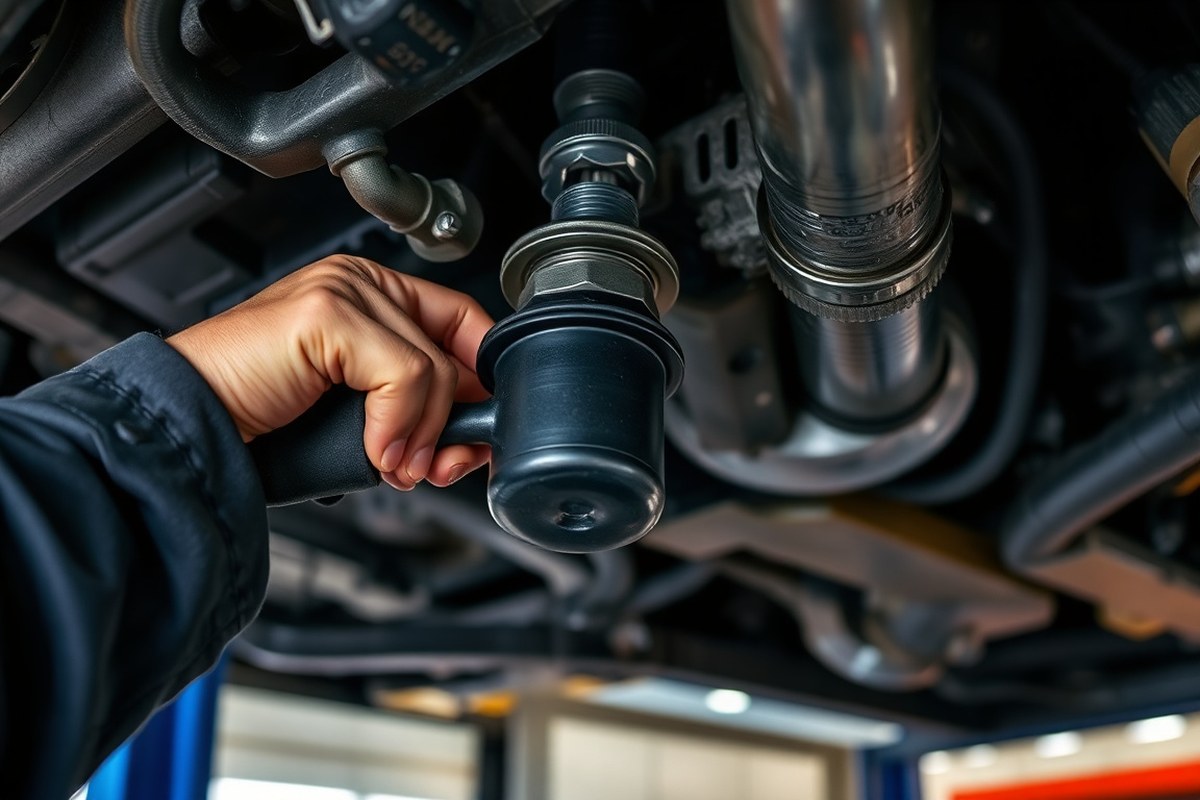
Can You Change Oil Filter Without Changing Oil? What Actually Works
Can you change oil filter without changing oil? Yes, it is possible to replace the oil filter alone if the oil is still in good condition and has stable viscosity. Checking the oil’s health first ensures your engine won’t lose lubrication during the filter swap.
Key Takeaways
- Inspect oil condition visually and with a dipstick test before deciding to change only the filter.
- Car makers often suggest replacing the oil and oil filter simultaneously between 3,000 and 7,500 miles.
- Changing just the oil filter may work for short-term fixes if no performance problems exist.
- Use a proper oil filter wrench to safely remove and install the filter without oil draining.
- Regular filter changes protect the engine by trapping contaminants even when oil remains clean.
- Frequent driving in harsh conditions may require more frequent full oil and filter changes.
Can You Change the Oil Filter Without Changing the Oil?
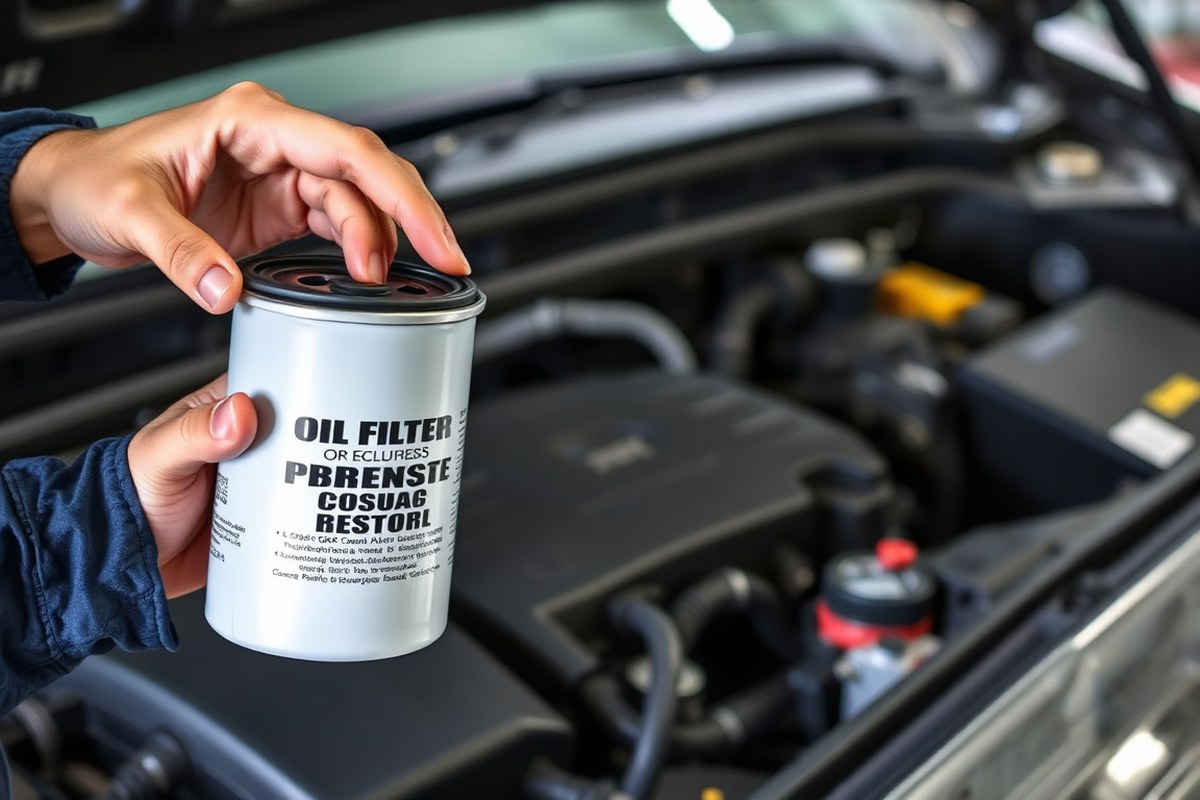
Yes, you can change the oil filter without changing the engine oil, but it is generally not the best practice for your car’s health. The oil filter traps contaminants and debris in the oil, so replacing it removes these particles and improves filtration. However, old oil still in the engine continues to circulate, carrying impurities that can cause engine wear over time.
Changing just the oil filter without draining the oil requires care, since the filter is often mounted in a position where some oil will spill out when removed. You can do this safely by warming up the engine to operating temperature, then turning it off and locating the filter. Removing the filter will cause some oil to leak, so keep rags and a drain pan handy to catch drips. Then, apply a thin layer of clean oil to the rubber seal of the new filter before installing it hand-tight according to the manufacturer’s instructions. Avoid over-tightening as this can damage the seal.
This process does not require draining any oil from the oil pan. The oil level and viscosity should be stable and within the recommended range to prevent damage or lubrication issues. It’s also best to perform this procedure only if the engine oil is relatively fresh and in good condition. If the oil is dirty, contaminated, or near the end of its service interval, changing just the filter won’t provide sufficient engine protection.
One risk when changing only the oil filter is brief fluctuations in oil pressure or lubrication, which might cause unusual engine noises. This is more likely if the oil is thick, cold, or if the filter does not fill properly when installed. Ensuring the engine is warm helps reduce oil viscosity, making the process smoother. Some vehicles have a “full-flow” filter setup that makes changing the filter without oil removal easier, but many modern engines hold oil in the filter housing, which can spill out.
Costs for changing just the oil filter are lower since you’re not buying new oil or disposing of used oil. A typical oil filter replacement costs between $10 and $30 for the part alone, plus any service fees if you go to a shop. The time required is about 15 to 30 minutes if you’re experienced and have the correct tools and replacement filter. Conducting only the filter change periodically might prolong oil usefulness within a single interval, but it should not replace regular oil changes.
Repeatedly changing only the oil filter while keeping old oil can accelerate engine wear due to contaminants left in the oil. For long-term engine health, it is advisable to replace both the oil and the filter at recommended intervals. This ensures the oil’s lubricating properties are restored alongside clean filtration.
How an Oil Filter Works and Its Role in Engine Health
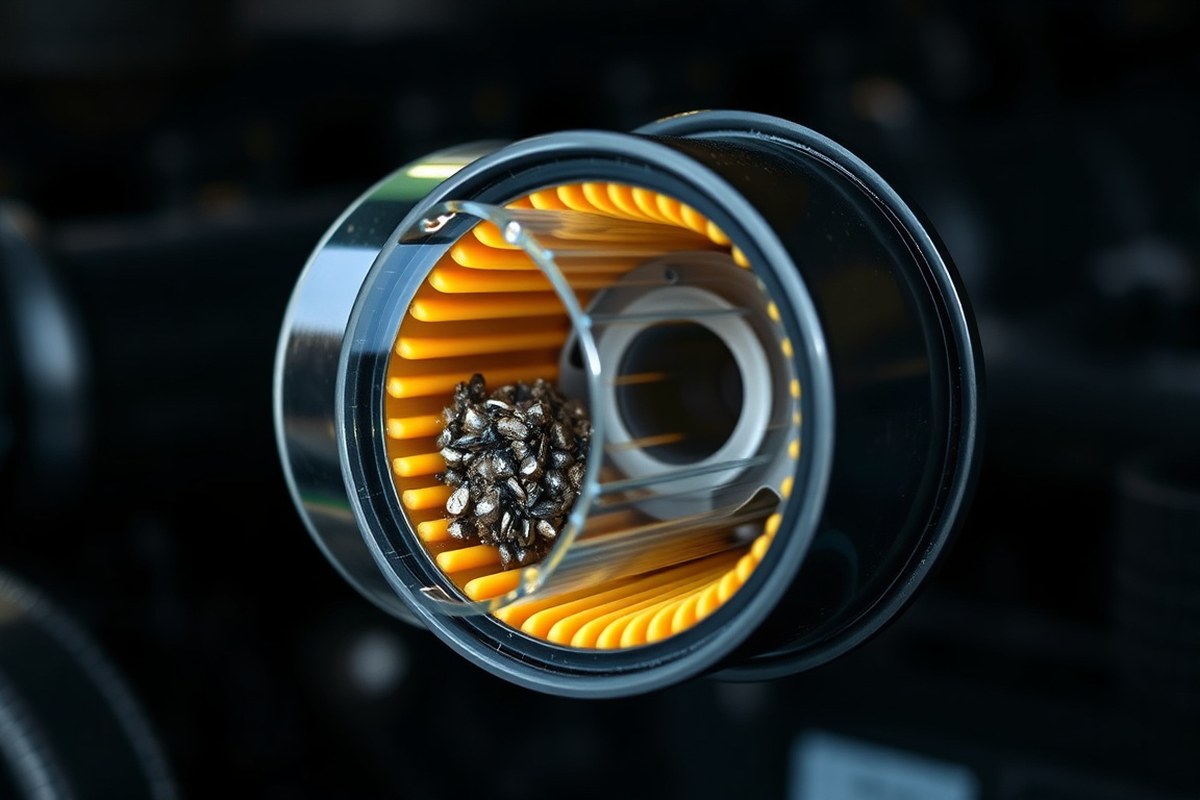
The oil filter cleans contaminants from the engine oil as it circulates, protecting engine parts from wear and damage. Clean filters ensure oil stays clear and effective at lubrication and cooling. Replacing the oil filter without changing the oil leaves old, contaminated oil inside, which reduces the filter’s benefit and can harm your engine over time.
How Oil Filters Remove Contaminants
Oil filters trap dirt, metal particles, sludge, and other contaminants produced by engine wear and combustion. As oil flows through the filter media, these impurities get caught, preventing them from circulating back into the engine. The filtered oil then lubricates parts like pistons, bearings, and camshafts, reducing friction and heat.
The filter continuously cleans the oil between full oil changes. If the filter clogs, a bypass valve opens to let unfiltered oil circulate, preventing oil starvation but allowing contaminants through. This can accelerate engine wear.
Why Clean Filters Matter for Engine Health
Regularly replacing oil filters protects your engine by maintaining oil cleanliness. Dirty filters can restrict oil flow, causing poor lubrication and overheating. Contaminated oil may lead to premature wear of engine components, reducing fuel efficiency, power, and engine lifespan.
Changing the filter captures fresh contaminants, improving oil quality until the next full oil change. Visible inspection of the filter area every 3,000 to 5,000 miles can reveal buildup or leaks. Using a filter matched to your engine and oil type ensures optimal performance and filtration efficiency.
The Risk of Changing the Filter Without Fresh Oil
Replacing only the oil filter means the old oil with trapped contaminants remains inside the engine. These contaminants can recirculate, undermining the filter’s function and potentially causing increased wear. Engine lubrication depends on both clean oil and an effective filter working together.
While a new filter temporarily prevents new contaminants from accumulating, the old oil quality still affects engine health. Repeatedly changing only the filter without fresh oil risks buildup inside the engine and filter media, which can impair oil flow and pressure.
Damage Caused by Dirty or Clogged Filters
A clogged filter can lead to reduced oil pressure and lubrication, causing metal-to-metal contact and overheating. Continual use of a clogged or dirty filter increases engine wear, results in sluggish performance, and may trigger warning lights. In severe cases, engine parts can seize or suffer costly damage.
Emergency filter replacement can prevent damage if you notice signs like unusual engine noises or oil pressure drops. However, this stops further harm only temporarily. Full oil and filter changes are necessary to restore optimal engine operation.
Always check the oil’s condition and level before replacing the filter; topping off with the correct viscosity can temporarily support engine lubrication but doesn’t replace the need for fresh oil.
When Does Changing Only the Oil Filter Make Sense?
Changing just the oil filter can make sense in specific situations where the oil remains clean and at an acceptable level, but the filter’s condition raises concern. It’s a practical response when you want to maintain oil quality momentarily or address a suspected filter issue without performing a full oil change.
When Recent Oil Change Allows Filter-Only Replacement
You recently changed the oil within the last 500 to 1,000 miles and now see signs of a failing oil filter; in that case, focusing on replacing just the filter may be a good option. For example, if you observe slight oil pressure drops or hear subtle engine noises not present immediately after the oil change, the filter could be clogged or damaged. This small adjustment helps keep the existing oil cleaner for longer without the immediate expense and labor of a full oil drain and refill.
The top focus is ensuring the oil is still in proper shape. When the oil is clean and has the right thickness, you can change the filter ahead of time. This approach may extend how long the oil lasts between regular oil changes, which typically happen between 3,000 and 7,500 miles based on the car maker’s guidelines and the oil variety applied.
Signs Indicating Filter Replacement Before Oil
Several signs may point to the oil filter needing replacement before oil does. Watch for reduced oil flow felt as engine hesitation, distinct engine knocking or tapping noises, and dashboard oil pressure warnings. These symptoms suggest the filter is restricting flow or failing to trap contaminants effectively.
Another sign involves visible filter damage such as leaks or cracks noticed during a quick oil level check or inspection. Even without oil discoloration, a compromised filter risks letting debris circulate, which could shorten oil life and harm engine parts.
How Changing Filter Alone Can Extend Oil Quality
Replacing the oil filter without draining the oil can strategically aid oil quality maintenance by continuously removing fresh contaminants. This approach works best if you want to stretch intervals between full oil changes or if oil testing confirms acceptable oil condition. Clean oil reduces engine wear by keeping internal parts lubricated and free from abrasive particles.
However, the oil itself also accumulates chemical breakdown products and moisture, which a filter cannot remove. That means only changing the filter helps momentarily but cannot replace the need for periodic oil changes. It’s a temporary measure rather than a long-term maintenance strategy.
Steps to Change Oil Filter Without Draining Oil
Changing the oil filter without draining oil requires careful steps to avoid spills and maintain cleanliness. Here’s what to do:
- Warm up the engine slightly to thin the oil for easier flow and filter removal (run 5 minutes and then turn off).
- Locate the oil filter, usually accessible from under the engine or inside the engine bay.
- Use an oil filter wrench to loosen the old filter slowly, ready to catch any residual oil.
- Remove the old filter carefully; drain any leftover oil into a pan to reduce mess.
- Prepare the new filter by applying a thin layer of fresh oil to its gasket to ensure a good seal.
- Install the new filter by hand until the gasket contacts the mounting surface, then tighten according to the filter’s specifications (typically 3/4 turn).
- Check oil level and top off if needed, then run the engine briefly to inspect for leaks around the new filter.
This process usually takes 15 to 30 minutes and costs roughly $10 to $20 for a quality oil filter, depending on the vehicle model. Avoid over-tightening, which can damage the gasket and cause leaks.
When to Avoid Changing Only the Filter
Replacing just the oil filter is not advisable if the oil is dirty, heavily used, or beyond the normal mileage interval. Signs like dark, gritty oil or a burnt smell require both oil and filter changes. Driving conditions such as towing, extreme temperatures, or frequent short trips accelerate oil degradation, making separate filter changes less practical.
Also, if the engine has had no recent oil change beyond the recommended manufacturers’ interval, changing the filter alone will not address degraded oil. In these cases, performing a full oil and filter change maintains engine health better than partial maintenance.
Step-by-Step Guide to Changing an Oil Filter Without Draining Oil
You can change the oil filter without draining the oil by carefully removing the filter and installing a new one while the oil remains in the engine. This approach reduces the time and cost compared to a full oil change but requires extra caution to avoid spills and contamination. Using the right tools and techniques helps keep the process clean and efficient.
Preparing Your Vehicle and Tools
Choose a level, stable surface to work on your vehicle to prevent oil from shifting during the process. Allow the engine to cool for about 30 minutes if it has been running, as warm but not hot oil reduces the risk of burns and makes the filter easier to grasp.
Gather these tools before starting: a proper oil filter wrench sized for your filter, a drain pan or container for any oil that spills, gloves to protect your hands, and some rags or paper towels for cleanup. Have the replacement oil filter ready, ideally the same brand and model recommended for your vehicle, to ensure compatibility.
Removing the Old Oil Filter Carefully
Loosen the old filter using the oil filter wrench by turning it counterclockwise. Position the drain pan underneath the filter to catch any oil that will drip out once the seal breaks. Expect some spillage, especially if your filter is mounted horizontally or in a tight spot. Avoid sudden removal motions to minimize mess.
After loosening, carefully unscrew the filter by hand, keeping it upright to reduce dripping. Set the old filter aside on the pan or disposable surface. Check for the rubber gasket left on the engine mount, removing it if stuck, as a double gasket causes leaks.
Installing the New Oil Filter and Final Checks
Before installing the new filter, lightly coat its rubber seal with clean engine oil. This step ensures a tight seal and makes future removal easier. Screw the new filter onto the engine by hand until the gasket contacts the mounting surface, then tighten it an additional 3/4 turn but avoid overtightening, which can damage the seal.
Check the area around the oil filter for any leaks or loose connections. Clean off any oil spills near the filter to stop dirt from sticking. Run the engine for a few minutes, then shut it off and look again for leaks. Adding a small amount of fresh oil can help if the level seems low, but a complete oil top-up should wait until your next oil change.
- Park your vehicle on level ground and allow the engine to cool for about 30 minutes.
- Gather an oil filter wrench, drain pan, gloves, rags, and your replacement oil filter.
- Position the drain pan under the oil filter to catch any oil drips.
- Use the oil filter wrench to loosen the old filter by turning it counterclockwise.
- Unscrew the filter by hand, keeping it upright to minimize oil spillage.
- Check the mounting surface and remove any old gasket residue.
- Apply fresh engine oil to the new filter’s rubber seal and screw it on by hand until snug plus a 3/4 turn.
- Start the engine and inspect for any leaks; clean up spilled oil as needed.
Benefits and Drawbacks of Changing Just the Oil Filter
Changing only the oil filter can save money, ranging from $15 to $30, compared to a full oil change that often costs $40 to $75 at a service center. The main advantage is removing contaminants trapped in the filter while keeping existing oil in the engine. This may extend the oil’s usefulness slightly but won’t refresh its chemical properties or restore degraded viscosity.
However, simply swapping the filter cannot improve engine performance or fuel efficiency. Oil quality and viscosity strongly influence lubrication and combustion efficiency. Using old oil with changed filter may leave sludge, acids, and wear particles circulating, which can gradually harm engine parts. Adding fresh oil without a complete change might also alter viscosity, reducing lubrication effectiveness.
| Aspect | Changing Oil Filter Only | Full Oil and Filter Change |
|---|---|---|
| Cost | $15 to $30 | $40 to $75 |
| Time Required | 10 to 20 minutes | 30 to 45 minutes |
| Engine Cleanliness | Filters out some particles | Removes dirty oil and contaminants |
| Oil Viscosity Effects | Old oil remains unchanged | Restored optimal viscosity with new oil |
| Fuel Efficiency Impact | Negligible or none | Possible slight improvement with fresh oil |
| Risk of Engine Wear | Higher over time if oil degrades | Lower due to fresh oil replacement |
Performing a filter-only change entails draining no oil, loosening the old filter, replacing it with a new one properly lubricated on its gasket, and tightening it as recommended by the manufacturer. This process can be done frequently between full oil changes but should not replace full maintenance. Ignoring oil condition and changing the filter alone repeatedly can let harmful deposits build up.
Regularly check your oil level and quality if you decide to change only the filter; neglecting oil aging risks engine damage over time.
While a filter change removes some contaminants, the oil circulating afterward still carries dissolved acids and fine particles invisible to the filter. This limits the benefit compared to draining and replacing the entire oil volume, which resets oil chemistry and stabilizes viscosity for better engine protection.
Common Mistakes When Changing Only the Oil Filter and How to Avoid Them
Changing only the oil filter can save time and oil, but there are common mistakes that can cause engine problems or messy spills. Using an old or incompatible filter often leads to poor sealing or reduced filtration, allowing contaminants to recirculate in your engine. Always use a high-quality filter designed for your vehicle’s make and model, ideally one with synthetic fiber media for better filtration during frequent changes. Skipping the oil top-off after changing the filter can leave your engine running low, because some oil remains trapped in the old filter and the new filter absorbs fresh oil.
Many people underestimate how much oil they lose during a filter-only replacement. Expect to lose about 0.1 to 0.3 quarts of oil, depending on the filter size and engine type. This amount is usually not significant, but topping off the engine soon after the change keeps oil levels within the recommended range, preventing low oil pressure or increased engine wear.
- Don’t reuse old filters; replace them with a new one that fits your vehicle exactly.
- Before installing, apply a thin layer of clean oil on the new filter’s rubber gasket to ensure a tight seal and avoid leaks.
- Tighten the filter to manufacturer specifications, usually hand-tight plus a quarter to half turn, but avoid overtightening, which can damage the gasket.
- Check your oil level immediately after changing the filter and add oil if needed to reach the full mark on the dipstick.
- Dispose of old filters properly to avoid environmental harm.
- Perform a quick engine cold start and inspect around the filter for leaks within the first five minutes of running.
- Don’t delay oil changes too long after replacing the filter; the oil can degrade while contaminants accumulate.
Skipping proper tightening of the new filter or neglecting to lubricate the gasket is a frequent cause of oil leaks, which can damage your engine or create hazards in your driveway. Also, choosing a filter with standard instead of synthetic filter media might reduce the effectiveness of contaminant removal, especially if the filter is changed more often than the oil. Making sure you have the right tools and working in a clean environment reduces the risk of cross-contamination and saves cleanup time.
How Often Should You Change Your Oil Filter Relative to Oil Changes?
The oil filter should generally be changed at the same time as the oil. Most vehicle manufacturers recommend replacing the oil filter with every oil change, which typically occurs every 5,000 to 7,500 miles for modern engines using synthetic oil. The filter removes contaminants from the oil, maintaining engine cleanliness and performance. Changing it less frequently risks clogging and reduced filtering efficiency, which can accelerate engine wear.
Driving style and conditions can require more frequent oil and filter changes. Severe conditions such as frequent short trips under 10 miles, stop-and-go traffic, towing heavy loads, or driving in extreme temperatures can degrade oil quality faster. In these cases, an interval as short as every 3,000 miles might be needed. Following your vehicle’s maintenance manual and observing oil condition can guide you here. For example, dark, thick, or gritty oil signals an earlier change is due.
Some oil filter types are better suited for frequent individual changes. Filters designed with high-efficiency media or extended life are worth considering if you plan to change filters more often than oil. On the other hand, basic paper-element filters are less tolerant of extended use between oil changes. Specific synthetic or performance filters may cost $10 to $20 each, compared to $5 to $10 for standard types, but can provide better contaminant capture and longer service life when used appropriately.
Changing the filter alone without changing the oil can be done but is not recommended as a regular practice. It requires having the correct oil filter removal tools; nearly 80% of DIY oil filter changes demand tools such as strap or cap wrenches to avoid damage and ensure a proper seal. After removing the old filter, you should lubricate the rubber gasket on the new filter with fresh oil before installation to prevent leaks. Tighten the filter by hand according to the manufacturer’s torque specifications, usually about three-quarters of a turn after the gasket contacts the base.
Costs for oil filters vary by vehicle make and filter design but expect to spend around $5 to $20 per filter. Changing the filter too infrequently allows sludge and particulates to accumulate, risking restricted oil flow or filter collapse. Over-tightening the filter during installation can damage the gasket or housing. Under-tightening leads to leaks. Monitoring oil pressure and engine temperature after a filter change provides feedback on whether the filter is functioning correctly.
For most drivers, the safest and most efficient approach is to replace the oil filter at every oil change. Adjust this frequency based on your driving environment. For example, if your daily commute involves heavy traffic in hot weather, aim for the lower end of the recommended mileage intervals. Doing this helps maintain optimal engine health and performance without unnecessary expense or effort.
Deciding When to Perform a Full Oil and Filter Change
Your engine relies on both clean oil and a well-functioning oil filter to run properly. Perform a full oil and filter change when the oil becomes dirty, contaminated, or has passed its useful life. Most vehicle makers suggest changing oil every 3,000 to 7,500 miles based on the car and oil type. Watch for signs like rough idling, worse gas mileage, louder engine noise, or the oil pressure warning light. These indicate the oil no longer lubricates or cleans well, so just swapping the filter won’t fix engine issues.
Checking the oil quality regularly can help guide this decision. Inspect the oil’s color and texture using the dipstick: fresh oil is usually amber and translucent, whereas older oil often looks dark, gritty, or sludgy. The presence of metallic particles or a burnt smell indicates contamination or oil breakdown that means a full change is necessary. When the engine runs smoothly and the oil still looks clean, changing only the filter may be enough without fully draining the oil. However, topping off oil after only changing the filter is often insufficient if the oil is degraded; topping off just adds volume but doesn’t restore oil quality.
To decide whether to perform a full oil and filter change, use this rule: if the oil is darker than a standard motor oil sample and the vehicle has driven more than the recommended mileage since the last oil change, replace both oil and filter. Changing just the oil filter and topping off a small amount of oil to replace what drains is appropriate when oil appears clean and the mileage interval for an oil change hasn’t been reached. The filter traps contaminants, so a new one helps maintain oil cleanliness longer. Yet, relying only on a filter change without adequate oil replacement risks engine wear because old oil loses viscosity and additive chemicals.
Cost and time also impact your choice. A full oil change typically costs between $30 and $70, depending on oil type and shop labor. It takes about 30 minutes in most cases. Changing just the filter costs less, often under $20, and can be quicker, but carries the risk of not fully addressing oil degradation. Performing only a filter replacement should be a tactical choice when frequent full oil changes aren’t practical but the oil remains in good condition.
Good results look like a smooth-running engine, steady fuel consumption, and no warning lights after changing oil and filter. Problems following a filter-only change often stem from oil that is already too old to be effective. This leads to increased engine deposits and possible damage over time, costing you more in repairs. For vehicles driven under severe conditions, extreme temperatures, towing, or short trips, stick to full changes to ensure optimal protection.
Always check the oil’s condition before deciding: dark, gritty, or burnt-smelling oil means both the oil and filter need changing, not just the filter.
Step-by-Step Action Plan for Changing Your Oil Filter Without Changing the Oil
Follow these steps to safely replace your oil filter while retaining the current engine oil and verify the process is effective.
- Before You Start: Gather a new oil filter, oil filter wrench, clean rags, and protective gloves. Ensure your vehicle is on a flat surface and the engine is cool to avoid burns.
- Start the Engine Briefly: Warm up the engine for a few minutes to help the oil flow better, then turn it off and wait about 10 minutes for most oil to settle.
- Remove the Old Oil Filter: Use the oil filter wrench to unscrew the existing filter carefully to avoid spilling oil. Keep a container or rag ready to catch drips.
- Prepare the New Filter: Apply a thin layer of clean engine oil to the rubber gasket of the new filter. This ensures a better seal and easier removal next time.
- Install the New Filter: Screw on the new filter by hand until it fits snugly, then tighten it about 3/4 of a turn more. Avoid over-tightening, which can damage the gasket.
- Check for Leaks: Start the engine and run it for a few minutes. Inspect around the filter for leaks. If you see any, shut off the engine and tighten the filter slightly.
- Monitor Oil Level: Use the dipstick to confirm the oil level remains adequate. Add oil only if the level is low, to maintain proper engine lubrication.
- Plan Next Full Oil Change: Note the date and mileage, then schedule your next full oil and filter change based on your vehicle’s maintenance schedule or operating conditions.
Frequently Asked Questions
Can You Replace the Oil Filter While Keeping the Same Oil?
Yes, you can replace just the oil filter without changing the oil, but the old oil still contains contaminants that can harm the engine over time, so changing both together is usually better.
Is It Harmful to Only Change the Oil Filter and Not the Oil?
It’s not immediately harmful but can lead to more engine wear since old oil continues circulating, which defeats the purpose of a new clean filter.
Can Changing Only the Oil Filter Extend Oil Life?
Changing just the oil filter does not extend oil life because the oil itself still breaks down and accumulates dirt.
Is Changing the Oil Filter Alone More Cost-Effective?
It may save money short-term but risks increased engine wear that could lead to costly repairs later.
Can Anyone Change the Oil Filter Without Draining Oil First?
Technically possible for some vehicles, but often oil spills occur; professional help or some oil drainage is recommended.
Does Changing Just the Oil Filter Affect Car Warranty?
Some warranties may require following recommended oil change schedules, including both oil and filter, so only changing the filter might void coverage.
Final Thoughts
Changing your oil filter without an oil change can be done safely and can help keep your engine cleaner between oil changes, but it should be done carefully to avoid leaks or insufficient lubrication. Remember to check your oil level and watch for leaks immediately after installing the new filter. Consider this approach as a temporary measure rather than a substitute for regular oil changes. Your next step is to decide your vehicle’s ideal service interval by reviewing the owner’s manual and inspecting your oil condition regularly.