How Many Spark Plugs Does a Car Have? Complete Guide with Types & Maintenance
Most cars have one spark plug per cylinder, so usually the number of spark plugs equals the number of engine cylinders. For example, a four-cylinder engine typically has four spark plugs. This straightforward rule applies to the vast majority of gasoline engines found in passenger cars.
This information is helpful for car owners or DIY enthusiasts wanting to understand their vehicle’s ignition system better. You’ll learn how to identify your spark plug count, how engine designs affect that number, and what to expect about maintenance and replacement intervals.
Key Takeaways
- Your car’s cylinder count usually matches its spark plug count in gasoline engines.
- Inspect spark plugs about every 30,000 miles to ensure optimal engine performance.
- Copper spark plugs last roughly 30,000 to 50,000 miles; iridium ones can last up to 120,000 miles.
- Toyota models show how replacement intervals can vary widely depending on vehicle age and design.
- Engines without spark plugs, like diesels, use different ignition methods and don’t need spark plug maintenance.
- Replacing spark plugs yourself can save money and time, especially on engines with fewer cylinders.
How Many Spark Plugs Does a Car Usually Have?
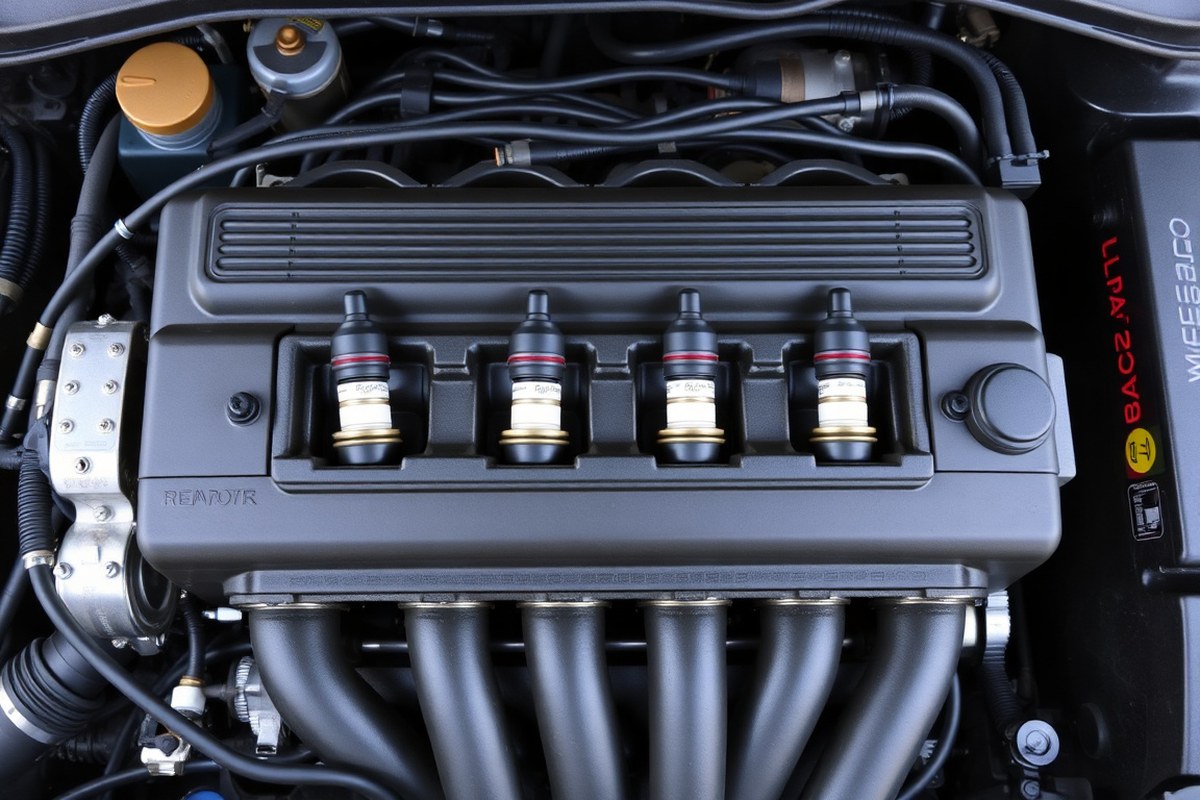
Most gas-powered car engines have one spark plug per cylinder, which means the number of spark plugs typically matches the number of cylinders in the engine. For example, a 4-cylinder engine usually has 4 spark plugs, a V6 engine comes with 6, and a V8 engine requires 8 spark plugs. This one-to-one relationship exists because each cylinder needs its own spark plug to ignite the air-fuel mixture properly, ensuring smooth and efficient combustion.
Some engines feature a dual spark plug setup, also called a dual ignition system. In this case, each cylinder has two spark plugs instead of one. This design is less common but can improve combustion efficiency and reduce emissions. A dual spark plug engine with 4 cylinders will therefore have 8 spark plugs in total. Before assuming your car uses this setup, check your vehicle specifications or inspect the engine to confirm the spark plug count.
The engine type influences the spark plug count significantly. Gasoline internal combustion engines rely on spark plugs, while diesel engines do not use them since they ignite fuel through compression. Electric vehicles also have no spark plugs. Knowing your engine type helps clarify whether spark plugs are part of your car’s maintenance.
To determine how many spark plugs your engine has, the easiest rule is to count the cylinders and multiply by one unless you have a known dual ignition system. If you have access to the engine or engine bay, locate the spark plug wires or ignition coils on top of the engine; each spark plug typically has a corresponding wire or coil. For instance, a V6 engine usually has 6 ignition coils or thick cables leading to 6 spark plugs. This direct correlation helps you order the correct number of spark plugs when it’s time for replacement.
| Engine Type | Cylinders | Spark Plugs per Cylinder | Total Spark Plugs |
|---|---|---|---|
| Inline 4-cylinder | 4 | 1 | 4 |
| V6 | 6 | 1 | 6 |
| V8 | 8 | 1 | 8 |
| Dual Spark Plug 4-cylinder | 4 | 2 | 8 |
Expect to find one spark plug per cylinder on almost all conventional cars. Knowing this helps you understand maintenance needs, as replacing the right number of plugs keeps the engine running smoothly and avoids costly issues like misfires or poor fuel economy. Confirm the number by visually inspecting the wires or ignition coils, or by checking engine documentation to prevent mistakes.
How to Identify Spark Plug Count in Your Engine
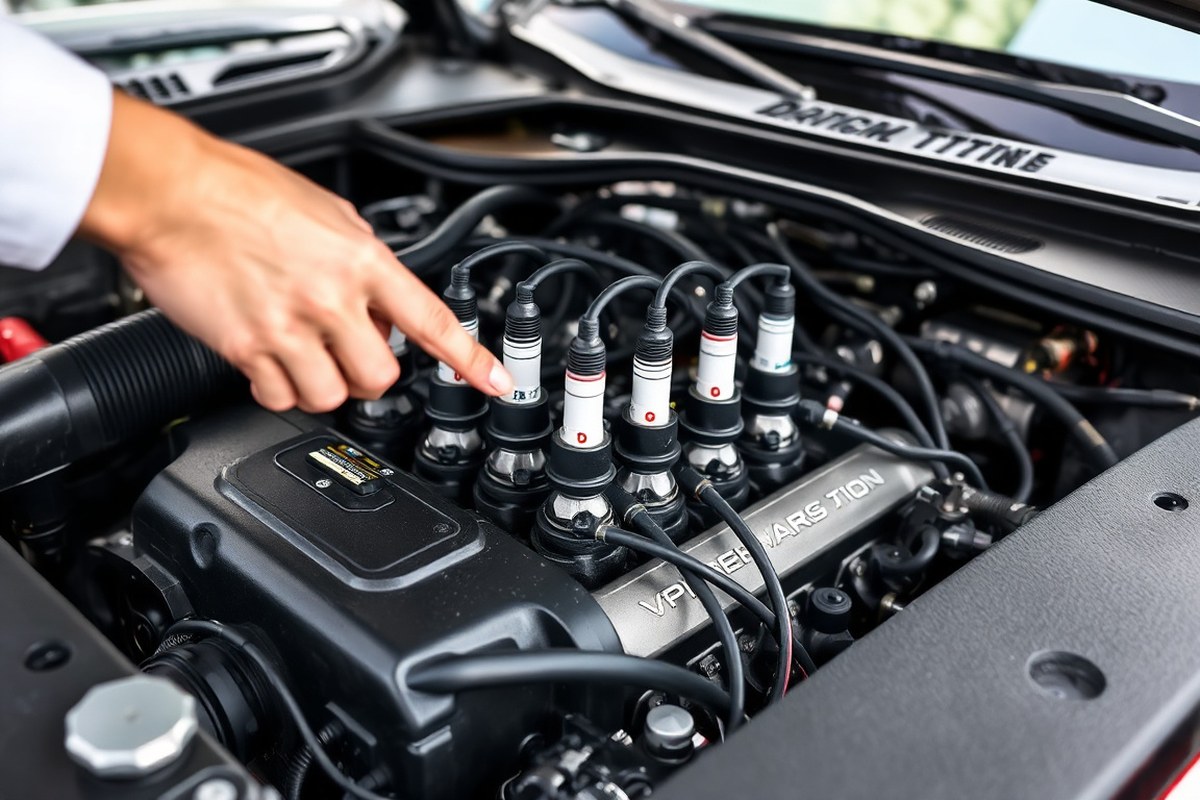
Counting your car’s spark plugs can often be done through simple visual checks or using reliable reference materials. You can inspect the ignition coils or spark plug wires directly, consult your owner’s manual, or search your engine’s specifications online. These methods help confirm the exact number of spark plugs, which is critical for maintenance and replacements.
Using Your Owner’s Manual
The owner’s manual is the most straightforward resource for identifying the number of spark plugs in your vehicle. It provides specific details under the maintenance schedule or engine specifications sections. This information is reliable because it comes directly from the manufacturer and reflects your car’s actual engine design.
You’ll find the number of cylinders listed, and since most engines have one spark plug per cylinder, this helps you quickly determine how many plugs your car has. The manual also recommends when to change them, usually based on mileage or time.
Inspecting Spark Plug Wires or Ignition Coils
Physically counting spark plug wires or ignition coils under your engine’s valve cover gives a practical way to estimate the plug count for most engines. Each spark plug typically has one wire or ignition coil directly connected to it. For example, a 4-cylinder engine usually has four wires or four coil packs. Counting these components will often reveal the exact number of spark plugs.
Direct inspection is easier with older cars that have visible spark plug wires running from the distributor to the plugs. For modern vehicles with coil-on-plug systems, each coil pack sitting on top of a cylinder corresponds to one spark plug beneath it.
- Open the hood and locate the valve cover where the ignition coils or wires are found.
- Look for individual ignition coils or spark plug wires that connect to each cylinder.
- Count the total number of wires or coils lined up, usually equal to the number of spark plugs.
- Check for dual ignition systems that might have two spark plugs per cylinder, which will double the count.
- Note any distributor-based ignition systems which may have one coil with multiple wires running out to each spark plug.
Be careful not to confuse glow plugs used in diesel engines with spark plugs; glow plugs help start the engine but do not ignite fuel.
Looking Up Engine Specs Online or with VIN
When the owner’s manual is unavailable, searching your engine’s specifications online or using the vehicle identification number (VIN) can give clear answers. Many manufacturer websites and automotive databases allow you to enter your VIN and retrieve detailed engine specs, including spark plug count.
These resources often list the engine configuration and the ignition system type, which indicates whether you have one spark plug per cylinder or a dual ignition setup requiring more. Using VIN lookup tools or trusted mechanic sites provides accurate information specific to your car’s model and production year.
How Engine Design Affects Spark Plug Numbers
Most engines use one spark plug per cylinder, but the exact number depends on the engine layout and design. Inline engines, V engines, and boxer engines all have different configurations that affect how many spark plugs they need. Some engines, especially high-performance or emission-focused designs, use two spark plugs per cylinder to improve combustion.
Standard Spark Plug per Cylinder Setup
The simplest and most common setup is one spark plug per cylinder. Inline engines, like a typical 4-cylinder inline-four, usually follow this arrangement. For example, an inline-four engine has four cylinders and thus four spark plugs. V engines, such as a V6 or V8, have cylinders arranged on two banks, but each cylinder still gets just one spark plug. So a V8 has eight spark plugs, one per cylinder, just like an inline-eight would.
This layout keeps spark plug counts directly tied to the number of cylinders. It’s helpful for routine maintenance and parts replacement since you buy plugs by the cylinder count. For instance, replacing spark plugs on a V12 means buying 12 plugs. The plug’s role remains the same regardless of engine shape: igniting the air-fuel mixture inside its cylinder.
Dual Spark Plug Engines Explained
Some engines, mainly designed for performance, efficiency, or emissions control, use two spark plugs per cylinder. This is called a dual spark or twin-spark system. Having two plugs igniting the fuel simultaneously improves combustion speed and more complete burn. That can lead to better power output, lower emissions, and sometimes better fuel economy.
For example, a 4-cylinder dual spark engine will have eight spark plugs total. This setup is less common and usually found in sports cars or certain European models. It raises spark plug counts and can increase maintenance costs since you replace twice as many plugs. However, the improved combustion smooths engine running and can extend overall engine life by reducing unburned fuel deposits.
Exceptions: High-Performance or Older Engines
High-performance engines sometimes feature multiple spark plugs per cylinder beyond the dual setup. Some racing engines and specialty builds use this to achieve faster and more complete combustion, though this drives plug counts very high and requires specific maintenance routines. Older V engines, especially from classic or vintage cars, may have unique ignition setups that affect spark plug numbers.
The choice to add extra spark plugs depends on the engine’s goals. Performance tuning or emission regulations can push manufacturers to adopt extra plugs. However, this also raises replacement costs and service complexity. High-performance spark plugs themselves tend to cost more, running around $10 to $20 each compared to standard plugs priced closer to $5.
In essence, engine design, from inline to V to boxer formats, along with performance and emission needs explain differences in spark plug counts. Knowing your engine layout helps estimate how many plugs you need and budget for maintenance accordingly.
Which Engines Don’t Use Spark Plugs and Why
Diesel engines do not use spark plugs because they rely on a different ignition process. Unlike gasoline engines, which use spark plugs to ignite the air/fuel mixture with an electrical spark, diesel engines ignite fuel through compression. The air inside a diesel engine cylinder is compressed to very high pressures and temperatures, often exceeding 1,200°F (650°C), causing the diesel fuel injected directly into the cylinder to ignite on contact. This process eliminates the need for spark plugs entirely.
Instead of spark plugs, diesel engines use fuel injectors that spray finely atomized diesel fuel into the hot, compressed air. The injector’s precise timing and pressure control are critical to proper ignition and combustion. When these injectors fail or become clogged, the engine will have trouble starting or running smoothly. This makes injector maintenance just as important for diesel vehicles as spark plug care is for gasoline cars.
Understanding this difference is important if you own or work on a diesel vehicle. Ignoring what replaces spark plugs can lead to misdiagnosis of engine problems. For example, rough idling or difficulty starting a diesel engine is more often linked to injector issues, fuel filters, or air intake problems, not spark plugs. Injectors typically last longer than spark plugs do, but when they do require service, replacement costs tend to be higher, often several hundred dollars per injector, compared to $10 to $20 per spark plug.
This distinct ignition method also affects routine maintenance schedules. While a gasoline engine’s spark plugs generally require inspection or replacement around every 30,000 to 60,000 miles, diesel engine injectors and related components might need inspection less frequently or only when symptoms arise, such as smoke or loss of power. Diesel engines generally offer higher fuel efficiency and torque at low RPMs partly because of this combustion style, but they require attention to the fuel injection system rather than spark plug upkeep.
Diesel engines do not have spark plugs. Their ignition relies on compressing air to improve temperature so that injected diesel fuel ignites spontaneously. Fuel injectors take the place of spark plugs, controlling fuel delivery to ensure proper combustion. This fundamental difference means maintenance and repairs focus on the injection system rather than the ignition system used in gasoline engines.
Types of Spark Plugs and Their Lifespans Compared
Spark plugs vary mainly by the material used in their center electrodes, which affects both their lifespan and cost. The most common type is copper with a nickel alloy. These offer reliable performance but have a shorter lifespan, typically needing replacement between 30,000 and 50,000 miles. More modern spark plugs often last 60,000 miles or more due to improved materials.
Iridium and platinum spark plugs are examples of higher-end types known for longer life and better heat resistance. These materials allow the spark plugs to maintain a strong spark over time, reducing the chances of fouling and poor combustion. The durability also means fewer replacements, which can save money in the long run despite a higher upfront price.
Choosing the right spark plug depends on your budget, driving habits, and engine requirements. Less expensive copper plugs might be sufficient if your vehicle has low mileage or if you replace them regularly. Expensive iridium or platinum plugs pay off when you want to reduce maintenance frequency or improve engine efficiency. Always check your vehicle’s manual for manufacturer recommendations. Below is a comparison table summarizing the key materials, lifespan expectations, and cost factors for common spark plugs:
| Material | Expected Lifespan (miles) | Cost Range (per plug) | Performance Notes |
|---|---|---|---|
| Copper with Nickel Alloy | 30,000 – 50,000 | $2 – $6 | Good initial performance, frequent replacement |
| Platinum | 60,000 – 100,000 | $5 – $15 | Longer lifespan, better wear resistance |
| Iridium | 80,000 – 120,000 | $10 – $25 | Best heat resistance, longest life, stable spark |
Replacing spark plugs too often is costly and unnecessary, as most modern plugs last much longer than older copper types. Keep track of your driving habits and mileage to determine replacement intervals. Some spark plugs wear more quickly under extreme driving conditions or with aftermarket engine modifications.
Tip: Always verify the recommended spark plug type for your vehicle in the owner’s manual or consult a trusted mechanic to avoid unnecessary expenses or performance issues.
Signs Your Spark Plugs Need Checking or Replacement
Your engine’s spark plugs play a major role in ensuring smooth combustion, so signs of trouble with them are hard to miss once you know what to look for. Spark plug issues usually reveal themselves through changes in engine performance such as rough or uneven idling, difficulty starting the car, and reduced fuel efficiency. A spark plug that’s fouled, worn, or damaged can cause the engine to misfire or run roughly, which not only affects drivability but can also damage the catalytic converter over time.
One of the clearest indicators is a Check Engine Light on your dashboard. This warning often points to problems with the ignition system, including spark plugs that need attention. Don’t ignore this light, as driving with faulty spark plugs could lead to more costly repairs. Engine noise that is louder or more irregular than usual can also signal spark plug issues. Here is a checklist of symptoms suggesting it’s time to check or replace your spark plugs:
- Rough or bumpy idling that doesn’t smooth out after warming up
- Hard starts or prolonged cranking before the engine fires
- Loss of power or hesitation during acceleration
- Noticeable drop in gas mileage
- Engine misfires or stumbles at low speeds
- Check Engine Light illuminated without other obvious causes
- Excessive vibration from the engine compartment
To confirm spark plug condition, you can visually inspect them if accessible. Remove the plug and look for deposits, worn electrodes, or cracks in the ceramic insulator. Cleaning may help if deposits are light, but generally, replacing the spark plug is safer and more effective. Most spark plugs should be replaced every 30,000 to 60,000 miles depending on your vehicle and the plug type, although some iridium plugs can last up to 100,000 miles. Replacement costs vary widely; simple jobs with easy access might cost just $50 to $100 including parts and labor, but deeply recessed plugs or those under intake manifolds can require several hours and cost hundreds to replace.
Driving with bad spark plugs wastes fuel because incomplete combustion means the engine runs less efficiently. This also means more emissions and potential long-term damage. If you notice any of the symptoms, schedule a spark plug check or replacement soon for consistent engine performance and to avoid bigger problems down the road.
Steps to Inspect and Replace Spark Plugs Yourself
You can replace spark plugs yourself with the right tools, a bit of patience, and careful attention. This process usually takes 30 minutes to an hour depending on your car model and your comfort level. Following precise steps helps prevent engine damage and ensures your car runs smoothly.
Gathering the Right Tools and Parts
Before starting, make sure you have all the necessary tools and the correct spark plugs for your vehicle. Check your owner’s manual for the recommended spark plug type and gap. New spark plugs generally cost between 50 to 200 AED or SAR for a full set, depending on brand and type.
Gather a spark plug socket, a ratchet wrench, an extension bar, a torque wrench, a gap gauge, and optionally some anti-seize compound. Have a clean rag and dielectric grease ready for finishing touches.
Removing the Old Spark Plugs
Removing old spark plugs requires care to avoid damaging the engine or threads. Work on a cool engine to prevent burns and warping the cylinder head threads.
- Open the hood and locate the spark plugs using the manual; they are usually connected to thick wires or ignition coils.
- Remove the ignition coil or spark plug wire by gently twisting and pulling. Do not yank to avoid wire damage.
- Use a compressed air blower or a clean brush to remove dirt and debris around the spark plug opening to keep the engine clean.
- Attach the spark plug socket to the ratchet with an extension bar and carefully turn counterclockwise to loosen the spark plug.
- Once loose, unscrew the spark plug by hand and remove it from the engine. Set it aside for inspection.
Checking Gaps and Installing New Spark Plugs
Checking the spark plug gap ensures proper combustion and engine performance. Most spark plugs come pre-gapped, but double-checking is advised using a gap gauge. Adjust the gap by gently bending the electrode if needed to the specification in your manual, typically around 0.028 to 0.060 inches. Installation requires care not to cross-thread the spark plug or overtighten it.
- Apply a thin layer of dielectric grease to the inside of the spark plug boot to prevent moisture buildup.
- Thread the new spark plug into the cylinder head by hand, turning clockwise slowly to avoid damaging the threads.
- When hand-tightened, use a torque wrench to tighten to the manufacturer’s recommended torque setting, usually between 13 to 20 ft-lbs.
- Reattach the ignition coil or spark plug wire securely.
Testing After Replacement
After all plugs are replaced, start the engine and listen for smooth idling. An uneven idle or misfires could indicate an installation issue or a faulty spark plug. Check for any warning lights on the dashboard and clear them if necessary.
Drive the car for a short distance and note any hesitation or reduced fuel economy, which could signal further tuning or spark plug inspection is needed. Spark plug replacement typically improves throttle response and engine sound when done correctly.
How to Maximize Spark Plug Life and Performance
Your driving style has a direct impact on how quickly spark plugs wear out. Hard acceleration, frequent short trips, and idling for long periods can cause deposits to build up on the plugs, which reduces performance and shortens their lifespan. To keep your spark plugs in good shape, aim for smooth acceleration and try to combine errands into one trip to allow the engine to reach optimal operating temperature. Cold starts and stop-and-go driving cause incomplete combustion and can foul the plugs faster.
Regular maintenance of your engine helps preserve spark plug health. Changing engine oil on schedule prevents contaminants from affecting combustion quality. Replacing air and fuel filters ensures the engine receives clean air and fuel, avoiding deposits on the spark plugs. Follow the manufacturer’s recommended maintenance intervals, typically every 30,000 to 60,000 miles, or sooner if your driving conditions are severe. Checking your ignition system’s timing and spark plug wires helps maintain stable combustion.
- Avoid heavy idling to prevent spark plug fouling from unburned fuel.
- Use fuel recommended by your vehicle manufacturer to minimize carbon buildup.
- Replace air filters every 12,000 to 15,000 miles to keep air flow clean.
- Schedule oil changes every 5,000 to 7,500 miles depending on oil type and vehicle use.
- Have your ignition system inspected if experiencing misfires or rough starts.
- Use spark plugs specified by your car’s manufacturer to ensure compatibility.
It’s best to call a professional when you notice symptoms like engine misfires, rough idling, or poor fuel economy despite regular maintenance. Technicians have tools such as spark plug gap gauges and diagnostic scanners to accurately determine if the plugs need cleaning, regapping, or replacement. They can also identify if ignition coils or wiring are contributing to spark plug issues. Attempting to fix complex ignition problems without proper tools or experience can lead to further engine damage or costly repairs.
Checking and maintaining related engine components every few thousand miles can double the life expectancy of your spark plugs.
Proper spark plug care includes following manufacturer schedules for replacement, generally every 30,000 to 100,000 miles depending on the spark plug type. Iridium and platinum plugs last longer but still must be inspected periodically. Keeping your driving habits moderate and engine tuned ensures the spark plugs fire efficiently, saving you fuel and avoiding engine sluggishness. Neglecting these steps often leads to increased emissions, rough engine operation, and potentially expensive repairs down the line.
Step-by-Step Action Plan for Spark Plug Maintenance
Follow these steps to check and maintain your spark plugs, ensuring your engine runs smoothly and efficiently.
- Before your next oil change: Locate your spark plugs using your vehicle’s manual or online resources to confirm how many you need to inspect.
- Day of inspection: Remove one spark plug at a time and check for wear or carbon buildup; healthy plugs should have light tan or grayish deposits.
- Immediately after inspection: Clean or replace any spark plug that looks damaged, fouled, or worn beyond recommended limits, using plugs specified for your engine type.
- Within 1,000 miles after replacement: Monitor engine performance for misfires or rough idling, indicating whether plugs are functioning properly.
- Every 30,000 to 100,000 miles depending on plug type: Schedule a full spark plug replacement to prevent performance loss, based on manufacturer guidelines.
- Monthly: Listen for any unusual engine noises or drops in fuel economy, which could signal spark plug issues before failure.
- Annually: Review your vehicle’s maintenance records and plan spark plug checks or replacements as part of routine servicing.
Frequently Asked Questions
How Do I Know How Many Spark Plugs I Need?
Check your car’s engine type; typically, the number of cylinders equals the number of spark plugs. Your owner’s manual or a mechanic can confirm the exact count.
What Replaces Spark Plugs in a Diesel Engine?
Diesel engines use glow plugs or no plugs, as they ignite fuel by compression without sparks. Glow plugs only assist in cold starts.
How Much Do 4 Spark Plugs Cost?
Four spark plugs usually cost between $60 and $160, depending on brand and type. Labor costs for replacement vary by engine complexity.
How Do Spark Plugs Affect Car Performance?
Faulty spark plugs cause rough idling, poor fuel economy, and trouble starting. Well-maintained plugs ensure smooth combustion and engine efficiency.
Can I Use Spark Plugs from a Different Car Model?
Mixing spark plugs can cause poor engine performance or damage. Always use plugs that fit your car’s specifications.
Do Electric Cars Have Spark Plugs?
Electric cars don’t use spark plugs because they lack internal combustion engines.
The Bottom Line
Your car’s spark plugs usually match the number of cylinders, so knowing how many your engine has is key to proper maintenance. Inspecting, cleaning, and replacing them on schedule keeps your engine running efficiently and avoids costly repairs. Start by checking your owner’s manual to find the exact number for your vehicle model and plan your first inspection soon to ensure everything fires correctly.