Can Spark Plugs Cause Car Not to Start? A Complete Diagnostic & Repair Guide
Spark plugs might stop a car from starting, but this often points to a broader issue. Worn or defective spark plugs can fail to ignite the fuel-air mix in the engine, resulting in a no-start. Typically, spark plugs give warning signs before completely failing, so checking them can identify the specific problem. This advice helps DIYers and vehicle owners in diagnosing ignition problems.
This complete guide explains how spark plugs work, what common problems prevent starting, and how to check and replace them. It also compares spark plug types and offers maintenance tips to avoid future starting difficulties. Understanding these points lets you quickly diagnose if spark plugs are behind your car’s no-start problem and decide when to seek professional help.
Key Takeaways
- Spark plugs ignite the fuel-air mix, important for engine starting and smooth running.
- Worn or fouled spark plugs often cause weak or no ignition, preventing the engine from starting.
- Check spark plug condition by removing and inspecting for deposits, wear, or damage.
- Replacement intervals vary from 30,000 miles for copper plugs to 100,000 miles for iridium plugs.
- Replacing all spark plugs costs $20 to $150 in parts alone, depending on engine size and plug type.
- Misfiring plugs can reduce fuel economy by up to 30%, impacting overall vehicle efficiency.
Can Bad Spark Plugs Really Cause a Car Not to Start?
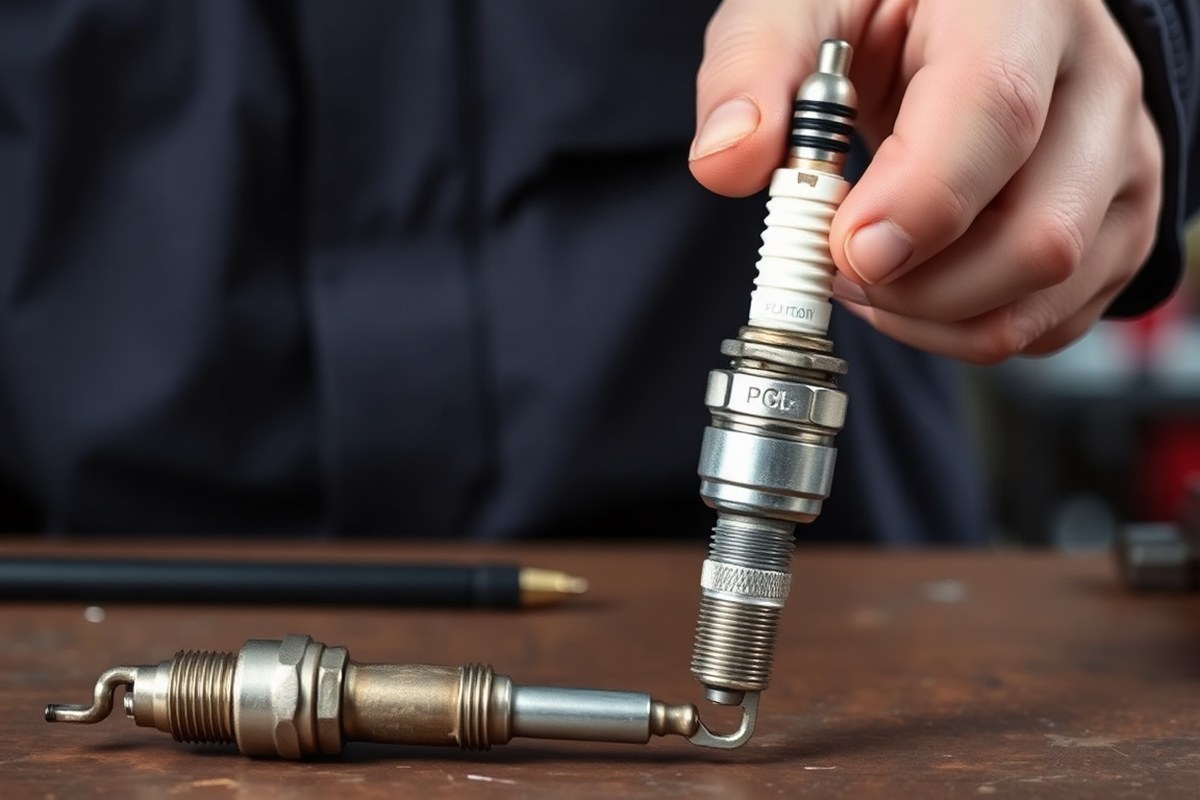
Bad spark plugs can indeed cause a car not to start, typically resulting in what’s known as a “crank but no start” condition. This means you can turn the key, and the engine will turn over, but it won’t catch and run. Spark plugs ignite the fuel-air mixture in the engine’s cylinders, so if they fail to produce a spark, the engine can’t start properly. This makes spark plugs a common and important part to check when facing starting problems.
A modern engine with four or more cylinders rarely fails to start due to just one bad spark plug. The good plugs still deliver enough spark for the engine to run, even though ignition might be uneven, causing rough idling or misfires. Usually, one faulty plug causes problems like rough idling, weak acceleration, or triggers the check engine light instead of preventing the engine from starting completely.
On the other hand, if several spark plugs are fouled, worn, or damaged, the engine may struggle or fail to start altogether. Worn spark plugs reduce the size and intensity of the spark, which decreases combustion efficiency. Over time, deposits, wear, or corrosion on multiple plugs make it difficult for the engine to ignite fuel consistently, especially when cold or under load. This usually happens after tens of thousands of miles, depending on the spark plug type, vehicle, and maintenance history.
Some starting issues related to spark plugs include persistent cranking without ignition, rough or inconsistent firing when the engine does start, and increased exhaust emissions due to incomplete combustion. These problems often mirror other issues like weak batteries or fuel delivery problems, so identifying bad spark plugs as the root cause requires careful testing. Checking spark plugs involves removing and inspecting them for signs of wear, deposits, or damage. Using a spark tester can confirm whether they’re producing a sufficient spark during starting.
Replacing spark plugs usually takes between one and two hours for most vehicles if you have basic hand tools like a socket wrench and a spark plug gap tool. The cost of new spark plugs ranges from about $10 to $20 each for standard types, but prices vary based on the brand and technology, such as iridium or platinum plugs. Properly functioning spark plugs restore reliable starting and smooth engine performance. Failing to replace bad spark plugs can lead to worsening no-start conditions and potential damage to the ignition system or catalytic converter over time.
How Spark Plugs Work in the Starting and Ignition Process
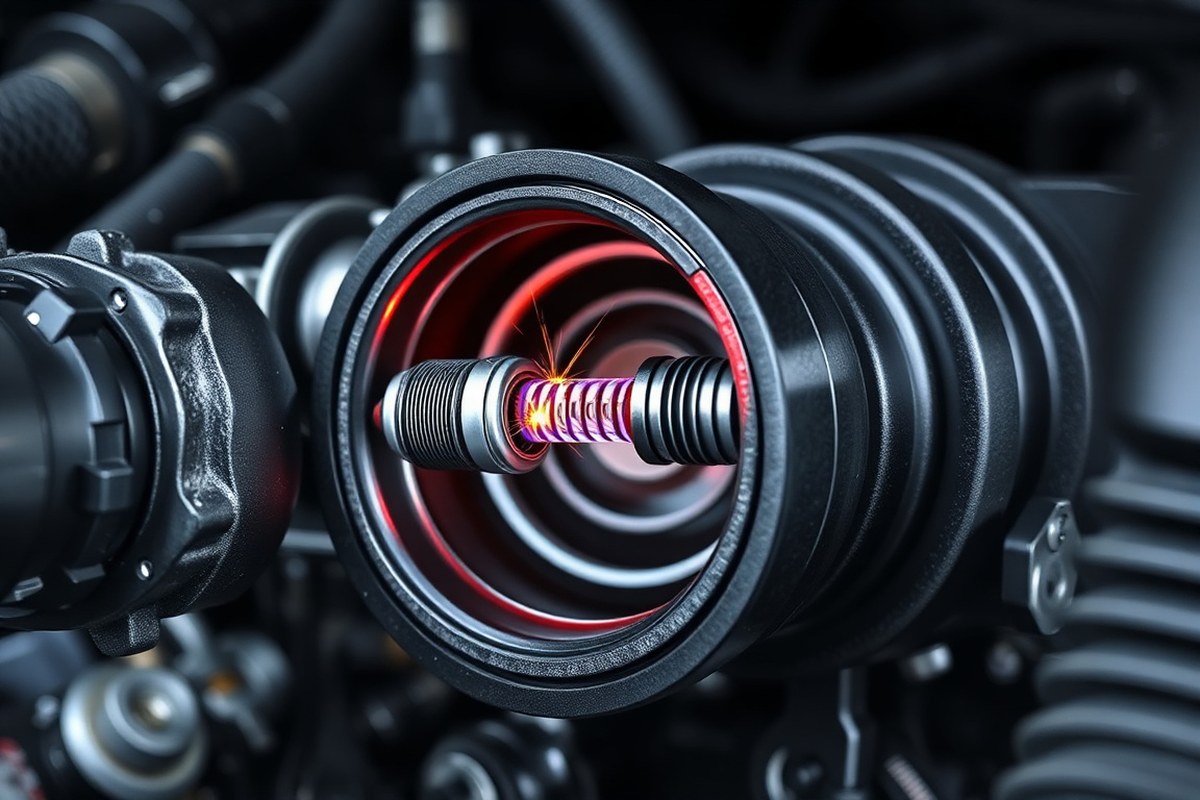
Spark plugs are essential components that ignite the air-fuel mixture inside your engine’s combustion chamber. When you turn your key or push the start button, the ignition system sends a high-voltage electrical charge to the spark plugs. Each spark plug then produces a precise spark at the gap between its electrodes. This spark ignites the compressed air-fuel mix, causing a small explosion that pushes the piston down. This piston movement is what ultimately powers your engine and allows your car to start and run.
Without this ignition spark, the air-fuel mixture remains unburned in the combustion chamber. As a result, the engine cannot generate the power it needs to run, which leads to a no-start condition. The spark plugs need to perform reliably to create this spark every time you start the vehicle. A worn or dirty plug can lead to a weak spark or no spark at all, making it difficult or impossible for the engine to catch and start.
The condition of the spark plug tip directly affects its ability to ignite the fuel. Clean, sharp tips deliver strong sparks, ensuring smooth engine starts. If the tips are fouled with carbon or oil, or if the ceramic insulator is cracked, the spark can be weak or nonexistent. In these cases, the engine might crank but fail to start. The gap between the electrodes also matters; if it’s wider or uneven, the spark might be too weak to ignite the mixture properly, causing extended cranking times or no ignition.
Proper spark timing is another important aspect. Spark plugs must fire in sync with the piston movements to make the combustion process efficient. Most modern engines have multiple cylinders and spark plugs, so a single bad plug might cause rough running or misfires but not a complete no-start. However, if several plugs are worn out or damaged, the engine will struggle to start or won’t start at all.
The process of ignition happens very fast, typically within milliseconds when the starter motor turns the engine over. Because of this speed, spark plugs need to be in top condition to produce a consistent spark. Replacement plugs usually cost between $10 and $20 each, and a full set of plugs for most vehicles ranges from $40 to $100, depending on the type and brand. Proper maintenance and timely replacement keep your engine starting reliably without unnecessary cranking times.
Always check your vehicle’s service schedule for spark plug replacement intervals to avoid starting problems caused by worn plugs.
Common Spark Plug Problems That Prevent Starting
Several common spark plug problems can prevent your car from starting by interrupting the ignition process. Issues like fouling, wear, incorrect gaps, and wet plugs stop the spark needed to ignite the fuel-air mixture. Recognizing these problems early helps you fix starting troubles without costly repairs.
Carbon Fouling and Its Impact
Carbon fouling happens when a spark plug’s tip is coated with black, dry, and sooty deposits. These deposits block the spark, causing weak ignition or no spark at all, which often leads to hard starting or a no-start condition. Carbon fouling usually builds up from incomplete combustion or using the wrong heat range plug for your engine.
This looks like a black, powdery substance on the metal electrodes and insulator. You may also notice sluggish starts or rough idling. Driving on fouled plugs can cause poor fuel economy and increased emissions if left unchecked. To fix this, remove the plugs and clean them with a wire brush or replace them entirely if the fouling is severe.
Oil Fouling and Wet Plugs
Oil fouling happens when engine oil leaks into the combustion chamber and coats the spark plug, making it wet and oily. Wet spark plugs cannot create a spark because the oil acts as a barrier, preventing spark formation. This causes engine flooding, where excess fuel accumulates without ignition, resulting in no-start or extended cranking times.
Wet plugs look shiny and dark, often with a bluish-black oily residue. You might notice a strong fuel smell and poor engine performance along with starting troubles. Cleaning oil-fouled plugs is often ineffective; replacing them and addressing the underlying oil leak, such as worn valve seals or piston rings, is necessary.
- Check plugs for shiny, wet, or oily deposits
- Look for strong fuel smell during start attempts
- Engine flooding with repeated cranking
- Inspect valve seals or piston rings for oil leaks
- Replace plugs if oily and clean or repair engine leaks
Spark Plug Wear and Gap Issues
Over time, spark plugs experience wear, evident in smoothed or cratered electrodes. This deterioration reduces the spark’s effectiveness, making it difficult to ignite fuel when starting the engine in cold conditions or under heavy load. Changing spark plugs between 30,000 and 100,000 miles, depending on their design, can help avoid these problems.
The spark plug gap, the small space between the center and ground electrodes, also affects ignition. A spark gap that’s too narrow causes a weak, uneven spark, while one too wide can stop the spark from forming between electrodes. Gaps that are too large or too small lower engine performance and can cause no-start issues by preventing reliable ignition.
Effects of Incorrect Spark Plug Gap
The specified gap for your vehicle’s spark plugs is set by the manufacturer for optimal spark strength and engine efficiency. For example, most passenger cars use gaps from 0.028 to 0.060 inches. Installing or adjusting spark plugs without confirming the correct gap often causes problems with starting your engine.
You can check the gap using a feeler gauge and adjust it by gently bending the ground electrode. A correct gap ensures the spark is strong enough to ignite the fuel-air mixture consistently, reducing misfires and no-start events. Incorrect gaps also increase ignition system wear by causing misfires that stress coils and wiring over time.
How to Check and Test Spark Plugs for No-Start Issues
Checking and testing spark plugs helps you pinpoint ignition problems that can cause your car not to start. Start by removing the plugs safely, then look for visual signs of wear or damage. Next, test the spark electronically to confirm if the plugs are firing properly. Follow these step-by-step procedures for accurate results.
Step 1: Safely Removing Spark Plugs
Removing spark plugs requires care to avoid damaging the plug, the cylinder head, or the ignition system. Use the right tools and take your time to prevent stripping threads or breaking a plug.
- Ensure the engine is cool to avoid burns and prevent damage to the plugs or threads.
- Locate the spark plug wires or coil packs on the engine, then gently disconnect them by pulling on the boot, not the wire.
- Select a spark plug socket that fits snugly, usually a 5/8 inch or 13/16 inch socket with a rubber insert to hold the plug.
- Attach the socket to a ratchet and extension as needed for reach.
- Turn the ratchet counterclockwise to loosen the spark plug; turn carefully to avoid cross-threading.
- Remove the plug by hand once loosened to prevent dropping it into the engine bay.
- Set the spark plug on a clean surface for inspection or replacement.
Taking 10 to 15 minutes to remove all plugs is typical for a four-cylinder engine. Multiple cylinders or tight spaces may require more time and patience.
Step 2: Visual Inspection Checklist
Examining spark plugs provides immediate clues about ignition issues. Look for signs that indicate the plug’s condition and whether it needs replacement.
- Cracks or Chips: Any visible damage on the ceramic insulator or the electrode means the plug should be replaced.
- Excessive Carbon Deposits: Thick black soot may point to a rich fuel mixture or weak spark.
- Corrosion or Rust: Rust on the metal parts can disrupt electrical conductivity.
- Worn Electrodes: Rounded or eroded center and ground electrodes reduce spark quality.
- Oil Fouling: Oily deposits indicate engine oil leaks into the combustion chamber, which requires servicing beyond plug replacement.
- Color Inspection: A light tan or grayish color on the insulator tip usually means the plug is in good condition.
Visual signs alone don’t always confirm spark plug failure but provide helpful indicators when combined with symptoms like rough idle or misfires.
Step 3: Electrical Spark Testing Methods
Testing the spark confirms whether the ignition system delivers sufficient voltage to ignite the air-fuel mixture. Use either a simple inline spark tester or a multimeter designed for automotive ignition systems.
- Reconnect the spark plug wire or coil pack connectors after removal of the plug itself to avoid exposure to ignition voltage.
- Attach the inline spark tester between the spark plug wire and the spark plug boot, following the tester’s instructions.
- Have a helper crank the engine while you observe the tester for a strong, consistent blue spark.
- Alternatively, set your multimeter to measure resistance across the spark plug electrodes (typically 4,000 to 8,000 ohms depending on plug type).
- Perform a spark test on the removed spark plug by grounding the plug’s metal shell against the engine block and cranking the engine to see if it sparks.
- A failed test means no spark or a weak, inconsistent spark, suggesting a faulty spark plug or ignition system issue.
Safety tip: Do not touch the spark plug or wires during testing to avoid shocks. Wear insulated gloves and keep clear of moving engine parts.
Step 4: Interpreting Test Results
A strong, bright blue spark usually means the spark plug and ignition system are working. A weak, yellow, or no spark indicates a problem with the plug or ignition coil. High resistance measured on a multimeter can also signify deterioration inside the plug.
Compare your spark plug’s condition to manufacturer specifications, which often recommend replacements every 30,000 to 100,000 miles. Plug prices range from about $5 for basic copper plugs to $40 or more each for iridium plugs. A spark test showing no spark but a good-looking plug suggests related ignition components like coil packs, wires, or the ignition control module may require inspection.
Diagnosing Spark Plugs Compared to Other No-Start Causes
Distinguishing between spark plug failure and other common no-start causes like battery, fuel, or ignition coil problems begins by observing specific symptoms while the engine is attempting to start. Spark plugs usually cause a no-start when the engine cranks normally but fails to ignite the fuel-air mixture. Battery issues typically prevent cranking or cause slow, labored cranking, while ignition coil or fuel system faults can mimic spark plug failure by causing misfires or flooding conditions.
The first step is to listen to how the engine behaves when you turn the key. When the engine doesn’t crank or only clicks, it’s better to check the battery or starter instead of spark plugs. When the crank sounds weak or slow, the battery is probably the issue. When the engine cranks steadily but won’t start, check the spark plugs, ignition coils, or fuel delivery system.
| Symptom | Likely Spark Plugs | Likely Something Else |
|---|---|---|
| Cranks normally, never fires | Yes | , |
| Slow, labored cranking | , | Yes, weak battery |
| Single click, no crank at all | , | Yes, starter or battery |
| Rough idle in days before no-start | Yes | , |
| Chugging, repeated failed catch attempts | Yes, possible flooding | , |
To decide between spark plug and ignition coil issues, check if multiple cylinders are affected simultaneously. A single bad spark plug usually won’t prevent all cylinders from firing unless it causes a cascading fault like coil shorting. Ignition coil failure often shows as misfires on multiple cylinders or a complete lack of spark, which you can test with a spark tester or by swapping coils if accessible.
Fuel problems such as clogged filters or dead pumps produce similar symptoms to spark plug failure but can often be distinguished by the smell of fuel (indicating flooding) or by confirming fuel pressure with a gauge. Modern vehicles may also show error codes for fuel or coil issues when scanned with an OBD-II tool.
Caution: If your engine doesn’t crank at all or makes a single click, inspect the battery and starter before testing spark plugs to avoid unnecessary spending.
Spark Plug Types Compared: Lifespan, Cost, and Reliability
Spark plugs come in multiple material types, mainly copper, platinum, and iridium. Each type affects how often you need to replace them, how reliable your car starts, and what the parts and labor cost. Choosing the right spark plug can reduce the risk of no-start issues because worn or fouled plugs struggle to ignite the engine mixture.
Copper plugs are the most basic and often the least expensive. They tend to wear out faster because copper conducts electricity well but doesn’t last as long under heat stress. Platinum plugs offer better durability, lasting longer and maintaining performance over time. Iridium plugs are the most durable and efficient for maintaining strong ignition but typically cost more upfront.
| Spark Plug Type | Replacement Interval (miles) | Approximate Part Cost (each) | Starting Reliability |
|---|---|---|---|
| Copper | 20,000, 30,000 | $2, $7 | Moderate; more prone to fouling and wear, increasing no-start risk if neglected |
| Platinum | 60,000, 100,000 | $10, $20 | Good; retains ignition efficiency longer, reducing no-start chances |
| Iridium | 90,000, 120,000+ | $15, $30 | Best; offers the longest life and most consistent starting performance |
Replacing all the plugs at the same time usually saves money on labor because plugs wear evenly. Labor costs can vary but expect $40 to $100 for a typical set replacement. Ongoing use of degraded spark plugs can cause misfiring, which damages your catalytic converter, often a more costly repair exceeding $1,000. Replacing spark plugs early protects both starting reliability and other engine components.
Your vehicle’s manufacturer will specify the recommended interval. Sticking to these intervals ensures the best balance of cost and reliability. For older or high-mileage vehicles, switching to longer-lasting plugs like platinum or iridium can reduce the frequency of maintenance and improve the likelihood of a smooth start every time.
Proper Maintenance and Replacement Steps to Avoid Starting Problems
Maintaining and replacing spark plugs correctly prevents many starting problems caused by ignition failure. Regular inspections, proper cleaning, and precise installation keep your engine firing reliably. Follow a clear checklist to handle spark plugs safely and effectively.
Inspecting Spark Plugs Before Replacement
Check spark plugs at regular intervals or when experiencing hard starts or rough running. Remove each plug carefully using a spark plug socket and ratchet. Examine the electrodes and insulator for wear, deposits, or damage. Signs like heavy carbon buildup, oil fouling, or electrode erosion indicate the need for replacement.
Look for correct color: a light tan or gray shows good combustion, while black soot or oily residues suggest issues with fuel or oil leaks. Cracked ceramic insulators or rounded electrodes also require immediate replacement. Confirm the spark plug’s condition before deciding to clean or replace it.
Cleaning Fouled Spark Plugs Properly
Cleaning spark plugs can restore performance if fouling is minor, but won’t fix worn or damaged plugs. Use a wire brush or a specialized spark plug cleaner that removes carbon deposits. Avoid abrasives that can damage the electrode. Never sand or file the plugs, as this can alter gaps and affect firing. Steps for cleaning:
- Remove loose dirt with compressed air or a soft brush
- Use a wire brush to gently scrub the electrode and threads
- Apply a spray carbon cleaner to stubborn deposits, following product instructions
- Wipe the insulator tip with a clean cloth
- Inspect cleaned plugs for cracks, erosion, or irreversible damage
Cleaning restores spark quality only if the plug is structurally sound. Replace if any defects remain after cleaning.
Correct Spark Plug Installation Tips
Proper installation affects engine performance significantly. Set the spark plug gap exactly as your vehicle’s manual specifies, commonly between 0.028 to 0.060 inches. Use a feeler gauge to measure and adjust the gap carefully before installation.
Install plugs by hand initially to avoid cross-threading. Use a torque wrench for a precise fit; overtightening risks damaging the threads or the spark plug itself. Most passenger vehicles require 13 to 20 ft-lbs of torque depending on spark plug type and engine design.
Apply a small amount of anti-seize compound on the plug threads only if recommended by the manufacturer. Reattach the ignition wires or coil-on-plug boots firmly to maintain a solid electrical connection.
Recommended Replacement Intervals
Change all spark plugs according to the schedule outlined in your vehicle’s owner’s manual. The recommended replacement span usually falls between 30,000 and 100,000 miles. Copper spark plugs generally have a shorter lifespan, while platinum or iridium types endure for a longer time.
Changing all plugs at once ensures uniform ignition and prevents uneven wear that can cause misfires or rough starts. Replace plugs immediately if inspection reveals severe fouling, damage, or persistent no-start symptoms despite cleaning.
Routine spark plug replacement can cost between $10 and $20 per plug for parts alone, with labor varying if you hire a professional. Doing this yourself requires basic hand tools, a spark plug socket, a torque wrench, and about 30 minutes to an hour, making it a manageable DIY task.
When to Seek Professional Help for Spark Plug and Starting Issues
Recognizing when spark plug issues require a mechanic’s expertise is key to restoring your car’s starting reliability. Cleaning and replacing spark plugs may not fix the no-start problem when the cause lies deeper within the ignition system or engine. At this point, a professional diagnosis becomes essential. Mechanics have specialized tools like ignition testers and oscilloscopes to measure spark intensity and timing, beyond what typical DIY tools can detect.
Replacing spark plugs can be straightforward in many cars but sometimes accessing them is difficult due to engine layout, requiring removal of other components that may need specific skills or torque settings to avoid damage. Long-reach or iridium spark plugs, common in newer vehicles, are particularly sensitive to incorrect installation. Mechanics use torque wrenches calibrated to your car’s specifications, which ensures proper seating and prevents cross-threading or cracking spark plug ceramic. Without access to suitable tools or your vehicle’s manual, consider professional replacement.
Technicians also test related components that affect spark performance, such as ignition coils, spark plug wires, and the crankshaft position sensor. They can run a complete ignition system scan, which often reveals faults that cause intermittent starting failures or rough idling. You may pay between $80 and $150 for this diagnostic service, but it helps avoid unnecessary parts replacement. Professionals may also perform a compression test to rule out engine mechanical problems that mimic spark plug failures.
Ignoring spark plug faults might lead to extended engine misfires, which can cause catalytic converter damage over time, costing hundreds of dollars to repair or replace. Persisting no-start issues might also leave you stranded, increasing towing expenses and downtime. Many spark plug problems show subtle symptoms before a complete failure, so timely expert intervention can save money and improve safety.
Have your mechanic inspect the entire ignition system if spark plug replacements don’t clear starting problems within two attempts; persistent issues usually go beyond simple spark plug faults.
Step-by-Step Action Plan to Diagnose and Fix Spark Plug-Related Starting Issues
Use this guide to diagnose whether your spark plugs are responsible for your car’s failure to start, then follow the recommended fixes to address the issue.
- Before you start: Gather basic tools like a spark plug socket, ratchet, and gap gauge to inspect your spark plugs accurately.
- Day 1: Remove each spark plug and visually check for fouling, wear, or damage. Replace any plugs that look corroded or badly worn.
- Day 1: Measure and adjust the gap on each spark plug to your vehicle’s specifications using a gap gauge. Proper gap ensures good ignition.
- Day 2: Perform a spark test by reconnecting the spark plug wire and grounding the spark plug against the engine block while cranking. A strong blue spark indicates the plug is functional.
- Week 1: Replace all spark plugs if more than one is faulty or if they have reached the end of their service life, typically 30,000 to 100,000 miles depending on type.
- Week 2: After replacement, try starting the car. Your car probably started easily and performed well after replacing the spark plugs, indicating they were the issue.
- No improvement: Proceed to inspect other parts of the ignition or fuel system since spark plugs are not the sole reason for starting problems.
- Ongoing: Schedule regular spark plug inspections every 30,000 miles or as recommended to prevent future issues.
Frequently Asked Questions
Can Spark Plugs Cause a Car Not to Start If They’re Dirty or Fouled?
Yes, dirty or fouled spark plugs can prevent ignition spark, causing a no-start condition. Cleaning or replacing them often restores starting function.
Why Does a No-Start Car Sometimes Still Have Spark at the Plugs?
The plugs may have spark, but if it’s weak or inconsistent, the engine won’t start. Testing spark strength helps diagnose the issue.
Can Incorrect Spark Plug Gaps Cause a No-Start Problem?
A wrong spark plug gap can prevent proper combustion, leading to starting issues. Adjusting the gap to manufacturer specs is essential.
Do All Engine Types Have the Same Spark Plug Lifespan Related to Starting Issues?
No, spark plug lifespan varies by engine design and use; some wear faster and cause no-start problems sooner. Check your owner’s manual for guidance.
Can Using the Wrong Spark Plug Type Cause Starting Problems?
Yes, the wrong heat range or type can affect ignition efficiency and potentially cause no starts. Using recommended plugs avoids this risk.
Will Your Car Start If Only One Spark Plug Fails?
It depends on the engine size and configuration, but often a single bad plug can cause rough starting or no start. Replace faulty plugs promptly.
Before You Go
Spark plugs can definitely cause your car not to start if they’re damaged, fouled, or improperly gapped. Getting a clear look at them and running simple tests can help you determine if the plugs are the problem. Start by inspecting and testing your spark plugs today, replacing them could be the key fix you need to get your engine firing again.