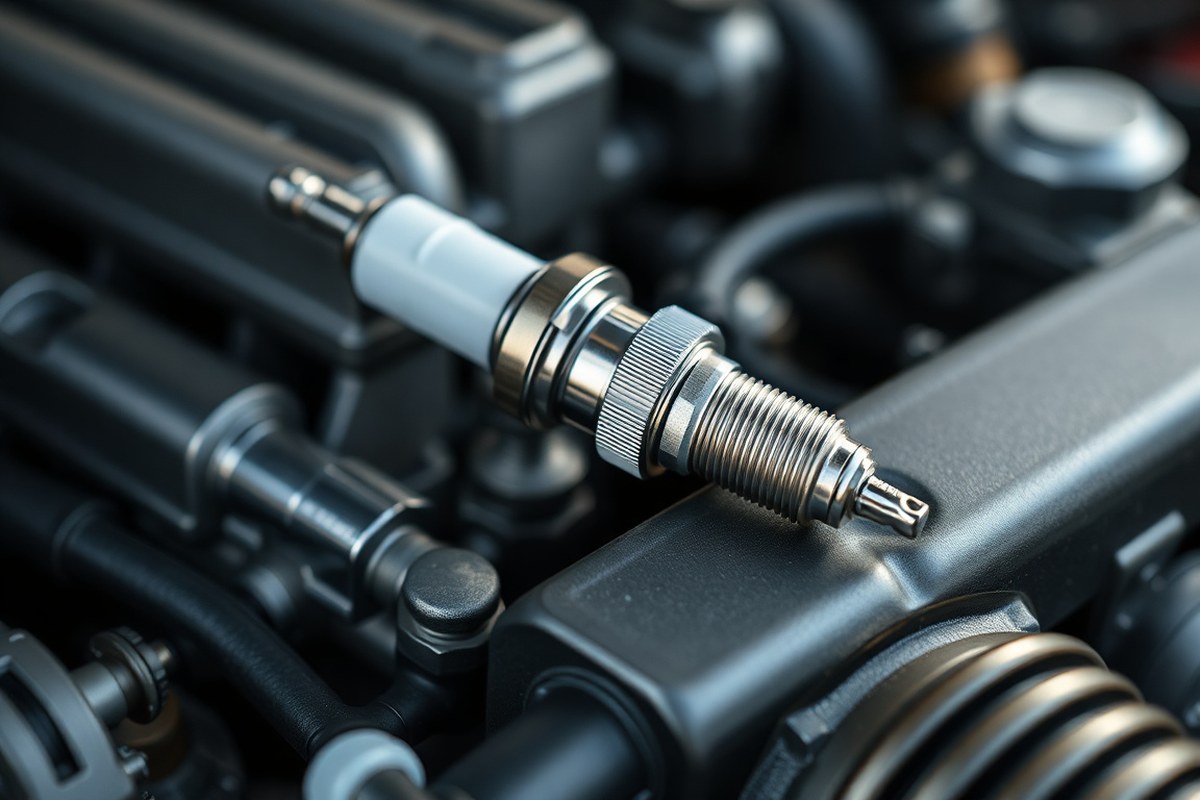
Are NGK Spark Plugs Good? Complete Guide to Performance & Reliability
Are NGK spark plugs good? Yes, NGK spark plugs are known for their reliability and consistent performance in most vehicles. They provide efficient ignition, which helps improve engine power and fuel economy. Choosing NGK plugs often means better starting, smoother running, and longer intervals between replacements. Start by selecting the right NGK spark plug type for your vehicle to ensure compatibility and optimal performance.
Key Takeaways
- NGK offers various spark plug types including iridium, platinum, and copper, each suited for different engine needs.
- Iridium NGK plugs last longer and perform better in high-temperature, high-performance engines.
- Proper NGK spark plugs improve combustion efficiency, resulting in better fuel economy and reduced emissions.
- The lifespan of NGK spark plugs typically ranges from 30,000 to 100,000 miles, depending on the plug type and driving conditions.
- Use your vehicle’s manual or the NGK catalog to identify the exact spark plug model compatible with your engine.
- Signs like rough idling, poor acceleration, or engine misfires often indicate NGK spark plugs need cleaning or replacement.
Are NGK Spark Plugs Good and Reliable for Most Vehicles?
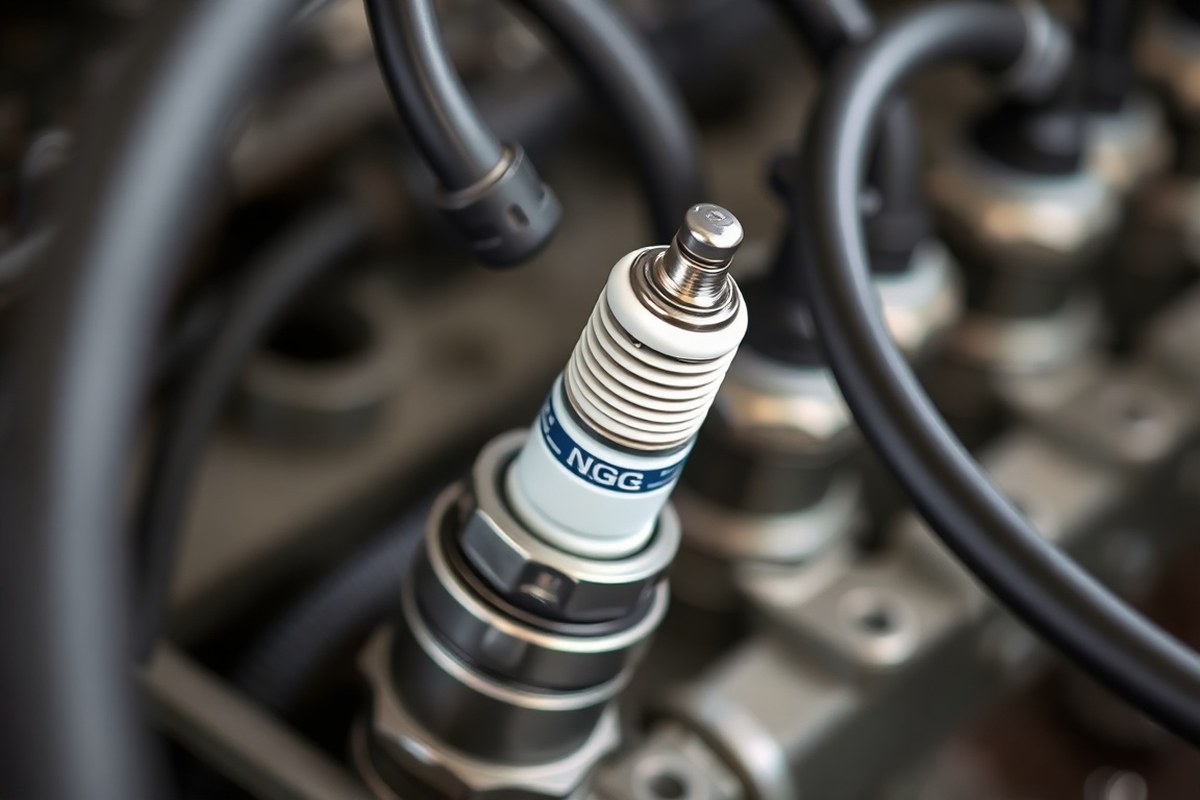
NGK spark plugs have a solid reputation for delivering consistent quality and reliable performance across a wide range of common vehicles, including passenger cars, trucks, motorcycles, and even small engines. They meet or exceed Original Equipment Manufacturer (OEM) standards for many automakers, which means these plugs are engineered to fit and function exactly as intended by the vehicle’s manufacturer. This alignment with OEM specifications helps ensure proper combustion, engine efficiency, and overall durability.
Automotive professionals and mechanics often trust NGK spark plugs because of their rigorous manufacturing quality control and use of advanced materials like iridium and platinum. These materials contribute to longer lifespan and resistance to fouling compared with standard copper plugs. For example, iridium spark plugs tend to last about 60,000 to 120,000 miles, depending on vehicle type and driving conditions. This reliability reduces the frequency of replacements, saving time and maintenance costs over a vehicle’s lifetime.
User satisfaction with NGK spark plugs is generally high. Ratings from automotive forums, consumer reviews, and industry publications frequently highlight their ease of installation, stable performance in various climates, and consistent ignition quality. In contrast, lower-quality plugs can cause misfires, rough idling, and increased emissions. NGK plugs maintain stable spark delivery across temperature ranges, which supports smoother engine operation.
Purchasing NGK plugs typically costs between $8 and $15 per plug depending on the model and retailer, which is competitive for premium spark plugs that meet OEM specs. Investing in trusted NGK products helps prevent risks related to engine damage or inefficiency that can arise from cheaper, uncertified spark plugs. Installation is straightforward for the average DIY mechanic using a spark plug socket wrench and a torque tool to ensure proper tightness, as over-tightening can damage the cylinder head.
Overall, NGK spark plugs prove reliable for most vehicles by combining OEM-level quality with advanced materials and strong user trust. This consistency across models and engine types supports stable ignition and clean combustion, which plays an important role in vehicle performance and fuel economy. Vehicles running on NGK plugs tend to avoid spark-related issues common with inferior alternatives, making them a dependable choice for regular maintenance or replacement.
What Types of NGK Spark Plugs Exist and How to Choose the Right One?

NGK offers spark plugs made with three main electrode materials: copper, platinum, and iridium. Each material suits different engines and driving needs based on durability, heat tolerance, and cost. Picking the right NGK spark plug depends on your vehicle’s engine type, how you drive, and the conditions you face.
Copper spark plugs use a solid copper core with a nickel alloy tip. They cost less but wear out faster, usually around 20,000 to 30,000 miles. They have excellent conductivity and are ideal for older engines or those without electronic ignition systems. Platinum plugs last longer, around 60,000 miles, because the platinum-tipped electrodes resist erosion better. Iridium plugs offer the longest life, often reaching 100,000 miles or more, due to iridium’s hardness and high melting point. They provide superior ignition and fuel efficiency, making them best for modern engines and high-performance needs.
Driving habits and climate also impact which type fits best. Copper plugs work well for daily commuting with moderate engine demands, while platinum plugs handle stop-and-go traffic and moderate performance upgrades. Iridium plugs suit racing or cold climates where reliable ignition at low temperatures matters most.
| Material | Typical Lifespan (miles) | Best Engine Types | Driving Conditions | Average Cost per Plug (USD) |
|---|---|---|---|---|
| Copper | 20,000, 30,000 | Older carbureted or basic ignition | Daily driving, mild conditions | $2, $5 |
| Platinum | 60,000 | Modern engines with electronic ignition | Mixed city/highway driving | $6, $10 |
| Iridium | 80,000, 100,000+ | Performance and luxury vehicles | Racing, cold climates, high efficiency | $10, $20 |
To decide which NGK spark plug to choose, use this checklist: First, verify your vehicle’s recommended spark plug type in the owner’s manual, as some engines require iridium or platinum for optimal timing and emissions. Second, consider your driving style, frequent short trips and stop-and-go traffic benefit from the longer life of platinum or iridium plugs. Third, assess climate conditions; cold regions improve performance and starting reliability with iridium plugs due to their high ignition efficiency. Fourth, factor in cost and replacement frequency, you might save money over time by choosing a longer-lasting iridium plug despite the higher upfront price.
Tip: Always check your vehicle’s gap specifications before installation, as using the wrong gap can reduce engine performance regardless of spark plug quality.
How Does NGK Spark Plug Quality Impact Engine Performance and Fuel Efficiency?
NGK spark plugs can improve your vehicle’s fuel economy by ensuring consistent and efficient combustion. When a spark plug delivers a strong, precise spark, it ignites the air-fuel mixture completely. Incomplete combustion wastes fuel and reduces gas mileage. NGK plugs, known for their quality materials and design, help maintain ignition reliability across different temperatures and engine speeds. This steady ignition means your engine burns fuel more efficiently, which can lead to noticeable gains in miles per gallon, especially if you replace old or worn plugs with NGK replacements within the recommended interval.
Improved ignition reliability from NGK spark plugs also improve engine power and throttle response. A clean, properly functioning NGK plug delivers a sharp spark that helps the engine start smoothly and respond quickly when you press the accelerator. For example, during a sudden acceleration from a stop or merging onto a highway, the better ignition timing reduces hesitation and gives you smoother power delivery. Drivers often notice better overall engine smoothness and reduced rough idling when using quality plugs, contributing to a more comfortable driving experience.
NGK spark plugs also play a role in reducing exhaust emissions by promoting more complete combustion of the fuel. When the spark intensity is optimal, less unburned fuel exits through the exhaust system, which decreases harmful pollutants like hydrocarbons and carbon monoxide. Also, these plugs help prevent engine knocking, a condition that can damage your engine and raise emissions. NGK plugs with iridium or platinum tips offer greater durability and consistent spark performance, which helps stabilize combustion timing and lowers the risk of pre-ignition. Maintaining the correct spark plug gap and replacing plugs according to your vehicle’s schedule are key steps to achieve these emissions benefits.
To maximize these advantages, use the NGK spark plug that matches your vehicle’s specifications, following exact gap settings and torque values during installation. Using an improper plug or incorrect installation may cause misfires or poor engine performance. Although premium NGK plugs may cost more upfront, ranging from about $10 to $20 per plug, this investment often pays off through better fuel efficiency and engine health, potentially saving you money on fuel and repairs. Regular tuning and replacing plugs every 30,000 to 100,000 miles, depending on the plug type, ensures ongoing performance gains and emissions control.
How Long Do NGK Spark Plugs Last and What Factors Influence Their Lifespan?
NGK iridium spark plugs typically last between 60,000 to 120,000 miles, while their platinum plugs generally have a shorter service life of about 30,000 to 50,000 miles. Iridium’s higher melting point and durability allow it to maintain performance longer, which justifies its higher cost compared to platinum. To maintain peak engine performance, consider replacing NGK iridium plugs around 100,000 miles and platinum plugs closer to 40,000 miles, depending on your driving habits and vehicle.
Driving style has a significant impact on spark plug lifespan. Frequent short trips or stop-and-go city traffic can cause quicker wear due to incomplete combustion and carbon buildup. Conversely, steady highway driving at moderate speeds tends to extend spark plug life because it promotes consistent temperature and cleaner combustion. Engines running hotter, such as turbocharged or high-performance models, can cause electrodes to degrade faster, sometimes necessitating earlier replacements.
Extreme conditions like very cold starts or dusty environments also influence NGK spark plug durability. Cold temperatures increase the risk of misfires and fouling, so plugs may need inspection every 20,000 to 30,000 miles under these conditions. Dust and dirt entering the combustion chamber can cause electrode erosion or spark misfires, reducing plug effectiveness. Regular air filter changes and routine engine checks help avoid these issues.
Maintaining proper spark plug condition involves a few key steps. First, inspect plugs every 30,000 miles for signs of wear, such as electrode rounding, heavy deposits, or gaps wider than NGK specifications. Cleaning can be done using a spark plug cleaner or gentle wire brushing, but avoid aggressive abrasive methods that damage iridium tips. Second, use a torque wrench during installation, tightening to the vehicle manufacturer’s recommended specification, typically around 13 to 22 ft-lbs, to prevent misfire or thread damage. Lastly, keep your ignition system and fuel delivery in check, as malfunctioning components accelerate plug degradation.
Replacing spark plugs on schedule can cost between $15 and $30 per plug, depending on the model and retailer. Labor costs add roughly $50 to $150 if done professionally. Doing it yourself requires basic tools like a ratchet, spark plug socket, a gap gauge if adjustment is needed, and a torque wrench. Good results include smoother idling, reliable starts, and balanced engine power. Signs that spark plugs need replacement include rough idling, poor acceleration, increased fuel consumption, or check engine light triggered by misfire codes.
How to Identify the Correct NGK Spark Plug Model for Your Vehicle?
Finding the correct NGK spark plug model for your vehicle involves gathering specific vehicle details, using NGK’s online lookup tools, and confirming that the plug’s specs and heat range match your engine’s needs. Checking compatibility this way helps avoid installation issues, engine problems, or wasted money on wrong parts.
Gather Vehicle Information
Start by collecting key data about your vehicle to ensure a precise spark plug match. Essential details include the make, model, year, and engine type. You’ll also want to find the engine’s displacement and possibly the ignition system type.
This information often resides in your owner’s manual, under the hood on emission stickers, or on the vehicle identification plate. Recording this data accurately prevents ordering incompatible plugs that can cause misfires, poor fuel economy, or engine damage.
Use NGK Part Number Lookup Online
NGK provides a part number lookup tool on their official website that lets you find the correct spark plug model by entering your vehicle information. This tool considers your exact vehicle fitment requirements and shows compatible NGK spark plugs.
- Go to the NGK website and locate the “Part Number Lookup” or “Spark Plug Finder” tool.
- Select your vehicle’s make, model, and year from the dropdown menus.
- Enter the engine details, such as engine size or fuel type, if requested.
- Submit the form to view suitable NGK spark plug options for your vehicle.
- Compare the suggested NGK part numbers and review any brief plug specifications shown.
- Note the recommended plug type and heat range for an additional compatibility check.
- Save or write down the NGK part number for purchase or further verification.
Always double-check part fitment by cross-referencing your vehicle’s manual and NGK’s lookup results to avoid costly returns or engine issues.
Confirm Plug Specifications and Heat Range
After identifying potential NGK spark plugs, verify the specifications such as thread size, reach length, and heat range fit your engine’s requirements. The heat range affects how quickly the plug strips away combustion heat, impacting performance and lifespan.
You can find plug specification details in your vehicle’s service manual or official NGK catalogs. For example, running a plug with too cold a heat range might cause fouling, while one that’s too hot risks pre-ignition damage. Matching NGK plugs to your OEM recommendations or consulting an expert ensures safe operation. Keep in mind that substituting NGK plugs with other brands is possible if the specifications and heat range align, but NGK’s lookup tool and official guidance remain the most reliable for correct fitment.
What Are Common Signs NGK Spark Plugs Need Replacement or Cleaning?
Signs that NGK spark plugs require cleaning or replacement often show up as engine misfires, rough idling, or decreased fuel economy. You might notice your engine struggles to start, stalls unexpectedly, or runs unevenly under load. These symptoms suggest the plugs may be fouled by carbon deposits, oil, or fuel residue preventing proper sparking. Persistent issues can also signal electrode wear or damage requiring replacement.
To inspect NGK spark plugs, first ensure your engine is off and cool. Remove the spark plugs carefully using a spark plug socket wrench. Clean any dirt around the plug opening to avoid debris falling into the cylinder. Examine each plug tip for signs of wear such as rounded edges, heavy carbon buildup, or oily coating. A light tan or grayish color on the electrode and insulator generally signals normal operation.
- Hard starting and frequent misfires during acceleration
- Engine runs rough or idles unevenly
- Poor fuel economy or increased emissions
- Visual inspection reveals black sooty deposits or oily residue
- Electrode gaps widened beyond manufacturer’s specification (usually 0.028 to 0.060 inches)
- Cracked or damaged ceramic insulator
- Use of a spark plug gap tool to check and adjust electrode spacing
Lightly fouled plugs can sometimes be cleaned with a soft wire brush and a specialized spark plug cleaner or brake cleaner spray. Avoid aggressive cleaning methods that can damage the electrode or insulator. After cleaning, check the electrode gap using a feeler gauge and adjust to the recommended setting for your vehicle’s engine. Cleaning can extend the life of NGK plugs by a few thousand miles, but repeated fouling typically means underlying engine issues such as oil leaks or incorrect fuel mixtures that need addressing. Replacement usually costs between $10 and $15 per plug. If the plugs show heavy wear or damage, replacement is the safest option to maintain reliable engine performance.
What Are the Steps and Tools for Installing NGK Spark Plugs Yourself?
Installing NGK spark plugs yourself requires the right tools, careful steps, and attention to torque specifications to avoid engine damage. Using proper tools and following a methodical process ensures safe removal of old plugs and correct fitting of new ones without over-tightening.
Preparing Tools and Workspace
Gathering the necessary tools before starting saves time and reduces errors. You’ll need a spark plug socket that fits NGK plugs (usually 5/8 inch or 13/16 inch), a ratchet wrench, an extension bar, and a torque wrench for precise tightening. Also prepare a spark plug gap gauge to check the gap if the plugs are not pre-gapped, a dielectric grease, and possibly anti-seize compound depending on your vehicle’s specifications.
Work in a well-lit, flat area with the engine cool to avoid burns. Disconnect the negative battery cable to prevent electrical shocks or shorts. Lay out a clean cloth or tray to keep old plugs and small parts from getting lost.
Removing Old Spark Plugs
Removing spark plugs carefully avoids damaging the threads in the cylinder head. Before pulling the plug out, clean around the spark plug area with compressed air or a brush to clear dirt and debris that could fall into the combustion chamber.
Use the spark plug socket with the ratchet and extension to loosen the plug by turning counterclockwise. Applying steady, moderate force reduces the risk of snapping the plug or stripping the threads. When a plug resists turning after several attempts, stop to prevent damage. Apply penetrating lubricant and let it sit for 10 to 20 minutes before trying again.
Handle old plugs gently as brittle porcelain can break. Keep track of which plug goes to which cylinder if they differ in wear or condition.
Installing NGK Spark Plugs Correctly
Proper installation involves checking the spark plug gap, hand-threading the plug, and using a torque wrench to reach the manufacturer’s torque specification, preventing leaks or thread damage. Set the spark plug gap to the vehicle’s recommended value using a gap gauge if NGK plugs are not pre-gapped. Lightly coat the spark plug threads with anti-seize compound unless NGK instructions or your owner’s manual advise against it. Apply a small amount of dielectric grease inside the ignition boot to ease installation and prevent moisture intrusion. Start threading the spark plug by hand to avoid cross-threading. Use the spark plug socket and ratchet to snug it down until it stops turning easily, then tighten with a torque wrench to the exact torque specification listed below:
| NGK Spark Plug Thread Size | Torque Specification |
|---|---|
| 10 mm (M10 x 1.0) | 7.5 to 10 lb-ft (10 to 14 Nm) |
| 12 mm (M12 x 1.25) | 13 to 15 lb-ft (18 to 20 Nm) |
| 14 mm (M14 x 1.25) | 18 to 22 lb-ft (25 to 30 Nm) |
| 18 mm (M18 x 1.5) | 26 to 30 lb-ft (35 to 40 Nm) |
- Check and adjust the spark plug gap using a gap gauge if necessary.
- Apply anti-seize to the threads if recommended.
- Insert the spark plug into the cylinder head and start threading by hand.
- Use the ratchet and socket to snug the plug down without cross-threading.
- Use a torque wrench to tighten the plug to the specified torque.
- Apply dielectric grease on the ignition boot before reconnecting it.
- Repeat for each spark plug, one at a time.
Avoid over-tightening, it can strip the cylinder head threads or stress the ceramic insulator. Under-tightening may cause poor contact and combustion issues. Using a torque wrench is the safest method for consistent results.
Testing After Installation
After installing all new NGK spark plugs, reconnect the negative battery cable. Start the engine and listen for smooth idling. Rough running, misfires, or warning lights may indicate issues with installation or spark plugs.
Check for any unusual noises or fuel smell that might signal a loose plug. When the engine runs smoothly, take a brief test drive to confirm normal performance and smooth acceleration without surging. After driving 50 to 100 miles, it can help to inspect the plugs again for proper operation, but this is optional unless symptoms appear.
How to Maintain NGK Spark Plugs to Maximize Performance and Lifespan?
Maintaining NGK spark plugs involves regular inspection, precise gap checking, careful cleaning based on plug type, and proper storage. These actions help maintain optimal ignition performance and extend the plugs’ service life. Proper attention to detail during maintenance prevents common issues like misfires and poor fuel efficiency.
Regular Inspection and Gap Adjustment
Inspect NGK spark plugs every 30,000 miles or as recommended by your vehicle’s manufacturer. Check for signs of wear, carbon buildup, or damage on the electrodes and insulator. Measuring and adjusting the spark plug gap is important because an incorrect gap affects combustion efficiency and engine performance.
Use a feeler gauge to measure the gap and compare it against the specification printed on the NGK packaging or your vehicle’s manual. The typical gap for many NGK plugs ranges from 0.028 to 0.060 inches, depending on the model. If the gap is too narrow or wide, gently bend the ground electrode until it matches the recommended size. Avoid forcing the electrode as this can damage the plug.
Safe Cleaning Techniques for Different Plug Types
Cleaning spark plugs can remove deposits that interfere with spark generation. However, cleaning methods vary depending on whether the plug is copper, platinum, or iridium.
For copper or standard NGK plugs, a soft wire brush or spark plug cleaner tool can remove carbon buildup without damaging the electrodes. Use a spray of brake cleaner or carburetor cleaner to loosen stubborn deposits, followed by a dry rag or compressed air to clear residue.
Iridium plugs require extra caution because the fine iridium tip can break or wear out with harsh cleaning. Avoid abrasive tools or sandblasting. Instead, gently wipe the plug with a soft cloth and use mild solvent sprays if needed. Cleaning iridium plugs more often than recommended can shorten their lifespan, so only clean them if performance drops or deposits are significant.
Never use sandpaper or harsh abrasives on iridium spark plugs to avoid damaging the delicate electrode tip.
- Inspect every 30,000 miles or during routine tune-ups
- Use a feeler gauge for accurate gap measurement
- Clean copper plugs with a soft wire brush and solvent spray
- Gently wipe iridium plugs; avoid abrasive cleaning
- Use compressed air to dry cleaned plugs before reinstalling
- Replace plug immediately if electrode is cracked or worn
Storage and Handling Best Practices
Store NGK spark plugs in a dry, dust-free environment to prevent corrosion or contamination before installation. Keep plugs in their original packaging until ready for use to protect delicate components.
Handle spark plugs by the ceramic insulator rather than the electrode to avoid damaging the tip or fouling surfaces with oils from your hands. When handling iridium plugs, avoid dropping or applying excessive torque during installation. Using a torque wrench set to the manufacturer’s specifications ensures proper fit without overtightening, which can damage both the plug and the engine threads.
Step-by-Step Action Plan for Using NGK Spark Plugs
Follow these steps to ensure you pick, install, and maintain NGK spark plugs correctly for optimal engine performance.
- Before you start: Check your vehicle’s manual or use NGK’s online tool to find the exact spark plug model that fits your engine; this prevents compatibility issues.
- Day 1: Purchase the recommended NGK spark plugs based on your driving needs (standard, iridium, or platinum); verify the product code matches your vehicle’s spec.
- Day 2: Gather necessary tools, such as a spark plug socket, torque wrench, and gap gauge; ensure you have clean workspace and safety gear.
- Day 3: Remove old spark plugs carefully, then compare gaps and threads to your new NGK plugs; adjust the gap on the new plugs if needed following manufacturer guidelines.
- Day 3 (continued): Install NGK spark plugs by hand first to avoid cross-threading, then tighten to the torque specs listed in your manual; run the engine to confirm smooth startup and idle.
- After 6 months or 5,000 miles: Inspect plugs for wear by removing and checking the electrode and insulator; clean or replace if signs of fouling or erosion appear.
- Annually: Schedule a full inspection and possible replacement based on driving conditions and NGK’s recommended lifespan to maintain fuel efficiency and engine power.
Frequently Asked Questions
Can NGK Spark Plugs Cause Misfires If Not the Right Type for My Engine?
Yes, using the wrong NGK spark plug can lead to misfires and poor engine performance. Always match the plug to your specific engine requirements to avoid combustion issues and maintain smooth running.
Are NGK Spark Plugs Compatible with Turbocharged Engines?
NGK spark plugs are generally compatible with turbocharged engines. Select plugs designed for higher heat and pressure to ensure durability and prevent pre-ignition under turbo conditions.
Do NGK Spark Plugs Improve Cold Start Performance?
NGK spark plugs can improve cold start performance by providing reliable ignition. Choosing the proper heat range helps the engine start quickly and reduces hesitation in cold weather.
Can NGK Spark Plugs Be Used with Aftermarket Ignition Systems?
Yes, NGK spark plugs work well with most aftermarket ignition systems. Confirm the spark plug specifications align with the upgraded ignition system to ensure optimal spark and prevent potential engine damage.
Is It Necessary to Gap NGK Spark Plugs Before Installation?
NGK spark plugs usually come pre-gapped but checking the gap for your vehicle’s specs ensures proper spark. Adjusting the gap can improve ignition efficiency and prevent misfires.
How Do NGK Iridium Spark Plugs Compare to Platinum Versions in Durability?
NGK Iridium plugs generally last longer than platinum ones, often up to 25% more miles. Iridium’s harder tip resists wear better, making it suitable for higher-performance or longer-lasting applications.
Final Thoughts
NGK spark plugs offer reliable performance and durability when matched to your vehicle and maintained properly. Choosing the right model and following a consistent inspection and replacement schedule helps keep your engine running smoothly and fuel-efficient. Start by identifying your exact spark plug model today and make a maintenance plan to get the best from your NGK plugs.