How to Keep Tonneau Cover from Freezing: 9 Proven Winter-Ready Steps
How to keep tonneau cover from freezing starts with proper cleaning, drying, and protection techniques that prevent ice build-up. Select a cover material suited for cold climates and maintain seals and hinges with regular lubrication to stay ice-free. Using a water-repellent spray after cleaning creates a barrier that stops moisture from freezing on the cover’s surface.
Key Takeaways
- Choose tonneau covers made of materials tested for extreme temperatures, like double-wall aluminum slats rated down to -40°F.
- Clean your tonneau cover every 1, 2 months or after exposure to mud, road salt, or tree sap to prevent grime buildup.
- Use mild car wash soap and keep pressure washers at least 12 inches away to avoid damaging the cover’s material.
- Apply vinyl or fabric protectants monthly to maintain flexibility and add a water-repellent layer that reduces ice formation.
- Apply lubricant to seals and hinges every 3 to 4 months or at the first sign of stiffness to prevent parts from freezing and ensure smooth movement.
- Inspect seals frequently for cracks or compression, replacing or repairing damaged seals to prevent water intrusion and freezing.
Best Practices to Prevent a Tonneau Cover from Freezing
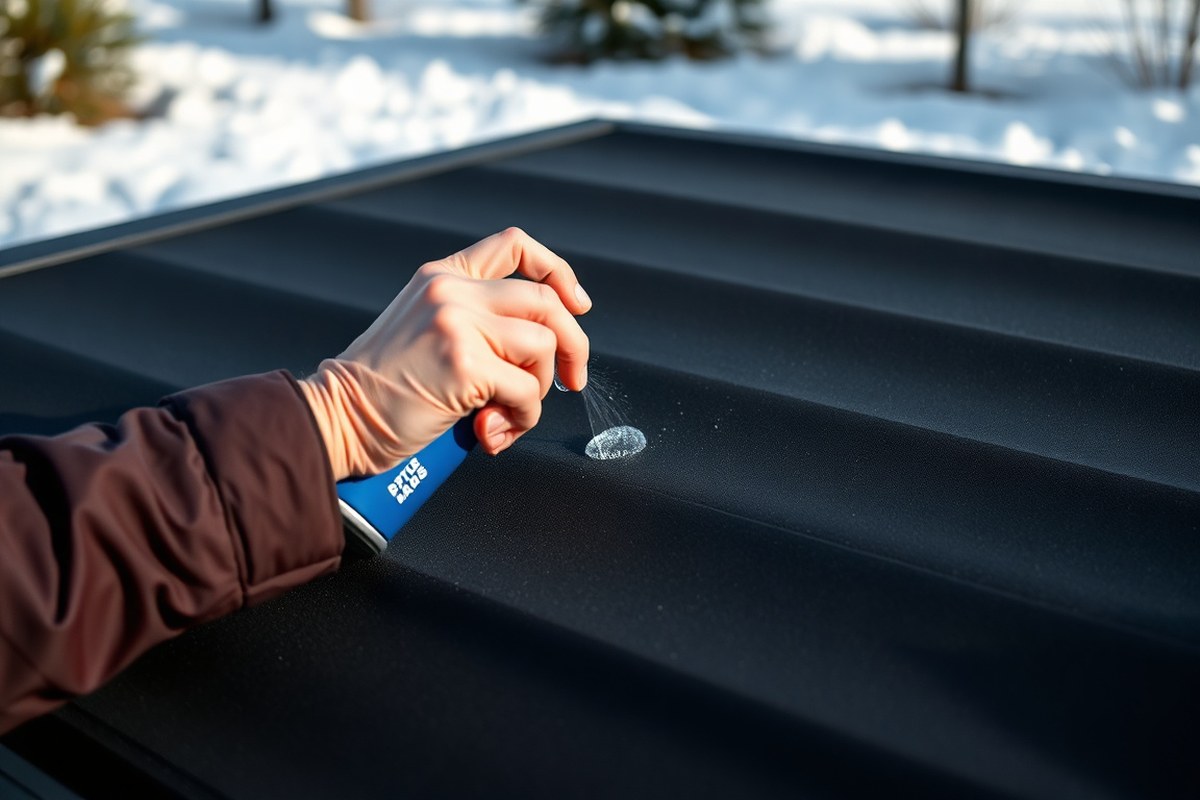
Preventing your tonneau cover from freezing overnight and during winter starts with consistent care and attention. Ice forms when moisture gets trapped and temperatures drop below freezing, making daily and weekly routines essential. Keeping your cover clean, dry, and treated with protective sprays minimizes ice buildup and ensures easy operation in harsh weather.
Follow these steps each week and adjust daily as winter conditions demand. This routine typically takes 15 to 30 minutes and requires mild detergent, a soft brush or cloth, silicone spray, and, if available, a truck bed heater or blanket for extreme cold.
- Clean the cover thoroughly. Use a mild detergent and warm water to wash away dirt, salt, and debris that can hold moisture. Avoid harsh chemicals that may damage the cover’s surface. A clean surface resists ice better and maintains a proper seal.
- Dry completely. After washing, dry the cover with a soft cloth or allow it to air dry in sunlight if possible. Removing all moisture prevents trapped water from freezing, which is the main cause of ice buildup.
- Inspect for damage and debris. Check seals, hinges, and the cover surface for cracks, tears, or trapped leaves and dirt. Damaged seals let in moisture that can freeze and cause sticking. Clear out any debris before it traps water.
- Apply silicone spray to seals and hinges. A thin layer of silicone keeps rubber and metal parts slick, reducing ice adhesion. Spray lightly along all seal edges and hinges once every one to two weeks during winter. Avoid oversaturation to prevent dirt buildup.
- Use a truck bed heater or heated blanket on very cold nights. These devices maintain surface temperatures above freezing, melting any moisture and preventing ice. Their cost varies but can be a worthwhile investment if you regularly face subfreezing temperatures below 20°F.
- Remove snow and ice gently each morning. Use a soft brush to clear snow promptly after storms. Avoid metal scrapers that can damage the cover. Early removal stops ice buildup and prevents heavy snow from causing strain or damage.
- Park in a sheltered or sun-exposed area when possible. Parking under cover or where the sun reaches the truck during the day helps keep the cover dry and warmer, lowering freeze risk. If that’s not possible, raise the cover slightly overnight to let air circulate and reduce moisture pooling.
- Repeat these steps regularly. Cleaning and maintenance at least once a week, more often during storms or wet spells, keeps ice at bay and prolongs your cover’s lifespan. Consistency is key for trouble-free winter use.
How Materials Affect Freeze Resistance of Tonneau Covers
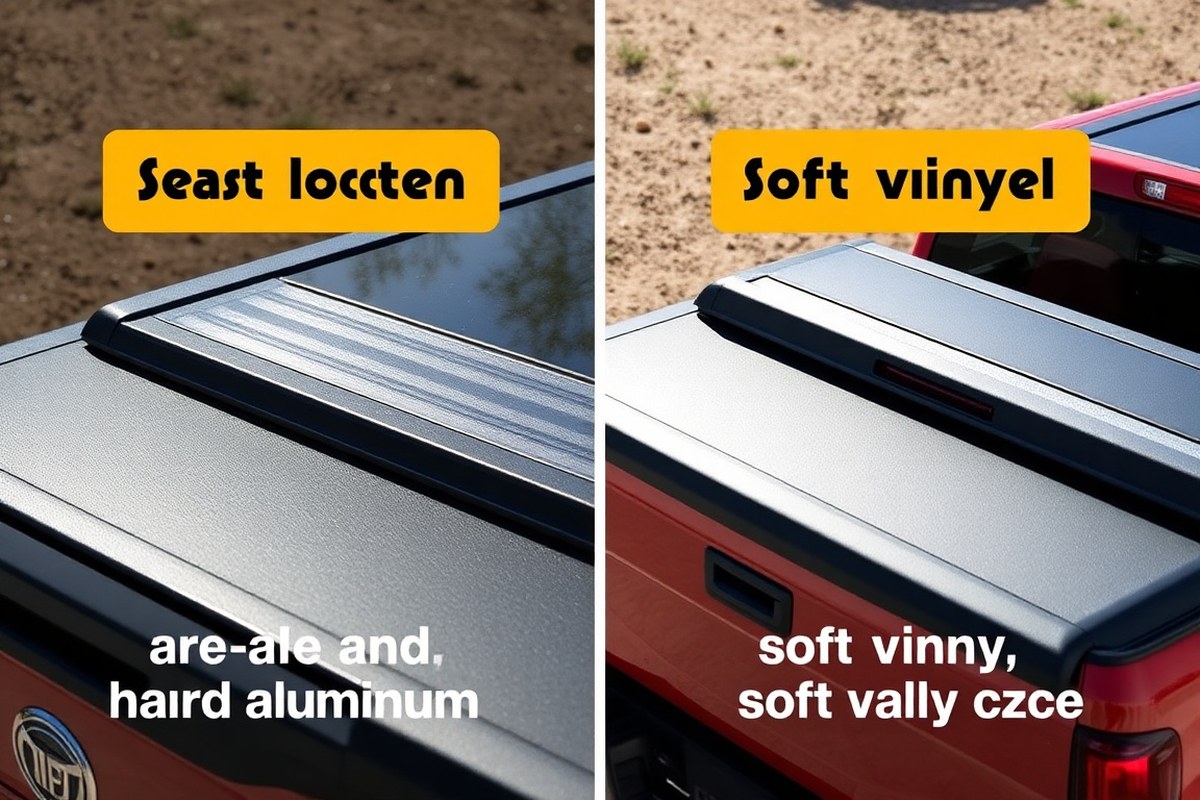
The choice of material in your tonneau cover significantly affects how prone it is to freezing and how easy it is to operate in winter conditions. Hard tonneau covers, such as those made of aluminum or fiberglass, generally shed water better and resist ice formation more effectively than soft covers made of vinyl or fabric. Soft covers tend to trap moisture, which can freeze and cause the cover to stick shut. This makes hard covers typically better for harsh winter environments.
Soft covers, especially soft roll-up types, can freeze more easily because their flexible material absorbs and holds moisture. Snow and ice buildup on soft covers can also cause damage since they can’t handle heavy snow loads as well as hard covers. On the other hand, hard folding tonneau covers are not only more durable but also easier to open if snow accumulates on them. However, no cover material is completely immune to freezing, and proper maintenance is key regardless of type. The table below compares common tonneau cover materials based on their resistance to freezing and the care they require to minimize ice buildup.
| Material | Freeze Resistance | Care Required |
|---|---|---|
| Hard Folding (Aluminum/Fiberglass) | High – sheds water and ice easily | Clean regularly, remove snow promptly, apply silicone spray to seals every 4-6 weeks |
| Soft Vinyl | Low to Moderate – traps moisture, prone to freezing | Clean with vinyl-specific cleaner, apply glycerin on zippers once before freezing season |
| Soft Roll-Up Fabric | Low – holds snow and moisture causing ice buildup | Thorough cleaning, dry completely before closing, use silicone spray on seals |
| Rubber Seals (EPDM) | Variable – seals can freeze shut | Apply automotive rubber conditioner once in late fall, regular silicone spray to maintain flexibility |
Regular cleaning and lubrication tailored to your cover’s specific material will improve freeze resistance. For example, applying silicone spray to rubber seals prevents ice from forming and sticking. For soft covers, keeping zippers lubricated with glycerin before the cold season starts makes opening easier. Hard covers benefit from prompt snow removal to avoid weight damage and to reduce ice buildup.
Always clean and dry your cover thoroughly before applying any lubricants or water repellents to avoid locking in moisture that could freeze later.
Cost-wise, hard covers often carry a higher upfront price but generally offer better durability and less winter hassle. Soft covers are usually less expensive but may require more frequent cleaning and attention during snow and ice seasons to avoid freeze-related problems. Assessing your typical weather, how much snow your truck bed sees, and your willingness to do regular maintenance should guide your material choice.
Proper Cleaning and Drying to Avoid Ice Formation
Keeping your tonneau cover clean and dry is essential to reducing ice buildup during winter. By regularly removing dirt, moisture, and debris, you prevent conditions that lead to freezing and possible damage. A consistent cleaning routine combined with proper drying ensures smooth cover operation even in freezing temperatures.
Safe Cleaning Products for Winter Use
Select cleaning products that won’t damage your tonneau cover’s material or accelerate ice formation. Mild cleaners designed for automotive use, such as a gentle car wash soap or dedicated vinyl cleaner for soft covers, are safe choices. Avoid harsh detergents, solvents, or abrasive cleaners that can degrade the cover or seals and increase moisture retention.
For added ice resistance, using a water-repellent spray after cleaning can help shield the surface from snow and freezing rain. Choose sprays formulated for automotive plastics or vinyl, following the manufacturer’s instructions. Avoid silicone-based sprays that may attract dirt or cause buildup when frozen.
Step-by-Step Cleaning and Drying Process
Establish a winter cleaning schedule, aiming for every two weeks, or more often if you live in an area with heavy snow or ice. Before cleaning, inspect the cover for damage or worn seals that could trap moisture.
- Rinse the cover with lukewarm water to remove loose dirt and salt residue.
- Apply a mild automotive soap or vinyl cleaner with a soft sponge or microfiber cloth.
- Gently scrub all surfaces, including seams, seals, and hinges where moisture can accumulate.
- Rinse thoroughly with clean water to avoid soap residue.
- Use a clean, dry microfiber towel to wipe the cover completely dry, paying extra attention to edges and folds.
- Leave the cover open or rolled out in a dry, shaded spot for at least 30 minutes to ensure air drying.
- Apply a water-repellent spray if desired, following the product instructions and allowing it to dry fully before closing the cover.
Proper drying before closing the cover is critical. Closing a damp cover traps moisture, leading to ice formation and potential mold growth. Avoid rolling up the cover when it’s wet or freezing, as this can cause creases and material damage.
How to Handle Tough Debris Without Damage
Stubborn debris like pine needles, road salt, or frozen dirt can increase the risk of ice buildup if left in crevices. Use a soft-bristle brush or compressed air to gently remove debris without scratching or damaging the cover. Avoid metal tools or sharp objects that could puncture or wear down the material.
If debris is frozen onto the cover, warm water or a plastic scraper specifically designed for automotive surfaces can help loosen it. Never use boiling water, as extreme temperature changes might warp or weaken the cover. Always dry the area thoroughly after removing debris to prevent refreezing.
Lubrication Techniques to Keep Seals and Hinges Ice-Free
Regularly lubricating your tonneau cover’s seals and hinges prevents freezing by creating a moisture barrier that stops ice from forming. Using the right lubricant keeps seals flexible and hinges working smoothly, so your cover opens and closes without sticking even in cold weather.
Silicone-Based Sprays vs. PTFE Lubricants
Silicone-based sprays are the most popular choice for tonneau cover maintenance because they repel water effectively and protect rubber seals without causing damage. They maintain seal flexibility, which helps prevent cracking and ice buildup. PTFE lubricants, which contain polytetrafluoroethylene, offer excellent longevity on metal parts like hinges, reducing wear and resisting freezing with a slightly thicker film.
Both types improve moisture resistance but target different components: silicone sprays work best on rubber seals, while PTFE lubricants excel on metal hinges and latches. Some users combine both for complete protection.
| Lubricant Type | Best For | Water Repellency | Flexibility Impact | Typical Cost |
|---|---|---|---|---|
| Silicone-Based Spray | Rubber seals, vinyl surfaces | High | Maintains seal pliability | $5, $10 per can |
| PTFE Lubricant | Metal hinges, latches | Moderate to High | No effect on rubber, stays longer on metal | $7, $12 per can |
Selecting a silicone spray for seals and PTFE lubricant for hinges targets problems at their source and provides better overall freeze protection.
How to Apply Lubricants Safely
Start by cleaning and drying the seals and hinges to remove dirt and moisture, which interfere with lubricant effectiveness. Shake the lubricant can well before spraying. Hold the spray nozzle around 6, 8 inches from the surface to apply an even coat without oversaturation.
For seals, spray a light layer of silicone spray directly onto the rubber. Avoid excessive amounts that can attract dust. Gently wipe with a microfiber cloth to spread the lubricant evenly, ensuring the seal stays flexible but not sticky. For hinges and latches, spray PTFE lubricant on pivot points and moving parts, then cycle the tonneau cover open and closed a few times to work it in.
Wear gloves and work in a well-ventilated area. Avoid spraying near brake lights or painted surfaces, as overspray can cause damage or dirt buildup.
When to Relubricate During Winter Months
Lubrication works best if repeated on a regular schedule, especially when winter weather brings moisture and freezing temperatures. Applying lubricants every 3 to 4 weeks during the coldest months helps maintain protection against ice formation. If you use your truck daily in snowy or wet conditions, consider applying every 2 weeks.
Signs you need to relubricate include squeaking hinges, stiff closures, or seals that feel hard or brittle. After heavy storms or washing your truck, reapplying lubricant ensures any lost protection is restored. Keeping a can of silicone spray and PTFE lubricant in your garage or toolbox makes timely applications more convenient.
Safe De-Icing Methods for Tonneau Covers Frozen Shut
To remove ice from a frozen tonneau cover safely, don’t use strong chemicals or force that could damage its seals or material. Warm water can melt the ice gently, and a soft plastic scraper helps lift it without scratching. De-icer sprays made for truck covers speed up melting, but choose ones that don’t contain salt to prevent corrosion on metal parts, and apply them cautiously.
Why Avoid Petroleum-Based Products
Petroleum-based products like WD-40 might seem effective at loosening ice but can harm your tonneau cover. These chemicals can degrade the seal materials and the cover surface over time, compromising water tightness and flexibility. The cover’s protective coatings may also break down, leading to cracks and warping under winter conditions.
Using petroleum-based products risks permanent damage to rubber seals and plastic or vinyl tonneau covers. This damage reduces your cover’s ability to keep moisture out and leads to more frequent ice buildup in the future. Instead, opt for substances specifically designed or proven safe for truck bed covers.
Correct Use of Lukewarm Water and Plastic Scrapers
Applying lukewarm water is one of the safest ways to melt ice on your tonneau cover gently. Water around 90°F (32°C) works best; hotter water risks damaging seals and cover materials by causing rapid temperature changes. Lukewarm water softens ice so you can use a soft plastic scraper safely without scratching or puncturing the cover. Follow this step-by-step procedure to thaw your frozen cover:
- Start by spraying lukewarm water evenly across the ice-covered areas of your tonneau cover.
- Wait about 5 minutes for the ice to soften, avoid rushing or applying cold water immediately after.
- Use a plastic scraper with a flat edge to gently lift and push the thawed ice off the cover surface.
- Apply lukewarm water again if some ice remains stubbornly attached.
- Avoid metal scrapers or sharp objects which can scratch vinyl or damage seals.
- Repeat the application and scraping process carefully until the cover opens easily.
- Dry the cover thoroughly with a soft cloth or let it air dry to prevent refreezing.
Avoid forcing the cover open right away as this can tear seals or crack brittle cover materials when frozen.
Choosing a Compatible Commercial De-Icer
Commercially available de-icer sprays designed for automotive or truck applications offer another safe option. Look for products labeled safe for rubber, vinyl, and plastic materials, often used on windshield seals and trims. These sprays contain chemicals that lower the freezing point of water and dissolve ice without harsh abrasives or salts.
Before applying a de-icer, clean off snow or loose frost to improve penetration. Spray the product generously on frozen seams and edges, allowing 3 to 5 minutes for the ice to melt. Use a plastic scraper afterward to remove loosened ice carefully. Repeat as needed until the cover moves freely.
Avoid rock salt or any salt-based ice melt; these can corrode metal hinges and latches and damage cover seals. De-icers priced between $8 and $15 per spray bottle are typical and can be kept on hand during winter for quick ice removal.
The Role of Storage and Parking in Preventing Freezing
Parking your truck in the right location and storing your tonneau cover properly can greatly reduce the risk of it freezing. Choosing a sheltered parking spot protects the cover from direct exposure to snow, ice, and freezing rain, which are prime causes of ice buildup. A covered garage or carport blocks moisture and cold winds, helping maintain a more stable temperature around your truck bed. This reduces frost accumulation on and under the cover, saving you time spent scraping or thawing it in the morning.
Where you store your tonneau cover when not in use also matters. Ideally, keep it in a climate-controlled space with temperatures above freezing to prevent moisture from settling and freezing on the cover’s surfaces and seals. Warm and dry storage stops condensation from forming overnight, which can quickly turn to ice when temperatures drop. This protects the cover’s materials, prolonging its lifespan and functionality. Avoid leaving the cover on the truck for extended periods during harsh winter conditions if you can store it indoors. Here are key parking and storage practices to help prevent your tonneau cover from freezing:
- Park your truck under a shelter, such as a garage or carport, to reduce exposure to precipitation and cold air.
- Avoid parking under trees, where dripping water or melting snow can add moisture that freezes on the cover.
- If indoor parking is not available, choose a spot facing east to take advantage of morning sunlight and faster thawing.
- Store the tonneau cover indoors in a dry, climate-controlled area during extended winter storage periods.
- Remove moisture from the cover before storing it to prevent ice buildup when temperatures fall.
- Keep the truck bed clean and dry to minimize freeze risk where the cover contacts the tailgate and bed edges.
Following these steps requires planning and access to sheltered spaces but involves minimal cost beyond parking or storage arrangements. Good results include easier cover operation on cold mornings and fewer delays caused by ice. Failing to store or park properly can lead to frozen seals, cracks, or warping from ice expansion. Proper storage and sheltered parking help maintain your truck’s tonneau cover in good order through the winter months.
Maintaining Seal Integrity to Minimize Ice Build-Up
Damaged or worn seals on your tonneau cover create gaps where moisture can sneak in and get trapped. Once cold hits, this moisture freezes and causes ice buildup, making your cover hard to open and risking damage to the material. Maintaining seal integrity keeps the cover airtight, reducing condensation and preventing water from settling along the edges. Regular inspection and timely repairs before winter are essential steps to minimize freezing problems and extend the life of your cover.
Start by examining the seals on all sides of your tonneau cover for cracks, brittleness, or any missing sections. Look closely where the seal meets the truck bed since these points take the most stress from folding and driving. Feel along the seal for softness, if it’s too hard, it may no longer compress properly to form a tight barrier. Using a flashlight during inspection helps reveal small tears or debris buildup that can interfere with the seal’s contact.
- Clean seals with mild soap and water to remove dirt that can hold moisture
- Check for gaps by pressing the cover down firmly and observing uneven contact
- Use silicone spray or a seal conditioner designed for automotive rubber to keep seals supple
- Replace cracked or brittle seals promptly with OEM or compatible aftermarket seals
- Apply weatherproof adhesive to reattach loose seal edges or small tears
- Inspect the cover hinges and frame for alignment issues affecting seal compression
- Perform these checks monthly through fall and again before the first freeze
Basic repairs start with thoroughly cleaning the seal and drying it before applying any treatment. Silicone spray resists water buildup without attracting dust and usually costs between $6 and $12. For small tears, clear weatherproof adhesive can be found at hardware stores for under $10 and will hold edges together against moisture. If a seal section is missing or severely damaged, replacing the seal strip is the best solution. Replacement seals typically cost $20 to $50 depending on the make and model of your cover.
After repairs, test the seal by lightly pouring water along the edges and checking if any moisture penetrates. Seal improvements should make your cover’s closure feel firm but not overly tight, ensuring no gaps. Poor sealing will still show condensation buildup under the cover or frost forming first along the edges. Consistent maintenance and early repairs prevent ice from forming in these trouble spots, saving you from frozen shut covers and potential costly damage to your truck bed or the cover material.
Choosing the Right Cover Type for Harsh Winter Climates
For snowy climates, hard tonneau covers typically offer better durability and freeze resistance than soft covers. Hard covers, such as those made from fiberglass or aluminum, provide a solid barrier against snow accumulation and ice formation. Their strong construction resists warping, cracking, and the ice bonding that often seals soft vinyl covers to the truck bed or tailgate. With winter conditions frequently including sleet, freezing rain, and heavy snow, investing in a hard cover can save you time and frustration by maintaining easy access to your truck bed.
Soft covers, usually made from vinyl or fabric, are less expensive but tend to trap moisture and snow on their surface or edges. They can freeze to the tailgate, making it difficult to open the bed without damaging the cover or latch. Soft covers also usually require more maintenance, like regular cleaning and vinyl protectant application, to reduce ice formation and preserve their flexibility in cold temperatures.
| Cover Type | Winter Durability | Snow Load Tolerance | Freeze Resistance | Typical Cost Range |
|---|---|---|---|---|
| Hard Cover (Fiberglass/Aluminum) | High; resists cracking and warping | Can support heavier snow loads without bending | Strong; less surface moisture absorption, seals dry better | $700 to $2,000 |
| Soft Vinyl Cover | Moderate; vulnerable to cracking if not maintained | Lower; snow may accumulate and freeze on edges | Weaker; prone to freezing to tailgate and moisture trapping | $300 to $800 |
Selecting the right cover depends on your region’s typical winter severity and how much effort you want to spend on upkeep. For example, if temperatures often drop below freezing and heavy snow is common, a hard cover is a better shield against ice and snow damage. Choosing one with weather-resistant seals adds protection and reduces ice buildup around hinges and edges.
Soft covers can work in milder winter zones but require consistent cleaning, drying, and protective treatments like applying vinyl protectant using gentle, even strokes with a soft cloth. This slows down brittleness and ice adhesion but will not eliminate freeze risks entirely. Hard covers are a practical long-term investment if you want your cargo secure and accessible every winter without large maintenance demands.
Avoid forcing open a frozen tonneau cover, as this can crack the cover or bend the frame, leading to costly repairs.
Common Freezing Mistakes and How to Fix Them
One common mistake that leads to a frozen tonneau cover is leaving the cover tilted or angled after installation. This positioning causes water to pool in certain areas, increasing the chance of ice forming when temperatures drop. Always ensure your cover lies flat and evenly across the truck bed to prevent standing water that freezes overnight.
Another frequent error involves neglecting to remove snow carefully after a storm. Letting snow fall directly onto the cover or piling it up can trap moisture and accelerate freezing. Using a soft brush or broom to gently lift snow off the tonneau can avoid pushing moisture into seals and seams, reducing ice buildup without damaging the cover’s surface.
Failing to keep seals and hinges lubricated also contributes to freezing issues. When these parts dry out, they lose flexibility and are prone to cracking or freezing shut. Applying a silicone-based spray or a manufacturer-recommended lubricant monthly during cold months keeps seals supple and hinges moving freely.
- Leaving the tonneau cover angled or tilted instead of flat
- Poor snow removal methods that let moisture soak into seams and seals
- Skipping regular lubrication of seals and hinges during winter
- Ignoring protective cleaning with suitable products like 303 Aerospace to maintain vinyl flexibility
- Storing the cover improperly or outdoors without shelter when not in use
- Not inspecting the cover post-freeze for cracks or warped panels that can trap moisture
Many truck owners overlook the importance of cleaning their cover with the right products. Using automotive soap or specialty cleaners like Adam’s VRT once or twice a month helps maintain the material’s softness and prevents it from becoming brittle in the cold. Brittle covers can crack, creating crevices where ice forms and locks the cover in place.
Storing your tonneau cover incorrectly can increase the risk of freezing damage. Take it off and place it somewhere dry and protected during the coldest months to keep it flexible and stop water from freezing in folds or seals. This helps avoid repair costs and keeps the cover functioning properly. After it freezes, check the cover for damage and fix any problems right away to prevent further issues.
Step-by-Step Action Plan to Keep Your Tonneau Cover Ice-Free
Follow these practical steps through the winter season to reduce freezing risks and keep your tonneau cover operating smoothly.
- Before winter sets in: Inspect the seals and hinges for cracks or damage; apply a silicone-based lubricant to seals and moving parts. Test by gently closing and opening the cover to confirm smooth movement.
- First frost warning: Clean the tonneau cover with mild soap and water, then dry it thoroughly. Verify the surface is completely dry and free of moisture to prevent ice formation.
- After heavy snowfall: Clear snow off the cover promptly using a soft brush to prevent ice buildup underneath. Check that no water or ice remains trapped around the edges.
- Once a week: Apply a protective spray designed for your tonneau cover’s material, such as vinyl or aluminum protectants. Observe if water beads up on the surface, indicating effective treatment.
- During extremely cold spells: Park the truck in a garage or under a cover to reduce exposure and condensation. Confirm by inspecting the cover for frost or ice after parking.
- After thaw cycles: Lift the cover gently to ensure it does not stick to the bed or seals. Use a safe de-icing spray if needed and confirm easy opening without force.
- End of winter: Remove and store the tonneau cover according to manufacturer recommendations if possible. Ensure it’s clean and dry before storage to avoid springtime damage.
Frequently Asked Questions
How to Keep Tonneau Cover from Freezing?
To prevent your tonneau cover from freezing, clean and dry it often, apply a vinyl protectant, and use a truck bed heater or blanket overnight to stop ice from forming. These measures help your cover open smoothly and shield your truck bed through cold weather.
How Long Should a Tonneau Cover Last?
A well-maintained tonneau cover can last 5 to 10 years depending on use and material quality. Regular cleaning and avoiding damage help your cover perform well through winter and beyond.
What Are the Best Truck Bed Covers for Snowy Conditions?
Hard tonneau covers generally perform best in snowy climates by blocking snow and ice from the truck bed. Look for covers made from durable materials that resist moisture and cold.
Can You Use WD-40 on a Tonneau Cover?
WD-40 is not recommended for tonneau covers because it can damage seals and attract dirt. Instead, use appropriate lubricants meant for rubber seals and hinges to keep them flexible and ice-free.
How Do I Stop My Tonneau Cover from Flapping?
Tighten all clamps and check for proper alignment to stop flapping. Flapping often occurs if the cover is loose or damaged, so secure it properly to maintain a snug fit.
Does Parking Location Affect Tonneau Cover Freezing?
Yes, parking in a garage or sheltered spot reduces moisture and ice buildup. Avoid parking under trees or where snow drifts can collect on the cover and increase freezing risks.
Wrapping Up
Keeping your tonneau cover from freezing involves attention and action tailored to your climate and cover type. Start with inspecting and lubricating seals before the cold hits, and consistently keep the cover clear of snow and ice during winter. For your next step, try installing a weatherproof storage option to protect your cover overnight from moisture and frost.