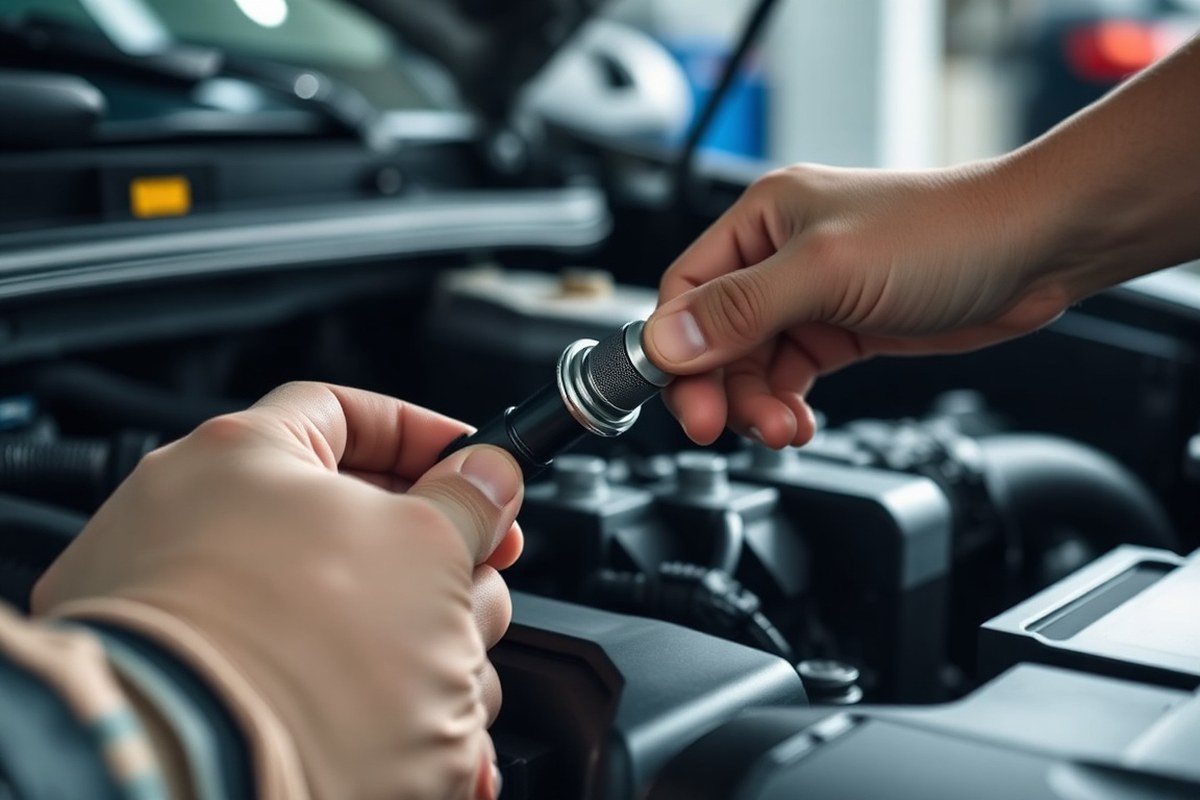
Where Can I Get My Spark Plugs Changed: 8 Best Options with Costs & Time
Where can I get my spark plugs changed? You can have spark plugs replaced at automotive repair shops, car dealerships, quick lube centers, or tire and brake shops. Many local mechanics and chain service centers offer spark plug replacement with varying costs and wait times. Start by checking the closest trusted auto service facility with good reviews or dealer service if your vehicle is under warranty.
Key Takeaways
- Dealerships often charge higher labor rates but ensure OEM spark plugs and technical expertise.
- Independent mechanics usually offer lower prices and faster service for spark plug replacement.
- Quick lube shops provide convenient and speedy plug replacements, suitable for standard plugs.
- Some auto parts stores offer DIY plug replacement services or tool rentals to save money.
- Labor costs depend on engine design and accessibility of spark plugs, varying from $50 to $150.
- The type of spark plug (copper, platinum, iridium) affects the total replacement price significantly.
1. Where to Get Your Spark Plugs Changed Near You

Getting your spark plugs changed near you can be simple if you know where to look. Quick oil change centers such as Jiffy Lube, Midas, and Firestone often provide spark plug replacement as part of their service lineup. These places can usually complete the job within 1 to 2 hours, making them a convenient choice if you need fast service without an appointment. They are equipped to handle most common vehicles, but for certain models like some V-6s, replacement can be more complex due to intake manifold removal. That might require a professional auto repair shop instead.
Popular auto parts retailers like AutoZone typically sell spark plugs but do not offer installation. However, many local repair shops and chain service centers will both supply and install plugs, sometimes while you wait. Local auto repair shops are a reliable option if you want personalized service and potentially better handling of complex replacements. Their labor costs can range from $50 to $150, depending on your car and the job’s complexity.
Mobile mechanics are an emerging and convenient option if you can’t easily visit a service center. These professionals come to your home or office, inspect your spark plugs, and give you an estimate on the spot. This option can save time and hassle if your schedule is tight or transportation is an issue. Keep in mind that pricing might vary based on your location and the mechanic’s travel distance.
- Choose quick oil change centers for fast, usually same-day service.
- Use local auto repair shops for detailed work or special vehicle types.
- Consider mobile mechanics if convenience and on-site service matter most.
- Confirm if the center handles spark plugs or only sells them.
- Check labor costs upfront to avoid surprises; expect $50-$150 on average.
- Book appointments for complex jobs to ensure availability.
Looking for convenient service starts with checking your vehicle’s owner’s manual for recommended spark plug intervals. Once you hit that mileage or notice symptoms like engine misfires or rough idling, call a service center or mobile mechanic. Getting a reliable estimate and confirming they use the correct spark plug type, copper, platinum, or iridium, will help ensure good results and avoid additional repairs.
2. How Much Does Spark Plug Replacement Cost and What Affects It?

The cost to have your spark plugs replaced professionally typically ranges from $100 to $300. This price covers both parts and labor. Labor costs vary with the make and model of your vehicle because some engines are harder to work on and take more time to access the spark plugs. Dealerships tend to charge more than local mechanics, often adding $50 to $100 or more in labor fees due to their specialized training and overhead.
Parts cost depends mainly on the spark plug type your car requires. Copper plugs are the least expensive but wear out faster, meaning more frequent replacements. Platinum and iridium plugs cost more but last longer, which can offset their initial higher price. Vehicle models with V6 or V8 engines usually need more spark plugs, increasing both parts and labor costs.
| Spark Plug Type | Average Lifespan (Miles) | Typical Cost Per Plug ($) |
|---|---|---|
| Copper | 20,000, 40,000 | 3, 8 |
| Platinum | 60,000, 100,000 | 10, 20 |
| Iridium | Up to 120,000 | 15, 30 |
Labor rates at a local shop usually fall between $50 and $120 per hour. The whole spark plug replacement can take 1 to 2 hours, depending on your car. Simple inline engines make the job faster, while some vehicles require removing parts like the intake manifold first, adding time and cost. For example, if a mechanic charges $80 an hour and the job takes 1.5 hours, labor cost will be $120 plus parts.
Here’s a worked example: your car uses four iridium plugs costing $20 each. The parts total $80. A local mechanic charges $90 per hour and spends 1.5 hours replacing plugs. Labor totals $135. Your overall cost will be about $215. On the other hand, a dealership might charge $150 per hour, making labor $225 and your total $305 for the same job.
Always confirm the spark plug replacement cost upfront and specify your vehicle’s year, make, and model to avoid unexpected fees.
3. How Long Does It Take to Replace Spark Plugs Professionally or DIY?
Replacing spark plugs generally takes about 30 minutes to 2 hours depending on whether you go to a professional service or do it yourself. Engine complexity and accessibility play a big role in the time required. Knowing the typical timelines ahead of time helps you plan either for a quick service visit or a weekend DIY project.
Average Professional Service Time
At a professional service center, spark plug replacement typically takes 30 to 60 minutes for most standard engines. Mechanics have the tools and experience to work quickly, especially if the plugs are easily accessible under the hood. For cars with simple engine layouts and normal wear on the plugs, the process involves removing the ignition coils or wires, extracting the old plugs with a spark plug socket, checking gaps on the new plugs, and installing them carefully before reassembling components.
Cars with complicated engine designs or those with hard-to-reach spark plugs can take 1.5 to 2 hours or more in a shop. Mechanics may need to remove parts like engine covers or air intake assemblies to access the plugs. Despite this, professional shops often complete these tasks faster than DIYers because of specialized tools and experience. Scheduling your appointment with the recognition that complex designs require extra time helps avoid surprises.
DIY Replacement Time Estimate
Setting aside 1 to 3 hours for spark plug replacement is generally wise when doing it yourself. Beginners should expect the higher end of this range as they learn to correctly remove ignition components, avoid cross-threading new plugs, and carefully torque each plug to specification. Taking your time reduces the risk of mistakes that damage threads or lead to engine misfires later on.
If your car has easy access to spark plugs, such as cylinder heads near the top and with few obstructing parts, you might complete the job in about an hour. More intricate engine bays will extend the process beyond two hours, especially if components must be removed and replaced. Testing the engine after changing each plug to catch missed tightening or faulty installation adds a bit of time but can prevent bigger issues.
Factors Influencing Time Required
Engine design is one of the biggest factors in how long spark plug replacement takes. Larger or more complex engines with multiple overhead camshafts, turbochargers, or tightly packed components often bury spark plugs beneath layers of parts. This requires extra disassembly and reassembly, increasing both professional and DIY time.
Older or simpler engines with easily accessible spark plugs offer a faster process, generally under an hour for professionals and around an hour or slightly more for DIYers. Also, some modern vehicles use long-life spark plugs that need less frequent replacement but can sometimes be installed in less accessible locations. Knowing your vehicle’s engine layout and spark plug position helps predict how long the replacement will take.
Burned or damaged spark plugs can take additional time to remove if they are stuck or require special care to avoid damaging the cylinder head threads. Extra time might also be needed to inspect ignition coils and wires or diagnose related engine issues discovered during the replacement. Reserving extra time for these possibilities provides a smoother experience whether you’re at the shop or working in your garage.
4. How to Choose Between DIY and Professional Spark Plug Replacement
Replacing spark plugs on your own can save money and give you hands-on experience with your vehicle’s maintenance. Doing it yourself typically costs very little beyond purchasing the correct spark plugs and some basic tools. A standard set of spark plugs might range from $10 to $25 each, depending on your car’s make and model. However, keep in mind that spark plugs can seize inside the cylinder head, especially in vehicles with high mileage, which can make removal difficult or cause damage if you’re inexperienced.
Choosing the DIY route works best if you have some mechanical know-how, the right tools, and the patience to carefully follow replacement procedures. Good results look like properly gapped, securely installed spark plugs without damaging the cylinder head threads. You’ll also want to avoid symptoms like rough idling or misfires after installation. The process itself can take between 30 minutes to an hour for most cars, provided no complications arise.
On the other hand, professional spark plug replacement costs more upfront but offers several benefits. Mechanics can inspect the entire ignition system during the service, catching minor defects before they develop into costly problems. They typically provide a clear estimate and can perform the work efficiently, usually within an hour. A pro is better equipped to handle seized plugs or unusual engine layouts, reducing the risk of damage to your engine.
Risks in DIY spark plug replacement include breaking the spark plug, stripping the threads in the cylinder head, or installing plugs with the wrong gap, which can lead to poor engine performance. Those unfamiliar with the specific spark plug types and replacement intervals might also pick a plug that wears out quickly or does not meet your vehicle’s specifications. For example, some spark plugs are made from tougher materials that last longer and require less frequent changes; not knowing this might lead to more frequent replacements or engine issues.
Deciding whether to do it yourself or see a professional comes down to your comfort level and the condition of your vehicle. Your car might have a straightforward and cost-effective DIY spark plug replacement if it has under 60,000 miles and uses standard plugs located where they’re easy to reach. However, if you have high mileage or suspect your plugs could be seized, calling a professional reduces risk and may prevent more expensive repairs. Also, consider the value of a professional ignition system check, which is included in service visits and can save money in the long run.
Use this simple decision rule: if you can remove and install spark plugs without forcing them, ensure proper torque and gap, and correctly identify the right plugs, DIY is a smart choice. Feeling unsure or facing difficult access under the hood calls for choosing professional service instead. Your car’s specific needs, your skill level, and the potential for complications should guide your final decision.
5. Essential Tools and Materials Needed for Spark Plug Replacement
To replace spark plugs yourself, make sure you gather all the necessary tools and materials before starting. Essential tools include a spark plug socket, which usually has a rubber insert to protect the plug’s ceramic insulator, and a ratchet with an extension bar to reach deep into the engine bay. A torque wrench is important to tighten spark plugs to the manufacturer’s precise specifications, which prevents damage from over-tightening or poor sealing from under-tightening.
Gap gauges are also needed to check the spark plug gap, the distance between the center and ground electrode. Proper gapping ensures efficient ignition and prevents engine misfires. Most spark plugs come pre-gapped, but always verify the gap to your vehicle’s spec, which you can find in the owner’s manual or from the auto parts store where you buy the plugs.
Using a small amount of anti-seize compound on the plug threads helps prevent them from sticking in the cylinder head, especially if your car has an aluminum head. This makes future removal easier but requires reducing the final torque setting by about 10% to avoid over-tightening. A dielectric grease applied on the inside of the spark plug boot helps secure a solid electrical connection and prevents moisture buildup.
- Spark plug socket with rubber insert
- Ratchet and extension bar
- Torque wrench for specified tightness
- Spark plug gap tool or feeler gauge
- Anti-seize compound for threads (optional, but recommended)
- Dielectric grease for spark plug boots
- Shop rag for cleaning the work area
Before installing new spark plugs, clean the area around the old plugs to prevent dirt from falling into the combustion chamber. Check and adjust the spark plug gap precisely to your car’s spec. When threading the new plug into the cylinder head, start it by hand to avoid cross-threading. Once finger-tight, use the torque wrench to finish tightening it to the recommended torque, typically between 13 and 20 lb-ft depending on the vehicle.
Always hand-thread spark plugs first to avoid cross-threading, which can damage the cylinder head and cause costly repairs.
6. Step-by-Step Spark Plug Replacement for DIYers
Replacing spark plugs yourself requires careful preparation, a clear process for safely removing the old plugs, correctly setting and installing the new ones, and performing checks to ensure everything runs smoothly afterward. The right tools and attention to detail can restore your engine’s performance and prevent damage.
Preparing Your Work Area and Tools
Clear a well-lit, ventilated area to work on your vehicle, ideally on a flat surface with the engine cool to avoid burns. Gather all necessary tools, including a spark plug socket with a rubber insert, a ratchet, extension bar, spark plug gap gauge, and compressed air or a brush to clean debris.
Ready your new spark plugs by verifying they are the correct type for your vehicle. Check your owner’s manual for specifications and the recommended replacement interval. Lay out everything within easy reach to keep the process smooth.
Removing Old Spark Plugs Safely
Before removing any spark plugs, use compressed air to blow away dirt and debris from the spark plug area to prevent contaminants from entering the combustion chamber. Always disconnect the ignition cable or coil pack connector by pulling on the boot, not the wire, to prevent damage.
Using a spark plug socket attached to a ratchet and extension, carefully unscrew each spark plug. The rubber insert in the socket helps grip the plug securely to avoid dropping it inside the engine. Take time to remove the plugs evenly to avoid cross-threading or damage.
- Remove engine covers or components blocking access to the plugs.
- Blow compressed air around each spark plug to clear dirt.
- Gently disconnect the ignition wires or coil packs.
- Use a spark plug socket with a ratchet to unscrew and remove each old spark plug.
- Inspect the old plugs for signs of wear like carbon buildup, oil fouling, or electrode erosion.
Gapping and Installing New Spark Plugs
Check the gap on each new spark plug using a gap gauge to ensure it matches your vehicle manufacturer’s specifications, usually between 0.028 and 0.060 inches. Adjust the gap carefully by bending the ground electrode slightly if needed.
Start screwing the new spark plugs in by hand to prevent cross-threading. Once hand-tight, use the ratchet with the spark plug socket to snug each plug. Torque specifications vary by vehicle but typically range between 13 to 25 foot-pounds; check your manual or a torque wrench to prevent over-tightening.
- Confirm each new spark plug’s gap matches the vehicle’s recommended setting.
- Adjust the gap if necessary using a gap tool.
- Insert each spark plug carefully, threading by hand initially.
- Tighten the spark plugs with a torque wrench or ratchet to the correct specification.
- Reconnect the ignition wires or coil packs securely.
Final Checks and Engine Test
After all spark plugs are installed and ignition connections are reattached, double-check that there are no tools or debris left in the engine bay. Ensure all engine covers and components are reinstalled correctly.
Start the engine and listen for a smooth, steady idle. Your car should respond quicker to acceleration with improved fuel efficiency. If the engine misfires or runs rough, recheck the spark plug connections and gap or consult a professional. This step confirms the replacement was successful and your engine runs optimally.
7. Factors That Affect Spark Plug Replacement Frequency
How often you should replace spark plugs depends mainly on the type of spark plug, your driving habits, and engine conditions. Each factor affects how quickly the spark plugs wear out and lose their ability to fire correctly. Understanding these influences helps you maintain your engine’s performance and avoid misfires.
Copper, Platinum, and Iridium Lifespans
Copper spark plugs typically last about 20,000 to 30,000 miles before they need replacement. Their lower durability comes from a softer material that wears down faster under heat and electrical stress. Platinum plugs improve on this, often lasting 60,000 to 100,000 miles due to a harder material at the electrode that resists erosion. Iridium plugs have the longest lifespan, reaching between 100,000 to 120,000 miles. Iridium’s high melting point and hardness make it the best option for extended use.
More than 70% of the replacement spark plug market now consists of premium platinum and iridium plugs, highlighting their popularity for longevity. Choosing the right material can directly reduce how often you need to replace spark plugs and improve engine efficiency.
Driving Habits That Shorten Plug Life
Short trips cause spark plugs to wear faster because the engine doesn’t reach optimum operating temperature. This keeps the spark plug’s tip cooler, encouraging carbon build-up that weakens the spark. Frequent heavy acceleration and stop-and-go driving also heat up and stress the spark plugs repeatedly, accelerating wear and erosion. In these cases, the replacement interval may fall closer to the lower end of the manufacturer’s recommendation.
Consistent highway driving at steady speeds usually extends spark plug life. If your routine includes lots of city driving with stops, starts, and short trips under 10 minutes, plan to check and possibly change spark plugs more often, around every 30,000 to 50,000 miles even for iridium tips.
Engine Conditions That Cause Premature Wear
High engine temperatures, sometimes caused by cooling system problems or engine tuning issues, put extra stress on spark plugs, wearing them out sooner. Carbon deposits from incomplete combustion or oil leaks onto the plugs also degrade their performance. Misfires or rough idling caused by worn plugs often signal these issues.
Keeping the engine in good condition with regular tune-ups and oil changes helps prolong spark plug life. Spark plugs that show physical damage like cracked insulators or worn electrodes should be replaced immediately to avoid engine damage.
8. How to Avoid Common Spark Plug Replacement Mistakes
One of the most common mistakes DIYers make when changing spark plugs is overtightening them, which can crack the ceramic insulator or strip the threads in the cylinder head. Using a torque wrench and following the manufacturer’s specified torque settings, usually between 13 and 22 ft-lbs, helps avoid this damage. Another frequent error involves cross-threading the spark plug, which happens when it is started by hand too quickly or at the wrong angle. Always thread the plug in slowly and by hand before tightening with a socket to ensure it seats properly.
During removal, forcing stuck spark plugs can shear the porcelain or break off the plug’s body, making extraction difficult and expensive. Applying penetrating oil and allowing it to soak for at least 15 minutes can loosen rust or carbon deposits. When the engine is still warm (never hot), this helps expand the metal and makes it easier to gently remove the plug. Using the correct spark plug socket with a rubber insert protects the plug and provides grip without damage.
Make sure to gap the new spark plugs to your car’s exact specifications before installation; an improper gap can lead to poor engine performance or misfires.
Signs that spark plug replacement was incomplete or done improperly include rough idling, engine misfires, sluggish acceleration, and increased fuel consumption. You might also notice a check engine light if a cylinder is misfiring. Persistent misfires after replacement call for a double-check of the spark plug gap and verifying that each plug is correctly torqued. Reusing old spark plugs without cleaning or inspecting them can also cause similar symptoms, so always use new ones for a smooth-running engine. Some tips to avoid common spark plug replacement mistakes include:
- Always allow the engine to cool down before working on spark plugs to prevent burns and damage from thermal expansion.
- Use a proper spark plug socket and a ratchet with a torque wrench for accurate installation torque.
- Check and adjust the spark plug gap with a feeler gauge according to your vehicle’s service manual.
- Replace spark plugs one at a time to avoid mixing up wires or damaging the ignition coils.
- Clean the area around each spark plug before removal to keep debris out of the combustion chamber.
- Lubricate new spark plug threads lightly with anti-seize compound only if the manufacturer recommends it.
- A difficult-to-remove spark plug benefits from applying penetrating fluid and letting it sit before carefully loosening.
Following these precautions can prevent costly damage and ensure your engine runs smoothly with reliable ignition. Taking your time during the job and adhering to proper procedures avoids common pitfalls that lead to engine problems after replacement.
Step-by-Step Action Plan for Getting Your Spark Plugs Changed
Follow these steps to get your spark plugs replaced efficiently, whether you choose to do it yourself or go to a professional. Checking your work or the service quality ensures the job is done right.
- Before You Start: Check your vehicle’s owner manual for spark plug type and replacement interval to know what you need and when.
- Day 1: Decide if you want to replace the spark plugs yourself or hire a mechanic by weighing your comfort with tools and expected time commitment.
- Day 2: If DIY, gather necessary tools like a spark plug socket, torque wrench, and gap gauge. If professional, find a trusted local auto shop or dealership to get a quote.
- Day 3: Replace the spark plugs following a step-by-step guide or take your car to the service center, confirming they use the correct plugs for your model.
- Day 4: Test the engine’s start and idling. A smooth, responsive engine indicates a successful spark plug replacement.
- After 1 Week: Monitor fuel efficiency and engine performance; improvements can affirm the spark plugs are functioning correctly.
- Every 30,000 to 100,000 Miles: Schedule regular inspections or replacements based on your vehicle’s recommendations and driving conditions.
Frequently Asked Questions
Where Can I Get My Spark Plugs Changed?
Local auto repair shops, car dealerships, and chain oil change centers such as Jiffy Lube or Midas commonly provide spark plug replacement services. Your selection should factor in how quickly you need the service done, your budget, and your confidence in the service provider.
How Much Does It Usually Cost to Have Spark Plugs Changed?
The total cost to replace spark plugs generally ranges from $100 to $400, including parts and labor, depending on your vehicle’s complexity and the type of spark plugs used.
Will AutoZone Change Spark Plugs for You?
AutoZone does not typically offer spark plug replacement services; they provide parts and advice, but you will need to visit a mechanic or service center for installation.
Will Jiffy Lube Replace Spark Plugs?
Yes, many Jiffy Lube locations offer spark plug replacement services and can usually complete the job in under two hours.
How Much Does It Cost to Replace Spark Plugs?
Labor costs for spark plug replacement usually range from $50 to $150; total costs vary based on parts and vehicle type but typically fall between $100 and $400.
How Often Should I Replace Spark Plugs in My Car?
Spark plug replacement intervals vary widely from 20,000 miles to over 100,000 miles, depending on the plug type and vehicle manufacturer recommendations.
Wrapping Up
Getting your spark plugs changed can extend your engine’s life and improve performance. Find a reliable service or equip yourself to do it safely at home, and check for improved engine operation afterward. Start today by reviewing your vehicle’s maintenance schedule to plan your next spark plug replacement.