Are Rancho Shocks Good? Detailed Review and Buyer’s Guide for Best Performance
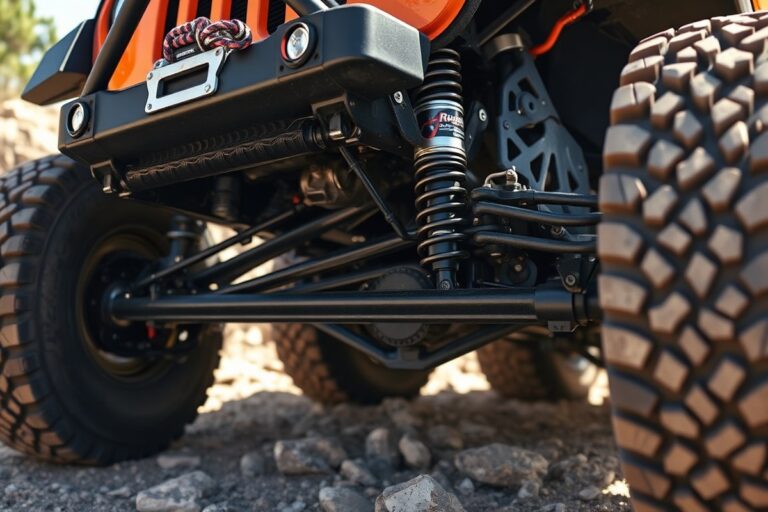
Are Rancho shocks good for improving your vehicle’s ride on and off the road? Rancho shocks offer solid performance for daily driving and mild to moderate off-roading, thanks to their gas-charged, monotube design and compatibility with lifted Jeeps. They balance ride comfort and durability well, making them a reliable option for many drivers. Start by checking your vehicle’s lift height to ensure compatibility with Rancho shocks.
Key Takeaways
- Rancho shocks fit 2011, 2017 Jeep Wranglers with 0, 2 inch front and rear lifts, ensuring proper installation and performance.
- The RS7000MT and RS9000XL are popular Rancho models, designed for off-road durability and adjustable ride settings.
- Rancho shocks generally cost $15 to $25 less than similar Bilstein shocks with comparable monotube, high-pressure gas designs.
- User experience shows Rancho shocks often need replacement closer to 50,000 miles, shorter than Bilstein’s 100,000-mile lifespan.
- The RS9000XL model offers adjustable damping, allowing you to fine-tune comfort and control for various terrains.
- Rancho shocks come with most required hardware, simplifying installation compared to some competitors that need extra parts.
Are Rancho Shocks Good for Daily and Off-Road Driving?

Rancho shocks perform well for both daily driving and off-road use because they balance durability with ride comfort. Their twin-tube design helps provide smoother handling over rough surfaces while maintaining control during regular highway driving. This means you won’t sacrifice daily comfort for off-road capability. Models like the RS5000 series specifically target everyday driving by offering improve comfort and steadiness, making them suitable for commuting or weekend errands.
Off-road, Rancho shocks excel by absorbing impacts and improving vehicle stability in rugged terrain. Their strong construction withstands heavy loads and harsh conditions, which is important when navigating rocky trails, deep ruts, or uneven surfaces. The RS9000XL model even offers adjustable damping settings, allowing you to fine-tune ride firmness based on specific off-road demands. This adaptability helps maintain traction and control, critical for safety when traversing difficult landscapes.
For mainly on-road driving with occasional off-roading, Rancho shocks provide a stable and comfortable experience without needing constant adjustment. Their design promotes a balance that reduces harsh jolts but stays firm enough to avoid excessive body roll during turns or sudden stops. If your driving involves heavy towing, hauling, or uneven back roads, Rancho shocks can improve your vehicle’s handling and reduce wear on suspension parts.
You’ll find Rancho shocks handle best in mixed conditions where durability and comfort both matter. They cope well with daily pavement wear plus the challenges of dirt tracks or gravel roads. Compared to some brands focused solely on either off-road agility or street smoothness, Rancho offers versatility suitable for a variety of vehicle types and loads. The price range generally reflects this capability, with models costing between about $100 to $250 per shock, depending on adjustability and application.
One tradeoff is that Rancho shocks may not match the precision feel of specialized performance shocks designed strictly for highway handling or hardcore off-road racing. However, they tend to provide more consistent performance across diverse terrains. Keep in mind that shock lifespan varies with use; roughly 50,000 miles is common but heavy off-road use or poor maintenance can shorten this. Regular inspection and timely replacement preserve ride quality and safety.
Which Types of Rancho Shocks Are Available and How Do They Differ?

Rancho offers a range of shock absorbers tailored to different vehicle needs, including the RS5000X, RS7000MT, and RS9000XL. Each model features distinct design elements and performance characteristics suited to daily driving, off-road use, and towing. Choosing the right model depends on your vehicle type, driving conditions, and whether you need adjustability or heavy-duty performance.
RS5000X Twin-Tube Model Overview
The RS5000X is a twin-tube shock designed mainly for light trucks and SUVs that see regular daily driving combined with occasional light off-road use. Its 35mm piston and 16mm rod work within a twin-tube oil-filled design, offering a smoother ride, especially over uneven terrain. This shock prioritizes comfort and value, making it a solid choice when you want an upgrade from stock shocks without investing in professional-grade off-road gear.
This model fits well with non-lifted or mildly modified vehicles and is often recommended for light towing tasks. The oil-based twin-tube design maintains consistent damping without quick reactions but ensures ride compliance on rough surfaces. Its painted finish helps resist corrosion but requires occasional inspection for wear on the rod and seals.
RS7000MT Monotube Performance Features
The RS7000MT matches Bilstein’s monotube design with a 46mm piston and 14mm rod, equipped with high-pressure gas to improve responsiveness. Combining monotube construction with Rancho’s zinc finish, it performs well on lifted trucks and heavy-duty applications by providing increased durability and heat dissipation. Rancho’s monotube shocks like the RS7000MT deliver firmer handling and better control during heavy towing or sustained off-road use compared to twin-tube models.
Its design makes it easier to maintain performance under tough driving conditions, including heat build-up common in towing or hauling. Vehicles with larger lift kits and more aggressive tires benefit from the RS7000MT’s ability to maintain damping efficiency without fading. However, this model is usually pricier and may sacrifice some ride softness compared to twin-tube shocks.
RS9000XL Adjustable Shock Benefits and Settings
The RS9000XL adds a third tube and a 31mm piston combined with an 18mm rod, engineered for drivers who want adjustable damping force to tune their ride. It’s the only Rancho shock with adjustable settings suitable for tailoring the experience whether you’re driving on pavement, rough terrain, or towing heavy loads. This tri-tube design offers more precise control without losing ride smoothness, catering to both mild and serious off-road conditions.
This model is popular among off-road enthusiasts and those with lifted trucks because it handles varying terrain and load demands with fewer compromises. Its ability to switch from a softer ride for daily driving to firmer handling for heavy towing or aggressive off-roading sets it apart. The tradeoff is a higher price point and more complex installation or adjustment procedures.
Compatibility with Lifted and Stock Vehicles
Rancho’s product lineup caters broadly to both stock and lifted vehicles, but some models fit better with specific setups. The RS5000X is best suited for stock to mildly lifted trucks and SUVs, focusing on comfort and value. The RS7000MT excels in heavier-duty applications and lifted trucks where monotube responsiveness and durability matter, especially for towing or off-road stress.
For trucks with significant lifts or owners seeking adjustability across driving styles, the RS9000XL provides the most versatility. Rancho also offers QuickLIFT shocks specifically designed for lifted trucks, but these are separate from the three main shock types. Side-by-side, Bilstein’s lineup narrows to fewer lifted options, giving Rancho an edge if your build demands specialized shocks for varied terrain or heavier loads.
Tip: When selecting Rancho shocks, match the model to your lift height and use case carefully; installing a twin-tube shock on a heavily lifted truck might reduce performance and durability.
How Do Rancho Shocks Compare Against Bilstein and Other Brands?
Rancho shocks are known for offering excellent value, combining solid performance, durability, and a smoother ride quality at an affordable price. Bilstein shocks typically cost $15 to $25 more per unit, reflecting their more advanced design and high-quality construction. The core design difference is that Bilstein shocks are gas-charged and renowned for superior rebound control and stability, which can translate into better ride comfort both on and off-road. However, some users find certain Bilstein models too soft or too harsh, affecting ride quality depending on vehicle setup.
Rancho shocks appeal especially to Jeep Wrangler owners and off-road enthusiasts who want a noticeable upgrade in ride quality and handling without the higher price tag. While Bilstein offers improve control and longer life due to their premium construction, Rancho compensates by providing reliable performance and durability tuned for rugged terrain. Compared to brands like Skyjacker and Fox, Rancho shocks hold their ground by balancing cost and ride improvement, though Fox might offer slightly better rebound adjustability at a higher price.
| Aspect | Rancho Shocks | Bilstein Shocks | Other Brands (e.g., Fox, Skyjacker) |
|---|---|---|---|
| Price per shock | $60, $80 (approx.) | $75, $105 (approx.) | $85, $120 (approx.) |
| Ride quality | Smoother ride, balanced for off-road and daily use | Superior control, potentially firmer ride | Fox offers better rebound control; others vary |
| Durability | Excellent, well-reviewed for rugged terrains | Highly durable, gas-charged with premium materials | Varies; often designed for specific conditions |
| Design | Traditional, reliable design optimized for Jeep Wranglers | Advanced gas-charged monotube design | Adjustable and specialized designs for off-road |
| Adjustability | Limited adjustability, focus on simplicity | Some adjustable models available | Fox includes more adjustment features |
Choosing between Rancho and Bilstein depends on budget and desired ride experience. For those prioritizing affordability and a comfortable, durable upgrade especially on rough terrain, Rancho shocks provide strong value. Bilstein is better for drivers who want premium ride control and are willing to pay more. The tradeoff often comes down to how much you’ll use your vehicle off-road and if you want features like adjustability or the absolute smoothest ride in varied conditions.
What Affects Rancho Shocks’ Performance and Durability?
Runcho shocks’ performance and durability hinge on several design features, including the type of pressurization, internal construction, and materials used. All Rancho shocks are charged with high-pressure nitrogen gas, which reduces foaming inside the shock and helps maintain consistent damping performance. The higher nitrogen pressure stabilizes the shock’s behavior during rapid compression and rebound, improving ride quality and control over rough terrain. You get a smoother, more responsive ride thanks to this pressurization method, but it also means the seal and gas charge need to be well-maintained to avoid premature wear.
The design of Rancho shocks often includes a monotube or twin-tube structure, each impacting durability differently. Monotube shocks, for example, handle heat better and provide more consistent damping in tough off-road conditions. This makes them suitable for vehicles facing difficult terrain such as rocky trails or deep sand. On the other hand, twin-tube shocks tend to offer a more comfortable ride on paved roads but may wear faster under constant heavy use off-road. Choosing the right design for your terrain is important because challenging environments generate more heat and physical stress, accelerating shock wear.
Terrain type plays a significant role in shock lifespan. Driving frequently on rough, uneven surfaces or off-road trails with lots of bumps and obstacles puts extra strain on Rancho shocks. Such conditions cause faster degradation of internal components, seals, and gas pressure. Using Rancho shocks primarily on paved roads will typically extend their life, while off-road use in harsh environments demands more frequent inspection and maintenance.
The vehicle’s weight and load also affect Rancho shocks’ durability. Heavier vehicles or those regularly towing heavy trailers or carrying large payloads increase the strain on shock absorbers. The shocks must work harder to control suspension movement, which can accelerate wear and reduce effectiveness. Ensuring your Rancho shocks are rated for your vehicle’s weight and towing capacity is essential. Overloading shocks that aren’t designed for heavier duty use could mean early failure and a rougher ride.
Proper maintenance directly impacts performance and longevity. Regularly checking for leaks, inspecting bushings and mounts, and cleaning off dirt and debris helps keep Rancho shocks working as intended. Recharging or replacing nitrogen gas is typically not needed unless the shock is damaged or leaking. However, catching early signs of seal wear or diminished damping can prevent full shock failure. Regular maintenance inspections every 20,000 to 30,000 miles are a good rule of thumb for keeping Rancho shocks in good shape, especially if you frequently drive on rough terrain or haul heavy loads.
How Easy Is It to Install and Maintain Rancho Shocks?
Installing Rancho shocks is generally a manageable task for most DIYers with basic mechanical skills. Rear shocks tend to be easier to replace, while front shocks may present some challenges due to space and hardware differences. Regular maintenance, including inspection and cleaning, helps extend the life of your Rancho shocks and keeps your vehicle performing well.
Tools and Hardware Required for Installation
You will need a few standard tools to install Rancho shocks, most of which are common in a basic home garage. Rancho shocks usually include the majority of necessary mounting hardware. However, some parts such as the bottom bolt and nut often need to be reused from the original shocks. For Jeeps with lifts of up to 2 inches, the shocks are designed to fit without requiring special adapters. Typical tools and hardware include:
- Socket set (metric and standard sizes)
- Wrenches (combination or adjustable)
- Jack and jack stands for safety and vehicle elevation
- Pry bar or flathead screwdriver for old shock removal
- Torque wrench to secure bolts at correct tightness
- Penetrating oil to loosen rusted or seized bolts
- Replacement bolts and nuts if existing hardware is damaged
Having these on hand ensures you can complete the job efficiently. Not all customers will need to purchase extra bolts, but check the condition of your current hardware before starting.
Step-by-Step Installation Guide
Start by safely lifting and supporting your vehicle using a jack and jack stands. Removing the old shocks is next and can be tricky if corrosion is present. Apply penetrating oil and wait 10 to 15 minutes before attempting to remove seized bolts.
- Raise your vehicle and secure it on jack stands, ensuring a stable working environment.
- Locate the old shock mounts; the rear shocks usually have less constrained space.
- Remove the top and bottom mounting bolts; keep the bottom bolt and nut if you plan to reuse them.
- Extract the old shocks carefully; use a pry bar if they are stuck.
- Align the Rancho shock with the mounting points, making sure it matches the original orientation.
- Insert and hand-tighten the mounting bolts to hold the shock in place.
- Tighten all bolts with a torque wrench to the vehicle manufacturer’s recommended settings.
- Lower the vehicle and double-check all mounting points are secure before driving.
Rear shock installations typically take less time, about 30 to 45 minutes, while front shocks can require 45 minutes to an hour or more due to tighter spaces around the mounting nuts.
Use a torque wrench to avoid over-tightening bolts, which can damage mounts or cause premature wear.
Routine Maintenance and Inspection Tips
Rancho shocks require periodic inspection to maintain performance and prolong lifespan. Experts recommend inspecting shocks every 12,000 to 15,000 miles or at least twice a year. Look for signs of leaks, dents, or unusual wear on the shock body.
Cleaning the shocks during inspections, especially after off-road use, helps remove mud and debris that can lead to corrosion. Applying a light silicone spray or similar protectant can prevent rust without harming the seals.
Check mounting bolts during maintenance and retighten if necessary. Consistently replacing worn bushings or hardware ensures the shocks stay firmly attached, limiting damage and improving ride quality.
Common Installation Mistakes to Avoid
Rushing through installation or skipping steps leads to common problems like shaky rides or premature shock failure. Avoid these key mistakes:
- Neglecting to use penetrating oil for seized bolts can cause bolt damage or rounding.
- Failing to torque bolts to manufacturer specifications, which might loosen the shocks during use.
- Reusing damaged or rusted hardware compromises the shock’s stability and safety.
- Installing the shocks backward or upside down will impair their function and increase wear.
- Ignoring shock inspection and maintenance eventually leads to decreased performance and possible safety risks.
Taking your time and following the step-by-step instructions included with Rancho shocks will help avoid most issues. In cases where front shock removal is too difficult, seeking assistance from a mechanic can prevent damage.
How Long Do Rancho Shocks Last and When Should You Replace Them?
Rancho shocks typically last around 80,000 miles under normal driving conditions. This estimate can vary depending on factors such as terrain, load, and driving style. For example, frequent off-road use or heavy hauling can reduce their lifespan, while mostly highway driving might allow them to reach or exceed this mileage benchmark. Rancho designs their shocks to handle increased loading and rough conditions, generally guaranteeing about five years of performance before replacement is advisable.
You should consider replacing Rancho shocks if you notice signs of wear that affect your vehicle’s handling and safety. Common symptoms include excessive bouncing after hitting bumps, uneven tire wear, nose diving during braking, and a generally rougher ride. Some drivers report rebound issues where the vehicle dips and bounces more than expected after hard braking. Regularly inspecting your shocks for visible leaks or physical damage can also alert you to a need for replacement. An easy way to check is the bounce test: push down on one corner of your vehicle and release; if it bounces more than once or twice, it’s time to inspect the shocks.
Driving style and terrain significantly affect shock longevity. Aggressive driving with quick stops, sharp turns, or high-speed off-roading increases shock wear. Rough terrains, such as rocky trails or deep ruts, put additional strain on shocks and suspension components, accelerating deterioration. Conversely, smooth roads and moderate speeds will help your Rancho shocks last closer to the higher end of their mileage range. Adjusting your driving habits can extend shock life but won’t eliminate the need for timely replacement.
Plan to review your shocks every 30,000 to 40,000 miles, paying attention to handling and physical condition. For vehicles frequently used in harsh conditions, more frequent checks are sensible. Replacing shocks comes at varying costs depending on your vehicle and the specific Rancho model. Labor might cost between $100 and $200 if done by a professional, while parts alone range from around $80 to $250 per shock for premium units like the RS9000XL, which offers nine levels of firmness adjustment.
Replacing worn shocks restores ride comfort, steering stability, and contributes to the longevity of tires and other suspension parts. Ignoring worn Rancho shocks risks deteriorating vehicle control and increased wear on related components. When installing new shocks, consider your typical load and terrain to select the right model and settings. This practice ensures you maintain safe and comfortable driving conditions, particularly if you use your vehicle for off-road adventures that demand more from your suspension system.
Which Rancho Shock Is Best for Your Vehicle and Driving Style?
Choosing the right Rancho shock depends on your vehicle type, lift height, driving style, and towing needs. Daily drivers with stock-height trucks benefit from Rancho’s smooth-riding, monotube models, which improve handling on paved roads and light off-road use. For lifted trucks or those that tow heavy loads, Rancho offers shocks designed to handle extra weight and rugged terrain, providing better control and stability. Adjustable shocks allow you to fine-tune damping for specific terrain preferences, whether soft for comfort or firm for performance on rocky trails. Here’s a decision table to help match your vehicle and use case to the best Rancho shock model:
| Vehicle / Use | Lift Height | Shock Model | Best For | Notes |
|---|---|---|---|---|
| Stock or Slightly Lifted Truck / SUV | 0, 2 inches | Rancho RS5000 | Daily driving, light off-road | Monotube design improves on-road handling and comfort |
| Off-road Focused Vehicle | 0, 4 inches | Rancho RS9000XL (adjustable) | Mixed terrain, adjustable firmness | Provides adjustable damping suited to varying trail conditions |
| Lifted Trucks (moderate to heavy lift) | 2, 6 inches | Rancho RS7000XL or RS9000XL | Off-road, towing, hauling | Extra travel and heavy-duty construction for lifted vehicles |
| Towing / Heavy Hauling | Any | Rancho RS9000XL or heavy-duty RS5000 | Towing trailers, hauling heavy loads | Supports added weight, improving stability and control |
| Extreme Off-Road & Performance | 4+ inches, specialized builds | Rancho RS9000XL Adjustable or RS7000XL | Rock crawling, rough terrain | Dampening adjustable to terrain, built for rugged use |
Start selecting by verifying your vehicle’s lift height and primary driving conditions. Rancho shocks like the RS5000 provide straightforward upgrades for daily driving and mild off-road terrain at a moderate cost. On the other hand, models like the RS9000XL offer ride-adjustable options that suit those who want the flexibility to switch between comfortable street driving and firm off-road performance. The adjustable feature costs more upfront, usually ranging from $150 to $250 per shock depending on application, but it pays off if you regularly change your driving terrain.
For towing or heavier loads, choose shocks with reinforced build quality to maintain stability. Using shocks rated for your towing capacity reduces wear on your vehicle and improves safety. Improper shock selection can lead to premature wear or compromised vehicle handling, especially if you run lifted suspensions without matching shocks designed to handle increased travel and stress.
What Are the Real Pros and Cons of Rancho Shocks from User Experiences?
Rancho shocks are well-regarded for improving vehicle handling and ride comfort, particularly for Jeep Wrangler owners. They offer a good balance of durability and cost, but some users note they can feel firmer than stock shocks and may not fit all vehicle types. Understanding both the benefits and limitations helps you decide if these shocks meet your needs.
Commonly Praised Features
Many users highlight the improved ride quality and handling control after installing Rancho shocks. The patented rebound valving system smooths out rough terrain, making off-road trips more manageable and improving stability on paved roads. Jeep Wrangler owners especially appreciate how these shocks balance comfort with off-road performance, providing a noticeable upgrade over factory shocks.
Cost is another frequently mentioned advantage. Rancho shocks generally cost less than other popular brands, like Fox or Bilstein, which suits drivers looking for affordable yet effective suspension upgrades. Durability is praised as well, with many users reporting consistent performance after thousands of miles and challenging conditions.
- Improve ride comfort and control on and off-road
- Durable construction suited for rough terrains
- Patented rebound valving improves handling
- Cost-effective compared to premium brands
- Popular choice for Jeep Wranglers (2011-2017 models)
- Good balance between firmness and comfort
Reported Downsides and Limitations
The most common drawback users mention is the firmer ride quality. While some appreciate the increased stability, others find the shock absorbers feel stiff for everyday driving, especially on smooth pavement. This can lead to a less comfortable daily commute if you prefer a softer suspension feel.
Another limitation is fitment. Rancho shocks are designed with specific vehicle models in mind, so they may not suit every car or truck. Attempting to install shocks not made for your vehicle can reduce performance or cause installation difficulties. Also, although Rancho shocks are affordable, some users feel their price approaches the higher end of the budget category when compared to basic stock replacements.
Recommendations for Specific Use Cases
For Jeep Wrangler owners seeking a suspension upgrade focused on both daily driving and moderate off-roading, Rancho shocks provide a solid choice. Prioritize them if you want improved control without a major jump in price. Expect a firmer feel, which improve stability on trails but may be less ideal for drivers who value a plush ride on highways.
Choose Rancho shocks for vehicles used in mixed conditions where better handling and durability matter more than ultra-soft suspension. They work well on rugged trails, uneven roads, and mild to moderate off-road challenges. Avoid them if your vehicle requires shocks with a very soft ride or if your model is not specifically supported. Also, be ready to check compatibility carefully before purchase.
- Best fit for Jeep Wrangler models from 2011 to 2017
- Suitable for drivers wanting firmer handling in off-road and daily use
- Not ideal for vehicles prioritizing soft, cushioned rides
- Check model-specific fitment to avoid installation issues
- Consider budget compared to more premium shocks with similar benefits
Always verify your vehicle’s model year and suspension type before buying Rancho shocks to ensure proper fit and avoid unwanted ride characteristics.
Your Rancho Shocks Upgrade: Step-by-Step Action Plan
Follow this plan to choose, install, and maintain the right Rancho shocks for your vehicle to improve daily driving and off-road performance.
- Before You Buy: Identify your vehicle model and driving style to select the Rancho shock that fits your needs; confirm compatibility on the official Rancho website or your vehicle manual.
- Day 1: Order the specific Rancho shocks designed for your application, such as RS5000 for moderate off-roading or RS9000XL for adjustable performance; check reviews for real user feedback.
- Day 3-5: Prepare for installation by gathering necessary tools and clearing the workspace; if unfamiliar with suspension work, schedule a visit to a trusted mechanic.
- Day 6: Install the Rancho shocks following the included instructions or have a professional do it; verify proper fit and no leaks after installation.
- After 1 Week of Driving: Assess ride comfort and handling both on-road and off-road; make adjustments if your model offers it, like the RS9000XL’s damping settings.
- Monthly: Inspect shocks for signs of wear, leaks, or damage; clean them regularly to maintain durability, especially after off-road trips.
- After 50,000 Miles or 3 Years: Evaluate shock performance decline; plan replacement if you notice increased bouncing, reduced control, or visible damage.
Frequently Asked Questions
How Long Will Rancho Shocks Last?
Rancho shocks generally last around 50,000 to 75,000 miles depending on driving conditions and maintenance. Off-road use and rough terrain may reduce lifespan, so inspect them regularly for wear signs.
What Are the Best Shocks Made?
The best shocks depend on your vehicle, driving style, and budget. Bilstein and Rancho are top contenders with proven performance for both daily driving and off-road use. Consider your specific needs before choosing.
Are Rancho RS5000 Shocks Good?
Rancho RS5000 shocks deliver solid performance for mild off-roading and daily use. They offer a balance of comfort and control but may not suit extreme off-road conditions as well as some premium models.
Are Bilstein Shock Absorbers Any Good?
Bilstein shocks are highly regarded for durability and performance, often lasting close to 100,000 miles under heavy-duty driving. They usually cost more but provide excellent long-term value.
Do Rancho Shocks Cause a Rougher Ride on Pavement?
Rancho shocks can feel firmer than stock shocks, which some drivers interpret as roughness. This is a tradeoff for better control on uneven or off-road terrain.
Can I Use Rancho Shocks on Lifted Trucks?
Rancho offers a wide range of shocks compatible with lifted trucks and Jeeps, especially for lifts up to 2 inches. Check product specs to ensure proper fit for your lift height.
Before You Go
Rancho shocks provide a solid balance of performance, durability, and price for many drivers, especially those mixing daily use with moderate off-road activities. Selecting the right model and keeping up with simple maintenance will help you get consistent ride quality and handling. Start your upgrade by matching your vehicle and driving demands to the particular Rancho shocks that fit best, then follow through with proper installation and care to maximize their benefits.