How to Start Jeep Cherokee with Key: Simple Steps for Quick Engine Start
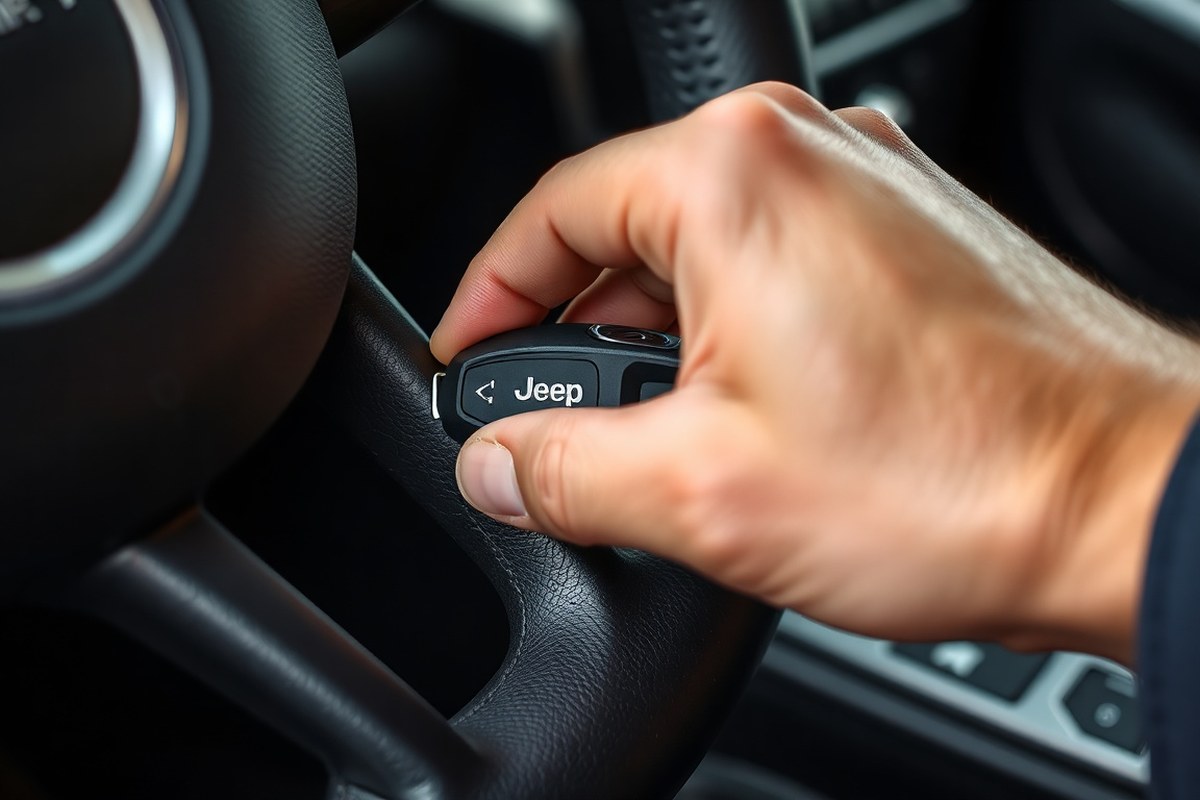
Knowing how to start Jeep Cherokee with key helps when the push-button start system fails or the key fob battery dies. Locate the emergency key embedded inside the key fob, find the hidden ignition slot on the steering column, and insert the key to turn the ignition manually. This bypass method enables you to start the engine quickly without waiting for assistance.
Key Takeaways
- The emergency key is stored inside your Jeep Cherokee’s key fob and is removable using a small release button.
- The emergency key’s ignition slot is typically located on the driver’s side of the steering column, concealed beneath a cover.
- Turn the key to “START” smoothly after the security light goes off or stays solid briefly to engage the engine.
- The engine runs for about 10 minutes on emergency key start before automatically shutting off to prevent battery drain.
- Check and replace your key fob battery every 3 to 5 years to avoid relying on the emergency key frequently.
- The steering column lock must disengage before you can turn the key and start the vehicle.
How to Start Your Jeep Cherokee Using the Emergency Key

Starting your Jeep Cherokee manually with the emergency key is straightforward and essential during situations like a dead key fob battery. The emergency key allows you to bypass the push-button or electronic system and get your engine running. Typically, once started, the engine will remain active for about 10 minutes before automatically shutting off if the key fob signal isn’t restored. Follow these steps carefully to ensure a smooth ignition sequence using the emergency key:
- Find the emergency key slot on your Jeep Cherokee, usually positioned on the left side of the steering column for models around 2012. Refer to your owner’s manual for exact location details.
- Insert the emergency key: Slide the physical key fully into the slot until it clicks into place. Avoid forcing it to prevent damage to the ignition cylinder.
- Turn the key to the “On” position: This will activate the vehicle’s electrical systems, including the dashboard lights and accessories. Pause briefly here to let the system initialize.
- Turn the emergency key to the “Start” position: Hold the key steadily until the engine cranks and starts. Release immediately once the engine ignites to prevent unnecessary wear on the starter.
- Allow the engine to run: The engine will continue running for about 10 minutes even if the key fob signal isn’t detected. Use this window to get your vehicle to a safe location or service center.
- Drive or troubleshoot as necessary: Restarting beyond the timed engine run requires restoring the key fob battery or using the standard electronic start system again.
Using the emergency key is especially important during an electronic key fob failure. Taking each step slowly and deliberately will ensure the ignition cylinder and emergency key mechanism remain undamaged. Should the key resist turning, avoid applying pressure and reach out to a professional locksmith or your Jeep dealer for assistance.
This manual starting method doesn’t require extra parts or costs beyond owning the emergency key itself. Correct use preserves your ignition system and gets your Jeep Cherokee moving when other methods fail.
Locating the Emergency Key and Accessing Ignition Slots by Model
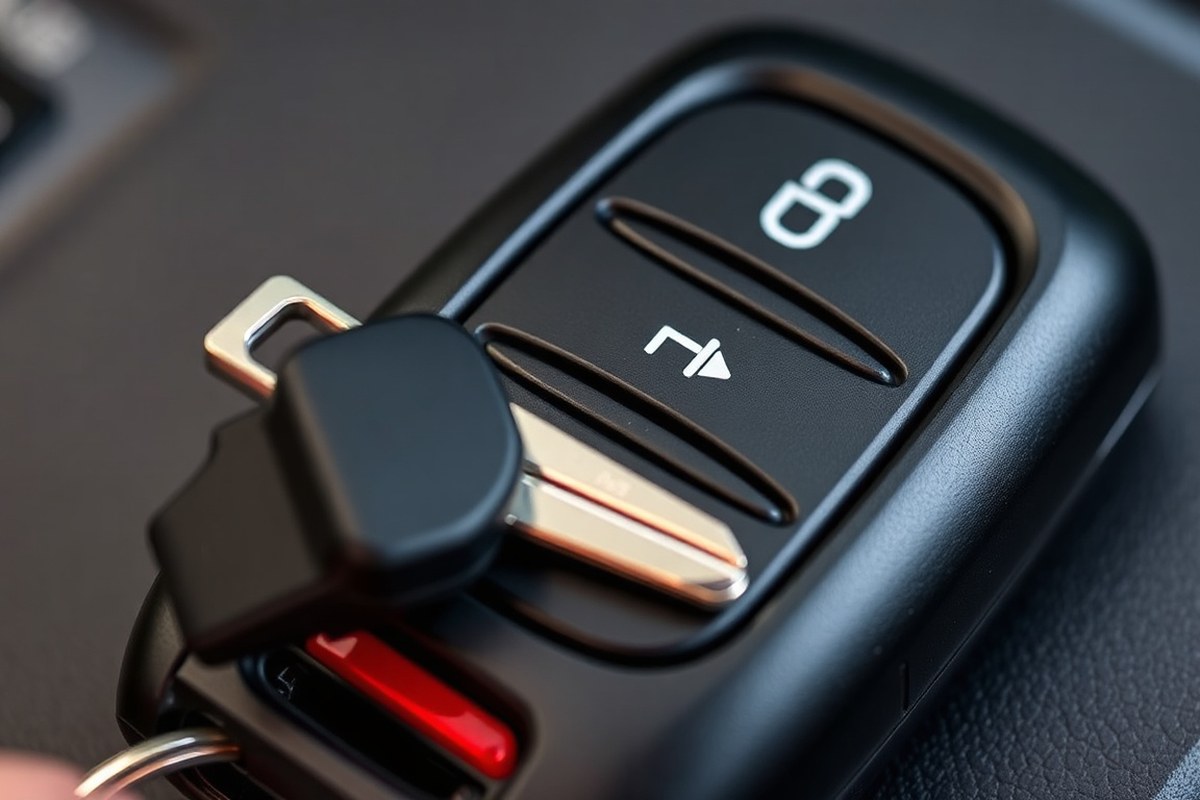
Your Jeep Cherokee’s emergency key is stored inside the key fob, acting as a backup to unlock doors and start the vehicle if the fob battery dies. Ignition slot locations vary between Jeep Cherokee models, mainly between the KL model years 2014-2023 and the earlier KK models from 2008-2013, requiring different steps to access the hidden ignition slot.
Emergency Key Storage in Key Fob
Every Jeep Cherokee key fob contains a removable emergency key tucked inside. To access it, locate the small release latch or button on the side of the fob. Slide or press this to pull out the mechanical key, which operates the door locks and ignition slot manually.
Practice removing this key while sitting in your Jeep or at home. This helps avoid fumbling in low-light or stressful situations. The mechanical key rarely requires batteries and provides consistent access during electronic key fob failures.
Ignition Slot Location for KL Models (2014-2023)
For KL model Jeep Cherokees built from 2014 to 2023, the ignition slot is hidden behind a small rectangular cover on the lower part of the steering column. This cover protects the slot because these models often use push-button start systems paired with key fobs. To access the ignition slot:
- Locate the rectangular trim cover below the steering wheel on the steering column.
- Carefully pry off or slide aside the cover to reveal the mechanical key slot underneath.
- Insert the emergency key and turn it to start, overriding the push-button system if needed.
This design allows you to start the vehicle even if the fob’s battery is dead while preventing accidental key insertion during normal operations.
Ignition Slot Location for KK Models (2008-2013)
Kk model Jeep Cherokees, built from 2008 to 2013, feature a more traditional ignition system with a visible key slot, typically located on the steering column or dashboard. These models do not usually require removing a cover to find the ignition slot. Access steps for KK models:
- Manually get the driver’s side door with the emergency key extracted from the fob.
- Locate the ignition cylinder mounted prominently on the steering column or near the dashboard.
- Insert the emergency key and turn it to start your vehicle as usual.
This straightforward layout means you rarely need to search for hidden slots or trim covers in these older models. Below is a quick comparison of emergency key locations and ignition slot access for Jeep Cherokee KL and KK models:
| Feature | KL Models (2014-2023) | KK Models (2008-2013) |
|---|---|---|
| Emergency Key Location | Inside key fob, removable via a side latch | Inside key fob, removable via a side latch |
| Ignition Slot Location | Hidden behind rectangular cover on lower steering column | Visible ignition cylinder on steering column or dashboard |
| Access Method | Remove cover to reveal slot, then insert key | Direct key insertion |
| System Type | Push-button start with emergency key override | Traditional key ignition |
| Typical Situation | Use when key fob battery is dead | Normal starting or key fob battery dead |
Knowing exactly where to find your emergency key and ignition slot can turn a frustrating no-start situation into a quick fix. Taking 15 minutes to familiarize yourself with these locations ensures you’re not caught unprepared.
Tip: Practice removing the emergency key from your fob and locating your ignition slot at home before any emergency arises. This will save you time and stress later on.
Troubleshooting Common Problems When Using the Emergency Key
Common problems with the emergency key in a Jeep Cherokee include the key not turning, the security light flashing and preventing engine start, and issues caused by missing or damaged ignition slot covers. Each issue has specific causes and steps to troubleshoot or resolve it to get your Jeep running again.
Key Won’t Turn: Causes and Fixes
A key that won’t turn in the ignition often means the steering wheel is locked. This is a security feature that prevents the wheel from moving and the key from turning. To fix this, gently move the steering wheel back and forth while turning the key. This realigns the internal tumblers in the ignition cylinder, allowing the key to rotate smoothly.
Check for physical damage to the emergency key, such as bending or worn edges, which can prevent full engagement with the ignition cylinder. Insertion should be firm but not forced. Dirt or debris inside the ignition can also block key movement, so using compressed air or a lock lubricant designed for vehicle ignitions may help. Here is a quick checklist to troubleshoot a key that won’t turn:
- Gently wiggle the steering wheel while turning the key
- Inspect the emergency key for bends or damage
- Make sure the key is fully and properly inserted
- Use compressed air to clear debris in the ignition slot
- Apply lock lubricant, avoiding oil-based products
- Avoid forcing the key to prevent cylinder damage
- Seek professional help if the key still won’t turn
These steps might not fix the problem, which could mean the ignition cylinder is faulty or worn and needs replacement by a mechanic. Avoid forcing the key to prevent further damage.
Security Light Flashing: What It Means
The flashing security light on your Jeep’s dashboard signals an anti-theft system issue that prevents the engine from starting. This happens if the system doesn’t recognize the emergency key or detects a problem with the ignition switch. The light often stays solid for 1 to 2 seconds, then flashes, indicating the system is engaged.
Try turning the key smoothly to the “start” position after the security light turns off or goes solid briefly. A smooth key turn combined with waiting a few seconds for the security light to respond can often bypass the problem.
The engine might fail to start due to issues with your vehicle’s battery or ignition switch condition. A low or dead battery can cause the security system to malfunction. When the key fob is involved, check that its battery is fresh or switch to the emergency mechanical key instead.
Dealing with Missing or Damaged Ignition Covers
Ignition slot covers protect the ignition cylinder from dirt, debris, and damage. A missing or broken cover exposes the ignition to contaminants, which can cause key insertion problems and even damage internal components. Your Jeep Cherokee’s missing or broken cover might expose the ignition insert to dirt or foreign objects, so inspect and clean it carefully.
Temporary protection can be created by loosely attaching a plastic cover or tape while you arrange for a replacement. However, avoid inserting objects into the ignition slot. Replacement covers are available through Jeep dealers or online parts suppliers and usually cost under $50. Installing a new cover restores protection and prevents further key or ignition cylinder issues.
Pre-Start Vehicle and Key Checklist to Ensure Smooth Ignition
Before starting your Jeep Cherokee with the physical emergency key, perform a few key checks to avoid starting issues and ensure safety. First, confirm the vehicle is in “Park” gear mode. This position ensures the transmission won’t move unexpectedly, preventing accidents or transmission damage. Next, engage the parking brake to add another layer of vehicle security during ignition.
Give the emergency key a quick inspection. Look for visible damage like cracks, bends, or dirt on the key blade. A damaged or dirty key can prevent proper contact with the ignition cylinder, leading to failed starts. Also, check the key fob’s battery if your model relies on remote entry features combined with the emergency key. A dead fob battery won’t affect starting with the physical key but should be replaced within a few dollars at an auto parts store for convenience.
Ensure all doors, including the hood and tailgate, are fully closed. This step can prevent electrical system glitches or warning lights that may affect starting. The key turns a mechanical switch in the ignition barrel that engages electrical components like the fuel pump and starter motor. If the battery connection is not solid or the battery voltage is low, under 12.4 volts measured with a multimeter, the car may not start despite turning the key correctly. Double-check battery terminals for corrosion or looseness and clean or retighten as needed.
- Inspect the emergency key for clean, undamaged surfaces
- Replace key fob battery if remote features fail
- Confirm the Jeep Cherokee’s gear shift is in “Park”
- Engage the parking brake to secure the vehicle
- Close all doors completely before starting
- Check battery terminals for corrosion or looseness
- Verify the battery voltage is at least 12.4 volts
These steps ensure the mechanical and electrical systems work smoothly when you turn the key. Poor maintenance or skipped checks may cause the ignition to fail and stress electrical components. For instance, if gear is not in “Park,” most modern Cherokee models won’t allow the key to turn past the accessory position. Battery-related issues may cause only dashboard lights to flicker without engaging the starter. Taking roughly five minutes before you start will help avoid these problems and keep your Jeep Cherokee ready for driving.
Understanding Steering Column Lock and Its Impact on Key Starting
A locked steering column prevents the key from turning because it physically restricts the ignition cylinder’s rotation. This security feature activates when the steering wheel is turned sharply after the key is removed, causing the lock mechanism to engage. The purpose is to prevent theft by stopping the wheel and ignition from moving without the key. You may notice the key won’t insert fully or turn, especially when the steering wheel is turned to one side.
To safely get the steering column, first sit in the driver’s seat and try to gently wiggle the steering wheel left and right. Apply slight pressure in either direction without forcing it. At the same time, insert the key into the ignition and attempt to turn it. This motion relieves the tension on the lock mechanism, allowing the key to rotate from LOCK to ON. Most often, this gentle back-and-forth allows the lock pin in the steering column to disengage, clearing the way for the key to function normally.
If the key still won’t turn, check for an emergency key slot near the steering column on some Jeep Cherokee models. Insert the emergency key there and turn it counterclockwise to release the steering lock. This step is important after situations like dead key fob battery or electronic ignition failure. The emergency key works like a traditional mechanical key and bypasses the electronic lock.
Forcing the key or ignition lock cylinder is not recommended. Excessive pressure can bend or break the key, damage the ignition switch, or jam the steering lock, leading to costly repairs. Jeep dealers or locksmiths charge anywhere from $100 to $300 to fix ignition or steering lock damage, often more if the steering column components require replacement. Avoiding force helps maintain your Jeep Cherokee’s starting system and steering safety.
When done correctly, unlocking the steering column allows a smooth key turn and ignition start without grinding sounds or sticking. This protects you from lock damage and preserves the vehicle’s security system. Regularly ensuring the steering wheel is centered before removing the key helps prevent the lock from engaging unnecessarily, saving you time and frustration at the start.
Never force the key to turn if it resists; gently wiggle the steering wheel while turning the key to safely disengage the lock and prevent damage.
Safe Use and Care of Your Jeep Cherokee Emergency Key
Maintaining the emergency key and ignition cylinder in your Jeep Cherokee preserves their function and helps avoid costly repairs. Dirt, grime, and rough handling can damage these components, making it difficult or impossible to start your vehicle when you need to.
Keep the emergency key clean by wiping it regularly with a soft cloth. Avoid using harsh chemicals that can degrade the key’s plastic or metal parts. If the key gets wet, dry it thoroughly before use to prevent rust or sticking inside the ignition cylinder.
The ignition cylinder needs occasional lubrication to operate smoothly but must only be treated with products designed for automotive locks. Use a dry graphite-based lubricant or a silicone spray recommended by automotive professionals. Avoid oil-based lubricants as they attract dirt and grime, which worsen sticking or jamming. Apply a small amount, insert the key a few times, and turn gently to distribute the lubricant.
- Handle the emergency key gently, never force it in or out of the ignition cylinder to prevent damage.
- Clean the key periodically with a soft cloth and mild soap solution if very dirty.
- Use only dry graphite or silicone-based lubricants on the ignition cylinder about once a year or if you notice resistance.
- Store your emergency key separately from other keys or sharp objects to avoid scratches and bending.
- Dry the key and ignition area if exposed to moisture to reduce corrosion risk.
- Inspect the emergency key regularly for signs of wear like bending or misshapen teeth.
- Replace the emergency key if it shows visible damage, becomes difficult to insert, or doesn’t turn smoothly.
Schedule key and ignition cylinder maintenance yearly or sooner if you notice any stiffness or operational issues. Replacement emergency keys generally cost between $20 and $50, depending on where you get them, and some Jeep dealers charge an additional programming fee that can run over $100. Catching wear early helps you avoid this extra expense and keeps your Jeep Cherokee starting reliably.
Starting Differences Between Push-Button and Manual Ignition Models
Jeep Cherokee models come with two main ignition systems: push-button start and manual key ignition. These systems have distinct starting procedures. Understanding these differences helps ensure you can effectively start your Jeep regardless of the model you own, especially in situations where the push-button may not work.
Manual key ignition Jeeps require inserting the key into the ignition slot on the steering column or dashboard. Once the key is inserted, turn it clockwise past the accessory position to engage the engine starter. This process is straightforward and mechanical, making it familiar to most drivers. The key physically disconnects and reconnects the electrical circuits needed to start the engine, causing fewer complications if the fob battery dies.
On push-button start Jeeps, starting the vehicle requires a key fob that communicates wirelessly with the car. Instead of inserting a key, you press a button while pressing the brake pedal. Some newer push-button models include a hidden ignition slot designed to be used only if the key fob battery dies or is lost. This slot may be located under the steering column cover, inside the center console, or behind a removable panel near the push-button start. You need to consult your Jeep’s owner’s manual to find the exact location for your model year since it varies.
The emergency key is a physical key embedded in the key fob, and it can be removed by sliding a release latch on the fob. This key fits into the hidden ignition slot on the push-button starter Jeeps. Inserting the emergency key into this slot allows you to start the engine manually by turning it, just like in manual key models. This feature helps overcome dead fob batteries or electronic malfunctions without needing immediate roadside assistance or towing. However, some push-button models require pressing the brake pedal and then turning with the emergency key to engage the starter, meaning the steps combine mechanical and electronic actions.
Starting your push-button Jeep Cherokee with the emergency key typically involves first removing the physical key from the fob, finding and opening the hidden ignition slot cover, and then inserting the key to turn it. You may need to hold the key and press the start button simultaneously on some models to successfully start the vehicle. This dual action happens because the vehicle’s electronic system still needs to detect the key fob’s proximity via a minimal signal the physical key carries to get the ignition electronically.
Knowing the starting procedure with the emergency key is important. Without it, a dead key fob battery can leave you stranded, especially in remote areas. The cost to replace or repair the key fob can range between $100 and $300 depending on dealership and programming fees. Being familiar with your Jeep’s specific emergency key slot location and how to use it saves time and money.
In summary, the manual ignition Jeep Cherokee models rely fully on a traditional key turn to start the engine, while push-button start models need proximity sensing and electronic engagement but provide a hidden mechanical backup ignition slot for use with the emergency key. This hybrid approach balances convenience and reliability for Jeep owners.
Where to Get Replacement Emergency Keys and Programming Costs
You can get a replacement emergency key for your Jeep Cherokee from several sources including official dealerships, certified locksmiths, and online vendors. Programming the key is usually necessary to sync it with your vehicle, and typical costs range from $100 to $250 depending on the provider and services needed. Choosing the right option depends on convenience, price, and reliability.
Official Jeep Dealerships
Jeep dealerships provide the most reliable source for replacement emergency keys along with programming services. They carry the exact factory-approved keys for your model, ensuring compatibility with ignition and security systems. Programming at the dealership typically requires you to bring your Jeep Cherokee in, as specialized diagnostic equipment is used.
Costs at dealerships tend to be on the higher end, often ranging from $150 to $250. This includes both the key cutting and programming. Dealers also keep records of your vehicle and key history, which can simplify future replacements or warranty claims. However, wait times for appointments and services may be longer than other options.
Certified Locksmith Services
Certified locksmiths offer a convenient alternative to dealerships, often with lower prices and faster service. Many locksmiths now have the equipment to cut and program Jeep Cherokee emergency keys on-site or through mobile service visits. This can save time and often avoids the need to bring the vehicle to a shop.
The cost for locksmith services typically falls between $100 and $200. Pricing varies based on location, programming complexity, and whether the locksmith performs on-site services. Always verify the locksmith’s credentials and experience with Jeep models to ensure proper key and programming compatibility.
Online and Third-Party Options
Several websites and third-party sellers offer replacement emergency keys for Jeep Cherokees, often at lower parts-only costs. These can be new blanks or used keys but usually require you to find a local dealer or locksmith for programming. Buying online often involves shipping wait times and the risk of receiving incorrect or incompatible keys.
Key blanks online may cost as little as $20 to $50, but programming fees at a local provider will add another $50 to $150. This option can be economical if you already have access to a reputable locksmith for programming. Be cautious about online sellers without strong reviews or clear return policies.
| Replacement Source | Typical Cost Range | Includes Programming? | Convenience Factors |
|---|---|---|---|
| Jeep Dealership | $150 – $250 | Yes | Factory keys, reliable, potential wait time |
| Certified Locksmith | $100 – $200 | Usually yes | Mobile service possible, faster turnaround |
| Online/Third-Party | $20 – $50 (key only) | No (separate cost) | Lower parts cost, programming extra, risk of mismatch |
Tip: Always confirm with your provider whether programming is included and if they can program your Jeep Cherokee’s specific model year before purchasing a replacement key.
Finding the right replacement key and programming service can save you time and money. Even with a new emergency key, the key system’s demands for precise encoding mean professional programming is necessary. Avoid attempting to program keys yourself unless you have specialized equipment and expertise.
Step-by-Step Action Plan for Starting Your Jeep Cherokee with the Emergency Key
Follow these steps carefully to start your Jeep Cherokee when the key fob isn’t working. Each step helps you verify that the ignition is ready for a smooth start using the physical key.
- Before You Start: Locate your emergency key inside the key fob by pressing the release button. Confirm you have the key so you can access the ignition slot.
- Day 1: Identify your Jeep Cherokee model year to find the ignition slot location, either on the steering column or under a cover near the push-button start.
- Right Before Ignition: Remove any steering lock by gently turning the steering wheel left and right while you insert the key into the ignition slot to avoid jamming.
- Immediately After Key Insertion: Turn the key fully to the “on” position and check that the dashboard lights illuminate, indicating power is reaching the system.
- Next: Start the engine by turning the key to the “start” position; the engine should turn over smoothly if the battery and key are working properly.
- After Engine Starts: Release the key once the engine catches to prevent damage to the ignition switch.
- Doesn’t Start: Check the key for any signs of damage or wear and verify the battery’s charge. Try using a different key or consult a professional if these steps don’t work.
Frequently Asked Questions
Can You Start a Jeep Cherokee with a Regular Key Instead of a Fob?
Yes, many Jeep Cherokee models from earlier years use a traditional key ignition to start the vehicle without a fob, making it a dependable option if the fob battery dies or is lost.
What Should I Do If My Jeep Cherokee Key Won’t Turn in the Ignition?
First, check if the steering wheel is locked; try gently turning it side to side while turning the key. Applying too much force can damage the ignition, so avoid forcing the key.
How Do I Know If My Jeep Cherokee Uses Push-Button Start or a Traditional Key?
Jeep Cherokees from 2014 onward often have push-button start systems. Checking your owner’s manual or the center console will quickly show if your model uses a button or a key slot.
Is It Possible to Bypass the Steering Column Lock in a Jeep Cherokee?
No, bypassing the steering column lock is not recommended as it is a safety feature designed to prevent theft. Always use the correct key or fob to unlock and start your vehicle safely.
Can a Worn or Damaged Key Cause Starting Issues in My Jeep Cherokee?
Yes, a worn or bent key may not properly align with the ignition tumblers, leading to difficulty starting. Getting a replacement key cut precisely by a professional can resolve this issue.
What Maintenance Can Help Prevent Emergency Key Starting Problems in My Jeep Cherokee?
Regularly cleaning the key slot and keeping the key free of dirt or damage can prevent jams. Avoid putting heavy keychains on your key, as extra weight can wear out the ignition cylinder.
Key Points to Remember
Using the emergency key for your Jeep Cherokee requires following the model-specific instructions carefully. Always store your emergency key where you can easily find it and keep it well maintained. Before calling a professional or replacing the key fob, try these steps first if the primary key doesn’t work.