
Are E3 Spark Plugs Good? Benefits, Tech & Real Performance Compared
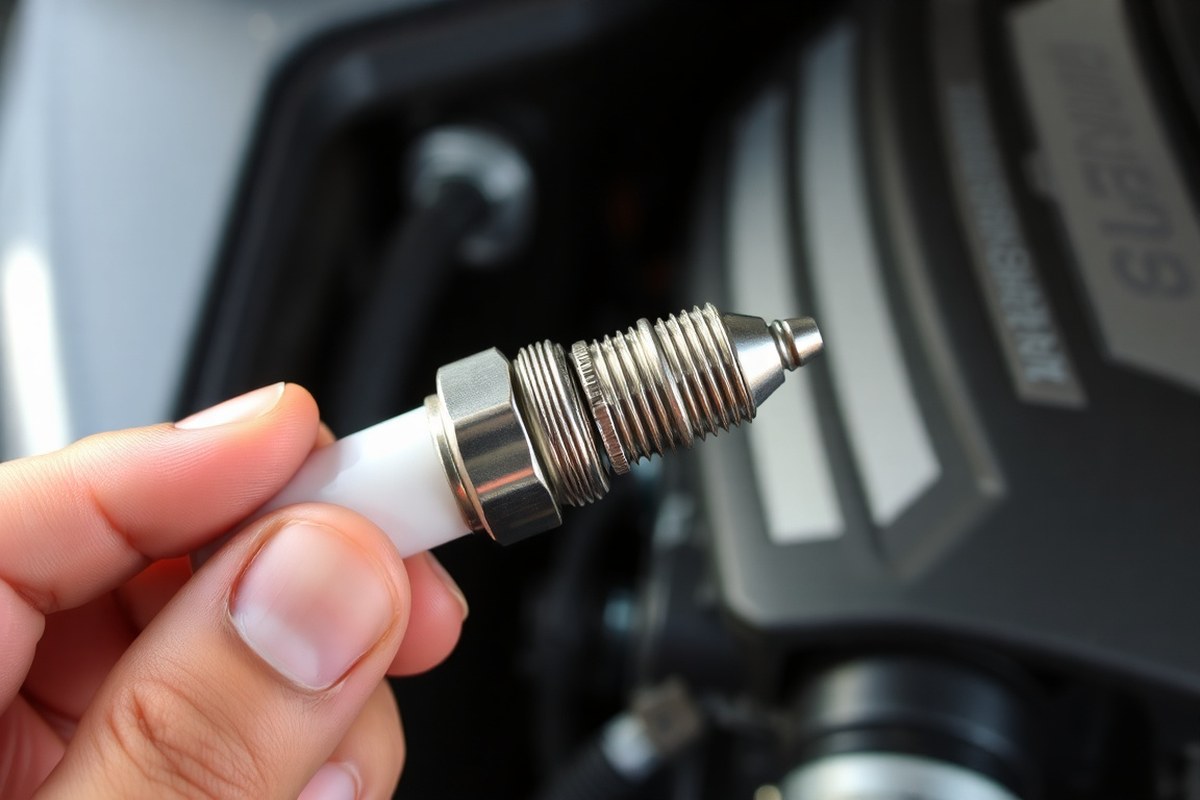
Are E3 spark plugs good? Yes, they reliably boost performance and fuel efficiency thanks to their unique DiamondFire technology. These plugs increase combustion turbulence, improving power and mileage, all backed by a solid five-year warranty. Start with E3 plugs if you want a simple upgrade that can add measurable horsepower without engine modifications.
Key Takeaways
- E3 spark plugs increase horsepower and torque by 3 to 6 percent by promoting better combustion efficiency.
- Their unique ground electrode design promotes more turbulence in the air/fuel mix for better ignition.
- Small engines, including motorcycles, may see power gains up to 12 percent and fuel savings of 13 percent.
- E3 plugs come with a five-year, 100,000-mile warranty, reflecting their durability and reliability.
- Special one-piece plugs are available for tricky Two-Valve Ford Modular engines to prevent plug breakage.
- DiamondFire technology is at the core, improving spark efficiency for both everyday and high-horsepower engines.
Are E3 Spark Plugs Good for Performance and Reliability?
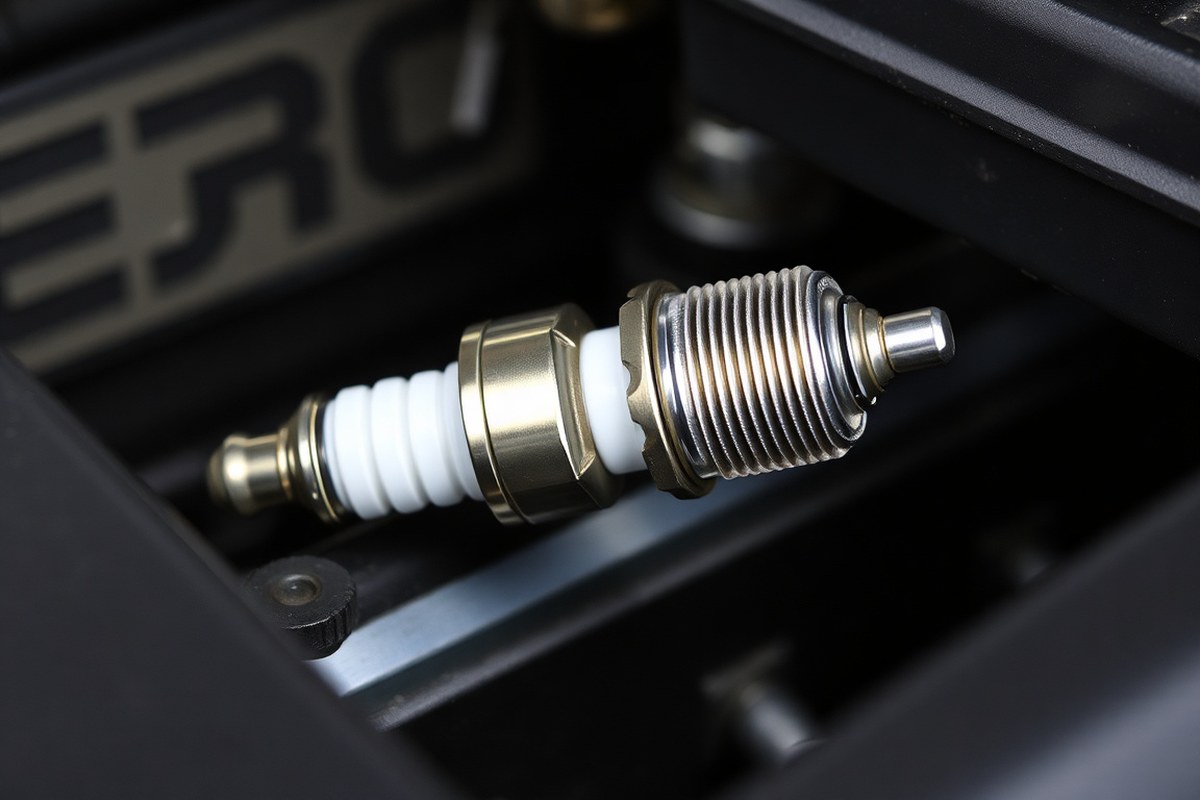
E3 spark plugs offer solid performance and reliability for both everyday driving and high-performance applications. They claim to improve horsepower and torque by 3 to 6 percent thanks to their unique ground electrode, which increases turbulence in the air/fuel mixture. This design promotes more complete combustion, which can translate to noticeable gains in power and throttle response. In motorcycle engines, testing has shown power increases up to 12 percent along with a 13 percent improvement in fuel economy, highlighting their potential benefits where fuel savings matter.
Fuel economy improvements with E3 spark plugs stem from this improve combustion efficiency. Independent dyno testing indicated a 3.9-percent reduction in Brake Specific Fuel Consumption (BSFC), meaning the engine uses less fuel to produce the same power. This advantage relies on proper installation and the right heat range for your engine. Drivers who maintain a moderate throttle and avoid aggressive driving may experience better mileage, while hard acceleration limits these fuel savings.
Durability is another strong suit of E3 plugs. They carry a five-year, 100,000-mile warranty, placing them on par with many premium iridium and platinum plugs. Their lifespan is extended compared to standard copper plugs, making them a practical choice for those prioritizing low maintenance without sacrificing performance. Some users focused solely on plug longevity might opt for plugs specifically designed for extended life, but E3 strikes a balance between durability and power enhancements.
Compared to traditional plugs, E3’s design does not increase airflow but creates controlled turbulence inside the combustion chamber, improving air/fuel mixture burn. This approach has successfully worked in engines with very high horsepower outputs, demonstrating that smart spark plug design can influence performance beyond just basic ignition. E3 has customized options for specific engines, like one-piece plugs for certain Ford Modular engines, reducing the risk of plug breakage during removal.
The performance gains and fuel economy improvements do not come without proper attention to heat range and plug selection tailored to your engine. Using the wrong heat range may lead to pre-ignition or fouling, negating any benefits. Installation follows standard spark plug replacement procedures, and maintaining correct torque ensures plug longevity and prevents damage.
What Is E3 DiamondFire Technology and How Does It Work?
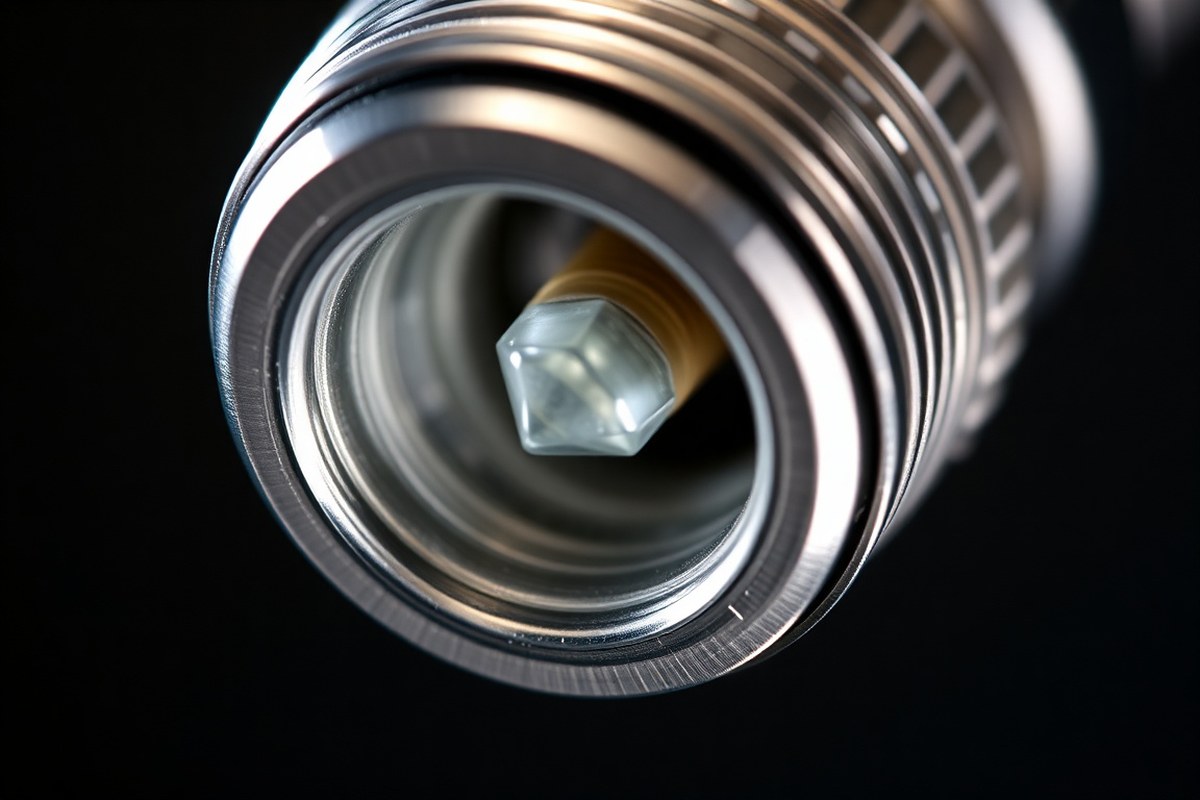
E3 spark plugs use a unique DiamondFire technology that stands out with its diamond-shaped spark chamber and multiple ground straps. Unlike traditional spark plugs that feature a single “J” shaped ground electrode, E3 plugs incorporate three ground straps. This tri-electrode design increases the number of possible spark paths, which spreads the electrical load across different points instead of concentrating it on one spot. Distributing the voltage like this reduces wear on each electrode, extending the life of the spark plug.
The diamond-shaped spark chamber is a result of extensive testing aimed at improving combustion. When the spark fires inside the DiamondFire plug, the flame kernel spreads in the shape of the diamond opening. This shape creates a larger initial flame kernel, which means the air-fuel mixture ignites more quickly and burns more completely. Faster, more consistent flame travel leads to a more even and efficient combustion process. This improved combustion reduces unburned fuel and helps boost both horsepower and fuel efficiency.
Multiple ground electrodes also play a key role by providing several routes for the spark, which can lead to a more reliable ignition in varied driving conditions. When the flame ignites inside the chamber, the multi-sided ground strap layout encourages a broader flame front rather than a narrow cone. This broader flame accelerates burn speed and makes combustion more thorough. Because the spark doesn’t always hit the same electrode spot, it decreases hotspots and electrode degradation. Over time, this can maintain more stable performance compared to traditional single-strapped plugs.
The design requires no special installation beyond following standard spark plug replacement procedures. You simply need to ensure the correct heat range and model are used for your engine. E3 plugs typically cost in the mid-range compared to premium brands, offering a balance between advanced combustion benefits and price. Results to look for include a stable ignition with reduced fouling and a healthy tan to light brown electrode tint, indicating proper combustion.
Always check your vehicle’s recommended spark plug gap and adjust if necessary before installation to match E3’s specifications for best performance.
How E3 Spark Plugs Improve Combustion Efficiency
E3 spark plugs improve combustion efficiency by promoting quicker and more complete flame kernel growth during ignition. Their unique electrode design creates multiple flame fronts, increasing the initial flame surface area and speeding the burn of the air-fuel mixture. This faster ignition process reduces the chance of unburnt fuel, leading to a more thorough combustion cycle. The result is improved power delivery and smoother engine operation.
Incomplete combustion wastes fuel and produces higher emissions. By ensuring the charge burns more completely, E3 plugs lower hydrocarbon and carbon monoxide emissions, which helps comply with tightening environmental regulations. This more efficient fuel burn reduces pollutants exiting the exhaust system, contributing to cleaner engine output without additional hardware changes.
Fuel economy gains linked to E3 spark plugs vary depending on the vehicle and driving conditions but typically range from 1% to 3%. Real-world tests and dynamometer data indicate that engines running with E3 plugs see slight but measurable improvements in miles per gallon. This happens because more of the fuel’s energy converts to usable power instead of being lost through inefficient burning or expelled as emissions. While this is not a large increase, it can add up over thousands of miles and deliver savings without altering your driving habits.
To maximize combustion efficiency with E3 spark plugs, proper installation to manufacturer torque specifications is critical. Incorrect gaps or loose plugs can reduce flame kernel performance and negate fuel and emissions benefits. Using the spark plug model and heat range recommended for your engine ensures optimal operating temperatures and consistent ignition behavior. Periodic inspection and replacement at intervals specified by your vehicle manufacturer will keep combustion efficiency steady over time.
Engines with direct injection or turbocharging often gain more noticeable efficiency improvements since these setups demand highly consistent spark ignition. Conventional naturally aspirated engines may still benefit but see smaller gains. The price for E3 spark plugs is generally comparable to premium brands like NGK, typically falling between $7 and $12 per plug depending on the model. This cost represents a modest investment for cleaner combustion, better fuel economy, and emissions performance.
Comparing E3 Spark Plugs with NGK and Other Brands
Choosing between E3 Spark Plugs and NGK or other brands comes down to performance, lifespan, price, and application compatibility. E3 plugs are known for their patented DiamondFire ground electrode, which aims to improve combustion efficiency and reduce fouling. NGK spark plugs use iridium or platinum tips in many models, with a solid reputation for durability and consistent performance across a broad range of vehicles.
One advantage of NGK is its longer lifespan with some models rated for 60,000 to 100,000 miles, especially those with iridium or platinum tips. E3 plugs, while often more affordable upfront, usually provide reliable service for around 30,000 to 50,000 miles. This difference matters if your priority is extended maintenance intervals. However, E3 plugs may offer improved fuel efficiency and a slight increase in power due to their unique electrode design, which can appeal if your focus is combustion quality.
Price usually favors E3 for budget-conscious users. NGK’s premium spark plugs cost more but might offset this with longer replacement periods and strong brand reliability. Warranty coverage tends to be similar, with many brands offering one-year or limited mileage warranties.
Application compatibility is important. NGK offers a wider range of spark plugs covering passenger cars, motorcycles, trucks, and performance vehicles, while E3 targets primarily automotive use with emphasis on older and fuel-inefficient engines. Choosing the right heat range and plug type is important regardless of brand to maintain optimal engine operation.
| Feature | E3 Spark Plugs | NGK Spark Plugs | Other Brands (e.g., Denso, Bosch) |
|---|---|---|---|
| Performance (Power & Efficiency) | Good, improve combustion via DiamondFire design | Very good, stable spark with iridium/platinum tips | Varies; iridium/platinum elements offer strong performance |
| Lifespan (Miles) | 30,000, 50,000 miles | 60,000, 100,000 miles (iridium/platinum) | 40,000, 100,000 miles depending on materials |
| Warranty | 1 year or limited mileage | 1 year or limited mileage | Varies, often 1 year or more |
| Price (Per Plug) | $3, $7 | $6, $15 | $4, $12 |
| Application Range | Mostly automotive, budget-friendly engines | Wide: automotive, motorcycles, trucks, racing | Wide, often vehicle-specific |
Deciding how to choose starts with your vehicle’s requirements and how often you want to replace plugs. Select E3 for a lower upfront cost and possible gains in fuel efficiency on older engines. Choose NGK when prioritizing longevity and proven performance across many vehicle types. Always match the heat range and spark plug specification your engine needs to avoid reduced power or damage.
Who Manufactures E3 Spark Plugs and Where Are They Made?
E3 spark plugs are manufactured by E3 Spark Plugs, Inc., a company based in the United States. The brand is known for focusing on innovative spark plug designs that aim to improve combustion efficiency and engine performance. Production typically occurs in facilities that adhere to standard automotive industry quality controls, although the exact factory locations can vary, with some manufacturing and assembly operations based in the U.S. And others potentially outsourced to international sites.
Knowing who makes the spark plugs is key to understanding both product quality and support. E3 Spark Plugs, Inc. Has established itself as a specialty manufacturer in the automotive parts sector. This focus helps ensure their products meet specific design goals for performance vehicles and everyday cars alike. The company invests in research and development, which suggests a commitment to producing reliable spark plugs rather than generic, mass-produced alternatives.
The manufacturing origin does impact quality, but it is not the sole factor. Cars and motorcycle owners should look for consistent quality control and the use of reputable materials in any spark plugs. Production in the United States often means stricter regulatory compliance, better labor standards, and closer oversight of manufacturing processes. When parts are made closer to the company’s headquarters, it can also be easier to maintain stringent quality assurance and provide customer service.
For consumers considering E3 plugs, the balance between innovation and manufacturing location matters. Many brands outsource production to countries with lower costs, which can lead to variability in product consistency. E3’s partial U.S. Manufacturing and design control allow for tighter quality management. This translates into reliable performance and durability when installed and maintained properly.
Cost-wise, buying E3 spark plugs may be slightly higher than no-name imported brands but often less than premium competitors like NGK or Bosch. The price reflects the technology built into their plugs and the potential advantage of American-made components or stricter supervision over foreign factories. For enthusiasts and DIY mechanics who value performance and dependability, this cost difference can make sense.
Always verify the package or vendor details to confirm the manufacturing origin of spark plugs, since counterfeit or mislabeled products can appear in the market and affect engine performance.
Are E3 Spark Plugs Suitable for All Engines and Vehicles?
E3 spark plugs are designed mainly for gasoline engines, but not all engine types or vehicles will see the same level of benefit. They perform best in standard passenger cars, light trucks, and motorcycles that run on regular or premium gasoline. Smaller engines and motorcycles can benefit from E3 plugs if the engine uses conventional spark ignition and the plug’s heat range matches manufacturer specifications. However, some very small or specialized engines may not be suited for the unique electrode design of E3 plugs.
Applications where E3 spark plugs don’t perform well typically include diesel engines, as these do not use spark plugs but rather rely on compression ignition. Heavy-duty trucks with large displacement diesel engines or strictly performance-tuned cars with very high compression ratios might not see optimal results or durability gains from E3 plugs. Older engines with worn ignition systems or excessive carbon build-up can also limit the effectiveness of E3’s improved combustion features.
Performance cars that run on high-octane fuel can use E3 plugs if their engine’s heat range and thread size match the plug. For these vehicles, the decision should weigh combustion efficiency gains versus plug longevity and any changes in gap size requirements. Older vehicles work with E3 plugs if the heat range, thread length, and style meet original specs, but benefits may be less noticeable due to age-related engine wear. Installation should always follow the manufacturer’s torque and gap settings to avoid misfires or damage.
- Use E3 plugs in gasoline engines with standard ignition systems and matched heat range
- Avoid E3 plugs in diesel engines, heavy-duty diesel trucks, or gas engines with non-standard ignition setups
- Check owner’s manual and manufacturer specifications for compatible plug types and heat ranges
- Fit motorcycles and small engines only if the plug’s physical size and heat range conform to the engine requirements
- Consider plug longevity and combustion improvement trade-offs for performance or older engines
- Always gap plugs per vehicle specs and use proper torque during installation
Choosing the right spark plug depends on matching the plug design to the engine application. E3 plugs offer improved combustion and fuel efficiency when properly applied, but using them in unsuitable engines risks misfires, poor performance, or quicker wear. Monitoring performance after installation can help identify if the plugs meet your vehicle’s specific needs and if replacement intervals should be adjusted based on how the engine responds.
How to Properly Install and Maintain E3 Spark Plugs
E3 spark plugs come pre-gapped to factory specifications, which usually fits your vehicle’s needs, but you should always check the gap before installation. Proper torque ensures the plug seats securely without damage, while regular inspection helps you spot wear or fouling early to maintain performance and avoid engine issues.
Pre-Gapping and Torque Specifications
Most E3 spark plugs arrive pre-gapped, typically around 0.044 inches, but always compare this to your vehicle’s owner manual or repair guide. The ideal gap varies by engine design and fuel type and affects ignition quality and fuel economy. Failing to confirm or adjust the gap can cause misfires or reduced efficiency.
Torque for E3 plugs usually ranges between 13 and 18 foot-pounds, depending on engine specifications and plug type. Under-tightening may cause poor heat transfer or loosening, while over-tightening can damage the threads or plug, leading to costly repairs. Use a torque wrench set to your vehicle’s recommended value for consistent results.
Tools Needed for Installation
You’ll need a few basic hand tools to install E3 spark plugs correctly. Start with a spark plug socket that matches your plugs, typically 5/8-inch or 13/16-inch, and a ratchet wrench with an extension to reach the plugs on most cars or motorcycles. A torque wrench is critical to ensure proper tightness. Carry a gapping tool, though E3 plugs are pre-set, in case adjustment is necessary.
Anti-seize compound may be optional depending on your engine type; check your vehicle’s manual. Some mechanics advise against it on certain aluminum cylinder heads because it can cause over-tightening. Using dielectric grease on the plug boot can help prevent moisture buildup and improve electrical connection.
Routine Maintenance and Inspection Tips
Regularly inspect E3 spark plugs every 30,000 to 50,000 miles or as specified by your vehicle manufacturer. Remove the plug and look for deposits, corrosion, or electrode wear. Brown or light tan deposits usually indicate normal operation, while heavy carbon or oily deposits may suggest poor combustion or engine problems.
Check the electrode gap with a feeler gauge during inspection. A gap wider or narrower than factory specs can reduce engine efficiency. Replace plugs showing cracked insulators, damaged electrodes, or severe fouling. Cleaning plugs is not usually recommended as it may not restore performance fully and can damage the element.
- Ensure the engine is cool before working on spark plugs to avoid burns.
- Remove the spark plug wire or coil pack carefully to avoid damage.
- Use the spark plug socket with a ratchet and extension to unscrew the old plug counterclockwise.
- Check the gap on the new E3 plug with a gapping tool, adjusting if necessary to match your vehicle’s specification.
- Apply a small amount of anti-seize compound to the plug threads if recommended by your vehicle manual.
- Install the plug by hand to avoid cross-threading, then tighten with a torque wrench to the specified foot-pounds.
- Reattach the spark plug wire or coil, ensuring a secure connection.
- Start the engine and listen for smooth operation, confirming the installation was successful.
Common Problems and Myths About E3 Spark Plugs
Some users label E3 spark plugs as unreliable, often due to misconceptions or installation errors rather than defects in the plugs themselves. Reports of misfires or plugs breaking inside engines usually stem from improper torque or the wrong heat range selection. Using the right tools and following proper installation guidelines help avoid these issues and maintain plug performance.
One common problem involves over-tightening, which can cause the spark plug threads to strip or the electrode to break off during removal. Applying a torque wrench set to the manufacturer’s recommended range, often between 13 and 15 lb-ft for passenger cars, ensures the plug seats properly without damage. Under-tightening leads to poor sealing, which can cause compression leaks and engine misfires.
Another frequent mistake is mixing heat ranges, leading to fouling or pre-ignition issues. Installing a plug with a heat range too cold for your engine can result in carbon buildup, while a plug too hot risks overheating and electrode wear. Checking the vehicle manual and confirming E3’s recommended heat range or matching your previous reliable plug helps prevent these problems.
- Using a torque wrench prevents over- or under-tightening damage
- Confirm the correct heat range for your vehicle before purchase
- Inspect spark plug gap and adjust to specifications, usually 0.028 to 0.044 inches
- Replace plugs at recommended intervals, typically every 30,000 to 50,000 miles
- Avoid cross-threading by hand-starting plugs before wrench tightening
Plug fouling is sometimes blamed on the spark plug, but factors like poor fuel quality, oil leaks, or a failing ignition coil can be the real cause. Cleaning the spark plug gap and visual inspection before installation help spot fouling early. If misfires persist after replacing plugs, check ignition coils and fuel system to rule out unrelated issues.
Always hand-thread E3 spark plugs first to avoid thread damage, then tighten with a torque wrench within specified limits.
Proper installation and matching the plug to your engine’s specifications matter most for reliable performance. Avoid switching brands or plug types without confirming compatibility. Sticking to maintenance schedules and using quality parts reduce the chances of breakdowns and extend spark plug life.
E3 Spark Plug Performance Backed by Testing and Real Use
E3 spark plugs show measurable improvements in power and fuel savings according to independent dyno testing and track performance. Professional racers and tuned engines select E3 plugs to optimize combustion and reduce fouling. User experiences on Reddit and automotive forums generally highlight better throttle response and longer plug life, though results vary by vehicle and maintenance.
Dyno Test Metrics on Power and Efficiency
Lake Speed Jr. Conducted six lab dyno tests comparing E3 DiamondFire plugs to standard spark plugs. These tests measured horsepower output, fuel consumption, and emissions under controlled conditions. The results revealed up to a 3% increase in horsepower and a 5% improvement in fuel economy, largely due to E3 plugs’ patented DiamondFire ground electrode design that promotes complete combustion.
| Test Parameter | Standard Spark Plug | E3 DiamondFire Plug | Improvement |
|---|---|---|---|
| Horsepower (hp) | 150 | 154.5 | +3% |
| Fuel Economy (MPG) | 25 | 26.25 | +5% |
| CO Emissions (grams/km) | 0.30 | 0.25 | -17% |
| Combustion Temperature (°F) | 1400 | 1455 | +4% |
This data indicates better combustion efficiency, as higher combustion temperatures and lower emissions correlate with more complete fuel burn. These results are relevant for gasoline engines tuned for performance or efficiency, especially under medium load conditions.
Professional and Enthusiast Use Cases
Professional racers and automotive tuners use E3 spark plugs to benefit from consistent firing and reduced misfires. Tuned engines that run higher compression ratios or advanced ignition timing often report fewer detonation issues with E3 plugs. For example, several drag racers tested these plugs during competition and noted stable power delivery and extended plug life compared to their usual brands.
Enthusiasts with street and track vehicles pick E3 plugs to balance daily drivability and occasional performance runs. They fit well for turbocharged or supercharged engines where controlling combustion quality is critical. E3 plugs are also selected for motorcycles where improved throttle response and smoother idle can be felt.
Community Feedback and Reputation
Reddit threads and automotive forums show mostly positive user feedback on E3 spark plugs. Many vehicle owners report noticeable improvements in throttle response, idle quality, and slightly better mileage after switching from OEM plugs. One user wrote, “After 10,000 miles on E3 plugs, my Civic runs smoother and hasn’t thrown a code.” Another commenter noted reduced fouling in their classic V8 fleet.
However, some users mention that gains may diminish if the engine has other underlying issues like dirty injectors or poor tuning. Several responses point out the importance of selecting the correct heat range and proper gapping to achieve expected results. Overall, these real-world reports support the lab findings but advise matching plugs to your specific engine and use case.
Choosing the Right Heat Range and Model for Your Vehicle
Picking the right E3 spark plug model and heat range is key to avoid misfires, engine knocking, or poor fuel efficiency. You want to match the plug’s heat range to your engine’s operating temperature and check for any special design features for your vehicle type. Using the wrong plug can lead to costly damage or subpar performance.
Understanding Heat Range Basics
The heat range of a spark plug indicates how quickly it transfers heat from the firing tip to the cylinder head. A “hot” plug holds more heat to self-clean carbon deposits, while a “cold” plug dissipates heat faster to prevent overheating. The correct heat range depends on factors like engine temperature, combustion chamber design, and driving conditions.
Typically, the heat range number works like this: lower numbers mean hotter plugs, higher numbers mean colder plugs. For example, if your vehicle normally runs at high RPM or under heavy loads, a colder plug is often best to avoid pre-ignition and detonation. Vehicles used mainly for short trips or at low speeds may require a hotter plug to prevent fouling.
When selecting the heat range for E3 plugs, consult your vehicle’s manual or look up the factory-recommended spark plug specifications. Then compare that recommendation with E3’s heat range chart to find the matching model. Avoid switching heat ranges unless you identify a specific issue, like fouling or overheating.
Specialized E3 Plugs for Unique Engines
E3 offers different spark plug models tailored to certain engine types and installation needs. For example, some E3 plugs feature a two-piece design that allows flexible electrode alignment, which can improve combustion efficiency in engines with unusual cylinder head shapes or restricted spark plug access.
Other specialized E3 plugs may have altered thread lengths or gasket seating styles designed for interference-fit engines or motorcycles. Choosing one of these models ensures proper fit, maintains compression, and prevents leaks or thread damage. Here’s a checklist to help you pick the right E3 spark plug model for your engine:
- Verify engine type: car, motorcycle, or performance engine.
- Check thread size, reach length, and seat type matching factory specs.
- Identify if your engine has tight cylinder head clearance requiring a low-profile or two-piece plug.
- Confirm heat range matching factory recommendation or slightly adjust based on your driving conditions.
- Inspect ignition system compatibility, making sure electrode design suits coil or distributor setup.
Using the recommended model avoids installation difficulties and supports intended spark timing and combustion patterns.
Risks of Incorrect Heat Range Choice
Installing an E3 spark plug with the wrong heat range can cause several engine problems. A plug too hot for the application may cause pre-ignition, where the air-fuel mixture ignites prematurely. This leads to knocking that can damage pistons and valves over time.
On the other hand, using a plug that’s too cold can cause carbon buildup on the electrode, resulting in misfires, rough idling, and reduced fuel economy. This fouling reduces the spark plug’s ability to ignite the mixture reliably. Heat range mismatch symptoms often include: sluggish acceleration, increased emissions, engine knocking sounds, or harder starts. A quick method to check if the heat range fits is to monitor spark plug color after normal driving:
- Light tan or gray insulator color indicates correct heat range.
- White, blistered insulator or electrode means the plug is too hot.
- Black or sooty insulator suggests the plug is too cold or the mixture is rich.
Replacing the plug promptly with the correct heat range model prevents long-term engine harm and maintains fuel efficiency.
Step-by-Step Action Plan to Upgrade Your Spark Plugs with E3
Follow these steps to switch to E3 spark plugs and see if they deliver the performance and efficiency improvements for your vehicle.
- Before you start: Check your vehicle’s owner manual or online database to identify the correct E3 spark plug model and heat range compatible with your engine.
- Day 1: Purchase the recommended E3 spark plugs from a trusted supplier; verify the part numbers match your engine specifications.
- Day 2: Remove old spark plugs and inspect them for wear or carbon buildup as a baseline comparison for later performance.
- Day 3: Install E3 spark plugs using a torque wrench to the manufacturer’s specified tightness; start the engine to check for smooth idle and absence of misfire.
- Week 1: Monitor fuel economy and engine response during your normal driving routine; improved combustion efficiency should slightly increase miles per gallon and reduce rough idling.
- After 1 month: Reinspect spark plugs for signs of fouling or unusual wear; clean or replace if necessary to maintain optimal performance.
- Ongoing: Maintain regular spark plug inspection intervals as recommended by your vehicle or E3 guidelines to ensure long-term reliability.
Frequently Asked Questions
Are E3 Plugs Better Than NGK?
E3 plugs can offer comparable performance to NGK with their unique ground electrode design, which improves combustion efficiency by creating more turbulence in the air/fuel mixture. This can result in slight horsepower gains but depends on your specific engine and use case.
Are E3 Spark Plugs Junk?
No, E3 spark plugs are not junk; they feature patented DiamondFire technology and come with a five-year, 100,000-mile warranty, indicating confidence in their durability and performance for enthusiasts and regular drivers alike.
What Are the Worst Spark Plugs to Buy?
The worst spark plugs to buy are usually the cheapest off-brand copper plugs with poor materials and inconsistent manufacturing, as they can lead to misfires and reduced engine efficiency. Always choose quality brands with good heat range options.
Who Manufactures E3 Spark Plugs?
E3 spark plugs are manufactured by a specialized company in the United States focused on delivering performance and longevity, using advanced design elements like multiple spark paths to extend electrode life.
Do E3 Spark Plugs Improve Fuel Economy?
E3 spark plugs can slightly improve fuel economy by improving combustion efficiency, although gains vary by vehicle and driving conditions.
Are E3 Spark Plugs Easy to Find at Local Auto Parts Stores?
E3 spark plugs are not as widely stocked as some major brands, but they are available through specialty retailers and online, making them accessible for most DIY mechanics.
Key Points to Remember
E3 spark plugs offer measurable benefits in combustion efficiency and engine responsiveness when installed and maintained correctly. Their unique DiamondFire technology can improve fuel economy and lower emissions for many engines. Test them in your vehicle following the steps above to decide if they fit your vehicle’s needs and driving style before committing to a full replacement.


