How Many Spark Plugs Does a 57 Hemi Have? Dual Ignition Explained with Replacement Tips
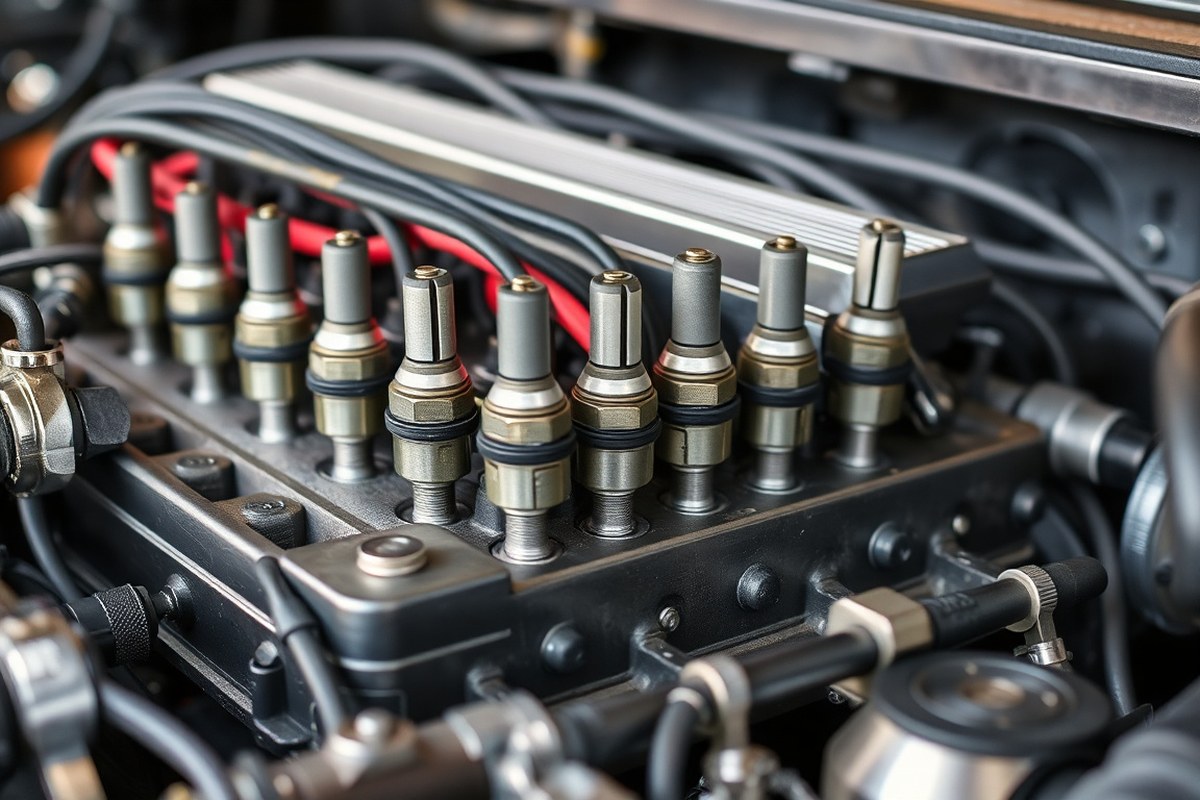
How many spark plugs does a 57 Hemi have? The 5.7 HEMI engine actually uses 16 spark plugs, not just eight. This is because it features dual ignition, with two spark plugs per cylinder to improve combustion efficiency. Understanding the number of spark plugs is essential before considering replacement or performance upgrades, so you can plan accordingly and order the correct parts.
Key Takeaways
- The 5.7 HEMI engine has 16 spark plugs due to its dual ignition system, with two plugs per cylinder.
- Dual ignition improves combustion by igniting the air-fuel mixture more evenly and quickly.
- Manufacturers recommend replacing spark plugs every 30,000 miles for pre-2014 models and every 100,000 miles for newer ones.
- Signs of worn spark plugs include rough idling, decreased fuel efficiency, and trouble starting the engine.
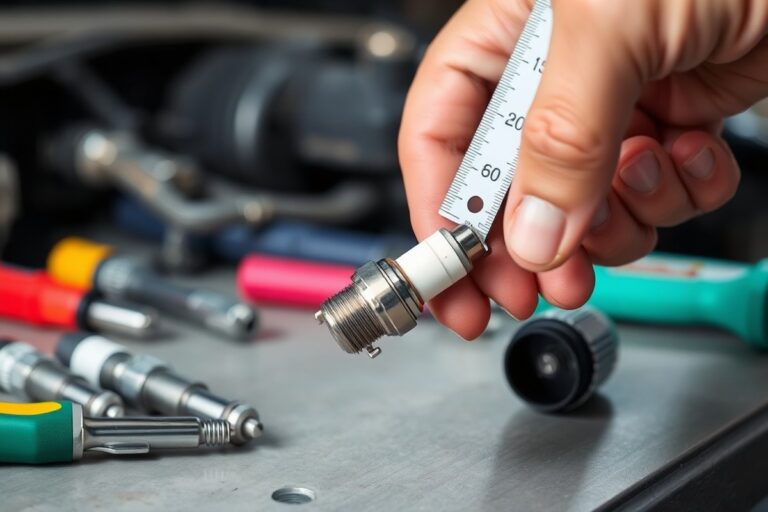
- Use a spark plug gap tool to ensure proper electrode spacing when installing replacement plugs.
- A torque wrench is important to tighten spark plugs to manufacturer specifications, preventing damage or poor performance.
How Many Spark Plugs Does the 5.7 HEMI Engine Have and Why?

The 5.7 HEMI engine has 16 spark plugs in total. This comes from the dual spark plug setup, where each of the 8 cylinders uses two spark plugs instead of the usual one found in most V8 engines. This configuration improves combustion efficiency by igniting the air-fuel mixture from two points in the combustion chamber. It reduces the time it takes for the flame to propagate, resulting in more complete combustion and better engine performance.
Using two spark plugs per cylinder helps the 5.7 HEMI run smoother and cleaner. This setup also contributes to reduced emissions and improved fuel economy because the combustion process is more thorough. The reason for adopting dual spark plugs rather than one larger or more advanced plug is related to the combustion chamber design within the HEMI block. The hemispherical shape means the flame front benefits from two ignition points to optimize power output and reduce knocking.
If you want to replace the spark plugs on your 5.7 HEMI, keep in mind you will need to change all 16 plugs to maintain even performance across all cylinders. This requires the right tools: a spark plug socket, torque wrench, a gap tool, dielectric grease, and a complete socket set. Failing to replace all 16 plugs or mixing old and new plugs can lead to engine misfires or poor running conditions.
Replacing 16 spark plugs can take more time and cost more compared to engines with only eight plugs. Expect to pay roughly double the price for the plugs themselves, as well as a longer labor time if you hire a mechanic. Most 5.7 HEMI spark plugs come as a factory set of 16, allowing you to complete the swap in one go. Because this setup makes the engine run more refined, sticking with the factory-recommended Nickel plugs or equivalent aftermarkets avoids unnecessary complications.
Dual spark plugs matter because they contribute to the 5.7 HEMI’s reputation for delivering strong power and smoother idle quality despite being a relatively large-displacement engine. The two-plug ignition system precisely controls combustion, which helps reduce engine knock and supports the longevity of the engine components under heavier loads. Ignoring this dual setup by skipping plugs or using incorrect replacements can cause uneven combustion, engine hesitation, and ultimately reduce your engine’s performance and efficiency.
What Is Dual Ignition and How Does It Improve the 5.7 HEMI?
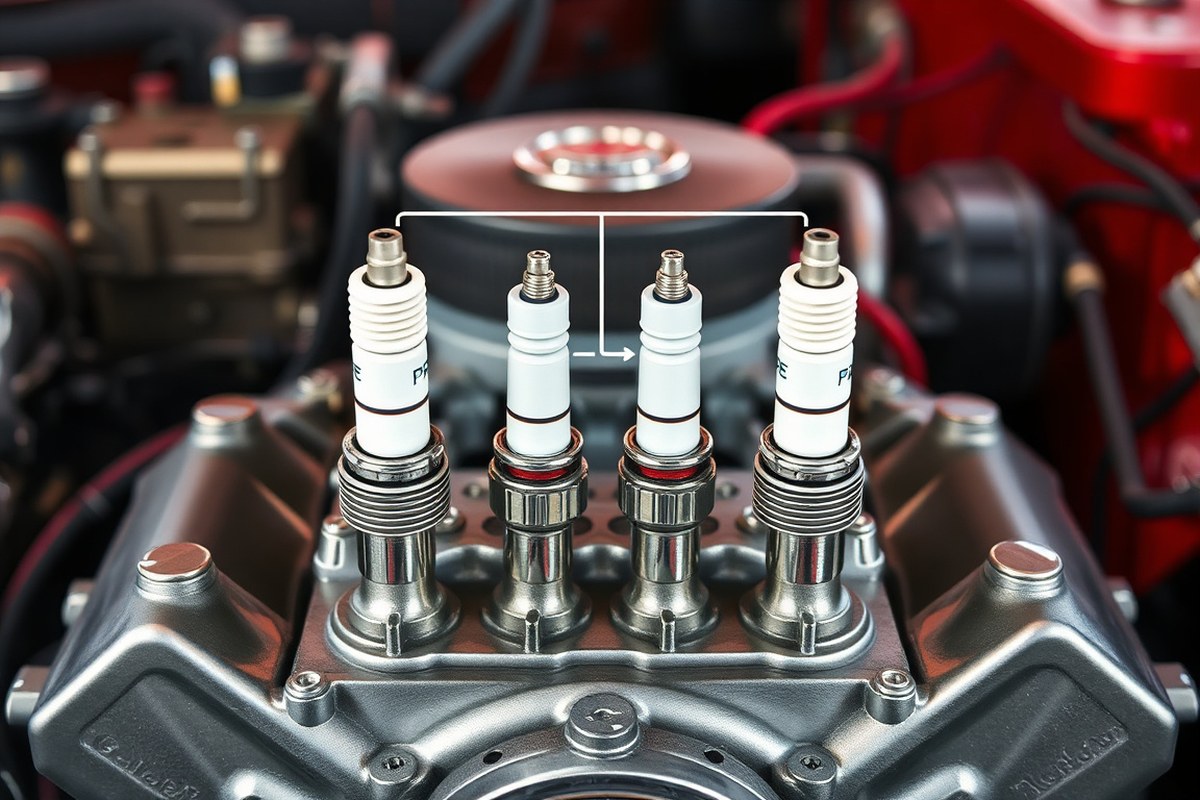
Dual ignition in the 5.7 HEMI means each cylinder uses two spark plugs instead of one. This system ignites the air-fuel mixture from two points inside the combustion chamber. The result is faster and more complete combustion, which leads to better power, improved fuel efficiency, and reduced emissions.
Understanding Dual Ignition in the 5.7 HEMI
Dual ignition involves installing two spark plugs per cylinder, positioned so they ignite the fuel at different points. In the 5.7 HEMI engine, this setup speeds up the ignition process by creating multiple flame fronts. Instead of a single spark plug igniting the mixture that must travel across the chamber, two plugs fire simultaneously, reducing the time and increasing combustion efficiency.
This approach helps the engine burn fuel more thoroughly and evenly. The dual spark plugs work together to initiate ignition, providing a more controlled and stable combustion event. This system is part of what makes the 5.7 HEMI’s performance stand out, contributing to its reputation for power and responsiveness.
Why Two Spark Plugs per Cylinder?
The 5.7 HEMI uses two spark plugs for each cylinder primarily to improve combustion control. Having dual plugs reduces the distance the flame must travel inside the combustion chamber, leading to faster ignition. This can help prevent engine knock and ensure that fuel burns more completely, reducing wasted fuel.
In addition to improving combustion speed, the second spark plug provides a backup. If one spark plug fails or fouls, the other can still ignite the mixture, allowing the engine to keep running smoothly until maintenance is performed. This redundancy can prevent sudden misfires and possible engine damage.
Benefits of Dual Spark Plugs on Performance and Emissions
Dual ignition offers several key benefits for the 5.7 HEMI. Faster ignition improves throttle response and overall horsepower by maximizing the energy extracted from the fuel. With more complete combustion, the engine also produces fewer unburned hydrocarbons, which lowers emissions.
Fuel economy gains, though modest, occur because the engine burns the air-fuel mix more efficiently. Less wasted fuel means better mileage, which helps offset the cost of replacing two spark plugs per cylinder instead of just one. The system also smooths out combustion timing variations, contributing to better engine durability and reliability.
Maintaining Dual Ignition Spark Plugs
Replacing spark plugs in a dual ignition system like the 5.7 HEMI requires ordering the correct plugs in pairs for each cylinder. It’s important to use spark plugs that match the engine specifications, including thread size and heat range, to maintain performance and avoid damage.
The cost difference between standard, platinum, and iridium spark plugs is generally small. Iridium plugs, while more expensive, tend to last longer and resist fouling better, making them a practical choice if you want extended intervals between replacements. Proper maintenance ensures the dual ignition system continues to provide these performance and emission benefits consistently.
Using the correct spark plug type and replacing them in pairs is important to keep the dual ignition system functioning properly and avoid engine misfires.
How Often Should I Replace Spark Plugs on My 5.7 HEMI?
Replacing spark plugs on a 5.7 HEMI typically should happen every 30,000 to 100,000 miles depending on the model year and type of spark plugs installed. Older models with traditional copper plugs generally require replacement closer to 30,000 miles because copper wears out faster. More recent HEMI engines using iridium or platinum spark plugs can extend replacement intervals to around 60,000 to 100,000 miles, as these materials last significantly longer. For example, Bosch claims their iridium plugs can last up to four times longer than standard copper plugs. Checking your owner’s manual provides the most accurate recommendations for your specific vehicle model and year.
Several factors influence how quickly spark plugs wear out. Frequent short trips can prevent plugs from fully heating and regenerating, which may cause deposits to build up and reduce lifespan. Heavy towing, high-speed driving, or operating in dusty or extreme temperature conditions puts extra strain on the engine and its spark plugs. Also, inconsistent maintenance like irregular oil changes or poor fuel quality accelerates wear. Watching for signs like rough idling, hard starts, engine misfires, or a check engine light can alert you that plugs need inspection or replacement sooner than the mileage interval.
Replacing all the spark plugs on a 5.7 HEMI often takes between 1 to 2 hours for someone with moderate mechanical skills, assuming no complications such as stuck plugs. The engine has 16 spark plugs, two per cylinder, which requires careful removal of ignition coils and proper torque on reinstall to avoid damage. Using OEM replacements from Mopar or high-quality aftermarket iridium plugs is common and can help maintain engine efficiency. Prices for a full set of spark plugs usually range from $60 to $150 depending on brand and material, not including labor if you choose a mechanic.
Good results from replacing spark plugs show up immediately or within a few days as smoother idling, improved acceleration, easier starting, and better fuel economy. Neglecting spark plug replacement leads to symptoms like poor engine performance, increased emissions, and possible damage to ignition coils. Always tighten plugs to the recommended torque and check gap size if not pre-gapped. Since spark plugs influence engine combustion, timely replacement helps maintain your 5.7 HEMI’s power and efficiency over the long term.
What Are the Main Signs That 5.7 HEMI Spark Plugs Need Replacement?
Your 5.7 HEMI’s spark plugs wear out over time, causing noticeable performance issues. Worn plugs won’t ignite the fuel and air mixture properly, leading to engine misfires and rough idling. You might feel the engine struggling or hesitate when accelerating. Fuel efficiency often drops as the combustion process becomes less effective, so expect more frequent visits to the gas station. To diagnose faulty spark plugs, look for these symptoms:
- Engine misfires or stuttering under load
- Rough or uneven idle when the engine is warm
- Decreased fuel economy compared to usual
- Difficulty starting the engine or longer crank times
- Increased engine vibrations or unusual sounds
Checking the plugs directly can confirm their condition. Remove a spark plug using the proper socket and inspect the electrode and insulator. Signs of wear include rounded or eroded electrodes, heavy carbon build-up, or oil fouling. A healthy plug usually appears clean with a light tan or gray color on the insulator tip. When you spot deposits, corrosion, or damage on your plugs, replacement is required.
Ignoring worn spark plugs leads to more severe engine problems. Persistent misfires cause unburned fuel to enter the exhaust, which can damage the catalytic converter. Over time, poor combustion increases engine wear and emissions while reducing power. Repair costs rise if you wait too long, as plugs are relatively inexpensive compared to fixing related damage.
Routine replacement at proper intervals helps avoid these issues. Older 5.7 HEMI engines made before 2014 should have spark plugs changed every 30,000 miles, according to Chrysler recommendations. Keeping an eye on the engine’s behaviour along with scheduled maintenance ensures reliable performance. Unsure about diagnosing or replacing plugs? A professional technician can inspect and service your 5.7 HEMI is the safest option.
Which Spark Plug Types Work Best for the 5.7 HEMI Engine?
Iridium, platinum, and copper spark plugs each have advantages and drawbacks for the 5.7 HEMI engine. Iridium plugs offer the longest lifespan and best performance for high-output demands. Platinum plugs balance durability and cost, lasting longer than copper but not as long as iridium. Copper plugs are the most affordable but wear faster and suit lower-performance scenarios.
Iridium Spark Plugs Benefits and Drawbacks
Iridium spark plugs provide excellent durability and superior ignition performance, thanks to iridium’s high melting point and hardness. They suit the 5.7 HEMI’s performance needs well, especially under stress or higher RPMs. These plugs typically last around 60,000 to 120,000 miles, depending on driving conditions and maintenance, offering fewer misfires and smoother running.
The major downside is cost; iridium plugs usually cost two to three times more than copper or platinum versions. They also require a careful gap setting and installation to avoid damage. Iridium’s strength makes them ideal for engine longevity and consistent gains in fuel efficiency and power.
Platinum Spark Plugs Pros and Cons
Platinum spark plugs provide a middle ground between iridium and copper types. They generally last longer than copper plugs, up to about 60,000 miles, but don’t quite match iridium’s longevity. Platinum is more resistant to electrode wear than copper, which helps maintain performance over time.
They cost less than iridium plugs and are easier to find as OEM or aftermarket replacements. However, platinum plugs don’t offer the same ignition efficiency or long-term durability as iridium. For drivers not pushing their 5.7 HEMI hard, platinum plugs give reliable operation without the higher investment.
Copper Spark Plugs Usage and Limitations
Copper plugs remain popular for budget-conscious owners or those performing mild driving. Copper’s excellent conductivity allows strong sparks, which can benefit a lightly tuned 5.7 HEMI engine. However, copper plugs wear out much faster, typically around 20,000 to 30,000 miles.
They erode quickly due to copper’s lower melting point and softer electrode material, meaning frequent replacements are required for optimal performance. Copper plugs are not well suited to heavy loads or extended high-RPM use typical of performance driving, as premature failure or misfires can occur.
OEM Versus Aftermarket Spark Plugs
OEM Mopar spark plugs are designed specifically for the 5.7 HEMI engine’s factory settings. They usually use platinum or iridium materials optimized for balance between performance, fuel economy, and maintenance intervals. OEM plugs typically ensure consistent quality and compatibility because they meet manufacturer specifications.
Aftermarket plugs can offer equal or sometimes better performance depending on the brand and type. Reputable aftermarket options like NGK iridium plugs are popular for high-performance upgrades. Choosing aftermarket requires checking product specifications, gap settings, and compatibility to avoid issues like misfires or damage. OEM parts tend to have stronger warranty coverage and easier returns, while aftermarket plugs can provide cost savings or performance gains if carefully selected.
Warranty and Cost Comparison
Cost and warranty vary significantly among spark plug types and brands. Iridium plugs often come with warranties covering engine damage for 30,000 to 60,000 miles, reflecting their premium status. Platinum plugs may carry shorter warranties, about 30,000 miles, while copper plugs usually have the shortest coverage due to lower durability. The table below compares typical costs, expected lifespan, and warranty ranges for these spark plug types:
| Plug Type | Approximate Cost Each | Typical Lifespan (miles) | Warranty Coverage (miles) | Performance Suitability |
|---|---|---|---|---|
| Iridium | $8 to $15 | 60,000 to 120,000 | 30,000 to 60,000 | High-performance, long life |
| Platinum | $4 to $8 | 40,000 to 60,000 | 20,000 to 30,000 | Balanced durability and cost |
| Copper | $2 to $5 | 20,000 to 30,000 | 10,000 to 15,000 | Budget, mild use only |
Your selection should consider driving habits, engine workload, and budget. Investing in iridium plugs is cost-effective for high miles or heavy engine use. Platinum plugs serve well for regular highway driving and moderate engine load, while copper plugs fit lower mileage and cost-sensitive cases.
Always verify the correct heat range and gap size when replacing spark plugs, especially if switching types or brands, to maintain your 5.7 HEMI engine’s performance and avoid damage.
What Tools and Steps Are Needed to Replace Spark Plugs on a 5.7 HEMI?
Replacing spark plugs on a 5.7 HEMI requires attention to detail because the engine uses dual ignition with 16 plugs in total. You’ll need the proper tools to access tight spaces and follow careful steps that avoid damage. Replacing all plugs at once is best to maintain balanced engine performance and prevent confusion with plug wear.
Necessary Tools and Materials List
Gathering the right tools before you start ensures the job goes smoothly. A spark plug socket with a rubber insert to grip the plugs is essential. You’ll also need a ratchet wrench with an extension, a torque wrench for precise tightening, and a spark plug gapper to check and adjust plug gaps. Anti-seize compound helps protect the threads from corrosion, while dielectric grease prevents moisture from causing electrical shorts. Replacements plugs specified for the 5.7 HEMI are required, along with a clean rag and possibly compressed air to blow out debris. Here is the checklist:
- Spark plug socket (5/8 inch) with rubber insert
- Ratchet wrench with extension (6 to 8 inches recommended)
- Torque wrench (capable of 10 to 20 ft-lbs precision)
- Spark plug gap tool or feeler gauge
- Anti-seize compound (optional but recommended)
- Dielectric grease
- Replacement spark plugs (OEM or equivalent for 5.7 HEMI)
- Compressed air or blower
- Clean rags or shop towels
Preparing the Engine and Workspace
Start with a cold engine to avoid burns and ensure threads don’t seize. Park the vehicle on a flat surface and open the hood for good lighting and airflow. Remove the black engine covers to gain access to the spark plugs. Use compressed air to blow out any dirt or debris around the spark plug wells, preventing contaminants from falling into the cylinders when plugs are removed.
Organize your workspace by laying out tools and placing plugs in order if you remove them one by one. This helps keep track and prevents mixing plugs from different cylinders. Wearing gloves can protect your hands from oil and grime. Make sure your working area has no distractions and that you have a sturdy stool or kneeling pad if needed.
Removing Old Spark Plugs Safely
The 5.7 HEMI engine’s spark plugs sit close together, so careful handling is key. Disconnect the ignition coil packs by pressing the locking tab and gently pulling them off each plug. Avoid pulling on wires, which can cause damage. Use the spark plug socket with the extension to carefully loosen each plug by turning counterclockwise.
Work slowly, especially if plugs have been in place for a long time or if you hear resistance. Too much force can damage the cylinder head threads. Removing one plug at a time helps prevent mixing them up and lets you check for consistent wear or damage. Don’t leave a plug out longer than a few minutes to avoid foreign objects entering the cylinder.
- Disconnect ignition coil packs carefully by unlocking and pulling straight off.
- Use a spark plug socket with an extension to loosen the plug by turning counterclockwise.
- Remove the plug slowly, keeping it straight to avoid thread damage.
- Repeat for each plug, working cylinder by cylinder.
Installing New Plugs with Correct Gap and Torque
Before installation, check each new spark plug’s gap with the gap tool. The 5.7 HEMI typically requires a gap of around 0.040 inches, but confirm with your vehicle’s manual. Adjust gaps gently if needed. Apply a small amount of anti-seize on the spark plug threads to prevent corrosion; avoid excess as it can affect torque settings.
Insert the plug carefully by hand to avoid cross-threading. Once hand-tightened, use the torque wrench to tighten each plug to the manufacturer’s specified torque, usually between 10 to 15 foot-pounds. Over-tightening risks stripping threads, and under-tightening can cause poor sealing and misfires. Apply dielectric grease to the inside of the coil boots before reinstalling to protect against moisture and ensure a strong connection.
- Check and adjust spark plug gap to manufacturer’s specification (about 0.040 inches for 5.7 HEMI).
- Apply a thin layer of anti-seize to plug threads.
- Thread spark plugs by hand straight into the cylinder head.
- Tighten plugs using a torque wrench to 10, 15 ft-lbs.
- Apply dielectric grease inside ignition coil boots.
- Reconnect ignition coils securely onto spark plugs.
Testing After Installation
Start the engine immediately after replacing all 16 plugs. Listen for smooth idling and absence of hesitation or misfires. If the engine runs roughly, double-check coil connections and torque on the plugs. You may want to drive the vehicle for a few miles under varying conditions to confirm consistent performance.
After the test run, re-inspect coils and plugs for any signs of looseness or unusual wear. A smooth running engine with consistent throttle response indicates a successful replacement. Avoid replacing only some plugs because uneven wear can confuse the engine control system and cause rough running or reduced fuel efficiency.
Common Mistakes During 5.7 HEMI Spark Plug Replacement and How to Avoid Them
One common mistake when replacing spark plugs on a 5.7 HEMI is applying incorrect torque. Over-tightening can strip the threads in the cylinder head, causing expensive damage, while under-tightening can lead to poor heat transfer or a spark plug coming loose. The correct torque usually falls between 13 to 15 lb-ft, but always check the specific torque recommended by the manufacturer for your HEMI model year. Using a torque wrench is the best way to ensure precise tightening.
Improper spark plug gap is another frequent error. The 5.7 HEMI requires a precise gap, often around 0.040 inches, to promote efficient combustion. Gaps that are too wide or too narrow can cause misfires, reduced fuel economy, and poor acceleration. Use a feeler gauge to check and adjust the gap before installation. Avoid forcing the gap too much, as the delicate 0.6 mm fine wire firing pin inside these plugs can be damaged easily.
Cross-threading occurs when the new spark plug is screwed in at an angle or forced, damaging the cylinder head’s threads. This mistake can create a poor seal or make future removals difficult. To prevent cross-threading, start threading by hand, turning the plug slowly and ensuring it goes in smoothly. If resistance is felt early on, back the plug out and start again. Never use a power tool to thread spark plugs in initially.
Fixing damaged spark plug threads requires careful attention. Minor thread damage might be repairable with a spark plug thread chaser, a tool designed to realign threads. This option is relatively inexpensive, costing around $20 to $40. For severe damage, a professional mechanic may need to install a helicoil insert, which restores the thread by creating a new internal thread inside the cylinder head. This repair can cost $100 to $200 in parts and labor depending on local rates.
- Use a calibrated torque wrench set for 13-15 lb-ft torque
- Check and adjust spark plug gap around 0.040 inches with a feeler gauge
- Hand thread spark plugs initially to avoid cross-threading
- Do not over-gap or bend electrodes; the fine wire firing pin is delicate
- Use a thread chaser tool for minor thread defects
- Seek professional repair for helicoil inserts if threads are severely stripped
Following these steps will minimize installation problems and maintain the longevity of your 5.7 HEMI’s spark plugs and cylinder head. Replacing spark plugs correctly helps keep your engine running smoothly and prevents costly repairs down the road.
When to Seek Professional Help for Replacing 5.7 HEMI Spark Plugs
You should consider consulting a professional mechanic when replacing spark plugs on a 5.7 HEMI if you lack experience or encounter difficult engine layouts. The 5.7 HEMI’s dual ignition system and tight engine bay can make accessing and removing spark plugs challenging. Incorrect removal or installation can damage ignition coils, threads in the cylinder head, or cause improper gapping, which affects engine performance and reliability.
Attempting DIY spark plug replacement without proper skills risks stripping threads or breaking spark plug ceramic insulators. These issues often require costly repairs beyond just replacing plugs. Also, using incorrect torque can lead to spark plugs loosening or being over-tightened, causing cracks in the cylinder head. A professional mechanic uses the right tools such as torque wrenches and extension bars, and follows precise procedures to avoid these problems.
Replacing spark plugs on a 5.7 HEMI at a shop usually costs around $300. This price includes labor, as technicians spend about 1.5 to 2 hours due to the engine’s complexity. Labor rates vary by location, so rates in metro areas often exceed this estimate while rural areas might cost less. The professional service guarantees spark plugs are installed to manufacturer torque specifications and that ignition coils are properly seated, ensuring optimal engine efficiency and longevity.
In extreme conditions like severe carbon buildup, damaged ignition coils, or excessive rusted spark plug threads, a pro can perform diagnostic tests and clean or repair components properly. Also, if your vehicle’s check engine light signals ignition misfire codes, a professional evaluation is safer and more thorough. Ensuring each spark plug fires correctly prevents engine knocking and poor fuel economy.
Always allow the engine to cool for at least 30 minutes before attempting spark plug removal to prevent burns and avoid damaging hot components.
Step-by-Step Action Plan for Replacing Your 5.7 HEMI Spark Plugs
Keep your 5.7 HEMI running smoothly by following these clear steps to replace your spark plugs. Each step helps you confirm your work and maintain engine performance.
- Before you start: Gather tools including a spark plug socket, ratchet, torque wrench, and anti-seize lubricant. Confirm you have the correct spark plugs for your 5.7 HEMI model.
- Day 1: Disconnect the battery and remove ignition coil packs to access the spark plugs. This ensures safety and makes the plugs reachable.
- Day 1: Use the spark plug socket and ratchet to carefully remove old spark plugs. Check their condition to understand wear or engine issues.
- Day 1: Apply anti-seize lubricant lightly to new spark plug threads to prevent galling. Hand-thread them into place to avoid cross-threading.
- Day 1: Tighten spark plugs to the manufacturer’s torque specifications using a torque wrench. This prevents over-tightening or loose plugs.
- Day 1: Reinstall ignition coil packs and reconnect the battery. Start the engine and listen for smooth running and normal idle as a sign of success.
- After 1 week: Inspect for any engine misfire codes or rough idling. Address issues early by rechecking installation or consulting a professional.
Frequently Asked Questions
How Many Spark Plugs Does a 57 Hemi Have?
The 5.7 HEMI engine has 16 spark plugs because each of its eight cylinders uses two spark plugs for better combustion. This dual ignition setup improves performance and efficiency compared to older designs.
How Many Spark Plugs Does a 2019 Ram 1500 5.7 Hemi Have?
The 2019 Ram 1500 5.7 HEMI also has 16 spark plugs, maintaining the dual-plug design across this engine model for improved power and reduced emissions.
What Kills Spark Plugs Quickly?
Spark plugs can wear out faster due to poor fuel quality, excessive idling, hard driving, or oil leaks. Keeping your engine tuned and using recommended fuel helps prolong spark plug life.
What Is the Most Common Problem with the 5.7 Hemi?
A common issue with the 5.7 HEMI involves ignition coil failures which can cause misfires and affect spark plug performance. Regular maintenance helps catch these problems early.
Why Does My 5.7 Hemi Have 16 Spark Plugs?
Your 5.7 HEMI has 16 spark plugs because it uses a dual ignition system that fires two plugs per cylinder, improving combustion reliability and engine power.
Can I Use Aftermarket Spark Plugs on a 5.7 HEMI?
Yes, aftermarket spark plugs can be used but choose high-quality plugs designed for the 5.7 HEMI to avoid performance issues or premature wear.
Final Thoughts
Your 5.7 HEMI uses eight spark plugs, one per cylinder, to deliver reliable combustion and power. Regular replacement following the right procedure keeps your engine efficient and avoids misfires. Start by checking your plug condition next time you service the engine to keep your HEMI performing at its best.