How Long Do Shocks Last: A Complete Guide to Lifespan and Replacement
How long do shocks last? Typically, shocks and struts can last between 50,000 and 100,000 miles. Their lifespan depends largely on driving conditions and habits, so getting regular inspections every 20,000 kilometers can help catch wear early. Routine checks during oil changes or tire rotations keep your shocks performing well and prevent unexpected issues on the road.
Key Takeaways
- Inspect shocks and struts every 20,000 kilometers or during tire, brake, or alignment services to spot early wear.
- Most shocks last between 50,000 and 100,000 miles depending on driving conditions and vehicle use.
- Shocks experience up to 1,900 movements per mile, so rough roads speed up their wear.
- Driving habits like aggressive braking or frequent off-roading reduce shock absorber lifespan significantly.
- Replace shocks around 80,000 kilometers to maintain safe handling and comfort as performance degrades after this.
- Gas-charged shocks like Bilstein 5100 offer durability but still require replacement within 50,000 to 100,000 miles.
Typical Lifespan of Vehicle Shocks and Struts

Shock absorbers generally last between 50,000 and 100,000 miles on most vehicles. The common benchmark for replacement tends to fall near 80,000 miles, where many experts recommend inspecting or changing shocks to maintain optimal vehicle control and ride comfort. With proper care and moderate driving conditions, certain shocks can approach 150,000 miles, but this is less typical and depends heavily on vehicle type, shock design, and usage.
Different types of shocks and vehicle uses influence how long shocks endure. For example, passenger cars with standard gas-charged shocks often require replacement closer to 80,000 miles, while heavy-duty or off-road shocks may vary. Regular inspections every 12,000 miles (or 20,000 kilometers) help detect wear before performance deteriorates and ensure timely maintenance.
| Shock/Vehicle Type | Typical Lifespan (miles) | Typical Lifespan (years) | Notes |
|---|---|---|---|
| Standard Gas-Charged Shocks (Passenger Cars) | 50,000 – 80,000 | 4 – 6 | Common replacement at ~80,000 miles recommended |
| Heavy-Duty Shocks (Trucks, SUVs) | 80,000 – 100,000 | 5 – 7 | Designed for higher weight and rougher use |
| Specialized Performance Shocks (e.g., Bilstein 5100) | Up to 150,000 | 8 – 10 | Durable, often with extended warranty; longevity depends on use |
| OEM Original Equipment Shocks | 50,000 – 100,000 | 4 – 7 | Degrade measurably at about 80,000 miles |
Tracking shock lifespan by mileage is essential because the shocks face millions of compressions and decompressions, typically around 75 million cycles by 50,000 miles. This constant wear reduces their ability to control bounce and maintain tire contact with the road, which affects ride quality and safety. Routine inspections performed during brake, tire, or alignment services help catch early signs of failure, even when damage isn’t visibly apparent.
To maintain shocks effectively, schedule them for inspection every 12,000 miles or at every major vehicle service interval. This timing fits within the service schedule most mechanics recommend to catch wear before performance drops. Repair or replace shocks when you notice decreased handling, unusual tire wear, or excessive bouncing, rather than waiting for a fixed number alone. Investing in quality shocks designed for your vehicle’s specific needs can stretch replacement intervals, but regularly checking their condition is the best way to avoid surprises on the road.
How Driving Conditions Influence Shock Absorber Longevity

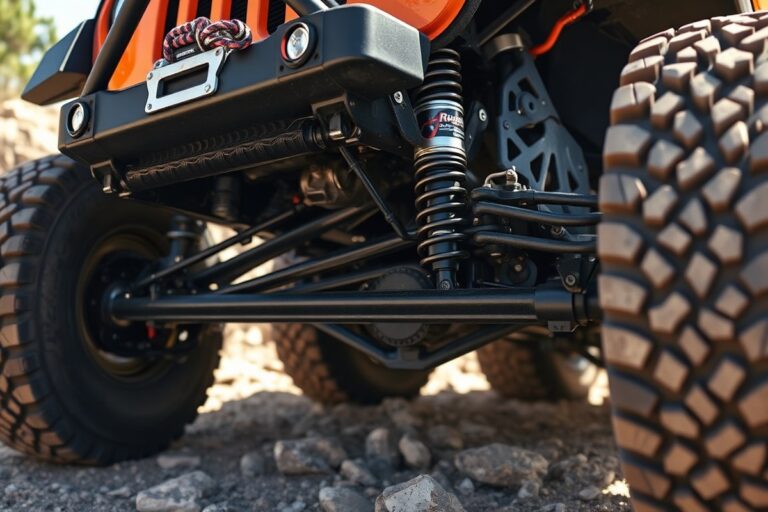
Rough roads and off-road driving significantly increase the wear rate of shock absorbers. Driving on gravel, dirt trails, or uneven terrain repeatedly puts more strain on shocks than smooth highways. These conditions force shocks to absorb intense and frequent impacts, causing their internal components to degrade faster. Off-road shocks often come with features like high-capacity reservoirs and reinforced construction to handle these stresses, but regular shocks on harsh terrain typically wear out sooner.
Temperature extremes also affect shock life. Very cold climates can cause the hydraulic fluid inside shocks to thicken, reducing their ability to absorb bumps effectively. In contrast, hot climates might thin the fluid and increase the risk of leaks over time. Both conditions accelerate wear if shocks are not rated for those environments or lack proper maintenance. Road salt and moisture in winter can cause corrosion, further shortening shock lifespan.
Some road conditions contribute to shock wear more quickly than others. Potholes, speed bumps taken at high speed, and heavily rutted or uneven pavement create repeated harsh impacts. These impacts reduce the damping performance of shocks, leading to a rougher ride and uneven tire wear. Shocks that fail to control wheel movement properly can cause tire cupping or scalloping, which indicates uneven contact with the road.
- Slow down over potholes and rough patches to reduce shock stress
- Avoid carrying heavy loads on rough roads whenever possible
- Rinse shocks regularly in salty or muddy conditions to prevent corrosion
- Choose shocks designed for your typical driving environment (e.g., gas-charged for light trucks, monotube for performance vehicles)
- Check your shocks annually after harsh winter or off-road seasons
- Replace worn shocks in pairs to avoid uneven handling
Driving aggressively on rough roads or off-road terrain can double the wear rate of shocks compared to smooth, controlled driving on pavement.
Maintaining a moderate speed on rough surfaces and selecting shocks engineered for your vehicle’s primary use can extend shock life. Gas-charged shocks handle larger impacts better and stay effective longer under heavy off-road use, while monotube shocks provide durable performance for sportier vehicles. Regular maintenance, including inspections and cleaning, is essential in extreme climates to avoid corrosion and fluid degradation.
Driving Habits and Their Effect on Shock Wear
Aggressive driving habits like hard accelerating, sudden braking, and sharp cornering cause shocks to wear out faster. These actions force the shock absorbers to work harder, absorbing greater forces in a shorter time. For example, rapid stops cause the vehicle to dip forward, while hard acceleration makes it squat at the rear. Both movements put extra strain on the shock’s piston rods and seals, which can lead to faster fluid leakage and reduced damping ability.
Carrying heavy loads or towing adds significant extra stress on shocks, especially if your vehicle is a light truck or van designed for hauling. These vehicles require heavy-duty shocks with larger piston rods and stronger seals to handle the repeated pressure from the weight. Without shocks rated for heavy loads, the extra weight causes the suspension to compress more often and harder, leading to early wear or failure.
On the other hand, driving gently and at moderate speeds helps extend shock life. Slow driving reduces the shock’s workload because the suspension doesn’t have to absorb abrupt movements or large impacts. This kind of driving puts less stress on components, meaning leaks or lost damping happen more slowly. Proper speeds tailored to road conditions also improve braking efficiency and reduce uneven tire wear, indirectly helping shock longevity.
- Accelerate and brake smoothly to reduce shock stress.
- Take corners carefully to avoid pushing shocks beyond their limits.
- Avoid carrying unnecessary heavy loads whenever possible.
- Use shocks rated for your vehicle’s load and towing demands.
- Maintain tire pressure at manufacturer-recommended levels for balanced ride control.
- Inspect shocks periodically for fluid leaks, unusual noises, or changes in ride quality.
- Clean shocks to prevent dirt buildup that can cause seal wear.
Following these driving tips helps prevent premature shock damage and keeps your suspension working properly. Aggressive driving can cost you by requiring shock replacements sooner, which can run between $200 and $500 per axle depending on your vehicle. Paying attention to load limits and adopting smoother driving habits requires little effort but can save you significant maintenance costs and keep your ride comfortable and safe over time.
Key Signs That Indicate Shock Absorbers Need Replacement
Signs that shock absorbers need replacement include visible damage, fluid leaks, unusual ride feel, and changes in vehicle handling. Recognizing these symptoms early helps maintain comfort and safety. You can check shocks yourself with simple inspections during routine maintenance.
Visual Signs of Shock Damage
Look for leaking hydraulic fluid, which appears as oily wet spots on the shock body or near the mounting points. This leak means the shock cannot control suspension movement effectively. Also check for dents, cracks, or bent components that can result from impacts with road debris or curbs. Rust buildup is another warning, especially if it causes pitting or weakens the metal.
Stop by your local Les Schwab or trusted mechanic for a free visual inspection to confirm your findings. A proper inspection often includes bouncing the vehicle and checking the shocks’ physical condition. Early detection of leaks or damage cuts down repair costs and avoids bigger problems.
Ride and Handling Symptoms
Worn shocks cause noticeable ride discomfort and reduced vehicle control. You may feel excessive bouncing over bumps, a rough or choppy ride, and swaying or leaning during turns. Braking can feel different with nose-diving, where the front dips sharply, or longer stopping distances. Steering may also feel loose, slow to respond, or harder to control, especially on uneven surfaces.
Try this quick self-check: sit in the driver’s seat and apply firm pressure down on the front or rear of the vehicle, then release. The car should smoothly settle within two rebounds. More than two bounces usually means the shocks are worn and need replacement. Drive safely and have a professional confirm before driving in hazardous conditions.
Tire Wear Patterns Related to Shock Failure
Shocks that no longer dampen suspension movement allow the tires to bounce excessively, causing uneven wear. Look for cupping or scalloping on the tire tread, which feels like a bumpy pattern along the tires’ edges. These wear signs indicate poor contact between tires and road, impairing traction and tire lifespan.
- Cupping or scalloped tread patterns
- Excessive tire bounce during driving
- Uneven tread wear on front or rear tires
- Frequent tire replacements or rotations
- Vibrations felt through the steering wheel
Maintaining shocks in good condition helps prevent costly tire damage and preserves safe handling characteristics. If you detect these tire wear symptoms combined with ride issues or visual signs, replacing shocks promptly is recommended to avoid further suspension and tire problems.
Different Types of Shocks and Their Typical Lifespans
Shock absorbers come in several types, each designed for different vehicle needs and conditions. The main kinds you’ll find are twin-tube, monotube, gas-charged, and heavy-duty shocks. These differ in construction and performance, directly affecting how long they last before you need to replace them.
Twin-tube shocks use two cylinders and are common in everyday passenger cars. They provide a smooth ride but tend to wear out faster under rough conditions because the oil and gas movement is less efficient. Monotube shocks have a single cylinder, better heat dissipation, and usually handle more demanding use. Gas-charged shocks, which can be either twin-tube or monotube, include pressurized nitrogen to reduce foaming and maintain consistent damping. Heavy-duty shocks are built with stronger materials and are meant for trucks, SUVs, or vehicles carrying heavy loads or towing, making them more durable but usually pricier.
| Shock Type | Typical Lifespan (miles) | Best Vehicle Use | Cost Range Per Pair |
|---|---|---|---|
| Twin-tube | 50,000 – 70,000 | Everyday passenger cars | $50 – $120 |
| Monotube | 70,000 – 90,000 | Performance cars, rough terrain | $100 – $150 |
| Gas-charged (twin or mono) | 60,000 – 85,000 | Cars needing improved stability | $80 – $160 |
| Heavy-duty | 80,000 – 100,000+ | Trucks, SUVs, towing/heavy loads | $120 – $250+ |
Choosing the right shock depends on your driving style and vehicle use. Twin-tube shocks often work fine for normal city and highway driving and come at lower prices. Monotube shocks last longer and perform better under heat and heavy use, making them suitable if you drive on rough roads or at higher speeds. Gas-charged shocks reduce fade and improve control, good for drivers who want better handling without upgrading to monotube. Heavy-duty shocks are necessary if you regularly carry heavy loads, tow trailers, or drive off-road, as they resist wear and last longer under strain.
Proper inspection can help you decide when to swap shocks. Look for oil leaks or reduced ride quality. Staying within the expected mileage range for the type you have will keep your vehicle safe and handling properly.
Regularly check your shocks for oil leaks and uneven tire wear, as these are early signs that replacement is needed.
How Regular Maintenance and Inspections Extend Shock Lifespan
Regular maintenance and timely inspections can significantly extend the performance life of your vehicle’s shocks. Routine checks help detect early wear or damage, preventing costly replacements and ensuring safe handling. Combining visual inspections with basic cleaning and protection methods supports shock absorber durability.
Recommended Inspection Intervals
Shocks should be inspected at least every 12,000 to 15,000 miles or once a year, whichever comes first. This interval aligns well with most tire rotations and brake services, making it practical to check shocks during those routine visits. Vehicles driven on rough roads or carrying heavy loads regularly may require more frequent inspections, approximately every 7,500 to 10,000 miles.
During inspections, technicians look for signs like oil leaks, dents, rust, and loose mounting bolts. Also, checking for uneven tire wear and unusual noises during driving can indicate failing shocks. Staying on this schedule helps you avoid deeper suspension issues as worn shocks compromise braking and steering stability.
Maintenance Tasks for Shock Longevity
Maintenance that preserves shock absorbers revolves mostly around keeping them clean and secure. Dirt, mud, and road salt accelerate corrosion and degrade rubber bushings, which can lead to shock failure. Regularly washing these components, especially in winter or after off-road use, slows damage.
Lubricating mounting bolts and bushings with a high-quality grease prevents squeaks and wear. Tightening any loose bolts promptly avoids extra stress on the shocks. Avoiding overloading your vehicle beyond its rated capacity also reduces shock strain and prolongs their life.
- Clean shocks and mounting points every 3, 6 months
- Inspect rubber bushings for cracking or excessive wear
- Lubricate bolts and bushings during oil changes
- Tighten any loose hardware immediately
- Avoid harsh impacts and heavy loads
- Check for leaks at every tire or brake service
These small steps usually take less than 20 minutes per axle and involve minimal cost beyond routine vehicle washes and basic supplies. Keeping shocks free of contaminants leads to consistent damping performance and slower wear.
When to Seek Professional Checks
Schedule a professional suspension inspection if you notice increased bouncing, nose-diving during braking, a rough ride, or visible damage like leaking fluid or dents. Professionals perform a SAFETY TRIANGLE INSPECTION to assess the entire suspension, including shocks, struts, springs, and mounts. This detailed check uncovers hidden problems that could worsen if missed.
It’s highly recommended to have shocks checked during brake service appointments because both systems are important for vehicle safety and handle similar stresses. During the brake check, ask the technician to examine shock mounts and vacuum test the shock absorbers if available. This complete service helps catch issues before they impact handling or cause further damage.
Risks of Driving with Worn or Broken Shocks
Driving with worn or broken shocks significantly compromises your vehicle’s safety. Shocks control the bounce and stability of your car’s suspension, which directly impacts braking, steering, and overall handling. Without properly functioning shocks, your wheels can lose contact with the road during turns, bumps, or sudden stops, leading to longer stopping distances and reduced control. This makes it unsafe to drive, especially in emergency maneuvers or on wet or uneven roads.
Bad shocks cause your vehicle to sway more and respond sluggishly to steering inputs. This can increase the risk of rollover in SUVs or trucks and make it harder to keep the vehicle straight when braking hard. The loss of wheel contact also makes tires wear unevenly, reducing traction. With impaired braking, stopping distances can increase by up to 20 to 30 percent, which is enough to cause accidents at normal driving speeds. Specific safety risks and symptoms of compromised shocks to never ignore include:
- Excessive bouncing or swaying, especially after hitting a bump
- Longer stopping distances during hard braking
- Uneven or rapid tire wear indicating poor road contact
- Nose-diving forward when braking
- Vehicle pulling or drifting in turns or lane changes
- Leaking fluid near the shock absorbers
- Rattling or clunking noises over bumps
The causes and symptoms can vary depending on your vehicle’s use and environment. For example, trucks that haul heavy loads are more affected by bad shocks because the added weight increases suspension stress. In bad weather, worn shocks reduce tire grip, increasing the likelihood of hydroplaning or skidding. Repairs typically cost between $200 and $500 per axle depending on the vehicle and whether you choose shocks, struts, or a combination. Scheduling an inspection when these symptoms appear reduces the risk of accidents and costly damage to tires and suspension parts.
Failure to replace worn shocks not only raises accident risks but also increases wear on other suspension components. This makes it more expensive and time-consuming to maintain your vehicle over time. Regular inspections by a licensed mechanic help catch bad shocks early. They can measure bounce rates and hydraulic fluid leaks. Addressing shocks promptly preserves safe handling and shorter braking distances, particularly critical in heavy traffic or high-speed driving.
When to Repair Shocks Versus Full Replacement
Shocks generally cannot be repaired and usually require full replacement to ensure safety and proper vehicle performance. Repair options for shocks are very limited and often not cost-effective compared to replacement. To decide, inspect the shocks closely for signs like fluid leaks or physical damage that signal the need for replacement rather than repair.
Common Shock Repairs Explained
In most cases, shocks and struts are sealed units that do not have repairable parts. Some minor repairs may include replacing mounting bushings or hardware if they are worn or damaged. These components help secure the shock to the vehicle and reduce vibration noise but do not restore shock damping function.
Cleaning shock mounts and tightening any loose bolts may improve performance slightly but does not fix internal failures. Attempting to refill or reseal leaking shocks is generally not recommended because it rarely restores proper function or driving safety. Replacing worn or broken mounting components is affordable, typically between $20 and $50, while shock replacement can cost $150 to $400 per shock depending on the vehicle and shock type.
Signs Shocks Cannot Be Repaired
Shocks showing the following signs should be replaced rather than repaired:
- Fluid leaking from the shock body
- Excessive bouncing or poor ride control
- Visible dents, cracks, or significant rust on the shock casing
- Uneven tire wear indicating poor shock absorption
- Noise such as clunking or knocking while driving over bumps
- Shocks older than 50,000 miles or 5 years with performance issues
Leaking fluid is the most definitive indicator that the shock’s seals have failed and internal components are compromised. Continuing to drive with these issues increases the risk of reduced vehicle stability and longer stopping distances.
Replace shocks in pairs on the same axle to maintain balanced handling and avoid uneven wear.
Choosing the Right Replacement Shocks
Select replacement shocks based on your vehicle’s make, model, and typical driving conditions. Original equipment manufacturer (OEM) shocks offer the closest match to your vehicle’s factory performance. Aftermarket options vary in quality, with premium brands often costing $100 to $300 each but providing longer service life and improved comfort.
Check the warranty and coverage details before purchase. For example, shops like Les Schwab include parts and labor warranties that add value and peace of mind. Ensure the shocks are designed for your vehicle’s weight and suspension type, particularly if you frequently drive on rough roads or carry heavy loads.
Installation cost varies from $100 to $200 per pair, depending on labor rates. Quality installation affects shock performance and durability, so use experienced technicians following manufacturer torque specifications for mounting bolts.
Step-by-Step Action Plan to Check and Maintain Your Shocks
Follow these steps to assess your shocks and keep them in good shape for safer driving and a smoother ride.
- Before your next drive: Visually inspect your shocks for leaks or dents. Oil on the shock body means the shock is worn.
- After 1,000 miles: Bounce each corner of your car to check shock response. The car should settle quickly; excessive bouncing means shocks may be worn.
- Every 6 months: Schedule a professional suspension inspection, especially if you drive on rough roads or carry heavy loads. Technicians can measure shock effectiveness accurately.
- After noticing poor handling: Do a braking and cornering test at low speed in a safe area. Excessive swaying or nose-diving in your car calls for a shock inspection right away.
- At 50,000 miles: Plan to have your shocks replaced or rebuilt, particularly with standard shocks. Long-lasting or heavy-duty shocks may last longer but still require checks.
- After replacing shocks: Monitor ride quality over the next few hundred miles. Confirm vibration, noise, and handling issues are resolved for best performance and safety.
Frequently Asked Questions
How Often Should You Have Your Shocks Inspected?
Have your shocks inspected every 12,000 miles or during tire, brake, or alignment services to catch wear early. Regular checks help prevent costly suspension issues later.
Can Shocks Really Last 150,000 Miles?
Most shocks wear out between 50,000 and 100,000 miles, so 150,000 miles is uncommon and usually means performance has degraded significantly. If you hit that mileage, get them checked.
What Are Subtle Signs That Shocks Are Failing?
Signs like uneven tire wear, longer stopping distances, or you notice more bouncing after bumps can mean shocks are wearing out, even if no visible damage shows. Pay attention to how your car feels.
Is It Risky to Keep Driving with Bad Shocks?
Yes, worn shocks reduce your control and increase accident risk by affecting braking and steering. Get them inspected if you suspect issues to stay safe on the road.
Do Shocks Degrade Gradually or Fail Suddenly?
Shocks degrade slowly through wear, making it hard to notice until handling feels poor. That’s why periodic inspection matters since failures aren’t usually obvious initially.
When Is It Better to Replace Shocks Instead of Repairing Them?
Shocks usually aren’t repaired but replaced when leaking or worn because replacement restores full function. Repairing is rare and often not cost-effective compared to new units.
The Bottom Line
Shocks generally last around 50,000 miles, but usage and road conditions heavily influence their lifespan. Keeping an eye out for leaks, bounce behavior, and handling problems can prevent serious issues before they happen. Start with a simple visual and bounce check today to stay on top of your vehicle’s suspension safety.