How Long Does an Oil Filter Last? What Actually Works to Protect Your Engine
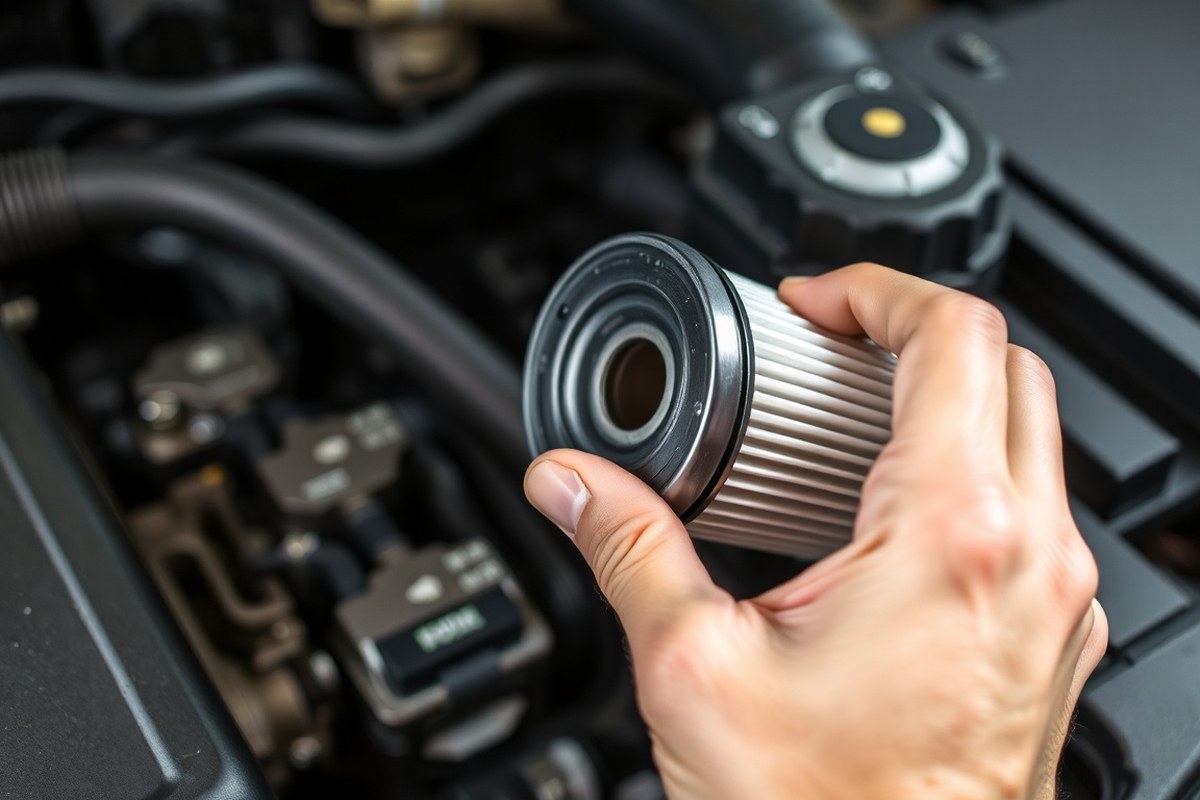
The lifespan of an oil filter varies depending on the oil type and driving habits, usually lasting between 3,000 and 7,500 miles with conventional oil. Using synthetic oil can push that range up to about 10,000 miles. Coordinating your oil filter change with your oil change schedule helps keep your engine clear of contaminants and reduces wear over time.
Key Takeaways
- Changing your oil filter with every oil change helps maintain the best Protection for your engine and keeps it running smoothly.
- A clogged oil filter reduces oil flow, risking engine damage and decreased performance.
- Oil filter lifespan varies; conventional oil filters last 3,000 to 7,500 miles, synthetics up to 10,000 miles.
- High-quality filters, like AMSOIL, can last up to 25,000 miles, matching extended synthetic oil intervals.
- Signs of a bad oil filter include low oil pressure, unusual engine noises, and decreased fuel efficiency.
- Not all oil filters are rated for extended oil change intervals required by some modern vehicles.
How Long Does an Oil Filter Usually Last?

An oil filter’s lifespan generally matches the oil change schedule set for your vehicle, which changes based on the oil type and driving habits. Conventional oil often calls for an oil and filter replacement between 3,000 and 7,500 miles. Vehicles using synthetic oil frequently reach up to 10,000 miles before a change is needed. Still, some oil filters aren’t designed to last as long as these extended intervals.
Standard oil filters commonly last between 5,000 and 10,000 miles. This range fits most cars and light trucks, including popular diesel engines like the Ford Power Stroke or GM Duramax. For those engines, following manufacturer recommendations based on operating conditions is especially important. Using a filter that lasts only 5,000 miles in a heavy-use environment can prevent debris buildup and protect engine components.
Some premium filters, like AMSOIL Ea15K, are designed to match extended synthetic oil drain intervals and can last up to 25,000 miles. These filters maintain high dirt-trapping efficiency over a longer distance, preventing contaminants from circulating inside your engine. Using such a filter aligns with the 25,000-mile change interval some high-quality synthetic oils allow, reducing the frequency of oil changes and filter replacements. Choosing a long-lasting filter like this can save time and money over the long term, but the initial cost is usually higher, often between $20 and $30 compared to $10 to $15 for standard filters.
Changing your oil filter with every oil change is a common recommendation, especially when your oil changes happen around every 3,000 miles. After this distance, filters tend to trap enough particles to hinder oil flow. For synthetic oil users with longer intervals, checking the filter regularly or choosing one built for extended life helps. Variations in filter quality mean some might deteriorate before the oil needs changing, potentially causing engine damage.
When deciding how often to replace your oil filter, always check your owner’s manual first. It contains the manufacturer’s recommended mileage for both oil and filter changes, tailored to your vehicle’s design. The filter’s role in catching dirt, metal shavings, and sludge keeps your engine oil clean and your engine running smoothly. Skipping filter changes or using a low-quality filter for too long can cause contaminants to circulate, leading to premature engine wear or more costly repairs. Budget around $10 to $30 per filter change for parts and expect a simple process that can often be done during routine oil changes, helping extend your engine’s lifespan.
What Factors Affect Oil Filter Lifespan?

The lifespan of an oil filter depends on multiple factors related to your driving environment, engine condition, and the type of oil you use. Filters face varying contamination loads that can fill their holding capacity faster, especially under harsh conditions. Heavy-duty engines, older engines with more blow-by, or vehicles exposed to dusty or stop-and-go traffic conditions often need more frequent filter changes.
Stop-and-go traffic and towing increase engine load and RPM, leading to higher rates of oil contamination. Dusty roads introduce more debris into your oil, which the filter must trap. These conditions stress the filter more than steady highway driving, shortening its effective lifespan. Filters also age differently based on engine design; engines with larger clearances or worn parts produce more particulates. The type and quality of oil influence filter life too, synthetic oils may last longer but still require regular filter checks.
- Driving in stop-and-go traffic or towing loads burdens the filter by increasing contaminant accumulation.
- Dusty or harsh weather conditions introduce more particles the filter must capture.
- Older or worn engines generate more debris that clogs the filter sooner.
- Using synthetic oil can extend intervals but doesn’t eliminate the need for filter changes.
- Lower-quality filters may clog faster and bypass unfiltered oil to the engine.
- High engine RPM generates dirt and triggers the filter’s bypass valve more frequently, impacting filter life.
- Oil change frequency directly influences the filter’s lifespan, delaying oil changes shortens filter effectiveness.
Using a high-quality oil filter matched to your vehicle’s requirements helps protect the engine better and extends filter intervals. Filters include bypass valves that open if the filter clogs, preventing oil starvation but allowing some unfiltered oil to circulate, which risks engine wear. Keep track of your driving patterns and adjust oil and filter change intervals accordingly. It makes sense to replace the filter sooner if you often tow heavy loads, drive in dusty or hot environments, or follow aggressive driving habits.
Regularly replacing the oil filter with each oil change, especially under demanding conditions, prevents clogged filters and protects engine performance.
Your engine’s health benefits from a clean filter that traps particles, extends oil life, and supports smooth operation. Engine protection costs far more than investing in quality filters and timely maintenance. Checking your owner’s manual for recommended intervals is a good start, but tailoring filter changes to your specific driving environment will give you better results.
What Happens When an Oil Filter Gets Clogged or Old?
When an oil filter becomes clogged or old, oil flow through the filter media reduces significantly. This restriction can increase friction and heat within the engine because insufficient oil reaches critical components like bearings and camshafts. As a result, engine parts experience faster wear, which can reduce engine performance and increase the risk of damage. You might notice sluggish acceleration or a drop in power as the engine struggles to operate smoothly without proper lubrication.
When the oil filter hits its holding capacity early, the bypass valve opens to let oil flow around the clogged filter. This valve prevents oil starvation, which could cause severe engine damage. However, the downside is that unfiltered oil flows directly into the engine, carrying contaminants like dirt and metal particles. Over time, these particles cause increased engine wear and can lead to expensive repairs or engine failure if ignored.
The bypass valve ensures continuous oil circulation, but it also reduces the filter’s protective function. Some filters, especially those with finer filtering media, get clogged faster because they trap more debris. This means the bypass valve may open sooner, and your engine gets less protection from contaminants. Poor-quality or aging filters may even collapse under pressure or fail to open the bypass valve properly, which risks blocking oil flow completely. This blockage can cause oil pressure to drop, creating unusual engine noises, such as grinding or rumbling, as metal parts rub without enough oil.
Temperature extremes influence this process as well. Cold weather thickens engine oil, making it harder to pass through a clogged filter, while high heat can degrade oil and filter materials, shortening filter lifespan. The anti-drain valve within many filters keeps oil inside the filter when the engine shuts off, so oil pressure resumes quickly at startup. When this valve fails or the filter clogs before the next oil change, engine parts might run dry for a short time, increasing wear.
To avoid these problems, monitoring oil filter condition and changing it at recommended intervals is important. A filter clogged well before a scheduled change may indicate a dirty-running engine or subpar filter quality, requiring more frequent replacements. Keeping your oil filter and oil fresh preserves proper oil flow, protects engine components from contamination, and maintains engine longevity and performance.
How to Identify Signs of a Bad or Clogged Oil Filter
A bad or clogged oil filter can cause serious engine problems, so spotting the signs early lets you replace the filter before damage occurs. An oil filter that restricts oil flow reduces lubrication and raises engine wear and temperature. Typically, you’ll notice signs both on your dashboard and through changes in engine behavior.
Your vehicle’s oil pressure warning light is one of the clearest indications. It will turn on if the oil filter is clogged enough to limit oil flow. Since oil pressure controls lubrication, a persistent warning light means you should check the filter immediately to avoid engine damage. In addition, rough engine idling or abnormal noises like ticking and knocking coming from the engine can indicate the oil isn’t circulating properly due to a clogged filter.
Visually inspecting the oil filter area may reveal leaks or damage if the filter is distorted or cracked. Oil leaks around the filter indicate a poor seal or physical failure, both signs that the filter needs replacement. Another clue comes from the oil itself, if you have a dark, gritty texture in the oil or notice sludge, it could mean the filter isn’t trapping contaminants effectively. This leads to engine parts wearing faster due to dirt and debris circulating inside. Here’s a checklist of symptoms that call for immediate oil filter replacement:
- Oil pressure warning light is illuminated on the dashboard
- Unusual engine sounds like ticking, knocking, or knocking under load
- Engine idles roughly or stalls unexpectedly
- Visible oil leaks or oil around the filter housing
- Oil appears dirty or gritty despite a recent oil change
- Engine temperature running higher than normal
- Delayed engine response or sluggish acceleration
Checking these signs regularly, especially before long drives or heavy usage, helps catch oil filter problems early. Replacement filters typically cost between $5 and $20 depending on the model. Since replacing the oil filter is a quick and inexpensive service, doing it at the first sign of trouble pays off by preventing costly engine repairs. If your car displays any of these symptoms and the filter hasn’t been changed recently, replace it promptly. Waiting too long risks engine damage from inadequate lubrication, which in severe cases can lead to complete engine failure.
How Often Should You Change Your Oil Filter?
Changing your oil filter should be part of every oil change, no matter what kind of oil you use. Vehicle makers and mechanics agree that swapping the filter each time helps your engine stay clean and work well. Synthetic oils might let you stretch the time between changes, but the filter usually must be replaced every time to keep filtering effectively.
Standard Oil Change Intervals
Manufacturers usually recommend changing the oil filter at every oil change, which is typically every 3,000 to 5,000 miles for conventional motor oil. This approach ensures that the oil filter doesn’t become clogged and that clean oil circulates through the engine. Replacing both oil and filter together prevents contaminants from circulating and potentially damaging engine components.
Most service centers include an oil filter replacement in routine oil change services. This helps you avoid the risk of running your engine with dirty oil or a clogged filter, which can reduce engine performance and lifespan.
Extended Intervals with Synthetic Oil
Synthetic oil often permits extended oil change intervals, sometimes up to 7,500 or even 10,000 miles, depending on the vehicle and driving conditions. However, the oil filter in many cases is not rated to last the full synthetic oil interval. Conventional oil filters might start to clog before you reach the extended mileage.
Because of this, many mechanics recommend still changing the oil filter with every oil change, even if using synthetic oil. Some specialized filters are designed to handle longer intervals, but unless your filter’s specifications clearly state otherwise, stick to replacing it at each oil change. This avoids the inconvenience of needing a mid-interval filter change.
Adjusting for Driving Conditions
Harsh driving conditions can require you to change your oil filter more frequently. Stop-and-go traffic, frequent short trips, extreme temperatures, or towing heavy loads increase oil contamination and accelerate filter clogging. These conditions can reduce the lifespan of both oil and filter below standard intervals.
In such cases, follow your vehicle manufacturer’s recommendations closely or lean towards shorter intervals. Many automakers suggest inspecting the oil and filter more often under severe conditions to ensure your engine stays protected. Replacing your oil filter at every oil change is straightforward and saves you from costly engine repairs down the road. Follow these steps to do it yourself:
- Warm up your engine slightly to help oil drain smoothly.
- Raise and secure your vehicle safely if needed, using jack stands.
- Locate the oil filter, usually accessible from underneath or the engine bay.
- Place a drain pan under the oil filter to catch any dripping oil.
- Use an oil filter wrench to loosen and remove the old filter.
- Apply a light coat of fresh oil to the rubber gasket of the new filter.
- Screw the new filter on by hand until snug, then tighten it according to manufacturer instructions.
- Replace the engine oil and check for leaks after starting the engine.
Make sure not to over-tighten the new oil filter to avoid damaging the gasket, which can cause leaks or engine damage.
Types of Oil Filters and Their Lifespans Compared
Oil filters vary by type and application, affecting how long they last and their performance. Stock, premium, and specialty filters such as those for diesel trucks and motorcycles each have unique features. Choosing the right one depends on your vehicle’s needs and the kind of oil you use.
Standard vs Premium Filters
Standard oil filters are usually the factory default and provide adequate filtration for typical driving conditions. Premium filters use synthetic media that captures smaller particles more efficiently and often last longer. This makes premium options better suited for synthetic oils and high-mileage engines.
Premium filters generally cost more, sometimes up to twice the price of standard filters. However, the improved filtration reduces engine wear by trapping contaminants down to 20 microns or smaller with high efficiency (e.g., 99% at 20 microns as reported by AMSOIL filters). That quality can justify the higher upfront cost since engine repairs are far more expensive than routine filter replacement.
Full-Flow vs Bypass Filters
Full-flow filters clean all the oil passing through the engine, while bypass filters clean only a small portion and trap finer particles by recirculating the rest. Full-flow filters are more common in modern passenger cars and trucks. Bypass filters, once widely used, are less common now but still found in heavy-duty applications to provide extra filtration.
Though the full-flow filter might appear superior, bypass systems offer deeper cleaning by allowing slower filtration of smaller contaminants. However, bypass filters require separate maintenance and replacement schedules, which can complicate upkeep for average drivers.
Filters for Diesel and Motorcycles
Diesel engines face harsher conditions and contamination, so diesel oil filters combine full-flow and bypass technologies along with strong construction. They often include oil and transmission coolers to handle higher temperatures and heavier residues. Diesel filters tend to be more expensive but last longer and protect expensive diesel engines better.
Motorcycle oil filters differ in size and shape for space and weight constraints. They emphasize secure installation to handle vibrations and extreme riding conditions. Properly installed filters help ensure reliable oil flow and filter life under these tougher environments.
| Filter Type | Filtration Efficiency | Typical Lifespan (miles) | Use Case | Cost Range |
|---|---|---|---|---|
| Standard (Stock) | Moderate, captures most contaminants | 3,000, 5,000 | Regular passenger vehicles, conventional oil | $5, $10 |
| Premium (Synthetic Media) | High, up to 99% at 20 microns | 5,000, 10,000 | Synthetic oil, high-mileage, performance cars | $10, $20+ |
| Full-Flow | Captures all oil impurities | 3,000, 7,500 | Most modern vehicles | $7, $20 |
| Bypass | Filters finer particles slowly | Varies, often longer intervals | Heavy-duty, diesel trucks | $20, $40+ |
| Diesel Truck | High efficiency with durability | 7,500, 15,000 | Heavy diesel engines | $15, $40+ |
| Motorcycle | Secure fit, moderate to high | 3,000, 7,000 | Motorcycles, racing, heavy vibration | $10, $25 |
Comparing filters involves weighing cost against performance and lifespan. Premium and diesel filters typically last longer and provide better protection, especially with synthetic oils or demanding engines. Motorcycle filters may not last as long but prioritize secure installation for safety. Understanding what fits your vehicle and driving style helps maintain engine health effectively.
Can You Change the Oil Filter Without Changing the Oil?
Changing just the oil filter without replacing the oil is generally safe in certain cases but not always the best practice. The main benefit is that it can trap fresh contaminants, which is helpful if you’ve already changed the oil but forgot to replace the filter. In that situation, swapping the filter alone will reduce the risk of dirty oil circulating and protect the engine from abrasive particles. This process usually costs less than a full oil change because you only pay for the new filter, which typically ranges from $5 to $15 for standard models.
Risks come with changing only the filter, especially if the oil itself is old or contaminated. Oil degrades over time and loses its effectiveness at lubricating and protecting engine parts. A fresh filter won’t fix oil that has broken down due to heat, shearing, or contamination. This means your engine may still suffer from wear or damage even after the filter swap. Another risk is running the engine with oil that contains sludge or metal shavings that accumulate between oil changes. When these aren’t flushed out by new oil, the fresh filter will soon clog and stop cleaning the circulating oil effectively.
It makes sense to replace only the oil filter when you realize the filter was neglected during a recent oil change, or if you’re planning an oil change soon and want to extend protection temporarily. For instance, if your oil is still relatively new, changed within the last 3,000 to 5,000 miles for conventional oil, or 7,500 miles for synthetic, changing just the filter can maintain clean lubricant longer. This is common if you have limited time or resources but want to prevent immediate engine wear. To do this, drain the engine oil through the drain plug, remove the old filter by turning it counterclockwise using an oil filter wrench or by hand if it’s loose enough, and then clean the mounting surface before installing the new filter hand-tight plus a quarter turn. After installing the new filter, add oil if you did not drain it or to top off if some was lost during the filter swap.
In cases where the oil change is overdue, only replacing the filter is less effective and not recommended. The best results come from changing both the oil and filter together because this ensures new oil is circulating through a clean filter, offering maximum engine protection. Changing only one component disrupts this balance and may lead to faster contamination or mechanical wear. Choosing to change only the filter means you should watch how your engine behaves afterward and schedule a full oil change quickly.
Practical Steps to Replace Your Oil Filter Yourself
Changing your oil filter yourself typically takes 20 to 40 minutes, depending on your experience and vehicle type. You’ll need a few basic tools and some care during removal and installation to avoid leaks or damage. Following a clear step-by-step process makes it straightforward to replace the filter effectively and keep your engine protected.
Gathering Tools and Materials
Before you start, collect the right tools and supplies to make the job easier and safer. The essential items include a new oil filter matched to your vehicle, a wrench or socket set for the drain plug, an oil filter wrench, and oil catch pan. Clean rags, gloves, and fresh motor oil are also important for handling spills and lubricating the new filter.
Having everything close at hand helps you avoid interruptions during the process. Check your vehicle manual or parts store to ensure the new filter fits correctly, as an incorrect size can cause leaks or poor filtration.
Removing the Old Oil Filter
Removing the old filter requires caution to prevent mess and damage. Here’s how to do it step by step:
- Warm up the engine for a few minutes to thin the oil, then turn off the vehicle and let it cool slightly.
- Place an oil catch pan under the oil drain plug and remove the plug with a wrench to drain the oil completely.
- Locate the oil filter – it’s often accessible from underneath or beside the engine block.
- Use an oil filter wrench to loosen the filter by turning it counterclockwise; wrap a rag around it for grip if needed.
- Carefully unscrew the filter by hand, keeping the catch pan underneath to catch any dripping oil.
- Clean the mounting surface with a rag, making sure the old filter gasket is removed.
Be careful not to pull the old gasket off with the filter; a stuck gasket can cause leaks when the new filter is installed.
Installing the New Filter and Checking for Leaks
Installing the new oil filter the right way ensures a tight seal and prevents leaks. Before screwing it on, dab a bit of fresh oil on the gasket to help it seal and avoid sticking in the future. Then, hand-tighten the filter according to manufacturer specifications, usually about 3/4 turn after the gasket contacts the mounting surface.
After installing, replace the oil drain plug and fill the engine with fresh oil. Start the engine and let it run for a few minutes while checking for leaks around the oil filter and drain plug. Turn off the engine and check the oil level, topping off as needed.
Step-by-Step Action Plan to Keep Your Oil Filter in Top Shape
Follow these steps to maintain your oil filter and protect your engine’s performance.
- Before Your Next Oil Change: Check your vehicle’s manual for the recommended oil filter change interval and choose a quality filter that fits your car.
- At Every Oil Change: Replace the oil filter each time you change the oil to prevent clogging and maintain engine protection.
- Every 1,000 Miles or Monthly: Inspect the oil filter area for leaks or damage and listen for unusual engine noises as signs of filter issues.
- After Long Drives or Harsh Conditions: Consider inspecting or changing the filter sooner if you’ve driven in extreme dust, dirt, or stop-and-go traffic.
- Keep Records: Track each oil and filter change date and mileage to avoid going too long between changes.
- When Using Synthetic Oil: Note that oil and filter change intervals might extend but still follow the manufacturer’s schedule.
- Before Road Trips: Confirm your oil and filter are fresh to ensure peak engine performance during travel.
Frequently Asked Questions
Can Oil Filters Really Last 20,000 Miles?
Some oil filters can last up to 20,000 miles, especially premium brands designed for extended service intervals, but most standard filters are rated for shorter spans, aligning with typical oil change intervals to ensure proper engine protection.
How Often Do You Really Need to Change an Oil Filter?
Changing your oil filter at each oil change, usually every 3,000 to 7,500 miles, helps stop blockages and keeps your engine running smoothly.
Can an Oil Filter Last 10,000 Miles?
Yes, many oil filters can last 10,000 miles, particularly when used with synthetic oil and under normal driving conditions, but following your vehicle manufacturer’s recommendations is best.
What Are the Signs of a Bad Oil Filter?
Signs include low oil pressure, unusual engine noises, dirt in the oil, or a warning light on your dashboard, all indicating the filter may be clogged or failing.
Is It Harmful to Drive with an Old Oil Filter?
Driving with an old oil filter can cause engine wear and reduced oil flow, possibly leading to costly repairs if left unchecked.
Does the Type of Driving Affect Oil Filter Life?
Yes, frequent short trips, stop-and-go traffic, and dusty conditions can shorten oil filter life, requiring more frequent changes than highway driving.
Before You Go
Your oil filter usually lasts between 3,000 and 10,000 miles depending on your car and driving conditions. Regular changes prevent filter clogging that can harm your engine. Check your owner’s manual and change your oil filter every time you do an oil change. Scheduling your next oil and filter change now keeps your vehicle running smoothly and reduces costly repairs.