Where Are NGK Spark Plugs Made? A Complete Guide to Origins and Quality
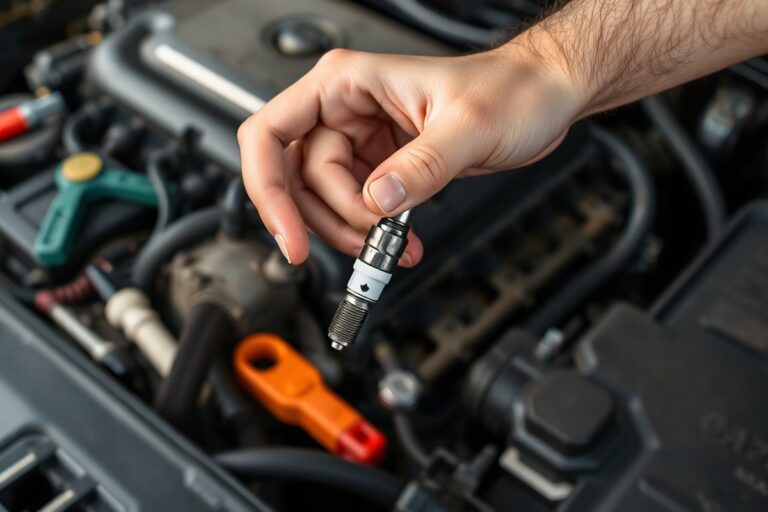
Where are NGK spark plugs made is a common question for anyone seeking reliable engine performance. NGK primarily manufactures its spark plugs in Japan, where the company was founded and still operates key production facilities. Significant manufacturing also occurs in the United States and Europe, ensuring global supply while maintaining high quality. Choosing spark plugs from these locations helps you trust their engineered consistency and compatibility.
Key Takeaways
- NGK’s main production plants are located in Japan, ensuring strict quality control and innovation.
- The U.S. Manufacturing facility produces a large volume for North America, supporting regional vehicle needs.
- European NGK plants adapt spark plugs to meet specific market demands and regulations.
- Japan’s long history in automotive parts manufacturing enables NGK to uphold precise standards worldwide.
- NGK’s global facilities all follow ISO 9001 and IATF 16949 standards for automotive quality.
- Checking the manufacturing origin on packaging helps confirm you have genuine NGK spark plugs.
Where Are NGK Spark Plugs Manufactured Worldwide?

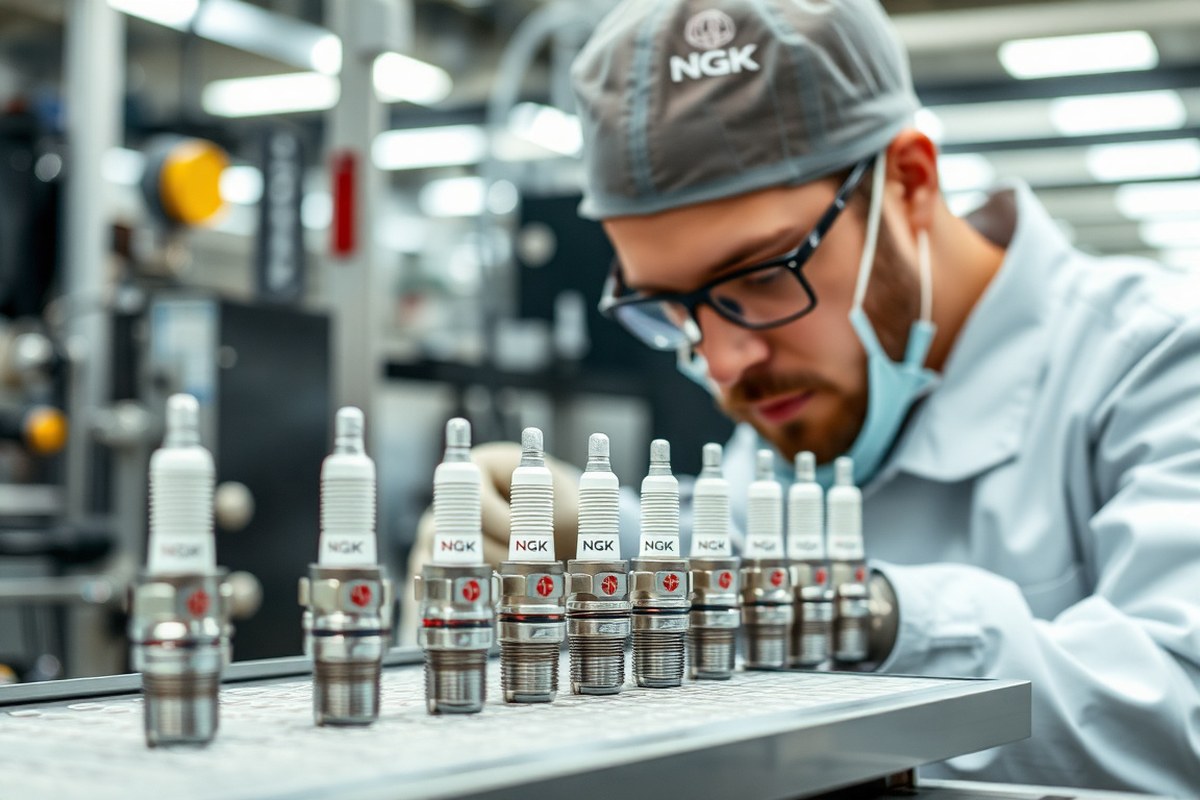
NGK manufactures spark plugs in several nations to serve global customers while maintaining strict quality standards. The core production facilities are located in Japan, the company’s birthplace where it created its spark plug technology. Additional important factories operate in the United States, India, Thailand, China, and South Africa. These locations allow NGK to produce spark plugs tailored to regional market needs and volume demands.
The scale of these manufacturing sites varies. Japan remains the largest hub, with four major plants supplying a significant portion of NGK’s global output. The United States facility is also sizable, producing tens of thousands of units daily to serve the North American market efficiently. Other plants, such as those in India and South Africa, handle regional demand while meeting the company’s high standards. The table below summarizes NGK’s main manufacturing locations by country, noting their specialties and relative production scale:
| Country | Location or Region | Specialties | Production Scale |
|---|---|---|---|
| Japan | Multiple plants (4 major) | High precision, R&D linked manufacturing, flagship products | Largest global output, millions of spark plugs annually |
| United States | North America | High-volume production, North American market-specific models | Significant hub, producing over 37,000 units daily |
| India | Regional manufacturing | Cost-efficient production, local market coverage | Moderate scale to meet regional demand |
| Thailand | Asia | Regional assembly and production lines | Medium scale, serves Asian market |
| China | Manufacturing hubs | Affordable and localized production | Moderate to high scale for Asia-Pacific |
| South Africa | Africa | Regional production, emerging markets focus | Small to moderate scale |
This global network allows NGK to balance production capacity with proximity to key markets. Facilities in different countries adhere to stringent manufacturing standards, ensuring spark plugs deliver consistent performance regardless of origin. The varied scale of these plants supports both mass production and market-specific customization. Maintaining multiple production sites also helps NGK reduce shipping costs and lead times, ultimately benefiting customers looking for reliable spark plug options worldwide.
How Does NGK Maintain Consistent Quality Across Its Plants?
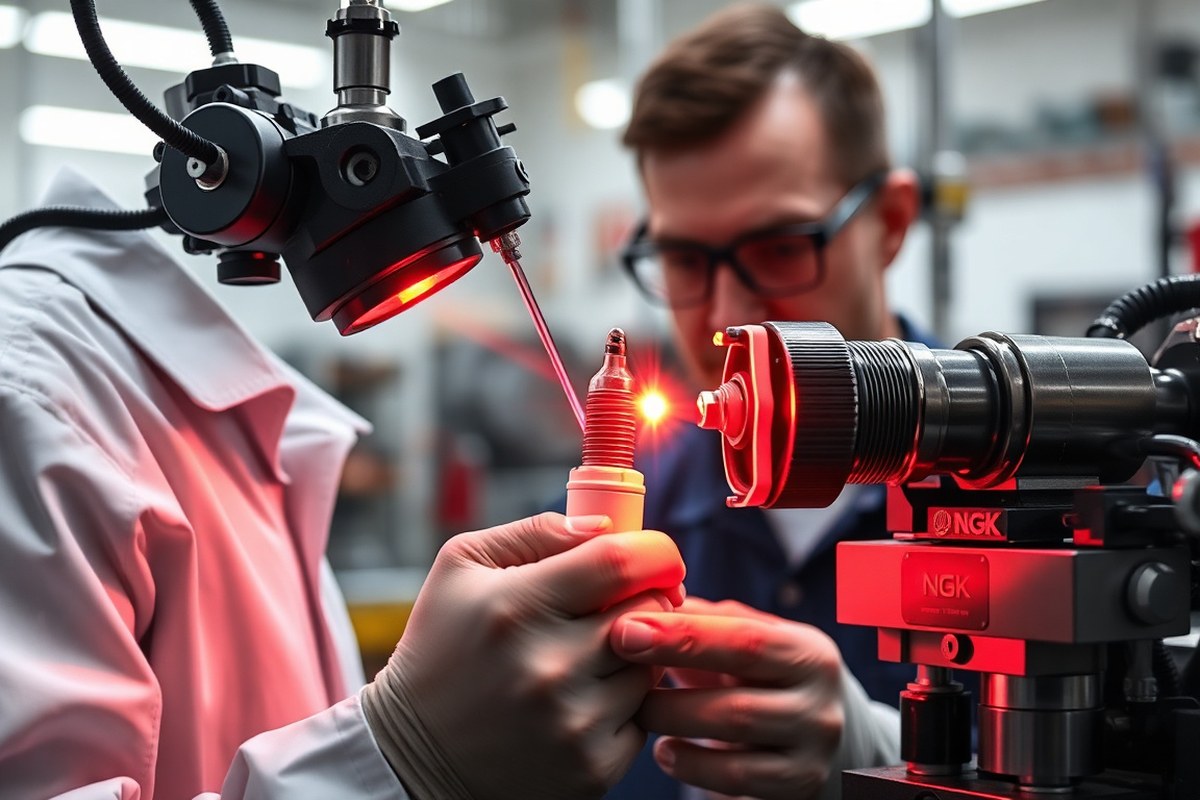
NGK maintains consistent quality across all its manufacturing plants by implementing strict global quality management systems and standardized production protocols. Every spark plug undergoes rigorous quality checks to ensure reliable performance and durability, no matter where it’s produced. This approach ensures that the “Made In” label only identifies the assembly location, not quality differences.
Global Quality Certifications NGK Follows
NGK spark plug factories hold ISO 9001:2015 certification, which guarantees adherence to a global framework focusing on customer satisfaction and ongoing improvements. Most facilities also follow IATF 16949 standards, a quality management system tailored for automotive suppliers.
These certifications ensure that NGK’s production process meets rigorous international benchmarks. ISO 9001 covers procedures from design to delivery, including documentation, employee training, and corrective actions. IATF 16949 adds automotive-specific requirements emphasizing defect prevention and reducing variation and waste in the supply chain.
Key Quality Control Processes NGK Uses
NGK integrates quality control at every stage of spark plug production to maintain reliability. The process includes material inspection, dimensional checks, assembly accuracy, performance testing, and final inspection before packaging.
- Incoming raw material verification to detect defects or inconsistencies
- Automated dimensional and visual inspections using precision instruments
- Functional testing at high-voltage and temperature conditions simulating engine operation
- Statistical process control to monitor manufacturing trends and prevent defects
- Random batch sampling for endurance and durability testing under controlled conditions
- Regular internal and third-party audits to maintain compliance with ISO and IATF standards
- Traceability systems to track spark plugs through production and delivery
Each spark plug undergoes rigorous testing to meet tough standards for durability and performance, which lowers the chance of malfunctions and ensures dependable ignition at operating temperatures generally between 400°F and 1,200°F.
How NGK Handles Quality Variation Across Plants
Despite differences in geography and scale, NGK standardizes its manufacturing protocols globally to minimize quality variation. Shared R&D and technical centers provide uniform training and process improvements. Plants regularly exchange data and benchmarking results to align on quality performance.
Each plant undergoes frequent audits to confirm adherence to ISO 9001 and IATF 16949 standards. Any detected variations trigger corrective actions, such as equipment calibration, operator retraining, or process adjustment.
Always look for the NGK logo and certification marks, as counterfeit products may not meet these strict quality standards despite similar appearance.
As a result, NGK spark plugs from Japan, the United States, South Africa, or anywhere else deliver similar performance and durability. The manufacturing location reflects assembly origin rather than quality differences, supporting customer confidence worldwide.
Why Is Japan Central to NGK Spark Plug Production?
Japan remains central to NGK’s spark plug production due to its long history as the company’s birthplace, its concentration of advanced manufacturing plants, and its ongoing leadership in research and development. The Japanese facilities focus on high-performance, precision spark plugs and serve as the innovation hub driving global quality standards. These elements combined make Japan the core of NGK’s manufacturing and technical expertise.
History of NGK’s Founding and Growth in Japan
NGK Spark Plugs began nearly a century ago, founded in 1919 in Nagoya, Japan. The company’s origins trace to Magoemon Ezoe’s vision to produce spark plugs using ceramics, a Japanese specialty. Officially established as NGK INSULATORS Ltd. In 1936, the firm quickly built its reputation by focusing on high-quality ignition components. Throughout the 20th century, NGK expanded its product line and production capabilities, continually refining materials and manufacturing techniques.
This steady growth anchored NGK’s identity firmly in Japan, where innovations such as iridium and platinum electrodes were first developed. The company’s long-standing presence in Japan laid the foundation for NGK to become a global leader in spark plug technology, blending traditional craftsmanship with modern manufacturing processes. Japan remains the birthplace and innovation base, making it the natural center for ongoing operations.
Major Japanese Production Facilities
The primary NGK production plants are located in Nagoya, Japan, where the company originally started. These Japanese facilities specialize in producing premium spark plugs, advanced ceramic components, and modern electrode technologies like iridium and platinum variants. These products require precise engineering and sophisticated manufacturing equipment that Japan’s plants are uniquely equipped to handle.
Compared to NGK’s facilities in China, the United States, Thailand, and Mexico, Japan focuses on high-value components that require more technical skill and tighter quality control. While other locations increase total output and serve specific regional markets, Japan holds the largest share of NGK’s premium spark plug production. This allows NGK to maintain superior quality standards and meet the demands of performance-focused customers worldwide.
Japan’s Role in Innovation and R&D
Japan continues to serve as the core of NGK’s research and development efforts. This includes developing new spark plug designs, materials, and manufacturing processes aimed at improving engine performance, durability, and environmental impact. The R&D teams in Japan lead the worldwide innovation strategy, shaping trends that other NGK plants follow.
The concentration of expertise in Japan makes it possible to respond quickly to advances in automotive technology. NGK’s innovations have consistently set industry benchmarks, reinforcing Japan’s role as the heart of their spark plug development. This focus on innovation requires ongoing investment in state-of-the-art labs and pilot production lines based in Japan, supporting both domestic needs and global market trends.
What Are the Key NGK Manufacturing Facilities Outside Japan?
NGK Spark Plugs operates several key manufacturing facilities outside of Japan, located in the USA, India, China, Thailand, and South Africa. These plants focus on meeting both local and regional demand by producing spark plugs and other automotive components tailored to the needs of their markets. The strategic placement of these factories helps NGK serve major automotive regions efficiently, controlling costs while maintaining product availability and variety.
The U.S. Plant produces spark plugs and oxygen sensors mainly for customers in North and South America. In India, the factory focuses on manufacturing large volumes of affordable standard and mid-range spark plugs to meet the needs of the fast-growing South Asian market. The South African facility in Gauteng provides automotive components such as spark plugs and oxygen sensors to the EMEA region. Facilities in China and Thailand support various Asian markets by supplying automotive parts that expand NGK’s international presence.
| Location | Product Focus | Regional Market Served |
|---|---|---|
| USA | Spark plugs, oxygen sensors | North and South America |
| India | Standard and mid-tier spark plugs | India and South Asia |
| China | Spark plugs, other automotive parts | Asia |
| Thailand | Spark plugs, automotive components | Asia |
| South Africa (Gauteng) | Spark plugs, oxygen sensors | EMEA (Europe, Middle East, Africa) |
These regional plants allow NGK to produce automotive parts that fit local vehicle requirements and regulations. For example, spark plugs designed for the South Asian market may have different specifications from those intended for Europe or the Americas. This localised production reduces shipping costs and lead times, keeping prices competitive without sacrificing quality. It also enables NGK to respond faster to changes in automotive technology and customer preferences in each region.
How Does Manufacturing Location Affect NGK Spark Plug Performance?
NGK spark plugs generally maintain consistent performance and durability regardless of their manufacturing location. The materials and design standards are standardized across all production facilities to ensure reliable ignition and long service life. For example, iridium spark plugs made in Japan typically feature a 0.4mm fine-wire center electrode and are rated for over 120,000 miles, while similar platinum plugs produced in the United States or Germany incorporate a slightly different design but meet comparable durability expectations.
Differences in performance between spark plugs made in Japan and those from other NGK plants mainly stem from the specific electrode material and design, not the location of manufacturing itself. The Japanese-made iridium and laser-iridium plugs often have more advanced welding techniques and finer electrodes, which contribute to improve ignition and fuel efficiency. Plugs produced in the U.S. Or Germany focus on platinum or nickel alloys but still undergo rigorous quality control to meet NGK’s global standards.
- Iridium spark plugs from Japan use a 0.4mm fine-wire center electrode with tested durability over 120,000 miles.
- Laser-iridium variants offer a 0.6mm laser-welded tip, balancing performance and anti-wear, mostly produced in Japan.
- Platinum plugs from Germany or the U.S. Offer durability between 100,000 and 120,000 miles, with slightly thicker electrodes.
- Nickel alloy plugs, often from multiple locations, provide a cost-effective option with shorter lifespan and less fine electrode design.
- Material consistency is maintained through centralized supplier control regardless of the factory location.
NGK’s standardized design protocols mean you should expect reliable and consistent spark plug function regardless of whether your plug was made overseas or domestically. The key to peak durability and performance is matching the plug type and specifications to your vehicle’s requirements rather than focusing only on origin. Buyers looking for the longest-life plugs often prefer the Japanese iridium options with advanced features that support up to 142,000 miles.
Beware of counterfeit NGK spark plugs, especially from online sources, as over 62% of warranty claims involve mislabeled or fake parts rather than product defects.
Ultimately, NGK enforces uniform materials use, electrode design, and manufacturing processes across all plants. These practices ensure all spark plugs deliver dependable ignition and maintain vehicle performance under various conditions. Choosing genuine products with the correct material type and knowing your vehicle’s recommended spark plug specifications matter more than the factory country.
How to Identify Genuine NGK Spark Plugs and Their Manufacturing Origin
Verifying the authenticity of NGK spark plugs and identifying their manufacturing origin relies on understanding part numbers, packaging, and markings on the spark plugs themselves. Spotting counterfeits involves careful examination and buying from trusted sources. This ensures you get the quality and performance NGK is known for.
Decoding NGK Part Number for Origin
The NGK part number is a key to revealing both the spark plug’s specifications and its manufacturing origin. These alphanumeric codes follow a defined pattern where each segment refers to a particular feature, such as thread size, resistor presence, and heat rating. Some NGK part numbers also include a country code indicating where the spark plug was produced.
For example, a part number like “BKR5E-11” breaks down as follows: “B” references thread diameter and reach, “K” means it has a built-in resistor, “R” shows the resistor type, and “5E-11” identifies the heat range and design. NGK often appends specific identifiers or serial codes on packaging or etched on the plug to denote its factory location.
Recognizing Authentic NGK Packaging and Markings
Genuine NGK spark plugs come in packaging that features clear branding, consistent font, holographic security stickers, and sometimes a barcode that matches the part number inside. The spark plugs themselves will have laser-etched markings including the NGK logo, part number, and often the country of origin such as “Made in Japan” or “Made in U.S.A.” These markings are precise and consistent across batches. The ceramic insulator should have a smooth finish with no rough edges, and the metal shell won’t show signs of corrosion or uneven plating. The electrode tips follow NGK’s specifications closely, reflecting the company’s precision manufacturing processes.
Warning Signs of Counterfeit NGK Spark Plugs
Counterfeit NGK spark plugs often exhibit packaging errors such as blurry printing, misspelled words, or missing security labels. The part number may be incorrect or inconsistent with NGK’s official catalog. On the spark plug, the logo might be stamped or printed rather than laser-etched, and the finish often looks rough or uneven.
Fake plugs may also use lower-quality materials that affect performance and longevity. Electrodes might be thinner or inconsistently shaped, and the ceramic insulator could have discoloration or rough texture. Purchasing from unauthorized retailers or suspiciously low prices are common risk factors for buying counterfeits.
- Locate the NGK part number printed on the spark plug body or the original packaging.
- Compare the part number with NGK’s official online cross-reference charts to verify its legitimacy and corresponding specifications.
- Check for country of manufacture markings on the spark plug itself, usually laser-etched near the part number.
- Inspect the packaging for NGK branding, security holograms, and clear, professional printing quality.
- Examine the spark plug for uniform ceramic insulator finish and laser-etched logos and codes instead of printed ones.
- Beware of suspicious pricing that significantly undercuts market rates and avoid unofficial online sellers without verified credentials.
- Purchase from authorized NGK dealers or trusted automotive parts retailers to reduce the risk of counterfeit products.
What Technologies and Materials Does NGK Use in Global Production?
NGK uses several advanced technologies and premium materials to make spark plugs that perform reliably around the world. The company relies heavily on precision ceramic sintering and automated laser welding to ensure durable electrode structures. Ceramic sintering involves heating raw ceramic powder to form a dense, heat-resistant insulator that withstands engine combustion temperatures up to 1,400°C (2,552°F). This process eliminates weaknesses that could cause cracks or failures during use.
Laser welding joins electrodes to the core with micron-level accuracy, creating a strong bond that endures the rapid heating and cooling cycles inside the engine. Computerized gap setting follows welding, adjusting the air gap between electrodes precisely to the manufacturer’s specification, usually between 0.028 to 0.044 inches for passenger vehicles, to optimize spark efficiency and combustion timing.
The choice of electrode materials is another key to NGK’s spark plug performance. Iridium is a preferred metal for premium plug electrodes because of its hardness and high melting point (approximately 2,447°C or 4,437°F), which provides spark plugs with extended service life, often lasting up to 100,000 miles. Platinum also features prominently, offering a good balance between cost and durability. NGK produces standard spark plugs with nickel alloy electrodes, which typically require replacement every 30,000 miles. Ruthenium, a rare and hard metal with excellent wear resistance, is used in some high-performance plugs to further improve longevity and ignition stability.
NGK’s global production plants have slightly differing focuses based on local market demands and technological investments. Plants in Japan and Germany excel in manufacturing iridium and ruthenium spark plugs with tight tolerances and advanced quality control. Some Asian facilities specialize in high-volume production of standard and platinum plugs, using automated assembly lines to meet global demand efficiently.
- Automated laser welding for electrode assembly
- Precision ceramic sintering for thermal insulation
- Computerized spark gap setting for consistent ignition
- Use of iridium and platinum for long-lasting electrodes
- Nickel alloy electrodes in economy spark plugs
- Ruthenium added in specialty high-performance models
- Specialized production lines vary by plant location
The combination of these technologies and materials helps NGK maintain durable and efficient spark plugs under various operating conditions. Quality control ensures the materials are processed correctly to avoid common failures such as premature wear, electrode erosion, or ceramic cracking. These factors contribute to NGK’s reputation for reliable ignition performance in over 160 countries and an annual output nearing 1 billion units.
How Does NGK Support Regional Vehicle Compatibility and Market Needs?
NGK adjusts its spark plug designs and production to fit the specific engine types and regulatory environments of different regions. This tailoring ensures the plugs deliver optimal performance and meet emission standards in each market. Local manufacturing plants customize spark plugs based on factors such as fuel type, engine compression ratios, and emission rules to satisfy both aftermarket and original equipment manufacturer (OEM) demands.
For example, the UK plant produces spark plugs that comply with European automotive requirements and uphold ISO 9001 and IATF 16949 quality certifications. Meanwhile, the Wixom, Michigan facility focuses on research and development, adapting spark plugs to North American engines and regulations. NGK’s Chonburi plant in Thailand caters to Southeast Asia, modifying products to fit vehicles common to those countries. This regional specialization helps maintain NGK’s high quality while addressing different thermal loads, materials compatibility, and engine designs.
| Plant Location | Regional Market | Engine Types Supported | Regulatory Focus | Role in NGK Operations |
|---|---|---|---|---|
| UK | Europe | Gasoline, Diesel | EU Emission, Quality Standards | Manufacturing & Compliance Adaptation |
| Wixom, Michigan | North America | Gasoline, Natural Gas | EPA Emission, R&D Support | Technical Center & Product Development |
| Chonburi, Thailand | Southeast Asia | Gasoline, Diesel | Local Emission Requirements | Regional Production & Market Alignment |
| China | China & Surrounding Markets | Gasoline, Diesel | Local Automotive Standards | Production Tailored to Demand |
This strategic regional approach means NGK can fine-tune spark plug materials, heat ranges, and electrode designs to match local engine conditions and fuel qualities. For instance, vehicles operating in hotter climates may require plugs with higher heat dissipation capabilities, which a plant serving that area can incorporate into their manufacturing runs. Coordinating these variations across plants involves significant technical data sharing and compliance monitoring, ensuring that local plugs meet both global NGK performance standards and market-specific needs.
The costs for developing and producing these customized spark plugs include investments in regional R&D, specialized tooling, and quality audits. But the result is spark plugs that maintain engine efficiency, reduce emissions, and help prevent issues such as misfires or fouled electrodes under local conditions. Problems can arise if spark plugs designed for one region are used in another where engine tuning or fuel differs widely; this can lead to poor combustion and reduced engine life.
Tip: Always match NGK spark plugs to your vehicle’s specific engine requirements and regional specifications to avoid performance issues or premature wear.
Step-by-Step Action Plan to Choose the Right NGK Spark Plugs
Follow these steps to select NGK spark plugs made in the best location for your vehicle and needs, ensuring optimal performance and reliability.
- Before You Buy: Check your vehicle’s manual for recommended spark plug specifications to match NGK’s product line.
- Day 1: Identify the manufacturing origin on the spark plug packaging or product code to confirm authenticity and place of production.
- Within One Week: Compare NGK plugs made in Japan versus other countries for your vehicle model, noting any compatibility or performance differences highlighted in reviews or user forums.
- After Purchase: Inspect the spark plug for clear NGK branding, quality finish, and matching part numbers to avoid counterfeit products.
- Installation Day: Install the spark plugs according to manufacturer guidelines, using OEM tools if available, to maintain product integrity and performance.
- One Month Later: Monitor engine performance and fuel efficiency to confirm the spark plugs meet your expectations.
- Ongoing: Regularly check and replace spark plugs based on your vehicle’s maintenance schedule and use genuine NGK replacements from trusted sources.
Frequently Asked Questions
Where Exactly in Japan Are NGK Spark Plugs Made?
NGK produces most of its spark plugs in its original factory located in Nagoya, Japan, established in 1919. This site continues to be key for developing and manufacturing their reliable spark plugs.
Are NGK Spark Plugs Manufactured in Any Other Countries Besides Japan and the USA?
NGK has manufacturing facilities in multiple countries to support regional demand, including plants in Europe and Asia, ensuring global coverage and consistent quality.
Does the Manufacturing Plant Location Affect the Price of NGK Spark Plugs?
Yes, production location can influence cost due to labor and logistics differences, but NGK maintains competitive pricing through efficient manufacturing and global distribution networks.
How Can I Tell If My NGK Spark Plugs Are Genuine and Where They Were Made?
Genuine NGK spark plugs feature specific branding and markings indicating origin, usually including a plant code. Checking packaging and labels helps verify authenticity.
Do NGK Spark Plugs Made in the U.S. Differ in Quality or Performance from Those Made in Japan?
NGK applies the same strict quality standards globally, so spark plugs from the U.S. Plant perform comparably to those made in Japan.
What Role Does the Wixom, Michigan Facility Play in NGK’s Spark Plug Manufacturing?
The Wixom facility mainly focuses on R&D and technical support rather than mass production, helping NGK innovate and tailor spark plugs to North American market needs.
Wrapping Up
NGK spark plugs are manufactured in several countries with Japan as the central hub, ensuring consistent quality and advanced materials. Knowing where your spark plugs come from helps you choose a product that fits your car’s needs and your expectations for durability and performance. Next time you shop, verify the manufacturing origin to get authentic NGK plugs that suit your vehicle best.