

How Does Fuel System Cleaner Work: What Actually Happens Inside Your Engine
How does fuel system cleaner work? It removes deposits and buildup from fuel injectors, intake valves, and combustion chambers, restoring proper fuel flow and engine performance. The cleaner’s active ingredients break down sticky residues that cause rough idling and reduced fuel economy. Using a quality cleaner regularly helps keep your engine running more smoothly and efficiently.
Key Takeaways
- Fuel system cleaners dissolve carbon deposits that block fuel injectors and intake valves.
- Key ingredients like polyether amines target and remove stubborn varnish and gum buildup.
- Using fuel system cleaner every 3,000 to 5,000 miles maintains engine cleanliness and performance.
- High mileage fuel treatments are formulated specifically for engines with over 75,000 miles.
- Complete fuel system cleaners clean the entire fuel and combustion system, not just injectors.
- Choose a cleaner that matches your vehicle’s needs and follow the owner manual’s recommendations.
How Fuel System Cleaner Works Inside Your Engine
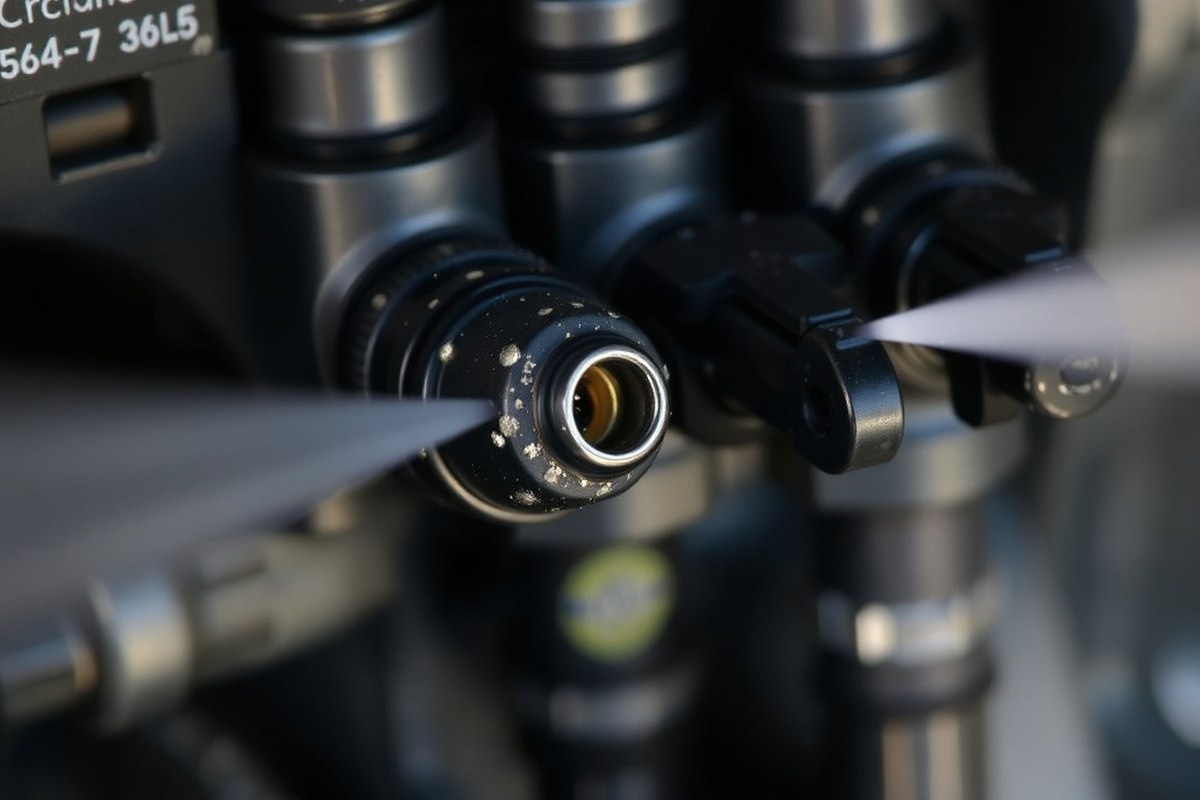
Fuel system cleaners work by targeting and removing stubborn deposits that accumulate in key parts of your vehicle’s fuel system. These deposits mainly consist of carbon, varnish, and soot, which form over time due to incomplete combustion, poor fuel quality, or old age. They gather especially on fuel injectors, intake valves, and combustion chambers, which can restrict fuel flow, disrupt spray patterns, and reduce overall engine efficiency.
The cleaning process relies heavily on detergent chemistry. Active ingredients, often polyether amine (PEA)-based detergents, chemically dissolve and break down those carbon and varnish deposits. PEA molecules latch onto the deposits and loosen their grip on metal surfaces. This chemical action makes it possible to flush away grime without damaging engine parts. For example, products like Chevron Techron Concentrate Plus use this type of detergent to clear injectors and combustion areas effectively with regular use every 5,000 miles.
Fuel injectors are one of the main areas that get cleaned. Deposits on injectors alter the fuel spray’s shape and size, which leads to poor combustion and wasted fuel. Cleaner chemicals dissolve these carbon buildups, restoring precise fuel atomization. Intake valves also suffer from similar deposit issues that restrict airflow and reduce engine responsiveness. The cleaner’s solvents soften and remove varnish layers, helping valves operate properly again. Combustion chambers accumulate soot and hard carbon from burnt fuel, which can cause knocking and reduce power output. Fuel system cleaners reach these chambers by traveling along the fuel path, breaking down these deposits to improve combustion efficiency.
The mechanical part of the process happens as the engine runs and the cleaner-treated fuel passes through these components. The detergent molecules lift and suspend the loosened deposits so they travel through the exhaust rather than building up further. However, this cleaning cannot happen overnight; it usually takes one to three fuel tanks of treated fuel to noticeably reduce buildup. Using the cleaner incorrectly, like overdosing, can cause excessive deposits to break loose at once, risking clogs or damage to delicate parts.
The cost of fuel system cleaners typically ranges from $10 to $30 per bottle, depending on brand and formulation. Using these products regularly as preventive maintenance pays off by maintaining fuel efficiency, smoothing engine idle, and reducing emissions. Vehicles with high mileage or unknown fuel quality histories benefit most from a thorough cleaning cycle that starts with a strong detergent cleaner and continues with maintenance doses. Getting familiar with how these chemicals work and which deposits they target will help you choose the right product and dosing schedule for your vehicle’s condition.
Key Ingredients in Fuel System Cleaners and Why They Matter

Fuel system cleaners usually contain detergents and chemicals designed to remove deposits from fuel injectors, intake valves, and combustion chambers. The most effective ones rely on polyether amine (PEA) as their main active ingredient due to its superior cleaning power and safety profile. Other detergents and additives play supporting roles, but the choice and proportion of chemicals are important to balance cleaning efficiency and engine health.
Main Active Ingredients in Fuel System Cleaners
Most fuel system cleaners include polyether amine (PEA), polyisobutylene amine (PIBA), and similar detergent compounds. PEA is a specialty detergent chemistry recognized for removing tough deposits that other detergents struggle with, especially carbon-based and varnish-like buildups often found in fuel injectors and intake valves.
Other common additives include solvents that dissolve gum and varnish, corrosion inhibitors that protect metal components, and stabilizers for ethanol-blended fuel. Some products also contain detergents that help with preventing future buildup by creating a protective film over fuel system parts.
Why PEA Outperforms Other Detergents
Polyether amine is often recommended by car manufacturers and fuel additive brands like Chevron for its strong deposit control and overall cleaning power. It can break down and wash away fuel deposits without damaging your engine components. Compared to polyisobutylene amine (PIBA) and other traditional detergents, PEA works more quickly and cleans more thoroughly.
PEA’s molecular structure allows it to bond to stubborn carbon deposits effectively, loosening them for removal during combustion. This cleaning action improves fuel atomization and combustion efficiency, leading to better engine performance and reduced emissions. Most professional-grade fuel system cleaners label PEA as the key active ingredient.
Safety Considerations for Fuel System Chemicals
Fuel system cleaners are generally safe when used according to label instructions. However, overusing products with strong detergents, especially those with PEA, can cause issues like damage to sensitive engine parts or fuel system sensors over time. Some ingredients, like DCA (dichloromethane compounds), are expensive and effective but may be harsh in high concentrations.
To avoid harm, follow the dosage and interval recommendations on the cleaner’s packaging. For older vehicles or those with known fuel system vulnerabilities, choosing a milder cleaner or asking a mechanic for advice is wise. Erratic use, too often or too rarely, can reduce the cleaner’s effectiveness and raise costs without benefits.
Typical Chemical Types Found in Fuel System Cleaners
Here’s a quick overview of the types of chemicals to expect in fuel system cleaners:
- Polyether amine (PEA): Primary detergent, best for heavy deposit removal
- Polyisobutylene amine (PIBA): Traditional detergent, good for light to moderate deposits
- Solvents: Dissolve gums, varnish, and sediments
- Corrosion inhibitors: Protect metal components in the fuel and intake system
- Fuel stabilizers: Help maintain ethanol fuel quality and prevent phase separation
- Dichloromethane compounds (DCA): Expensive, strong cleaners used sparingly in some formulas
Look for products that clearly list these ingredients or use terms like “PEA-based detergent” in their descriptions, signaling a high-performance cleaner.
Use only one full treatment as directed, typically added once every 3,000 to 5,000 miles, to avoid any potential damage from overuse.
How to Use Fuel System Cleaners Safely and Effectively
Choose a cleaner that specifies PEA content if your goal is removing stubborn deposits. Add the recommended amount to a near-empty fuel tank, usually one bottle per full tank, and then fill up. This ensures the cleaner mixes well with fuel and reaches all parts of the fuel system.
Using fuel system cleaner every three months or approximately every 3,000 to 5,000 miles helps maintain peak engine performance. Avoid using these cleaners more frequently unless you encounter performance symptoms like rough idling, knock, or reduced fuel economy.
Cost varies widely: basic options run about $4 to $7 per treatment, while premium, PEA-heavy formulas can cost $15 to $20 or more. The price difference often reflects the concentration and quality of the active detergents.
How Long Does It Take for Fuel System Cleaners to Show Results?
Fuel system cleaners usually begin working almost immediately after you add them to your gas tank. The cleaning agents start to dissolve carbon deposits and other buildup on fuel injectors, intake valves, and combustion chambers as fuel flows through the system. You can expect to notice some improvements in engine performance and fuel economy after running the treated fuel through your engine a few times. This process typically takes about 50 to 100 miles of driving.
Short-term effects appear as smoother idling, quicker acceleration, and reduced engine knocking. These signs indicate the cleaner is successfully removing deposits that were restricting fuel flow or disrupting combustion. Improvements in fuel economy may show up during the first tank after treatment, often ranging from a 1-3% gain depending on your vehicle’s condition.
Long-term benefits depend on how much buildup your engine had and how frequently you use the cleaner. If deposits were heavy, you might see progressively better performance across several tanks of gas. Results usually last for about 3,000 to 5,000 miles after one use. To maintain consistent fuel system cleanliness and protection, consider adding cleaner every 3,000 miles or with every oil change, depending on your driving habits and fuel quality.
Monitoring the cleaner’s success involves observing obvious performance signs and tracking fuel mileage before and after use. You can verify smoother engine operation by listening for reduced roughness at idle and more responsive throttle. Checking gas station receipts or using a mileage tracking app will help confirm improved fuel economy. Avoid expecting instant dramatic changes, especially if buildup was minimal or the cleaner is low concentration. Follow these steps to effectively monitor and maximize the impact of fuel system cleaners:
- Fill your gas tank with the recommended amount of fuel system cleaner according to the product label, typically one bottle per full tank or per recommended mileage interval.
- Drive normally for at least 50 to 100 miles so the cleaner can fully circulate and act on deposits throughout the fuel system.
- Observe engine behavior for smoother idling, reduced hesitation, and quieter running, which indicate the cleaner is working effectively.
- Track your fuel mileage either manually or with an app to compare fuel economy before and after the cleaner was used.
- Repeat periodically based on manufacturer instructions or every 3,000 to 5,000 miles to keep deposits from accumulating again.
- Maintain good fuel quality by using fuel from reputable sources to help prolong the benefits of the cleaner.
- Consult a professional if you notice no improvement after multiple treatments or if engine issues persist, as severe buildup may require mechanical cleaning.
Types of Fuel System Cleaners and Their Best Use Cases
Fuel system cleaners vary by fuel type and engine design, each formulated to target specific deposits and engine conditions. Selecting the right cleaner depends on your vehicle’s fuel type, gasoline or diesel, engine setup, and mileage. Using the proper cleaner keeps fuel injectors clean, improves engine performance, and prevents damage to sensitive components.
Gasoline Vehicle Cleaners
Gasoline-specific fuel system cleaners are designed to dissolve deposits that build up on fuel injectors, intake valves, and combustion chambers in gas engines. These cleaners often contain detergents that improve fuel atomization and combustion efficiency. Universal gasoline cleaners typically work for all types of gasoline engines, including those with multi-port and throttle body injection.
For best results, add gasoline fuel cleaners every 3,000 to 5,000 miles or follow the intervals recommended in your owner’s manual. Prices for gasoline cleaners vary between $7 and $15 per treatment, depending on the brand and bottle size.
Diesel Engine Cleaners
Diesel fuel system cleaners target soot, carbon deposits, and gum buildup common in diesel injectors and combustion chambers. These cleaners must be tougher to address the different fuel characteristics and injector designs in diesel engines. Diesel cleaners often include lubricity additives that protect fuel pumps and injectors from wear.
Unlike gasoline cleaners, diesel fuel treatments are typically used less frequently, about once every 5,000 to 7,500 miles. Choosing a cleaner formulated specifically for diesel is critical because gasoline cleaners lack additives that work effectively with diesel fuel’s properties.
High Mileage Fuel System Treatments
High mileage fuel system treatments are designed for vehicles with over 75,000 miles to address accumulated deposits and wear-related issues. These treatments often include additional seal conditioners and detergents to clean aging fuel system components without damaging older seals and gaskets.
Using a high mileage cleaner can help restore fuel economy and smooth out idling in older vehicles. However, excessive use may cause leaks or damage in engines with severely worn parts, so follow manufacturer guidelines carefully. Expect to pay around $10 to $20 per treatment for these specialized products.
Direct Injection Engine Solutions
Direct injection (DI) engines require cleaners specifically formulated to clean injectors that spray fuel directly into the combustion chamber, where deposits form easily on injectors and intake valves. Some products are made exclusively for DI engines, while a few universal fuel system cleaners also state compatibility with DI systems.
Using a cleaner that targets DI engines can improve fuel spray patterns, reduce knocking, and prevent rough idling. These treatments should be used as often as standard gasoline cleaners, around every 3,000 to 5,000 miles. Prices for DI-specific cleaners generally run between $12 and $18 per bottle. When uncertain about your engine type or which cleaner to use, consult a professional mechanic to avoid potential damage or poor results.
| Cleaner Type | Suitable Engine Type | Recommended Mileage Interval | Typical Price Range |
|---|---|---|---|
| Gasoline Vehicle Cleaners | All gasoline fuel injection engines | Every 3,000 to 5,000 miles | $7, $15 |
| Diesel Engine Cleaners | Diesel engines only | Every 5,000 to 7,500 miles | $10, $20 |
| High Mileage Treatments | Vehicles with 75,000+ miles | As needed, per product instructions | $10, $20 |
| Direct Injection Cleaners | Direct injection gasoline engines | Every 3,000 to 5,000 miles | $12, $18 |
Choosing the right cleaner depends heavily on your engine type and mileage. For older vehicles or high mileage engines, opt for treatments with seal conditioners. Diesel engines require their own specialized cleaners due to differences in fuel and injection systems. Direct injection engines benefit from cleaners targeting chamber deposits and injector spray patterns.
How to Correctly Use Fuel System Cleaner for Best Results
Fuel system cleaner works best when you follow specific steps for adding the right amount at the right time. Use it according to the product directions, typically adding it to the gas tank before filling. Avoid mixing different cleaners and follow mileage guidelines to prevent damage and ensure the treatment lasts.
Step 1: Read the Product Label
Each fuel system cleaner has instructions tailored to its chemical formulation and intended use. Start by carefully reading the product label to understand how much to add, when to add it, and how often to use it. Most fuel injector cleaners are designed to be added directly to the gas tank, while some products require adding through the intake system or vacuum line. Labels also specify the maximum amount recommended to prevent residue buildup.
Follow label directions exactly. Overusing cleaner or applying it too frequently can stress your car’s fuel system parts, which may cause damage or poor performance.
Step 2: Adding Cleaner at the Right Fuel Level
Adding cleaner at the proper fuel level ensures it mixes well and distributes evenly through the fuel system. Most product labels recommend adding the cleaner when the tank is nearly empty or at least below half full, then filling the tank immediately with fresh gasoline. This helps dilute the cleaner properly for effective cleaning without concentrating chemicals.
Adding cleaner to a half tank is generally acceptable, but avoid adding it to a nearly full tank to prevent insufficient mixing. If you add cleaner to a half tank, fill the rest of the tank right after to ensure proper dilution.
- Check the fuel gauge to confirm the tank is below half full or near empty.
- Pour the exact amount of fuel system cleaner recommended on the label into the tank.
- Fill the tank with fresh gasoline immediately after adding the cleaner.
- Drive the vehicle as usual to allow the cleaner to circulate through the fuel system.
Adding cleaner before filling the tank helps the chemical mix thoroughly with fuel, improving cleaning performance.
Step 3: Frequency of Use and Mileage Guidelines
Fuel system cleaners are not meant for constant or daily use. Most manufacturers recommend using them every 3,000 to 5,000 miles or every oil change interval. This spacing provides enough time for the cleaner to remove deposits without overexposing your engine components to strong chemicals.
Using cleaner too frequently can lead to accumulation of chemical residues or damage sensitive fuel system parts such as sensors and seals. Follow the mileage or time interval on the product label, and consider your vehicle’s age and fuel quality when deciding how often to use the cleaner.
Step 4: Avoid Mixing Different Cleaners
Stacking different fuel system cleaners can cause chemical interactions that decrease effectiveness or harm your engine. Each cleaner has a unique formula designed to work alone, so combining products may lead to excessive buildup or unwanted residues in the fuel system.
Stick to one type of cleaner at a time, wait until its effect has worn off before adding another, and never use multiple cleaners at once. This approach reduces risk and ensures the cleaner performs as intended.
Common Mistakes and Myths About Fuel System Cleaners
Using more fuel system cleaner than recommended does not guarantee better or faster cleaning. Higher concentrations of additives might improve detergent action up to a point, but stacking too much additive can disrupt fuel flow and even damage injectors. According to TOP TIER™ Fuel Standards discussions, quality detergent packages matter more than just the quantity. Adding excessive amounts risks uneven fuel flow and misfires, leading to worse engine performance.
Not all fuel system cleaners are the same. Formulations vary based on the fuel type, engine design, and the type of deposits targeted. Choosing a cleaner that mismatches your engine’s fuel type or specifications can cause additives to fail mixing properly, which might reduce effectiveness or interfere with engine function. Always check the product label carefully and select cleaners designed for your engine and fuel type, especially if you use high-performance spark plugs like those from E3. These plugs can handle conditions better but still depend on appropriate additive use.
Fuel system cleaners are not a fix for mechanical issues like a persistent check engine light. These products focus on removing carbon deposits, varnish, and improving injector spray patterns but cannot repair faulty sensors, mechanical wear, or electrical problems. Relying on cleaners to solve a check engine light could delay professional diagnostics and repairs. If your light remains on after using a cleaner as recommended, see a technician.
- Myth: More detergent always cleans better, Fact: Excess additive can harm injectors and flow.
- Myth: All fuel system cleaners are interchangeable, Fact: Use a cleaner compatible with your engine and fuel type.
- Myth: Fuel system cleaners fix all engine problems, Fact: Cleaners target deposits, not mechanical faults.
- Mistake: Overusing cleaners frequently, Fact: Follow directions to avoid injectors becoming overly clean and uneven fuel delivery.
- Mistake: Ignoring product labels and engine specifics, Fact: Confirm compatibility to maximize effectiveness and avoid damage.
- Tip: Use reputable brands like Sea Foam, which focus on cleaning injectors and restoring spray patterns.
- Tip: Budget around $10-$20 per treatment, but use only as directed for the best cost-benefit balance.
Using fuel system cleaner the right way involves following manufacturer guidelines, not just to protect your engine but to ensure you get the cleaning benefits without unintended side effects. Knowing what these products can and cannot do helps you set realistic expectations and avoid costly mistakes.
When to Use Fuel System Cleaner and When to See a Professional
Fuel system cleaners can resolve common symptoms like rough idling, reduced fuel efficiency, hesitation during acceleration, or minor engine misfires. These issues often result from light to moderate carbon or varnish deposits in injectors, intake valves, or combustion chambers. Using a quality cleaner as directed can restore better fuel flow and combustion, usually within one tank of treated fuel.
More severe problems require professional attention. Persistent engine knocking, frequent stalling, check engine light codes related to fuel delivery, or noticeable loss of power despite cleaner use signal deposits or mechanical faults beyond what additives can fix. In such cases, a mechanic’s inspection and possibly fuel system flushing or injector replacement will be necessary.
| Symptom | Likely Fix by DIY Cleaner? |
|---|---|
| Rough idle or hesitation | Yes, if mild and recent |
| Reduced MPG | Yes, if linked to injector deposits |
| Frequent stalling or engine knocking | No, seek professional help |
| Check engine light on (fuel system codes) | No, get diagnostic scan and repair |
| Hard starting or rough cold starts | Maybe, if new and mild |
To decide between a self-cleaning treatment and professional service, consider the following checklist:
- Symptoms began recently and are mild.
- No warning lights are active on the dashboard.
- Fuel quality has been inconsistent or suspect.
- You have used fuel system cleaners before without lasting issues.
- The vehicle is generally well-maintained and up to date on service.
- Symptoms do not worsen or return after one tank of cleaner.
Costs for over-the-counter fuel system cleaners vary but typically range from $10 to $25 per bottle. Professional cleaning services by a mechanic can cost $100 to $200 or more, depending on the vehicle and the service’s extent. Cleaner use saves money and time when deposits are mild, while ignoring serious symptoms can lead to costly engine damage.
Signs that deposits are too severe for DIY cleaning include persistent fuel system warning codes, loss of engine power that does not improve after treatment, and repeated engine misfires unresponsive to cleaner use. These indicate the need for professional diagnostics, possibly involving fuel injector testing, fuel filter replacement, or ultrasonic cleaning techniques only available in repair shops.
Impact of Fuel Quality and Additives on Fuel System Cleaner Effectiveness
TOP TIER gasoline contains detergent additives that surpass the EPA’s baseline standards, meeting stricter criteria established by car manufacturers. These improve detergent levels are designed to clean and stop deposits from forming on fuel injectors, intake valves, and combustion chambers. Using TOP TIER fuel consistently helps reduce gum and varnish accumulation that can block fuel flow and lower engine performance.
Good fuel quality, especially TOP TIER gasoline, plays a significant role in lowering the frequency of needing fuel system cleaners. Fuels that meet these additive standards help maintain cleaner injectors and combustion areas, reducing drag on engine efficiency. In contrast, lower-quality fuels without these detergents can accelerate deposit buildup, resulting in rough idling, hesitation, and increased emissions. For example, using TOP TIER fuel consistently can extend intervals between cleaner use by several thousand miles compared to using non-TOP TIER fuel.
The ideal approach balances relying on better fuel as your first line of defense while supplementing with fuel system cleaners strategically. Maintaining your vehicle with continuous use of TOP TIER fuel means a strong cleaner with polyetheramine (PEA) may only be necessary every 10,000 to 15,000 miles to clear away minor deposits. However, if you occasionally fill up with low-quality gasoline or experience engine roughness, adding a fuel system cleaner sooner, around every 3,000 to 5,000 miles, can help restore performance. High-quality detergents in the fuel reduce the demand on aftermarket cleaners but do not eliminate the need altogether, especially in older engines.
To optimize fuel system health, start with TOP TIER detergent gasoline as your baseline, ensuring you benefit from its advanced additive package designed for current engines. Use cleaners containing PEA or similar deposit-control additives when you detect symptoms like hesitation, knocking, or decreased airflow. Avoid relying solely on fuel additives if your fuel is not up to standard; poor-quality gasoline demands more frequent and targeted cleaning interventions. In cold weather or short-trip driving where deposits tend to accumulate faster, consider more regular cleaning regardless of fuel quality. Keep in mind that top-tier fuels typically cost only a few cents more per gallon but might save you money in maintenance and fuel economy over time.
Always confirm your fuel station offers TOP TIER detergent gasoline, especially if you experience mild engine issues; starting with better fuel reduces the need for frequent cleaner use.
Step-by-Step Action Plan for Using Fuel System Cleaner
Follow these steps to get the most out of your fuel system cleaner and keep your engine running smoothly.
- Before your next fill-up: Choose the right fuel system cleaner for your vehicle type and fuel system. Read the product label to confirm compatibility.
- Day 1: Add the recommended amount of cleaner to a nearly full tank of gas. This ensures proper mixing and distribution throughout the fuel system.
- During your drive: Use your vehicle normally for at least 50 to 100 miles so the cleaner can circulate and break down deposits.
- After 1 tank: Notice improved engine performance, smoother idle, or better fuel efficiency as signs the cleaner worked.
- Week 2: If performance issues persist, consider a second treatment or consult a professional for a diagnostic check.
- Every 3,000 to 5,000 miles: Use fuel system cleaner as a preventive measure to maintain fuel injector and valve cleanliness.
- Regular maintenance: Monitor fuel quality and avoid low-grade gasoline to reduce deposit buildup and help the cleaner work better.
Frequently Asked Questions
Can I Add Injector Cleaner to Half a Tank?
Yes, you can add injector cleaner to half a tank; just make sure to pour it in before filling up to help mix it well. This lets the cleaner distribute evenly and start working efficiently as you drive.
How to Use Liqui Moly Jectron Fuel Injection Cleaner?
Add one bottle of Liqui Moly Jectron to a nearly full tank before filling to spread it evenly. Then, drive normally; it helps remove deposits and improve fuel efficiency over time.
Do Fuel Additives Work on Direct Injection Engines?
Yes, many fuel additives work on direct injection engines but use products labeled for them to ensure compatibility. Direct injection systems often need stronger detergents to clean effectively.
How Do You Know If Your Fuel System Needs Cleaning?
You might need cleaning if you notice rough idle, hesitation, or reduced fuel economy. These symptoms often point to carbon buildup affecting fuel flow and combustion.
Can Fuel System Cleaner Damage My Engine?
Using fuel system cleaner as directed rarely damages the engine but overuse or wrong products might cause issues. Follow instructions carefully to avoid harm.
Is It Okay to Use Different Brands of Fuel System Cleaner Together?
It’s generally not recommended to mix different brands at the same time. Ingredients might react or reduce effectiveness; use one brand per treatment for best results.
Wrapping Up
Fuel system cleaners break down harmful deposits that harm engine efficiency when used properly. Adding cleaner to your fuel at the correct intervals helps keep your engine running cleaner and smoother. Choose the right product for your vehicle and monitor results to decide if professional help is needed. Start by selecting a trusted cleaner and following the label instructions on your next fill-up.


