Do Fuel Cleaners Work? A Complete Guide to Benefits and Proper Use
Do fuel cleaners work? Yes, many fuel cleaners effectively improve engine performance by removing deposits and optimizing fuel flow. Using them as recommended helps maintain smooth idling, better acceleration, and can improve fuel economy. Start by choosing a reputable cleaner suitable for your engine type and follow the dosing instructions carefully to see benefits.
Key Takeaways
- Use fuel injector cleaners every 3,000 to 5,000 miles to maintain optimal fuel system performance.
- Diesel engines need stronger cleaners with detergents like polyetheramine (PEA) for tougher carbon deposits.
- High-mileage vehicles over 75,000 miles benefit from more frequent fuel cleaner treatments.
- Fuel cleaners can improve mileage by about 5%, adding roughly 20-40 miles per tank.
- Choose mid-range fuel cleaners costing about 40 to 80 cents per gallon for balanced value and effectiveness.
- Using fuel cleaners with high-performance spark plugs can improve combustion efficiency and cleaner effects.
Do Fuel Cleaners Really Improve Engine Performance?

Fuel injector and system cleaners do improve engine performance, especially when deposits build up inside the fuel system. These chemical additives dissolve carbon and other residues that disrupt proper fuel spray patterns. This disruption often causes symptoms like rough idling, poor acceleration, and reduced fuel economy. By removing these deposits, fuel cleaners restore the correct atomization of fuel, which allows the engine to run smoother, regain lost power, and use fuel more efficiently.
Using a quality fuel injector cleaner can improve gas mileage by 2 to 10 percent, depending on how fouled the injectors are. For instance, a cleaner containing potent detergents like polyetheramine (PEA) targets tough, heat-baked carbon deposits, especially in diesel engines where injector orifices are finer and deposits more stubborn. The cleaner works in two ways: it chemically breaks the bond between deposits and metal surfaces, then physically flushes the debris away through the fuel flow. Proper use requires running the engine at higher RPMs to help the cleaner circulate and act effectively on the buildup.
Fuel injector cleaners can help fix early-stage issues such as rough idle, hesitation, or sluggish acceleration. These symptoms often reflect partial injector clogging, which the chemical action of the cleaner can reverse. However, for severe problems like extreme knocking, engine codes indicating injector failure, or major imbalance, injector removal and professional servicing may be necessary. Adding cleaner regularly can prevent many buildup problems and maintain consistent engine performance at a lower maintenance cost.
Most modern fuel cleaners are safe for your engine and fuel system when used as directed. They contain seal conditioners that protect components from degradation and do not affect the engine oil because they burn along with the fuel. Using cleaners designed for your engine type, gasoline or diesel, is important because diesel formulations typically contain higher concentrations of detergents to handle tougher carbon deposits found in diesel systems.
Good results look like smoother idling, quicker throttle response, better fuel economy, and reduced exhaust smoke or odors. These changes usually appear after a tank or two of treated fuel. Prices for fuel injector cleaners vary, with common 12-16 ounce bottles costing between $10 and $20. A single bottle treats one full tank of fuel, making this a cost-effective maintenance step. Using fuel injector cleaners regularly helps keep your engine running efficiently and lowers emissions by promoting a cleaner burn, which also benefits air quality.
How Fuel Injector Cleaners Work Inside Your Engine

Fuel injector cleaners work by using detergents and solvents to break down and remove deposits that accumulate inside your engine’s fuel injectors, intake valves, and combustion chamber. These deposits, which include carbon buildup, varnishes, and other stubborn contaminants, form as byproducts of combustion. Over time, they impair the fuel spray pattern and restrict airflow, reducing engine efficiency and performance. The detergents in fuel injector cleaners specifically target these deposits, forcing them to detach and flow out through your fuel system.
The science behind these cleaners relies on chemical action. The active ingredients, such as polyetheramine (PEA), dissolve the carbon and varnish films on injector tips and valve surfaces. At the same time, the detergents help break the bonds holding deposits in place, allowing fragments to be flushed away with the fuel. A high-quality cleaner like XPERTCHEMY® Fuel Injector Cleaner uses jet fuel as a carrier to ensure the detergent spreads evenly throughout the fuel system under all operating conditions. This consistent coverage is essential for anywhere deposits form, especially where fuel meets air in the combustion process.
As you drive after adding a fuel injector cleaner, the treated gasoline passes through the injectors, intake manifold, and combustion chamber. The dissolved deposit particles are then mostly burned during combustion, converting them into typical exhaust gases like carbon dioxide and water vapor. This reduces the risk of harmful build-up like internal injector deposits or nozzle coking, particularly in diesel engines that face high fuel temperatures above 300 °C (570 °F) and pressures up to 30,000 psi. Proper use of detergent-based cleaners prevents drivability issues such as rough idling, hesitation, and inefficient fuel use.
Cleaning deposits typically costs much less than mechanical repairs or injector replacement. Over-the-counter injectors cleaners usually cost $10 to $20 per bottle, making them an affordable preventive step. Professional cleaning methods can cost $150 to $300, involving pressurized canisters hooked up to the fuel rail to flush the injectors with concentrated cleaner. These treatments can restore fuel economy by as much as 30% when deposits severely affect combustion. However, engines with less than 30,000 miles and regular use of good-quality fuel may not need cleaning immediately, as modern fuels and engines keep deposits minimal.
Use fuel injector cleaners specifically formulated for your engine type, such as diesel-specific additives for diesel engines, to avoid damage and ensure safe, effective cleaning.
Differences Between Gasoline and Diesel Fuel Cleaners
Yes, there are distinct fuel injector cleaners formulated specifically for gasoline and diesel engines. Diesel fuel injector cleaners have different active ingredients and usage instructions compared to gasoline cleaners due to the unique demands of diesel fuel systems and combustion conditions.
Active Ingredients and Concentrations
Gasoline and diesel fuel injector cleaners differ primarily in their chemical makeup and concentration levels to meet their engine types’ needs. Gasoline cleaners tend to use polyether amine (PEA) at lower concentrations (about 10, 20%) because gasoline deposits are generally less stubborn and gasoline naturally helps dissolve some residues. Diesel cleaners often include higher or more stable amine compounds and additives like 2-ethylhexyl nitrate to boost cetane and improve lubricity.
Diesel cleaners focus on removing tough soot and carbon deposits common in diesel engines. Their formulations also include heavy oil carriers to protect system components, which would be counterproductive or damaging to gasoline engines. The differences reflect diesel’s higher combustion temperatures, which can reach up to about 3,000 °F, whereas gasoline engines typically peak around 2,400, 2,500 °F.
Typical Cost and Usage Frequency
Fuel injector cleaners for both diesel and gasoline fit a mid-range price from about $0.40 to $0.80 per treated gallon of fuel. This pricing applies to well-known brands across the market. Most vehicles benefit from treatment every 3,000, 5,000 miles, aligning with manufacturer recommendations for routine fuel system maintenance. Using the cleaner at the correct interval helps prevent buildups that impair injector performance.
| Aspect | Gasoline Injector Cleaner | Diesel Injector Cleaner |
|---|---|---|
| Main Active Ingredient | Polyether amine (PEA) 10, 20% | Amines (varying stability), 2-ethylhexyl nitrate |
| Target Deposits | Less tenacious carbon and varnish | Soot, heavy carbon, plus cetane boosting |
| Combustion Temperatures Addressed | Up to 2,500 °F | Up to 3,000 °F |
| Additional Functions | Fuel stabilizers for ethanol-related moisture | Lubricity enhancers for high-pressure pumps |
| Cost per gallon of fuel treated | $0.40, $0.80 | $0.40, $0.80 |
| Usage Interval | Every 3,000, 5,000 miles | Every 3,000, 5,000 miles |
The cleaner selection must match your engine type to avoid damage or ineffective cleaning. Using a gasoline injector cleaner in a diesel engine can cause buildup of unsuitable additives and reduce lubricity, while diesel cleaners could foul gasoline engine sensors or spark plugs.
Cleaning Challenges Specific to Each Fuel Type
Gasoline fuel systems deal with deposits less tenacious than diesel but contend with ethanol-blended fuels (such as E10), which can attract moisture and cause oxidation or phase separation. Gasoline cleaners often include stabilizers to counter these effects. Diesel fuel injectors commonly suffer from heavy soot and carbon deposits due to the nature of diesel combustion and often operate under higher heat and pressure.
Diesel cleaners must remove carbonized deposits and improve cetane number to maintain smooth operation and reduce emissions. They also address the lubricity requirements of diesel fuel pumps, which gasoline systems do not face. These differences require formulations tailored to these specific mechanical and chemical challenges.
Safety and Engine Compatibility Notes
It is essential to use injector cleaners designed for your engine’s fuel type. Diesel injector cleaners contain additives like heavy oil carriers or 2-ethylhexyl nitrate that can damage gasoline engine components such as spark plugs or oxygen sensors. Conversely, gasoline cleaners may lack necessary lubricity agents for diesel fuel pumps and may not withstand diesel’s higher combustion temperatures.
These products are used in very low concentrations, often just a few parts per million in fuel, which minimizes environmental impact during combustion. However, misuse or mixing cleaners across fuel types can lead to poor performance, increased emissions, or engine damage. Follow label instructions closely and respect manufacturer recommendations to get the best results.
How to Use Fuel Injector Cleaners Effectively
To use fuel injector cleaners effectively, always add the cleaner before filling your tank to ensure proper mixing. Follow the recommended dosage on the product label, typically one bottle per full tank every 3,000 to 5,000 miles. Avoid overdosing, and use the cleaner regularly to maintain injector performance and fuel economy.
Choosing the Right Fuel Injector Cleaner
Select a cleaner suitable for your engine type, gasoline or diesel, as formulations differ. Look for products containing polyether amine (PEA), which studies show can remove over 50% of injector deposits in one treatment. Consider cleaners from reputable brands with documented performance improvements, such as fuel economy gains of around 2-5% based on EPA-standard testing.
Also, price points usually range from $5 to $15 per bottle. High-quality products balance cost with effective deposit removal to protect your fuel system and spark plugs. Ensure the cleaner is designed for your vehicle’s fuel system; check the label for compatibility and follow the manufacturer’s guidance closely.
Step-by-Step Usage Guide
Proper use maximizes benefits and helps avoid problems with uneven distribution. First, measure the recommended amount of cleaner, typically one full bottle per tank. Pour the fuel injector cleaner directly into your nearly empty fuel tank.
Next, immediately fill the tank with high-quality gasoline or diesel. Filling after pouring helps the cleaner mix thoroughly and flow through the fuel system, reaching injectors and other components efficiently.
- Confirm your fuel type and select a matching cleaner.
- Use one bottle per tank or as specified by the product label.
- Add cleaner before refueling to promote better mixing.
- Refuel with quality fuel shortly after adding the cleaner.
- Repeat the process every 3,000 to 5,000 miles, aligning with oil changes when possible.
- After using lower-quality gas, add cleaner immediately to counteract contaminants.
- Use before long trips to maximize fuel efficiency and engine performance.
Following these steps helps maintain clean injectors and fuel systems, leading to smoother operation and potential fuel savings over time.
Common Mistakes to Avoid
Putting too much fuel injector cleaner in the tank can waste the product without adding benefit. Most products specify a single bottle per tank, and using more won’t speed up cleaning but might leave residue. Avoid mixing different fuel additives that may interact unpredictably or overload your system.
Don’t add the cleaner after filling the tank if you can avoid it, because it might not mix as thoroughly. Using fuel injector cleaner sporadically or waiting too long between treatments reduces its effectiveness. Also, never pour unapproved liquids or household chemicals into your fuel system, as they can cause damage.
Tips for Timing with Fueling
Adding fuel injector cleaner before you fill up your tank is the most effective way to ensure the additive mixes evenly with gasoline or diesel. This timing helps the cleaner circulate immediately throughout the fuel system. The best interval for using injector cleaners is every 3,000 to 5,000 miles, which often coincides with your oil change schedule.
Consider adding cleaner right after filling with lower-grade fuel to compensate for possible contaminants. Before any long trip, topping off your tank with fuel injector cleaner boosts system performance and fuel economy during extended driving. This routine keeps your engine running efficiently across different driving conditions.
How Long Does It Take to See Results from Fuel Cleaners?
Noticeable benefits from using fuel system cleaners often appear after driving roughly 100 to 300 miles post-treatment. This period lets the cleaner’s ingredients break down deposits inside the fuel system, helping restore smooth idle, faster throttle response, improved acceleration, and better gas mileage. For instance, a car with moderate buildup might see its fuel efficiency rise by 3 to 5 percent, increasing from about 15 MPG to around 15.75 MPG. Vehicles with more severe deposits can sometimes experience power gains of 20 to 30 percent.
Fuel system buildup reduces engine efficiency by clogging injectors and valves, so cleaning restores your engine’s ability to deliver fuel evenly and combust it efficiently. This results in smoother engine operation and prevents power loss. Symptoms such as hesitation during acceleration, rough idling, and decreased fuel economy often signal it’s time for fuel cleaning. Using a cleaner when you notice these signs or as a preventive measure during demanding driving or with questionable fuel helps maintain engine performance.
Applying a high-quality fuel cleaner according to product instructions usually means adding it to a full tank of fuel. Afterward, drive as you normally would for at least 100 miles to allow the cleaner to work fully throughout the fuel system. Costs vary, but many fuel additives range from $10 to $25 per treatment bottle. This investment can prevent more expensive repairs caused by clogged injectors or failing fuel pumps, especially in diesel engines that rely heavily on clean lubrication and combustion.
Vehicles with more severe deposit buildup may require repeated treatments or a longer break-in period to achieve full benefits. Preventing buildup is easier and less costly than restoring performance, so regular use as part of maintenance is advised. Keep in mind that results won’t exceed the vehicle’s original fuel economy but will restore performance to the expected level. Using the wrong type of cleaner for your fuel type can reduce effectiveness and potentially cause performance issues, so select products designed specifically for gasoline or diesel engines.
Only use fuel cleaners compatible with your engine type and follow dosing instructions closely to avoid any adverse effects on performance.
Factors That Affect the Effectiveness of Fuel Injectors Cleaning
The effectiveness of fuel injector cleaners depends heavily on several factors related to your engine and driving situation. Engine condition plays a major role; injectors clogged from long-term deposits usually respond better to cleaning if the engine is well-maintained. In contrast, severely worn or damaged injectors may not improve substantially despite using fuel cleaners. Regular maintenance, like timely oil changes and filter replacements, supports cleaner injectors and improves the chances of noticeable results.
Fuel quality strongly affects injector cleanliness. Using top-tier fuel with higher cetane ratings and better lubricity reduces deposit buildup, often limiting the need for extra additives. Lower-quality fuels tend to introduce more contaminants, which trigger injector fouling and reduce engine efficiency. When using lower grades or fuels from unfamiliar stations, applying a fuel cleaner more frequently, roughly every 3,000 miles instead of 5,000, can help mitigate deposit effects.
Your driving habits also influence how well fuel injector cleaners work. Engines driven regularly at highway speeds generate higher combustion temperatures that tend to burn off carbon deposits naturally. City driving with frequent stops and shorter trips can lead to quicker deposit accumulation since the engine doesn’t fully warm up. In these cases, fuel cleaners become more valuable to maintain injector flow and performance.
Product quality varies widely between fuel cleaners. High-grade formulations contain specialized detergents designed to dissolve specific deposit types on both the injector nozzles and inside the fuel system. Cheaper or overly generic products might offer less restoration or only temporary effects. Choosing an EPA-registered or manufacturer-recommended cleaner can ensure you get a product effective enough to deliver meaningful results.
Vehicle age ties tightly with cleaning effectiveness. Newer engines operating on clean fuel and good driving patterns often show minimal gains because the injectors already function near optimal levels. Older vehicles with accumulated deposits benefit more, especially if the injectors haven’t been professionally cleaned or rebuilt. For example, professional ultrasonic cleaning at a shop can restore 90, 95% of injector flow but costs several hundred dollars. Using fuel injector cleaner regularly at home costs about $10 to $15 per treatment, making it a cost-effective preventive approach.
Regarding the method, adding fuel injector cleaner directly to the fuel tank is the most common approach. This allows the additive to mix with gasoline or diesel and flow through injectors as you drive, gradually dissolving deposits. An alternative on-engine cleaning involves removing injectors for professional ultrasonic cleaning, which is thorough but more expensive and requires a mechanic. Routine tank addition is more accessible and suitable for maintenance, while on-engine cleaning suits severe clogging.
When to Use Fuel Cleaners and When to Consult a Mechanic
Fuel injector cleaners can help resolve minor issues like slight fuel deposits or modest drops in fuel efficiency, especially in vehicles with over 100,000 miles that haven’t had regular cleaning. Using a high-quality over-the-counter cleaner according to the product instructions, typically adding it to a nearly full tank and running the engine for several hundred miles, can restore some injector performance and improve fuel economy. This approach usually costs less than $15 per treatment and is the first step you should try if your engine shows mild symptoms such as slight rough idling, reduced acceleration, or decreased miles per gallon.
Stopping DIY cleaning and consulting a mechanic becomes necessary when symptoms persist or worsen after repeated use of fuel additives. Examples include ongoing engine hesitation, noticeable misfires, engine warning lights, or strong fuel odors. These signs often point to more serious issues like clogged injectors beyond surface deposits, mechanical faults, or fuel system leaks that fuel cleaners can’t fix. According to tests like those performed by MotorTrend magazine, while over-the-counter products can improve injector condition, professional cleaning or replacement may be required for high-mileage vehicles with severe injector buildup or damage.
Professional injector cleaning typically costs $300 to $400 and involves specialized equipment to remove stubborn deposits and verify injector spray patterns. This service is recommended if you notice no improvement after 2 to 3 treatments spaced over a few weeks or if the vehicle has exceeded 150,000 miles with irregular maintenance history. Professional help offers deeper cleaning than in-tank additives and can also identify related issues such as fuel pressure problems or injector leaks.
The decision rule for when to continue with DIY cleaning versus seeking mechanic intervention can be stated as follows: start with 1 to 3 rounds of fuel cleaner added to your tank, spaced by several hundred miles of driving. After approximately 500 to 1,000 total miles, if the engine’s performance, idle smoothness, and fuel economy have not improved or symptoms have worsened, schedule a professional inspection. Also seek immediate professional help if you experience persistent engine warning lights, rough running preventing safe driving, or fuel leaks.
Handling fuel injector cleaners with care is important since they contain petroleum-based solvents similar to kerosene. Avoid skin and eye contact, use in well-ventilated areas, and follow product labels. For diesel vehicles, the choice between DIY additives and professional cleaning often depends on injector complexity and diesel system requirements, with professional services better suited for severe buildup or injector issues.
Fuel injector cleaners work well for mild injector issues and routine maintenance. Persistent or serious symptoms require professional cleaning or repairs, which are more costly but necessary for long-term engine health and performance. Following this approach balances cost, safety, and effectiveness.
Maintaining Your Fuel System: Frequency and Best Practices
Use fuel injector cleaners every 3,000 to 6,000 miles for typical vehicles to maintain peak engine performance and protect your fuel system. Regular use helps prevent buildup that can reduce power and efficiency, which also supports longer spark plug life. Always check your owner’s manual for manufacturer recommendations, and consider adjusting intervals for high-mileage cars or severe driving conditions.
Recommended Frequency for Different Vehicles
Passenger cars often benefit from fuel injector cleaner treatments every oil change or roughly 3,000 to 6,000 miles. Light trucks and SUVs follow similar intervals unless towing or heavy loads are frequent, in which case more frequent treatment may be helpful. Commercial vehicles like diesel trucks have different maintenance schedules; Cummins recommends fuel system cleaning around every 250 operating hours or about 6 months, reflecting their higher engine demand.
Using fuel cleaners regularly prevents dirt and varnish buildup on injectors and intake valves, reducing throttle lag and restoring lost engine power. Frequent treatments can also reduce the risk of more expensive repairs by keeping the fuel delivery system clean.
Routine vs High-Mileage Vehicle Considerations
Vehicles with over 100,000 miles often show early signs of injector clogging. For these cars, incorporating fuel cleaner usage as a routine maintenance step can help delay expensive repairs or injector replacements. Owners of vehicles with 200,000 miles or more frequently note that keeping up with additives extends injector life when combined with high-quality fuel.
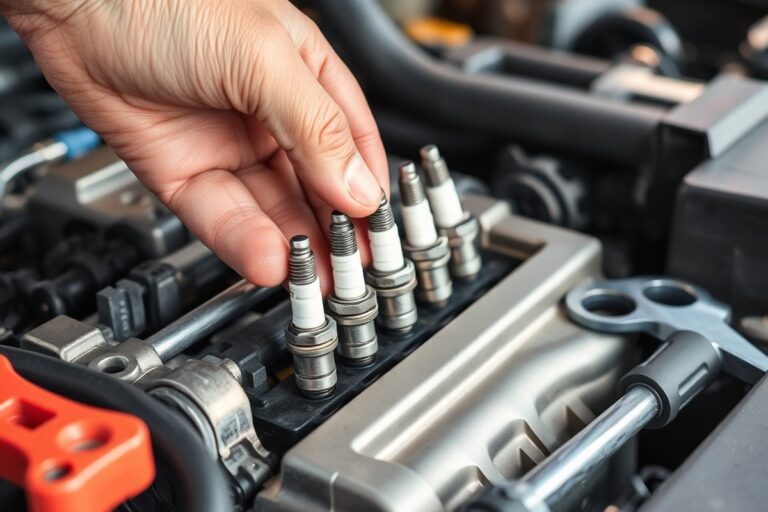
Pairing regular fuel cleaners with premium spark plugs, like those with DiamondFIRE electrodes from E3 Spark Plugs, supports efficient combustion and can extend spark plug service life. Spark plugs work better with a cleaner fuel system, converting fuel energy into power without misfires or deposits.
Seasonal Use and Fuel Quality Impact
Seasonal changes, especially cold weather, can cause fuel to thicken slightly and increase deposits in the fuel system. Adding a fuel injector cleaner before winter helps reduce gumming and keeps fuel flowing smoothly at low temperatures. During warmer months, cleaner fuel might reduce carbon deposits from increased evaporation and engine stress.
Fuel quality itself varies by region and season, and sometimes gas stations use ethanol blends that may increase potential for fuel system deposits. Using a quality injector cleaner can counteract these effects by breaking down deposits and stabilizing fuel quality.
- Apply injector cleaner every 3,000 to 6,000 miles, adjusting for vehicle use and mileage
- Use a cleaner before winter to prevent cold-weather fuel system issues
- Consider additives when using ethanol-blended fuels
- Follow your vehicle’s manual for fuel filter and injector service
- Replace spark plugs as recommended and use compatible plugs with additives
- After heavy-duty injector cleaning, consider checking or changing the fuel filter
- Pair fuel additives with premium spark plugs for best results
Compatibility with Other Engine Maintenance
Fuel injector cleaners generally do not void vehicle warranties but always check your warranty terms and consult your dealer. These products work best alongside routine maintenance rather than replacing professional service. For example, changing the fuel filter as advised in your manual remains important, especially after intensive injector cleaning treatments to avoid trapping loosened debris.
High-performance spark plugs designed to withstand additive use, such as E3’s DiamondFIRE plugs, support cleaner combustion and better fuel economy. Combining cleaner use with recommended spark plug replacement intervals keeps the engine running smoothly. Injector cleaners do not substitute for actual injector or ignition system repairs but can extend maintenance intervals and optimize performance.
Always follow your vehicle’s manual and use injector cleaners as a supplement, never a replacement, for scheduled maintenance tasks.
Step-by-Step Action Plan for Using Fuel Injector Cleaners
Follow these steps to get the most from a fuel injector cleaner and monitor your engine’s response.
- Before you start: Check your owner’s manual or fuel cleaner instructions to pick the right product for your engine type.
- Day 1: Fill your gas tank halfway with fuel and add the recommended amount of fuel injector cleaner as directed on the bottle.
- Week 1: Drive normally and watch for smoother idling, easier starts, or improved throttle response as signs the cleaner is working.
- Week 2: After using up that tank of treated fuel, refill with regular fuel and observe if any improvements persist.
- Month 1: Repeat the fuel cleaner treatment if performance issues remain, but do not exceed frequency guidelines to avoid potential engine harm.
- Ongoing maintenance: Use fuel injector cleaners every 3,000 to 5,000 miles to help prevent buildup but rely on mechanical inspection for persistent problems.
- If issues continue: Schedule a professional diagnostic to check for mechanical faults that fuel cleaners cannot fix.
Frequently Asked Questions
How Long Does It Take for a Fuel Cleaner to Work?
Fuel cleaners usually show results after one tank of treated fuel, but full benefits might appear after several fills; this allows time for the cleaner to break down deposits and improve injector flow.
Can Fuel Cleaner Cause Problems?
Using too much or the wrong type of fuel cleaner can harm engine components; always follow product instructions to avoid damage and ensure effectiveness.
Is It Good to Put Fuel Injector Cleaner in Your Gas Tank?
Yes, adding fuel injector cleaner to your gas tank helps remove carbon deposits and improves fuel economy when used correctly and regularly.
Can You Put Too Much Fuel Injector Cleaner in Your Gas Tank?
Yes, overusing fuel injector cleaner can cause buildup or damage; stick to recommended dosages to protect your fuel system.
Do Fuel Injectors Need Cleaning in New Cars?
New cars under about 30,000 miles usually don’t need fuel injector cleaning due to cleaner modern fuels and engine designs.
Are Fuel Injector Cleaners Compatible with All Gasoline Types?
Most fuel injector cleaners work with regular gasoline, but some high-concentration diesel formulas won’t suit gasoline engines.
Key Points to Remember
Fuel injector cleaners can improve engine performance if used correctly and at the right time. You’ll notice smoother running and better fuel efficiency when deposits are the cause of your issues. Start by choosing a cleaner designed for your type of engine and monitor your vehicle’s response closely. Consulting a mechanic remains essential if problems persist beyond what fuel additives can fix.