
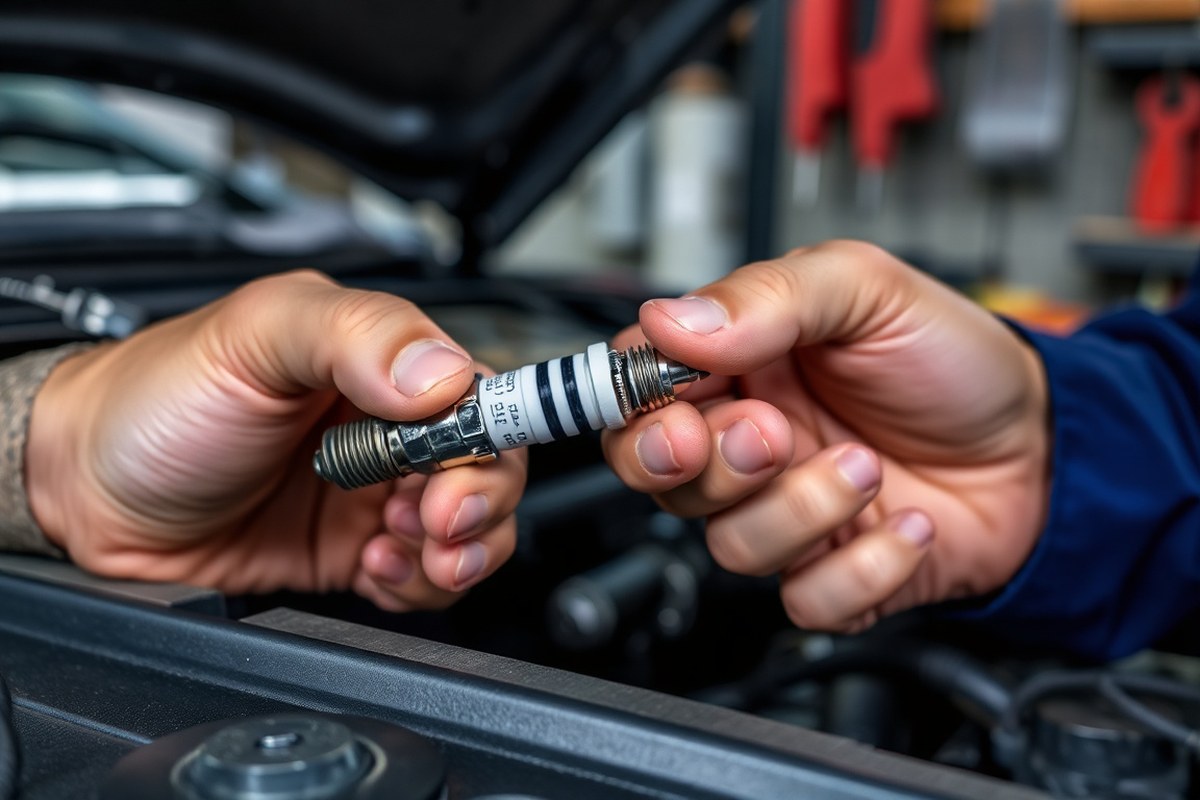
How Do I Know If I Need Spark Plugs? 8 Clear Signs and Expert Advice
How do I know if I need spark plugs? Signs like rough idling, poor acceleration, trouble starting, or decreased fuel economy often point to worn spark plugs. Checking these symptoms early helps prevent engine damage and costly repairs. Start by listening for engine misfires or feeling unusual vibrations, as these are common indicators that spark plugs aren’t firing correctly.
Key Takeaways
- Replace spark plugs every 30,000 to 50,000 miles to maintain engine efficiency.
- Different spark plug types, copper, platinum, iridium, offer varying lifespans and performance benefits.
- Visually inspect spark plugs for deposits, wear, or damage before deciding on replacement.
- Driving habits and engine conditions, like clogged air filters, can accelerate spark plug wear.
- Worn spark plugs can lower fuel economy by up to 30% due to incomplete combustion.
- The cost to replace spark plugs generally ranges from $100 to $200, including parts and labor.
1. How to Tell If Your Spark Plugs Need Replacing

Bad spark plugs often reveal themselves through several clear signs that affect your vehicle’s performance and drivability. One main indicator is engine misfires. When spark plugs weaken, they fail to ignite the air-fuel mixture properly, causing cylinders to misfire, especially when the engine works hard, such as during acceleration or climbing hills. Multiple misfires can trigger your vehicle’s check engine light, signaling an issue that needs immediate attention.
Your car may have trouble starting or run unevenly at low speeds because worn spark plugs cannot generate a steady spark essential for proper combustion. This leads to quick power loss and less efficient engine operation. Fuel efficiency often drops significantly, sometimes by as much as 30%, since worn plugs cause incomplete burning of fuel.
Ignoring these symptoms risks further damage. Persistent misfires can lead to overheating and even damage components like the catalytic converter, which means costly repairs down the line. Having your spark plugs inspected as soon as you notice any issues helps keep the engine healthy.
- Difficulty starting engine or slow starts
- Engine misfires or sputters during acceleration
- Noticeable drop in fuel efficiency
- Engine running rough or shaking at idle
- Check engine light illuminated
- Reduced engine power under load
- Exhaust smell like fuel or strong emissions
To know for certain, a spark plug inspection involves removing a plug and checking its condition for wear, deposits, or damage, which a mechanic can do for around $50 to $100 including labor. Some vehicle owners with basic tools and car knowledge can check the plugs themselves within 30 minutes. Good spark plugs typically have a light tan or grayish insulator tip; black, oily, or heavily burned plugs indicate replacement is needed. Staying ahead of these signs by testing or changing spark plugs every 30,000 to 50,000 miles can prevent performance problems before they start.
2. What Different Types of Spark Plugs Are Available and Their Lifespan

Spark plugs come in several material types, each with different lifespans, costs, and ideal vehicle uses. Choosing the right plug depends on your vehicle’s engine design, driving habits, and budget. Copper plugs are the most affordable and work well for older engines but need replacement more frequently. Platinum plugs offer a good middle ground with longer durability and moderate cost. Iridium plugs last the longest and perform best in high-mileage or heavy-duty vehicles but come at a higher price.
Understanding these differences helps you match spark plugs to your car’s needs, ensuring optimal engine performance and fuel efficiency. Using the wrong type or poor-quality plugs may cause misfires, poor acceleration, or increased fuel consumption.
| Spark Plug Type | Typical Lifespan | Cost Level | Best For |
|---|---|---|---|
| Copper | 20,000, 30,000 miles | Low | Older engines, budget replacements |
| Platinum | 60,000, 100,000 miles | Medium | Mixed fleet vehicles |
| Iridium | 100,000+ miles | Higher | High-mileage fleet vehicles |
To choose the right spark plug, check your vehicle’s manual for manufacturer recommendations and consider typical driving conditions. For daily commuting or older cars, copper plugs are cost-effective but expect replacements every 20,000 to 30,000 miles. If you prefer longer intervals without sacrificing performance, platinum plugs suit a range of vehicles and last up to 100,000 miles. For high-performance or long-haul vehicles, investing in iridium plugs offers durability beyond 100,000 miles, reducing maintenance frequency.
Keep in mind incorrect installation or using an incompatible plug can cause premature failure regardless of type. Proper gap settings and regularly checking for fouling will maintain spark quality and engine efficiency.
Tip: Always verify spark plug gap and type against your vehicle’s specifications to avoid premature wear or engine issues.
3. How Often Should Spark Plugs Be Replaced? Understanding Intervals
Typically, spark plugs in standard passenger vehicles should be replaced every 30,000 to 100,000 miles, depending on the type of spark plugs and manufacturer recommendations. For example, copper spark plugs usually require replacement closer to the 30,000-mile mark, while platinum and iridium plugs can last up to 60,000 to 100,000 miles. Checking your vehicle’s owner manual or maintenance schedule is critical because each make and model has specific intervals set by the manufacturer based on engine design and performance needs. Following these intervals prevents the engine from misfiring, reduces emissions, and maintains fuel efficiency.
Intervals differ for motorcycles and lawnmowers due to their distinct engine sizes and operating conditions. Most motorcycles require spark plug replacement roughly every 10,000 to 20,000 miles, depending on the engine type and operating intensity. Small engines found in lawnmowers and other garden equipment often need spark plug changes every 25 to 50 hours of operation or once per mowing season. These machines typically operate at higher RPMs for short bursts, which can wear plugs faster than in cars driven at varying speeds over long distances.
Maintenance habits affect how soon you’ll need to replace spark plugs. Driving habits that involve frequent short trips, heavy acceleration, or stop-and-go traffic create more carbon deposits on plugs and shorten their life. Using the correct type of gasoline and maintaining a clean air filter also help extend spark plug longevity by ensuring proper combustion. Also, regular vehicle tune-ups offer an opportunity to inspect and clean spark plugs, delaying the need for replacement. Ignoring regular checks or relying on the plugs to fail before replacement leads to reduced engine power and higher fuel consumption, which raises operating costs over time.
You can keep track of your spark plug replacement by noting the mileage at the last change and marking your calendar or maintenance app for the next interval as recommended by your vehicle’s manual. For example, if your car’s manual suggests replacing iridium spark plugs every 100,000 miles and you replaced them at 60,000 miles, plan for the next swap around 160,000 miles. In practice, routine maintenance visits should include spark plug checks, so mechanics can advise if early replacement is necessary due to unusual wear or deposits.
Since spark plug prices vary by type, you can expect basic copper plugs to cost between $5 to $10 each, while platinum or iridium plugs range from $10 to $20 each. Labor at a shop can add approximately $40 to $100 depending on the vehicle’s engine accessibility. DIY replacement is possible for those comfortable with engine components, but professional service ensures correct installation and gap settings that prevent premature failure. Staying ahead of spark plug maintenance with a proactive schedule helps avoid costly issues like rough idling, poor acceleration, or engine misfire.
4. How to Visually Inspect Spark Plugs for Wear and Damage
Visual inspection of spark plugs reveals clear signs when replacement is needed. Look for black carbon deposits, electrode wear, cracks in the insulator, and oily accumulation. These telltale marks affect spark quality, leading to engine misfires and poor performance.
Carbon Buildup and Soot
Carbon buildup appears as black, dry, sooty deposits on the spark plug’s electrodes and insulator tip. It usually means your engine is running a rich fuel mixture with too much fuel and not enough air. This incomplete combustion leaves carbon deposits that insulate the spark plug, preventing it from firing properly.
Check plugs by removing them from the engine once cooled, then examine the tip closely under good light. Excessive black soot covering the central and ground electrodes signals the need for replacement. Sometimes, light carbon deposits can be cleaned using a wire brush or carbon cleaner, but heavy buildup typically means the plugs are past their prime.
Worn or Rounded Electrodes
The electrodes on spark plugs wear down over time due to heat, electrical arcing, and normal use. A healthy electrode has sharp, square edges and a clean gap between the center and ground electrodes. When worn, electrodes look rounded or eroded. This widens the spark gap, making it harder for the plug to generate a strong spark.
Use a feeler gauge to measure the gap and compare it to your vehicle specifications. If the electrodes show obvious wear or the gap exceeds the recommended range, it indicates the plugs need replacing. Worn electrodes cause poor ignition, engine misfires, reduced acceleration, and lower fuel efficiency.
Cracked or Damaged Insulators
The insulator is the white ceramic part of the spark plug, designed to isolate the electrode electrically. It should be smooth and free of any cracks or chips. Cracks in the insulator can cause spark leakage or misfiring and are a sign that the plug is damaged beyond repair.
To inspect, look closely for hairline fractures, chips, or broken tips. Damage happens from improper installation, engine vibration, or over-tightening. Damaged insulators warrant immediate replacement to prevent poor engine performance or potential damage to the ignition system.
Oil Fouling and Deposits
Oil fouling appears as wet, oily deposits on the spark plug insulator and electrodes. This usually points to worn piston rings or valve guides allowing engine oil to enter the combustion chamber. Oil fouling causes misfires and rough engine operation because the spark can’t jump through the oily layer.
Visual signs include black, shiny coatings or wet oily buildup. Oil-soaked plugs need replacement, and the underlying issue causing oil leakage should be diagnosed by a technician. Cleaning may provide a temporary fix, but oil deposits quickly return if the engine problem persists.
- Black, dry soot suggests rich fuel mixture or carbon buildup
- Rounded or eroded electrodes mean wear and gap increase
- White ceramic insulator should be crack-free and intact
- Oily deposits indicate engine oil entering combustion chambers
- Electrode gap should match vehicle specs with no excessive wear
- Clean light carbon deposits with a wire brush only if electrodes are undamaged
- Replace plugs immediately if insulators are cracked or heavily fouled
5. What Factors Cause Spark Plugs to Wear Out Faster
Spark plugs wear out faster when affected by contamination, installation errors, engine problems, or poor maintenance. Contaminants like oil, fuel, or carbon deposits coat the spark plug tip, preventing it from firing correctly. For example, leaking valve seals can let oil foul the plugs, causing misfires that make the engine sputter or idle roughly. When plugs don’t fire efficiently, the engine runs lean or unevenly, which lowers performance and reduces fuel economy.
Dirty air filters can indirectly harm spark plugs by restricting airflow to the engine. Limited air supply means incomplete combustion, leaving more carbon buildup on the spark plugs. Over time, this buildup causes misfires and can lead to early plug failure. Replacing the air filter every 12,000 to 15,000 miles or as recommended by your vehicle helps prevent this problem.
Improper installation is another common cause of premature spark plug failure. Tightening plugs too much can strip their threads or crack the ceramic insulator, while under-tightening leads to poor contact and potential overheating. Always use a torque wrench set to the manufacturer’s specs, typically between 13 and 25 ft-lbs depending on the engine. Cross-threading during installation can damage the cylinder head, which requires costly repairs and can cause plugs to loosen over time.
Engine issues like incorrect ignition timing or a malfunctioning fuel injector can also accelerate spark plug wear. These problems create abnormal combustion conditions, raising the temperature inside the cylinder and causing the spark plugs to degrade faster. Regular engine tune-ups will catch these problems early before they damage the plugs or other engine parts.
Maintenance neglect plays a significant role in spark plug lifespan. Skipping scheduled replacements or delaying repairs allows carbon deposits and fouling to build up. This increases the engine’s emissions and reduces efficiency. Using incorrect spark plugs not specified for your engine or poor-quality fuel can also shorten plug life by causing deposits or overheating.
Always follow your vehicle manufacturer’s torque specifications when installing spark plugs to avoid damage and ensure good engine performance.
6. Costs and Practicality: When to DIY and When to Call a Mechanic
Replacing spark plugs often costs less than many other car repairs and the job itself is usually straightforward for those comfortable with basic tools. However, knowing what tools to use, the skills required, and when to get expert help can prevent damage and save money in the long run.
Typical Spark Plug Replacement Costs
The cost to replace spark plugs commonly falls between $100 and $300 depending on your vehicle make, model, and the type of spark plugs used. Parts alone usually range from $10 to $20 per plug, but labor charges at a shop can add $40 to $100 per hour. Cars with easy engine access may take about an hour for a complete spark plug change, while those with tight spaces or turbochargers might take longer, increasing labor costs.
Choosing high-quality or specialty plugs can increase parts costs but improve performance and lifespan. Since replacing spark plugs on schedule prevents more expensive engine repairs, investing in timely replacement helps avoid the higher costs linked to ignition failure or engine misfire.
Tools Needed for DIY Replacement
To replace spark plugs yourself, gather these essential tools to make the job easier and safer:
- Spark plug socket (usually 5/8-inch or 13/16-inch) with a rubber insert to grip the plug
- A ratchet wrench and appropriate extension bar for hard-to-reach plugs
- A torque wrench to tighten the plugs to manufacturer specifications
- A spark plug gap gauge to check or adjust the electrode gap if needed
- A compressed air source or a small brush to clean the spark plug well
- Anti-seize compound for threads, if recommended by your vehicle’s service manual
Having the right tools prevents damage such as stripping threads or breaking plugs inside the cylinder head. Each vehicle may have access challenges, so patience and proper tool lengths can make the replacement smoother.
Safety and Skill Considerations
Replacing spark plugs requires some mechanical knowledge and caution. You need to:
- Allow the engine to cool completely to avoid burns
- Disconnect the battery to prevent electrical shocks when handling ignition wires or coils
- Remove ignition coils or wires without damaging them
- Use proper torque to avoid overtightening or under-tightening the plugs
- Ensure plugs are fully seated to prevent compression leaks
Errors can lead to engine misfires, stripped threads, or even costly cylinder head damage. Good manual skills and familiarity with your car’s engine layout reduce risks. Those who are unsure or lack confidence may find this task frustrating and risky.
When to Call a Professional
Seek professional help if access to spark plugs is difficult, such as on certain V6 or turbocharged engines where components block removal. Mechanics also have specialized tools for tight spots and can spot related issues during the service. Calling a professional is wise when:
- The engine design requires partial disassembly to reach the spark plugs
- You lack the proper tools, like a torque wrench or deep socket extensions
- You notice broken or stuck spark plugs when attempting removal
- Your vehicle shows multiple ignition problems beyond dirty or worn spark plugs
- You prefer to save time and avoid potential errors
Professional replacement ensures the spark plugs are installed correctly, preventing future misfires and damage. Labor time may be quick with an experienced technician, often keeping total costs reasonable compared to possible DIY mistakes.
7. Consequences of Driving with Bad or Failing Spark Plugs
Driving with bad spark plugs can lead to uneven engine performance and increased fuel consumption. Spark plugs ignite the air-fuel mixture inside each cylinder, so when they fail to create a strong, consistent spark, some of the fuel doesn’t burn properly. This unburned fuel not only lowers your gas mileage but also causes your engine to idle roughly and lose power. You’ll notice the engine hesitating or misfiring during acceleration, which reduces overall drivability.
Faulty spark plugs can contribute to engine misfires, which happen when one or more cylinders fail to fire at the right time. These misfires create vibrations and strain engine components, potentially leading to damage if left unaddressed. Over time, repeated misfires may affect the catalytic converter, a component that reduces harmful emissions, causing expensive repairs. Repairing or replacing a catalytic converter often costs hundreds to over a thousand dollars, so skipping spark plug maintenance can become costly in the long run.
Fuel economy suffers because the engine compensates for weak sparks by injecting more fuel to keep running. This delivers poorer mileage, sometimes reducing efficiency by as much as 30%, depending on the severity of the spark plug issue and your vehicle’s fuel system. More fuel consumption also means increased emissions, which may cause your vehicle to fail emissions inspections required in many states.
Ignoring bad spark plugs does more than just lower fuel efficiency and cause engine shakiness. Over time, the inconsistent combustion can lead to higher temperatures inside the engine, possibly damaging pistons and cylinder walls. Engine overheating risk increases if the plugs don’t ignite the mixture properly, as unburned fuel can ignite unexpectedly, creating hot spots. Repairs for this kind of internal damage are extensive and expensive, often involving engine teardown and replacement parts.
Replacing spark plugs when they start showing signs of wear costs between $50 and $150 for the parts and DIY labor. Having a mechanic replace them generally runs from $100 to $300, depending on the vehicle model and ease of access to the plugs. Investing in this maintenance prevents the risk of misfires, engine damage, and costly repairs down the road. Regular spark plug inspections and timely replacements keep your engine running efficiently and help avoid unnecessary expenses.
8. Maintenance Tips to Extend Spark Plug Life and Avoid Premature Replacement
Extending the life of your spark plugs depends largely on consistent maintenance of related engine parts. Regular attention to air filters, using the right oil and fuel, and ensuring proper installation help your spark plugs work efficiently without wearing out too soon. These steps keep your engine running smoothly and prevent premature spark plug replacement.
Regular Air Filter Replacement
The air filter plays a direct role in how well your spark plugs function. A clean air filter ensures the correct air-to-fuel mixture by allowing ample airflow. When the filter is clogged or dirty, it restricts air, causing a richer fuel mix that leaves carbon deposits on the spark plugs. This buildup leads to misfires and faster spark plug wear.
Check your air filter every 12,000 to 15,000 miles or once a year, whichever comes first. Driving in dusty or polluted areas means you should inspect and replace the filter more often. Replacing an air filter typically costs $15 to $30 and can be a quick DIY task, involving removing a cover, pulling out the old filter, and installing a new one.
Using High-Quality Oil and Fuel
The quality of the oil and fuel you use affects spark plug longevity. Synthetic oils protect engine parts better by reducing deposits that can foul spark plugs. Regular oil changes at the manufacturer’s recommended intervals (usually every 5,000 to 7,500 miles) help maintain low engine contamination levels.
Fuel quality is equally important. Lower-grade or contaminated gasoline can leave deposits on spark plugs, impairing ignition. Using recommended detergents and additive blends keeps the combustion chamber cleaner and can cost a few dollars more per tank but saves on spark plug replacements and engine repairs. Here’s how to maintain oil and fuel standards:
- Use oil grade specified in your owner’s manual
- Change oil and oil filter on schedule
- Choose fuel with detergent additives
- Avoid gasoline from unreliable sources
- Consider fuel injector cleaning every 30,000 miles
Avoid shortcuts like extended oil change intervals beyond manufacturer recommendations; this can cause deposits that shorten spark plug life.
Correct Spark Plug Installation
Installing spark plugs properly is key to their durability and performance. Using the right gap size ensures a strong, consistent spark. The proper torque prevents damage, too tight can crack the ceramic insulator, too loose can lead to poor heat transfer and misfires.
Refer to your vehicle manual for specific torque specs, usually between 13 and 20 foot-pounds depending on the model. A torque wrench and a gap tool are inexpensive tools worth investing in for DIY installs. Hand-tightening followed by a quarter turn with a wrench is not enough and increases the risk of early failure. Some tips for installation:
- Check and set the spark plug gap exactly as specified
- Apply a small amount of anti-seize compound on threads if recommended
- Install plugs by hand first to avoid cross-threading
- Use a torque wrench to tighten to specification
- Replace spark plugs in cool engine to avoid warping or damage
Keeping Engine Components Clean
Deposits from dirt, oil, or fuel residues in the combustion chamber and around spark plugs affect their operation and lifespan. Regularly cleaning or inspecting components like the throttle body, intake manifold, and catalytic converter helps maintain the right environment for spark plugs to work efficiently.
A clogged catalytic converter can restrict exhaust flow, causing back pressure and incomplete combustion that fouls spark plugs faster. You can monitor engine performance for symptoms like rough idling or loss of power, which indicate possible buildup. Routine cleaning involves:
- Inspecting and cleaning throttle body every 30,000 miles
- Using fuel system cleaners every 10,000 to 15,000 miles
- Promptly fixing oil leaks around spark plug wells
- Replacing air filters and PCV valves regularly
- Scheduling a catalytic converter inspection during major service intervals
Step-by-Step Action Plan to Check and Maintain Your Spark Plugs
Follow these steps to determine if your spark plugs need replacing and keep your engine running smoothly.
- Before your next drive: Check your vehicle’s maintenance schedule for spark plug replacement intervals in your owner’s manual to know when to inspect them.
- After 30,000 miles or as indicated: Perform a visual inspection of the spark plugs by removing one and looking for signs of wear like erosion, buildup, or damage.
- After inspection: Compare the spark plug condition to standard wear patterns to decide if replacement is needed; black soot means rich fuel mixture, worn electrodes mean they are past due.
- When you notice poor engine performance: Check for symptoms such as rough idling, misfires, or decreased fuel economy and consider spark plugs as a likely cause.
- When you decide to replace: Choose spark plugs that match your engine type and driving conditions; platinum or iridium plugs last longer but cost more.
- After replacement: Reset any engine warning lights and monitor engine performance over the next few days to confirm improvement.
- Ongoing: Keep your ignition system clean and inspect spark plugs regularly every 30,000 miles or sooner if driving conditions are harsh.
Frequently Asked Questions
How Much Does It Typically Cost to Replace Spark Plugs?
Replacing spark plugs usually costs between $10 and $30 per plug, depending on your vehicle type. Labor may add to the cost, especially if plugs are hard to reach, so get a quote from a mechanic if unsure.
What Kills Spark Plugs Quickly?
Spark plugs wear out faster due to factors like poor fuel quality, frequent short trips, or engine misfires. Avoiding harsh driving and maintaining your engine well can help extend their lifespan.
Is Replacing Spark Plugs a Big Job?
Replacing spark plugs is generally a straightforward task that many DIYers can handle. However, some cars have plugs in hard-to-reach places that might require special tools or professional help.
Will My Car Run Better with New Spark Plugs?
Yes, new spark plugs can improve engine performance, acceleration, and fuel efficiency by ensuring proper ignition. Worn plugs can cause misfires that reduce power and increase fuel consumption.
How Do You Know It’s Time to Replace Your Spark Plugs?
Signs include engine hesitation, poor acceleration, rough idle, or a check engine light. Also, if your plugs have reached 30,000 to 50,000 miles, they likely need replacing.
Can Dirty Spark Plugs Cause My Car to Stall?
Yes, dirty or fouled spark plugs can cause stalling by failing to ignite the fuel properly during engine operation.
Before You Go
Knowing when to replace your spark plugs helps maintain efficient engine performance and prevents costly repairs. Take the time to inspect and care for them as part of your routine maintenance. Start today by checking your car’s recommended replacement interval and schedule a spark plug inspection to ensure your vehicle runs smoothly.


