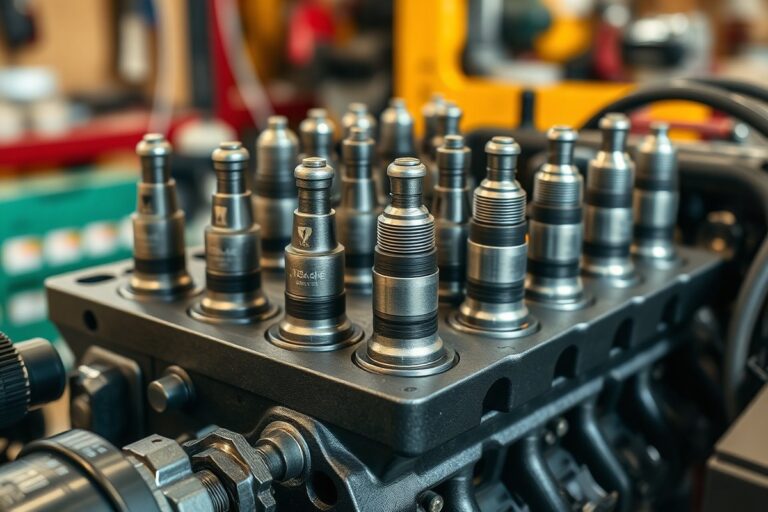
What Happens If Spark Plugs Are Bad: Symptoms, Risks & Replacement Guide
What happens if spark plugs are bad? Your engine will misfire, run rough, lose power, and waste fuel. Bad spark plugs disrupt combustion, making your car inefficient and unreliable. Checking your spark plugs early helps avoid costly repairs and keeps your engine running smoothly.
Key Takeaways
- Bad spark plugs often cause engine misfires and rough idling that worsen over time.
- Worn spark plugs lead to poor fuel economy and higher emissions due to incomplete combustion.
- Visually inspect spark plugs for black soot, oil deposits, or worn electrodes as signs of failure.
- Spark plug lifespan varies from 30,000 to 80,000 miles depending on plug material and vehicle.
- Driving with bad spark plugs can cause engine vibrations and damage ignition components.
- Replacing spark plugs on schedule helps maintain engine power and smoother acceleration.
What Happens to Your Engine If Spark Plugs Are Bad

Bad spark plugs disrupt the engine’s ability to ignite the air-fuel mixture efficiently, leading to misfires and rough idling. Each spark plug fires hundreds to thousands of times per minute, depending on your driving conditions, so any weakening or fouling directly diminishes combustion quality. When a spark plug cannot produce a strong, consistent spark, the engine cylinder may fail to ignite properly, causing noticeable drops in power and acceleration.
This poor combustion also reduces fuel efficiency. Instead of burning fuel cleanly, unburned gasoline leaves the engine, which means you get fewer miles per gallon. Incomplete combustion can increase harmful emissions from your vehicle because excess fuel passes into the exhaust system. Over time, continued misfires strain the catalytic converter, a important component responsible for reducing pollutants. This can cause overheating and eventual damage to the converter, leading to costly repairs.
Fouled spark plugs, often clogged with carbon deposits or oil residue, further worsen performance. These deposits prevent proper sparking by insulating the electrodes or changing the gap size, leading to inconsistent ignition timing. The engine compensates by working harder, which can increase wear on pistons and cylinders. If spark plugs become severely damaged or corroded, they may fail to fire altogether, causing the engine to stall or fail to start.
Using spark plugs that are incorrect for your vehicle, such as wrong size, gap, or heat range, can also contribute to overheating or premature wear. For example, plugs with an incorrect gap will not create a spark that reliably ignites the fuel mixture, leading to rough running and potential damage over time. Spark plugs that run too hot or too cold can cause either pre-ignition or fouling, both damaging to the engine’s internal components.
The cumulative effect of bad spark plugs is stress on other engine parts including ignition coils, fuel injectors, and sensors. Misfires force ignition coils to work harder, sometimes causing coil failure. Malfunctioning spark plugs also confuse engine control sensors, affecting overall engine management and diagnostics. This cascade of issues highlights why neglecting spark plug replacement can lead to extensive and expensive engine repairs.
Addressing bad spark plugs promptly keeps your engine running smoothly, preserving power and efficiency while minimizing wear. Replacing spark plugs according to the manufacturer’s schedule and ensuring the correct type and gap are used protects the ignition system and maintains engine health. Waiting too long risks not only degraded performance but also damage to components like the catalytic converter and the ignition system, which can cost hundreds to thousands of dollars to repair.
Common Symptoms That Indicate Bad Spark Plugs

Bad spark plugs cause several noticeable driving issues that help you recognize when they need attention. One of the first signs is a rough or unstable engine idle. The engine may shake or sound uneven because the spark plugs cannot provide a consistent spark to ignite the fuel-air mixture efficiently. This can make your car feel like it’s struggling or misfiring at low speeds.
A common symptom related to bad spark plugs is engine misfires. Misfires happen when a spark plug fails to ignite the fuel at the right moment. This causes your engine to lose power briefly or jerk forward unexpectedly during regular driving. Inconsistent firing disrupts engine performance and leads to jerking or hesitation.
The check engine light often turns on due to faulty spark plugs, especially if misfires occur regularly. This warning signals your vehicle’s onboard diagnostics detected poor combustion or a firing problem. While this light can indicate various issues, pairing it with poor engine performance usually points toward spark plug problems.
Fuel efficiency noticeably declines when spark plugs become worn or fouled. Since the spark plugs cannot fully burn the fuel, your engine has to work harder to maintain power. This inefficiency leads to increased fuel consumption and higher running costs. Unburned fuel also builds up in the combustion chamber, causing further problems.
- Rough or unstable engine idle causing shakes or vibrations.
- Engine misfires, hesitation, or jerking while driving steadily.
- Check engine light illuminating because of poor ignition.
- Reduced fuel economy due to incomplete fuel combustion.
- Loss of engine power or slower acceleration.
- Hard starts or engine stalls at low speeds.
Recognizing these symptoms early lets you act before the issues worsen and possibly damage the engine. Replacing spark plugs typically costs between $50 and $150 depending on your vehicle and the type of plugs used, which is far less than major engine repairs. Watching for these clear signs saves you money on fuel and maintenance in the long run.
Check the check engine light scanner for codes related to misfires or ignition issues to confirm if spark plugs are the culprit before paying for repairs.
How to Visually Identify a Bad Spark Plug
You can visually identify a bad spark plug by removing it from your engine and examining it closely for signs of wear, fouling, or physical damage. Look specifically at the electrode, insulator, and the overall condition of the plug to determine if it is fouled, worn, cracked, or contaminated. These indicators reveal whether the spark plug can still ignite the air-fuel mixture properly or if it needs cleaning or replacement.
Worn Electrode and Gap Issues
The electrode on a spark plug wears down gradually through use and causes the spark gap to widen beyond the manufacturer’s specification. Over time, this wear can make the spark weaker or inconsistent, leading to ignition problems. The electrode’s edges will look rounded and thinner instead of sharp and well-defined. Measuring the gap with a feeler gauge will help confirm if it’s too wide. The gap should not be noticeably larger than the recommended 0.028 to 0.060 inches (varies by vehicle), the spark plug likely needs replacement rather than just cleaning, since wear cannot be reversed.
Worn electrodes matter because they reduce spark intensity and can cause misfires or rough engine operation. Checking this condition requires removing the spark plug and using a gap tool; you don’t need any special training, but careful handling is essential to avoid further damage. A worn electrode is a sign the spark plug has reached or is near the end of its life.
Cracked Insulator and Physical Damage
The ceramic insulator in the center of the spark plug can crack or chip from heat stress or physical impact. This damage is visible as visible cracks, fractures, or pieces missing from the white ceramic area. A cracked insulator disrupts the spark discharge because it can allow electricity to escape or short circuit, causing engine misfires that cleaning or gapping won’t fix. Spotting even a small crack means the plug must be replaced right away to prevent further engine problems.
Physical damage also includes damaged or stripped threads on the metal body or a broken ground electrode. These issues either prevent proper installation or affect the spark plug’s ability to create a spark consistently. Avoid reinstalling any spark plug with visible physical damage, as that can cause bigger problems like cylinder head damage or poor engine performance.
Oil and Carbon Fouling Patterns
Oil fouling appears as a wet, oily coating on the insulator tip and electrodes. This classic fouling suggests oil entering the combustion chamber, often due to worn piston rings or valve guides. Such a spark plug won’t ignite the mixture reliably because the oil damps the spark. While minor carbon deposits can be cleaned off using a wire brush or special carbon cleaner, heavy oily coating means cleaning won’t restore proper function; replacement is necessary.
Carbon fouling looks like black, dry, sooty deposits covering the electrode and insulator tip. This buildup results from incomplete combustion or a rich fuel mixture. Light carbon deposits can sometimes be scraped off, but heavy thick layers indicate the plug is not firing properly and needs changing. Regular inspection can catch these fouling signs early before they lead to serious engine misfire or damage.
Other Visual Signs of Spark Plug Failure
Beyond wear and fouling, other signs of spark plug failure include rust or corrosion on the metal threads and body, which can make removal difficult and affect electrical conductivity. Excessive deposits that don’t look like typical carbon or oil, such as white or blistered glaze, point to overheating. Overheated spark plugs usually have a melted or blistered appearance and fail to work effectively, signaling engine timing or cooling system problems.
Lastly, inspect the spark plug’s seal area and porcelain for any signs of blistering, melting, or unusual discoloration. These symptoms often accompany misfires or detonation issues and require prompt replacement to avoid costlier repairs. Spark plugs typically last between 30,000 and 60,000 miles depending on type and conditions, so frequent visual checks help avoid unexpected engine problems.
What Causes Spark Plugs to Fail or Go Bad
Spark plugs wear out or fail prematurely due to a mix of mechanical, environmental, and operational factors. Overheating is a common cause that speeds up electrode wear. When the spark plug heats beyond its design limit, usually above 900°F (480°C), it can cause the electrode to erode or even melt, reducing its efficiency in igniting the fuel-air mixture. This overheating often results from engine problems such as incorrect ignition timing, a lean air-fuel mixture, or using spark plugs with a heat range that is too hot for the engine.
Incorrect installation also leads to early failure. Installing spark plugs with the wrong gap size or torque can cause poor contact or damage to the threads, meaning the spark may not jump correctly or the plug may loosen over time. Using a spark plug type that doesn’t match your vehicle’s specifications affects performance and durability. For example, using a platinum plug in an engine designed for copper plugs can cause fouling or premature wear.
Environmental factors play a significant role in spark plug condition. Rapid temperature changes, moisture, and contaminants from road conditions influence how quickly spark plugs foul or wear out. Moisture can cause corrosion or short-circuits across the electrodes. Dust and dirt on rough roads can accumulate deposits that interfere with proper sparking. Cold climates may cause spark plugs to run cooler, which sometimes leads to fouling from unburnt fuel residues.
Your driving habits also influence spark plug lifespan. Frequent short trips prevent the engine and spark plugs from reaching optimal operating temperatures. This leads to carbon build-up on the plugs, known as fouling, which affects ignition performance. Aggressive driving with rapid acceleration and deceleration causes the engine to work harder, increasing combustion chamber temperatures and potentially overheating the spark plugs. Conversely, cruising at steady speeds under moderate engine loads typically results in longer spark plug life.
Fuel mixture adjustments impact plug wear, too. A rich mixture floods the spark plug with excess fuel that doesn’t burn completely, leading to carbon deposits and fouling. Lean mixtures cause higher combustion temperatures that wear the plugs faster. Underlying engine malfunctions like faulty fuel injectors or ignition coils can worsen these issues by altering combustion conditions unpredictably.
Spark plugs generally last between 30,000 and 100,000 miles, depending on their material (copper, platinum, or iridium) and engine conditions. Monitoring your vehicle’s fuel economy, engine performance, and spark plug condition during routine maintenance helps identify when wear accelerates. Using the correct spark plugs and ensuring proper installation by a qualified mechanic reduces the risk of premature failure attributed to these common causes.
When and How Often Should You Replace Spark Plugs
Replacing spark plugs at the right time keeps your engine running smoothly and can prevent costly damage. Most manufacturers recommend replacing spark plugs every 30,000 miles, but the exact interval varies depending on the plug material and driving conditions. For example, copper plugs typically require replacement closer to that 30,000-mile mark, while platinum or iridium plugs can last 60,000 to 100,000 miles.
Sometimes, spark plugs can be faulty without causing immediate symptoms. Your engine might still start and run, but its performance may gradually decline, or fuel efficiency might drop unnoticed. Ignoring these signs allows engine misfires or rough idling to worsen, which speeds up potential damage. Experiencing engine hesitation or longer cranking times means you should inspect and possibly replace the spark plugs immediately.
| Spark Plug Material | Recommended Replacement Interval (miles) | Common Usage Conditions |
|---|---|---|
| Copper | 20,000 – 30,000 | Older vehicles, basic engines |
| Platinum | 60,000 – 90,000 | Standard to high-performance engines |
| Iridium | 90,000 – 100,000+ | Modern engines with long-life intervals |
| Symptom-based Replacement | N/A | When misfires, rough idling, or fuel inefficiency appear |
Keep in mind that driving conditions like frequent short trips, heavy idling, or tow loads accelerate spark plug wear. Notice symptoms like engine misfires or poor starting? Replace the spark plugs regardless of mileage. Prompt replacement limits further wear on the engine’s ignition system and helps maintain fuel economy.
Engine damage from bad spark plugs can progress within weeks to months if ignored. Misfires cause unburned fuel to enter the exhaust, leading to catalytic converter damage over time. The longer you delay replacing worn plugs, the more expensive repairs may become.
Tip: Check your vehicle’s owner manual for the specific spark plug type and replacement interval; using the correct plugs and timely replacement minimize engine issues and maintain optimal performance.
Is It Safe to Drive with Bad Spark Plugs?
You can drive with bad spark plugs for a short time, but it is not safe to keep doing so for long. Faulty spark plugs cause your engine to misfire, reducing performance and fuel efficiency. A heavily fouled spark plug that fails to fire can cause your engine to stall without warning, creating a hazard in traffic or on highways. Driving with bad spark plugs also increases harmful emissions, which is a risk for the environment and might cause your vehicle to fail emissions inspections.
Driving with dirty or fouled spark plugs risks serious engine damage. Misfires allow unburned fuel into the exhaust, which can harm the catalytic converter and lead to expensive repairs. Addressing spark plug issues promptly usually involves just replacing the plugs, but delaying repairs raises costs and risks engine harm.
It’s best to stop driving and get a professional inspection once you notice symptoms like rough idling, trouble starting, or reduced acceleration. These are signs your spark plugs are not working properly. A check engine light that remains on should prompt a timely inspection of your vehicle. Driving beyond this point increases risks. In colder conditions, spark plugs need to reach a certain temperature to work efficiently, so prolonged idling or slow driving can reduce their lifespan, making it more important not to delay repairs.
Spark plug replacement typically costs between $100 and $200 at a service center, depending on your vehicle and the spark plug type. Replacing spark plugs is a standard maintenance task every 30,000 to 100,000 miles, based on the manufacturer’s recommendation. Driving with worn or damaged plugs beyond that interval increases the chance of breakdowns. A quick inspection by a technician can confirm if your plugs have melting, erosion, or heavy deposits on the electrodes, which means it’s time to replace them.
How to Replace Spark Plugs: Tools and Step-by-Step Guide
Replacing spark plugs requires some basic tools and careful steps to avoid damage to the engine or the new plugs. Doing it right ensures better engine performance and prevents misfires or rough idling. Focus on working cleanly and methodically while following vehicle-specific recommendations.
Essential Tools Needed for Replacement
You will need a few specific tools to replace spark plugs safely and efficiently. At minimum, get a spark plug socket that fits your vehicle’s plugs, a ratchet wrench, and an extension bar to reach deep plugs. Using the right size socket helps prevent rounding off plugs.
Other helpful tools include a torque wrench to tighten the plugs to the manufacturer’s recommended specification, anti-seize lubricant for the plug threads to ease future removal, and a gap gauge to verify spark plug gap if the new plugs aren’t pre-gapped. A compression tester is optional but useful for diagnosing engine health before replacing plugs.
Removing Old Spark Plugs Safely
Removing spark plugs carefully prevents damage to the threaded holes in your cylinder head. Before starting, ensure the engine is fully cool, as parts can be hot enough to cause burns and could warp metal threads if forced when warm.
- Disconnect the battery to avoid electrical shorts while working on ignition parts.
- Remove any engine covers or air intake components blocking access to the spark plugs.
- Label or note the position of each spark plug wire or ignition coil to reconnect them correctly after service.
- Remove the spark plug wires or coils carefully by pulling on the boot, not the wire, to avoid damage.
- Use the spark plug socket with the extension and ratchet to loosen and remove each plug by turning counterclockwise.
Make sure to keep any debris out of the spark plug holes during removal and avoid using excessive force if a plug feels stuck. Use penetrating oil and gentle rocking motions if necessary to loosen seized plugs.
Installing New Spark Plugs Correctly
Proper installation of new spark plugs prevents engine damage and ensures optimal performance. Check that each new plug’s gap matches your vehicle’s specifications using a gap tool. Some plugs come pre-gapped but verify before installation.
- Apply a thin coat of anti-seize lubricant to the plug threads unless your plugs come pre-coated.
- Carefully hand-thread each spark plug into its hole to avoid cross-threading.
- Use a torque wrench to tighten plugs to the manufacturer’s recommended torque, often between 13 to 22 lb-ft, depending on engine type.
- Reconnect the spark plug wires or ignition coils in the correct order, ensuring a secure fit.
- Reinstall any engine covers or components removed earlier.
Do not overtighten spark plugs; this can strip threads or crack ceramic insulators, which leads to engine misfires. Proper torque prevents these issues and maintains a reliable spark.
Post-Replacement Checks and Testing
Checking your work after replacing spark plugs helps avoid further issues. Reconnect the battery and start the engine to listen and feel for smooth operation. The engine should idle steadily without hesitation or unusual noises.
Use an OBD-II scanner to check for any diagnostic trouble codes related to ignition. If you notice poor engine performance or a check engine light stays on, recheck spark plug connections and torque.
Look for any signs of oil or coolant leaks around the plug holes that might indicate other engine problems needing attention. Regularly replacing spark plugs on schedule, usually every 30,000 to 100,000 miles depending on type, helps maintain fuel efficiency and engine performance.
Choosing the Right Spark Plugs for Your Vehicle
Choosing the right spark plug depends on the type of spark plug material, how often you drive, and your vehicle’s engine specifications. Each spark plug type, copper, platinum, and iridium, offers different lifespan and cost benefits. Matching these with your driving style helps maintain engine performance and reduces repair expenses.
Copper Spark Plugs: Pros and Cons
Copper spark plugs have been used for decades and remain popular for their excellent conductivity. They deliver a strong spark, which is beneficial for older engines or vehicles that don’t require advanced plug materials. The main drawback is their shorter lifespan, typically around 20,000 to 30,000 miles.
They are the most affordable option, usually costing between $2 and $5 per plug. Copper plugs work well if you drive mostly in short trips or stop-and-go traffic but need to replace them more frequently to avoid performance issues like extended crank time or engine stalling.
Platinum Spark Plugs: Advantages and Drawbacks
Platinum spark plugs use a platinum disc on the center electrode, which increases durability and heat resistance. This design can handle around 60,000 miles before requiring replacement. They offer better longevity than copper plugs while delivering consistent spark energy.
Priced in the mid-range, platinum plugs typically cost $10 to $15 per plug. They suit drivers who cover moderate mileage and want to balance maintenance intervals and cost. The downside is that platinum plugs may not deliver quite as strong a spark as copper plugs, but they reduce the risk of misfires and fouling better.
Iridium Spark Plugs: Long-Term Benefits
Iridium spark plugs use a very fine iridium tip that provides higher durability and more efficient ignition, often rated to last 100,000 miles or more. They require less frequent replacement, which can reduce long-term maintenance costs despite a higher upfront price. Iridium plugs generally cost between $15 and $25 each.
They are best for modern engines and vehicles designed to optimize fuel efficiency and emissions. Iridium plugs maintain consistent performance under high temperature, making them ideal for highway driving, towing, and higher-performance engines. Poor plug condition is less likely to cause rough idling or stalling when using iridium.
Matching Spark Plug Type to Vehicle Needs
Choosing the right spark plug depends on your vehicle type, manufacturer recommendations, and driving habits. Use this table to compare the key features:
| Type | Lifespan (miles) | Cost Per Plug | Best For | Tradeoffs |
|---|---|---|---|---|
| Copper | 20,000, 30,000 | $2, $5 | Older vehicles, short trip driving | Frequent replacement, less durable |
| Platinum | 50,000, 60,000 | $10, $15 | Moderate mileage, balanced cost & longevity | Moderate spark strength, better durability |
| Iridium | 90,000, 100,000+ | $15, $25 | Newer vehicles, long highway drives, high performance | Higher cost upfront, longest lifespan |
For light city driving and older cars, copper plugs make sense if you’re prepared for more frequent changes. Platinum plugs work well if you want fewer interruptions and moderate mileage without a big upfront investment. Iridium plugs offer the best overall performance but cost more initially, making them worth it for drivers who put on heavy miles or demand engine efficiency.
Always check your owner’s manual for the recommended spark plug type to avoid engine problems caused by improper timing or spark strength.
Step-by-Step Action Plan to Fix Bad Spark Plugs
This quick plan helps you identify, replace, and test spark plugs to restore your engine’s performance.
- Day 1: Inspect your spark plugs visually to check for damage, carbon buildup, or wear. Look for signs like black soot or worn electrodes.
- Day 2: Compare the condition of your plugs to manufacturer specifications found in your owner’s manual or parts guide. Confirm they need replacement.
- Day 3: Purchase the correct spark plugs based on your vehicle’s make, model, and engine type. Choose plugs rated for your engine’s needs.
- Day 4: Gather tools: spark plug socket, ratchet, gap gauge, and torque wrench. Prepare your workspace and disconnect the battery for safety.
- Day 5: Remove the bad spark plugs carefully, one at a time, to prevent mixing up wires or coils.
- Day 6: Check and adjust the gap on each new spark plug using a gap gauge to match your vehicle’s requirements.
- Day 7: Install the new plugs using the proper torque to avoid damage. Reconnect wires or coils securely.
- After installation: Start the engine and listen for smooth running. If idling improves and hesitation stops, the replacement worked.
Frequently Asked Questions
What Happens If I Drive with a Bad Spark Plug?
Driving with a bad spark plug causes poor engine performance and can lead to misfires. This may result in reduced fuel efficiency and increased emissions, so it’s best to fix the issue promptly to avoid costly engine damage.
How Much Does It Typically Cost to Replace Spark Plugs?
Replacing spark plugs usually costs between $100 and $300, depending on your car model and labor rates. Higher-performance or hard-to-reach spark plugs may increase the price.
What Are the Symptoms of a Bad Spark Plug?
Common symptoms include engine misfires, rough idling, difficulty starting, and decreased fuel economy. You might also notice jerking or hesitation during acceleration.
What Kills Spark Plugs Quickly?
Factors like poor fuel quality, carbon buildup, frequent short trips, and incorrect spark plug type can cause plugs to wear out faster. Aggressive driving can also reduce their lifespan.
Can Bad Spark Plugs Damage the Catalytic Converter?
Yes, misfires from faulty spark plugs can harm the catalytic converter over time by causing unburned fuel to enter the exhaust system.
How Often Should Spark Plugs Be Inspected Aside from Scheduled Replacement?
Inspect spark plugs every 30,000 miles or during regular tune-ups to catch issues early and maintain engine health.
The Bottom Line
Bad spark plugs directly affect engine performance and fuel efficiency, so addressing them promptly keeps your car running smoothly. Taking the time to inspect and replace plugs according to your vehicle’s needs prevents long-term damage. Next, set a reminder to check your spark plugs every 30,000 miles or as recommended in your manual to avoid future engine troubles.