
Can Bad Spark Plugs Cause Overheating? What Actually Happens Inside Your Engine
Can bad spark plugs cause overheating? Yes, faulty or worn spark plugs can contribute to engine overheating by disrupting the combustion process and creating excess heat in the engine. Maintaining proper spark plug function helps regulate engine temperature and avoid unnecessary strain on the cooling system. To prevent overheating linked to spark plugs, inspect and replace them regularly every 30,000 to 100,000 miles, following your vehicle manufacturer’s recommendations.
Key Takeaways
- Replace spark plugs according to manufacturer guidance, usually every 30,000 to 100,000 miles, to prevent overheating issues.
- Carbon fouling occurs below 450°C and causes poor spark, while overheating above 800°C can damage spark plugs.
- Advancing ignition timing by 10° raises spark plug tip temperature by 70° to 100°C, increasing overheating risk.
- Choose the correct spark plug heat range to maintain proper engine temperature and avoid spark plug damage.
- Regular oil changes and air filter replacements reduce carbon buildup that can foul spark plugs and cause overheating.
- High-performance spark plugs suit heavy-load conditions to handle increased engine temperature without damage.
Can Bad Spark Plugs Cause Engine Overheating?
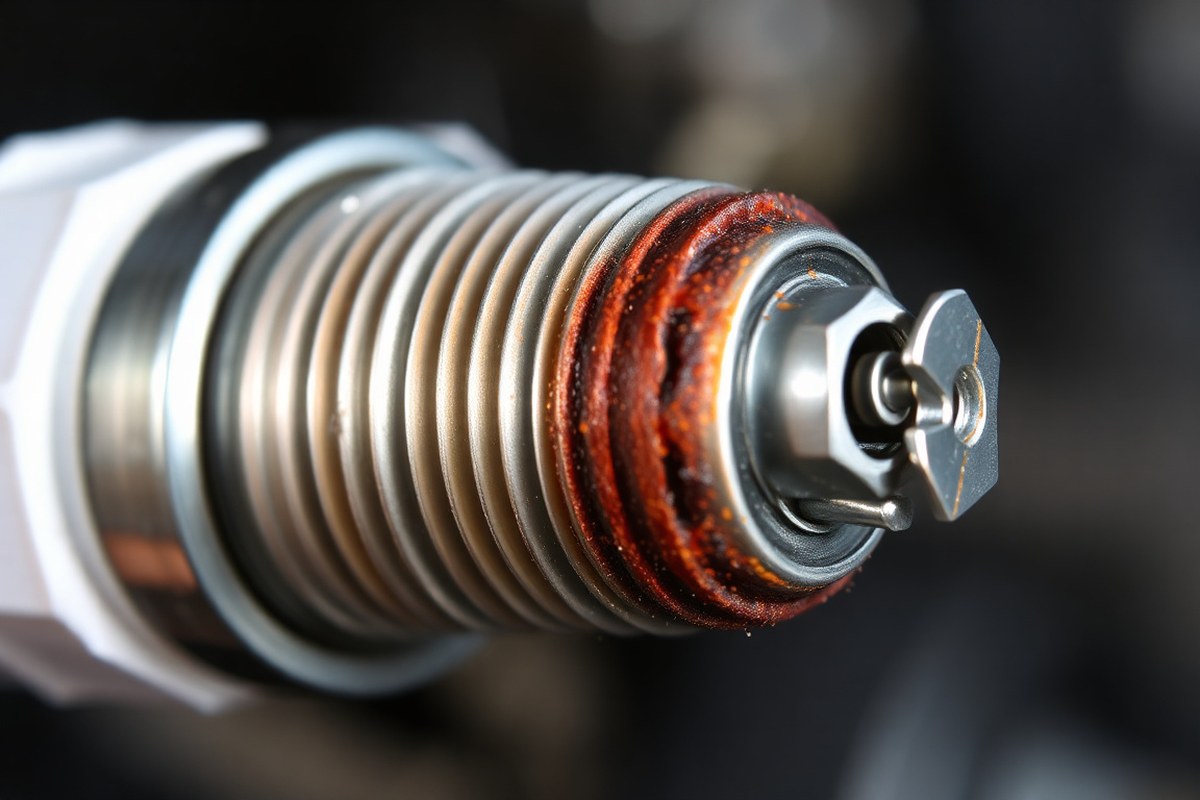
Bad spark plugs can lead to engine overheating, though this outcome is not common or guaranteed. Faulty spark plugs primarily cause engine misfires by failing to ignite the air-fuel mixture properly. When a spark plug misfires or sparks at improper intervals, combustion becomes uneven. This incomplete combustion leaves unburned fuel in the cylinder, which raises the engine’s workload as it tries to maintain power output. The extra effort generates additional heat inside the engine.
Normally, your spark plugs work within a precise gap and firing temperature. When the gap becomes too narrow or too wide, misfires occur more frequently, and the plug may overheat. A spark plug that fires at excessively high temperatures can further increase combustion chamber heat, pushing components like the piston and valves to hotter-than-normal levels. Over time, this can lead to pre-ignition or knocking, conditions that severely raise engine temperature and can cause long-term damage.
Another mechanism for overheating involves the engine running rich due to bad spark plugs. Poor ignition can trigger an overly rich fuel mixture, which burns inefficiently and produces excessive heat. This inefficient burn forces the cooling system to work harder, and if it cannot keep pace, engine temperature rises. However, overheating resulting directly from bad spark plugs is often occasional and tends to happen under specific conditions, such as heavy engine load or high outside temperatures.
Overheating happens more often depending on engine load, spark plug heat range, and maintenance. For instance, a heavily loaded pickup truck may cause spark plugs to heat up faster and misfire, raising overheating chances. Following manufacturer guidelines for changing spark plugs between 30,000 and 100,000 miles prevents many problems. Also, changing oil and air filters regularly cuts down carbon deposits that can foul plugs and increase combustion heat.
Bad spark plugs can raise engine temperatures mostly by causing misfires and reducing combustion efficiency. Overheating is not the most direct or common symptom but can occur, especially if faulty plugs are allowed to persist. Keeping spark plugs within specification and promptly addressing misfires reduces the risk of heat-related engine damage associated with plug issues.
How Spark Plug Heat Range Influences Engine Temperature

The spark plug heat range measures the plug’s ability to dissipate heat from its tip into the engine’s cylinder head. Each heat range corresponds to a different temperature range at the firing end, usually varying by about 70°C to 100°C between ranges. Choosing the correct heat range helps keep the tip temperature between roughly 450°C and 800°C, which is ideal to prevent fouling and overheating. When the tip temperature is too low, below 450°C, deposits of carbon build up on the plug, causing misfires. When the temperature exceeds 800°C, the plug risks overheating, which leads to pre-ignition and potential engine damage.
Using a heat range too hot (slow heat dissipation) causes the spark plug to retain excessive heat, raising the risk of overheating and engine knock. This can happen if the engine operates near its knock threshold, or if ignition timing is advanced, increasing tip temperature by approximately 70° to 100°C per 10 degrees of timing advance. Conversely, a plug that’s too cold (fast heat dissipation) can foul under low-speed or cold conditions since it cannot maintain optimal tip temperature. Engine modifications like increased boost pressure also require colder plugs to handle higher combustion temperatures properly.
To pick the right spark plug heat range for your engine, start by checking your vehicle manufacturer’s recommendations. Consider your engine load, timing, and modifications such as turbocharging or custom tuning that raise cylinder temperatures. Trucks and cars running near knock limits usually need plugs with a colder heat range to prevent overheating. Collect these observations into a simple decision rule:
- Reference the OEM heat range specification for your vehicle as baseline.
- Increasing ignition timing or boost pressure requires choosing a colder heat range.
- Experiencing fouling at low speeds or rich conditions means you should switch to a hotter heat range.
The table below connects common engine issues to spark plug heat range and tip temperature effects, which can help confirm if your heat range choice is appropriate:
| Symptom | What You May Notice | Possible Connection to Spark Plug Heat Range |
|---|---|---|
| Engine Misfires | Jerking, sputtering, unusual sounds | Plug too cold causing carbon fouling and weak ignition |
| Poor Acceleration | Hesitation, sluggish throttle response | Plug running too hot, tip overheated and voltage reduced |
| Rough Idle | Vibration or shaking at low engine speeds | Incorrect heat range leading to inconsistent firing |
| Trouble Starting | Engine cranks longer than usual | Fouled plug tip from cold range or carbon buildup |
Always replace spark plugs with the heat range your vehicle’s manual specifies to avoid damage or degradation in engine performance.
Choosing the right heat range costs no more than buying standard plugs for your model but avoids costly damage and inefficiency. Correct heat range plugs ensure long plug life and stable combustion temperatures, supporting optimal engine function. Using plugs out of sync with your engine’s operating conditions leads to overheating risks or fouling issues, which in turn may cause the engine to run unevenly or lose power over time.
Common Symptoms of Overheated and Bad Spark Plugs
Overheated or bad spark plugs typically cause noticeable engine issues that help you spot the problem early. These include rough idling, misfires, poor acceleration, and an illuminated check engine light. Recognizing these symptoms allows you to address spark plug problems before they lead to more serious engine damage.
Engine Misfires and Rough Idling
A common symptom of overheating or damaged spark plugs is engine misfires, occurring when the spark plugs don’t ignite the air-fuel mix as they should. This causes the engine to lose its usual smooth operation, resulting in rough idling or potential stalling. You may feel the engine shake or run unevenly while the car is stopped but still running.
Misfires caused by overheated plugs often feel like a jerking or hesitation while driving, especially at low speeds or during acceleration. Rough idling is not just uncomfortable; it can damage the catalytic converter over time if left unchecked.
Poor Acceleration and Increased Fuel Consumption
Bad spark plugs reduce the efficiency of the combustion process. This leads to sluggish acceleration and delays in engine response when you press the gas pedal. Poor combustion also means more unburned fuel escapes the engine, increasing fuel consumption and emissions.
The check engine light often comes on due to misfires or ignition problems related to faulty spark plugs. Modern vehicles monitor each cylinder’s performance, and even one bad plug can trigger the warning light. Ignoring this can cause further engine damage and higher repair costs. Recognize these symptoms to avoid paying more at the pump or facing engine problems that affect daily driving:
- Engine misfires or jerking during acceleration
- Rough or uneven idling
- Hard or slow engine starts
- Decreased fuel efficiency and higher fuel costs
- Illuminated check engine light related to ignition
- Loss of power during acceleration
Physical Signs on Spark Plugs Indicating Overheating
Inspecting spark plugs can reveal clear evidence of overheating or failure. Overheated plugs often show melted or blistered insulators and severely worn electrodes. These physical changes indicate that the plug has reached temperatures beyond its design limit. Such damage impairs spark quality, leading to misfires and rough running.
Overheated plugs may also have white deposits from excessive heat or signs of melting around the firing tip. In contrast, fouled plugs that run too cold can appear black and sooty. Correct heat range spark plugs usually have a clean, tan or light gray appearance on the insulator tip after normal use.
Regular inspection every 30,000 to 50,000 miles, depending on your vehicle and plug type, helps catch overheating early. Removing and checking plugs requires basic hand tools and costs relatively little in parts, typically $10 to $15 per plug for common vehicles. Early detection and replacement prevent more expensive damage to ignition coils, catalytic converters, or engine components.
How Ignition Timing and Engine Load Affect Spark Plug Temperature
Spark plug temperature directly depends on ignition timing and engine load. Advancing the timing causes the spark to occur earlier in the combustion cycle, increasing temperature at the plug tip. Heavy engine load or frequent short trips add stress and reduce normal cooling, raising the risk of spark plug overheating.
Understanding Ignition Timing Advance
Ignition timing controls when the spark plug fires relative to the piston’s position during the combustion cycle. Ideal timing ignites the fuel-air mixture just before the piston reaches top dead center (TDC) for maximum efficiency. Advancing the timing means the spark fires earlier, increasing combustion pressure and temperature while the piston is still moving upwards.
When ignition timing is advanced beyond manufacturer recommendations, the spark plug tip temperature rises sharply. This happens because the plug is exposed to higher pressures and heat for longer periods. For example, a 5-degree advance above spec may increase spark plug temperature by several hundred degrees Fahrenheit, shortening plug life and contributing to pre-ignition or detonation issues.
Ignition timing should be set using a timing light and adjusted according to engine specifications found in the service manual. Incorrect timing not only overheats spark plugs; it can reduce fuel efficiency and engine power as well.
Effects of Engine Load and Driving Patterns
High engine loads, such as towing, climbing steep hills, or heavy acceleration, increase cylinder pressure and combustion temperature. This higher thermal load pushes the spark plug temperature beyond normal ranges. Extended periods under heavy load make overheating more likely. For example, climbing a mountain pass with a loaded truck may rapidly heat the plugs if timing is already advanced.
Short trips and idling also contribute to plug overheating by preventing the engine from reaching and maintaining optimal operating temperature. The combustion chamber remains cooler than usual, which can cause incomplete combustion and fouling. The spark plugs then work harder during subsequent acceleration, potentially spiking tip temperatures.
Drivers who consistently carry heavy loads or make frequent short trips might consider high-performance spark plugs designed to endure higher heat ranges. These can handle improve temperatures better but must match the engine’s requirements to avoid ignition issues.
Adjusting Timing to Prevent Spark Plug Overheating
Keeping ignition timing within manufacturer specs is the first step to controlling spark plug temperature. Use a timing light on a warmed-up engine to verify timing settings regularly, especially if you notice rough idling or engine knocking. If timing is found to be advanced, retarding it slightly can lower plug tip temperature and reduce premature wear.
For drivers who regularly haul heavy loads, timing adjustments alone might not suffice. Investing in spark plugs with a colder heat range and ensuring the cooling system functions well will help manage temperatures. Also, avoid unnecessary idling and combine short trips when possible to allow the engine to warm fully.
Timing adjustments usually cost little, often just the time and basic tools needed to check settings. However, improper timing can damage the engine or spark plugs, so following service manual guidelines or consulting a technician is advised when changing timing.
Inspecting Spark Plugs for Overheating and Damage
To identify signs of spark plug overheating and other damage, start by carefully removing and cleaning the plug. Next, check for cracks, deposits, and electrode wear that indicate excessive heat or fouling. Finally, measure the spark plug gap and adjust it as needed to ensure proper engine performance.
Removing and Cleaning the Spark Plug
Removing a spark plug safely is essential for a proper inspection. Cleaning the plug can help reveal hidden damage and improve performance, especially if deposits are present.
- Allow the engine to cool completely to avoid burns or damage when handling.
- Use a suitable spark plug socket and ratchet to gently loosen and remove the spark plug without damaging the threads.
- Inspect the exterior for dirt and debris; wipe the plug with a clean cloth.
- Apply a carbon cleaner and use an abrasive tool like a wire brush or fine sandpaper to remove carbon deposits from the electrodes and insulator tip carefully.
- Dry the spark plug thoroughly before further inspection or reinstallation.
Cleaning deposits off a spark plug can improve performance, but always check the electrode gap afterward to maintain proper ignition.
Inspecting for Cracks, Deposits, and Electrode Wear
Examine the spark plug for visible damage and signs of overheating, fouling, or wear. These findings guide your decision about replacement.
Look closely for cracks in the ceramic insulator or any blistering, which indicates overheating or pre-ignition damage. Electrodes should not appear melted, excessively rounded, or worn down. Some fouling is normal, but oily or heavy carbon deposits often signal incorrect combustion or plug heat range. Replacing a spark plug is necessary if you find:
- Cracks or blisters on the insulator
- Melted, eroded, or excessively worn electrodes
- Heavy oil fouling or complete fouling causing firing problems
- Any structural damage impairing plug integrity
Measuring and Adjusting the Spark Plug Gap
Confirming the correct spark plug gap is critical because an incorrect gap can cause weak ignitions or overheating. The proper gap varies by vehicle and plug model, usually ranging from about 0.028 to 0.060 inches.
- Refer to your vehicle’s manual or the spark plug packaging for the exact gap specification.
- Use a feeler gauge to measure the gap between the center and ground electrode accurately.
- Adjust the spark plug gap by carefully bending the ground electrode closer to the center electrode when the gap is too wide, or by spreading it out slightly if the gap is too tight.
- Recheck the gap after adjustment to ensure it matches the recommended value.
- Do not forcefully bend the electrodes, as this can cause damage.
Spark plug replacement intervals usually range from 30,000 to 100,000 miles based on the plug type, but checking the plugs earlier during maintenance or if your engine shows signs of trouble is advisable.
External Factors That Cause or Worsen Spark Plug Overheating
Clogged air filters reduce the airflow into your engine, resulting in a fuel mixture that’s too rich and causes the spark plugs to overheat. Reduced air supply leads to higher combustion temperatures because the mixture doesn’t burn efficiently. Checking your air filter every 12,000 to 15,000 miles or annually, depending on your driving habits, is recommended. Replacing a dirty air filter typically costs between $15 and $30 at auto parts stores, and doing so improve air intake, which helps prevent overheating of spark plugs and the engine caused by poor combustion.
Fuel quality directly impacts spark plug performance and temperature. Low-grade fuel with impurities or insufficient octane can cause incomplete combustion, leading to carbon deposits that foul spark plugs. This fouling impairs the spark plug’s ability to ignite the air-fuel mixture properly, increasing heat retention and the chance of overheating. Using the manufacturer-recommended fuel grade helps maintain combustion efficiency. Avoid buying fuel from stations with poor turnover or suspected contamination. Fuel additives are available to clean injectors and improve fuel quality but use them according to package instructions to avoid damage.
Oil contamination on spark plugs often results from worn piston rings or valve seals, allowing oil to seep into the combustion chamber. This oil fouling reduces spark efficiency and causes higher heat buildup, increasing the risk of plug overheating and misfires. Spotting oil on your spark plugs during inspection signals engine wear that needs attention, so you should have a technician diagnose and fix the issue. Delaying repairs can lead to more significant engine damage and costly replacements.
Proper maintenance of the cooling system plays a significant role in controlling spark plug temperatures. The cooling system keeps the engine, and by extension, the spark plugs, within optimal operating temperatures. A malfunctioning radiator, low coolant levels, a broken thermostat, or damaged hoses can cause the engine to run hotter than normal. You should check coolant levels every month and replace the coolant every 30,000 to 50,000 miles, depending on your vehicle’s specifications and coolant type. Repairs such as flushing the radiator cost around $100 to $150, while thermostat or hose replacements vary based on parts and labor. Efficient cooling prevents excessive heat from transferring to the spark plugs, reducing the risk of overheating and premature deterioration.
Preventing Spark Plug Overheating Through Proper Maintenance
Regular inspection and timely replacement of spark plugs are key to preventing overheating issues. Typically, spark plugs should be checked every 30,000 miles or as specified in your owner’s manual, and replaced between 30,000 and 100,000 miles depending on the plug type. For example, copper plugs may need replacement closer to 30,000 miles, while iridium or platinum plugs can last 60,000 to 100,000 miles. Following the manufacturer’s recommendations helps ensure the plug reaches the necessary self-cleaning temperature of about 450°C (842°F), avoiding carbon fouling that leads to overheating.
Maintaining clean and properly gapped spark plugs also reduces the risk of overheating. Dirt, oil, or fuel deposits on the plugs affect combustion efficiency and cause excessive heat buildup. Using a spark plug gap tool, set the gap to the exact measurement your vehicle’s manual recommends; gaps that are too small or too wide can increase stress on the plug and engine. Regularly cleaning the plug threads and shell helps maintain good contact and prevents misfires or hot spots.
High-heat driving conditions such as frequent towing, stop-and-go traffic, or sporty driving may require more frequent maintenance. Shortening inspection and replacement intervals by 5,000 to 10,000 miles in these cases can prevent early plug failure. If a newly installed spark plug fouls quickly, inspect the ignition coil and fuel system, as these parts can cause excess fuel or weak sparks leading to overheating and fouling.
- Use only spark plugs recommended for your engine model and heat range.
- Check spark plugs every 30,000 miles or sooner if driving is harsh or conditions are extreme.
- Clean deposits off plugs gently with a wire brush if they are not worn or damaged.
- Adjust spark plug gap precisely using a feeler gauge per manufacturer specs.
- Consider iridium or platinum plugs for better heat resistance and longer life.
- Replace spark plugs sooner if towing, idling in heavy traffic, or if engine performance degrades.
- Inspect ignition components when plugs foul repeatedly after replacement.
Choosing iridium or platinum spark plugs assists in high-heat situations since these materials retain their integrity better and require less frequent replacement. Although iridium plugs typically cost between $12 and $20 each, the longer lifespan and improved performance can offset the higher upfront price by reducing maintenance time and fuel waste. Replacing your spark plugs at recommended intervals, keeping them clean, and checking related ignition parts help your engine run cooler and more efficiently, reducing stress on both plugs and engine components.
When to Consult a Professional About Spark Plug Overheating
Some spark plug overheating issues go beyond what you can safely check or fix on your own. When you notice persistent engine misfires, rough idling, or a check engine light that won’t clear after spark plug replacement, it’s time to consult a professional. Problems related to ignition timing, advanced engine diagnostics, or wiring faults require specialized tools and expertise to identify the root cause and avoid further engine damage.
Professional mechanics start by scanning the vehicle’s onboard diagnostics system to pinpoint codes linked to ignition or combustion issues. They’ll inspect ignition coils, wiring harnesses, and spark plug connections to ensure each component functions properly. An important step in diagnosing overheating often involves verifying and adjusting ignition timing, especially if your timing is near the knock threshold, which could cause excessive spark plug temperatures and engine damage. This process requires a timing light and knowledge of the vehicle’s specifications.
Complex ignition timing adjustments vary between engine models and may involve modifying the distributor settings or programming the engine control unit (ECU). Mechanics can test different spark plug heat ranges to find the best match that prevents overheating without sacrificing performance. They also check for carbon deposits or other factors that contribute to abnormal combustion temperatures, which are difficult to assess without opening the chamber or using advanced inspection equipment.
DIY inspections are insufficient when spark plug problems involve ignition timing or wiring issues because improper adjustments can lead to engine knocking or control module errors. Handling high-voltage ignition components also raises safety concerns without proper training and tools. Professional repair shops often charge $50 to $150 for a diagnostic session, with more extensive repairs costing several hundred dollars depending on parts and labor. Preventing delays in professional diagnosis helps avoid escalated repairs, such as catalytic converter replacement, which can cost over $1,000.
Never advance ignition timing beyond manufacturer specs yourself; incorrect settings can severely damage your engine and increase spark plug overheating risks.
Step-by-Step Action Plan to Address Spark Plug Overheating
Follow these steps to identify, fix, and prevent spark plug overheating to keep your engine running cooler and smoother.
- Before you start: Gather the right tools like a spark plug socket and gap gauge, and ensure the engine is cool to avoid burns or damage.
- Day 1: Remove and inspect your spark plugs for signs of overheating such as white deposits, melted electrodes, or cracked porcelain. Replace any damaged plugs and note if the engine temperature drops after fixing.
- Day 2: Check and adjust the spark plug gap to the manufacturer’s specifications using a gap gauge. An incorrect gap can cause misfires and overheating.
- Day 3: Review your vehicle’s ignition timing and load conditions, especially if you often drive with heavy loads or at high RPMs. Correct timing can reduce excess plug heat.
- Week 1: Monitor engine temperature regularly during your daily drives to confirm overheating symptoms are gone.
- Week 2: Replace spark plugs according to the mileage interval specified in your vehicle’s manual, usually between 30,000 and 100,000 miles, based on the type of plugs used and how you drive.
- Ongoing: Perform routine engine maintenance like air filter checks and coolant system inspections to avoid external causes of overheating.
- Any sign of persistent overheating: Schedule a professional engine diagnostic to rule out deeper mechanical issues that affect spark plug performance.
Frequently Asked Questions
Why Is My Engine Overheating but the Coolant Is Full?
Your engine can overheat despite a full coolant level due to issues like bad spark plugs, which can cause inefficient combustion and excess heat. Check your spark plugs for fouling or damage along with other possible causes like thermostat problems.
What Symptoms Does a Bad Spark Plug Cause?
Bad spark plugs commonly cause engine misfires, rough idling, and poor acceleration. These symptoms occur because the spark plugs fail to ignite the fuel-air mixture properly, reducing engine efficiency.
What Would Be the Signs of an Overheated Spark Plug?
Signs of overheated spark plugs include worn or melted electrodes, a white or blistered appearance on the insulator, and reduced engine performance. Inspecting plugs regularly can help catch these early.
What Kills Spark Plugs Quickly?
Spark plugs wear out quickly due to factors like engine overheating, improper heat range plugs, carbon buildup, and poor maintenance such as infrequent oil changes or air filter replacements.
Can Bad Spark Plugs Cause the Engine to Lose Power?
Yes, bad spark plugs can cause noticeable loss of power since they disrupt proper ignition of the fuel mixture, leading to misfires and reduced engine output.
How Often Should Spark Plugs Be Replaced to Avoid Overheating?
Replacing spark plugs depends on your vehicle and the type of plugs it uses, typically ranging from 30,000 to 100,000 miles. Following your manufacturer’s guidelines helps avoid overheating and keeps the engine running smoothly.
Wrapping Up
Bad spark plugs can contribute to engine overheating by causing inefficient combustion and excessive heat build-up. Taking a close look at your spark plugs and maintaining proper gap, heat range, and ignition timing helps prevent this problem before it starts. Your next step should be to inspect your spark plugs today and replace any that show damage or wear to keep your engine running cooler and avoid costly repairs down the road.