Where Is the Battery in a Jeep Grand Cherokee – Complete Location & Access Guide
The 12-volt battery in Jeep Grand Cherokees from 2011 and later is located beneath the front passenger seat. For older versions, usually made before 2011, the battery is placed under the hood. Starting your search under the passenger seat helps avoid wasting time if you expect the battery to be under the hood.
Key Takeaways
- The battery location shifted to under the front passenger seat starting with the 2011 Jeep Grand Cherokee models.
- Models from 2011 to 2021 share the same battery location and mostly use Group 94R AGM batteries.
- Older Jeep Grand Cherokees, built before 2011, have their batteries under the hood.
- The 2016 Jeep Grand Cherokee may have two batteries to support extra power needs.
- Accessing the battery under the passenger seat can be tricky due to seat design and trim variations.
- Do not assume all Jeep Grand Cherokees use the same battery size despite similar locations.
Where Is the Battery Located in Different Jeep Grand Cherokee Models?

The battery location in Jeep Grand Cherokee models varies mainly by year, reflecting design updates and engineering priorities. Earlier models typically placed the battery under the hood on the driver’s side for straightforward access. Starting in 2011, Jeep moved the battery to a less conventional spot beneath the front passenger seat, a shift maintained in models through at least 2018. This change aligns with using Absorbent Glass Mat (AGM) batteries, which support better performance in off-road conditions and vehicle electronics demands.
Finding the battery exactly where it’s expected depends on your specific Grand Cherokee’s model year and trim. For example, a 2010 model will generally have the battery under the hood, whereas any model from 2011 onward will most likely locate it beneath the front passenger seat. This newer placement protects the battery from engine heat and water exposure during off-road driving, but can make access more involved.
| Model Year | Battery Location | Notes |
|---|---|---|
| 2010 and Older | Under the hood, driver’s side | Conventional placement for easy access |
| 2011 to 2018 | Under front passenger seat | Common AGM battery, protected from heat and water |
| 2019 and Later | Usually under front passenger seat | Battery type may vary, check specific model |
Accessing the battery under the passenger seat usually requires moving the seat fully forward and upright to reach the battery compartment cover. This setup is intended to safeguard the battery, but it can complicate jump-starts or replacements, especially if tools or experience are limited. While less common, some high-performance or special trim levels might have slight variations, so consulting the owner’s manual or dealer service advice is recommended before starting any work.
Why Did Jeep Move the Battery Under the Front Passenger Seat?
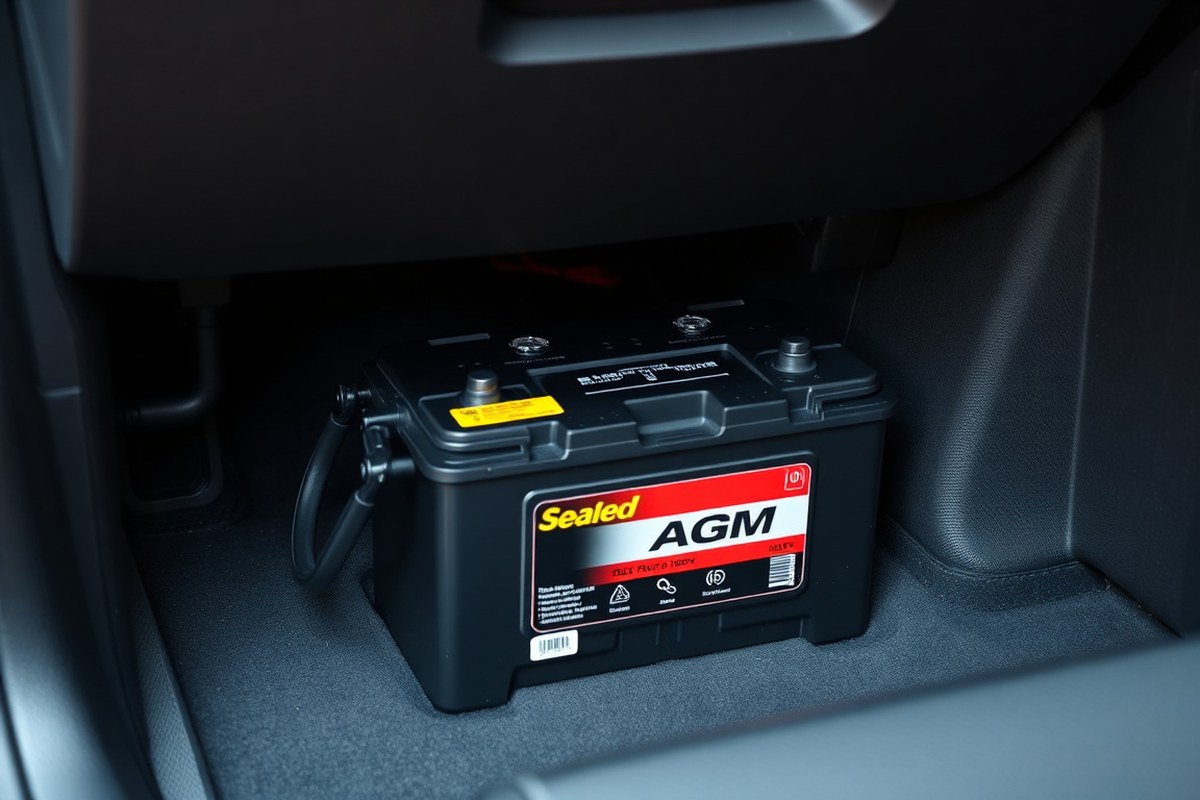
Jeep relocated the battery under the front passenger seat in the Grand Cherokee to improve several key areas like performance, temperature control, space use, and noise reduction. Placing the battery inside the cabin rather than under the hood keeps it away from the intense engine heat that usually exceeds 200°F. This helps extend battery life since heat speeds up corrosion and fluid evaporation inside the battery. A cooler environment under the seat, often closer to ambient cabin temperature, means more stable performance over time and fewer unexpected failures.
Another benefit of moving the battery to this position relates to optimizing space under the hood. The Grand Cherokee’s engine compartment is packed with other components such as the turbochargers, air intake, and cooling systems. Relocating the battery frees up room for these systems to operate better and makes the engine bay less cluttered, which can simplify certain repairs and maintenance tasks. Although it may seem less straightforward to access, the trade-off supports the vehicle’s overall design for better functionality.
The under-seat location also contributes to noise and vibration reduction. The battery is less exposed to road and engine vibrations in this spot, which lowers the risk of terminal loosening and internal damage that rough movement can cause. Also, having the battery inside the cabin reduces the chance of corrosion from rain or road salt, common threats to under-hood batteries. This setup helps maintain reliable connections and consistent power delivery to the vehicle’s systems.
To access the battery here, you typically need to slide the front passenger seat forward and lift a plastic cover or panel. This placement requires care when removing or installing the battery to avoid damaging interior trim. The parts to access the battery are designed to be user-friendly, but owners should plan for 10 to 15 minutes to gain access and safely disconnect the battery before replacement or inspection.
Always disconnect the negative terminal first when accessing the battery under the passenger seat to avoid short circuits or electrical shocks.
The move also considers safety. Since batteries can emit gases or leak acid, placing it under the seat isolates these risks from heat sources and reduces the possibility of fumes entering driver or engine components. Engineers balanced these benefits against the need for occasional battery maintenance, aiming to improve reliability without complicating owner service too much.
Overall, relocating the battery under the front passenger seat in Jeep Grand Cherokees made from 2011 to 2021 improves battery longevity through better thermal management and vibration control while freeing up engine space. It slightly changes how you handle maintenance but leads to fewer electrical issues caused by heat and corrosion. This setup is part of Jeep’s broader effort to boost vehicle durability and owner convenience in daily use and rough conditions.
How to Access the Battery Under the Passenger Seat Step-By-Step
Accessing the battery under the passenger seat in a Jeep Grand Cherokee requires a few specific steps to ensure safety and ease. You’ll first move the seat to reach the compartment, then open the battery cover carefully to inspect or service the battery. Taking proper safety precautions protects both you and your vehicle components.
Tools Required for Battery Access
Gathering the right tools before starting saves time and prevents damage. You typically won’t need heavy tools, but a few essentials ensure smooth access. Keep a flashlight handy for better visibility inside the compartment, especially under low-light conditions.
Besides a flashlight, you may need a flathead screwdriver or a plastic trim removal tool to pry open the battery cover if it’s secured by clips. Some models might require a socket wrench or a ratchet with a 10mm socket to loosen the passenger seat bolts if you need to move the seat further.
Removing or Lifting the Passenger Seat Safely
Moving the passenger seat forward and upward clears space to access the battery compartment underneath. Most often, pushing the seat all the way forward and tilting it up provides enough room. In some cases, lightly loosening the seat bolts may be necessary to lift it further but avoid full removal unless performing extensive battery work.
Handle the seat carefully to avoid damaging electrical connectors, airbags, or seat adjustment cables found beneath. Disconnect the vehicle’s battery or wear insulated gloves to reduce risk when working near electrical components.
- Slide the passenger seat all the way forward using the manual lever or electric controls.
- Lift the front edge of the seat cushion upward gently to expose the floor area underneath.
- Check for any securing bolts or fasteners holding the seat in place if more space is needed.
- Use a 10mm socket wrench to loosen bolts slightly if the seat cannot lift enough to access the battery.
- Lift the seat carefully, supporting it to avoid strain on cables or connectors beneath.
- Place a protective cloth or padding on the floor while working to prevent scratches.
Opening the Battery Cover and Locating Terminals
After moving the seat and floor mat aside, the battery cover usually becomes visible. This cover protects the battery and keeps debris out. Opening it straightforwardly reveals the battery and its terminals for inspection or servicing.
Use a flathead screwdriver or your fingers to release clips or small screws holding the cover in place. Avoid using excessive force to prevent breaking clips. Once open, identify the positive (+) and negative (, ) terminals clearly marked, ready for any battery maintenance tasks.
- Lift the floor mat under the passenger seat to expose the battery cover.
- Locate the clips or screws securing the battery cover.
- Use a flathead screwdriver or trim tool to gently pry open or loosen the cover.
- Remove the cover and set it aside carefully to avoid damage.
- Inspect the battery terminals for corrosion or looseness before proceeding.
What Battery Types and Specifications Fit Jeep Grand Cherokee Models?
Jeep Grand Cherokee models typically use Group 94R batteries, with newer vehicles favoring AGM (Absorbent Glass Mat) technology for better durability and power delivery. AGM batteries handle frequent starts and stops and have improve resistance to vibration, making them ideal for the Grand Cherokee’s performance needs. The exact battery specs can vary depending on the engine type and trim level, making it essential to confirm your model’s requirements before purchasing a replacement.
You can identify the correct battery size and specification by checking your vehicle’s owner manual or the battery itself. Some models, especially from 2016 onward, may have two batteries to support higher power demands, particularly in versions equipped with advanced electrical systems or diesel engines. About 20% of Jeep owners report challenges accessing the battery due to different engine configurations, which also can correspond with unique battery setups. Here’s a comparison table outlining common Group 94R AGM battery details and variations based on engine and trim:
| Model Year | Engine Type | Battery Type | Group Size | Layout Details |
|---|---|---|---|---|
| 2014-2015 | 3.6L V6 | Conventional Lead-Acid | 94R | One battery in engine bay |
| 2016-Current | 3.6L V6 / 5.7L V8 | AGM | 94R | Single or dual battery setup, depending on power needs |
| 2016-Current | 3.0L Diesel | AGM | 94R | Dual battery system for higher support |
| Limited and Overland trims | Multiple engines | AGM | 94R | Generally dual batteries for electrical load |
To verify your Jeep Grand Cherokee’s exact battery specifications, start by locating your current battery and looking at the label for group size and type. Cross-reference this with your owner’s manual for any variations recommended for your trim or engine. If the labels are missing or unclear, a dealer or trusted mechanic can provide the precise spec. Matching the battery voltage (usually 12 volts), cold cranking amps (CCA) rating, and group size ensures reliable performance and fitting.
Replacing a battery with the wrong size or type can lead to poor electrical performance, quicker wear, or fitment problems inside the battery compartment. AGM batteries usually cost more upfront, expect prices between $150 and $300 depending on brand and capacity, but their longer life and better performance in harsh conditions typically justify the cost. Always select a battery engineered for your Jeep’s power demands and physical space constraints to avoid surprises during installation or operation.
How to Safely Remove and Replace the Battery in a Jeep Grand Cherokee
Removing and replacing the battery in your Jeep Grand Cherokee requires careful attention to safety and the correct order of steps to avoid damage or electrical shorts. The key is to disconnect the negative terminal first and then the positive, and to follow protective measures throughout the process.
Safety Precautions and Preparation
Always start by parking your Jeep on a flat surface and turning off the ignition. Wear insulated gloves and eye protection to prevent injury from battery acid or accidental sparks. Keep any metal tools away from the battery terminals to avoid short circuits. Having a baking soda solution nearby can help neutralize any acid spills instantly.
Gather these tools before you start: a 10mm wrench or socket, a flathead screwdriver, gloves, and safety glasses. Remove any jewelry to prevent accidental electrical contact. You’ll also want to have the replacement battery ready, confirming it matches the specifications for your Jeep Grand Cherokee model.
Disconnecting Battery Terminals Properly
Disconnect the battery terminals in the correct order to safeguard your vehicle’s electrical system. The negative terminal connects to the vehicle’s chassis and is usually marked with a minus sign (-) or black cable, while the positive terminal has a plus sign (+) or red cable.
- Locate and remove the carpeted panel covering the battery compartment to expose the battery terminals.
- Use the 10mm wrench to loosen the nut on the negative terminal clamp. Once loose, carefully lift the clamp off the terminal and set it aside, making sure it does not touch any metal surfaces.
- Repeat the process with the positive terminal after the negative terminal is safely disconnected.
- Inspect the terminal clamps and battery posts for corrosion or damage.
Always disconnect the negative terminal first to reduce the chance of sparking or short circuits.
Removing and Installing the New Battery
With both terminals disconnected, check if your battery is held by a clamp or bracket and loosen or remove it as needed using the same 10mm wrench or socket. Carefully lift the battery straight up to avoid tipping acid, which can cause burns or damage vehicle components. Most Jeep Grand Cherokee batteries weigh between 40 to 60 pounds, so consider assistance if needed.
- Remove the battery hold-down clamp or bracket securing the battery in place.
- Lift the old battery out of the compartment and set it aside for proper recycling.
- Place the new battery in the tray, aligning the terminals to match the vehicle’s cable positions.
- Secure the battery with the hold-down clamp or bracket, ensuring it is firmly seated.
- Reconnect the positive terminal first by sliding the clamp onto the battery post and tightening the nut with the wrench.
- Connect the negative terminal last using the same method.
- Replace the carpeted panel over the battery compartment.
Reconnecting the positive terminal before the negative prevents accidental short circuits and protects your Jeep’s electrical components.
Jump-Starting a Jeep Grand Cherokee with an Inaccessible Battery
Jump-starting a Jeep Grand Cherokee with the battery under the front passenger seat is possible without moving the battery itself. Many models include clearly marked jump-start terminals located under the hood, designed for easy access when the battery is less accessible. These terminals allow a safe and quick jump-start using standard jumper cables or a jump starter.
Identifying Jump-Start Terminals Under the Hood
Look under the hood near the engine bay for the jump-start terminals. Jeep typically places them close to the battery location, often covered by a plastic cap or labeled with a “+” sign for the positive terminal and a grounding point for the negative. The positive terminal is usually a red plastic cover or marked with a red “+” sign to help distinguish it from surrounding components. The negative terminal or ground connection is often an unpainted metal bolt or bracket attached to the chassis.
These terminals mimic the battery connections and are designed to handle the high current needed for jump-starting. Locating the terminals under the hood saves time and avoids the difficulty and risks associated with removing the battery or accessing the seat area to reach it.
Step-By-Step Jump-Start Instructions
Use these steps to jump-start your Jeep Grand Cherokee safely without moving the battery:
- Turn off both vehicles and remove the keys from the ignition.
- Open the hood on the Jeep Grand Cherokee to locate the jump-start terminals.
- Attach the red (positive) jumper cable clamp to the Jeep’s positive jump-start terminal.
- Attach the other end of the red cable to the positive terminal on the donor vehicle’s battery.
- Connect the black (negative) cable clamp to the donor vehicle’s negative battery terminal.
- Attach the other end of the black cable to the Jeep’s negative jump-start terminal or a clean, unpainted metal ground point away from the battery or fuel system.
- Start the donor vehicle and let it run for 3 to 5 minutes to charge the Jeep’s battery.
- Attempt to start the Jeep Grand Cherokee. Once it starts, carefully remove the jumper cables in reverse order: negative from the Jeep, negative from the donor, positive from the donor, positive from the Jeep.
Keep cable clamps from touching each other or any metal parts during the process. Follow these exact steps to minimize risks and ensure proper power transfer.
Precautions When Jump-Starting
Use jumper cables rated for at least 400 amps to handle the current draw safely. Avoid jump-starting when the battery or terminals show signs of damage, leaks, or corrosion, as this raises the risk of short circuits or acid exposure. Never connect jumper cables with the wrong polarity; reversing positive and negative connections can cause electrical damage to your vehicle’s sensitive electronics, including the battery control modules.
Perform the jump-start in a well-ventilated area to prevent the build-up of explosive gases. Wearing protective gloves and eye protection adds a layer of safety when working around the battery and terminals. Do not try to jump-start if the battery is completely dead for an extended period, as it might require a professional inspection or replacement to avoid further damage.
Signs Your Jeep Grand Cherokee Battery Needs Inspection or Replacement
Most Jeep Grand Cherokee batteries last about 3 to 5 years, depending on use, climate, and maintenance. Warmer climates tend to shorten battery life due to heat stress, while short trips and infrequent driving reduce battery charge retention. It’s best to schedule a battery test or replacement once you approach the 3-year mark or if you notice any early symptoms of failure. To identify if your battery needs inspection or replacement, use this checklist: Engine cranks slowly or won’t start Dashboard battery, alternator, or check engine lights on Dimming/flickering headlights and interior lights Malfunctioning power accessories (windows, locks, infotainment) Visible corrosion or leaks around battery terminals Battery is older than 3 to 5 years Unusual electrical system behavior or error codes Perform a visual inspection for corrosion or buildup at the battery terminals that can cause poor connections and decreased performance. Using a multimeter, you can check the resting voltage; a healthy battery should read about 12.6 volts when off. If it’s below 12.4 volts, the battery is partially discharged and may need replacement if the problem persists. Getting a professional battery test is a reliable way to measure cranking amps and capacity. Many auto parts stores and service centers offer free testing. Costs for battery replacement vary but typically range between $100 and $200 for a quality replacement that meets Jeep’s specifications. Delaying replacement increases the risk of getting stranded or causing damage to your vehicle’s computer systems.
Common Mistakes and Safety Tips When Handling Jeep Grand Cherokee Batteries
Handling the battery in your Jeep Grand Cherokee requires care to avoid common mistakes and ensure safety. One frequent error is rushing to remove the battery without properly disconnecting the negative terminal first. This can lead to short circuits or sparks, which might cause injury or damage sensitive electronics. Another mistake is not wearing protective gear like gloves and safety glasses, leaving you exposed to battery acid or debris. Also, neglecting to remove metal jewelry increases the risk of electrical shorts if the jewelry contacts battery terminals.
When removing or replacing a battery, improper lifting can cause strain or drop the battery, which weighs around 40 pounds depending on the model and battery type. Avoid using tools incorrectly or forcing connections, as this can damage terminals or wiring. Make sure to inspect the battery for cracks, leaks, or swelling before handling, as damaged batteries can leak harmful acid or even explode under stress.
- Wear protective gloves and safety goggles before starting work
- Remove all metal jewelry to prevent electrical shorts
- Always disconnect the negative terminal first, then the positive
- Handle the battery carefully, use both hands and avoid tipping it
- Inspect the battery and surrounding area for corrosion or damage
- Keep sparks, flames, and smoking materials away from the battery
- Use the correct tools to loosen terminal clamps gently
Always disconnect the negative terminal first to minimize electrical risks.
Prevent injury by working in a well-ventilated area, since batteries may emit hydrogen gas during charging or discharging. Avoid shorting battery terminals by keeping metal tools away from both terminals simultaneously. After removing the battery, place it on a non-conductive surface to avoid accidental grounding. Follow disposal rules for old batteries as they contain hazardous materials that can harm the environment. Taking these precautions helps you maintain your Jeep’s battery safely and effectively without accidental damage or personal injury.
Step-by-Step Action Plan to Locate, Access, and Maintain Your Jeep Grand Cherokee Battery
Use this plan to quickly handle your Jeep Grand Cherokee’s battery so you can maintain or replace it with confidence.
- Before you start: Identify your Jeep Grand Cherokee model year to know the battery location, either under the hood for older models or under the front passenger seat for newer ones.
- Day 1: Locate the battery by removing the front passenger seat access panel if your model places it there; success means you see the battery compartment clearly.
- Day 2: Inspect the battery terminals and cables for corrosion or looseness; cleaned and tight connections indicate a healthy install.
- Day 3: Test the battery voltage with a multimeter; a reading above 12.4 volts generally means a good charge.
- Day 4: If replacement is needed, disconnect the negative cable first, then the positive, and remove the battery carefully; no sparks or damage during removal shows you applied correct safety.
- Day 5: Install the new battery following the reverse order, ensuring the positive terminal goes on first and clamps are tight; engine starts smoothly without electrical alerts confirm proper installation.
- Day 6: For jump-starting, connect jumper cables to the appropriate terminals as described, avoiding the battery under the seat if inaccessible; your Jeep should start without hesitation.
Frequently Asked Questions
Can You Find the Battery Under the Hood in Older Jeep Grand Cherokee Models?
Yes, older Jeep Grand Cherokee models usually have the battery under the hood on the driver’s side, unlike newer models that moved it under the passenger seat for space and weight distribution reasons.
Does Relocating the Battery Affect Jeep Grand Cherokee’s Weight Balance?
Moving the battery under the passenger seat helps balance weight distribution for better handling, especially in newer Jeep Grand Cherokee models from 2011 onward.
Is It Safe to Jump-Start a Jeep Grand Cherokee with the Battery Under the Seat?
Yes, you can jump-start a Jeep Grand Cherokee with the battery under the seat, but you need to access terminals carefully and follow manufacturer safety guidelines.
What Is the Expected Lifespan of an AGM Battery in a Jeep Grand Cherokee?
AGM batteries in Jeep Grand Cherokees usually last 3 to 5 years depending on usage and maintenance. Regular checks can prevent unexpected failures.
Do All 2011-and-newer Jeep Grand Cherokees Use AGM Batteries?
Yes, all Jeep Grand Cherokee models from 2011 and later typically use Absorbent Glass Mat (AGM) batteries for better performance and durability.
Can Extreme Weather Affect the Jeep Grand Cherokee Battery Performance?
Extreme cold or heat can reduce your battery’s efficiency and lifespan. Keep the battery properly maintained for more reliable starts and performance.
The Bottom Line
The Jeep Grand Cherokee battery location varies by model year, mainly shifting from under the hood to beneath the front passenger seat in newer versions. Handling the battery safely involves knowing this placement and following proper disconnect and reconnect steps. Your next step is to open your passenger side seat compartment to familiarize yourself with your specific battery setup before maintenance or replacement.