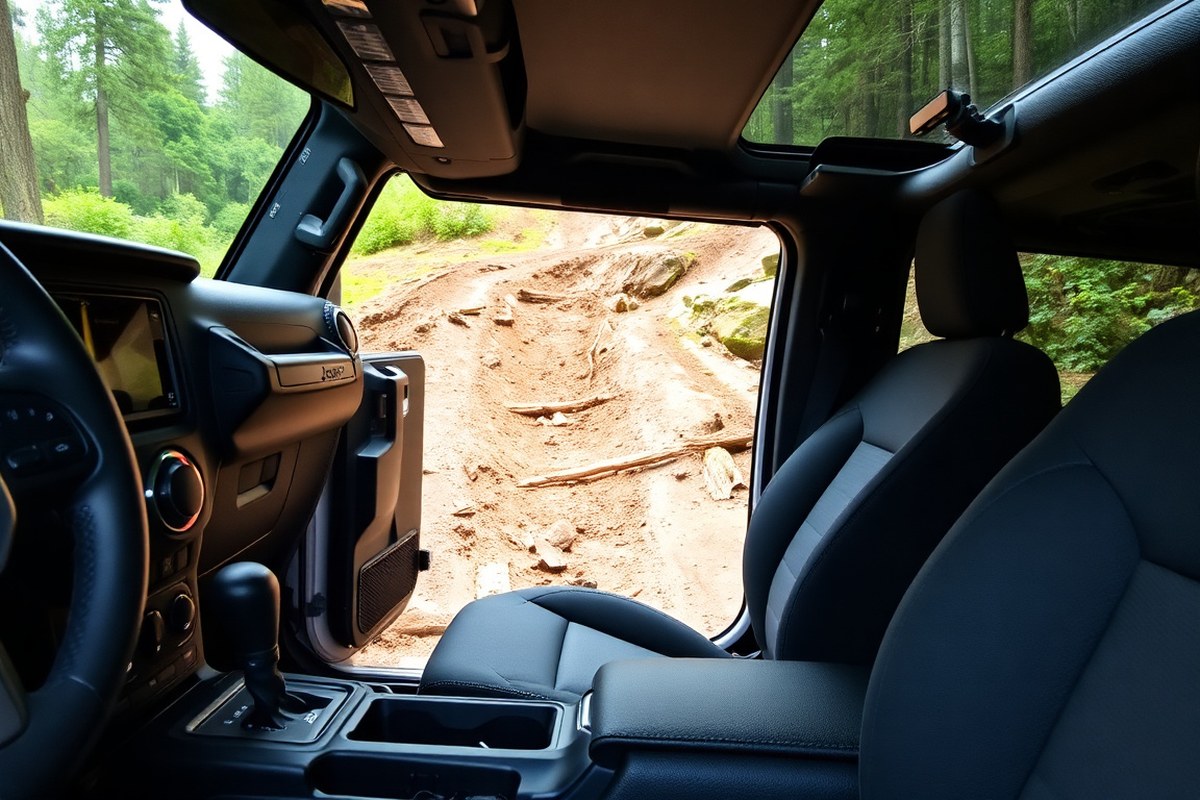
How to Switch from 2H to 4H Jeep Wrangler Automatic: A Complete Guide
Knowing how to switch from 2H to 4H Jeep Wrangler automatic lets you quickly gain traction on slippery or uneven surfaces without stopping completely. Shift from 2H to 4H while driving at low to moderate speeds, usually under 60 mph, by moving the transfer case lever or dial to 4H. This works because 4H engages the front axle, distributing power to all wheels for better grip.
Key Takeaways
- Use 4H on dirt, gravel, wet pavement, or snow for added traction and vehicle control.
- The 2026 Jeep Wrangler offers Command-Trac, Rock-Trac, and Selec-Trac 4WD systems with different shifting requirements.
- Shift from 2H to 4H while moving steadily under 60 mph to avoid drivetrain damage.
- Watch your dashboard for 4WD indicator lights to confirm proper engagement of 4H mode.
- Larger tires or altered gear ratios may affect the smoothness and timing of shifting into 4H.
- Always release the accelerator briefly when shifting to 4H to reduce mechanical stress.
How to Shift from 2H to 4H in a Jeep Wrangler Automatic
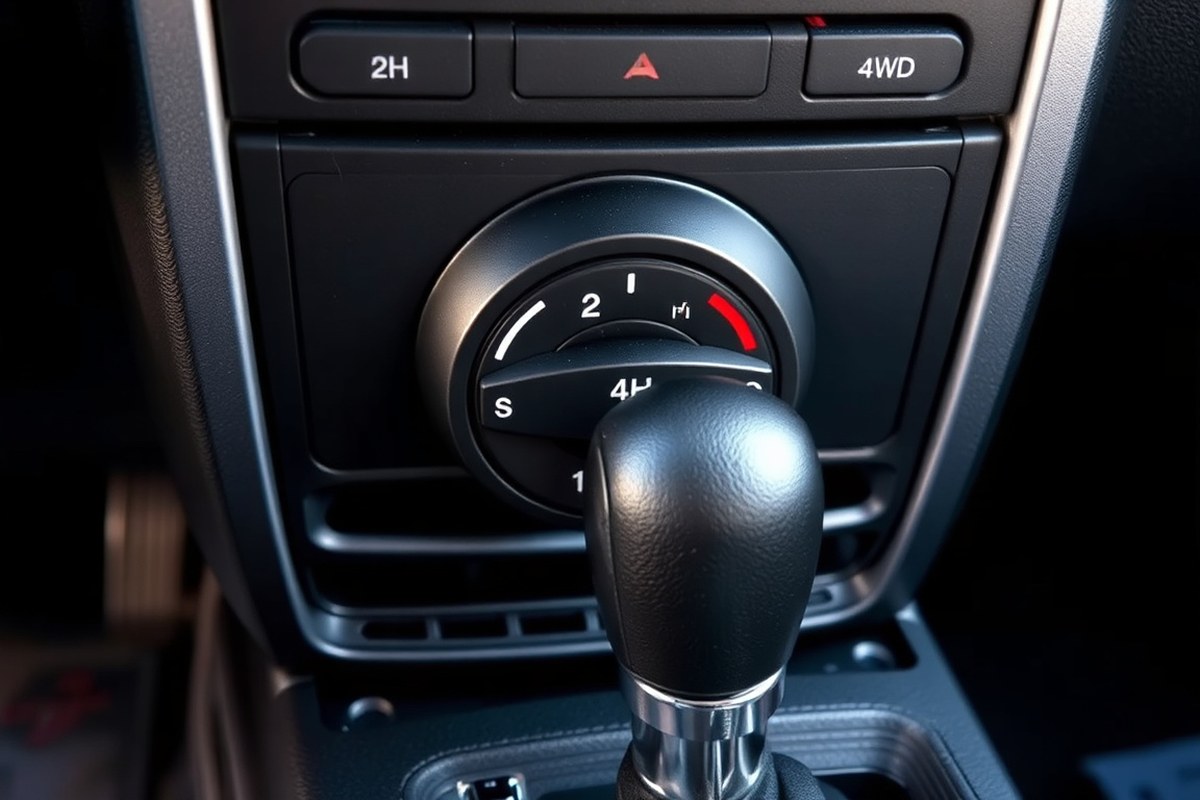
To switch your Jeep Wrangler from 2H to 4H with an automatic transmission, slow to below 55 mph, keep a steady pace, and slide the transfer case lever from 2HI to 4HI. This lets you switch to four-wheel drive at moderate speeds without stopping. Doing this properly helps the drivetrain engage smoothly and avoids damage.
Preparing to Shift Safely
Slow your Jeep Wrangler to a speed below 55 mph before attempting to switch from 2H to 4H. This speed limit helps the transfer case engage properly without strain. Keep the transmission in Drive and maintain a steady throttle to avoid sudden jerks that could harm the drivetrain or create unsafe handling.
Verify that road conditions justify switching to 4H, such as driving on wet, slippery, or loose surfaces. Shifting under appropriate conditions protects the transfer case and improves traction. Avoid shifting on dry pavement at high speeds since this can cause drivetrain bind and premature wear.
Executing the Shift Step-by-Step
Follow these exact steps to shift from 2H to 4H smoothly and safely in your Jeep Wrangler automatic:
- Slow your speed to less than 55 mph.
- Keep the transmission in Drive or the appropriate gear for your speed.
- Ease off the accelerator slightly to stabilize the drivetrain.
- Locate the transfer case lever on your dashboard or center console.
- Move the transfer case lever smoothly from the 2HI position to the 4HI position.
- Hold the lever in 4HI until you feel it securely click into place.
- Resume steady acceleration and monitor for any unusual noises or vibrations.
Performing the shift gently and within recommended speeds avoids unnecessary wear on the 4WD components. The Jeep Wrangler’s transfer case is designed for on-the-fly engagement up to 55 mph, improving convenience when traction changes without stopping.
Confirming the Mode Change
After shifting to 4H, check your dashboard for the 4WD indicator light to ensure the system activated correctly. This light confirms the 4HI mode is engaged and ready to provide improved traction. Listen for a steady mechanical engagement sound, which signals the transfer case has locked in.
Test your vehicle’s response by accelerating gently and making small steering inputs. The Jeep Wrangler should feel stable with improved grip on loose or slippery surfaces. Should the 4WD light fail to illuminate or the vehicle behave unusually, return to 2H and consult the Owner’s Manual or a professional technician before continuing.
What Surfaces and Conditions Require Switching to 4H
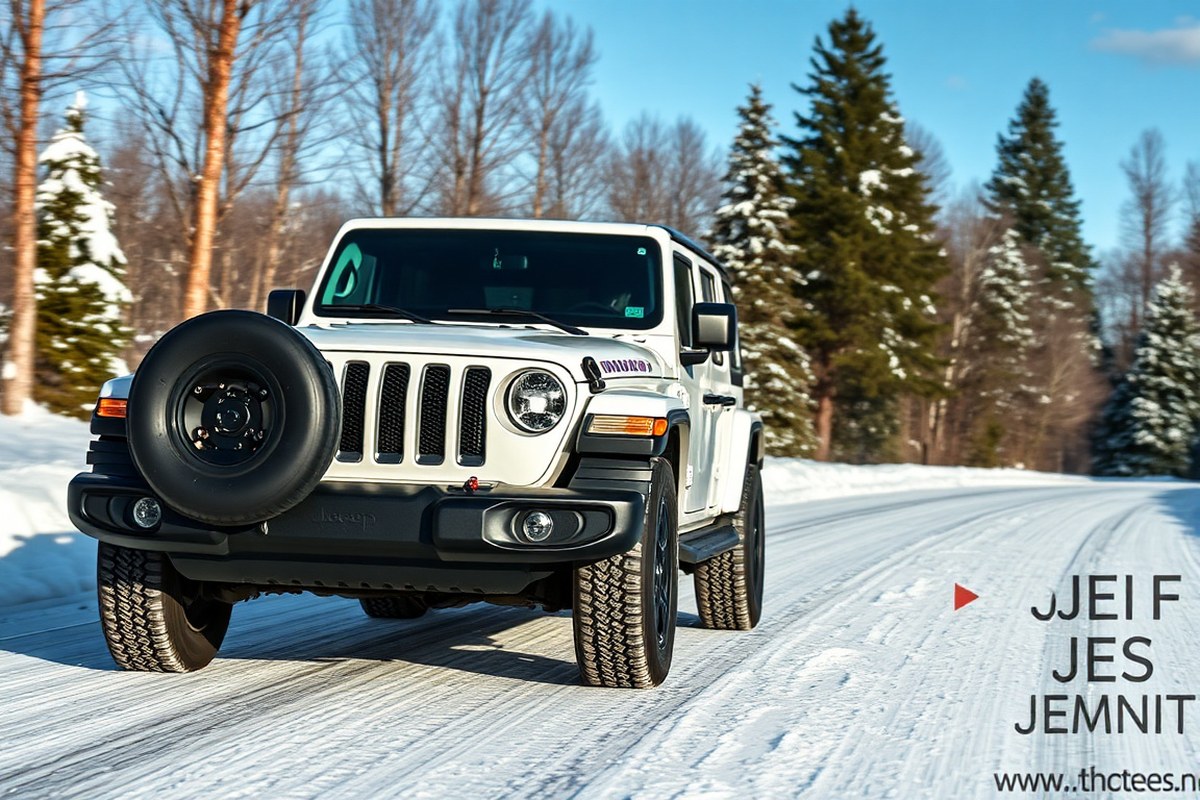
You should switch to 4H when driving on loose or slippery surfaces such as snow, ice, rain-soaked roads, mud, or gravel. These conditions reduce tire traction, and 4H distributes power to all four wheels, improving stability and control. Avoid using 4H on dry pavement because it can cause driveline binding. This happens as tires grip and slip repetitively during turns, leading to unnecessary wear on the drivetrain components.
Use 2H for normal daily driving on dry, paved roads. This mode powers only the rear wheels, which saves fuel and reduces mechanical strain. When the weather turns rainy or icy, shifting to 4H helps maintain control by engaging both front and rear axles. For example, if you encounter a stretch of wet pavement followed by an icy patch on your route, switch to 4H during those slippery sections. Return to 2H once dry pavement returns to avoid drivetrain damage.
In general, 4H works well on surfaces where tires might lose grip. Loose gravel roads, muddy trails, or compacted snow call for 4H. When you drive around Reading or a similar area with mixed weather, watch for conditions like light snow or wet roads to decide when to engage 4H. Do not use 4H on clean, dry streets or highways because your Jeep’s part-time 4WD system is not designed for constant power delivery to all wheels on high-traction surfaces.
For decision making, use this checklist: Start in 2H by default. Check surface conditions, if the road feels slippery from rain, ice, snow, mud, or loose gravel, shift into 4H. On dry pavement, stay in 2H to prevent wear. Also, avoid sudden shifts at high speeds. Most Jeeps allow shifting from 2H to 4H while moving below 55 mph, but check your manual. This keeps your drivetrain safe.
Never use 4H on dry pavement to avoid damaging your Jeep’s drivetrain; shift back to 2H as soon as you return to dry roads.
Weather heavily influences your decision. Snow and ice reduce tire grip sharply, making 4H essential for safe handling. Rain can also create slick spots where 4H provides extra traction. Mud requires 4H to prevent getting stuck or losing control. On the other hand, sand and deep off-road terrain often call for 4Lo rather than 4H due to slow speeds and torque needs. That mode provides maximum power but only at low speed.
Differences Between Jeep’s 4WD Systems and How They Affect Shifting
Jeep Wrangler models use different 4WD systems that affect how you shift from 2H to 4H. Part-time systems like Command-Trac® and Rock-Trac® require shifting only on low-traction surfaces to avoid drivetrain damage. Full-time systems like Selec-Trac® allow continuous 4Hi Auto mode across varying surfaces, with simpler shift procedures.
Command-Trac® Overview
Command-Trac® is a part-time 4WD system found on many Wrangler models. It offers a 2.72:1 low range ratio, designed for use on snow, mud, or gravel rather than dry pavement. The system functions as 2WD when the transfer case clutch coupling is not engaged and switches to 4WD high-range when engaged.
This system requires you to switch to 4Hi only when the surface is loose or slippery. Shifting to 4Hi can usually be done “shift-on-the-fly,” meaning you don’t have to stop your Jeep as long as you stay below certain speeds, commonly around 55 mph, but always check your owner’s manual. Avoid using 4Hi on dry hard surfaces to prevent drivetrain damage.
Rock-Trac® Characteristics
Rock-Trac® is a trail-focused part-time 4WD system used primarily in Jeep Wranglers meant for more rugged off-roading. It features a 4:1 low-range gear ratio for better crawl control on technical terrain. Like Command-Trac®, it functions as 2WD until you engage 4WD and is designed to be used on loose surfaces.
One variation of Rock-Trac® offers full-time 4Hi Auto mode, allowing continuous driving across mixed terrains without shifting concerns. For the part-time Rock-Trac®, you’ll use 4Hi only on low-traction surfaces and 4Lo for slow, high-torque situations. Engaging 4Lo typically requires the Jeep to be stopped or moving very slowly, with the transmission in neutral or park.
Selec-Trac® Features
Selec-Trac® is a full-time 4WD system available on some Jeep Wrangler models, providing a “set-it-and-drive” experience. It has a 2.72:1 low range and uses a center differential allowing continuous 4Hi Auto mode, making it safer to drive on dry pavement and variable surfaces without worrying about drivetrain stress.
Switching between 2H and 4H in Selec-Trac® models is usually smooth, often allowing you to shift at any speed without hesitation. You can use 4Hi Auto as your default drive mode for mixed driving conditions, including wet roads and gravel. The full-time capability means you won’t have to think about engaging or disengaging the system for normal road conditions. Here is a comparison table summarizing key points of these 4WD systems:
| Feature | Command-Trac® | Rock-Trac® | Selec-Trac® |
|---|---|---|---|
| 4WD Type | Part-time | Part-time / Optional Full-time | Full-time |
| Low Range Ratio | 2.72:1 | 4:1 | 2.72:1 |
| Shifting on Pavement | Not recommended | 4Hi Auto: OK; Part-time 4Hi: Not recommended | Allowed |
| Use 4Hi on | Loose/slippery surfaces only | Loose surfaces or 4Hi Auto anytime (full-time models) | Any surface (4Hi Auto mode) |
| Shift Method | Shift-on-the-fly up to ~55 mph | Shift-on-the-fly for 4Hi; 4Lo usually requires stop/neutral | Shift anytime, often automatically adjusts |
| Common Models | Most Wrangler JK and JL models | Rubicon Wranglers and some high-trail models | Wrangler Sahara and some newer models |
Knowing which system your Jeep Wrangler has determines both how and when you shift. Command-Trac® and Rock-Trac® require more attention to the surface and speed before shifting, while Selec-Trac® accommodates everyday driving with simpler, safer shifting between 2H and 4H. Understanding these differences protects your drivetrain and improves vehicle control on varying terrains.
Safety Precautions and Common Mistakes When Switching to 4H
Switching from 2H to 4H in your Jeep Wrangler with an automatic transmission requires attention to avoid drivetrain damage. One common mistake is shifting to 4H on dry pavement. Since 4H locks the front and rear axles together, turning on high-traction surfaces can cause driveline binding because the wheels cannot slip to release tension. This binding wears components like the transfer case, driveshaft, and differentials prematurely.
To prevent driveline binding, only engage 4H when you have loose, slippery conditions such as snow, mud, sand, or gravel. The wheels need to be able to spin at different speeds, which is allowed by differentials but not when the drive system is locked on dry hard surfaces. Avoid shifting at speeds above the manufacturer’s recommendation, typically under 50 mph, to minimize mechanical stress.
- Do not shift to 4H on dry, paved roads.
- Shift while moving slowly or stopped when possible, especially under 30 mph.
- Confirm your Jeep’s 4WD system type to match shifting instructions.
- Check tire pressure and size to ensure uniformity to reduce binding risks.
- Lower speed before shifting back from 4H to 2H to avoid gear damage.
- Inspect the transfer case and drivetrain components regularly for wear.
- Avoid abrupt acceleration or sudden turns in 4H mode to reduce strain.
Proper tyre maintenance also contributes to drivetrain safety. Mismatched tire sizes or uneven tire pressure can cause binding by creating speed differences between wheels. Air down your tires carefully within safe limits for trail use to improve traction, then inflate them back to recommended highway pressures before returning to pavement. This adjustment helps the drivetrain operate smoothly without excessive strain on components. The Wrangler’s high-strength steel frame supports off-road loads but cannot protect against damage caused by mechanical misuse.
Troubleshooting symptoms of drivetrain binding include strange vibrations, clunking noises during turns, or difficulty steering. Should these signs arise, switch back to 2H on a loose surface and have the drivetrain inspected by a professional. Using the wrong 4WD mode incorrectly can lead to costly repairs, so following these precautions keeps your Wrangler reliable and ready for the trail.
Understanding Dashboard Indicators and Warnings When Changing Drive Modes
When switching your Jeep Wrangler from 2H to 4H, the dashboard indicators provide important information about the status of your four-wheel-drive system. Typically, a 4WD mode light will illuminate to confirm that the transfer case has shifted properly into 4H. This light often appears as a symbol of a vehicle with front and rear axles highlighted or may simply display “4H” inside a circle or rectangle. Seeing this light means the system is engaged and ready to deliver power to all four wheels, improving traction on slippery or uneven surfaces.
Pay close attention to warning or malfunction lights that may appear during or after shifting. These are usually amber or red and may show a “4WD” alert combined with a wrench symbol or a message such as “4WD System Fault.” Such warnings indicate that the transfer case or system sensors detected a problem, possibly related to improper engagement or mechanical issues. Another possible alert is a flashing 4WD light, which can mean the system is attempting to engage but hasn’t completed the shift due to speed or gear mismatch.
If a warning light appears, safely pull over if possible and shift back to 2H to prevent further damage. Check the owner’s manual for diagnostic steps specific to your Jeep model. Many modern Jeep Wranglers with automatic transmissions use electronic controls in the transfer case that may temporarily lock out 4WD shifting at certain speeds or conditions. For example, shifting into 4H typically works smoothly at speeds below 55 mph, but trying it above that can trigger alerts or failure to engage. Reducing your speed and then attempting the shift again can often resolve a flashing 4WD light.
In case the warning persists after multiple attempts, it may indicate low fluid in the transfer case, a faulty sensor, or electrical problems needing professional inspection. Ignoring alerts risks damaging the transfer case or drivetrain components, which can cost several hundred dollars to repair. A Jeep Technician can read system error codes with diagnostic tools to pinpoint the issue.
Regularly scanning your dashboard while driving ensures you catch any 4WD system messages immediately. When you see the 4H indicator steady, you can trust the system is functioning. When you see a warning, do not continue off-road driving until it’s resolved or evaluated by a mechanic. The difference between a stable indicator and a warning light can mean the difference between safely powering through a muddy trail or damaging your Jeep’s drivetrain.
Never ignore a flashing or solid 4WD warning light; stop and shift back to 2H to check conditions and avoid costly drivetrain damage.
How Vehicle Speed, Tire Size, and Transmission Affect Shifting Ability
Speed matters when shifting your Jeep Wrangler automatic from 2H to 4H because the transfer case and driveline components are designed to engage smoothly within specific speed limits. Most Jeep Wranglers allow shifting into 4H while driving at speeds up to about 55 mph. Shifting above this speed can cause jerking, damage to the drivetrain, or unusual wear on the transfer case. When shifting at appropriate speeds, you often just need to move the shift lever to 4H without stopping or slowing drastically, which prevents jolts and maintains driveline alignment.
Tire size plays a significant role in how your 4WD system behaves because the front and rear tires must rotate at similar speeds for smooth engagement. Larger or mismatched tires can cause the front and rear axles to turn at different rates, leading to increased strain and slippage in the drivetrain. Jeep Wranglers rely on the absence of a center differential in 4WD modes, requiring slight tire slippage during turns to prevent binding. Your Wrangler with oversized or uneven tires needs careful handling; avoid sharp turns in 4H and look into aftermarket options to recalibrate your speedometer or transfer case.
Automatic transmissions in Jeep Wranglers usually simplify shifting between 2H and 4H compared to manuals. Automatics often allow shifting on the fly without clutch engagement, as the transfer case synchronizes power delivery electronically or mechanically to handle speed differences across axles. You should keep the Jeep moving steadily, ideally within the recommended speed range, to shift smoothly. For manuals, you typically need to pause briefly or use the clutch to avoid gear damage while shifting 4WD modes. In automatic Wranglers, maintaining a steady speed around 10 to 30 mph when shifting to 4H often works best, minimizing drivetrain shock.
For different configurations, such as Rubicon models with electronic shift-on-the-fly, shifting at speeds up to 55 mph is standard, but it still requires awareness of wheel slip and tire size. For lifted Wranglers or those with aftermarket tires above 33 inches, you might experience more binding or noise during 4H engagement, signaling the need to shift at lower speeds, around 10 to 25 mph. This helps protect the transfer case and axles. Your Wrangler with a manual lever and bigger tires shifts best on flat, straight terrain to reduce extra stress.
Good results appear as a smooth transition to 4H with minimal noise and no jerking or binding. You should feel consistent traction through all four wheels without any clunking sounds. Problems occur when shifting too fast, with large tire mismatches, or without maintaining steady speed, often resulting in drivetrain wear, slipping, or transfer case overheating. Regular inspections of tire tread depth and pressure can also improve shift quality and drive train longevity.
When and How to Switch Back from 4H to 2H Safely
You should switch back to 2H once the terrain no longer requires four-wheel drive, such as when you return to dry, paved roads. The proper method involves slowing your vehicle to an appropriate speed and using the transfer case lever or electronic control to disengage 4H, avoiding any damage to the drivetrain. This process can typically be done while the Jeep is moving below about 55 mph, depending on your Wrangler’s model year and manual.
Conditions for Reverting to 2H
Switching from 4H to 2H is best done on firm, dry surfaces where extra traction is unnecessary. Driving in 4H on pavement can cause drivetrain binding, noise, and premature wear. Ensure road conditions are stable and traffic allows you to slow down safely before shifting back.
Speed matters because shift-on-the-fly capabilities in most Wrangler automatics allow for change up to roughly 50-55 mph, depending on tire size and transmission. Reverting to 2H at higher speeds or on slippery surfaces increases the risk of drivetrain damage or loss of vehicle control.
Stepwise Disengagement Process
To safely switch from 4H to 2H, follow these steps carefully. These ensure the transfer case properly disengages the front differential without causing mechanical strain.
- Reduce your speed to below 50 mph, ideally around 25-40 mph, on a firm surface.
- Keep the transmission in Drive or Neutral; most modern Wrangler automatics allow switching without clutching.
- Move the 4WD lever (or press the electronic 4WD control button) firmly from 4H to 2H.
- Pause briefly to allow the transfer case to complete the mode change.
- Confirm the 2H indicator light comes on to ensure the mode change is registered.
- Resume normal driving once the switch is confirmed, avoiding sudden acceleration or turns during the shift.
Verifying Mode Change Successfully
After disengaging 4H, verify the dashboard shows the 2H indicator light. This confirms the transfer case returned to two-wheel drive. Listen for any unusual noises and feel for smooth vehicle operation during acceleration and turns.
If you notice grinding sounds, difficulty steering, or vibrations, stop safely and retry the process at a slower speed. Persistent problems may indicate a transfer case or drivetrain issue requiring professional inspection.
When to Call a Professional for 4WD Mode Shifting Issues
Problems shifting between 2H and 4H modes in your Jeep Wrangler’s automatic transmission can point to serious issues with the 4WD system. Common symptoms like grinding noises, resistance when turning the mode selector, or persistent dashboard warnings indicate the system needs professional attention. Ignoring these signs can lead to drivetrain damage or loss of control in off-road conditions. Here is a checklist of warning signs that signal it’s time to call a mechanic:
- Grinding or clunking sounds during mode shifts
- 4WD mode selector stuck or difficult to move
- Dashboard 4WD indicator light flashing or failing to engage
- Loss of traction despite being in 4H mode
- Unusual vibrations or noises while driving in 4H
- Frequent or unexpected disengagement of 4WD during operation
Minor issues like selector stiffness may result from debris or lack of lubrication and can sometimes be eased by carefully cleaning the selector or checking the owner’s manual for recommended maintenance. When the dashboard displays error codes or the mode doesn’t engage after trying at the right speeds (usually under 60 mph when shifting), don’t force the mechanism. Attempting to drive on rough terrain without proper 4WD engagement can worsen the problem.
Professional diagnosis typically involves scanning the vehicle’s onboard computer for trouble codes, inspecting the transfer case and driveshafts, and testing the electronic 4WD actuator. Repair costs vary but expect diagnostic fees around $100 to $150, and repairs can range from replacing sensors or actuators ($200 to $600) to more extensive drivetrain work. Getting expert help early prevents costly damage and ensures safe operation, especially if you rely on your Jeep for off-road adventures.
Always check your user manual’s recommended shifting speeds and procedures before attempting to switch modes to avoid system damage.
Notice erratic shifting or warning lights that don’t reset? Make a service appointment as soon as possible. Using a professional prevents guesswork on complex 4WD components and saves time in the long run. On rough or muddy trails, an engaged and functioning 4WD system is essential for maintaining control and traction. Don’t wait for the system to fail completely before seeking expert support.
Step-by-Step Action Plan for Switching from 2H to 4H in Your Jeep Wrangler Automatic
Follow these steps carefully to shift your Jeep Wrangler from 2H to 4H safely and effectively, ensuring better traction without risking your drivetrain.
- Before you start: Check your current driving surface. Use 4H only on slippery or uneven roads like snow, mud, or gravel where extra traction is needed.
- While stopped or moving below 55 mph: Shift from 2H to 4H by pressing the 4WD selector on your dash or rotating the knob on the center console. You can shift on the go if speed is under the limit.
- Immediately after shifting: Confirm the 4H indicator light is on your dashboard. This confirms the vehicle successfully engaged 4H mode.
- During driving: Monitor steering and drivetrain feel. When you notice unusual noises or handling, safely switch back to 2H and inspect the system.
- Before returning to normal roads: Slow down below 5 mph and shift back to 2H. Use 4H only when needed to avoid damage on dry pavement.
- Should shifting problems occur: Stop the vehicle and consult your owner’s manual. Call a qualified mechanic if the system doesn’t engage correctly or warning lights remain on.
Frequently Asked Questions
How to Shift from 2H to 4H in Jeep Wrangler?
To shift from 2H to 4H in a Jeep Wrangler with automatic transmission, slow down to under 55 mph and turn the transfer case lever or use the electronic shifter as per your model. This allows safe transition to 4H, improving traction on slippery or uneven surfaces.
Can I Change from 2H to 4H While Driving?
Yes, you can change from 2H to 4H while driving if your speed is below 55 mph in a 2026 Wrangler automatic. This helps you respond to sudden changes in road conditions without stopping, but avoid rapid speed changes during the shift.
How to Properly Switch from 2H to 4H?
Properly switching from 2H to 4H involves slowing your Jeep to a safe speed below 55 mph and engaging 4H via the transfer case or electronic control. Keep the wheels straight and avoid heavy acceleration to ensure smooth engagement and prevent drivetrain damage.
How Do I Turn on 4H on My Jeep Wrangler?
Turn on 4H by using the transfer case control; in newer models, this may be a knob or switch on the dash. Engage it while going under 55 mph to activate the front axle and improve traction on mud, snow, or loose dirt.
How to Switch from 2h to 4h Jeep Wrangler?
To switch from 2H to 4H in your Jeep Wrangler automatically, reduce speed below 55 mph and use the transfer case selector or electronic switch. This method prepares your Jeep for off-road or slick road surfaces by evenly distributing power to all wheels.
What Should I Avoid When Switching to 4H in a Jeep Wrangler?
Avoid shifting to 4H at speeds above 55 mph or during sharp turns, as this can strain the transfer case. Also, don’t force the lever or switch; if engagement is tough, slow down more or stop briefly to prevent damage.
Before You Go
Switching from 2H to 4H in your Jeep Wrangler automatic is straightforward when you follow the correct steps and use the mode appropriately. Making sure you shift at safe speeds and on the right surfaces protects your drivetrain and ensures better control. Your next move should be to practice this shifting sequence in a safe, low-speed environment to build confidence before tackling challenging conditions.