How Much Weight Can a Tonneau Cover Hold? A Complete Guide with Real Load Limits
How much weight can a tonneau cover hold depends mainly on its type, material, and design. Soft covers usually support 15 to 100 pounds, while hard covers handle 300 to 500 pounds of evenly distributed weight. Always check your cover’s manufacturer specifications and avoid placing heavy, concentrated loads to prevent damage.
Key Takeaways
- Soft roll-up covers typically support 15, 30 pounds evenly distributed, but avoid heavy single-point loads.
- Hard roll-up tonneau covers with aluminum strips can carry up to 400 pounds spread out evenly.
- One-piece hard covers like the Undercover ABS composite support about 500 pounds evenly distributed.
- Hard folding covers generally bear around 300 pounds of evenly spread weight without risk.
- Always measure your truck bed precisely to ensure the cover fits correctly and maintains strength.
- Distribute cargo evenly to avoid putting excessive stress on a single area of the cover.
How Much Weight Can Different Tonneau Covers Support?
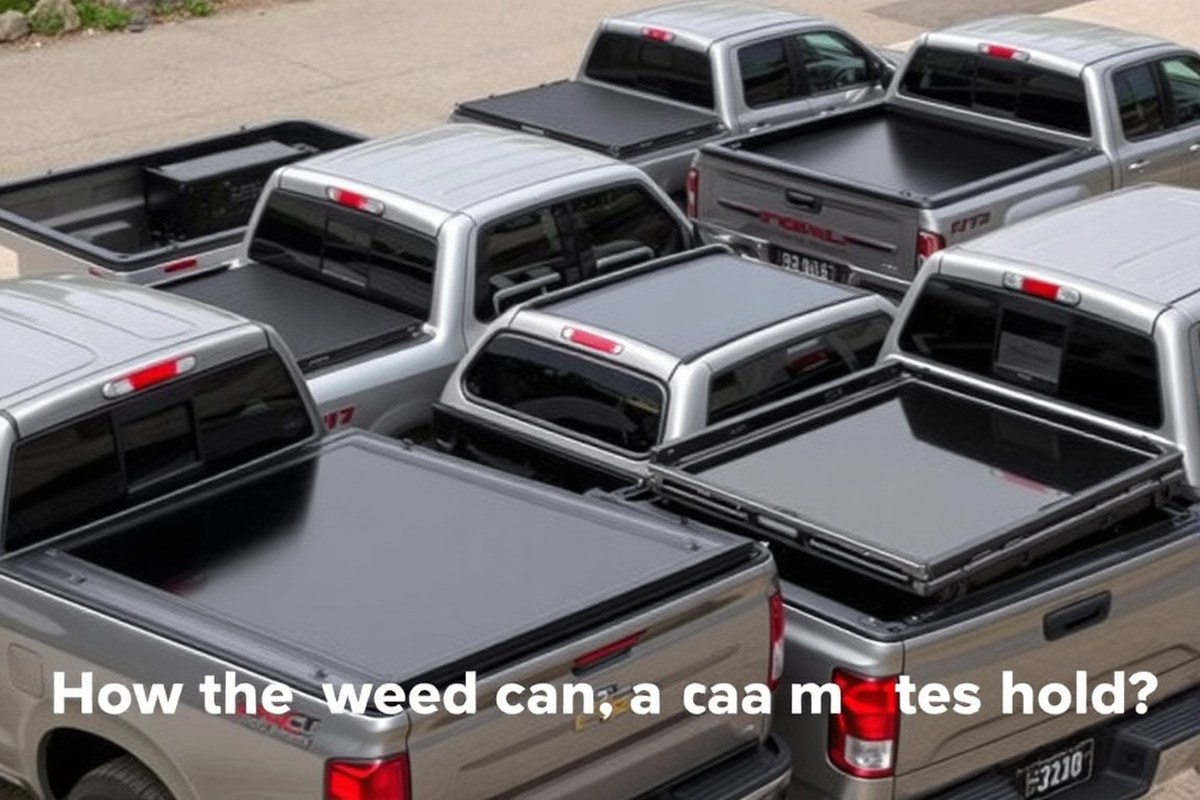
Soft tonneau covers typically support the lowest weight, ranging from 15 to 100 pounds. Most soft roll-up and tri-fold styles fall near the bottom of this range, with models like the TYGER T3 rated up to 100 pounds. In contrast, hard tonneau covers usually hold much more weight, commonly up to 300 pounds, while higher-end models exceed that significantly. Folding covers, both hard and soft, tend to be sturdier than roll-up types and offer better weight capacity due to their panel design.
Among hard covers, retractable tonneau covers often support more weight than folding or roll-up styles. Manual and electric retractable models commonly carry around 500 pounds. One-piece covers, made from heavy-duty materials such as fiberglass or ABS composites, offer some of the highest weight capacities and can carry 500 pounds or more, making them ideal for heavier loads or occasional climbing.
| Cover Type | Typical Weight Capacity (lbs) | Examples and Notes |
|---|---|---|
| Soft Roll-up | 15, 100 | Lightweight vinyl; TYGER T3 up to 100 lbs |
| Soft Tri-Fold | 15, 100 | Similar to soft roll-up; low-end pricing $150-$300 |
| Hard Roll-up | Up to 400 | Aluminum strips increase strength; models like TruXedo Sentry CT hold 400 lbs |
| Hard Folding | 300, 600 | Examples: Extang Solid Fold ALX at 600 lbs; BAKFlip MX4 at 400 lbs |
| Retractable | About 500 | RetraxPRO MX manual and electric models rated for 500 lbs |
| One-piece | 500+ | Materials like fiberglass or ABS composite; Undercover One-piece covers rated 500 lbs |
Weight ratings are based on evenly distributed loads. Hard folding covers like the Extang Solid Fold ALX offer some of the highest published weight capacities, up to 600 pounds, making them suitable for heavier cargo or loading situations that require occasional stepping on the cover. Retractable covers provide adjustable access along with their load support, balancing convenience with strength. Soft covers are best for lightweight protection and ease of use but are not designed to carry heavy weight.
How Materials and Construction Impact Tonneau Cover Strength

Aluminum provides the best strength-to-weight ratio among common tonneau cover materials, especially when paired with a sturdy frame design. Hard covers using aircraft-grade or multi-layer aluminum panels can support between 300 and 600 pounds evenly distributed across the surface. For example, designs that combine aluminum panels with polymer-reinforced tops or EnduraShield polymer layers achieve load ratings as high as 600 pounds without heavy added weight. Meanwhile, aluminum folding or slatted covers use double-wall construction and powder-coated finishes to resist corrosion and improve durability.
Vinyl and canvas soft covers rely primarily on a fabric layer stretched over an aluminum frame. The fabric itself offers very low weight capacity and should never be loaded directly. Instead, any weight should be supported by the underlying aluminum frame, which generally holds 50 to 100 pounds if the load is well distributed. Manufacturers like TonnoPro back their epoxy-coated aluminum frames with lifetime warranties, indicating confidence in frame strength even when covered by softer materials. Fiberglass and ABS composite covers fall in between these extremes, offering more rigidity than soft covers but less than aluminum. ABS panels tend to be impact and puncture resistant but commonly support about 300 to 400 pounds maximum due to material brittleness under heavy, concentrated loads.
Frame design plays a important role in weight capacity. Covers that evenly distribute forces over aircraft-grade aluminum or reinforced polymer frames handle heavier loads without bending or warping. Clamp-on or bolt-on frameworks featuring crossbows or interlocking slats help spread out weight, unlike flexible or hinge-only designs. The finish on aluminum frames, such as matte black powder coating or epoxy, protects against rust and wear, extending strength over time. Installations that require no drilling maintain structural integrity since no holes weaken the frame. Look for features like triple-fin perimeter seals and integrated water management that demonstrate attention to frame durability and fit quality.
Hard roll-up covers constructed with interlocking aluminum or composite slats provide security and moderate load strength. These covers often withstand 400 to 500 pounds if the load is balanced and spaced. However, soft or canvas covers paired with lightweight aluminum frames offer significantly lower maximum loads and should not be heavily relied on for cargo support beyond the frame’s capacity. It’s important to verify the exact material specifications and weight ratings provided by the manufacturer, as loads far exceeding these can cause permanent damage to both fabric and frame elements.
Always avoid placing concentrated heavy weight or sharp objects directly on soft tonneau cover surfaces, as this can tear the fabric or damage the frame beneath it.
How Tonneau Cover Design Affects Load Distribution
Tonneau cover design plays a key role in how much weight the cover can support without damage. Panel size, overlapping seams, and the structural reinforcement all affect load distribution, which determines whether weight stays evenly balanced or strains one part of the cover. Understanding these design factors helps you choose a cover that safely holds your cargo and avoids costly repairs.
Single-Piece vs Multi-Panel Designs
Single-piece tonneau covers typically offer greater load capacity because they have no seams or joints that create weak points. Their continuous surface spreads weight evenly across the truck bed frame. This makes them well-suited to heavy loads, with some hard one-piece covers supporting up to 400 pounds evenly distributed.
Multi-panel covers, such as hard tri-fold models, have seams where the panels overlap or fold. This design adds convenience for access and storage but reduces the cover’s ability to carry weight because the load needs to bridge or rest on hinges and seams. For instance, a tri-fold hard cover can still support about 400 pounds evenly spread, but soft tri-fold covers max out around 20, 30 pounds due to their canvas or vinyl shells.
The thickness of the panels also matters. Thicker panels better resist bending and spread the load more effectively but add weight themselves. Thin foldable covers might compromise load strength to maintain easy folding and lightweight handling.
The Importance of Frame and Latch Quality
The frame under a tonneau cover provides essential support for weight placed on top. High-quality metallic frames with reinforced rails help maintain rigidity and distribute load forces across the truck bed edges, preventing sagging or damage to the cover. Poorly aligned or loose rails reduce strength and can cause latches to fail, compromising both security and load capacity.
Strong locking latches also contribute by tightly securing panels and eliminating flex or movement under weight. Covers with strong quick latch systems, like the Worksport AL3 Quick Latch, combine ease of use with secure load handling by ensuring panels stay firmly connected, even under up to 400 pounds of weight on hard fold covers.
Weight Distribution Strategies
Load placement across the cover must be even to avoid concentrated stress points that damage panels or hinges. Distributing weight widely reduces strain on seams and frames, protecting folding mechanisms and seals. For example, placing lumber, snowboards, or cargo evenly across a hard tri-fold cover helps maintain the intended 400-pound rating. Step-by-step, follow this approach to safe loading:
- Clear any debris, snow, or ice from the cover to ensure full contact and seal integrity.
- Place heavier objects along the edges or over reinforced frame areas rather than centered where the cover is unsupported.
- Use multiple smaller loads spaced evenly rather than one heavy concentrated spot.
- Double-check that all latches and rails are secure before driving.
Failing to distribute weight properly can lead to narrowed contact zones, causing panel deformation and potential water pooling or latch failure. The following table compares common tonneau cover designs by their load handling characteristics:
| Cover Design | Typical Max Weight (Evenly Distributed) | Load Limit in One Spot | Material Notes |
|---|---|---|---|
| Hard Tri-fold (folding panels) | ~400 lbs | – | Panels overlap; hinges bear load |
| Hard Roll-up | 200, 400 lbs | 50, 100 lbs | Supports moderate load; frame critical |
| One-piece hard cover | Up to 400 lbs+ | – | No seams; maximizes strength |
| Soft Tri-fold (vinyl/canvas) | 20, 30 lbs | – | Thin panels; minimal load capacity |
When selecting a tonneau cover, focus on models with sturdy panels, reinforced frames, and secure latches to maximize safe load capacity. A strong design helps evenly spread weight and reduces risk of damage to your cover and truck bed.
Safety Considerations When Placing Weight on Tonneau Covers
Sitting or sleeping on a tonneau cover is generally not recommended unless the manufacturer specifically states it can handle such loads. Most soft and vinyl covers support between 15 and 50 pounds, which falls far short of a person’s weight. Even some hard covers may not support the concentrated load of a person standing or sitting because your weight presses down on small contact points rather than spreading evenly.
Weight focused in one spot can cause damage more easily than evenly distributed loads. Your body weight resting over two feet of a panel concentrates stress, potentially leading to dents, cracks, or tears depending on the cover material and construction. Overloading beyond stated limits risks bending the frame, breaking latches, or compromising seals that keep water and debris out.
Manufacturers issue warnings to avoid misuse scenarios such as standing on soft roll-up covers or exceeding weight limits provided in product manuals. Ignoring these cautions often results in voided warranties and costly repairs. The risk of damage increases especially if the tonneau cover is older, exposed to harsh weather, or improperly installed. Follow these safety tips when placing weight on your tonneau cover:
- Check the manufacturer’s specified weight limit before loading anything on the cover.
- Distribute weight evenly across multiple points to reduce concentrated stress.
- Avoid standing, jumping, or sitting on soft and vinyl tonneau covers.
- Secure cargo to prevent shifting during transport, which can cause sudden high-impact loads.
- Inspect your cover regularly for cracks, dents, or loose hardware, especially after loading or heavy use.
- Use bed rails or a ladder rack if you need to carry heavy or awkward loads above the bed.
- Remember that temporary loading while unloading may be possible, but sustained weight often leads to damage.
Damage from overloading may appear as stretched fabric, broken panels, warped hinges, or leaks. These issues reduce the cover’s effectiveness in protecting your cargo and can allow moisture and dirt inside the truck bed. Repair or replacement costs vary; a soft roll-up cover typically costs around $500, while costly hardcover systems may exceed $1,000, not counting installation.
Taking safety precautions with loading ensures your tonneau cover lasts longer and maintains its function. Choosing a cover constructed from durable materials like fiberglass reinforced polymer (FRP) can offer more toughness, but no cover is designed to support heavy human weight repeatedly. Use the cover within rated limits to avoid setbacks and protect your investment.
Examples of Popular Tonneau Covers and Their Published Weight Ratings
Popular tonneau covers offer different weight capacities based on their design and materials, which directly affects how much you can safely place on top. For example, the BAKFlip MX4 is well known for its sturdy aluminum panels and can typically hold up to 300 pounds evenly distributed. Similarly, the Undercover one-piece cover, praised for its sleek and secure construction, supports approximately 250 pounds, making it reliable for moderate loads.
Soft tri-fold covers like the Worksport SC3 offer convenience but generally support less weight, around 200 pounds. The MOSTPLUS FRP cover, made from fiberglass-reinforced polymer, falls in a similar range, favored for its durability but not designed for heavy loads. When choosing a cover, balancing cost, weight capacity, and ease of use is essential. High load ratings often come with higher price points and more strong installation requirements.
| Tonneau Cover Model | Type | Published Load Capacity (lbs) | Price Range (USD) |
|---|---|---|---|
| BAKFlip MX4 | Hard Tri-Fold Aluminum | Up to 300 | $1,200, $1,500 |
| Undercover One-Piece | Hard Roll-Up | Up to 250 | $1,500, $2,000 |
| Worksport SC3 | Soft Tri-Fold | Approx. 200 | $800, $1,100 |
| MOSTPLUS FRP | Fiberglass | Approx. 200 | $900, $1,200 |
Warranty terms often list weight limits as part of the coverage, so exceeding those can void protection. Manufacturers design these covers with specific materials and support rails to balance strength and weight. While heavier load ratings imply stronger builds, it can add to the cover’s weight and installation difficulty, potentially requiring professional help. A less expensive soft tri-fold cover like the Worksport SC3 may suit light-duty use, but hard covers like BAKFlip MX4 deliver more protection for heavier cargo.
Never exceed the published weight capacity of your tonneau cover to avoid damage or unsafe conditions, and check your warranty details before placing heavy loads.
How to Measure Your Truck Bed for Optimal Tonneau Cover Fit and Strength
Choosing a tonneau cover that fits your truck bed properly ensures it will perform safely and hold weight without risking damage. Precise measurements of your truck bed’s length, width, and sometimes depth guide you to the right cover size. Getting these dimensions right helps maintain cover strength and prevents slipping or gaps that could compromise load support.
Measuring Bed Length
Start by measuring the inside length of your truck bed from the bulkhead (the wall behind the cab) to the inside edge of the tailgate. This dimension determines the main length of the tonneau cover, and even small mistakes can cause a poor fit. A cover too long or too short risks creating pressure points or inadequate sealing.
- Open the tailgate fully to access the entire bed length.
- Place a tape measure at the inner wall of the bulkhead.
- Stretch the tape measure straight along the bed floor to the inside edge of the closed tailgate.
- Record the length in inches, rounding down to avoid an overly tight cover.
- Double-check the measurement by repeating the process to verify accuracy.
Measuring Bed Width and Depth
Next, measure the width between the bed rails at the widest point, typically near the top edge. This width decides the cover’s cross dimension and impacts how the cover distributes weight. Some tonneau covers also require the bed’s depth to ensure proper sidewall attachment and strength under load. Documenting all these dimensions helps avoid ordering a cover that’s too small or too large, which can reduce its load capacity.
- Measure the distance between the inner sides of the bed rails near the open tailgate area.
- Note the width in inches, making sure to measure parallel to the ground for accuracy.
- Optionally, measure the bed’s depth from the top edge of the bed rail down to the truck bed floor.
- Confirm these measurements with a second pass to prevent errors.
Recording Measurements for Ordering
Accurate records of your truck bed length, width, and depth simplify your tonneau cover selection and installation. Many manufacturers provide exact size requirements, so clear documentation prevents ordering mistakes. Keep your measurements and truck model details handy, and consult manufacturer sizing charts before purchase.
- Write or type your measurements on a piece of paper or digital note precisely.
- Include your truck’s make, model, year, and bed style (e.g., short, standard, or long bed) alongside measurements.
- Refer to the cover manufacturer’s size chart or customer service to match your dimensions.
- Consider slightly undersizing over oversizing to ensure a secure fit and load capacity.
- Review return and exchange policies in case the cover doesn’t fit perfectly.
Maintaining and Inspecting Tonneau Covers for Load Durability
Maintaining and inspecting your tonneau cover regularly is essential for preserving its load-bearing ability over time. Frequent checks help spot minor damage or wear before they evolve into serious problems that compromise strength. At a minimum, inspect your tonneau cover every three to six months, or more often if you use your truck bed under harsh weather or heavy-duty conditions.
Start by examining the frame, latches, seals, and cover material. Look for signs of corrosion or rust on metal parts, and ensure clamps and latches operate smoothly without excessive looseness or stiffness. Inspect seals for cracks, brittleness, or gaps that indicate wear. Check the cover surface for tears, punctures, or areas where the material feels thinner or weaker, especially near pressure points or edges.
- Test all latches and clamps for secure closure and tight fit
- Clean the cover gently with mild soap and water, avoiding harsh chemicals
- Lubricate metal parts lightly with a silicone-based spray to prevent rust
- Inspect seals and replace any that show signs of cracking or hardening
- Check the cover fabric or panels for rips, abrasions, or stretching
- Tighten or adjust any loose bolts or frame components as needed
- Remove debris promptly to prevent scratching or mildew buildup
Cleaning your tonneau cover requires care to avoid damaging the finish or material. Use a soft cloth or sponge with warm water and a mild detergent specifically safe for vinyl, fiberglass, or aluminum surfaces. Avoid ammonia-based cleaners or solvents, which can degrade seals and coatings. Rinsing thoroughly and drying with a microfiber cloth helps prevent water spots or mold growth.
Detecting weakening early usually means watching for subtle changes like sagging in the cover, rust forming on frame parts, or seals that no longer provide a tight fit. These often appear long before outright failure. Addressing them promptly with minor repairs or replacements can extend your cover’s durability and maintain its ability to support loads as intended.
Costs for routine maintenance are generally low, focusing on occasional seal replacements ($20 to $50), lubricants ($5 to $10), and cleaning supplies. Serious damages, such as frame bending or extensive cover tears, might require professional repair or replacing parts, which can run into the hundreds. Keeping up with basic inspections reduces these risks and ensures your tonneau cover performs well season after season.
Tips for Safely Loading Heavy Cargo on Tonneau Covers
Properly loading heavy cargo on a tonneau cover involves careful weight distribution and secure fastening to avoid damaging the cover or causing accidents. Concentrate weight over multiple points, avoid sharp or concentrated loads, and use appropriate supports when needed for your cover type. Always secure your load to prevent shifting during transit.
Assessing Cargo Weight and Size
Start by determining the total weight and size of the items you want to place on the tonneau cover. Most covers have specific weight limits, often between 200 and 600 pounds, depending on the material and design. Knowing exact weights prevents accidental overloading and damage.
Use a scale to weigh your heaviest items if their weights aren’t listed. Consider the shape and base area of each item, as narrow or pointed objects can cause point-loading, leading to dents or tears. Larger items with flat bottoms spread the weight better and reduce the risk of damage.
- Weigh each item individually using a reliable scale.
- Measure the base area that will contact the cover’s surface.
- Add weights of all items to calculate total load.
- Check your tonneau cover’s published load capacity.
- Ensure total weight is below the cover’s limit with a safety margin of 10-15%.
Never exceed the load limit printed by the cover’s manufacturer to avoid permanent damage or unsafe driving conditions.
Distributing Weight Evenly Across Panels
Even weight distribution prevents point stress that could pierce or flex your cover. For example, placing long lumber boards should be done with spacing so that the boards rest on multiple support points or crossmembers underneath the cover.
Using metal support rods integrated into some covers or placing a flat, rigid board underneath your load helps spread the weight. Avoid stacking heavy items in one spot; instead, spread them over the largest possible area of the cover. This reduces pressure and minimizes damage risk.
- Place heavy items with the widest bases directly onto the cover.
- Use a rigid platform, such as plywood, if loads are irregular or sharp.
- Space items so weight rests on multiple support points or rods.
- Distribute lighter items around heavier ones to balance overall pressure.
- Check load points for obvious sagging or deformation before driving.
Distribute weight rather than concentrating it to avoid denting or cracking rigid covers and tearing soft vinyl covers.
Securing Cargo for Transport
Keeping your cargo secure improves road safety and protects both the load and tonneau cover. Straps, ratchet ties, or bungee cords can secure items to anchor points inside the truck bed. Be mindful that some tonneau covers, especially roll-up and soft vinyl types, limit access to these tie-down points.
If you plan to use ladders or tall racks, remove the tonneau cover, as most designs do not allow fitting racks over the cover. Tight straps prevent shifting and potential tipping of heavy loads that could damage the cover or the truck bed.
- Identify attachment points in the truck bed around the cover.
- Use appropriately rated straps or tie-downs for the weight.
- Loop straps over or around items and secure to anchor points.
- Apply tension gradually to avoid sudden shifts or damage.
- Double-check all fasteners before driving away.
- Inspect load security during extended stops.
Avoid placing unfastened heavy objects directly on the cover, as shifting loads can break the cover or cause accidents.
Step-by-Step Action Plan for Choosing and Using Your Tonneau Cover Safely
Follow these steps to select the right tonneau cover for your truck and use it without risking damage or safety issues.
- Before you buy: Measure your truck bed precisely to ensure a proper fit. Use a tape measure to get length, width, and height. A good fit means better load support and cover durability.
- Day 1 after installation: Check the manufacturer’s weight rating for your tonneau cover model. Confirm the cover supports the loads you plan to carry, especially if you intend to place heavy items on it.
- Week 1: Load a light weight on the cover and inspect for any signs of strain or deformation. No bending or cracking means your cover handles the load well.
- Monthly: Inspect your cover’s materials and hardware for wear or damage. Tighten fasteners and clean the cover as recommended to maintain strength and performance.
- Before every heavy load: Distribute weight evenly across the cover and avoid concentrated heavy spots. Use padding or support boards if necessary to protect the cover.
- Seasonally: Check seals and material condition, especially after harsh weather. Damaged seals can compromise waterproofing and cover integrity.
- As needed: Replace any damaged parts or upgrade to a stronger cover if your cargo needs exceed your current cover’s rating. This ensures ongoing safety and durability.
Frequently Asked Questions
What Is the Strongest Tonneau Cover?
The Undercover One-piece tonneau cover is among the strongest, with a load capacity around 500 lbs. Its ABS composite material provides excellent durability and strength, ideal for heavy-duty use without compromising security or style.
Can You Sleep in a Truck Bed with a Tonneau Cover?
Yes, but it depends on the cover type. Hard covers with secure locks work best for safety and protection from weather, while soft covers might not provide enough shelter or support for sleeping comfortably overnight.
Will a 1500 Tonneau Cover Fit A 2500?
Usually, no. Tonneau covers are designed for specific truck bed sizes and models; a cover for a 1500 series likely won’t fit the wider and longer bed of a 2500 series, potentially causing leaks or fit issues. Always measure before buying.
Is It Safe to Go Through a Carwash with a Tonneau Cover?
Most hard tonneau covers are safe for carwashes, especially if properly sealed. Soft covers might trap water or get damaged by brushes. Check the manufacturer’s instructions to avoid harming your cover during automated car washes.
How Strong Is a Lomax Tonneau Cover?
Lomax tonneau covers typically offer moderate strength, generally suitable for lighter loads up to around 100 lbs. Their design favors ease of use over heavy cargo support, so avoid putting excessive weight directly on them.
Hard Tonneau Cover vs 396 Lbs of Limestone, Will It Hold?
It depends on the cover type. Hard rolling covers with aluminum strips can support up to 400 lbs, so 396 lbs might be close to the limit. Hard folding covers typically hold less, making it risky. Distribute weight evenly to reduce damage chances.
The Bottom Line
Knowing how much weight your tonneau cover can hold helps you avoid costly damage and stay safe while hauling. Always stick to the manufacturer’s guidelines and inspect your cover regularly. Start by checking your truck bed measurements and matching them with a cover rated for your needs to get the best combination of fit and strength.