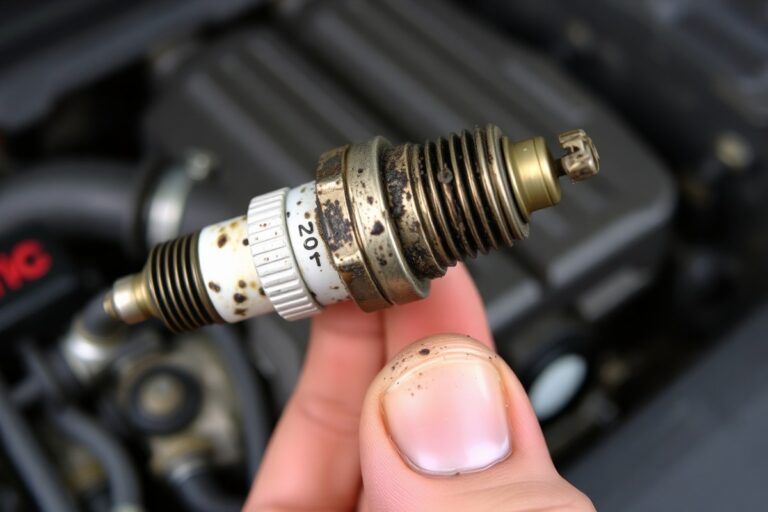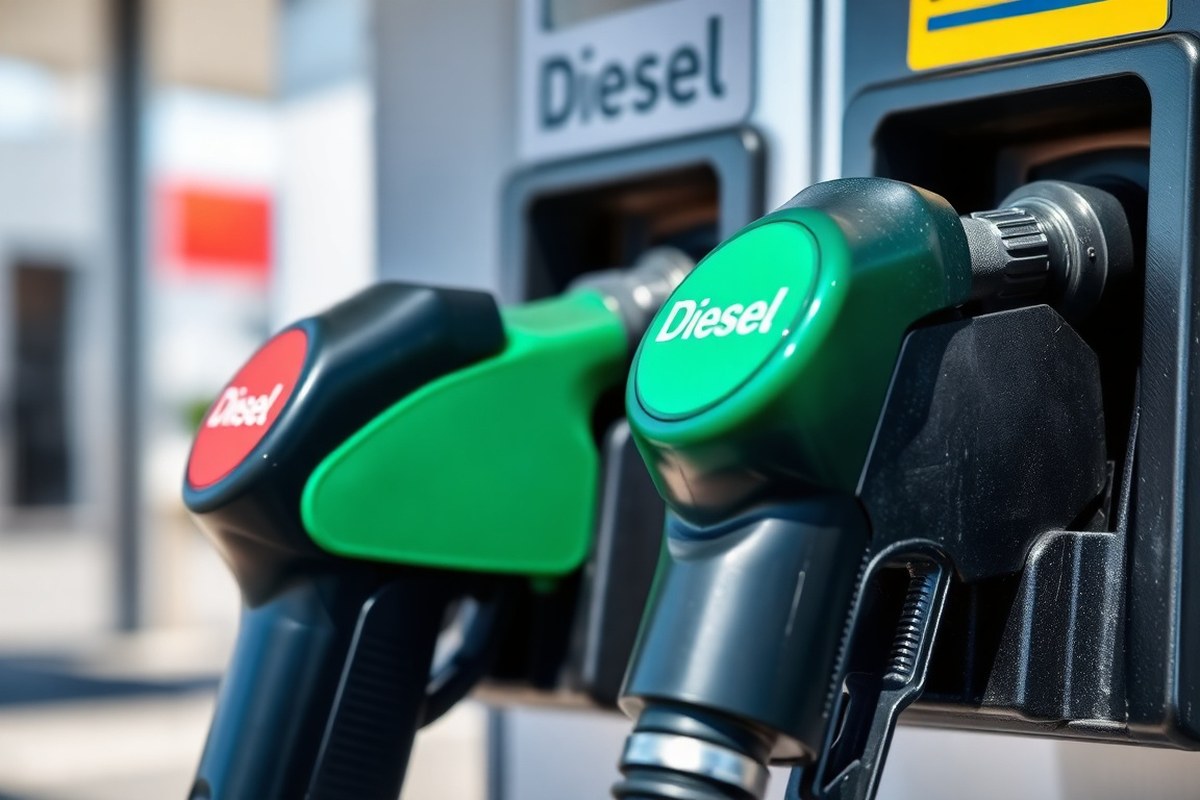
How Is Diesel Fuel Different from Gasoline? A Complete Guide with Key Comparisons
How is diesel fuel different from gasoline? Diesel contains larger hydrocarbon molecules and burns more slowly, giving it about 10 to 15% higher energy density than gasoline. This difference allows diesel engines to be roughly 20% more efficient in converting fuel into power. Diesel’s slower evaporation and higher energy content explain why it delivers better mileage and lasting performance. Start by understanding that diesel fuel’s chemical makeup and combustion traits create these efficiency gains, informing your choice between diesel or gasoline vehicles.
Key Takeaways
- Diesel fuel consists of larger molecules, typically 10 to 22 carbon atoms, while gasoline molecules range from 4 to 12 carbons.
- Diesel’s higher boiling point (250-350°F) during refining means it contains more energy-dense hydrocarbons than gasoline.
- Diesel engines operate with a higher compression ratio, enabling about 20% greater fuel efficiency than gasoline engines.
- Because diesel burns slower, it produces more energy per gallon, reducing fuel consumption on long trips.
- Diesel engines often last significantly longer, sometimes exceeding 300,000 miles, compared to gasoline engines’ typical 200,000-mile lifespan.
- Biodiesel blends like B20 mix renewable fuel with petroleum diesel to lower emissions without compromising diesel engine performance.
What Chemically and Physically Distinguishes Diesel Fuel from Gasoline?
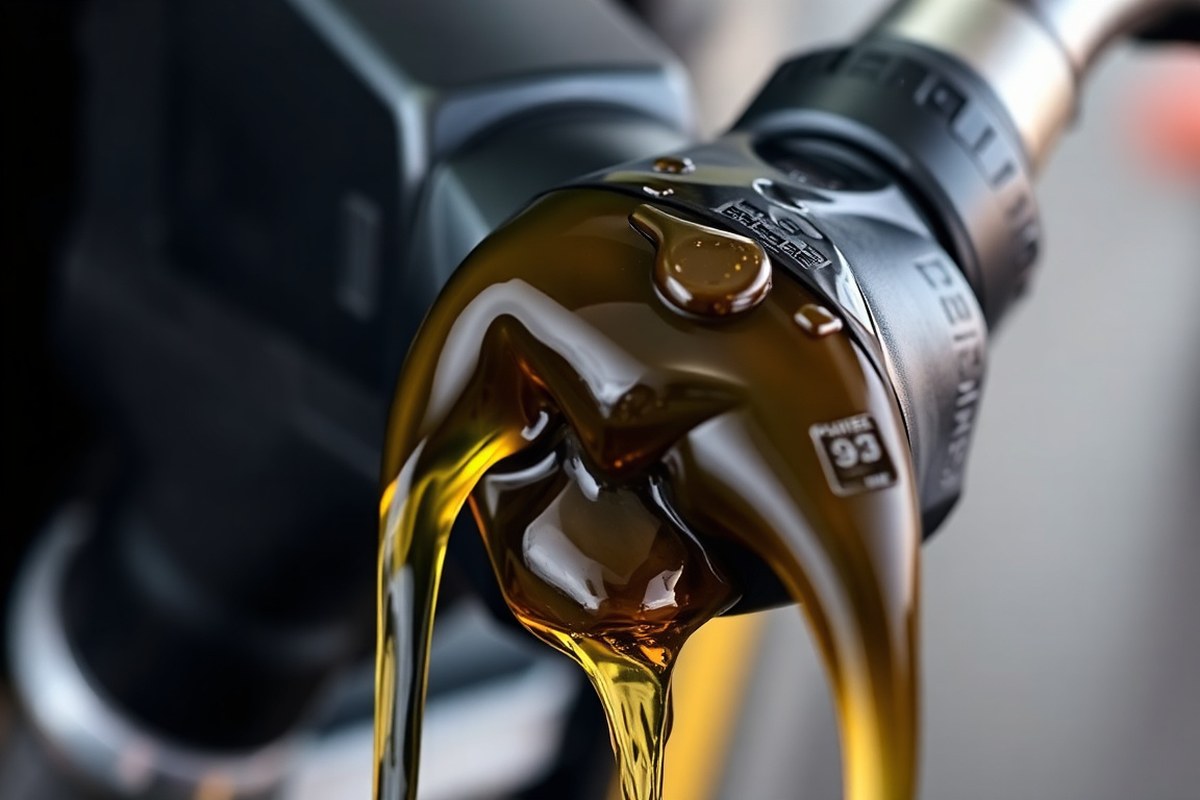
Diesel fuel and gasoline show clear differences in their molecular structure, directly affecting their properties and performance in engines. Diesel consists of larger hydrocarbon chains, generally containing 10 to 22 carbon atoms per molecule. Gasoline molecules are smaller, typically having 5 to 12 carbon atoms. This causes diesel to be thicker and less prone to evaporation than gasoline. Diesel’s bigger molecules evaporate slowly, giving it an oily feel, while gasoline evaporates almost immediately when it contacts your skin.
The physical properties of diesel and gasoline affect their combustion in engines. Diesel has a greater density and is less volatile, leading to a slower and more consistent burn. Gasoline vaporizes rapidly and ignites quickly with a spark, suiting spark ignition engines. Because diesel combusts more slowly, it holds roughly 10 to 15% more energy per gallon than gasoline, which contributes to diesel engines running about 20% more efficiently. These traits also mean diesel requires high compression for ignition, whereas gasoline relies on spark ignition due to differing combustion temperature and pressure needs. Below is a table summarizing the key molecular and physical distinctions between diesel fuel and gasoline:
| Characteristic | Diesel Fuel | Gasoline |
|---|---|---|
| Hydrocarbon Chain Length | 10 to 22 carbon atoms | 5 to 12 carbon atoms |
| Density | Higher density | Lower density |
| Volatility | Less volatile, slower evaporation | More volatile, evaporates quickly |
| Energy Content per Gallon | About 10 to 15% more energy | Lower energy content |
| Combustion Speed | Burns more slowly | Burns rapidly |
| Ignition Method | Compression ignition | Spark ignition |
The higher density and longer carbon chains in diesel mean it requires more heat and pressure to ignite, which facilitates the use of compression ignition in diesel engines. Gasoline’s lower boiling point and higher volatility allow it to vaporize easily, a requirement for efficient spark ignition. These chemical and physical fuel properties directly shape engine design and performance, influencing fuel efficiency, power output, and emissions. Understanding these differences is key for ensuring you use the right fuel for your vehicle and optimize its operation.
How Are Diesel and Gasoline Fuels Produced and Refined Differently?
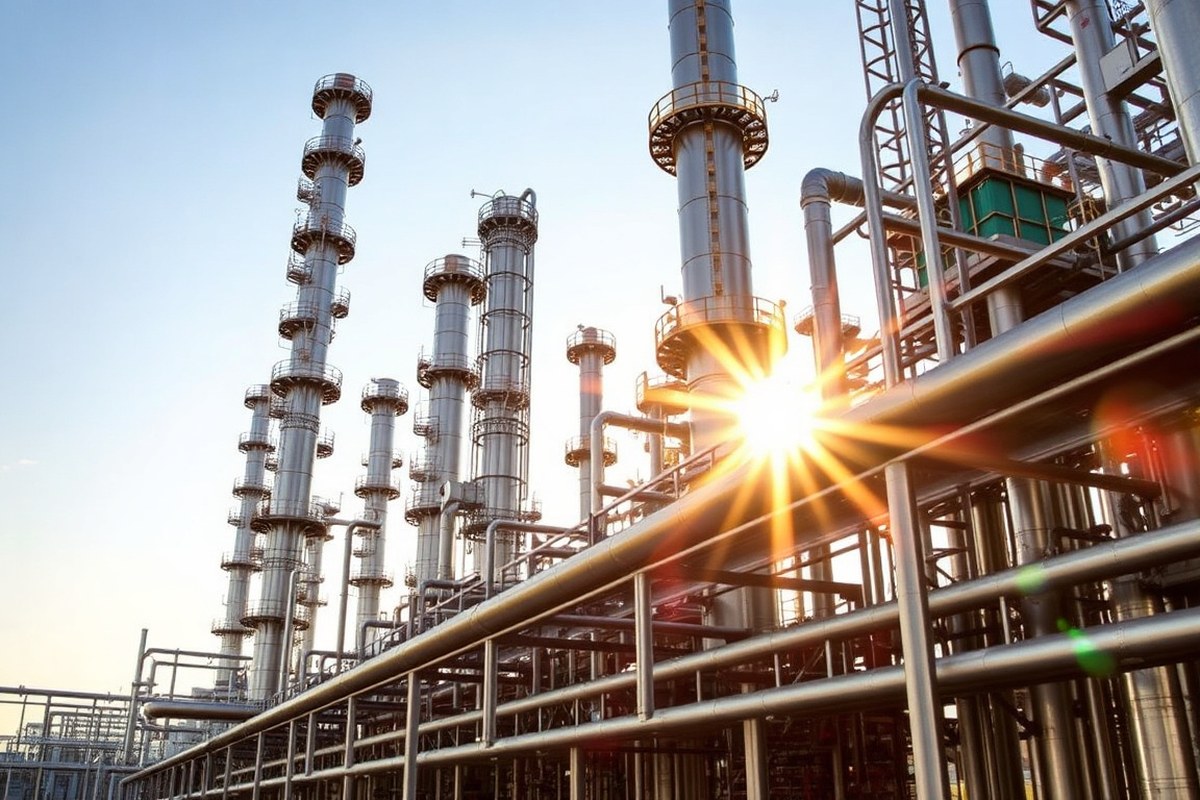
Diesel fuel and gasoline are both derived from crude oil through fractional distillation, but they are separated at different boiling point ranges within the distillation column. Diesel forms at higher temperatures between approximately 250°C and 350°C, while gasoline distills at lower temperatures around 35°C to 200°C. After distillation, diesel undergoes further processing to reduce sulfur content for cleaner combustion, and both fuels receive additives tailored for their engine types and performance needs.
Fractional Distillation Temperature Ranges
Refining crude oil into diesel and gasoline starts with heating the oil in a distillation column. As the temperature increases, different hydrocarbons boil off at specific temperature ranges corresponding to their molecular size and structure, allowing separation into usable fuel fractions.
Gasoline distills at lower temperatures, between about 35°C and 200°C. This range captures hydrocarbons with shorter carbon chains, typically 4 to 12 carbons long, which evaporate easily and burn at lower temperatures. Diesel distills higher in the column at temperatures between 250°C and 350°C, capturing longer carbon chains around 12 to 23 carbons, which carry more energy per volume but require higher ignition temperatures.
These temperature ranges are critical as they define the chemical makeup and energy content of each fuel. By controlling the heat and pressure in the distillation column, refinery operators can optimize the quantity and quality of gasoline and diesel produced to meet market demand.
- Heat crude oil gradually in a distillation column.
- Allow vapors to rise as temperature increases.
- Collect fractions at levels corresponding to boiling points: 35-200°C for gasoline, 250-350°C for diesel.
- Separate the collected fractions for further refining or blending.
- Send diesel fraction to hydrotreatment for sulfur removal.
- Add required performance and stability additives to each fuel.
- Test the final product to ensure compliance with standards.
Maintain precise temperature control during distillation to avoid mixing fractions that compromise fuel quality and engine performance.
Sulfur Removal and Emission Regulations
Diesel fuel typically contains more sulfur than gasoline in its raw distillate form. High sulfur content increases harmful emissions when burned, so refineries reduce sulfur using hydrotreatment. This process exposes diesel to hydrogen gas under high pressure and temperature, converting sulfur compounds into hydrogen sulfide gas, which is removed.
Regulations limit sulfur content stringently, often to under 15 parts per million (ppm) for on-road diesel in the US and similar levels in other countries. Low sulfur requirements make diesel cleaner but also add refining complexity and cost. Gasoline contains much less sulfur naturally, so the additional removal process is less intensive.
Meeting these standards reduces emissions of sulfur oxides, which contribute to air pollution and health risks. Continued regulation has pushed the industry toward ultra-low sulfur diesel as a standard for all vehicle use.
Common Additives in Diesel and Gasoline
After distillation and sulfur removal, both diesel and gasoline receive additives to improve performance, stability, and storage life. Diesel additives often include cetane improvers to promote quicker ignition, detergents to keep fuel injectors clean, and cold flow improvers to prevent gelling in low temperatures.
Gasoline additives typically contain octane boosters to prevent engine knock, antioxidants to preserve the fuel during storage, and corrosion inhibitors. Both fuels might also have biocides to prevent microbial growth and anti-foam agents for smoother engine operation. The exact additives and their concentrations differ by fuel type, regional regulations, and seasonal requirements, ensuring engines run efficiently and last longer while emission standards are met.
How Do Diesel Engines Work Differently from Gasoline Engines?
Diesel engines operate using compression ignition, whereas gasoline engines rely on spark ignition. In a diesel engine, the air inside the cylinder compresses at a high ratio, typically around 19:1. This compression heats the air to a temperature high enough to ignite the fuel when diesel is injected. Gasoline engines, on the other hand, compress an air-fuel mixture at a much lower ratio, usually around 8.5:1, to prevent premature ignition. They use spark plugs to ignite this mixture at the correct moment, controlling when combustion starts.
The difference in compression ratios matters because it directly affects engine efficiency and power delivery. Diesel’s high compression ratios generate more heat, allowing for more complete fuel combustion and higher thermal efficiency compared to gasoline engines. This efficiency translates into better fuel economy and more torque at lower engine speeds. Diesel engines excel in producing high torque, which makes them well-suited for heavy loads and towing. Gasoline engines typically produce more horsepower and can reach higher RPMs, offering quicker acceleration, but they usually generate less torque at low speeds.
This fundamental operational difference leads to variation in engine design and performance. Diesel engines have stronger internal components to withstand the higher pressures associated with their compression ratios. Gasoline engines are lighter, as they don’t need to handle such intense forces. Because diesel fuel has a higher energy density, diesel engines release more power per gallon burned. However, the auto-ignition process requires precise control of fuel injection timing to avoid issues like knocking, which can damage the engine. Gasoline engines avoid this risk by using spark timing to control ignition.
The practical effect of these differences is that diesel engines deliver substantial torque at low RPMs, making them ideal for trucks and vehicles needing strong pulling power. Gasoline engines, by contrast, respond faster to throttle changes and perform better at high speeds or with rapid acceleration. When using or comparing these engines, understanding that diesel’s compression ignition and high compression ratio give it a fuel efficiency and torque advantage, while gasoline engines offer smoother, faster acceleration, helps identify the right choice based on your driving needs.
Why Does Diesel Fuel Provide Higher Energy Density and Efficiency?
Diesel fuel contains about 138,700 British thermal units (BTUs) per gallon, whereas gasoline has roughly 114,100 BTUs per gallon. This means diesel carries approximately 20% more energy per gallon than gasoline. The difference comes down to their molecular structures. Diesel molecules are longer chains of hydrocarbons with more carbon atoms, allowing them to store more chemical energy. Gasoline consists of shorter hydrocarbon chains with fewer carbon atoms, so it has less energy content by volume.
The higher energy density of diesel translates directly to better fuel economy in diesel engines. More energy per gallon means the engine can produce more work from less fuel. Diesel engines also use a combustion process that exploits this fuel property by compressing air to a higher degree before injection, allowing the fuel to burn more efficiently and extract nearly all the energy stored in diesel molecules.
For example, if you drive a vehicle that averages 20 miles per gallon (mpg) on gasoline, switching to a similar diesel-powered vehicle might yield about 30 mpg, roughly 1.5 times the fuel efficiency. This gain happens because diesel delivers 20% more energy per gallon and diesel engines convert that energy to motion more efficiently. That means your fuel cost per mile could be lower even if diesel prices per gallon are slightly higher.
The molecular structure of diesel, with longer hydrocarbon chains, also causes it to burn slower and release energy more steadily, which suits heavy-duty applications needing consistent power at lower engine speeds. This steady combustion reduces engine wear and improves durability. A diesel engine under typical driving conditions experiences less strain, which can extend engine life and reduce maintenance costs over time.
Keep in mind, fuel efficiency gains depend on the vehicle design and driving habits. City driving with frequent stops may reduce the advantage since diesel engines perform best at steady speeds and loads. Also, cold temperatures can affect diesel’s flow properties, requiring additives or engine block heaters to maintain optimal efficiency. Nevertheless, diesel’s higher energy content offers a clear efficiency advantage, especially for long-distance travel or heavy towing, where maximizing energy per gallon directly impacts operating costs.
In summary, diesel’s 20% higher energy density results from longer hydrocarbon chains storing more energy. The efficient combustion in diesel engines turns this energy into mechanical work more effectively than gasoline engines. For drivers, this means better mileage, lower fuel consumption, and potentially lower fuel costs per mile, especially in applications demanding high power and long operating hours.
What Are the Cost and Maintenance Differences Between Diesel and Gasoline?
Diesel fuel usually costs more per gallon than gasoline, but diesel engines are more fuel-efficient and last longer. Upfront vehicle costs and maintenance also differ between the two, affecting the total ownership cost. How much you drive plays a key role in deciding which fuel type is more cost-effective for your needs.
Fuel and Maintenance Cost Comparison
Diesel fuel typically sells for more per gallon than regular gasoline, often 10-20% higher depending on location. Despite this, diesel’s higher energy density means diesel engines get more miles per gallon, balancing the fuel cost over time. Maintenance on diesel engines often costs more because of specialized parts such as high-pressure fuel injection systems and diesel particulate filters.
Gasoline engines generally have lower maintenance costs and cheaper repairs. However, they also tend to have a shorter lifespan, which can lead to replacement or major overhaul costs earlier than diesel engines. Diesel maintenance includes regular fuel filter replacements and cleaning or replacing diesel particulate filters, which adds to long-term expenses.
| Cost Aspect | Diesel Engines | Gasoline Engines |
|---|---|---|
| Fuel Price per Gallon | 10-20% higher than gasoline | Lower upfront cost |
| Fuel Efficiency | Higher mpg due to energy density | Lower mpg |
| Maintenance Expenses | Higher due to specialized parts and filters | Lower, standard parts and less complex systems |
| Engine Lifespan | Considerably longer, often double | Shorter lifespan |
The higher maintenance costs of diesel engines can be offset by their efficiency and longer lifespan, especially in vehicles used for heavy-duty or long-distance driving.
Vehicle Price Differences
Vehicles with diesel engines usually have a higher purchase price than gasoline vehicles. The more strong engine design and added emission control systems contribute to the increased upfront cost. This difference can range from a few thousand dollars to more, depending on the model and manufacturer.
Gasoline vehicles cost less upfront and may be more affordable for drivers who do not require the extended durability or fuel efficiency of diesel. For everyday commuting or low mileage driving, gasoline vehicles might save money over the short term due to lower acquisition and maintenance costs.
Mileage Impact on Cost Efficiency
Driving habits heavily influence whether diesel or gasoline vehicles save you money over time. Diesel engines offer better fuel economy and can last much longer, making them more cost-effective for drivers who cover high annual mileage, such as over 20,000 miles per year. The longer lifespan reduces the need for early replacement.
For lower mileage drivers, gasoline vehicles may be more economical due to their lower upfront price and cheaper maintenance. Diesel’s benefits in fuel efficiency and engine longevity may not compensate for the higher initial investment and higher diesel fuel price if you drive fewer miles.
Tip: Consider your annual mileage carefully; diesel’s advantages often show up after driving tens of thousands of miles annually, while gasoline tends to be cheaper for infrequent drivers.
How Do Diesel and Gasoline Fuels Affect Emissions and Environmental Impact?
Diesel fuel burns more efficiently than gasoline but tends to produce higher levels of nitrogen oxides (NOx) and particulate matter (PM), both of which contribute to smog and respiratory problems. Gasoline engines emit more carbon monoxide (CO) and volatile organic compounds (VOCs), which also affect air quality. In terms of carbon dioxide (CO2), diesel’s higher energy density means diesel engines generally emit less CO2 per mile compared to gasoline engines. However, diesel combustion can produce black carbon, a potent climate-warming particulate, making its overall environmental impact complex.
Strict environmental rules have shaped how diesel fuel and engines are designed. The U.S. Environmental Protection Agency (EPA) has limited sulfur content in diesel to 15 parts per million (ppm) since 2006, a much lower level than before. This ultra-low sulfur diesel (ULSD) lets manufacturers add emission controls such as diesel particulate filters (DPF) and selective catalytic reduction (SCR). These technologies reduce nitrogen oxides (NOx) and particulate matter, helping diesel vehicles meet tough air quality requirements.
Biodiesel and renewable diesel fuels offer pathways to reduce the environmental impact of diesel-powered vehicles. Biodiesel, made from vegetable oils or animal fats, burns cleaner than petrodiesel by reducing particulate emissions and carbon monoxide. Renewable diesel, chemically similar to conventional diesel but sourced from organic materials, also lowers greenhouse gas emissions. These biofuels can be blended with regular diesel or used alone, but they usually cost more. For example, biodiesel’s price premium may range from 10% to 50% higher than petroleum diesel depending on location and production scale, which affects decisions on how much to blend in fleet operations.
Many fleet operators and vehicle owners balance fuel choice by considering emissions controls, fuel availability, and costs. Diesel’s stronger emissions controls after 2006 combined with biofuel blends make it a viable option for reducing NOx and particulate pollution in recent models. Gasoline vehicles still dominate consumer markets because gasoline is more widely available and cheaper, though they typically emit higher CO and VOC levels. Using biodiesel or renewable diesel requires ensuring compatibility with engine warranties and infrastructure, which means carefully choosing blend levels and suppliers.
What Fuel Types, Blends, and Additives Are Common and Why Do They Matter?
Fuel blends like B20 biodiesel and gasoline octane grades are key to matching fuel characteristics with engine needs and environmental standards. Understanding these blends and additives helps you choose the right fuel for better performance, cleaner emissions, and longer engine life.
Biodiesel and Renewable Diesel Overview
Biodiesel blends are identified by the percentage of biodiesel mixed with petroleum diesel. For example, B20 means 20% biodiesel and 80% petroleum diesel. This blend offers a balance between renewable content and compatibility with most diesel engines without major modifications.
Using biodiesel lowers emissions of certain pollutants like carbon monoxide and particulates, but too high a blend might affect cold-weather performance or fuel stability. B5 (5% biodiesel) is common for year-round use and poses minimal impact on engine parts and warranties.
To use biodiesel blends effectively, purchase from reputable sources to ensure quality and compliance with ASTM standards. Cold climates may require additives or blend adjustments to prevent gelling below about 32°F. Biodiesel can cost slightly more, around a few cents more per gallon, due to production processes, but may extend engine life by providing better lubrication.
Gasoline Octane Ratings Explained
Gasoline octane ratings indicate the fuel’s resistance to knocking or premature detonation in the engine cylinder. Common octane grades are 87 (regular), 89 (mid-grade), and 91 to 93 (premium), with higher numbers suited for higher compression engines.
Higher octane fuel prevents knocking, which can damage engine components and decrease performance. Use the octane rating recommended by your vehicle’s manufacturer to avoid wasted money on premium fuel that offers no benefit. High-performance engines often require premium fuel for optimal combustion and efficiency. Modern gasoline engines use advanced fuel injection systems, either port or direct injection, to precisely control fuel delivery, improving performance and reducing emissions regardless of octane rating choice.
Common Fuel Additives and Their Functions
Additives play an important role in maintaining fuel quality and engine health. They can improve fuel stability, prevent deposits, and reduce harmful emissions.
- Detergent additives: Clean fuel injectors to prevent carbon buildup that reduces engine efficiency.
- Anti-icing agents: Prevent water in fuel lines from freezing in cold weather.
- Corrosion inhibitors: Protect fuel system components from rust and corrosion.
- Stabilizers: Extend shelf life by preventing fuel degradation during storage.
- Cetane improvers (diesel): improve ignition quality, leading to smoother combustion.
- Octane boosters (gasoline): Increase octane to prevent knocking in high-compression engines.
- Emission-reducing additives: Lower harmful exhaust emissions, helping to meet regulatory standards.
Using fuels with proper additives ensures cleaner combustion and longer engine life. Fuel suppliers typically add these during refining, but some aftermarket additives are available if specific issues arise. Avoid mixing incompatible additives, and follow product instructions closely to prevent engine damage.
When Should You Choose Diesel over Gasoline Vehicles and Vice Versa?
Choosing between diesel and gasoline vehicles depends largely on how and where you drive. Diesel vehicles are typically better for high-mileage drivers who spend a lot of time on the highway. Driving more than 15,000 miles a year, especially on highways, makes diesel a more fuel-efficient choice that can save you money over time. Diesel engines produce more torque at lower rpms, which means they handle towing and hauling heavy loads more effectively. This makes diesel the preferred option for trucks, large SUVs, and commercial vehicles that regularly carry heavy equipment or trailers.
Gasoline vehicles, on the other hand, suit city drivers or those who cover fewer miles. Gasoline engines produce more horsepower at higher rpms, making them better suited for lightweight vehicles operating mainly in stop-and-go traffic or shorter trips. Driving less than 10,000 to 12,000 miles a year or mainly in city environments usually means a gasoline vehicle has lower upfront expenses and cheaper repairs. Gasoline stations are also more widely available, which is an important consideration if you live in an area with limited diesel fuel access.
Weather and regional factors impact your choice as well. Gasoline fuels perform better in colder climates because diesel fuel can gel at low temperatures, which could cause engine issues if proper additives or winter blends are not used. Expecting to drive often in sub-freezing temperatures means gasoline vehicles may have fewer cold-start issues. On the other hand, diesel vehicles can be more economical in warmer regions where cold-weather diesel fuel problems are less common.
For heavy-duty use such as towing boats, trailers, or hauling construction materials, diesel is generally the better option. The additional torque at low rpm enables smoother acceleration with heavy loads and less strain on the engine. Using your vehicle mainly for heavy towing or off-road tasks means a diesel engine offers better performance and durability despite its higher initial price. However, if you rarely tow or haul and mostly use your vehicle for daily commuting, gasoline is often more practical and affordable.
Cost considerations include not only fuel efficiency but also fuel price and maintenance. Diesel fuel is often slightly more expensive than gasoline and diesel vehicles typically have higher maintenance costs, particularly for emissions control systems. This higher cost is usually offset by the fuel economy benefits only if you drive many miles each year. For shorter trips and low mileage, gasoline vehicles cost less overall due to cheaper maintenance and wider service availability.
Choosing diesel makes sense for regular heavy towing or annual highway mileage above 15,000 miles, but prioritize gasoline if you drive mostly short distances or live where diesel fuel is rare or winter temperatures are very low.
Step-by-Step Action Plan for Choosing Between Diesel and Gasoline
Follow these steps to decide which fuel type best fits your vehicle needs and driving habits.
- Before You Shop: Define your typical driving distances and load requirements. Choose diesel if you drive long distances frequently or haul heavy loads. Confirm by comparing fuel economy estimates from vehicle specs.
- Day 1: Check local fuel prices to evaluate ongoing costs. Diesel often costs more per gallon but yields better mileage. Calculate projected monthly fuel spending for both fuel types.
- Week 1: Assess maintenance preferences. Opt for gasoline if you prefer lower initial vehicle cost and less costly engine repairs. Notice maintenance alerts and service bills after initial use.
- Week 2: Review environmental regulations in your area, especially diesel emission restrictions. Avoid diesel if local restrictions could limit usage. Confirm based on current state or city emission rules.
- Month 1: Select fuel additives if using diesel, especially in colder climates, to prevent gelling. Monitor engine performance and starting reliability during cold days.
- After 3 Months: Track your fuel consumption and emissions through onboard diagnostics or fuel logs. Decide if your choice meets efficiency and environmental goals.
- Ongoing: Stay informed about new fuel blends and engine technology improvements that might affect cost and performance. Adjust your fueling choices accordingly.
Frequently Asked Questions
What Similarities Do Diesel Fuel and Gasoline Share?
Both are derived from crude oil and power internal combustion engines, but diesel has heavier molecules and burns slower. This makes them suitable for different engine types and applications.
Is Diesel Fuel the Same as Gasoline?
No, diesel is denser, less volatile, and has longer carbon chains than gasoline, resulting in slower burning and higher energy content.
How Does the Evaporation Rate Differ Between Diesel and Gasoline?
Diesel evaporates much slower than gasoline due to its larger molecules, making it feel oily, whereas gasoline evaporates almost instantly.
Are Diesel Engines Better for Towing or Heavy Hauling?
Yes, diesel engines provide more torque and fuel efficiency, which helps with towing and heavy loads compared to gasoline engines.
Why Do Diesel Engines Generally Have Better Fuel Economy?
Diesel’s longer carbon chains store more energy per gallon, so diesel engines produce about 20% more energy from the same amount of fuel.
Does Diesel Require Different Engine Maintenance Than Gasoline Engines?
Yes, diesel engines often need different oil types and more frequent filter changes due to fuel properties and combustion byproducts.
Wrapping Up
Diesel and gasoline fuels differ in chemistry, engine operation, efficiency, and environmental effects. Choosing the right fuel depends on your driving style, budget, and maintenance willingness. Start by evaluating your daily driving needs and local fuel availability to make a practical decision that fits your vehicle use.