What Do Fouled Spark Plugs Look Like? A Complete Visual Guide with Practical Tips
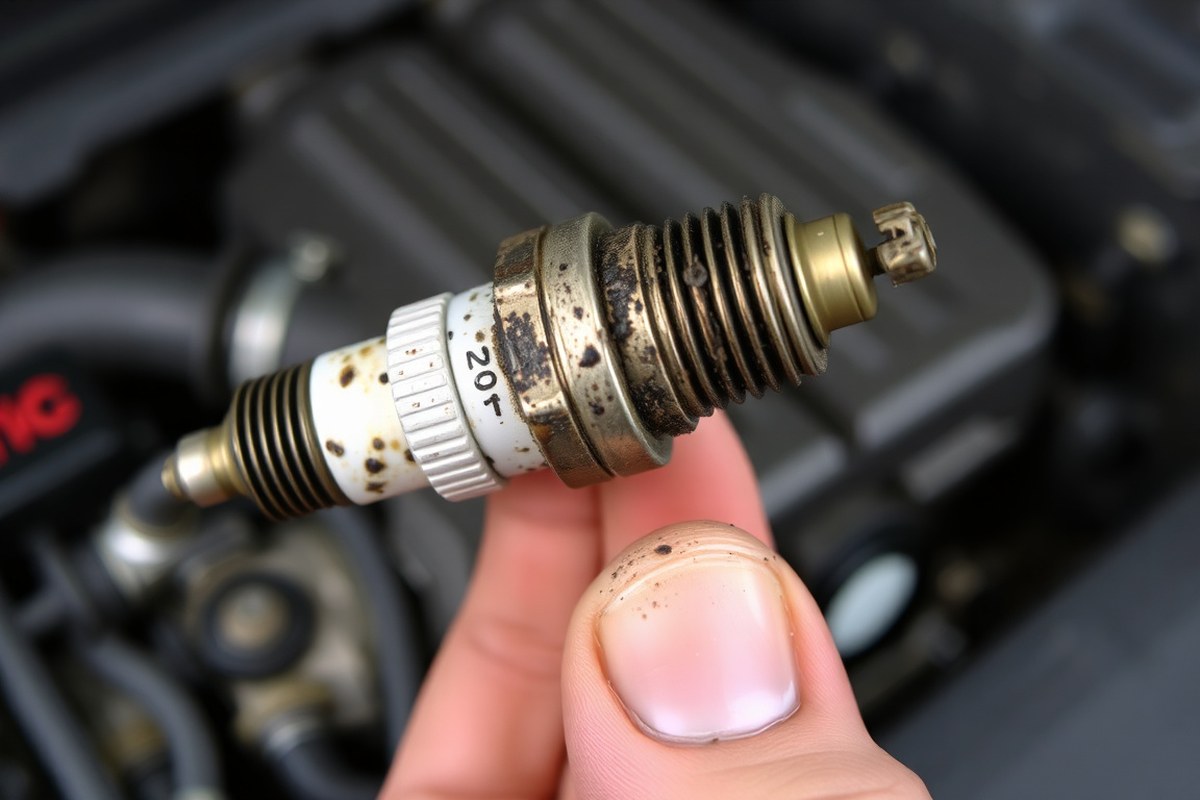
What do fouled spark plugs look like? Fouled spark plugs typically feature dark, sooty deposits, oily residue, or a crusty buildup on the electrodes and insulator. These visual signs indicate poor combustion or contamination inside the engine cylinder. The first step is to carefully remove and inspect your spark plugs to check for these telltale signs.
Key Takeaways
- A dry black soot deposit usually means carbon fouling from a rich fuel mixture or weak ignition.
- Oily fouling on spark plugs suggests oil leaking into the combustion chamber from worn piston rings or valve guides.
- A white, blistered appearance or melted electrodes show spark plug overheating and possible pre-ignition damage.
- Light tan or grayish deposits on the spark plug insulator represent normal wear after many miles.
- Inspect spark plug gaps regularly, as fouled plugs often have irregular or widened gaps affecting spark quality.
- Replace spark plugs every 25,000-30,000 miles for copper types and up to 100,000 miles for iridium or platinum plugs.
What Do Fouled Spark Plugs Look Like? Visual Signs to Identify
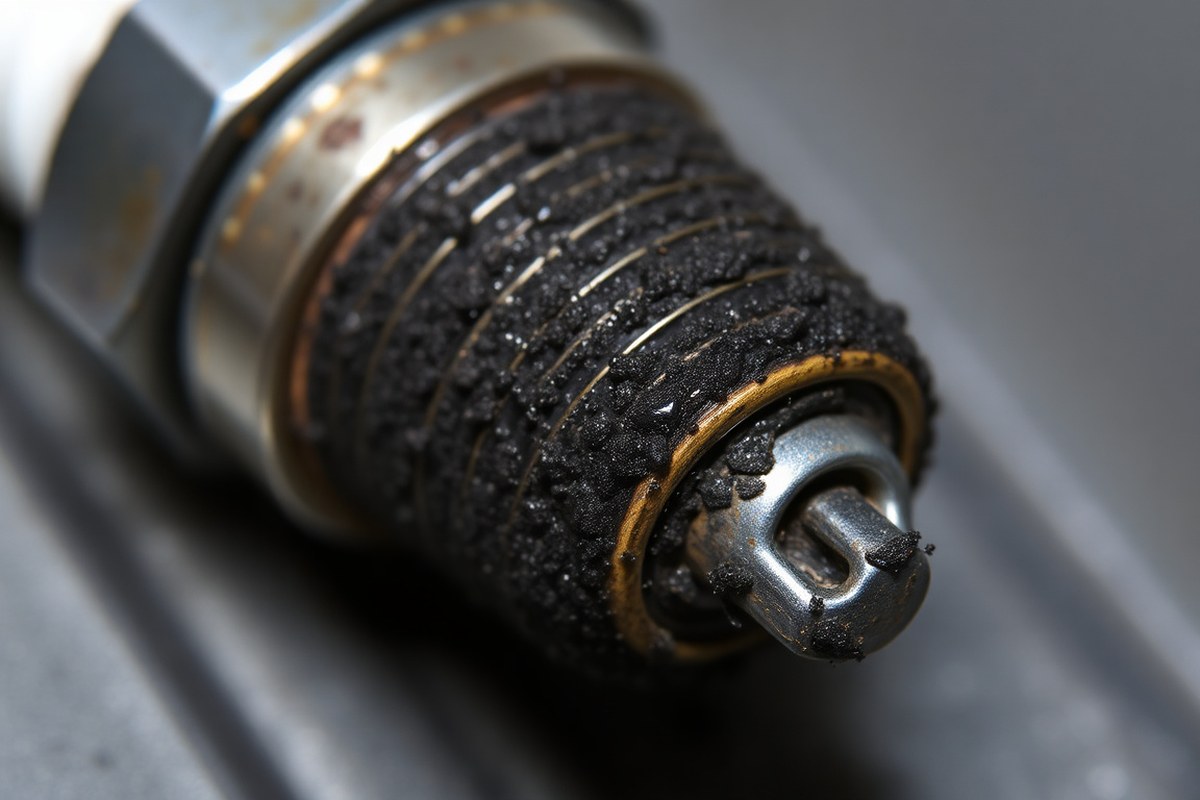
A fouled spark plug shows distinct physical signs that help you identify its condition. Typically, the insulator tip and electrode will have visible deposits or discoloration that differ depending on the fouling type. Common fouling types include carbon, oil, and fuel deposits, each with unique visual markers.
Carbon fouling appears as dry, black, and powdery or soot-like buildup on the spark plug’s insulator and electrodes. This dark, matte deposit forms when the engine runs too rich, meaning too much fuel is present and not enough air. The texture feels dry and rough. Compared to other types, carbon fouling usually covers the plug in a consistent black layer but doesn’t look wet or shiny.
Oil fouling looks quite different, marked by oily, wet, and sometimes shiny residue coating the spark plug’s porcelain insulator and electrode surfaces. This indicates oil has leaked into the combustion chamber, often due to worn piston rings or valve guides. Instead of a dry black film, you’ll see a slick, dark brown or black shiny layer that may appear sticky to the touch.
Fuel fouling involves a wet, sooty appearance that looks like the spark plug’s tip is soaked in unburnt fuel. The deposits are usually dark grey or black and have a wet sheen that can sometimes give the plug a glossy or darkened glaze. This fouling results from incomplete combustion or a rich fuel mixture, causing the plug to be damp rather than dry.
| Fouling Type | Visual Appearance | Color and Texture | Cause |
|---|---|---|---|
| Carbon Fouling | Dry, powdery deposits on insulator and electrode | Matte black, rough texture | Rich fuel mixture (too much fuel, not enough air) |
| Oil Fouling | Oily, wet coating on porcelain and electrode | Dark brown or black, shiny and sticky | Oil leaks from piston rings or valve guides |
| Fuel Fouling | Wet, sooty deposits that look soaked | Dark grey or black with wet sheen | Incomplete combustion or overly rich fuel mixture |
Use this checklist to inspect spark plugs for fouling:
- Look for dry black powdery deposits for carbon fouling.
- Check for oily, shiny, or sticky residue indicating oil fouling.
- Notice wet, dark, and sooty surfaces showing fuel fouling.
- Observe the insulator tip and electrode carefully to assess the texture and coloration.
- Be aware of any cracked porcelain, damaged electrodes, or excessive wear that can mimic fouling.
These visual signs are important for diagnosing whether a spark plug is fouled and deciding if it can be cleaned or needs replacement. Cleaning may remove light carbon buildup, but oily or heavily fuel-soaked plugs usually require replacement. Prices for replacing spark plugs vary widely by vehicle type and plug quality, generally ranging from around $150 to $500 NZD for a full set. Identifying fouled spark plugs by their appearance helps you maintain engine performance and fuel efficiency by addressing spark plug issues promptly.
Common Causes Behind Spark Plug Fouling
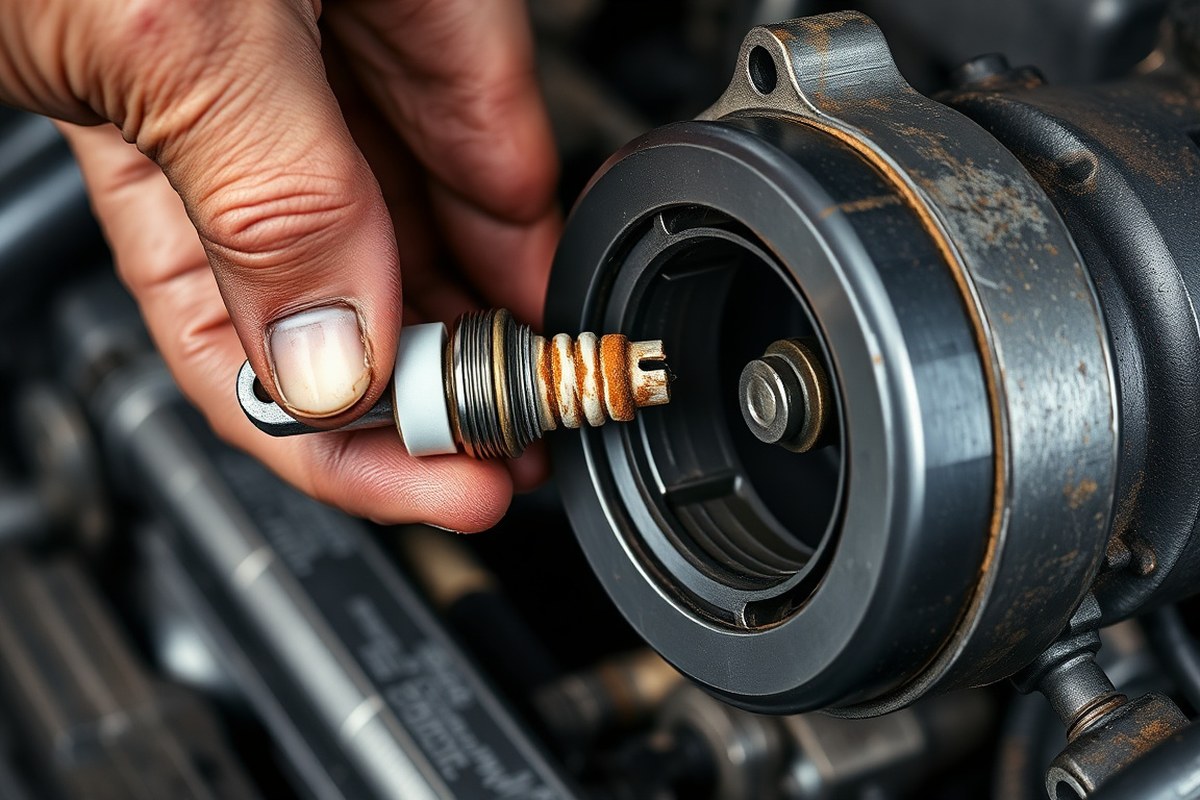
Spark plug fouling happens when deposits build up on the plug’s electrodes, preventing proper ignition. Various engine conditions and operational factors cause these deposits. Poor combustion due to a rich fuel mixture is a common cause. When the engine gets too much fuel or too little air, unburned fuel leaves a carbon residue on the spark plugs, which affects their ability to fire. This usually occurs when the fuel injection system is off balance, the air filter is clogged, or driving mostly involves short trips where the engine doesn’t reach its ideal operating temperature.
Oil fouling is another major cause. Worn piston rings, damaged valve guides, or leaking seals allow engine oil to seep into the combustion chamber and coat the spark plugs. This oily layer prevents a clean spark and leads to misfires and loss of power. This type of fouling often creates blue smoke visible in the exhaust and smells like burnt oil. It can become a more serious problem if not addressed, as the engine may sustain damage over time.
Incorrect spark plug type or gap settings also contribute to fouling. For example, if the plug is too long, it might extend too far into the combustion chamber, causing pre-ignition and spark plug damage. Conversely, a plug with too wide or too narrow a gap reduces spark efficiency, leading to incomplete combustion and increased fouling risk. Overheating the engine due to cooling system problems or hard driving can worsen these issues by causing deposits to bake onto the electrodes.
- Rich fuel mixture causing carbon deposits
- Oil leakage from worn piston rings or valve seals
- Incorrect spark plug gap or type
- Engine overheating that bakes fouling onto plugs
- Short trips preventing full engine warm-up
- Poor fuel quality or contaminated fuel
Fuel quality plays a role as well. Using low-grade fuel or contaminated gasoline can introduce impurities that foul the spark plugs quickly. Also, certain driving habits increase fouling risk. Frequent idling, stop-and-go traffic, or limited highway driving reduces the time the engine runs at optimal temperature, promoting deposit buildup. Higher speeds and longer drives help burn off these deposits naturally and reduce fouling.
Regularly assess your driving patterns and maintenance schedule to avoid spark plug fouling caused by oil leaks or poor fuel management, since these issues can cause serious engine damage if ignored.
Symptoms Your Car Shows When Spark Plugs Are Fouled
Fouled spark plugs can cause several noticeable symptoms that impact your car’s performance and drivability. Since spark plugs ignite the fuel-air mixture in your engine, any fouling disrupts the combustion process. This disruption often leads to rough idling, where your engine shakes or sounds uneven when your car is stationary. You might also experience poor acceleration, as the engine struggles to generate enough power due to inefficient combustion.
Pay close attention to the noises your car makes, as rattling, pinging, or knock-like sounds often point to spark plug problems. These sounds occur because fouled plugs cannot maintain the proper spark timing, causing delayed or uneven combustion. Misfires are another common symptom since fouled plugs fail to ignite the fuel mixture at the right moment. You could notice the engine hesitating or stalling, especially during startup or when accelerating.
Extended crank time, when it takes longer than usual for your engine to start, is a key indication of fouled spark plugs or possibly damaged spark plug wires. Your car stalling shortly after starting might also be linked to spark plug problems. These symptoms matter because they not only reduce your vehicle’s fuel efficiency but also increase emissions and risk further engine damage.
Checking for these symptoms starts with simple observations while driving. Feeling rough engine operation at idle, hearing unusual noises during acceleration, or noticing engine hesitation or stalling should lead you to check for spark plug fouling. You will want to park safely, then under the hood, check spark plugs using the proper tools. Confirmed fouling that cannot be cleaned requires replacing the spark plugs.
The cost of replacing spark plugs varies depending on your car model and the plug quality but generally ranges from $10 to $30 per plug. Labor costs are additional if you choose professional service. Cleaning fouled plugs can be a temporary fix when the fouling layers are light, but if symptoms persist after cleaning, replacement will restore proper engine performance. Keep in mind that repeatedly ignoring spark plug fouling can lead to more expensive repairs due to damaged ignition coils or catalytic converters.
How to Safely Remove and Inspect Spark Plugs at Home
Removing and inspecting spark plugs at home requires the right tools and care to avoid damaging engine components. Follow safety precautions and keep track of each plug’s placement to make the process smooth and effective. Proper inspection helps you catch fouling or damage early, potentially saving money and preventing further engine problems.
Preparing the Engine and Tools
Ensure the engine is cool before starting, as spark plugs and the surrounding area can reach high temperatures during operation. Working on a hot engine risks burns and can distort the spark plug threads when removing them. Gather the necessary tools: a spark plug socket sized to your plugs, a ratchet, an extension if needed, a spark plug gap gauge, a wire brush, and optionally a cleaning solvent designed for spark plugs.
Check that your workspace is clean and well-lit. Have a tray or mat ready to keep the plugs organized and prevent mixing their order, which is critical for reinstallation.
Removing the Spark Plugs Safely
Disconnect the spark plug wires or coil packs one at a time to avoid confusion. Gently grasp the boot near its base and pull it straight out; twisting or yanking on the wire can cause damage. Check the boot and wire for cracks, carbon tracking, or moisture buildup before removal. Use a ratchet with the spark plug socket to loosen each plug slowly, turning counterclockwise. Apply steady pressure; a sudden force or improper angle can strip threads or damage the cylinder head.
Keep each spark plug in order as you remove them. Working one plug at a time minimizes the chance of mixing up their positions or dropping debris into open cylinders.
- Verify the engine is completely cool to the touch.
- Gather a spark plug socket, ratchet, extension, gap gauge, wire brush, and cleaning solvent.
- Disconnect one spark plug wire or coil boot at a time by pulling the boot, not the wire.
- Inspect the boot and wire for cracks or damage before proceeding.
- Attach the spark plug socket and ratchet to the plug; turn counterclockwise slowly.
- Remove the plug and place it in order on a clean surface.
- Repeat for each spark plug without mixing positions.
Visual Inspection for Fouling Signs
Lay all removed spark plugs on a flat surface and examine each closely under a good light. Look for black, sooty carbon deposits on the electrode and insulator tip, this is a common fouling sign. A glazed or glossy appearance on the insulator tip indicates overheating. Inspect the electrode for wear or erosion, and check the threads for damage or debris that could prevent proper seating.
Compare the condition against what’s expected for your plug type and mileage. Slight wear and light deposits can be normal after many miles, but heavy fouling, damaged electrodes, or distorted threads mean replacement is needed. Before reinstalling cleaned plugs, use a feeler gauge to verify and adjust the spark gap to the manufacturer’s specifications.
When to Clean Fouled Spark Plugs Versus Replace Them
Cleaning fouled spark plugs works best when the fouling is mostly caused by deposits like carbon buildup or light oil residues. These deposits can often be scrubbed off using a soft wire brush, spark plug cleaner, or even a toothbrush with some carburetor cleaner. Make sure to soak the plugs in the cleaner for a few minutes and remove grime gently without damaging the ceramic insulator. After cleaning, dry the plugs thoroughly with compressed air or a clean cloth to prevent moisture from causing misfires. This process can restore spark plugs that are otherwise in good physical condition, saving you the cost of replacements.
On the other hand, if the spark plugs show obvious signs of damage or wear, replacement is necessary. Cracks in the ceramic insulator, excessive electrode erosion, rounded or melted electrodes, and deposits that cannot be removed with a brush usually indicate the plug is beyond cleaning. Similarly, if the plug gap has widened significantly from its factory setting, usually around 0.028 to 0.060 inches depending on your vehicle, it can affect the spark and lead to poor performance. A plug with persistent fouling despite cleaning, or one contaminated with oil due to engine issues, almost always needs to be replaced because underlying problems often cause rapid re-fouling.
Deciding whether to clean or replace starts with a detailed inspection. Examine the spark plug’s condition carefully for cracking, burning, or unusual wear patterns. Next, consider the type and thickness of fouling. Light black carbon deposits can be cleaned, but thick, oily, or burned-on deposits usually warrant replacement. Next, check if your vehicle has any engine problems causing abnormal fouling, such as rich fuel mixture or oil leaks. Fix those issues before reinstalling cleaned plugs to avoid repeated fouling.
Cleaning involves first removing loose dirt and deposits with a wire brush or spark plug cleaning tool. Then, spray a dedicated spark plug cleaner or carburetor cleaner onto the electrodes and insulator, letting it sit for 5 to 10 minutes before scrubbing lightly. Avoid using abrasives that can remove electrode material or damage the ceramic. Always recheck the plug gap with a feeler gauge and adjust it to manufacturer specs if needed. After cleaning and drying, reinstall the plugs with a torque wrench set to your vehicle’s specified torque, typically between 12 and 18 lb-ft, to prevent thread damage and ensure good contact.
Never reuse a spark plug with visible cracks, heavy electrode wear, or burned deposits, as these can cause engine misfires and damage over time.
How Different Types of Fouling Affect Spark Plug Appearance
Spark plug fouling shows distinct visual cues depending on the type. Oil fouling appears as shiny, sticky deposits, carbon fouling features dry, fluffy black soot, and fuel fouling looks wet and dark or gray from unburned fuel. Spotting these details helps diagnose engine problems accurately and decide the next maintenance steps.
Oil Fouling Characteristics
Oil fouling on spark plugs shows up as shiny, sticky deposits that are often dark brown to black. This happens when oil leaks past worn piston rings, valve guides, or seals and contaminates the spark plug. The oil coats the electrode and insulator, preventing the spark and causing misfires or rough idling.
Oil fouling usually points to internal engine wear or sealing issues and requires mechanical inspection. The deposits can feel oily or slick to the touch. Left unchecked, oil fouling degrades engine performance and can lead to further damage.
Carbon Fouling Characteristics
Carbon fouling appears as dry, fluffy black soot caking the tip of the spark plug. This type commonly results from an overly rich air-fuel mixture, incorrect ignition timing, or a plug operating at too cold a heat range. Carbon deposits do not burn off as they should, accumulating over time and impairing spark plug function.
This dry, sooty layer disrupts proper sparking and may cause symptoms such as hard starting and reduced fuel economy. Carbon fouling differs by its texture and dry appearance compared to oil or fuel fouling.
Fuel Fouling Characteristics
Fuel fouling makes the spark plug’s tip look wet and dark or gray due to excess unburned fuel. This typically occurs from engine flooding, faulty fuel injectors, or running a rich mixture. Wet fouling can also coat the electrodes and insulator, killing spark efficiency.
The wet deposits on fuel-fouled plugs contrast with the dry soot of carbon fouling and the sticky feel of oil fouling. Fuel fouling often coincides with symptoms like rough idling or poor acceleration and may trigger the check engine light if misfires occur repeatedly. Table 1 compares the key visual and symptom differences of these three fouling types:
| Fouling Type | Deposit Appearance | Texture | Common Causes | Symptoms |
|---|---|---|---|---|
| Oil Fouling | Dark, shiny, sticky | Oily, slick | Worn piston rings, valve guide leaks | Misfires, rough idle |
| Carbon Fouling | Dry, fluffy black soot | Dry, powdery | Rich mixture, cold plug heat range, bad timing | Hard starting, decreased fuel economy |
| Fuel Fouling | Wet, dark or gray | Wet, sticky | Engine flooding, rich mixture, faulty injectors | Rough idle, poor acceleration, misfires |
Checking the spark plug closely and knowing these characteristics helps you pick out which fouling type is present. Proper diagnosis can avoid unnecessary replacements and target the real engine issue.
Understanding Spark Plug Lifespan and Fouling Prevention
Spark plugs typically last between 30,000 and 100,000 miles, depending on the type and quality. Standard copper spark plugs tend to have a shorter lifespan around 30,000 miles, while platinum or iridium plugs can last up to 100,000 miles if maintained properly. However, this lifespan can shrink significantly when fouling occurs, as deposits on the electrodes disrupt the spark’s effectiveness, causing misfires and reduced fuel efficiency.
Fouling happens when spark plugs do not reach their optimal operating temperature, usually between 450 to 850 degrees Fahrenheit, which is necessary to burn off deposits. Prolonged idling or frequent short trips at low speed can prevent this, allowing carbon, oil, or fuel residue to accumulate. To avoid fouling, focus on maintaining proper driving habits such as occasionally driving at highway speeds for at least 20 minutes to help the plugs heat correctly and burn off contaminants.
Maintenance routines play a major role in extending spark plug life. Regularly check and replace air filters to keep the intake air clean, avoid using excessive fuel additives, and ensure the engine tuning is up to date. Replacing spark plugs on schedule prevents fouling-related damage and keeps your engine running smoothly. Adjusting the spark plug gap is another key step; an incorrect gap either too wide or too narrow increases the risk of fouling and misfires. Use a feeler gauge to measure the gap, most modern spark plugs require a gap close to 0.028 to 0.032 inches, but always follow your vehicle manufacturer’s specifications.
This adjustment can be done at home with a spark plug gap tool, which costs around $5 to $15. Carefully bend the ground electrode to open or close the gap without cracking the insulator. Misadjusted gaps cause incomplete combustion, leading to carbon buildup or oil fouling. When your spark plugs display wear such as electrode erosion or heavy deposits, replacing them quickly can improve performance and fuel economy.
Extending spark plug life also involves avoiding driving habits that promote fouling. Avoid excessive idling and frequent stop-and-go traffic when possible. Poor acceleration or rough idling can indicate fouled spark plugs that are no longer working efficiently. Keeping plugs clean through preventative maintenance and adjusting gaps as recommended helps sustain their service life, reducing replacement costs over time and protecting your vehicle’s engine health.
Choosing the Right Replacement Spark Plugs After Fouling
Choosing the right replacement spark plugs after fouling requires matching plugs to your engine’s specifications, considering the heat range to reduce fouling risks, and selecting advanced materials like iridium or platinum for longer life. Ensuring proper gap and installation prevents early fouling and maintains engine performance.
Understanding Spark Plug Heat Ranges
The heat range of a spark plug indicates its ability to dissipate heat from the combustion chamber. A plug with a heat range that’s too cold does not reach self-cleaning temperatures and tends to foul more easily, especially if you experience repeated fouling. Conversely, a too-hot plug can cause pre-ignition and engine damage.
Choosing the correct heat range based on your engine type and driving habits helps prevent fouling. Sporty or high-performance engines often require hotter plugs since they run hotter, while daily drivers might benefit from a slightly cooler plug to manage combustion temperatures effectively.
Advantages of Iridium and Platinum Plugs
Iridium and platinum spark plugs offer improve durability and resistance to fouling compared to traditional copper plugs. They can last between 60,000 and 100,000 miles, reducing the frequency of replacements and the chance of fouling under normal conditions.
These plugs feature finer electrode tips that require less voltage to generate a spark, improving ignition efficiency and fuel economy. Upgrading to iridium or platinum plugs after fouling can often help maintain cleaner combustion and longer service life.
Proper Installation Techniques
Correct installation of spark plugs is critical to avoid issues like fouling, misfires, and damage. Always let the engine cool before working on plugs to avoid thread damage and ensure accurate torque application. Follow your vehicle’s manufacturer specifications for plug type, seat design, and torque values found in your owner’s manual.
Measuring and setting the proper spark plug gap is essential. Use a wire-style feeler gauge or a spark plug gap tool to adjust the gap to the exact value listed by the manufacturer, typically between 0.028 and 0.060 inches depending on the engine. Improper gaps can lead to incomplete combustion and fouling.
- Verify plug heat range suitability for your engine and driving style
- Consider iridium or platinum plugs for longer wear and fouling resistance
- Consult the owner’s manual for correct spark plug part numbers and gap specs
- Use a torque wrench to tighten plugs to the recommended torque, usually between 13 and 25 lb-ft
- Let the engine cool fully before installing new plugs
- Check and adjust the spark plug gap precisely using a feeler gauge
- Reconnect spark plug wires firmly and in the correct firing order
Never overtighten spark plugs, as this can strip threads or crack the cylinder head, leading to costly repairs.
Step-by-Step Action Plan for Handling Fouled Spark Plugs
Use this plan to identify, inspect, and decide on cleaning or replacing your fouled spark plugs safely and effectively.
- Before you start: Gather the right tools, spark plug socket, ratchet, gap gauge, and safety gloves, and ensure the engine is cool to avoid burns.
- Day 1: Remove one spark plug at a time to prevent mixing them up, then examine its condition under good lighting for signs of fouling like deposits or discoloration.
- Day 1: Compare the fouled plug to clean ones or reference photos to determine the type of fouling and potential causes.
- Day 2: Decide if cleaning is viable, light carbon deposits can be cleaned with a wire brush and gap checked with the gauge; heavy deposits or damage mean replacement is needed.
- Day 3: If cleaning, carefully remove deposits and check the gap; reinstall if within specs. If replacing, install new plugs with the recommended gap and torque per your vehicle’s manual.
- After 1 week: Monitor engine performance for any misfires, rough idling, or decreased fuel economy to confirm spark plugs are functioning properly.
- After 1 month: Schedule regular spark plug inspections as part of routine maintenance to catch fouling early and extend plug life.
Frequently Asked Questions
How Can I Tell If a Spark Plug Is Fouled?
Fouled spark plugs usually show signs like black soot, oily deposits, or a wet appearance on the electrodes. These coatings block efficient sparking and reduce engine performance, so visual inspection along with symptoms like rough idling can help you identify them.
Can You Fix Fouled Spark Plugs?
You can sometimes clean fouled spark plugs if the deposits are light and removable, but heavily coated plugs often need replacement. Persistent fouling means the plug isn’t firing properly and cleaning won’t restore full performance.
Will a Spark Plug Still Spark If It’s Fouled?
A fouled spark plug may still produce a weak or inconsistent spark, but it won’t ignite the air-fuel mixture reliably. This can cause engine misfires, rough running, and poor fuel economy.
What Can Be Mistaken for Bad Spark Plugs?
Engine problems like clogged fuel injectors, worn ignition wires, or faulty coils can mimic symptoms of bad spark plugs. Proper diagnosis is key to avoid unnecessary spark plug replacement.
How Do Different Types of Fouling Affect Spark Plug Performance?
Oil fouling generally causes wet, dark plugs and leads to misfires, while carbon fouling creates dry, sooty deposits that hinder sparking consistency. Each type signals different engine issues and impacts performance differently.
What Should I Do If My Spark Plug Looks Damaged Rather Than Fouled?
Damaged spark plugs with cracked insulators or eroded electrodes cannot be fixed and need immediate replacement to prevent engine damage and ensure proper ignition.
The Bottom Line
Recognizing fouled spark plugs and acting promptly keeps your engine running smoothly and prevents further damage. Start by inspecting your spark plugs with the right tools and identifying the fouling type, then clean or replace based on condition. Taking this first step today will help you maintain better performance and avoid costly repairs later on.