Can Diesel Fuel Freeze? What Actually Happens and How to Prevent It
Diesel fuel won’t freeze solid like water but starts to gel when temperatures drop to roughly 16 to 20°F due to wax crystals forming. This gelling stops fuel from flowing properly and may cause your engine to stall. To prevent this, use winterized diesel or additives designed to reduce the gel point, ensuring consistent fuel flow in cold conditions.
Key Takeaways
- Diesel starts to gel at temperatures between 16 and 20°F due to wax crystallization, not freezing like water.
- Water in diesel freezes at 32°F or below, causing ice blockages that affect fuel lines.
- Winter blends mixed with kerosene stay fluid down to around -20°F, preventing gelling in colder climates.
- Arctic diesel fuels handle extreme cold, remaining usable at temperatures as low as -40°F to -50°F.
- Adding cold-weather additives lowers diesel’s gel point, preventing waxing and flow problems.
- Storing diesel indoors or using a fuel heater prevents freezing or gelling during harsh winter conditions.
Can Diesel Fuel Actually Freeze or Does It Gel?
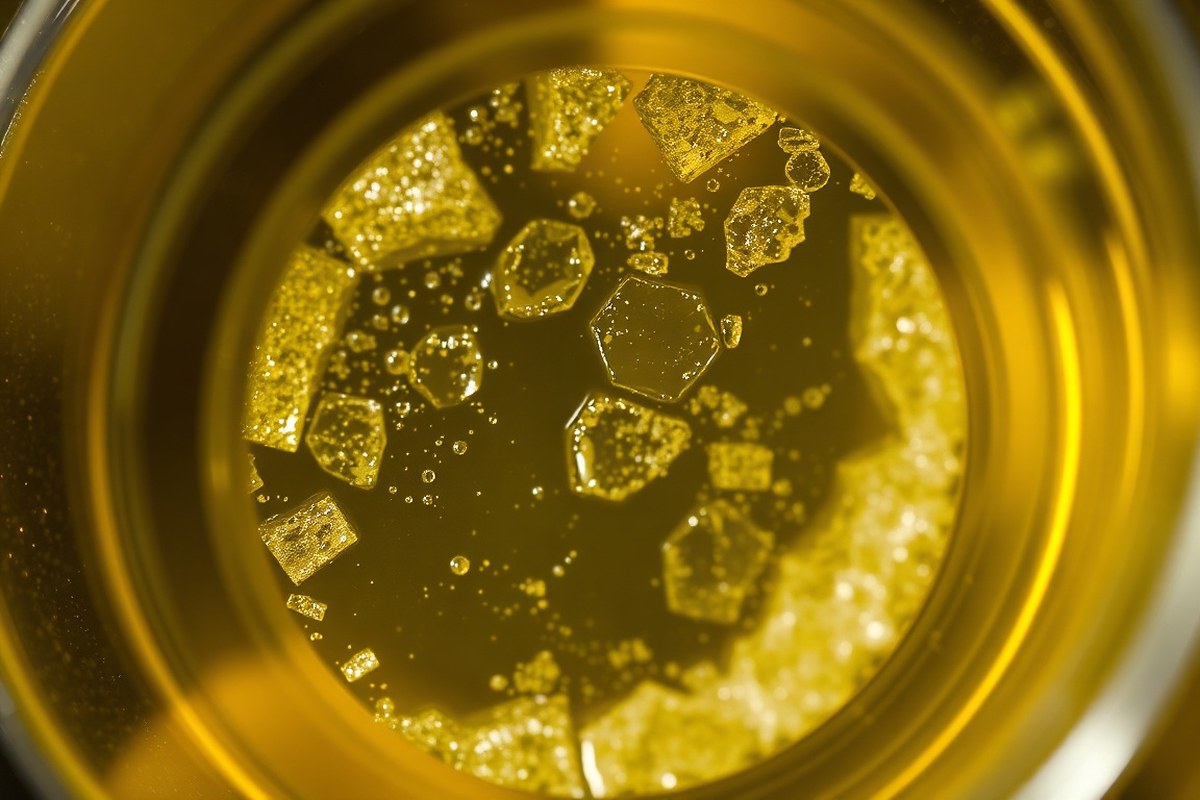
Diesel fuel does not freeze solid like water; instead, it undergoes a process called gelling caused by wax crystallization. Unlike water, which turns into a hard, solid block of ice at 32°F (0°C), diesel contains paraffin wax that starts to form tiny crystals as temperatures drop below about 16 to 20°F (-9 to -7°C). These crystals thicken the fuel and can clog fuel filters and lines, making it harder for the engine to draw fuel. This wax crystallization process thickens diesel gradually, turning it from a liquid into a gel-like substance instead of a solid block.
The physical difference lies in the molecular structure and freezing behavior. Water molecules form a rigid crystal lattice to become ice, a distinct solid state. Diesel fuel’s paraffin wax molecules, however, separate out and form microscopic crystals suspended within the liquid rather than freezing the entire fuel mass solid. The fuel’s viscosity increases as these wax crystals nucleate and grow. This thickened gel restricts flow but doesn’t behave like a solid frozen block blocking fuel flow outright at first. It’s more like a thick sludge slowing or stopping fuel delivery.
People often say diesel gels rather than freezes because what they observe matches this gradual thickening, not the sudden solidification they associate with freezing water. This distinction matters practically because solutions for gelling focus on disrupting wax crystallization. Common additives known as anti-gel agents or winter additives lower the temperature at which wax forms or modify crystal size to keep fuel flowing. Using these ensures diesel remains fluid enough to pass through filters and injectors in cold weather, unlike water ice that simply melts when heated above freezing.
A common myth is that diesel freezes into a solid block just like water, but evidence shows that gelling is a more accurate description. Water contamination in diesel can freeze at 32°F, forming ice crystals that can block fuel flow separately, but the diesel itself gels from wax crystallization at lower temperatures around 16 to 20°F. This makes cold weather diesel issues a twofold problem, both water freezing and fuel gelling affect performance.
Proper cold-weather preparation requires understanding that diesel fuel’s wax crystals are the cause of gelling and not a literal freeze solid. When you expect cold conditions, consider using winterized diesel blends or additives designed to inhibit wax crystallization. These approaches allow fuel to remain workable at much lower temperatures, reducing risks of failed starts or clogged filters. Without these preparations, standard #2 diesel can gel and restrict engine operation at temperatures common in winter climates.
At What Temperatures Does Diesel Begin to Gel and Freeze?

Diesel fuel begins to change its flow properties at specific temperatures known as the cloud point, gel point, pour point, and Cold Filter Plugging Point (CFPP). Each of these temperature thresholds marks a stage where diesel thickens, forms crystals, or stops flowing, which can affect engine operation. These points vary by the type of diesel fuel and additives used.
Defining the Cloud Point
The cloud point marks the temperature where wax crystals begin to develop in diesel fuel, making it look cloudy. For standard #2 diesel, this usually happens around 25°F to 32°F (-4°C to 0°C). The diesel remains liquid at this temperature, but forming wax crystals starts to thicken the fuel and slows its movement.
Recognizing the cloud point is important because it signals when diesel will start thickening, leading to potential delivery issues if temperatures drop further. Winter blends and additives can lower this temperature to reduce early wax crystallization.
Understanding the Gel and Pour Points
The gel point is the temperature where diesel fuel thickens enough that it behaves more like a gel and may not flow properly through fuel systems. For untreated #2 diesel, the gel point typically ranges from 10°F to 15°F (-12°C to -9°C). Below this, fuel can cause engine starting problems due to wax solidification.
The pour point is even colder and describes the temperature at which diesel loses all fluidity, completely stopping flow. This point can be as low as -22°F (-30°C) for winterized blends or even lower for kerosene-based #1 diesel fuel. Knowing the pour point helps in choosing appropriate diesel blends for extreme cold conditions.
| Fuel Type | Cloud Point | Gel Point |
|---|---|---|
| #2 diesel (summer blend) | 15°F to 20°F | 10°F to 15°F |
| #2 diesel (winterized blend) | 0°F to -10°F | -10°F to -20°F |
| 50/50 blend (#1 + #2) | -10°F to -20°F | -25°F to -30°F |
| #1 diesel (kerosene-based) | -30°F to -40°F | -40°F to -50°F |
When selecting diesel for cold environments, these temperature points help determine which fuel ensures reliability and avoids fuel-related engine failures.
The Role of Cold Filter Plugging Point (CFPP)
CFPP is the important temperature that indicates when wax crystals grow large enough to block fuel filters, causing fuel starvation and potential engine shut-down. It differs from cloud, gel, and pour points by specifically measuring filter blockage risk.
CFPP is defined as the lowest temperature at which diesel still flows through a 45-micron filter within 60 seconds. This measure directly correlates to operational safety in cold weather because clogged filters prevent fuel delivery.
Ensure your diesel fuel’s CFPP rating matches or exceeds your local lowest temperatures to avoid filter clogging.
Many winter diesel blends include additives designed to lower the CFPP, allowing safe operation at temperatures well below the gel point. Monitoring CFPP helps you decide when to switch to winterized fuel or add anti-gel agents.
- Cloud Point: Wax crystals start forming; diesel looks cloudy
- Gel Point: Diesel thickens and may not flow properly
- Pour Point: Diesel stops flowing entirely
- CFPP: Temperature where wax blocks fuel filters
- CFPP testing uses a 45-micron filter over 60 seconds
- Winter blends and additives lower these temperature points
- Type #1 diesel resists cold better than #2 diesel
How Long Does It Take for Diesel to Freeze or Gel at Various Temperatures?
Diesel fuel does not freeze instantaneously at low temperatures; instead, it gels progressively over time. The timeline for diesel to gel depends on the ambient temperature, the fuel type, and whether additives are present. Typical #2 diesel can start developing wax crystals and become cloudy in just a few hours at temperatures near 32°F. As temperatures drop further, gelling accelerates and can lead to fuel being unusable within 24 to 72 hours.
The freezing progression is fastest at very low temperatures, such as below 10°F, where diesel may gel within one day or less. At temperatures closer to 20°F, diesel could take several days to fully gel, though it may begin showing early signs like cloudiness within hours. The presence of cold flow improvers or anti-gel additives significantly extends this timeline by lowering the point at which wax crystals form. Using winterized diesel with proper additives can delay gelling even in prolonged cold conditions.
| Temperature (°F) | Estimated Time to Gel or Freeze | Comments |
|---|---|---|
| 20°F | 3 to 5 days | Gel formation begins slowly; cloudiness in few hours; additives increase delay |
| 15°F | 1 to 3 days | Wax crystals form more rapidly, risk of fuel filter clogging rises |
| 10°F | Less than 24 hours to 2 days | Fuel may gel seriously within a day; additives critical at this range |
| Below 10°F | Within 24 hours | Freezing and gelling can be quick and severe; anti-gel additives essential |
Fuel type and additives impact freezing times notably. #1 diesel or blends with kerosene resist gelling longer than pure #2 diesel. Additives like cold flow improvers lower cloud points, meaning wax crystals form at colder temperatures and slowly. Without additives, at temperatures below the fuel’s gel point (which varies by diesel type), gelling can block fuel filters and stop engine operation.
Monitoring the fuel’s appearance and filtration performance during cold spells can help you catch early gelling. Cloudiness or filter slowdowns indicate wax formation. Regularly using fuel additives before temperatures drop below 32°F helps delay the onset of gelling. Planning refuels during warmer times and storing diesel in temperature-controlled areas also extend the time your diesel stays fluid and engine-ready in the cold.
How Does Diesel Freezing Impact Engine Performance and Fuel Systems?
Diesel fuel gelling and freezing significantly disrupt engine performance by restricting fuel flow and causing mechanical issues in the fuel system. As the temperature drops below about 32°F, paraffin wax in diesel begins to crystallize, thickening the fuel into a gel. This gel clogs fuel filters and fuel lines, reducing the amount of fuel reaching the engine’s combustion chamber. When fuel flow is limited, the engine may struggle to start, exhibit rough idling, or stall entirely.
Starting problems are common since the fuel pump requires a steady flow of liquid diesel to generate the pressure needed for injection. When gelling occurs, wax crystals plug filters, preventing fuel from reaching the injectors. This inadequate fuel supply causes longer cranking times or failure to start. The engine running under these conditions leads to uneven performance and unexpected stalls, creating safety risks, especially in cold environments where quick engine use matters.
Frozen or gelled diesel fuel also leads to increased mechanical wear. Fuel pumps work harder to push thicker fuel through clogged lines, which can cause premature pump failure. Injectors can become damaged by inadequate fuel pressure or contaminants from wax buildup. Filter elements clogged with wax may also collapse or tear, allowing debris into the engine, which increases the risk of costly damage and repairs.
Attempting to start an engine with frozen diesel can cause internal damage beyond normal wear. For example, cold fuel does not lubricate as effectively, increasing friction in moving parts within the fuel system. This can lead to scoring in fuel pump components or injectors failing prematurely. Thawing frozen diesel incorrectly, for instance, by applying excessive heat directly to fuel lines or engine parts, can cause cracks or leaks, compounding repair costs.
Operational safety is an important consideration. Engine stalls caused by blocked fuel flow can leave you stranded in freezing temperatures, creating hazardous conditions. Towing or roadside assistance in cold weather often costs extra due to the risk and difficulty involved. Keeping the fuel tank full helps reduce condensation and the chance of water freezing inside the tank or lines, which can further exacerbate clogging problems.
Preventative measures like using cold flow improvers or fuel heaters help maintain fuel fluidity and protect the fuel system. These strategies reduce the formation of wax crystals and maintain proper fuel flow, so your engine starts and runs reliably. Avoid using gasoline additives in diesel fuel, as these can damage engine components and worsen freezing issues. Diesel fuel freezing or gelling requires careful thawing according to recommended methods to prevent damage to the engine or fuel system.
What Types of Diesel Fuels Resist Freezing Best?
Diesel fuel types such as #1 diesel, #2 diesel, winter blends, and Arctic diesel display varying levels of cold resistance. #1 diesel resists gelling better due to its lower freezing point and improved cold flow compared to #2 diesel, which is more common and cheaper but solidifies around 10 to 20°F (-12 to -7°C). Winter blends mix #1 and #2 diesel with additives like kerosene and flow improvers to remain liquid down to about -20°F (-29°C). Arctic diesel includes even stronger additives for extreme cold, suited for conditions that dip well below -20°F (-29°C). Here is a comparison table showing typical freezing points and cold weather suitability for these types of diesel fuels:
| Diesel Type | Typical Freezing Point | Cold Weather Suitability | Common Additives |
|---|---|---|---|
| #1 Diesel | Temperatures typically ranging from approximately 10°F to 20°F (-12°C to -7°C) | Good for moderately cold climates | Generally cleaner burning, less additives |
| #2 Diesel | 20°F to 30°F (-7°C to -1°C) | Standard diesel, gels in cold weather | Minimal additives |
| Winter Blend | Down to -20°F (-29°C) | Recommended for most cold winter regions | Kerosene, cold flow improvers |
| Arctic Diesel | Below -20°F (-29°C), often -40°F (-40°C) | Best for extreme cold regions and high altitudes | Specialized cold flow additives, anti-gel agents |
Winter blend diesel is effective because it mixes #1 and #2 diesel with kerosene and cold flow additives. Kerosene lowers the cloud point and pour point, preventing wax crystals from forming at higher temperatures. These blends stay fluid and prevent gelling as temperatures drop well below typical freezing levels. Arctic diesel fuels add even more powerful cold flow improvers and anti-gelling agents tailored for conditions where temperatures can reach extreme lows, such as in northern states or mountainous areas.
Use #2 diesel in warm or mild winter climates where freezing is unlikely. Switch to #1 diesel or winter blends as temperatures approach freezing point ranges to avoid gel formation. In areas regularly experiencing temperatures below -20°F (-29°C), rely on winter blends or Arctic diesel for reliable engine operation. Users should confirm the diesel type with their fuel supplier and consider testing freezing points to select the best option. Always store fuel properly and consider cold flow additives for added protection during storage and use.
Tip: Switching to a winter blend diesel before temperatures drop below 20°F (-7°C) can prevent fuel gelling and keep your engine running smoothly throughout cold weather.
How Can Additives Prevent Diesel Fuel Freezing?
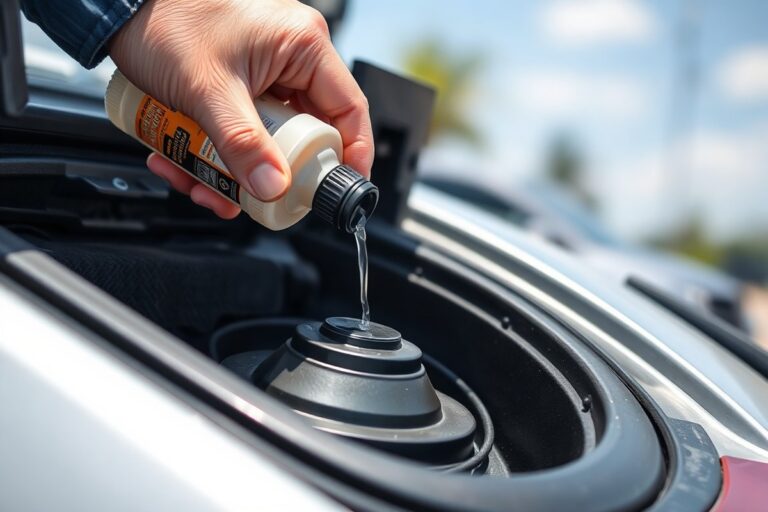
Diesel fuel additives primarily prevent freezing by lowering the fuel’s freezing point and dispersing wax crystals that cause gelling. Using additives designed specifically for diesel ensures the fuel remains fluid in cold weather, protecting your engine and fuel system. Avoid gasoline additives, as they are not formulated for diesel and may harm engine performance or emissions systems.
Common Diesel Anti-Gel Additives
Two main types of additives prevent diesel fuel from freezing: cold-flow improvers and wax dispersants. Cold-flow improvers modify the size and shape of wax crystals that form as temperatures drop, reducing the fuel’s gel point. Wax dispersants break up and prevent wax crystals from clumping, maintaining fuel flow and preventing blockages.
Typical cold-flow improvers can lower the diesel freezing point by 5°F to 15°F, depending on the product and fuel type. Wax dispersants generally complement cold-flow improvers but are less effective alone. Many commercial anti-gel products combine both additives for maximum protection.
- Cold-flow improvers, reduce wax crystal formation and growth
- Wax dispersants, break up wax particles to prevent clumping
- Multi-functional anti-gel additives, combine cold-flow improvers and dispersants
- Pour-point depressants, specially designed to lower the crystallization temperature
- Lubricity additives, sometimes included to maintain fuel pump health in cold conditions
For best results, add these additives before air temperatures consistently drop below 32°F (0°C). Applying them too late risks already-formed wax affecting fuel flow, which can cause engine starting issues. The cost of quality diesel anti-gel additives typically ranges from $15 to $30 per gallon of treatment solution.
Additive Safety and Compatibility
Use additives labeled specifically for diesel fuels. Gasoline additives are formulated for gasoline engines and may contain chemicals incompatible with diesel, potentially damaging fuel system components or negatively affecting emissions equipment such as diesel particulate filters (DPF) or catalytic converters.
Check additive labels for compatibility with your engine type and emissions system requirements. Some additives may impact warranties or emission controls if not approved by the engine manufacturer. Avoid overusing additives, as excessive chemical concentrations can alter fuel properties and harm injectors or sensors.
Always follow the manufacturer’s instructions for dosage and application. Using improper additives or mixing products can result in poor performance or costly repairs.
Best Practices for Use
Preventing diesel from gelling requires a proactive approach. Add anti-gel additives before freezing temperatures start to affect your fuel, typically when forecasts predict consistent lows around or below 32°F (0°C). Pour the additive directly into your fuel tank and run the engine long enough to circulate and mix the product fully.
Maintain a full fuel tank during cold months. Less air space in the tank reduces condensation risks and limits the room for fuel expansion when temperatures drop, further preventing gelling.
- Add anti-gel additives at least every tank fill below the critical temperature threshold
- Use a product approved for your specific diesel engine and fuel system
- Do not substitute gasoline additives or assume universal compatibility
- Store diesel fuel in a clean, dry, and temperature-controlled environment when possible
- Combine additive use with additional cold-weather measures like fuel heaters or winter-grade diesel
- Keep original product packaging or safety data sheets for reference if issues arise
Results to expect include smooth engine starts in cold weather, no clogged fuel filters, and consistent fuel flow. If you notice sluggish performance or increased maintenance, reevaluate additive selection, dosage, and overall fuel handling procedures.
How to Prevent Diesel from Gelling During Storage and Use?
Storing diesel fuel properly is essential to prevent it from gelling when temperatures drop. Diesel begins to form wax crystals at around 32°F, which can block fuel lines and filters. Keeping fuel storage areas above this temperature stops wax from solidifying, so storing diesel in heated, well-ventilated spaces that maintain a temperature above 32°F is important. If indoor heated storage isn’t available, fuel heaters or tank heating systems can maintain adequate temperatures and prevent fuel gel.
Filtration also plays a significant role in preventing freezing issues. High-quality fuel filters trap solid particles and water that can promote ice formation and improve flow. Regularly inspecting and replacing fuel filters ensures contaminants don’t cause blockages during cold weather. Using fuel with low water content and proper filtration reduces ice formation in the fuel system.
- Store diesel indoors or in heated tanks above 32°F to prevent wax solidification.
- Use fuel heaters or tank heaters if outdoor storage is unavoidable in freezing conditions.
- Choose winter blend diesel fuel formulated for low temperatures.
- Use cold flow improvers or wax dispersant additives to lower the gelling point.
- Maintain clean, dry fuel systems with regular filter replacement and water removal.
- Keep fuel tanks at least half full to reduce condensation and water contamination.
- Prepare vehicles by warming engines and fuel systems before operation in cold weather.
Preparing your diesel vehicle for winter use includes switching to a winter blend that contains additives designed to resist gelling. Adding cold-flow improvers periodically keeps fuel flowing smoothly. Drain any water from fuel filters and water separators frequently to avoid ice blockages.
Fuel tank maintenance involves keeping tanks topped up to limit air exposure, which reduces moisture buildup and prevents ice crystal formation. Draining water separators and using clean fuel filters helps maintain reliable fuel delivery. Take about 15 minutes before engine start to warm the fuel system if your vehicle has a block heater or fuel line heater installed. These steps minimize the chance of cold weather-related fuel issues and help maintain engine performance in freezing conditions.
What to Do If Your Diesel Fuel Has Already Frozen or Gelled?
When diesel fuel freezes or gels, quick action can restore your vehicle’s operation and prevent engine damage. Thaw the fuel carefully, replace clogged filters promptly, and assess if professional help is needed to avoid costly repairs or safety issues.
Thawing Frozen Fuel Safely
Thawing diesel fuel requires a methodical approach to avoid damaging your fuel system or engine. Frozen fuel blocks flow, so you’ll need to warm it gradually to re-liquefy the gelled paraffin wax without introducing contaminants or air into the system. Follow these steps to safely thaw frozen diesel fuel:
- Park the vehicle in a warm, sheltered area away from direct cold exposure.
- Apply gentle heat to the fuel tank and fuel lines using electric heaters, heat lamps, or warm (not hot) water-soaked towels. Avoid flame or open heat sources to prevent fire risk.
- Turn the vehicle gas cap vent to equalize pressure and prevent vacuum buildup during thawing.
- Use a diesel-specific anti-gel additive or kerosene mixed with fuel if available to improve flow as the fuel warms.
- Run the engine intermittently at idle speed to circulate the fuel after some thawing, helping clear blockages.
- Monitor the temperature carefully; maintain it between 40°F and 60°F for effective thawing without vaporizing fuel components.
- Repeat warming and idling cycles until fuel returns to normal liquid consistency and engine runs smoothly.
Do not use excessive heat or open flames near the fuel system; diesel vapors can ignite, causing serious hazards.
Replacing Clogged Filters
Gelled diesel commonly clogs fuel filters, restricting flow and preventing engine start-up. After thawing the fuel, inspect and replace any clogged fuel filters to ensure reliable fuel delivery.
Fuel filter replacement is a critical maintenance step post-thaw because trapped wax solids and contaminants remain in the filter media. Continuing to operate with a blocked filter may damage the fuel pump or injectors. Cleaner filters typically cost $10 to $30 depending on your vehicle model and filter type. Replace fuel filters as follows:
- Locate the primary and secondary fuel filters according to your vehicle’s manual.
- Drain or depressurize the fuel system if necessary to avoid spills.
- Remove the old filters carefully, checking for hardened wax deposits.
- Install new diesel fuel filters designed for cold weather when possible.
- Prime the fuel system to clear air pockets and ensure proper fuel pressure.
- Start the engine and inspect for leaks or drops in performance.
Regularly replacing fuel filters during the winter months can reduce the risk of clogging due to fuel gelling.
When to Contact a Professional
Seek professional assistance if you’re uncomfortable with thawing fuel or suspect damage beyond simple fuel gel. Diesel fuel freezing can cause engine misfires, fuel injector damage, or clogged fuel lines that require specialized tools and diagnostics. Call a mechanic or certified diesel technician when these conditions apply:
- The engine fails to start after proper thawing and filter replacement.
- You detect unusual noises, rough idling, or loss of power post-thaw.
- Visible fuel system leaks or damaged fuel lines occur.
- You lack equipment to safely warm the fuel or handle contaminated fuel disposal.
- Fuel contamination is suspected, requiring system flushing or injector cleaning.
A professional may charge $100 to $300 or more depending on the complexity of repairs or fuel system cleaning needed. This cost is less than potential engine damage or costly injector replacements. Acting promptly preserves vehicle longevity and performance.
Do not delay professional inspection if your vehicle shows persistent issues after DIY thawing and maintenance; ignoring damage can lead to severe engine problems.
Common Mistakes and Myths About Diesel Fuel Freezing
Many diesel vehicle owners underestimate the precise conditions under which diesel fuel gels or appears to freeze, leading to ineffective prevention strategies. One common error is relying solely on visual checks, assuming clear diesel will not gel. In fact, cloudiness can appear at temperatures between 10°F and 20°F (-12°C to -7°C), signaling the start of wax crystallization. Not recognizing this early phase reduces the chance to apply treatment before flow issues arise.
Another frequent mistake involves using the wrong type or amount of additive. Overdosing with anti-gel additives not designed for extremely low temperatures wastes money and can harm fuel system components. Conversely, underdosing leaves the diesel susceptible to gelling and blockages, especially below 15°F (-9°C). Choose additives specifically formulated for your climate and follow label directions precisely for the manufacturer’s recommended dosage.
Storing diesel fuel without temperature control also increases risks. Many assume keeping fuel in an insulated tank is sufficient, but without active heating, temperatures can drop below the 15°F (-9°C) mark within hours during a cold snap. This accelerates gelling. Add onboard fuel heaters or use tanks with integrated warming systems where possible.
- Assuming diesel does not gel because it looks clear; use cold filter plugging point tests to detect early gel formation.
- Applying anti-gel additives randomly or in excess; always follow manufacturer’s dosage based on current temperature ranges.
- Failing to drain water from tanks, which promotes ice crystal formation and fuel contamination.
- Ignoring fuel storage conditions; use temperature-controlled tanks or heaters to maintain fuel above critical gel points.
- Over-relying on fuel type alone without seasonal adjustments to additive use.
Myths about diesel freezing can cause costly mistakes. One is that diesel fuel actually freezes solid like water. Instead, it gels as wax crystals form, clogging filters and lines long before turning to a solid block. This means fuel remains liquid enough to cause damage by restricting flow rather than trapped ice. Another myth is that using diesel rated for winter automatically prevents gelling without routine maintenance or additive use. Seasonal diesel blends lower the gel point but do not eliminate the need for anti-gel additives or proper storage in harsh conditions.
Correcting these errors involves combining careful temperature monitoring with appropriate additive use and storage. Keep an accurate thermometer near your storage tanks and treat fuel proactively as weather drops below 20°F (-7°C). Regularly drain water separators to prevent ice formation inside fuel lines. If you add an anti-gel, mix gently and allow it to circulate through the tank to ensure even distribution. Checking your vehicle’s fuel filter for clogging signs should become part of your cold weather routine as well.
Step-by-Step Action Plan for Managing Diesel Fuel in Cold Weather
Follow these steps to keep your diesel fuel flowing smoothly during cold weather and avoid costly engine problems.
- Before cold weather arrives: Check your diesel type and consider switching to winter blend or ultra-low-temperature diesel. Confirm it resists gelling at expected temperatures.
- One week before freezing temps: Add a cold flow improver additive to your fuel following the product instructions. Look for a noticeable reduction in cloud point on the additive label.
- Weekly during cold snaps: Inspect your fuel filter and water separator for clogging or ice crystals. Replace filters if flow reduces or engine sputters.
- Daily if temperatures drop below 20°F (-7°C): Use block heaters or fuel heaters if available before starting your engine. Engine starts should feel smooth and consistent.
- Immediately after refueling: Use a fuel conditioning additive if fuel sits for extended periods. Monitor your engine’s performance for any hesitation or power loss.
- If gelling occurs: Move the vehicle to a warmer environment or use a portable fuel heater. Clear filters and restart only after fuel returns to liquid consistency.
- During storage: Store diesel tanks in heated or insulated areas to maintain temperature above the cloud point. Check fuel condition before use for wax crystals.
Frequently Asked Questions
Can Frozen Diesel Fuel Be Safely Thawed in a Vehicle’s Fuel Tank?
It is not safe to thaw frozen diesel inside the tank as this can cause fuel filter blockage. Instead, move the vehicle to a warmer area and use approved methods to thaw fuel or replace it if necessary.
Does Adding Biodiesel Affect Diesel Fuel’s Freezing Point?
Yes, biodiesel can raise the freezing point, making it gel at warmer temperatures. Use winterized blends designed for cold weather to avoid freezing issues.
How Does Water in Diesel Fuel Cause Freezing Issues?
Water in diesel freezes at 32°F and forms ice crystals that can block fuel filters. Keeping fuel dry prevents freeze-related fuel flow problems.
Can Storing Diesel in Heated Tanks Prevent Freezing Effectively?
Storing diesel in heated tanks reduces freezing risk by maintaining fuel above gel point. This method works best in consistently cold climates.
Is It Safe to Drive a Diesel Vehicle with Partially Gelled Fuel?
Driving with gelled fuel can damage the engine and fuel system. Avoid operating the vehicle until the fuel is thawed or replaced.
What Impact Does Altitude Have on Diesel Fuel Freezing?
Higher altitudes generally mean colder temperatures, increasing the risk of diesel fuel gelling. Use fuels and additives suitable for local altitude conditions.
Wrapping Up
Diesel fuel does not freeze like water but gels at low temperatures, which can block fuel lines and stall engines. Your best defense is proactive use of winter diesel blends, additives, and proper storage techniques. Take action now to prepare your fuel system before cold weather hits and keep your diesel vehicle running reliably throughout the winter.