What Bolt Pattern Is a Jeep Wrangler? Complete Guide to Fit Wheels Right
The bolt pattern on a Jeep Wrangler varies by model year, but the most common pattern is 5×5 inches (5×127 mm). This means five lug nuts arranged in a circle with a 5-inch diameter. Confirm your Wrangler’s bolt pattern by checking the specific year and trim to ensure proper wheel fit. Measuring the bolt pattern accurately prevents buying incompatible wheels, which can lead to safety and performance issues.
Key Takeaways
- The standard Jeep Wrangler bolt pattern is 5×5 inches for most models from 1997 onward.
- Early Wrangler models (TJ and YJ) may use a slightly different bolt pattern, so verify before buying.
- Measure the bolt pattern by calculating the distance between center of one lug nut to the opposite empty hole.
- Check the center bore size and offset along with the bolt pattern to guarantee a proper wheel fit.
- A mismatch in bolt pattern can damage wheel studs and compromise safety on off-road trails.
- Use a lug nut torque wrench to tighten new wheels evenly and to the manufacturer’s specifications.
What Bolt Pattern Does a Jeep Wrangler Use?

The Jeep Wrangler commonly uses a 5×5 bolt pattern, which means it has five lug holes spaced evenly on a circle with a 5-inch diameter. This bolt pattern applies to most Wrangler models, including both 2-door and 4-door versions. The consistency simplifies wheel replacement and aftermarket upgrades, ensuring that wheels designed for a 5×5 pattern will generally fit across a wide range of Wrangler trims.
Some older Jeep Wranglers, particularly earlier TJ models (1997, 2006), may have a slightly different bolt pattern of 5×4.5 inches, often called 5×114.3 mm. However, the majority of Wranglers from 2007 onward, including JK (2007, 2018) and JL (2018 to present), use the 5×5-inch bolt pattern. This shift means owners of newer models have a broader range of wheel options, but owners of very old models need to be careful to verify the pattern before buying new wheels.
The 5×5 bolt pattern means five lug nuts or bolts sit on a circle with a 5-inch diameter. It’s critical to match your wheel’s bolt pattern exactly; otherwise, the wheel won’t fit securely onto the hub. The difference between a 5×5 and 5×4.5 pattern is just half an inch, but wheels designed for either pattern are not interchangeable without adapters, which come with risks such as increased unsprung weight and potential alignment issues.
| Jeep Wrangler Model | Production Years | Bolt Pattern |
|---|---|---|
| TJ (Early) | 1997, 2006 | 5×4.5 inches (5×114.3 mm) |
| JK | 2007, 2018 | 5×5 inches (5×127 mm) |
| JL | 2018, Present | 5×5 inches (5×127 mm) |
Most Jeep Wrangler owners will find their bolt pattern is the 5×5-inch standard. It matters because wheel shops and online sellers use bolt pattern first to confirm fitment. Buying wheels without confirming this can lead to hassle, wasted money, or unsafe rides. Measuring the bolt pattern involves measuring from the center of one lug hole straight across the hub to the center of the opposite hole if you’re dealing with an even number of holes, or from the center of one lug hole to the far edge of the hole directly across if you’re dealing with an odd number like five.
The cost to replace or upgrade wheels to one that matches the bolt pattern depends on wheel brand and size, but typical aftermarket wheels for a Jeep Wrangler with the 5×5 bolt pattern range from $150 to $300 per wheel. It takes a basic lug wrench and some time to switch wheels, but the key is confirming bolt pattern so wheels fit snugly without vibration or safety issues caused by mismatch.
It’s important to note that bolt pattern does not differ between the 2-door and 4-door Wrangler models in the same generation. Both use the same 5-lug pattern measuring 5 inches across. This consistency means wheels are interchangeable across these variants. Checking the precise year and model matters more because only older Wranglers used another pattern.
How to Measure Your Jeep Wrangler’s Bolt Pattern Accurately
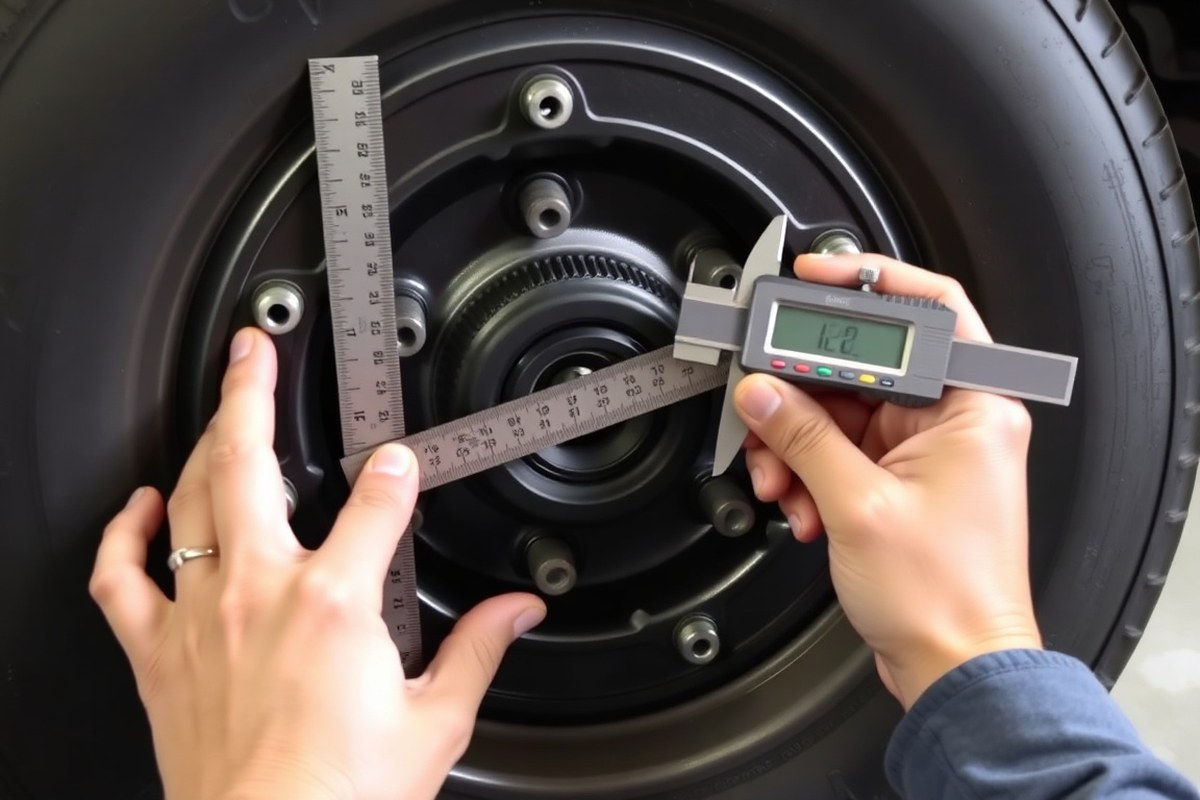
Measuring your Jeep Wrangler’s bolt pattern accurately requires a few simple tools and careful steps. Knowing the exact bolt pattern helps you avoid buying wheels that won’t fit, ensuring safety and correct wheel alignment. The process differs slightly between even and odd numbers of lug holes but follows a clear method.
Tools Needed for Measuring Bolt Pattern
You’ll need a tape measure or ruler that measures in millimeters or inches and a notepad to jot down your measurements. A digital caliper provides the most precise reading but is optional. Make sure your Jeep is on a flat surface for the most accurate measurement.
Measuring Bolt Pattern with an Even Number of Lug Holes
For Jeep Wranglers with 4, 6, or 8 lug holes, measuring is straightforward. Measure from the center of one lug hole directly across to the center of the lug hole opposite it. This measurement is the diameter of the circle on which the lugs sit. For instance, the common Jeep Wrangler bolt pattern is 5×5 inches, meaning 5 lug holes spaced evenly around a 5-inch circle.
Measuring Bolt Pattern with an Odd Number of Lug Holes
When your Jeep Wrangler has 5 lug holes, which is typical, you cannot measure straight across since there isn’t a directly opposite hole. Instead, measure from the center of one lug hole to the outer edge of the lug hole furthest away across the circle. This gives the correct bolt circle diameter for a 5-lug pattern.
Step-by-Step Guide to Measure Your Jeep Wrangler’s Bolt Pattern
Follow these steps closely to get an accurate reading:
- Clean the Wheel Surface: Remove dirt around the lug holes to see edges clearly.
- Select a Reference Lug: Pick one lug hole to start your measurements.
- Measure for Even Lug Holes: If you have 4, 6, or 8 lugs, measure straight across to the center of the opposite lug hole.
- Measure for 5 Lug Holes: From the center of one lug hole, measure to the outer edge of the lug hole two spots away.
- Record the Distance: Write down your measurement in millimeters or inches.
- Repeat for Accuracy: Measure multiple times to confirm the bolt circle diameter is consistent.
- Double-Check Lug Count: Verify the number of lug holes to correctly describe your pattern.
Measure twice to avoid mistakes; an incorrect bolt pattern can cost you a new set of wheels.
What Accurate Measurements Should Look Like
An accurate bolt pattern measurement matches standard Jeep Wrangler specifications such as 5×5 inches or 5×127 millimeters. Small errors over 1/16 inch (1.5 mm) can lead to mismatched wheels. Using a digital caliper or measuring from the centre of lug holes improves accuracy beyond a tape measure.
Common Mistakes and How to Avoid Them
Errors happen if you measure from the edge rather than the center of lug holes, or if the Jeep is on an uneven surface. Avoid guessing and always verify your measurement in both imperial and metric units. Don’t assume your Wrangler’s bolt pattern matches others of the same model year without measuring first.
Bolt Pattern Variations Across Jeep Wrangler Models and Years
The bolt pattern of a Jeep Wrangler varies across different model generations, trims, and years, affecting wheel compatibility. Models like the TJ, JK, and JL each have distinct bolt patterns, while trim levels such as Sport and Rubicon can differ in wheel fitment details. Understanding these differences ensures you select wheels that bolt on properly without safety or performance risks.
Jeep Wrangler Bolt Patterns by Generation
The TJ generation (1997, 2006) uses a 5×4.5 inch (5×114.3 mm) bolt pattern across most trims. This means five lug nuts spaced evenly on a 4.5-inch circle. Moving to the JK generation (2007, 2018), the bolt pattern generally increases to 5×5 inches (5×127 mm), fitting larger wheels and tires suited for more extensive off-road use. The JL generation (2018 and newer) maintains the 5×5 inch pattern but features refinements in hub dimensions and offset, particularly on higher-end trims.
These differences matter because wheels with the wrong bolt pattern won’t fit, risking damage or unsafe driving. Using the correct pattern, 5×4.5 or 5×5 inches depending on your Wrangler’s year and model, is essential for replacement wheels or upgrades.
Trim-Level Bolt Pattern Differences: Sport vs. Rubicon
Trim levels like Sport and Rubicon often share the same bolt pattern within a generation but differ in wheel size and offset. For example, JK Sport trims usually come with factory wheels designed for moderate off-road capability, maintaining the 5×5 inch bolt pattern. JK Rubicons, however, often use larger wheels and tires with a wider offset while still keeping the 5×5 bolt pattern.
The Rubicon’s wheels may have a more aggressive offset and hub size to accommodate heavy-duty off-road use, requiring careful selection when swapping wheels between trims. Using Sport wheels on a Rubicon might fit physically but could affect handling or place stress on suspension components.
Wheel Fitment Implications and What to Check
Matching the bolt pattern is the first step, but you also need to consider hub bore diameter and wheel offset, especially between different trims or generations. The hub bore on a JK and JL can vary slightly, and wheels must center properly on the hub to avoid vibration or uneven lug nut wear. Trimming or changing offset to fit larger tires on Rubicon trims can also affect bolt compatibility indirectly.
Always verify the bolt pattern, center bore, offset, and lug nut type when switching wheels across Jeep Wranglers. Many aftermarket wheels will specify compatibility by Wrangler model and trim, helping avoid costly mistakes. Professional mounting shops can check fit before installation, which costs about $15 to $50 but can prevent issues.
Comparing Bolt Patterns: A Quick Reference
| Generation | Years | Bolt Pattern | Common Trim Patterns |
|---|---|---|---|
| TJ | 1997, 2006 | 5×4.5 inch (5×114.3 mm) | Sport and Rubicon (same bolt pattern) |
| JK | 2007, 2018 | 5×5 inch (5×127 mm) | Sport and Rubicon (same bolt pattern, different offset) |
| JL | 2018, present | 5×5 inch (5×127 mm) | Sport and Rubicon (same bolt pattern, differing hub bore and offset) |
This table highlights how the bolt pattern aligns with Jeep Wrangler generations and trims. Although bolt patterns might be consistent within a generation, trim-level differences in offset or hub bore impact wheel choice significantly.
Other Key Wheel Specs: Center Bore, Lug Nuts, and Offset
Alongside bolt pattern, the center bore, lug nut size, and wheel offset are key specifications that determine if wheels fit your Jeep Wrangler properly. The center bore is the hub hole in the wheel that fits over the vehicle’s hub. A correct center bore size ensures the wheel centers perfectly, preventing vibrations. For most Jeep Wrangler models, the center bore measures around 71.5 millimeters (about 2.8 inches).
The lug nuts must match the threading and seat type of your Wrangler’s wheel studs. Standard Jeep Wranglers typically use 12mm x 1.5mm lug nuts with a conical (tapered) seat. Using the wrong lug nut type, such as flat seat instead of conical, can cause poor fastening or damage to the wheel.
Wheel offset is the distance between the hub-mounting surface and the centerline of the wheel. It affects how far the wheel sticks out or sits inside the wheel well. A positive offset pushes the wheel inward, while a negative offset pushes it outward. Maintaining a correct offset ensures proper clearance for suspension components, brake calipers, and inner fender liners. Incorrect offset can lead to rubbing, poor handling, or increased wear on suspension parts. The table below compares these important wheel specifications for popular Jeep Wrangler configurations, showing how they vary and what to watch for when selecting wheels.
| Spec | JK Wrangler (2007, 2018) | JL Wrangler (2018, present) | Classic YJ (1987, 1995) |
|---|---|---|---|
| Center Bore | 71.5 mm (2.8 in) | 71.5 mm (2.8 in) | 73.1 mm (2.88 in) |
| Lug Nut Thread | 12mm x 1.5 mm | 12mm x 1.5 mm | 1/2″-20 UNF |
| Lug Nut Seat | Conical (60° taper) | Conical (60° taper) | Conical (60° taper) |
| Recommended Offset Range | +12 to +44 mm | +12 to +44 mm | +30 to +55 mm |
To check your Wrangler’s center bore, unscrew a wheel and measure the diameter of the open hub hole on the hub assembly or the wheel itself using a caliper. When buying new wheels, verify that their center bore matches or exceeds this size. Larger center bores require hub-centric rings to center the wheel properly and avoid vibration.
Confirm lug nut specifications by removing a lug nut from a wheel stud, and check its thread size using a thread gauge or confirming lug nut packaging details. Using lug nuts designed for your Wrangler prevents stripped threads or wheel loosening issues. Some aftermarket wheels may require specific lug nut types or sizes, so check compatibility closely.
Wheel offset can be measured on the wheel by locating the mounting surface and measuring the distance from the mounting surface to the wheel’s center. Wheel offset specs are usually available from manufacturer data. When replacing wheels, select offset values within the recommended range to avoid issues with wheel fit and suspension clearance. Using offset outside the suggested range can cause problems such as tire rubbing on fenders or control arms, and altered handling characteristics.
Can You Use Wheels with a Different Bolt Pattern on a Jeep Wrangler?
Using wheels with a bolt pattern that differs from your Jeep Wrangler’s original specification is generally not safe. Each jeep model has a specific bolt pattern designed to ensure stable mounting and even distribution of forces when driving, especially off-road where stresses grow significantly. Installing wheels with mismatched bolt patterns can cause loose fitment, vibrations, or even catastrophic detachment of the wheel while driving.
Bolt pattern adapters are an available option for Jeep Wranglers if you want to use wheels with a different bolt pattern. These adapters fit between the hub and the wheel, effectively changing the bolt pattern interface. Adapters must be high-quality, usually machined aluminum or steel, and designed specifically for your Wrangler model and the intended wheel pattern. Their thickness, typically ranging from 0.25 to 1 inch, affects offset and handling, so care is needed to avoid issues.
You should expect to pay between $50 and $150 per adapter, plus installation costs from a professional to ensure proper torque and seating. Quality installation is critical to avoid loosening or additional stress on lug nuts and studs. Some Jeep owners also use wheel spacers integrated with adapters for clearance or aesthetic reasons, a step that adds complexity and risk if not done carefully.
The risks of mismatched bolt patterns or poorly installed adapters include strain on wheel studs, leading to eventual failure or broken studs. This risk is severe off-road, where the wheels endure more impact and torque. Also, changes to wheel offset from adapters may alter suspension geometry and handling characteristics, potentially causing uneven tire wear or compromised vehicle stability. Unintended stress on hubs and brake components is another concern directly linked to improper fitment.
Before deciding to use wheels with a different bolt pattern or buying adapters, verify your Wrangler’s exact bolt pattern and compare it with the wheels you want. Check each product’s specifications for compatibility and adhere to manufacturer torque specs during installation. Always consult a trusted mechanic or wheel specialist to assess if adapters fit safely and will not void vehicle warranties. If unsure, sticking to wheels matching your Jeep’s original bolt pattern is the safest choice.
Never install bolt pattern adapters without professional advice; incorrect installation can lead to wheel detachment and serious injury.
Common Mistakes When Buying Jeep Wrangler Wheels and How to Avoid Them
Ignoring the bolt pattern is a frequent mistake when buying Jeep Wrangler wheels. The bolt pattern dictates whether your new wheels will physically mount to your vehicle’s hubs. Purchasing wheels with an incorrect bolt pattern leads to poor fit, dangerous driving conditions, and costly returns or modifications. It’s essential to match the bolt pattern exactly or confirm compatibility with your specific Wrangler model and year.
Another common error is overlooking related specs like center bore diameter, lug nut type, and wheel offset. These factors affect how the wheel sits on your Jeep, influencing ride quality and clearance. Using wheels that don’t meet these requirements can cause rubbing, vibrations, or even loosen over time, increasing the risk of accidents. Before buying new wheels, use a simple checklist to prevent these issues:
- Confirm the exact bolt pattern for your Wrangler model and year, such as the common 5×5 inch (5×127 mm) pattern.
- Measure or verify the center bore size to ensure the wheel aligns properly on the hub, avoiding vibration.
- Check the lug nut type and thread size; factory lug nuts may not fit aftermarket wheels.
- Confirm the wheel offset matches your vehicle’s specifications to prevent clearance problems with brakes and suspension.
- Consult the wheel manufacturer or seller to confirm compatibility if unsure.
After installing new wheels, perform a thorough inspection. Tighten lug nuts to the manufacturer’s torque specification, often around 90-110 ft-lbs for Jeep Wranglers. Recheck the lug nut tightness after driving 50 to 100 miles. Inspect for any unusual noise, vibration, or rubbing against the fenders or suspension parts. These checks help catch installation errors before they lead to damage or safety hazards.
Ignoring even one of these specifications risks safety and performance issues. Taking the time to verify all measurements and fitment details minimizes hassle and extra expenses. The cost of a good torque wrench, a bolt pattern gauge, or a professional wheel fitment check, typically $50 to $150, can save far more from wheel damage or accident repairs. Precise attention to bolt pattern and related wheel specs ensures your Jeep Wrangler performs safely and confidently on any terrain.
Step-by-Step Guide to Changing Jeep Wrangler Wheels Safely
Changing the wheels on your Jeep Wrangler takes about 30 to 60 minutes, depending on your experience and tools. Following safety steps is essential to avoid injury and ensure everything fits properly, especially since the bolt pattern must match perfectly. Checking the bolt pattern and lug nut fit before tightening the wheels prevents damage and keeps your vehicle safe on the road or trail. Here’s exactly how to change your Jeep Wrangler wheels safely, step by step:
- Park on a level surface and engage the parking brake. This stops the vehicle from moving while you work. Avoid soft or uneven ground to maintain stability.
- Loosen lug nuts slightly before lifting the Jeep. Use a lug wrench to turn each nut counterclockwise just enough to break them free. Do not remove them yet, this prevents the wheel from spinning when you raise the vehicle.
- Lift the Jeep using a floor jack positioned under the recommended lift points in the owner’s manual. Raise the vehicle until the wheel is off the ground by several inches, allowing enough room to remove it safely.
- Remove the lug nuts and take off the wheel. Keep the lug nuts together so none get lost. Inspect the hub for dirt or rust and clean if necessary to ensure a flat mounting surface.
- Match the replacement wheel’s bolt pattern to your Jeep’s. The typical bolt pattern for Jeep Wranglers is 5×5 inches (5×127 mm), but double-check to avoid fit issues. Slide the new wheel onto the hub, lining up the bolt holes properly.
- Hand-tighten the lug nuts in a star pattern. Tighten them just enough to hold the wheel snugly against the hub. This helps center the wheel evenly and avoids misalignment.
- Lower the Jeep slowly until the wheel touches the ground but the vehicle’s weight is not fully on it. Then use a torque wrench to tighten the lug nuts to the manufacturer’s recommended torque, typically between 80 to 100 ft-lbs for Jeep Wranglers. Follow the star pattern again to ensure even pressure.
- Fully lower the Jeep and double-check the lug nut tightness. Proper torque prevents lug nuts from loosening during driving, which can be dangerous. Re-check after driving a few miles to confirm everything remains secure.
Using a torque wrench and following the star tightening pattern are critical. Over- or under-tightening lug nuts can warp brake rotors or cause wheel wobble. Skipping final torque checks increases the risk of the wheel coming loose. Spending extra time to properly clean the hub and confirm bolt pattern guarantees a smooth, vibration-free ride.
When to Consult a Professional for Bolt Pattern and Wheel Fit Issues
You should call a professional if you’re unsure about matching your Jeep Wrangler’s bolt pattern or when encountering wheel fit or installation issues that could affect safety or performance. Expert intervention helps prevent damage to your vehicle and avoids unsafe driving conditions caused by incorrect wheel mounting.
Signs You Need Professional Help
Several indicators point to the need for a specialist’s input. Difficulty aligning lug nuts or the wheel not sitting flush against the hub often means the bolt pattern or center bore isn’t correct. Unusual vibrations, knocking sounds, or wheel wobble after installation also suggest the wheel doesn’t fit properly or the bolt pattern is wrong. Trouble measuring the bolt pattern accurately or having aftermarket modifications that may change wheel specs calls for professional guidance to ensure the right match.
Another sign is inconsistent torque readings when tightening lug nuts. Over- or under-tightening can result from incorrect bolt pattern fit, requiring a technician’s torque tools and experience. Experts also help when changing tire sizes that might affect wheel offset and fitment along with the bolt pattern, reducing risks of rubbing or suspension interference.
Risks of Incorrect Bolt Pattern Installation
Installing wheels with an unsuitable bolt pattern seriously risks your Jeep Wrangler’s safety. Incorrect patterns can cause uneven stress on lug nuts and wheel studs, leading to loosening or even stud breakage while driving. This may cause wheel detachment, an extreme hazard. Mismatched bolts also result in vibrations that harm suspension parts and reduce tire life.
Improper wheel fit can damage the hub assembly and brakes. Wheels that do not center properly can warp brake rotors or cause uneven brake pad wear, reducing stopping power. Repair costs for damaged hubs or suspension parts average hundreds to thousands of dollars, depending on the extent. Using a qualified professional to verify fit prevents these risks and safeguards your Jeep’s off-road and on-road performance.
Finding Reputable Jeep Wheel and Tire Shops
Look for shops specializing in Jeep models or off-road vehicles. Dealers and independent mechanics with 4×4 experience understand Jeep bolt patterns and wheel fitment nuances. Customer reviews and word-of-mouth from Jeep owners guide you to trustworthy specialists. Make sure the shop uses calibrated torque wrenches and measures bolt patterns accurately before installation.
Many shops provide consultation services or will source wheels matching your Wrangler’s model year and rim size requirements. Check if the shop offers a fitment guarantee or will inspect wheel alignment post-installation, these services confirm safe and correct mounting. Large automotive chains may handle wheel replacements but often lack Jeep-specific knowledge, so prefer specialist shops where possible.
Always verify the bolt pattern and lug nut type with a professional prior to final wheel purchase or installation to avoid costly and dangerous mistakes.
Step-by-Step Action Plan for Choosing and Installing Jeep Wrangler Wheels
Follow these steps to match the right bolt pattern and wheel specs for your Jeep Wrangler and complete a safe installation.
- Before you buy: Confirm your Jeep Wrangler’s exact model year and trim to identify its specific bolt pattern, center bore, and lug nut type. Verify your info with the owner’s manual or manufacturer specs.
- Day 1: Measure your current wheel’s bolt pattern accurately using a caliper or tape. Check center bore diameter and wheel offset to compare with potential new wheels.
- Day 2: Research wheel options matching or compatible with your measurements, and avoid wheels with a different bolt pattern or mismatched specs unless using proper adapters. Confirm lug nut thread size and seat style.
- Week 1: Purchase wheels and lug nuts from reputable vendors offering parts specific to Jeep Wrangler models. Keep your old wheels until you confirm the fit and compatibility of the new ones.
- Week 2: Safely remove your existing wheels using proper tools and torque your new wheels’ lug nuts to the manufacturer’s recommended specifications. Check for any clearance or rubbing issues during a test drive.
- After 2 weeks: Inspect lug nut tightness again and monitor wheel performance for vibration or fit problems. Address any issues by consulting a professional if needed.
Frequently Asked Questions
What Is the Standard Bolt Pattern for a Jeep Wrangler?
The standard bolt pattern for most Jeep Wranglers is 5×5 inches, meaning five lug nuts spaced in a 5-inch diameter circle. This pattern fits the majority of Wrangler models and is important for selecting compatible wheels.
Can Jeep Wrangler Bolt Patterns Change with Aftermarket Lifts?
Aftermarket lifts don’t usually change the bolt pattern, but they may require wheel spacers or different wheel offsets to fit properly. Always check wheel fitment details after modifying your suspension.
How Do I Know If My Jeep Wrangler Has a 5×4.5-inch or 5×5-inch Bolt Pattern?
Measure lug nut distances to confirm, as older Jeep Wranglers used 5×4.5-inch patterns while newer models use 5×5 inches. Accurate measurement ensures you buy the correct wheels.
Are Jeep Wrangler Bolt Patterns the Same for All Trim Levels?
Most trims share the same 5×5-inch bolt pattern, but special editions might differ. It’s best to verify model-specific specs before purchasing wheels.
Can Wheel Bolt Pattern Affect Off-Road Performance for a Jeep Wrangler?
The bolt pattern itself doesn’t impact off-road performance but affects wheel compatibility and strength. Using the correct bolt pattern ensures secure mounting and avoids wheel-related failures on rough terrain.
Is It Okay to Mix Bolt Patterns When Rotating Jeep Wrangler Wheels?
Mixing bolt patterns on one vehicle is unsafe as it prevents proper wheel mounting. Always use wheels with the exact bolt pattern for every wheel position.
Wrapping Up
Knowing your Jeep Wrangler’s correct bolt pattern ensures a secure and proper wheel fit without risking damage or unsafe driving conditions. Start by identifying your model’s bolt pattern and related wheel specs today. That knowledge will guide you in selecting the right wheels for your Jeep’s performance and style, making any upgrades smoother and safer.