Why Do Some Engines Have 3 Spark Plugs per Cylinder? Key Benefits Explained
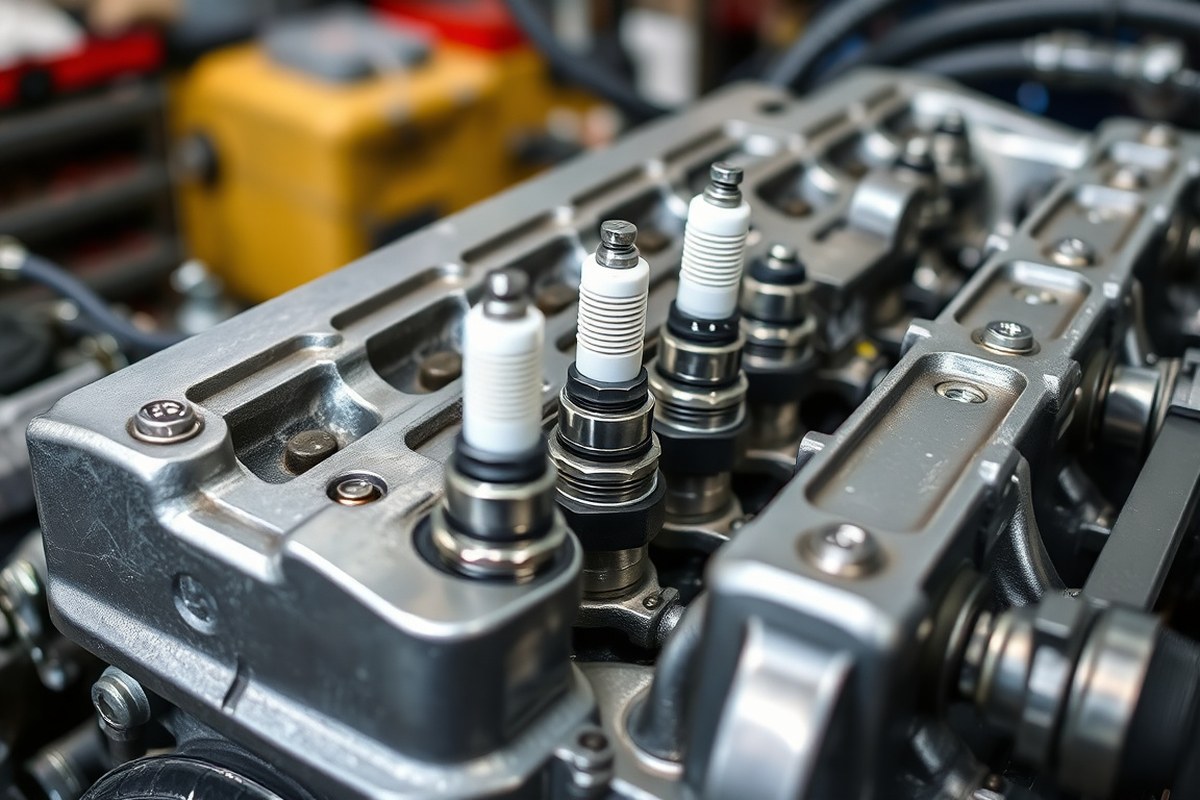
Certain engines employ three spark plugs in each cylinder to improve combustion by igniting the air-fuel mixture more quickly and evenly. This arrangement increases power output, improves fuel economy, and reduces emissions. By using three plugs, the ignition process accelerates, resulting in smoother operation and better efficiency.
Key Takeaways
- Three spark plugs per cylinder create multiple ignition points, speeding up and improving fuel combustion.
- Improved combustion efficiency leads to increased engine power without significantly increasing engine weight.
- Engines with three spark plugs often require specialized ignition systems to manage multiple firing events.
- Maintenance costs rise slightly due to the higher number of spark plugs needing periodic replacement.
- Spark plugs in triple-plug setups last about 30,000 to 50,000 miles, similar to standard spark plugs.
- Triple spark plug technology is common in high-performance and racing engines for maximum power extraction.
Why Do Some Engines Use Three Spark Plugs per Cylinder?
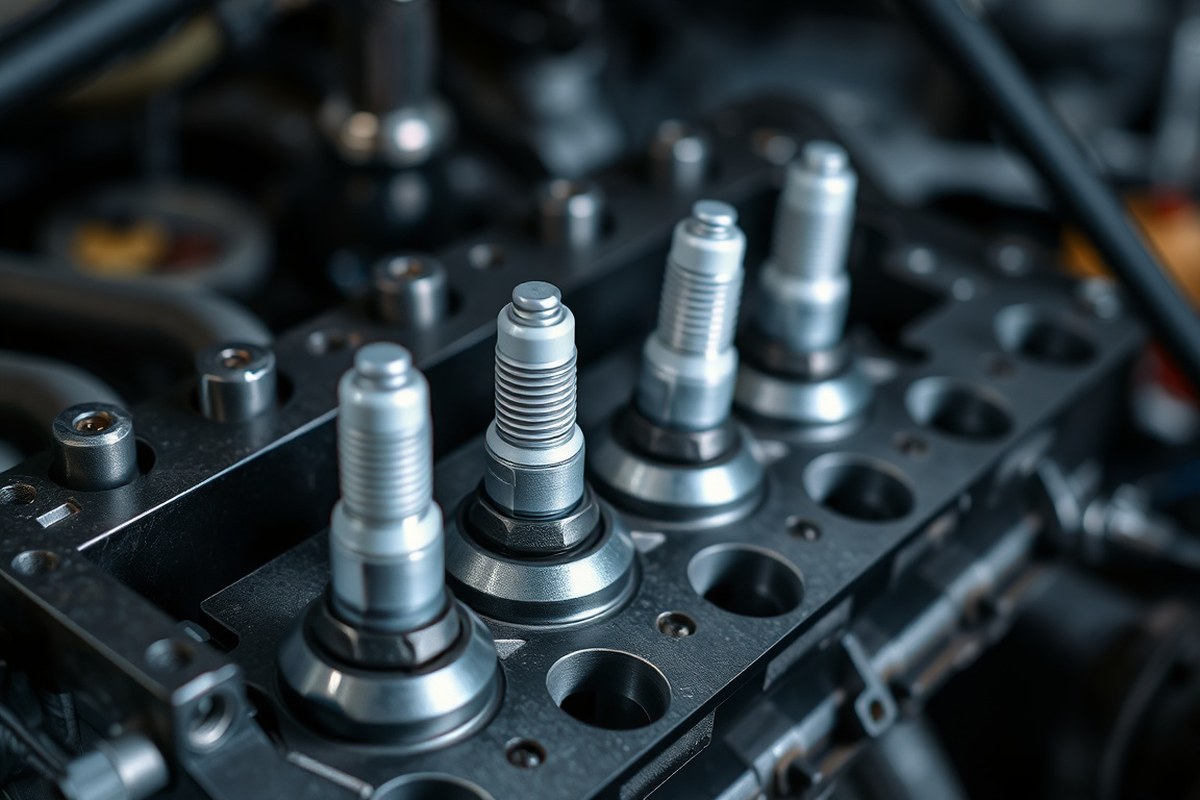
Some engines feature three spark plugs per cylinder primarily to maximize ignition efficiency and achieve more complete combustion of the air-fuel mixture. Using multiple spark plugs helps ignite the mixture at multiple points simultaneously, resulting in faster and more uniform combustion throughout the combustion chamber. This design minimizes the time needed for the flame front to spread, which is important for improving the engine’s power output and fuel efficiency.
This approach is particularly important in high-performance and specialized engines where combustion speed and control directly affect performance. For example, race engines and aviation engines often require rapid, reliable ignition to operate safely and efficiently under demanding conditions. Adding a third spark plug per cylinder ensures that the fuel burns more completely and consistently, reducing unburned fuel and harmful emissions. It also increases the reliability of ignition, which is essential in aircraft engines where failure is not an option.
Compared to engines with a single or double spark plug, three spark plugs provide more ignition points that shorten combustion time by igniting the mixture simultaneously in different locations inside the cylinder. This reduces the distance the flame needs to travel, speeds up the combustion process, and lowers the chances of knocking or misfires. In practical terms, this means better power delivery and smoother engine operation, as the combustion is more stable and controlled.
Installing three spark plugs per cylinder involves additional design complexity and cost. The cylinder head must accommodate extra spark plug holes correctly positioned to optimize the spread of ignition. The ignition system needs to manage and time multiple sparks precisely, requiring more advanced electronics or ignition control units. These costs are often justified only in engines where the benefit to performance, emissions, or reliability outweigh the added complexity, such as high-performance racing engines, aviation, or heavy-duty marine engines.
Engines designed with three spark plugs usually show improvements in combustion efficiency, meaning more of the fuel’s energy is converted into power rather than lost as emissions or heat. The trade-off includes increased maintenance demands since there are more spark plugs to inspect, replace, and ensure proper operation. However, the gains in power, fuel economy, and lower emissions can be substantial in applications where combustion precision is critical.
In sum, the fundamental reason some engines use three spark plugs per cylinder is to optimize the combustion process by igniting the air-fuel mixture more quickly and evenly. This leads to higher efficiency, increased performance, and better emissions control, especially in engines where one or two plugs cannot provide the desired ignition quality and reliability.
How Three Spark Plugs Improve Combustion Efficiency

Using three spark plugs per cylinder shortens the flame travel distance inside the combustion chamber. This means multiple flame fronts ignite the air-fuel mixture almost simultaneously, rather than relying on a single spark to spread the flame across the entire chamber. Reducing the distance a flame must travel speeds up combustion, which leads to more complete burning of fuel in a shorter time. In practical terms, instead of one flame front needing up to 10-15 milliseconds to engulf the mixture, three sparks can cut this burn time roughly in half or better, depending on chamber size and shape.
Faster combustion matters because it reduces the chance of fuel-air mixture escaping unburned through the exhaust stroke. With a single spark plug, flame propagation can be uneven, especially in larger or high-compression cylinders. This uneven spread leaves pockets of unburnt fuel, which lowers fuel efficiency and increases emissions of hydrocarbons and carbon monoxide. Multiple sparks create overlapping flame fronts that meet quickly, reducing these pockets and promoting a complete fuel burn. For example, large-bore four-cylinder engines using three spark plugs per cylinder have reported lower emissions and more stable combustion under lean-burn conditions, where the air-fuel mix contains more air than usual.
Beyond speed, multiple sparks improve flame uniformity and stability. Each spark plug ignites slightly different zones within the combustion chamber, reducing hotspots and preventing the combustion from lingering or stalling in certain areas. This uniformity improve thermal efficiency, meaning more of the fuel’s energy converts to mechanical work rather than wasted heat. Thermal efficiency improvements of 5-10% have been observed in some triple-spark configurations, directly improving fuel economy and power output.
Exact benefits depend on engine design factors such as bore size, chamber shape, compression ratio, and fuel type. With a larger bore, the single spark may need to cover a flame travel distance of 3 inches or more, increasing burn time and inefficiency. Adding two more plugs spaced evenly reduces this distance to roughly one inch or less for each flame front, speeding up combustion and improving consistency. Manufacturers that employ three spark plugs optimize ignition timing so all three sparks fire within milliseconds of each other, ensuring the multiple flames reinforce rather than interfere with one another.
The cost for boosting combustion efficiency this way includes designing ignition systems to handle more plugs, maintaining precise timing, and dealing with additional parts that can wear out or fail. However, the payoff includes smoother engine operation, less fuel waste, and lower emissions, even under demanding lean-burn or high-performance conditions. This setup lets engineers push the limits on fuel economy and power without compromising reliability.
Maintaining precise timing among three spark plugs is critical; otherwise, overlapping flames could collide inefficiently, reducing combustion benefits and possibly causing engine knock.
Benefits of Three Spark Plugs: Power, Economy, and Emissions
Installing three spark plugs per cylinder improves combustion by igniting the air-fuel mixture more efficiently. This leads directly to increased power output because the fuel burns more completely and rapidly. By ensuring every part of the cylinder ignites effectively, the engine maximizes the energy extracted from each combustion cycle.
Better combustion efficiency also improves fuel economy. More complete burning means less wasted fuel and higher thermal efficiency. As a result, engines with triple spark plugs can deliver more miles per gallon compared to single or dual spark plug setups, especially under demanding conditions where combustion might otherwise be uneven.
Reduction in emissions is another major benefit. More uniform combustion lowers the formation of unburned hydrocarbons and nitrogen oxides (NOx). This helps engines meet stricter emissions standards without sacrificing performance. Vehicles equipped with triple spark plug technology typically show cleaner exhaust gas profiles.
| Benefit | Effect | Result |
|---|---|---|
| Improved Combustion Efficiency | More complete ignition of fuel-air mixture | Higher power output and fewer unburned fuel residues |
| Increased Power | Rapid, uniform combustion | Better acceleration and engine responsiveness |
| Better Fuel Economy | Reduced fuel waste | Improved miles per gallon in real-world driving |
| Lower Emissions | Reduced hydrocarbons and nitrogen oxides | Compliance with stricter emission regulations |
| Improve Reliability | Multiple ignition sources per cylinder | Reduced risk of misfires and smoother engine operation |
The triple spark plug setup ensures that the ignition timing can be optimized more precisely since each spark plug can ignite different parts of the mixture nearly simultaneously. This timing control improve combustion stability at various engine speeds and loads. For example, Alfa Romeo’s 1995 3.0 V6 engine implemented three spark plugs to gain an edge in both power and efficiency.
Maintenance costs rise somewhat because each cylinder has three plugs to inspect and replace, but the tradeoff often favors performance and emissions improvements in high-performance or specialized engines. This additional complexity makes triple spark plug engines especially valuable where maximum combustion efficiency is essential, despite the higher parts and labor costs involved.
Which Engines and Manufacturers Use Three Spark Plugs?
Engines with three spark plugs per cylinder primarily appear in aviation and some high-performance automotive contexts, as well as specialized marine and industrial uses. This triple ignition approach boosts reliability and combustion precision where power and efficiency are critical. Several notable manufacturers and engine types have adopted this technology to meet specific performance goals.
Aviation Engines Using Triple Spark Plugs
Aircraft engines commonly use multiple spark plugs per cylinder for redundancy and improve combustion stability. Triple spark plug configurations can be found in some piston aircraft engines to ensure consistent ignition under varying atmospheric conditions and fuel mixtures. The Franklin 6A4-150 is a historical example engineered with three spark plugs per cylinder to improve ignition reliability, important for general aviation safety. This design reduces the risk of misfires and maximizes power output throughout the flight envelope.
In aviation, reliability outweighs maintenance convenience, which justifies the added complexity and inspection requirements. The triple spark setup helps engines maintain stable operation at different altitudes and temperatures, contributing to consistent engine performance in critical flight phases.
High-Performance Automotive Examples
Many automotive engines typically have one or two spark plugs per cylinder, but certain high-performance and racing engines use three spark plugs to gain additional power and cut down on engine knock. Toyota has used three-plug configurations in their racing motors to boost throttle response and increase combustion efficiency under heavy load. This ignition method prevents knocking, enabling higher compression ratios and more aggressive ignition timing.
Japanese manufacturers, including Honda, have experimented with three spark plug designs in innovations like their VTEC-E and integrated motor assist hybrid engines. These designs focus on improving fuel economy and emissions while maintaining power in lean-burn scenarios. Using three plugs improves ignition consistency in lean fuel mixtures, which often challenge single or dual plug systems.
- Toyota motorsport engines with triple spark plugs for performance tuning
- Honda VTEC-E engines implementing three plugs for lean-burn efficiency
- Modern racing engines tuning ignition for power and knock resistance
- Some experimental Nissan engines exploring multiple plug ignition
- Ford’s early multi-plug engines like the 2.3-liter Lima using two plugs per cylinder
Maintaining three plugs per cylinder increases service intervals because you must inspect and replace more components, typically every 30,000 to 50,000 miles. This tradeoff is accepted in performance-focused vehicles where the power gain offsets the extra maintenance effort.
Other Applications in Marine and Specialty Engines
Marine engines and some industrial power units also adopt three spark plugs per cylinder for improved combustion control and reliability. Boats operating at varying loads and environmental conditions benefit from more consistent ignition timing and reduced misfire rates, especially in larger displacement or turbocharged marine propulsion systems. Specialty engines used in generators or emergency power packs use triple spark plugs to ensure dependable start-up and steady operation under diverse fuel qualities.
This approach is less common in mass-market automotive or small recreational marine engines due to the complexity and cost. However, in environments where reliability directly affects safety or operational continuity, the extra ignition points justify the installation and upkeep costs.
Engineering Challenges and Design Solutions for Triple Spark Plugs
Integrating three spark plugs per cylinder presents several engineering hurdles that affect ignition timing, engine packaging, and overall cost. Managing ignition timing across multiple spark plugs requires highly precise control systems. Engineers must synchronize the sparks to ignite the air-fuel mixture uniformly and at the exact right moment to improve combustion speed and stability. This often involves using advanced ignition control modules or engine control units (ECUs) capable of finely tuning spark timing in real time depending on engine load, speed, and temperature.
The complexity increases because each spark plug must fire with minimal delay between the others, sometimes within milliseconds, to prevent uneven combustion and engine knock. To accomplish this, engineers employ redundant wiring harnesses and specialized ignition coils, which add weight and bulk. These components also require more space in the cylinder head, forcing redesigns to maintain adequate cooling and accessibility for maintenance. Packaging the extra plugs while preserving proper cylinder head airflow and valve operation demands careful revision of the head’s geometry and careful selection of spark plug dimensions.
The overall cost of manufacturing engines with triple spark plugs rises significantly. Additional spark plugs, ignition coils, wiring, and advanced ECUs increase parts and labor expenses. Modifying the cylinder head also adds machining and assembly complexity. Because of these increased costs, triple spark plug setups typically appear in high-performance or specialized engines where gains in combustion efficiency, power, or emissions justify the investment.
One way engineers reduce complexity is by employing a master-slave ignition configuration, where one ignition coil triggers multiple spark plugs through a distribution system. This approach reduces the number of coils but requires extremely reliable switching mechanisms and can complicate timing adjustments. An alternative is using independent coils for each spark plug, allowing precise control but increasing cost and wiring complexity. Regardless of the method, software optimization plays a key role, continuously adjusting timing advance and spark duration for each plug based on sensor feedback to avoid misfires and maximize efficiency.
Retrofitting an existing engine for three spark plugs per cylinder is often impractical without a full cylinder head redesign. The added plugs must fit without interfering with valves or cooling passages, necessitating custom machining and component reshaping. Failure to properly integrate the plugs can cause uneven combustion, increased wear, and reduced engine reliability.
Carefully assess cylinder head space and valve layout before adding extra spark plugs; improper placement can disrupt airflow and cause premature engine wear.
Ultimately, the benefits of triple spark plugs come with tradeoffs in engineering complexity, higher production cost, and increased maintenance demands. Successful implementation relies on precision ignition control, thoughtful mechanical design, and willingness to invest in specialized engine components. In contexts where these conditions are met, triple spark plugs can significantly improve combustion control and engine performance.
Maintenance and Longevity of Engines with Three Spark Plugs
Triple spark plug engines require more frequent and detailed maintenance compared to single-plug designs. You should replace spark plugs at shorter intervals, expect higher overall costs due to more parts and labor, and follow a thorough inspection routine to maintain optimal engine performance and longevity.
Recommended Replacement Intervals
Three spark plugs per cylinder increase the total number of plugs in the engine, which means you have more components wearing over time. Typical replacement intervals for standard spark plugs fall between 30,000 and 100,000 miles depending on plug type and engine design. For engines with three plugs per cylinder, expect the replacement interval to be closer to the lower end of this range, often around 30,000 to 40,000 miles, because the additional plugs can experience uneven wear patterns and more heat stress.
It’s critical to check your vehicle’s specific maintenance manual, as some manufacturers design triple spark plug engines with specialized long-life plugs that can last up to 60,000 miles in some cases. However, the safe approach is to replace all three plugs simultaneously to maintain balanced combustion and avoid misfires.
Cost Comparison: Single vs. Triple Spark Plug Maintenance
Maintenance costs rise significantly with three spark plugs per cylinder. You’re purchasing three times the number of plugs and potentially paying more for premium or specially designed plugs. Labor time also increases because replacing three plugs per cylinder takes longer, sometimes requiring partial engine disassembly where space is tight. A rough estimate for replacing spark plugs in a four-cylinder triple-plug engine includes:
- Part cost: $12 to $25 per spark plug, totaling $144 to $300 for 12 plugs
- Labor cost: 2 to 4 hours at $80 to $120 per hour, depending on engine accessibility
- Total replacement cost: $300 to $780
By comparison, a single spark plug per cylinder engine typically costs $60 to $150 to service, including parts and labor. These higher costs for triple spark plug engines matter most if you drive high mileage or plan on keeping the vehicle for many years.
Inspection and Cleaning Tips
Maintaining triple spark plug engines involves frequent inspection and cleaning to detect uneven wear that can lead to poor combustion or engine knock. At every oil change or service interval (usually every 5,000 to 7,500 miles), you should visually inspect the plugs for:
- Carbon fouling or deposits that indicate incomplete combustion
- Uneven electrode wear between plugs in the same cylinder
- Cracks or damage to the ceramic insulator
- Signs of overheating or blistering on the plug tips
- Corrosion or buildup on the spark plug threads or terminals
Cleaning the plugs involves using a wire brush or spark plug cleaner to remove carbon deposits carefully. Avoid abrasive methods that damage the electrode. If inspection shows significant differences between plugs in any cylinder, plan to replace all three at once to keep ignition timing consistent. Thorough spark plug maintenance can help sustain the efficiency and smooth throttling characteristic of triple plug engines.
Fuel Types and Ignition Systems for Triple Spark Plug Engines
Engines equipped with three spark plugs per cylinder require ignition systems designed to handle multiple, precisely timed firing events within each combustion cycle. Traditional ignition systems that control a single spark per cylinder are not sufficient. Instead, these specialized systems incorporate additional coils and control modules to deliver voltage to each plug with accurate sequencing and timing. The coordination ensures that all three plugs ignite the air-fuel mixture at slightly staggered intervals, promoting a more uniform and complete burn. This can improve combustion efficiency by up to 20% compared to standard single-spark designs.
The ignition sequencing in triple spark plug setups involves controlling the firing order so that sparks occur in rapid succession for each cylinder. This is managed by advanced engine control units (ECUs) programmed to handle the additional ignition events. Timing adjustments can be fine-tuned based on engine speed, load, and temperature to optimize performance and reduce emissions. Such systems often use coil-on-plug designs with independent control, allowing each spark plug to fire independently. Proper ignition sequencing minimizes the risk of misfires and prevents overlapping sparks that could cause inefficient combustion or increased wear on ignition components.
Engines equipped with three spark plugs usually run on regular gasoline or diesel, depending on the engine type, without needing special fuel. Having extra spark plugs helps maintain reliable ignition, especially in conditions like cold starts or thin air at high altitudes. This setup often lowers the need for fuel additives that improve ignition stability. Still, it’s important to fine-tune the engine’s management system to match the triple plug design. This involves adjusting fuel injection timing and air-fuel mixtures to handle the quicker and more even combustion from the extra ignition points.
This ignition system setup involves increased complexity and cost. Additional wiring, coils, and control software raise manufacturing and maintenance expenses compared to conventional single-spark plug engines. The extra components add weight and take up more space, which engineers must consider during engine design. Despite these trade-offs, triple spark plug ignition systems are most advantageous in applications requiring high combustion reliability under varying conditions, such as some aircraft engines or high-performance automotive engines experimenting with improve combustion control. Without careful management of ignition timing and sequencing, the benefits of adding more spark plugs can be negated by increased misfire rates or uneven combustion.
When Is Three Spark Plug Technology Worth the Extra Complexity?
Three spark plugs per cylinder offer clear gains in combustion quality, but the extra hardware adds complexity and cost. You should consider a triple spark plug setup mainly when your engine demands peak efficiency, power, or emissions control and you’re prepared to handle more maintenance and build expense.
Performance vs. Cost Trade-Offs
Using three spark plugs creates a more complete and faster combustion, beneficial for engines running under high loads or strict emissions standards. This translates into better power output, improved fuel economy, and cleaner exhaust. These benefits mostly apply to advanced or high-performance engines rather than everyday vehicles.
On the downside, triple spark plugs increase manufacturing and assembly costs due to additional wiring, ignition components, and engine space. Maintenance can be more frequent and pricier because each cylinder requires three spark plugs to be checked and replaced as needed, which raises the labor time and parts cost.
| Aspect | Benefit | Trade-off |
|---|---|---|
| Combustion Efficiency | More complete, faster burn | Increases engine complexity |
| Power Output | Higher power and torque potential | Requires precise synchronization |
| Maintenance | Extended spark plug life by better combustion | Three plugs per cylinder increase labor and parts cost |
| Assembly Cost | Supports premium engines with strict emission controls | Higher manufacturing and wiring expenses |
Keep in mind these costs and benefits depend on your application. High-performance cars and certain industrial engines usually justify the expense, while standard consumer cars may not.
Retrofitting Possibilities and Limitations
Retrofitting an existing engine with three spark plugs per cylinder faces significant challenges. The cylinder head must accommodate extra spark plug holes, adding design complexity and risking damage to cooling passages or structural integrity. Also, the ignition system needs upgrades to handle and time three plugs accurately.
For most engines, retrofitting is impractical and expensive, often exceeding the cost of a new engine designed for triple spark plugs. Retrofitting may also void warranties or reduce reliability if not done precisely by knowledgeable professionals.
Attempt retrofitting only if you have custom machining capabilities and are ready for complete ignition system upgrades.
Best Use Cases for Triple Spark Plug Engines
Triple spark plug technology is ideal for engines where cleaner, faster combustion yields measurable improvements under demanding conditions. Racing engines, aircraft piston engines, and some advanced naturally aspirated or lean-burn automotive engines are prime examples.
Engines that operate with lean fuel mixtures or require ultra-low emissions often benefit since three spark plugs reduce incomplete combustion and lower unburned hydrocarbons release. This setup also suits applications where higher compression ratios push the limits of traditional ignition timing. For practical evaluation, consider:
- Assess your engine’s operating conditions (load, speed, emissions standards).
- Estimate the added cost of triple spark plugs and wiring versus projected fuel savings or power gains.
- Confirm compatibility with your ignition control system and maintenance capabilities.
How to Evaluate and Benefit from Triple Spark Plug Engines
Understanding when and how to use engines with three spark plugs per cylinder can improve your vehicle’s performance and efficiency. Follow these steps to assess and optimize this technology.
- Before purchasing: Research if the vehicle or engine model uses triple spark plugs and review manufacturer specifications to confirm compatibility with your driving needs.
- After purchase: Schedule a professional inspection to ensure all three spark plugs are properly installed and functioning, indicated by smooth engine operation and no misfires.
- Every 10,000 miles: Check and replace spark plugs as recommended by the manufacturer to maintain combustion efficiency and avoid engine issues.
- After maintenance: Monitor fuel economy and emissions performance to verify that triple spark plug technology is delivering expected benefits.
- When considering modifications: Consult with an automotive engineer or specialized mechanic before altering ignition or fuel systems to preserve the balance triple spark plugs provide.
- During troubleshooting: Test each spark plug individually if you experience engine roughness or power loss to identify and fix any faulty plugs early.
Frequently Asked Questions
Why Do Race Engines Benefit from Three Spark Plugs per Cylinder?
Race engines include three spark plugs in each cylinder to increase power by speeding up combustion and making it more complete. This arrangement boosts fuel efficiency to deliver maximum horsepower, which is critical in motorsports where performance margins are tight.
Does Having Three Spark Plugs per Cylinder Improve Engine Reliability?
Yes, three spark plugs can improve reliability by ensuring continuous ignition even if one plug fails, reducing misfires. This redundancy is especially valuable in critical applications like aviation engines.
How Does Three Spark Plugs per Cylinder Affect Engine Emissions?
Three spark plugs create a more complete air-fuel burn, reducing unburned fuel and harmful emissions. This improved combustion efficiency can help engines meet stricter emissions standards.
Are Engines with Three Spark Plugs Harder to Maintain?
Yes, maintenance can be more frequent and expensive due to the extra spark plugs needing inspection and replacement. Proper servicing intervals are important to avoid performance issues.
Can Three Spark Plugs per Cylinder Increase Fuel Economy?
Improved combustion efficiency from three spark plugs can modestly increase fuel economy by extracting more energy from the fuel. However, gains depend on engine design and operating conditions.
Why Don’t More Manufacturers Use Three Spark Plugs per Cylinder?
The added complexity and cost outweigh benefits for most engines, limiting adoption to specialized or high-performance models where extra efficiency and power justify it.
Final Thoughts
Three spark plugs per cylinder improve ignition consistency and combustion speed, especially in high-compression or lean-burn engines. This leads to better power delivery, fuel efficiency, and reduced emissions but adds complexity that requires attentive maintenance. If you drive a vehicle with this setup, prioritizing regular checks and spark plug care ensures you gain the full advantages of this advanced ignition design.