Why Are My Spark Plugs Black? A Complete Guide to Causes and Fixes
Why are my spark plugs black? Black spark plugs usually indicate a rich fuel mixture, meaning too much fuel and not enough air are burning in the engine. This leads to carbon buildup and soot deposits on the plugs, which can cause misfires and poor performance. Checking the air filter is a quick way to fix a rich condition since a clogged filter reduces airflow and causes the engine to run rich.
Key Takeaways
- Dry, black, matte soot on spark plugs signals a rich air-fuel mixture or weak ignition.
- Wet and oily black deposits typically mean oil is leaking into the combustion chamber.
- A clogged air filter often causes rich conditions and black spark plug deposits; replace it promptly.
- Scan the OBD-II system for fuel trim and sensor fault codes to pinpoint rich running causes.
- Changing spark plugs between 30,000 and 100,000 miles prevents deposits that can reduce engine efficiency.
- Properly torque spark plugs (12, 18 ft-lbs for most aluminum heads) to prevent heat transfer problems.
Why Are My Spark Plugs Black? What Does It Mean for Your Engine

Black spark plugs usually indicate that your engine is running too rich, meaning there is too much fuel and not enough air in the combustion chamber. This causes carbon buildup on the spark plug, resulting in dry, black, soot-like deposits. Such deposits show incomplete combustion, which means the fuel-air mixture is not burning efficiently. The black color typically points to excess fuel, weak ignition, or spark plugs operating below their ideal temperature range, preventing the normal burning off of carbon.
The color and texture of the black deposits provide clues about your engine’s condition. Dry, matte black soot usually signals a rich fuel mixture or incorrect spark plug heat range. On the other hand, black plugs that appear shiny or wet with an oily film often indicate oil leaking into the combustion chamber. This might happen due to worn piston rings or valve seals, which is a more serious engine issue. Wet black plugs smelling like fuel suggest unburned gasoline, often caused by engine flooding or misfires.
Black spark plugs can still function temporarily, but they usually lead to poor engine performance over time. The carbon buildup can cause misfires, reduced fuel efficiency, and harder starts. When your spark plugs fail to ignite the fuel properly, the engine compensates by working harder, burning even more fuel and increasing emissions. It’s important to inspect and clean or replace blackened spark plugs promptly to avoid long-term damage.
To check spark plug condition, you need to remove them and look at their color, deposits, and wear patterns. Removing plugs in the order of the cylinders helps you identify if the problem is affecting all cylinders or just specific ones. A consistent black deposit on all plugs usually points to too rich a fuel mixture, a blocked air filter, or the wrong spark plug heat rating. Resolving this means cleaning or changing the plugs and fixing the underlying issue, like adjusting fuel flow or swapping the air filter. Typically, this repair takes less than 10 minutes and costs very little.
Correct spark plug heat range matters because plugs that run too cold don’t reach the temperature needed to burn off carbon deposits. This can cause persistent blackening and fouling. Proper spark plug operation occurs within a temperature window where harmful deposits are continuously burnt away during normal engine use. Using the wrong plugs or having engine timing off can prevent hitting this window, accelerating deposit buildup.
Dark deposits on spark plugs indicate how your engine is running and how fuel is burning. Inspecting them every 30,000 to 100,000 miles, depending on your car and the plug specifications, helps detect rich fuel mixtures early. Ignoring these inspections may result in decreased engine efficiency and costly repairs down the road.
Types of Black Spark Plug Deposits and Their Causes
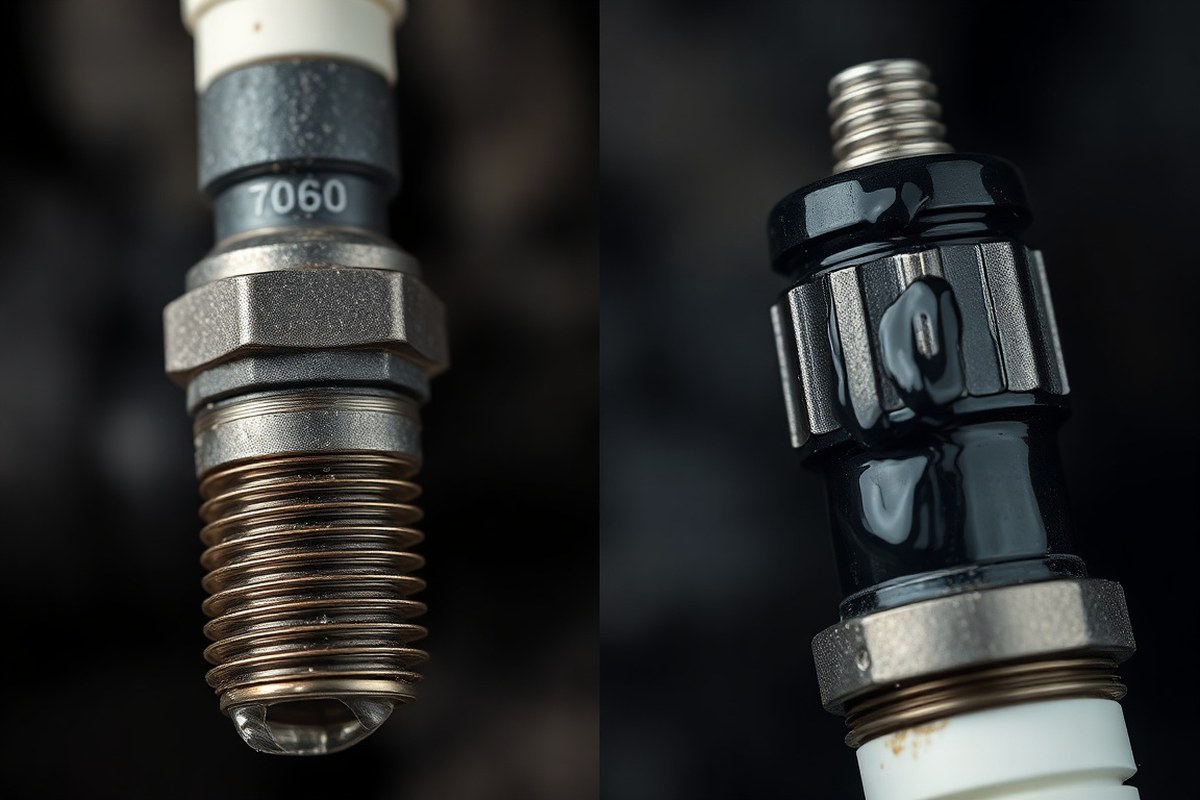
Dry black soot on spark plugs usually indicates a rich air-fuel mixture, meaning the engine is getting too much fuel and not enough air. This condition commonly happens during repeated short trips or prolonged idling because the spark plugs don’t reach the optimal temperature needed to burn off carbon deposits. A low plug temperature, combined with factors like a weak ignition spark or using a spark plug with the wrong heat range, causes that dry, sooty residue. It’s important to focus on these root causes rather than blaming the plug itself, as replacing the plug alone won’t fix the underlying problem.
Wet, oily black deposits typically point to engine oil leaking into the combustion chamber. These deposits feel sticky or slick to the touch and suggest worn piston rings, valve seals, or other engine components that allow oil to enter. Blue smoke from the exhaust often accompanies this issue, signaling oil burning inside the engine. Wet oil fouling severely impacts spark plug performance, so affected plugs usually need replacement along with addressing the engine’s mechanical issues.
Different types of black fouling, dry soot versus wet oily deposits, reflect distinct engine conditions and driving habits. For example, frequent low-speed driving or continuous idling never warms the spark plug enough to keep it clean, favoring dry soot build-up. Aggressive driving or extended highway speeds usually generate sufficient heat to prevent this type of fouling.
| Type of Black Deposits | Key Characteristics | Common Causes | Driving Habit Effects |
|---|---|---|---|
| Dry Black Soot | Dry, powdery or sandy texture, no oily feel | Rich mixture, low plug temperature, weak spark, wrong heat range | Short trips, prolonged idling prevent proper plug heating |
| Wet Black (Oily) Deposits | Wet, shiny, or sticky oil coating | Oil leakage into combustion chamber, worn piston rings or valve seals | Often unrelated to driving style; mechanical wear dominant |
| Fuel-Soaked Plug | Plug damp with fuel smell | Rich fuel mixture and incomplete combustion | Frequent short trips, engine cold starts |
Normal spark plugs maintain a balance where the tip shows some color but no heavy black deposit. If deposits build up excessively, plugs lose efficiency and can cause misfires and poor fuel economy. Choosing the right heat range spark plug helps keep the tip hot enough to avoid these deposits. Copper core spark plugs, for example, are cost-effective for most passenger vehicles and typically handle average driving cycles well. Iridium plugs might provide better longevity but still require correct heat range matching and proper gap to avoid fouling.
Always check your vehicle’s recommended spark plug heat range and avoid using feeler gauges that may damage iridium plug gaps during inspection or adjustment.
How Driving Habits and Engine Conditions Affect Spark Plug Color
Short trips, prolonged idling, incorrect spark plug heat ranges, and ignition problems can cause black deposits on spark plugs by preventing them from reaching the right temperature to burn off soot. This buildup often leads to fouling, which reduces engine efficiency and can cause misfires. Addressing these factors involves changing driving habits, selecting the right plug, and maintaining the ignition system.
Impact of Short Trips and Idling
Short trips and extended idling prevent spark plugs from heating up to their self-cleaning temperature, typically around 450 to 850 degrees Fahrenheit. When a vehicle runs only brief distances or sits running without motion, the combustion chamber stays cooler than needed. This cooler environment causes unburned fuel and carbon deposits to accumulate on the plugs, creating a black, sooty appearance.
This soot buildup reduces the plug’s ability to ignite the fuel-air mixture effectively, causing rough idling and poor fuel economy. To reduce fouling, consider combining errands to extend driving time or taking a longer trip at highway speeds regularly. These actions raise the engine temperature enough to burn off deposits naturally.
Using the Correct Spark Plug Heat Range
Spark plug heat range refers to how quickly the plug transfers heat from its tip to the cylinder head. A plug with too cold a heat range sheds heat too quickly and stays below its self-cleaning temperature, encouraging soot formation. Using plugs that do not match your vehicle’s OEM specifications increases the risk of fouling and poor engine performance.
To ensure proper heat range, check the vehicle’s manufacturer recommendations or consult service manuals before selecting replacement plugs. Installing the correct plugs maintains an optimal surface temperature, typically reflected by a light gray or tan color on the plug tip after driving. Incorrect heat range plugs can also cause the electrodes to wear unevenly or get damaged, raising replacement frequency and repair costs.
Effects of Weak or Failing Ignition Components
A weak or inconsistent spark caused by worn ignition coils, faulty spark plug leads, or poor electrical connections can contribute significantly to black spark plug deposits. A weak spark does not ignite the fuel-air mixture completely, leaving unburned fuel on the plug surface and resulting in heavier carbon buildup.
Signs of ignition problems include rough running, misfire codes, and one or more plugs fouling quickly. Testing or replacing ignition components costs vary, with spark plugs averaging $10 to $15 each and ignition coils between $50 and $150 per unit. Diagnosing these issues early prevents recurrent fouling and protects the entire ignition system from unnecessary strain.
Diagnosing Black Spark Plugs: Tools and Inspection Process
Inspecting black spark plugs starts with careful removal, followed by a close visual check and measuring the electrode gap. These steps help you understand the cause behind the black fouling and decide if cleaning or replacement is needed. Using the correct tools and methods protects your engine and ensures a reliable diagnosis.
Removing Spark Plugs Safely
Removing spark plugs without damage requires the right tools and some preparation. A spark plug socket with a rubber insert or magnet is essential to grip the plug securely. Allow the engine to cool completely to avoid burns and to prevent threads from seizing due to heat expansion. Disconnect the negative battery terminal for added safety before you start. Follow these steps to remove spark plugs safely:
- Let the engine cool down for at least 30 minutes to room temperature.
- Disconnect the negative battery cable to prevent electrical shorts.
- Use compressed air or a soft brush to clean around each spark plug to remove debris.
- Remove the spark plug wire or coil-on-plug assembly by gently pulling or unscrewing as applicable.
- Attach the spark plug socket to a ratchet wrench and carefully insert it over the spark plug.
- Turn counterclockwise slowly to loosen, avoid applying excessive force to prevent thread damage.
- Remove the spark plug carefully using the socket’s grip or magnet to hold it securely.
- Place the plugs on a clean, flat surface for inspection and comparison.
Visual Inspection and Color Assessment
Look at each spark plug’s insulator, electrodes, and thread area. A light tan or grey color on the insulator tip means normal combustion. Black sooty deposits signal rich fuel mixture, oil fouling, or incomplete combustion. Pay attention to the thickness and texture of the black layer; a thin film may indicate mild issues, while a thick, dry soot layer suggests persistent fouling.
Also, check for physical damage like cracked insulators, burnt electrodes, or heavy carbon buildup which can impair the spark. Comparing plugs from different cylinders can highlight if the problem is isolated or widespread, which influences diagnoses.
Measuring Electrode Gap and Wear
Measuring the electrode gap ensures your spark plugs can fire reliably. Over time, electrodes wear down, enlarging the gap and weakening sparks. The gap should match your vehicle’s service manual specifications, generally between 0.028 to 0.060 inches (0.7 to 1.5 mm) depending on make and model.
To measure and adjust the gap, use a wire feeler gauge or a spark plug gap tool. Avoid prying on the electrode too hard as this can damage the plug. For iridium or platinum plugs, handle gaps with extra care because fine tips are more fragile. Worn or permanently fouled plugs usually call for replacement rather than gap adjustment. Follow these steps to measure and check electrode wear:
- Select the correct gap specification from your owner’s manual or vehicle repair guide.
- Use a feeler gauge to slide between the center and ground electrode.
- Note if the gauge fits snugly without forcing; if it’s loose, the gap is too wide.
- Adjust the gap gently with a gap tool if it is electric or has strong electrodes.
- Inspect electrode tips for rounded edges or severe erosion indicating replacement is needed.
How to Fix Black Spark Plugs: Cleaning vs Replacement
You can clean black spark plugs if the deposits are light and the plug is otherwise in good condition. Heavy fouling, damaged electrodes, or repeated fouling usually calls for replacement to avoid engine problems. Cleaning is a cost-effective way to restore plugs temporarily, but replacing ensures reliable ignition and engine health long term.
Safe Cleaning Techniques for Spark Plugs
Start by removing the spark plugs carefully using a proper spark plug socket to avoid damage. Use a soft wire brush or a specialized spark plug cleaner designed to remove carbon deposits without harming the ceramic insulator. Light deposits can also be wiped off with a clean rag soaked in brake cleaner or an electronics-safe solvent. Avoid harsh abrasion or sandblasting since this can alter the electrode shape and gap.
After cleaning, check the electrode gap with a feeler gauge and adjust it to the manufacturer’s specifications, which usually range from 0.028 to 0.060 inches. Reinstall the spark plug by hand at first to avoid cross-threading, then tighten to the recommended torque, typically between 13 and 22 foot-pounds, depending on the vehicle. Proper gap and installation torque help the plug ignite efficiently and last longer.
Cleaning costs little beyond basic tools and cleaners, often under $10, and takes about 15 to 30 minutes for all the plugs. Good results show a clean spark surface and restored gap ensuring proper spark. Avoid cleaning if deposits are oily, thick, or if the plug has cracks or worn electrodes, as these require replacement.
Signs a Spark Plug Needs Replacement
Replace spark plugs if the electrode is eroded, the insulator is cracked, or if fouling returns quickly after cleaning. Engines running rough, poor fuel economy, misfires, or difficulty starting often point to worn plugs. A plug with thick, oily deposits, or if coolant has caused steam cleaning marks, indicates more serious issues and the plug should be replaced.
High-mileage spark plugs can wear down their electrodes, which reduces their ability to ignite the air-fuel mixture effectively, even if they don’t show obvious signs of fouling. To maintain reliable ignition, replace spark plugs according to the vehicle’s recommendation, usually between 30,000 and 100,000 miles depending on the type. Using worn spark plugs risks causing engine misfires or harm to the ignition coils.
Expense for new spark plugs varies by type from $2 to $15 each, plus any labor if not DIY. Replacement guarantees a fresh spark surface and correct gap out of the box, reducing risk of repeat issues.
Risks of Reusing Fouled Spark Plugs
Reusing spark plugs that are heavily fouled or damaged can cause ignition failures, misfires, and increased fuel consumption. Persistent fouling after cleaning may signal engine problems, such as improper air-fuel mixture or oil leakage, that require diagnosis and repair rather than just plug maintenance.
Continual reuse of compromised plugs risks uneven engine running and in extreme cases can cause catalytic converter damage from unburned fuel. Relying solely on cleaning may mask deeper mechanical faults that also need attention.
Always inspect plugs carefully after cleaning; if deposits return within a few hundred miles, replacement and engine diagnosis are necessary to avoid further damage.
Addressing Engine Issues That Cause Black Spark Plug Deposits
Black deposits on spark plugs often signal underlying engine issues like a rich air-fuel mixture, oil leaks, ignition faults, or clogged air filters. Fixing these requires identifying and correcting the root cause rather than just cleaning or replacing the plugs. Start by checking the air-fuel mixture because an overly rich mixture burns excess fuel, leaving black carbon deposits. This happens due to a clogged air filter, faulty oxygen or mass airflow sensors, leaking fuel injectors, or incorrect sensor readings.
To fix a rich mixture, first inspect and replace the air filter if dirty or clogged, which typically costs between $15 and $30 depending on your vehicle. Next, test oxygen sensors and mass airflow sensors using an OBD-II scanner or take your car to a trusted mechanic for diagnostics. Faulty sensors can cost $100 to $300 each to replace but can save fuel and prevent plug fouling. Also, ensure fuel injectors are not leaking by checking for fuel smell or using professional injector tests. Any injector issues require cleaning or replacement, ranging from $50 for cleaning to $300 per injector replacement.
Oil fouling that causes black, wet spark plug deposits usually results from worn piston rings, valve seals, or a breached head gasket letting oil enter the combustion chamber. You can diagnose this by inspecting the plugs for oily residue and smelling for oil scent. Compression testing or a leak-down test performed by a professional, which costs about $100 to $150, will confirm these issues. Addressing oil leaks may involve replacing seals or repairing engine components, significantly increasing repair costs, but ignoring them risks engine damage.
Ignition faults also contribute to black spark plugs by producing weak or inconsistent sparks. This incomplete combustion leaves dry carbon deposits on the plugs. Use an OBD-II scanner to check for ignition-related error codes and inspect ignition coils, wires, and the distributor cap, if present. Replacing faulty ignition coils or wires usually costs $50 to $150 each. Ensuring spark plugs are of the correct heat range and properly gapped helps maintain strong ignition. Follow the manufacturer’s specifications for gap measurements, commonly around 0.028 to 0.060 inches depending on the vehicle.
To systematically diagnose spark plug fouling, follow this checklist: check and replace the air filter if necessary, scan engine codes for sensor and ignition faults, inspect fuel injectors for leaks, and examine spark plugs for oil deposits. Running the engine long enough to reach full operating temperature, generally 10 to 20 minutes of driving, helps clear minor deposits if no active faults remain. Watch for improvements in fuel efficiency, smooth engine performance, and cleaner spark plugs after the fixes. Persistent black deposits despite these steps suggest more complex engine issues needing professional assessment.
Preventing Black Spark Plug Formation Long Term
Checking spark plugs regularly helps prevent black fouling and keeps your engine running smoothly. A good rule is to inspect them every 30,000 miles or during major tune-ups. Some modern spark plugs can last up to 100,000 miles, but checking more often can catch early signs of fouling before performance drops. When replacing plugs, use the right type for your vehicle, refer to your owner’s manual or a trusted spark plug chart. Using plugs with the correct heat range is key because plugs that run too cold won’t burn off deposits, while those that run too hot can cause premature wear.
Proper installation matters as well. Torque spark plugs to about 12 to 18 foot-pounds for most aluminum cylinder heads. This tightness ensures good heat transfer and avoids cross-threading, which can damage the engine block or cause improper seating. Misinstalled plugs risk uneven heating and deposit build-up. Using a torque wrench can make this step precise and manageable. Expect torque wrenches to cost between $20 and $50 for a basic model, a small investment for engine health.
Your driving style influences how quickly spark plugs get fouled. Short trips and frequent idling don’t heat plugs enough to burn off carbon deposits. That leads to black, sooty plugs that cause misfires and lower fuel efficiency. To help plugs clean themselves, try to include longer drives at highway speeds at least once a week. High RPMs and engine temperatures during these drives keep plugs hot enough to stay clean. Avoid excessive idling and stop-and-go traffic when possible to reduce carbon build-up.
Seasonal checks also support spark plug health. Before winter and summer, inspect plugs for deposits or damage to avoid poor starts or reduced fuel economy. Cold weather can worsen fouling by keeping engine temperatures low during short trips. Summer heat can accelerate deposit burn-off but may cause overheating if plugs aren’t correctly matched. Your checklist should include cleaning around the spark plug area, looking for oil or soot, and ensuring wires and boots are secure to prevent misfires.
Following these steps helps keep spark plugs free of black deposits, leading to better fuel efficiency and smoother engine performance. It also lowers the chance of stalling or rough idling caused by fouled plugs. Ignoring these maintenance tips can mean more frequent plug replacements and potential engine problems. Remember that proper plug care is a routine task that pays off in longer plug life and more reliable driving.
When to Consult a Mechanic About Black Spark Plug Problems
You should consult a mechanic about black spark plug problems when symptoms worsen, persist after simple fixes, or when there’s a risk of internal engine damage. If your vehicle exhibits poor idle, rough acceleration, increased fuel consumption, or misfires despite cleaning or replacing spark plugs, a professional inspection is advisable. These signs can signal that spark plug fouling is a symptom of deeper engine issues rather than the root cause.
Serious internal engine damage linked to black spark plugs often shows up as persistent misfires, noticeable power loss, or the engine struggling to start especially in hot conditions. Sometimes, black spark plugs indicate excessive fuel or oil entering the combustion chamber, possibly due to worn piston rings, valve guide seals, or defective fuel injectors. Because these problems may accelerate engine wear or cause higher emissions, early diagnosis by a mechanic can help prevent costly repairs.
Use a simple checklist to decide when to seek expert help: If you replace or clean blackened spark plugs and the engine problems do not improve within one to two weeks of normal driving, or if symptoms worsen during summer when spark plug issues tend to become more obvious, it’s time to call a mechanic. Also, if you notice oil or thick carbon deposits on the plugs repeatedly after repair efforts, this suggests persistent underlying issues needing professional diagnosis.
When communicating your spark plug fouling issue to a mechanic, provide details such as how long you have been experiencing symptoms, results from spark plug inspection or replacement (if any), and any noticeable patterns like problems worsening after the engine warms up. Explain if you noticed black, oily, or dry sooty deposits on the plugs, and mention operational conditions such as recent driving habits, fuel quality, or maintenance history. This information helps the mechanic pinpoint causes more effectively.
Professional inspection usually involves removing all spark plugs for detailed analysis, performing a compression test, and scanning the engine control unit for fault codes. Costs vary, with spark plug replacement ranging from $100 to $300 depending on vehicle type and parts, while more extensive diagnostic services may add $50 to $150 more. Effective repairs result in restored engine performance, smoother idle, and typical spark plug appearance without black fouling after driving for a few weeks.
Keep records of your spark plug condition and related symptoms to share with your mechanic, improving diagnostic accuracy and speeding up the repair process.
Step-by-Step Action Plan to Fix Black Spark Plugs
Follow these steps to diagnose and address black spark plugs effectively, ensuring your engine runs smoothly again.
- Before You Start: Gather a spark plug socket, gap tool, and a cleaning wire brush or replacement plugs so you’re ready to inspect and act.
- Day 1: Remove a spark plug and examine its tip under good light for black deposits; oily or carbon deposits indicate specific engine issues.
- Day 2: Use a spark plug gap tool to check if the gap is within your vehicle’s specification; incorrect gaps can cause misfires and deposits.
- Day 3: Clean lightly fouled spark plugs with a wire brush and re-install; if deposits return quickly, move to replacement.
- Week 1: Replace heavily fouled or damaged plugs and monitor your engine’s performance for improvement, such as smoother idling or better fuel mileage.
- Week 2: Address common causes like rich fuel mixture or oil leaks by checking the air filter, fuel injectors, and valve seals; fix or replace as needed.
- Month 1: Adapt your driving habits by avoiding excessive idling or short trips; note if spark plug condition improves at the next inspection.
- Ongoing: Inspect spark plugs every 20,000 to 30,000 miles and maintain routine engine tune-ups to prevent black deposits from forming again.
Frequently Asked Questions
How Can I Fix Black Spark Plugs Effectively?
Fixing black spark plugs means cleaning or replacing the plugs, then correcting the underlying engine issue causing the black deposits. Address things like a rich fuel mixture or incorrect plug heat range to prevent the problem from returning.
Will a Black Spark Plug Still Work Properly?
A black spark plug might still function, but it can cause misfires and poor engine performance. Address the black deposits to ensure efficient combustion and avoid long-term engine damage.
Does a Black Spark Plug Indicate a Rich or Lean Fuel Mixture?
Black spark plugs usually indicate a rich fuel mixture, meaning too much fuel or incomplete combustion. Lean mixtures often produce white or blistered plugs, so black soot typically points to excess fuel.
What Color Should a Healthy Spark Plug Be Under Normal Conditions?
Healthy spark plugs show a light brown, grayish-brown, or slightly tan color, indicating normal combustion. Pure black or white plugs suggest engine or fuel mixture issues that need attention.
Why Are My Car’s Spark Plugs Turning Black Suddenly?
Sudden blackening often results from short trips, a clogged air filter, weak ignition, or using the wrong heat range plugs. Fixing these factors stops further black deposits and protects your engine.
Can Dirty Spark Plugs Cause My Car to Stall or Hesitate?
Yes, dirty or fouled spark plugs can cause stalling or hesitation by disrupting the spark needed for consistent combustion. Cleaning or replacing them often restores smooth engine operation.
Wrapping Up
Black spark plugs signal underlying engine problems that affect performance and fuel efficiency. Taking clear steps to diagnose, clean, or replace your plugs and fix issues like rich fuel or oil leaks will help keep your engine healthy. Start by inspecting your spark plugs today and schedule any necessary tune-ups to maintain lasting results.