How to Take the Top Off a Jeep Wrangler: Complete Steps and Tools Guide
How to take the top off a Jeep Wrangler depends on the model and type of top. Removing the soft top is simple and can be done in five steps, while the hard top requires tools like a T-40 Torx driver and some bolt removal. Start by identifying whether you have a two-door or four-door model, as this affects latch locations and the removal process.
Key Takeaways
- Use a T-40 Torx head driver and ratchet to remove the hard top bolts securely.
- Undo all latches on the top, noting that four-door models have additional latches to release.
- Soft top removal involves releasing two main latches; on four-door Wranglers, release two extra latches.
- Fold soft top flaps onto the roof carefully to avoid damaging the sail flaps and side windows.
- Front section of the hard top is attached to the roll bar with two Torx 50 bolts, remove these last.
- For two-door hard tops, remove screws on driver and passenger sides before attempting full top removal.
Can You Remove the Top on Every Jeep Wrangler?

Most Jeep Wranglers come with removable tops, but not every model or trim has the same options for top removal. Typically, Wranglers feature either a soft top or a hard top, and both types are generally removable for open-air driving. Soft tops are designed to be taken off fairly easily for seasonal changes or maintenance, while hard tops require more tools and effort due to their size and weight.
The “standard” removable top that most Jeep Wranglers have is usually the soft top option, especially since many newer models like the JL series come with either a factory-installed or dealer-installed soft top. For example, the Sahara and Rubicon trims often provide soft tops as standard or optional equipment. Hard tops tend to be optional extras or factory-installed on specific trims, offering greater durability and security but less frequent removal unless desired for weather or preference.
Some trims or special editions may come with a fixed roof, but this is rare. Most Wranglers, even base models, offer at least a soft top removable setup. The main variation lies in whether you start with a two-piece hard top or a one-piece soft top, and whether the hardtop is a Freedom Top (modular hardtop panels that remove in sections) or a single-piece hardtop. For example, Rubicon models often feature hardtops designed for off-road durability, while Sport or Sahara trims might prioritize soft top flexibility.
The 2026 Jeep Wrangler introduces some changes in removable top options. Newer models may have improved mechanisms for quicker top removal and might include more factory options for modular hardtops or advanced soft top materials. These updates focus on easier handling and better weather sealing. The 2026 models also continue to support the traditional two-door and four-door variants, each affecting top removal steps and parts slightly. For instance, the four-door Wrangler Unlimited typically has larger or heavier top pieces, which often require more care or an extra set of hands for removal.
On most Wrangler trims, the removable parts typically include the entire soft top or each panel of a modular hardtop. Panels can include the front two panels (over the driver and passenger seats) and the rear panel in a three-piece hardtop setup. These panels are secured by a combination of screws, clips, and latches that you remove using basic hand tools, such as a Torx driver for screw removal. While Sahara and Rubicon trims share similar hardtop configurations, pricing for factory-installed hardtops can range from $1,000 to $2,000 depending on materials and year.
The ability to remove the top on your Wrangler depends largely on the trim and top type. Soft tops can usually be removed solo in under 30 minutes once you know the steps. Hardtops, especially two-piece or three-piece modular ones, may require two people and more time because of their weight and awkward size. Some newer Wrangler models provide quick-release latches and improved hinge designs to simplify removal and reinstallation, addressing difficulties owners faced with older models.
Essential Tools and Safety Gear for Top Removal
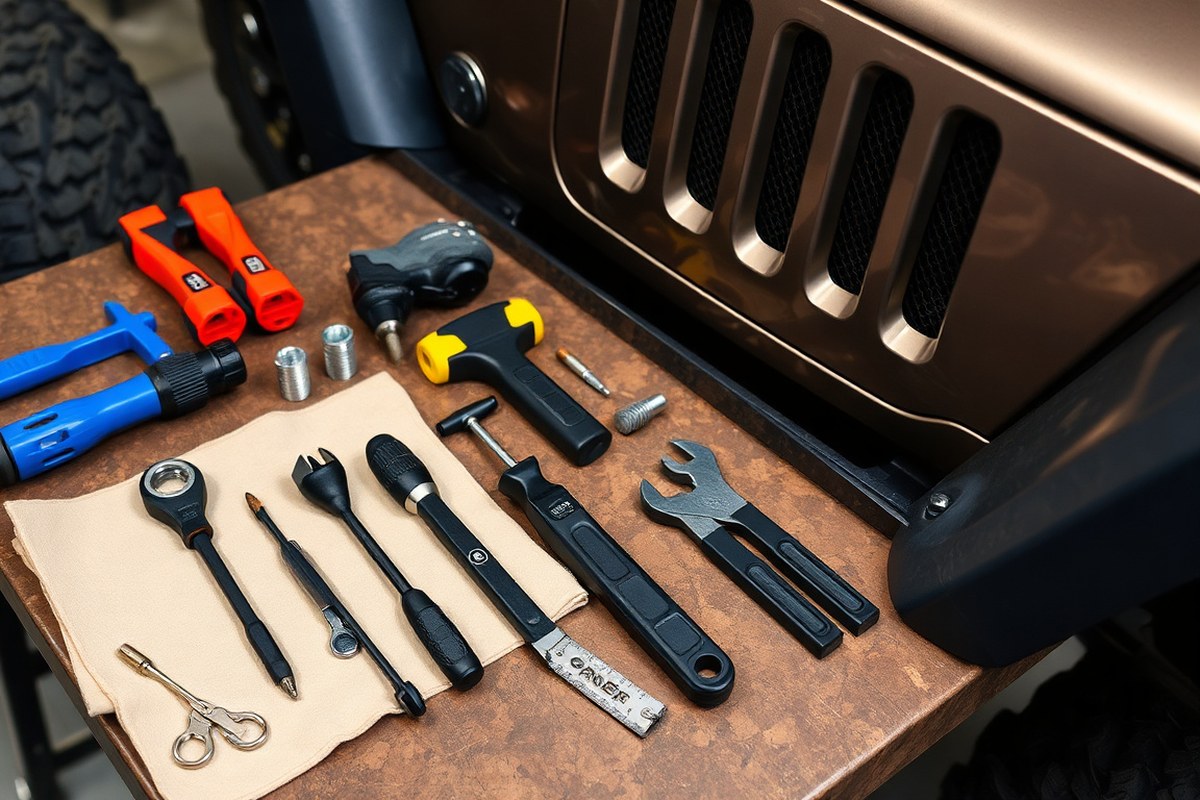
Removing a Jeep Wrangler top requires specific tools and safety gear to protect both you and your vehicle. For hardtops, the factory tool kit remains essential, although its use has shifted primarily to panel removal rather than door detachment. This kit typically includes a T50 Torx bit for removing hinge bolts on hardtop panels and a T40 Torx bit for check screws inside. In 2026 models, Jeep introduced a quick-release pin design that replaces traditional bolts, simplifying the removal and reducing the need for tools during the process.
Soft top removal is less tool-intensive. Most often, you only need your hands to release latches on the top’s frame. However, some soft top parts may require a screwdriver to loosen retainers if they are tightly fastened or if the vinyl is older and less flexible. Regular removal and maintenance of the soft top can extend its life, so use smooth, steady motions when unlatching or folding it back to avoid tearing or scratching.
- T50 and T40 Torx bits from the factory tool kit (for hardtops)
- Quick-release pins (on 2026 Wrangler models for hardtop removal)
- A flat-head screwdriver or plastic trim tool (for stubborn soft top clamps)
- Work gloves to protect your hands from sharp edges and pinch points
- Safety glasses to shield your eyes from dust or debris when working overhead
- A soft blanket or padding to place the removed top on and prevent scratches
- Torque wrench for reassembly to ensure bolts meet factory specifications
Wear gloves to avoid cuts and abrasions, especially when handling the hardtop, which can be heavy and awkward. Safety glasses help keep dirt or dust out of your eyes when loosening fasteners above head height. Using a soft blanket or padded surface beneath the removed top prevents damage to the paint and the top itself during storage.
Always double-check that all latches and pins are fully released before lifting the hardtop to avoid bending or snapping hardware.
For hardtops on earlier Jeep Wranglers, expect to spend a bit more time and effort unscrewing multiple bolts with the factory tools. The new quick-release pins on 2026 models cut removal time dramatically by allowing you to disengage the panel without any bolts or screwing. This design change reduces tool dependency and the risk of losing small parts but requires attention to ensure pins are fully disengaged to prevent damage.
Using a torque wrench during reinstallation guarantees all bolts meet recommended tightness, avoiding both under-tightening (which can cause rattles or leaks) and over-tightening (which risks stripping threads or cracking plastic components). This is a smart investment costing around $25 to $50 and adds peace of mind to the process, especially after repeated top removals and adjustments.
Step-by-Step Soft Top Removal Process
Removing the soft top from your Jeep Wrangler involves carefully unzipping the windows, detaching the securing straps, and folding the top without causing damage. Taking the right steps ensures the soft top stays in good condition and makes reinstalling easier later.
Unzipping and Removing Windows
Start by unzipping the soft top windows in the correct order to avoid tension or damage to the zippers. The rear window zipper should be unzipped first, followed by the side windows. Carefully pulling the windows away from the soft top frame helps maintain their shape and protects the fabric.
- Unzip the rear window completely, then gently pull it away from the frame.
- Proceed to unzip the side windows, one side at a time, starting with the driver’s side.
- Fold the windows flat and set them aside on a clean, dry surface to prevent scratches or warping.
Properly removing and storing the windows flat avoids bending or creasing, which can cause permanent damage to the vinyl material. Avoid placing any heavy objects on the windows while stored.
Detaching Side and Rear Straps
Locate the straps along the sides and rear that keep the soft top taut during driving. These need to be carefully unhooked to free the top from the Jeep’s body without stressing the fabric or attachment points. Make sure to loosen any associated hardware such as fastener knobs and pivot bracket bolts before fully releasing the straps.
- Unhook the side straps on the driver’s side, then repeat on the passenger’s side.
- Release the rear straps holding the soft top taut across the back of the Jeep.
- Remove pivot bracket bolts securing the hinges to the sport bar using the appropriate tool, such as a T-40 Torx driver if applicable.
- Unscrew rear fastener knobs and open any overhead locks securing the top.
Straps and hardware keep the top stable during motion. Detaching them methodically reduces the chance of tearing fabric or misaligning fasteners. Always set hardware aside for reinstallation.
Folding and Securing the Soft Top
Once unzipped and detached, fold the soft top to reduce creasing and prepare for removal. The best way is to fold the fabric in an accordion style, which maintains its shape and prevents stretching. Folding flaps over the roof fabric preserves the sail flaps on the corners and protects seams during storage.
- Fold the soft top fabric back toward the rear of the Jeep in neat accordion pleats.
- Secure the corners by folding the sail flaps over the roof fabric as designed.
- Lift the folded soft top off the vehicle carefully to avoid snagging or dragging.
- Store the folded top and windows in a clean, dry, shaded area to prevent sun damage and mildew.
Proper folding and storage extend the life of your soft top, saving money on replacement parts and keeping your Jeep ready for open-air driving. Avoid stuffing the top into tight spaces or exposure to heat and direct sunlight.
How to Remove a Jeep Wrangler Hard Top: 2-Door and 4-Door Differences
Removing the hard top from your Jeep Wrangler requires a clear order of steps, with specific attention to the bolt locations and latch mechanisms. The process is mostly the same for 2-door and 4-door models but differs mainly in the number of bolts and latches you’ll deal with. Front roof panels, if fitted, must be taken off before lifting the entire hard top. You can do most of the work solo, but having help makes handling the top safer and easier.
Removing Rear Cargo Area Bolts
Three bolts secure each side of the hard top to the metal bodywork in the cargo area. These bolts hold the rear section of the roof firmly in place and must be removed first to free the hard top.
Use a T-40 Torx head driver with a ratchet to loosen these bolts. Because each side has three bolts, check both sides carefully. Removing these bolts will start detaching the hard top from the vehicle without risking damage to the painted metal.
- Open the rear door or tailgate to access the cargo area sides.
- Locate the three Torx bolts on each side of the hard top where it attaches to the bodywork.
- Use a T-40 Torx bit on a ratchet to loosen and remove all six bolts (three per side).
- Store the bolts somewhere secure so you can use them again when reinstalling the top.
Detaching Latches on Top and Sides
The latches above the front seats hold the hard top’s front panels in place and also secure the top on the sides. To remove the entire hard top, you must release these latches carefully.
Look for interior latches inside the cabin roof area, then check for exterior latches along the top edges. Four-door Wranglers usually have more latches than 2-door versions. For 2-door models, you can skip releasing the exterior side latch, simplifying the process.
- Find the safety latch at the front edge of each hard top panel inside your Jeep, then pull it downward to release.
- For four-door models, go outside the vehicle and find the latch on the upper side of the hard top; press it down to release the latch.
- Confirm that all interior and exterior latches are fully released before attempting to lift the top.
Handling Front Roof Panels and Sport Bar Bolts
Many Jeep Wranglers have removable front roof panels called Freedom Panels. These come off first and make removing the full hard top easier and lighter. Sport bar brackets fasten some parts of the roof, requiring a few more bolts to come off.
Use the Torx T30 or T40 driver to remove bolts on the pivot brackets securing the panels to the sport bars. Taking off the front panels first helps you separate the front from the rear hard top sections and reduces the risk of damage. Removing the front roof panels alone is possible with minimal help, but lifting the entire hard top is safer with assistance, especially on four-door models where the top is heavier and larger.
- Locate interior latches above the front seats and pull them down to release the panels.
- Use a T-30 or T-40 Torx bit to unscrew bolts on the pivot brackets connecting the panels to your Jeep’s sport bars.
- Lift the front roof panels off carefully and set them aside.
- After removing the front panels, lift the rest of the hard top off the Jeep, preferably with one or two helpers to avoid scratching or dropping it.
Removing the Jeep Doors and Windshield for a Fully Open Jeep
While removing the top is the main step to enjoy an open-air Jeep experience, removing the doors and folding down the windshield take that feeling even further. Doors can be removed before or after taking off the top, depending on your comfort and the weather. Folding the windshield down requires some extra steps but offers a more exposed ride. Removing doors is not mandatory for top removal but is recommended if you want a fully open Jeep.
Unbolting Door Hinges
Removing the Jeep’s doors starts with unbolting the door hinges. Doors on Jeep Wranglers attach with hinges held by visible bolts that you can unscrew with common hand tools. You don’t need special equipment, though a ratchet wrench with a socket set speeds up the process. Bolts easily come loose once you remove dust and debris around the hinge. It’s easier to remove the doors after the top is off, but you can remove doors first if you prefer.
- Locate the hinge bolts on the front and rear of each door.
- Use a 13mm ratchet socket or appropriate wrench to loosen and remove the bolts.
- Keep bolts and washers organized so you can reinstall the doors later.
- Lift the door straight off the hinge pins to avoid damaging the door or hinges.
- Set the door on a padded surface or stand to avoid scratches or dents.
Beware of the absence of four slots on the door-swing guides; keep the bolts safe as they screw back into the door jambs, and avoid forcing the door off to prevent damage.
Removing Check Screws
Check screws on doors control how far the door swings open. To fully remove the doors, you must take off these screws, also known as door check straps. Without removing them, you’ll feel resistance or damage while trying to lift the door off. Removing these screws does not require separate tools but needs care to avoid breaking or bending the strap. Many Jeep owners remove these after unbolting hinges.
- Open the door and locate the check strap, usually inside the door jamb area.
- Use a screwdriver or socket wrench to remove the screws holding the check strap.
- Carefully pull the check strap away from the door frame.
- Confirm that no other bolts or pins restrict door removal.
Forgetting to remove check screws can cause stubborn doors that won’t come off cleanly and may damage the door or frame.
Folding Down the Windshield
Folding down the windshield creates a more exposed ride without fully removing the top or doors. This step complements top removal and door-free driving to maximize airflow. Use a friend’s help or work slowly to avoid cracking the glass or straining the hinges. Two bolts run through the windshield hinges on the hood and must be undone. Before folding, remove windshield wipers and disconnect electrical connectors to prevent damage.
- Fold down the windshield wipers along the glass or remove them if they get in the way.
- Disconnect any electrical wiring, such as for mirror or antenna mounts.
- Use a socket wrench, typically with a 13mm or 15mm socket, to remove the two hinge bolts on each side near the hood.
- Slowly and evenly fold the windshield forward onto the hood.
- Secure the windshield with straps or pads to avoid rattles or damage during driving.
Do not attempt to fold down the windshield without removing bolts and electrical connectors first to prevent costly damage.
Tips for Removing the Top Solo Without Assistance
Removing the Jeep Wrangler top alone is possible but requires careful preparation to avoid injury and damage. The hardtop, typically weighing between 75 and 100 pounds depending on the model, poses the greatest challenge when working solo. Using the right tools and techniques can make the process safer and more manageable.
For hardtop removal, consider investing in a specialized hoist or lift system designed for Jeep tops. These devices attach to the body and roof, allowing you to lift and lower the hardtop gradually without heavy lifting. When a hoist isn’t available, you can use padded roof rack bars as braces to support the top during removal, allowing you to lift and slide the top off safely with your body weight.
Body positioning is important. Keep your knees bent and your back straight as you lift to avoid strain. Use your legs to generate force rather than your back. Wear gloves to improve grip and avoid injury from metal edges or sharp corners. Remove any jewelry or loose clothing that could snag during handling.
Soft tops, being lighter and more flexible, are easier to remove solo. Unclip the rear window and roll up the soft top fabric carefully. Pull down the sail panels slowly from the body channels, using your hands to keep the fabric taut and prevent excessive stretching or tearing. A small pry tool or plastic trim remover can help release stubborn clips without damage. Here is a checklist of tips for solo removal of both hard and soft tops:
- Use a hoist or padded roof rack bars to support heavy hardtops.
- Bend your knees and keep your back straight when lifting.
- Wear gloves for better grip and protection.
- Remove soft top clips with a plastic trim tool to avoid damage.
- Pull sail panels gently and evenly to prevent fabric tears.
- Clear your workspace to avoid tripping hazards around the Jeep.
- Take your time, rushing increases risk of injury or damage.
Heavy panels can slip or drop quickly without a second pair of hands. Secure the hardtop on a soft surface like a carpet or blanket after removal to prevent scratches. For soft tops, avoid pulling at one corner alone; this might stretch or deform the fabric. Instead, work your way around the perimeter evenly, loosening clips and fabric little by little.
Removing the top alone is possible with proper preparation, the right tools, and careful technique. The process takes more time compared to using a helper but can be done without risk if you follow these guidelines. Always assess your physical limits honestly and consider professional assistance if the top feels too heavy or unwieldy.
Common Mistakes and Troubleshooting During Top Removal
One of the most common mistakes people make when removing the top on a Jeep Wrangler is forcing parts that are stuck, especially bolts and latches. Bolts can seize due to rust or grime, and forcing them can strip threads or break the bolt, making removal more difficult and expensive. To safely deal with this, first apply a penetrating oil like WD-40 or PB Blaster to the bolt threads. Allow it to soak for 10 to 15 minutes before reassessing the bolt. Use a properly sized socket or wrench to avoid rounding the bolt heads. When the bolt won’t move, tap the wrench handle lightly with a rubber mallet to increase torque without using too much force.
Hard-to-release latches on soft tops often result from dirt buildup or cold temperatures causing metal components to stick. Clean the latch mechanisms with a soft brush and a mild cleaner, then lubricate them with a silicone spray or lithium grease to keep parts moving smoothly. Avoid using heavy oils that attract dirt. When the latch feels stiff, gently wiggle it instead of pulling hard. Forcing latches can crack the plastic parts or bend mechanisms, leading to costly repairs.
Preventing scratches on your Jeep’s soft or hard top requires careful handling throughout the removal process. For hard tops, always lift from the sides near the structural frame, avoiding windows or edges that can crack under pressure. These tops can weigh between 100 to 150 pounds depending on the model, so having assistance or using lifting aids is recommended to reduce accidental drops or bumps. For soft tops, avoid dragging the fabric over rough surfaces, which can tear or wear holes. Using gloves to handle fabric and working on a clean, soft surface such as a blanket or tarp will protect the material during storage or removal.
Knowing when to stop and call a professional is just as important as proper technique. When bolts don’t loosen after several tries with penetrating oil or latches show damage, seek professional help to avoid making the problem worse. Professionals have specialized tools like impact wrenches, bolt extractors, and heat guns that safely address stuck bolts or warped latches. Repair costs can vary from $50 for minor fixes to over $200 if parts need replacement, but this is often cheaper than trying to redo damaged parts yourself.
Keep a troubleshooting checklist handy during the process: apply penetrating oil to rusty bolts, use correct socket sizes, lubricate latches regularly, lift hard tops by sturdy frame sections, and never force stubborn components. Spot any signs of damage early, such as cracked plastics or frayed fabric edges, and pause to reassess. Handling delicate parts with patience and the right tools will make your top removal smoother, safer, and protect your Jeep’s components against avoidable harm.
Best Practices for Storing and Maintaining Removed Tops
Store your removed Jeep Wrangler top in a dry, shaded spot to prevent weather-related damage. Hard tops benefit from being placed on a dedicated storage cart or hoist system designed to hold their weight and shape. These options reduce the risk of dents and scratches compared to laying a hard top flat on the ground. A good storage cart costs between $100 and $300, which is worth it to avoid costly repairs. Soft tops should be stored away from direct sunlight to prevent fading and brittleness. Folding soft tops carefully without sharp creases helps maintain their shape and flexibility.
Use a soft blanket or specialized padded cover when setting your soft top down on any surface. Avoid concrete or rough surfaces to prevent abrasions. For hard tops, place them on a clean, non-abrasive surface such as foam padding, wood planks, or a heavy-duty garage mat. Storing the rear window flat behind the Jeep’s back seats or in a flat, protected area stops it from bending or scratching. Sliding windows out of their channels and setting them aside carefully also preserves the seals and glass.
Cleaning your top before storage prolongs its life. Wash both hard and soft tops with mild soap and water to remove dirt and debris. For soft tops, follow up with a UV protectant spray to reduce sun damage over time. Inspect seals, zippers, and hinges for wear and lubricate mechanical parts on hard tops as recommended by the manufacturer. Proper maintenance prevents water leaks and ensures the top fits snugly during reinstallation.
| Storage Type | Recommended Surface | Protection Needed | Notes |
|---|---|---|---|
| Hard Top | Storage cart or hoist system | Padded cover or soft blanket | Prevents dents & maintains shape |
| Soft Top | Clean, shaded shelf or flat padded area | UV protectant & folding without creases | Prevents fading & cracking |
| Rear Window | Flat area behind back seats or flat shelf | Protective cover | Avoids bending & scratches |
Follow this checklist to protect your Jeep’s top after removal: choose a shaded and dry storage area, use protective covers or soft padding underneath, clean thoroughly before storage, slide out and safely store removable windows, fold soft tops gently without sharp folds, and check seals and hardware for damage. Storing your top this way reduces the chance of costly repairs and keeps it ready for future use. Skipping these steps can lead to cracks, dents, fading, and leaks over time.
Always avoid stacking heavy items on a stored hard top, as this can cause irreversible dents and damage to the structure.
Step-by-Step Action Plan for Removing Your Jeep Wrangler Top
Follow these steps to safely remove your Jeep Wrangler’s top and enjoy open-air driving with confidence.
- Before you start: Gather all essential tools like screwdrivers, socket wrenches, and safety gloves to avoid interruptions during removal.
- Initial setup: Park on level ground and engage the parking brake to keep your Jeep stable while you work.
- Soft top removal: Detach the straps and unzip the windows carefully, confirming all zippers move smoothly before pulling the top off.
- Hard top prep: Remove the bolts securing the hard top, checking each bolt is completely loose before lifting the pieces off.
- Remove doors and windshield: Undo bolts and disconnect wiring as needed, making sure nothing resists before fully taking off the doors and windshield.
- Solo removal tips: Use a soft blanket on a flat surface nearby to place the top without damage, and work slowly to avoid bending or scratching parts.
- Storage: Fold or stack your top neatly and cover it with a breathable fabric in a cool, dry place to maintain its condition for next use.
Frequently Asked Questions
Can You Take the Top Off of All Jeep Wranglers?
Not all Jeep Wrangler models have removable tops; check your specific model’s design before attempting removal. Some newer or special edition Wranglers may have fixed tops that don’t come off.
How to Take Top Off a 2026 Jeep Wrangler?
The 2026 Jeep Wrangler’s hardtop removal follows a similar process to previous models using basic tools and care. Always consult the owner’s manual for any model-specific instructions or tool requirements.
What Tool Is Needed to Remove a Jeep Hardtop?
A T-40 Torx wrench is commonly required for removing the bolts on a Jeep hardtop. Having the right tool ensures you avoid damaging screws or the vehicle during removal.
Can One Person Remove a Jeep Hardtop?
One person can remove a Jeep hardtop but it’s safer and easier with assistance to avoid damage or injury. Using a soft surface for setting down the top helps prevent scratches.
How Long Does It Typically Take to Remove a Jeep Wrangler Top?
It usually takes 15 to 30 minutes depending on your experience and the type of top being removed. Taking your time helps prevent damage and ensures all hardware is properly handled.
Do I Need to Disconnect Electrical Components When Removing the Hardtop?
Yes, disconnect any electrical connectors linked to the hardtop, like brake or dome lights, to avoid damage. Always check wiring before removing the top to ensure safe disconnection.
The Bottom Line
You now have the knowledge to remove both soft and hard tops on your Jeep Wrangler safely and efficiently. Taking your Jeep top off allows you to tailor your ride to the weather and your adventure style. To get started, choose the right day to practice soft top removal, focusing on smooth zipper operation and secure strap detachment as your first step.