
Can Bad Spark Plugs Cause Car to Stall? What Actually Works to Fix It
Can bad spark plugs cause car to stall? Yes, faulty or worn spark plugs can cause your engine to stall while driving or idling. Replacing worn spark plugs often resolves stalling issues by restoring proper ignition and combustion. Start by inspecting your spark plugs if your engine stalls or runs rough, especially in hot weather.
Key Takeaways
- Bad spark plugs can cause engine misfires, rough idling, and stalling during acceleration or at stops.
- Heat and high engine loads worsen spark plug issues, increasing the risk of stalling in hot weather.
- Visual signs of faulty spark plugs include carbon buildup, worn electrodes, and cracked insulators.
- Use an OBD-II scanner to check for misfire codes that indicate spark plug problems.
- Iridium and platinum spark plugs last longer, often 60,000 to 120,000 miles, compared to nickel alloy plugs.
- Replace spark plugs at intervals recommended by your vehicle’s manufacturer to prevent stalling problems.
Can Bad Spark Plugs Cause a Car to Stall While Driving or Idling?
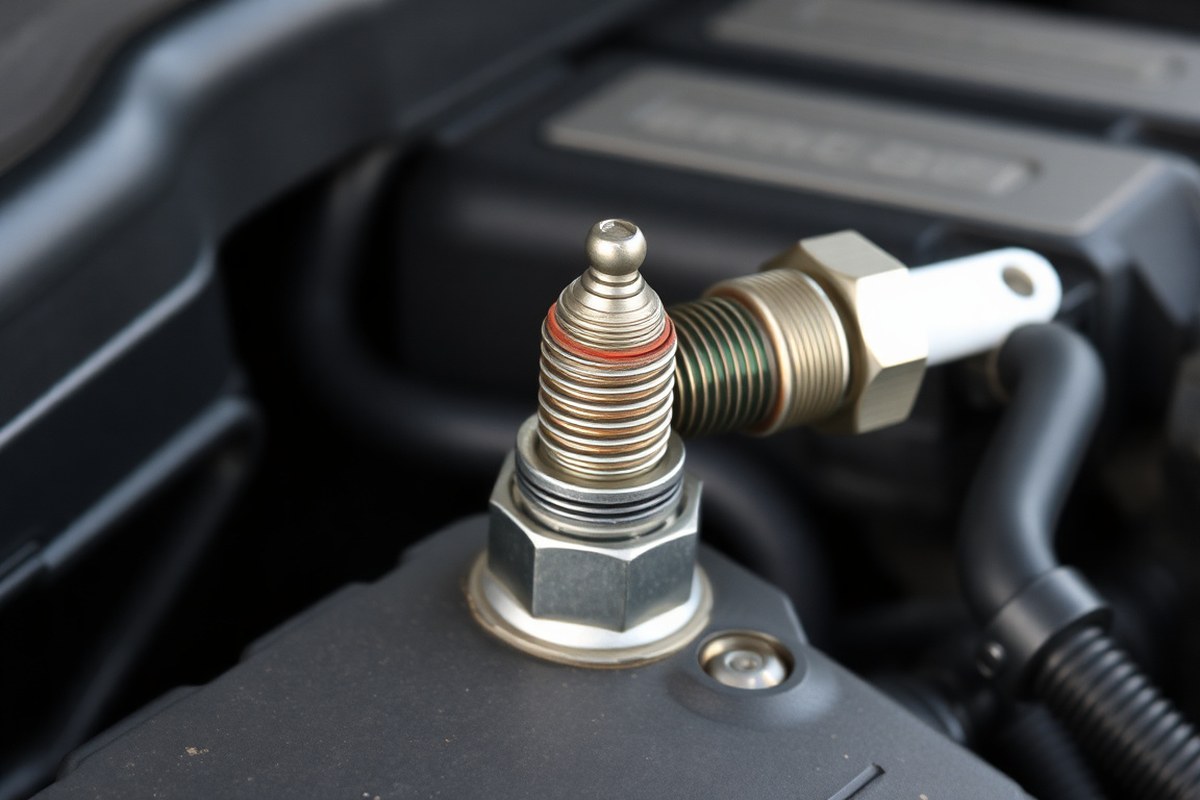
Bad spark plugs can cause your car to stall both while driving and when idling. Spark plugs ignite the air-fuel mixture inside the engine cylinders, creating the combustion needed to power the engine. Worn, fouled, or damaged spark plugs can fail to deliver a strong and steady spark, leading to engine problems. This irregular sparking leads to incomplete combustion, causing the engine to misfire and sometimes stall.
During idling, the engine runs at low RPMs and requires a precise and steady spark to maintain smooth operation. Faulty spark plugs cause the cylinders to fire erratically, leading to fluctuating RPMs, rough idling, and eventually stalling. The problem can be more noticeable when the engine is warm because bad plugs may not handle heat well, worsening ignition inconsistencies.
While driving, especially under load or acceleration, the engine demands reliable combustion. When spark plugs do not fire correctly, the engine struggles to maintain power output and may stall suddenly. This is because the combustion process becomes unstable, reducing engine efficiency and increasing the chance of the engine shutting off unexpectedly.
The impact of bad spark plugs on stalling relates directly to their role in producing strong ignition sparks. Over time, electrode wear or deposits on spark plugs can increase the voltage needed to ignite the fuel-air mix. This resistance causes weak sparks or no spark at all, interrupting the combustion cycle. The engine may sputter, lose power, or stall, depending on how badly the plugs are damaged and the operating conditions.
Changing your spark plugs as recommended by the vehicle maker, typically somewhere between 60,000 and 120,000 miles based on the type of plug, can stop ignition problems that lead to engine stalling. Worn or dirty spark plugs reduce how well your engine runs and can cause your car to use more gas, which raises your fuel costs under regular driving conditions.
Keeps your spark plugs in good condition is especially important in warmer weather or during prolonged idling, when plugs may fail to reach their ideal operating temperature. This can lead to fuel residue buildup that fouls the plugs and raises the likelihood of stalling. Paying attention to your engine’s running smoothness and replacing spark plugs when symptoms appear are key steps to avoid stalling issues related to ignition problems.
Common Symptoms That Indicate Bad Spark Plugs Are Behind Stalling

Failing spark plugs often cause distinct symptoms that you can recognize before complete engine failure occurs. One key sign is rough idling, where your engine feels uneven or shaky while the car is at a stop. This happens because worn spark plugs misfire or fail to ignite the air-fuel mixture properly. As a result, the combustion process becomes irregular, causing the engine to struggle to maintain smooth operation.
Another common symptom is engine misfires. These occur when the spark plugs delay or fail to trigger combustion on time. Misfires can lead to slow or hesitant acceleration since the engine isn’t firing all cylinders efficiently. Also, bad spark plugs lower your car’s fuel efficiency because the engine has to burn more fuel to make up for incomplete combustion. This inefficiency often results in increased fuel consumption over time.
The check engine light on your dashboard often turns on or even flashes when spark plugs, ignition coils, or plug wires are failing. This indicator signals your car’s computer has detected misfires or other ignition-related issues that can lead to stalling or poor performance. Stalling itself is a critical symptom, especially occurring at idle or low speeds, because faulty spark plugs reduce power delivery and cause the engine to suddenly shut off.
- Rough idling that feels shaky or inconsistent
- Engine misfires or hesitation during acceleration
- Slow acceleration and reduced engine power
- Check engine light turning on or flashing
- Increased fuel consumption due to poor combustion
- Momentary stalls when the engine gets hot or under load
- Visible carbon buildup or fouling on spark plugs
Checking spark plugs regularly can prevent damage and maintain smooth engine performance. Carbon buildup on spark plugs is a visible sign of poor combustion, often caused by a rich fuel mixture or incorrect plug type. This fouling increases the chance of misfires and stalling. Replacing spark plugs when symptoms appear typically restores combustion efficiency, improves fuel economy, and eliminates rough idling or hesitation during driving.
Ignoring warning signs from rough idling or the check engine light can lead to costly repairs, so inspect spark plugs promptly when your car shows these symptoms.
How Heat and Driving Conditions Worsen Spark Plug Problems and Stalling
High heat speeds up wear on spark plugs by causing their electrodes to erode and melt faster. When the temperature climbs, the thin metal tips of spark plugs expand and degrade more quickly. This increased wear reduces their ability to deliver a strong, consistent spark needed for efficient combustion. Because combustion is less reliable, your engine may stall or hesitate more often in hot weather.
Driving conditions also make a big difference. Stop-and-go traffic, for example, causes the engine to heat up repeatedly without cooling off. This continual cycle raises the risk of spark plugs overheating or fouling. When a spark plug runs hotter than its design allows, using a heat range too cold for the engine, its performance will deteriorate faster. This intensifies stalling and rough idling during heavy traffic or short trips.
The dirt and deposits that build up on spark plugs worsen more quickly in hot and humid weather. These deposits can cause misfires by interfering with the spark’s ability to ignite the air-fuel mix. You might notice sluggish acceleration or difficulty starting the car after sitting in hot conditions. Ignoring these symptoms allows heat-related damage to worsen, which can make your car stall more often and require more costly repairs later.
Monitoring spark plug condition is important especially before summer or when you expect more stop-and-go driving. Replacing plugs every 30,000 to 100,000 miles is typical based on manufacturer recommendations and the type of plug used. Choosing a spark plug with the correct heat range for your vehicle and driving conditions helps prevent overheating. Also, checking the spark plug gap and cleaning or replacing fouled plugs before they cause stalls is helpful. These proactive steps keep combustion stable even when it’s hot or you’re stuck in traffic.
Ignoring heat and driving stress on spark plugs can lead to more serious problems. Extensive misfiring reduces fuel efficiency and stresses the catalytic converter, potentially leading to costly replacements. Addressing spark plug health in response to changing seasons and driving demands keeps your car running smoothly and helps you avoid breakdowns caused by stalls in adverse conditions.
How to Inspect and Identify Faulty Spark Plugs: Visual and Diagnostic Steps
Inspecting spark plugs involves both visual checks and using diagnostic tools to spot fouling, wear, or damage that cause engine stalls. A thorough inspection helps identify plugs that won’t ignite the air-fuel mix consistently, ensuring you replace only the faulty ones.
Visual Inspection for Fouling and Wear
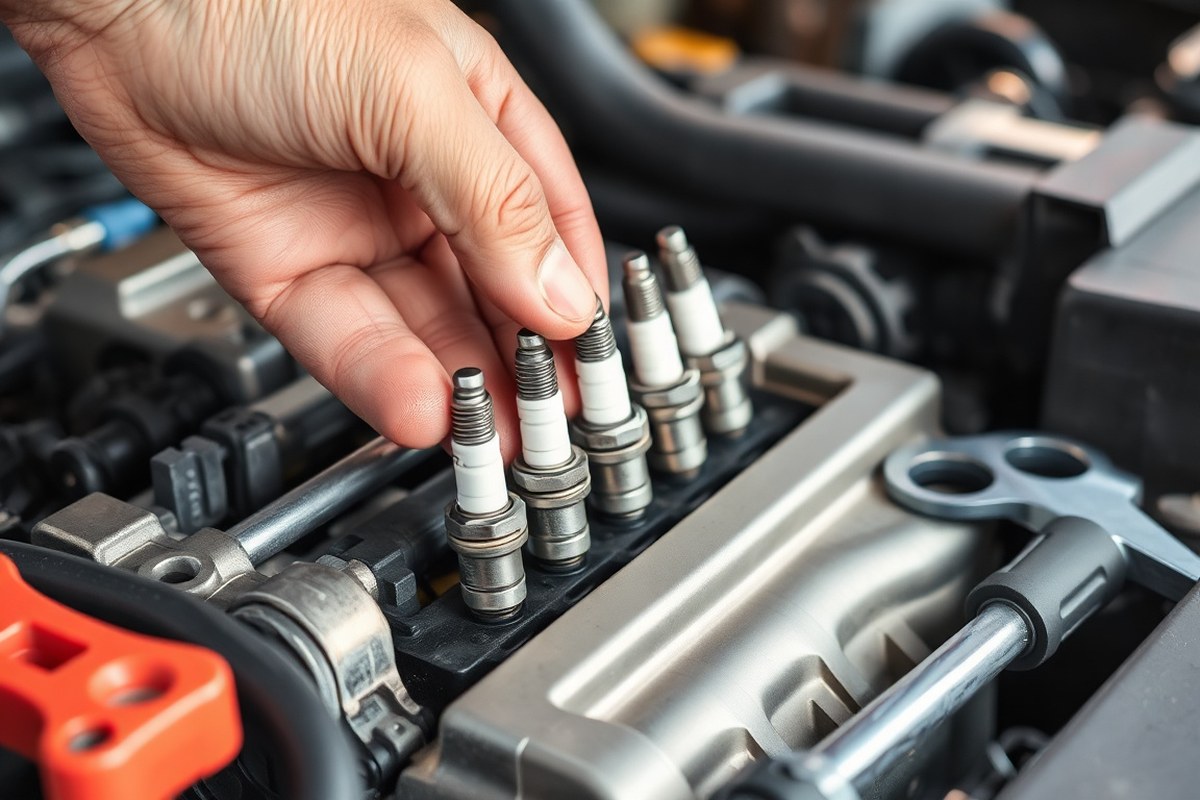
Start by removing the spark plugs using a spark plug socket and ratchet. Look closely at the electrodes and insulator tip for signs of fouling, such as black soot indicating carbon buildup, or a wet, oily coating which could mean oil is leaking into the combustion chamber. Cracks or chips in the ceramic insulator are clear damage signs, requiring plug replacement. Excessive electrode wear shows as rounded or eroded edges, widening the gap and needing more voltage to spark, which reduces combustion reliability.
Check the color of the plug tip, too. A light tan or grayish color usually means it’s functioning correctly, while white deposits might signal overheating. Visual inspection is best after the plug has cooled down and the engine has been off for at least 30 minutes to avoid burns and get an accurate look at deposits.
Using a Diagnostic Scanner for Misfire Codes
Modern vehicles often have an onboard diagnostics (OBD-II) system that monitors engine misfires linked to spark plug issues. A diagnostic scanner can read trouble codes such as P0300 to P0308, each indicating misfires on specific cylinders. Running this scanner connects to the vehicle’s OBD-II port, usually located under the dashboard, and provides real-time data about engine performance.
When codes related to misfires appear, they suggest spark plugs might not be firing correctly. Confirming this requires correlating the scanner data with the cylinder location to target plug inspection or replacement precisely. Diagnostic scanner tools range from simple readers costing under $50 to advanced scan tools over $200 that offer live engine data and freeze frame analysis.
Testing Spark Plug Gap and Condition
Proper spark plug gap is critical, typically between 0.028 to 0.060 inches depending on the vehicle’s manufacturer specifications. Use a feeler gauge to measure the gap between the center and ground electrode carefully. If the gap is too wide due to wear, the spark may not jump consistently, leading to stalling.
After cleaning any light carbon deposits with a wire brush or spark plug cleaner, recheck the gap. Avoid sanding or filing the electrodes aggressively as it can damage the plug’s ability to conduct electricity effectively. For an accurate assessment, replace the spark plug if heavy deposits, cracks, or constant fouling persist after cleaning.
Testing the plug’s resistance with a multimeter set to the ohms range can detect internal damage invisible to the eye. A reading significantly higher or lower than manufacturer standards indicates a bad plug. This check complements visual and gap inspections and costs only the price of a multimeter if you don’t already own one, typically $10 to $50.
Types of Spark Plugs and Their Life Expectancy Compared
Different spark plug types vary in durability, performance, cost, and replacement intervals. Copper plugs offer good conductivity but wear out quickly. Platinum and double platinum plugs last longer and maintain steady performance. Iridium plugs provide the best durability and performance but cost more upfront. Upgrading spark plugs can improve engine running and help prevent stalling by ensuring consistent ignition.
Copper Spark Plugs
Copper spark plugs have a solid copper core that provides excellent electrical conductivity. They heat up quickly, which helps prevent fouling in some engines. However, because the outer electrode wears down faster, copper plugs usually last about 20,000 to 30,000 miles. They tend to be the least expensive option but require more frequent replacement compared to other types.
These plugs suit older vehicles or engines designed to work with copper electrodes. Using copper plugs in engines running hotter or requiring longer replacement intervals can cause poor performance and stalling issues over time.
Platinum Spark Plugs
Single platinum spark plugs feature a thin platinum disc welded to the center electrode tip. This metal has a higher melting point than copper, giving these plugs a longer lifespan, often around 60,000 miles. Platinum plugs maintain better performance over time with less electrode wear. Double platinum plugs extend durability even further by having platinum on both the center and ground electrodes.
Platinum spark plugs cost more than copper but deliver more consistent ignition and resist wear better. For many drivers, switching from copper to single or double platinum plugs can improve smoothness and reduce stalling, especially in newer model engines.
Iridium Spark Plugs
Iridium spark plugs use an extremely dense precious metal with one of the highest melting points among spark plug metals. This makes them the most durable option, with replacement intervals reaching 90,000 to 120,000 miles. Iridium electrodes are thinner, which requires less voltage to produce a strong spark, improving ignition efficiency and engine responsiveness.
These plugs cost more upfront but can save money over time with less frequent replacements. Proper installation is important to avoid damage and maintain the long service life iridium plugs promise. Upgrading to iridium plugs often results in smoother engine runs and fewer stalls, particularly in performance or late-model vehicles. Below is a comparison table summarizing the key differences:
| Type | Durability (miles) | Performance | Cost | Typical Replacement Interval (miles) |
|---|---|---|---|---|
| Copper | Low | Good conductivity, prone to wear | Lowest | 20,000, 30,000 |
| Single Platinum | Medium | Stable ignition, moderate wear | Moderate | 50,000, 60,000 |
| Double Platinum | High | Extended durability, consistent performance | Higher | 60,000, 90,000 |
| Iridium | Very High | Efficient ignition, minimal wear | Highest | 90,000, 120,000 |
Switching from copper to platinum or iridium plugs often improve engine run quality and lowers the chance of stalling. Higher-cost plugs last longer but require more care during installation to avoid damage.
Tip: Ensure spark plugs are properly gapped during installation to maintain optimal performance and avoid early wear or engine stalling.
Common Mistakes in Spark Plug Replacement and How to Avoid Them
Poor spark plug replacement can cause early plug failure and engine stalling. Common mistakes include using the wrong spark plug type, incorrect electrode gap, overtightening, and improper installation technique. Each error reduces spark efficiency, leading to misfires, rough idling, and stalling.
The electrode gap is the distance spark jumps to ignite the fuel-air mixture. A factory-approved gap is usually between 0.028 and 0.060 inches, depending on the vehicle’s engine specifications. You can find the correct gap in your owner’s manual or on the sticker under your car’s hood. When the gap is too wide, the spark weakens or fails, leading to misfires. A gap that’s too narrow can cause inconsistent sparks and reduce plug life. Use a feeler gauge or spark plug gap tool to adjust the gap carefully before installation. Avoid forcing the gap open too wide, as this may damage the electrode.
Overtightening the spark plugs is another issue. Spark plugs require a specific torque, often between 13 to 20 foot-pounds, depending on the car and plug type. Using a torque wrench is the best way to ensure this. Over-tightening can crack the porcelain insulator or damage the threads in the cylinder head, leading to poor sealing and engine vacuum leaks. Under-tightening causes plugs to loosen and cause misfires or even drop into the engine, a costly repair.
Using the wrong type of spark plug is a frequent source of failure. Plugs differ by thread size, heat range, length, and electrode material (copper, platinum, iridium). Consult your vehicle’s specifications or parts manual. For example, a plug with a colder heat range than needed may not reach optimal temperature, resulting in fouling and stalling. A hotter plug can cause pre-ignition and engine knocking.
Improper installation techniques, like cross-threading or failing to clean the threads, can cause leaks or damage. Clean the threads in the cylinder head and on the plug with a thread chaser or small brush if necessary. Hand-thread the plug first to avoid cross-threading, then tighten with a wrench or socket using a torque wrench for accuracy.
- Use a gap tool to measure and adjust the spark plug gap to your vehicle’s specs before installation.
- Always apply a small amount of anti-seize compound on the plug threads only if recommended by the manufacturer.
- Hand-thread the spark plugs initially, then use a torque wrench to tighten to manufacturer-specified torque.
- Do not reuse spark plugs that are cracked, fouled, or worn beyond recommended service intervals (usually 30,000 to 100,000 miles).
- Check your vehicle manual for the correct spark plug type, including thread size and heat range.
- Replace spark plugs one at a time to avoid mixing up plug types or gaps.
- Inspect spark plug wires or coil packs for damage or corrosion during replacement.
Following these steps avoids premature spark plug failure that leads to stalling. Proper gapping ensures consistent ignition sparks. Correct torque protects engine threads and prevents vacuum leaks. Choosing the right plug and installing it carefully supports smooth engine operation, reduces misfires, and extends your car’s performance and reliability.
Additional Causes of Stalling Beyond Spark Plugs to Rule Out
Other parts besides spark plugs can definitely cause a car to stall, so checking more than just the plugs is essential. One common cause is ignition coil failure. Ignition coils generate the high voltage needed to create a spark at the spark plugs. When a coil is faulty, it can’t deliver consistent voltage, leading to misfires and stalling. Since ignition coils pair directly with spark plugs, a bad coil might mimic plug problems. To test if the coil is the issue, you can swap the coil or spark plug from the problem cylinder to another cylinder and use a diagnostic tool to watch live data. When the misfire or stall follows the coil instead of the spark plug, the coil probably needs replacing. Ignition coils generally cost between $50 and $150 each, and replacement time ranges from 30 minutes to one hour depending on engine layout.
The fuel system is another major area to check when tracking down stalling issues. Problems like clogged fuel injectors, a dirty fuel filter, or a failing fuel pump can restrict fuel flow and cause the engine to stall. The fuel pump typically lasts around 100,000 miles but may degrade sooner in dusty or harsh environments. Replacing a fuel filter is relatively inexpensive, usually under $50, while a fuel pump replacement can cost several hundred dollars. You can rule out fuel system problems by watching the fuel pressure with a gauge or checking if the engine sputters more when demand increases, like during acceleration.
Battery and electrical system problems sometimes cause stalling as well. A weak or dying battery may not have enough voltage to keep the ignition system running smoothly, especially when idling. Alternator faults can also cause the battery to drain while driving, leading to eventual stalling. Use a multimeter to check the battery voltage (it should be around 12.6 volts at rest and up to 14 volts when the engine runs). Voltage dropping below 12 volts during operation indicates there might be charging issues. Charging system tests typically cost $50 to $100 at a shop, but local parts stores often offer free battery and alternator testing.
Engine sensors, such as the crankshaft or camshaft position sensors, also affect ignition timing and fuel delivery. Faulty sensors can cause intermittent or consistent stalling because the engine control module doesn’t receive accurate data. Scanning the vehicle’s onboard diagnostics for error codes helps identify sensor issues. Replacing sensors often runs $100 to $200 including parts and labour. Accurate sensor function is essential for proper engine timing and smooth operation.
In some cases, stalling issues that aren’t resolved by spark plug replacement may hide within the cylinder head, such as valve problems or compression loss. These repairs can be more complex and expensive, so verifying simpler causes first saves time and money.
When to Replace Spark Plugs Yourself or Call a Professional Mechanic
You can replace spark plugs yourself if you have basic mechanical skills and the right tools. Follow your vehicle’s maintenance schedule and only attempt replacement when you’re confident in identifying and removing the plugs properly. Call a professional mechanic if you encounter difficult access, persistent engine issues, or if you’re unsure about diagnosis and replacement steps.
Basic Tools Needed for DIY Replacement
Replacing spark plugs requires a spark plug socket, a ratchet with an extension, a torque wrench, and possibly a gap tool. These tools allow you to safely remove and install the plugs without damaging the threads or over-tightening them. Consult your vehicle’s owner’s manual for the exact spark plug type and gap specifications. Expect the process to take about 30 to 60 minutes for most vehicles that have easy access.
You’ll also want anti-seize lubricant to prevent thread damage and dielectric grease to improve electrical contact and protect from moisture. Preparing a clean workspace and having a flashlight helps when visibility is limited under the hood. You should also disconnect the battery before beginning to avoid accidental shocks or engine starts.
Signs You Should Seek Professional Help
Call a mechanic if spark plugs are difficult to reach because they are hidden under engine covers or near sensitive components. Professional tools and experience are necessary to avoid damage when removing deeply recessed plugs. Persistent misfires or stalling after spark plug replacement often require expert diagnosis with specialized scanners to identify ignition system faults or wiring issues.
Complex engines with coil-on-plug ignition systems may require professional calibration or replacement of related components. Notice significant carbon buildup, oil fouling, or broken spark plug threads during inspection? A mechanic can safely address these problems to prevent costly engine damage. For vehicles still under warranty, having a professional handle spark plug replacement can help maintain coverage.
Safety Tips for Spark Plug Maintenance
Work on a cooled engine to avoid burns from hot parts. Keep the area around the spark plugs clean to prevent debris from falling into the combustion chamber. Use the correct torque specifications for installation to prevent stripped threads or plug damage. Wear gloves and safety glasses to protect your hands and eyes from solvents and debris.
Never force spark plugs during removal; turning with steady, moderate pressure reduces the risk of snapping the plug inside the cylinder head. Spark plugs that are stuck need some penetrating oil applied and a waiting period before attempting removal again. Disconnect the ignition coil or wiring harness before removing plugs to avoid electrical shocks.
Always consult your vehicle’s manual for the recommended spark plug gap and torque settings to ensure proper installation and engine performance.
Step-by-Step Action Plan to Prevent Stalling from Bad Spark Plugs
Follow these steps to address spark plug problems and reduce the chance of your car stalling. Each step helps you confirm progress and decide the next move.
- Before your drive: Check your owner’s manual for the recommended spark plug replacement interval and inspect the plugs visually. Look for signs like carbon deposits, worn electrodes, or cracks. If any fault appears, plan for replacement.
- Day 1: Clean or replace spark plugs if they show wear or buildup. Start your car and see if it runs more smoothly without hesitation or misfire.
- Week 1: Monitor your engine for stalling or rough idling during different driving conditions. Note any occurrence and possible patterns like engine heat or cold starts.
- After 1 week of smooth running: Use an OBD-II scanner to check for engine codes related to ignition or misfire. No codes or reduced codes indicate improvement.
- After 2 weeks: Adjust your driving habits to avoid extreme heat or stop-and-go traffic if possible, since these worsen spark plug wear and stalling risk.
- After 1 month: Reinspect spark plugs, especially if stalling symptoms continue. Confirm they have not degraded prematurely or check for other underlying issues.
- Ongoing: Stick to scheduled maintenance and consult a mechanic if stalling persists despite new spark plugs. They can test ignition timing, fuel delivery, or sensors that affect engine performance.
Frequently Asked Questions
How Does a Car Act When the Spark Plugs Are Bad?
A car with bad spark plugs often misfires, idles roughly, and can stall. You might notice poor fuel economy and sluggish acceleration as well.
Can Bad Spark Plugs Cause a Car to Shut Off?
Yes, bad spark plugs can cause a car to shut off while idling or driving. Faulty plugs disrupt combustion, leading to engine stalling.
What Could Be the Reasons Why My Car Stalls but Won’t Start?
Stalling with a no-start condition may involve bad spark plugs, damaged ignition wires, or fuel delivery issues. Check the spark plugs first for signs of wear.
Will My Car Run Better with New Spark Plugs?
Yes, new spark plugs can improve engine smoothness, fuel efficiency, and starting reliability. Regular replacement helps avoid stalling and performance drops.
Can Bad Spark Plugs Cause a Check Engine Light?
Yes, faulty spark plugs can trigger the check engine light due to misfires detected by the engine control unit. This warning signals a need for inspection.
Do Spark Plugs Affect Engine Noise When They Go Bad?
Worn spark plugs may cause your engine to sound rough or uneven, especially at idle. This noise often points to incomplete combustion or misfiring cylinders.
Before You Go
Bad spark plugs can cause your car to stall both while idling and driving by disrupting the ignition process. Timely inspection and replacement of spark plugs help maintain smooth engine operation and prevent stalling. Take action by checking your plugs soon and consider professional diagnostics if problems continue after replacement.


