Do Gravel Bikes Have Shocks? A Complete Guide with Suspension Options
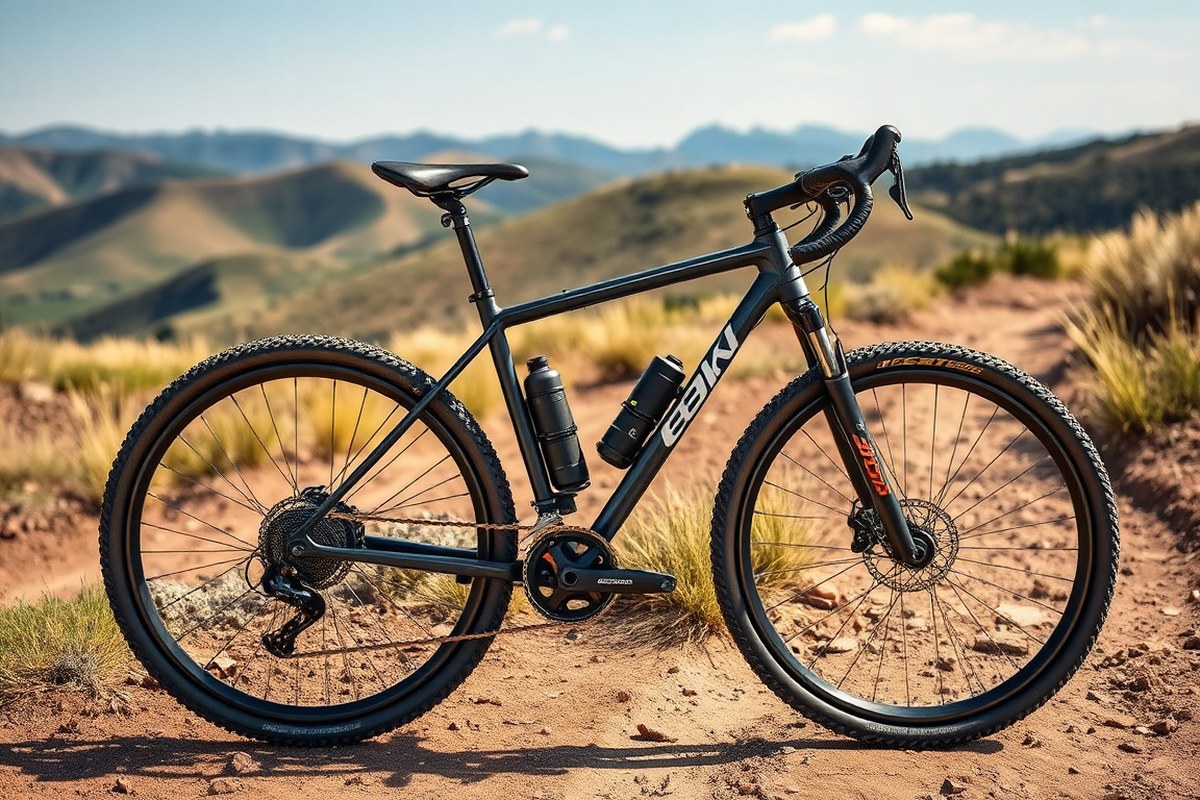
Do gravel bikes have shocks? Most gravel bikes do not come with traditional shocks or suspension like mountain bikes, but some models offer short-travel suspension forks or built-in compliance features. These help absorb bumps on rough roads and light trails while keeping weight and ride efficiency manageable.
Choosing a gravel bike with suspension depends on the kind of terrain you plan to ride and how much comfort you want without sacrificing bike handling. Starting with a bike that offers tire clearance for wider tires can also help smooth out rough surfaces without added suspension.
Key Takeaways
- Most gravel bikes use minimal suspension, focusing on tire clearance and frame compliance rather than full shocks.
- Gravel bike suspension forks typically offer 20 to 40 mm of travel, much less than mountain bikes’ 120 mm or more.
- Short-travel suspension forks should sag about 5% to 15% depending on the fork length for optimal performance.
- Carbon leaf spring forks provide low-maintenance suspension with travel around 20 mm, blending comfort with simplicity.
- Adding suspension increases bike weight significantly, some e-gravel bikes with suspension weigh over 40 pounds.
- Suspension improves comfort and control on rough gravel but may reduce pedaling efficiency on smooth surfaces.
Do Gravel Bikes Usually Have Shocks or Suspension?

Gravel bikes typically do not come with shocks or suspension by default. Most gravel bikes feature a rigid fork made of carbon or aluminum, which supports a lightweight and efficient ride. Manufacturers design these bikes primarily for versatility and speed across mixed terrain, so they usually prioritize a stiff, responsive frame without built-in suspension.
Suspension forks are not common on gravel bikes, although some models include them, especially newer or more specialized ones. Where suspension is present, it is usually limited to a small amount of travel, around 30 to 40 millimeters at the front. This shorter travel contrasts sharply with mountain bikes, which often start around 120 millimeters of front suspension travel and go much higher. Gravel suspension forks are typically lighter and tailored to gravel geometry, providing vibration damping and comfort without the weight and complexity of full mountain bike forks.
Most gravel bikes lack suspension because their main use involves diverse surfaces where speed, handling, and efficiency matter more than the extreme shock absorption needed for downhill or technical mountain biking. A rigid setup reduces maintenance needs and weight, which is especially important for longer rides and endurance gravel events. Gravel terrain generally includes smoother dirt roads, packed trails, and pavement sections where small bumps can be managed by wider tires and lower tire pressure.
Add-on suspension options do exist, but they are limited. Some gravel bikes are built to accept suspension forks later, allowing riders to upgrade if they frequently ride rougher trails. Certain models, like Specialized’s Diverge and Roubaix, feature integrated front-end suspension systems such as the FutureShock. These systems integrate a small suspension element into the frame to smooth out rough roads without significantly affecting bike weight or geometry.
When gravel bikes do include suspension, the design focuses on subtle comfort improvements rather than aggressive shock absorption. Rear suspension on gravel bikes is rare but can offer around the same 30 to 40 millimeters of travel seen on front forks. Few full-suspension gravel models exist, and they come at a higher price point and weight penalty compared to standard rigid gravel bikes. Riders looking for a balance of comfort and performance often rely on tire volume, frame compliance, and possibly suspension seatposts to reduce fatigue and vibration instead of full shocks.
Types of Suspension Used on Gravel Bikes
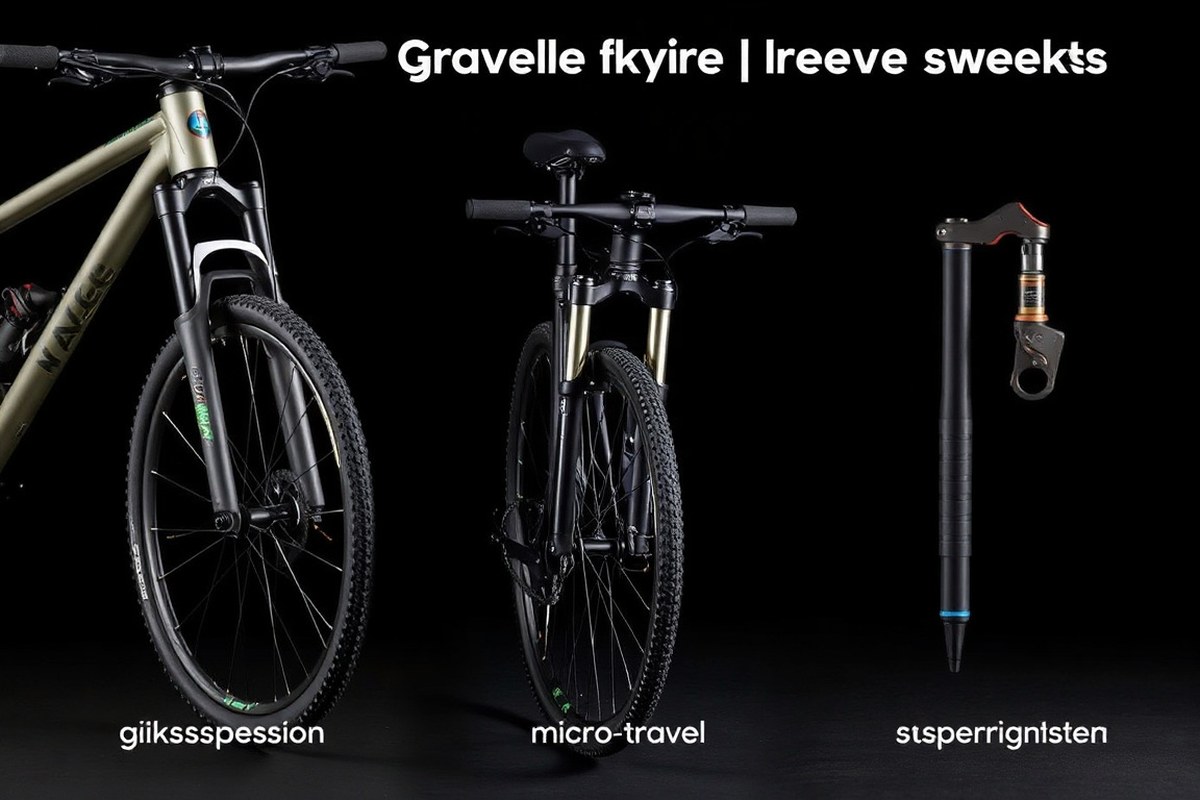
Gravel bikes can come with several types of suspension to improve comfort and control on rough terrain. These options include front suspension forks, rear suspension systems often featuring Micro Travel Technology, and suspension components integrated into stems or seatposts. Each type works differently and suits different riding styles and budgets.
Front Suspension Forks Designed for Gravel
Front suspension forks on gravel bikes range from around 30mm to 60mm of travel. These forks absorb bumps and vibrations through telescoping tubes that compress when the front wheel hits uneven ground. Models like the RockShox Rudy XL provide air suspension, which closely approaches mountain bike fork performance but remains lighter and less strong to suit gravel riding conditions. Gravel-specific forks use travel that balances comfort and efficiency without overly compromising weight or stiffness.
Common suspension forks found on gravel bikes include the RockShox Rudy, Fox 32 Taper-Cast, and MRP Baxter models. These forks improve front wheel grip and handling by keeping the wheel in touch with rough surfaces, which helps improve braking performance and steering precision. High-quality suspension forks designed for gravel generally range in price from $500 to over $1,000, with variations depending on the materials and technology incorporated.
Rear Suspension Systems and Micro Travel Technology
Some gravel bikes feature rear suspension systems that boost comfort by dampening impacts behind the saddle. Instead of the long-travel shocks used on mountain bikes, gravel variants typically rely on Micro Travel Technology (MTT) offering less than 30mm of travel, which cuts down vibrations while keeping the bike light and simple. Brands like Trek IsoSpeed, BMC Micro Travel, and Wilier ActiFlex 2.0 provide examples of these minimal rear suspension designs.
The rear suspension uses specialized frame pivots or flexible carbon seat stays that allow small movements to absorb bumps. This setup improves comfort during long rides and helps maintain traction on rough terrain while keeping frame stiffness for efficient pedaling. Gravel bikes such as the BMC URS 01 integrate MTT systems in their frames, providing a compromise between comfort and performance.
Rear suspension on gravel bikes generally provides less travel than mountain bikes but adds noticeable comfort and control on extended rough rides.
Suspension Stems and Seatposts for Added Comfort
Suspension stems and seatposts are simpler, lower-cost options that provide extra compliance without full suspension systems. Suspension stems use a small amount of travel, typically 10 to 20mm, to help absorb shocks transmitted through the handlebars, reducing arm fatigue on rough roads. These can be installed on most gravel bikes without major modifications and cost from $100 to $300.
Suspension seatposts, often with 20 to 30mm of travel, isolate bumps at the rider’s weight point, providing comfort without the complexity of rear suspension. For bikes with larger seat tubes, such as a 30.9mm diameter, traditional mountain bike dropper posts with suspension travel can be used, offering both drop functionality and bump absorption. These posts usually cost between $150 and $400.
How Much Suspension Travel Is Typical for Gravel Bikes?
Gravel bikes typically feature suspension travel ranging from about 20mm to 100mm, depending on the model and intended use. Suspension travel on these bikes is much less than on mountain bikes, designed to smooth out rough roads and light trails without sacrificing pedaling efficiency. Achieving 5% to 15% sag in the suspension range helps maintain comfort and control while preserving the performance advantages of a gravel bike.
Understanding Suspension Travel and Sag
Suspension travel refers to the total distance the suspension fork or shock can compress when absorbing bumps and impacts. It is important because it determines how much the bike’s suspension can smooth out terrain irregularities, affecting comfort, control, and tire contact with the ground. For gravel bikes, where trails are often rough but not extremely technical, suspension travel tends to be shorter than on mountain bikes.
Sag is the amount the suspension compresses under the rider’s weight when stationary and in riding position. Measuring sag involves sitting on the bike, fully geared, and noting how much the suspension settles compared to its full travel. Gravel bike suspension specialists recommend keeping sag between 5% and 15% of total travel to balance comfort with pedaling efficiency and steering precision. Too little sag leads to a harsh ride; too much sag compromises handling and can cause the suspension to bottom out on bigger bumps.
Comparing Gravel Bike to Mountain Bike Travel
Gravel bike forks typically offer between 20mm and 50mm of suspension travel, with some performance or aggressive models reaching up to 100mm. This range suits the mixed surfaces and moderate bumps encountered in gravel riding. Mountain bikes, in contrast, usually have 100mm to 160mm or more of suspension travel to handle rough, technical off-road trails that demand greater shock absorption and rider protection.
Because mountain bike suspension systems accommodate greater sag (15% to 25%) to soften heavier impacts and maintain traction on uneven ground, they sacrifice some pedaling efficiency and responsiveness. Gravel bikes keep sag lower to ensure a more efficient ride on smoother or rolling terrain, where excess suspension movement would reduce power transfer and agility.
Recommended Travel Ranges for Various Gravel Riding Styles
For endurance or adventure gravel riders who mostly ride on packed dirt, gravel roads, and mild singletrack, suspension travel around 20mm to 40mm typically provides enough compliance without compromising pedaling efficiency. Riders who want more off-road capability and cover rougher terrain regularly might seek suspension travel up to about 50mm, with some opting for models like the Ridley Ignite GTX that offer 100mm travel to handle gnarly trails while still functioning as a gravel bike.
Setting suspension sag properly is important for effective performance. You should first weigh yourself fully dressed with your riding gear, then sit naturally on your bike. Measure the distance the suspension compresses and adjust the air pressure or preload so that compression falls within about 10% sag as a good starting point. Adjust further depending on terrain, comfort preferences, and the specific suspension system in use.
Benefits of Suspension on Gravel Bikes
Suspension on a gravel bike primarily adds comfort by absorbing shocks from rough ground. When you ride over rocky trails or uneven gravel, shocks help smooth out the bumps before they reach your hands and body. This reduces the jarring forces that cause fatigue, allowing you to ride longer without discomfort. You’ll notice less hand numbness and less strain on your arms and shoulders on rough descents. This is especially beneficial on long rides through mountainous areas like the Rockies or Appalachians, where rough sections can go on for miles.
Beyond comfort, suspension improves control in challenging terrain. It keeps your front wheel planted, which is important on loose gravel, roots, and technical descents. A suspension fork helps your tires maintain better traction because it can quickly react to the surface changes and keep constant ground contact. This traction boosts your steering precision and confidence, letting you maintain higher speeds safely. Narrow or rigid forks can cause the front of your bike to bounce or skip on rough surfaces, increasing the chance of losing control.
The increased control comes from how suspension compresses and rebounds. When your wheel hits a bump, the fork’s shock mechanism absorbs the impact, so your wheel doesn’t bounce off the ground. After compressing, it returns to its original position, ready for the next obstacle. This dynamic response reduces sudden jolts and helps your bike move fluidly over rough patches. You will want a suspension system with about 30 to 50 millimeters of travel for gravel riding, enough to smooth trail chatter without compromising pedaling efficiency.
Adding suspension generally increases the bike’s weight by around 500 to 800 grams, mostly in the front fork, which you might feel when climbing or sprinting. The tradeoff is improved comfort and control, which many riders find worth the extra weight. Some gravel bikes are designed with suspension-ready geometry, including longer forks and adjusted head tube angles, which keep handling balanced despite the added shocks. If your bike is not built for suspension, installing a suspension fork may affect steering and fit negatively.
Riders tackling everyday gravel or mixed terrain will notice improved endurance and less fatigue with suspension, especially on fast descents where trail roughness increases. Suspension also helps keep your body more stable, which improves bike handling overall. Combining suspension with other control upgrades like wider handlebars or a dropper post can further improve your riding experience by offering more freedom to maneuver and stay balanced on rough trails. It’s important to match the suspension setup to your riding style and terrain for the best results.
Drawbacks and Downsides of Gravel Bike Suspension
Adding suspension to a gravel bike brings several drawbacks that could affect your riding experience. One major downside is the added weight. Suspension forks and shocks typically increase the bike’s overall weight by around 1 to 2 pounds compared to rigid setups. For riders focused on climbing or accelerating, this extra weight can make the bike feel less nimble and require more effort, especially on long climbs or fast terrain changes. For example, a lightweight gravel bike without suspension can weigh under 8.5 kilograms (about 18.7 pounds), whereas a similar bike with suspension often tips the scales closer to 10 kilograms (22 pounds) or more.
Suspension also complicates the bike’s mechanics. Unlike rigid forks that rarely need servicing, suspension components require regular maintenance to keep them functioning properly. This includes cleaning, lubrication, inspection for wear, and occasional rebuilds. If neglected, shocks can lose damping efficiency or even fail, which affects safety and performance. Maintenance may involve costs from $50 for basic service to several hundred dollars for full overhauls, depending on the suspension system and shop rates.
The increased complexity from suspension adds potential points of failure, which means you could spend more time troubleshooting or visiting a bike shop. Suspension forks, in particular, are more prone to breakdown than rigid forks. This can be inconvenient if you ride remote gravel routes where mechanical issues pose bigger hassles. Also, the design of suspension forks might cause clearance issues, such as tires contacting the downtube at full compression (bottom-out), which some brands have reported as a concern.
Handling changes are another consideration. Suspension softens the ride, which can make the bike feel less direct or responsive, especially on smooth surfaces or tight turns. Some riders find that the added bounce interferes with rapid speed changes or pedal efficiency. Because suspension forks raise the front axle height slightly, steering geometry may alter, affecting stability and cornering behavior. Your personal preferences and typical riding conditions will determine if this tradeoff is acceptable.
Choose just a suspension fork instead of full suspension to limit weight gain, lower maintenance needs, and keep more bike options open.
The cost is a factor beyond maintenance. Suspension systems add to the initial price of a gravel bike. While rigid or lightly suspended models can cost under $2,000, bikes with high-end suspension components often start $500 to $1,000 higher. This matters if budget and value are priorities.
In short, suspension on a gravel bike delivers benefits on rough terrain but also introduces extra weight, complexity, and upkeep. You’ll want to weigh these factors carefully against your riding style and goals before deciding on suspension.
Popular Gravel Bikes and Forks with Suspension
Several gravel bikes come with suspension designed either as a stock feature or as an upgrade option. Manufacturers offer suspension forks and stems that vary in travel, weight, and price to suit different riding styles. Knowing the options available helps you choose a bike or component that matches your terrain and performance needs.
Notable Gravel Bikes Featuring Suspension
The Canyon Grizl features a 40mm travel Rift suspension fork created in partnership with DT Swiss, providing an option alongside its regular rigid fork. This bike appeals to riders who want extra cushion on rough trails while keeping the setup light. Ribble’s Ultra-Grit usually includes a rigid fork but lets you choose a RockShox Rudy Ultimate suspension fork with 30mm travel for an added £300. This upgrade boosts comfort on extended rides through varied terrain without the significant weight increase of a larger suspension.
E-bikes like the Specialized Turbo Creo incorporate suspension in a different way. It features a full-power motor with a 500 Wh battery and a 20mm travel Lefty suspension fork, weighing around 39 lbs. This setup combines motor assistance with minor travel suspension optimized for gravel riding. Another example is the Cannondale Topstone Neo SL, which has a low-power lightweight motor, 320 Wh battery, and a 20mm adjustable suspension stem. Its estimated weight ranges from 30 to 33 lbs, providing rider comfort through front-end compliance rather than full fork suspension.
Leading Suspension Forks for Gravel Riding
Top suspension forks designed specifically for gravel bikes focus on travel ranging from 20 to 40mm. The RockShox Rudy Ultimate, available as an upgrade on some models, offers 30mm of travel with a lightweight design suitable for performance gravel cycling. Canyon’s Rift fork delivers 40mm travel and is specially tuned for gravel; its collaboration with DT Swiss ensures reliable damping and a strong but light chassis.
Specialized’s Lefty suspension fork on the Turbo Creo features 20mm of travel with a unique single-sided design that cuts weight. It suits riders who need some shock absorption without the bulk of a traditional fork. Most of these forks strike a balance between offering enough travel to smooth rough paths while maintaining the handling precision and weight savings gravel riders expect.
Suspension Specs and Weight Comparisons
| Model/Fork | Travel (mm) | Weight (lbs) | Price (approx.) | Notes |
|---|---|---|---|---|
| Canyon Grizl Rift | 40 | 34-39 (bike weight) | N/A (stock option) | Developed with DT Swiss, designed for gravel-specific suspension |
| Ribble Ultra-Grit + RockShox Rudy Ultimate | 30 | ~34-39 (bike weight) | £300 upgrade | Upgrade option with performance damping |
| Specialized Turbo Creo Lefty | 20 | 39 (bike weight) | Premium e-bike pricing | Full-power motor assist, single-sided fork |
| Cannondale Topstone Neo SL | 20 (adjustable stem) | 30-33 (bike weight) | Mid-to-high range e-bike pricing | Uses suspension stem rather than fork |
Bike weights vary depending on motor and battery size, impacting the overall feel when a suspension fork is included. More travel adds comfort but also adds weight and cost, so these forks and bikes reflect trade-offs between performance, comfort, and affordability. Bikes and forks advertised as suspension-compensated generally feature modified geometry to accommodate the increased fork axle-to-crown length without compromising handling.
How to Decide If You Need Suspension on Your Gravel Bike
Deciding if you need suspension on a gravel bike depends mainly on the terrain you ride, your riding style, comfort priorities, and how much extra weight you can accept. Suspension smooths out rough surfaces, but it adds weight and complexity, which might not suit every rider or route.
If your routes often include loose gravel, roots, rocks, or uneven forest trails, front suspension can reduce fatigue and improve control. Riders who tackle technical or aggressive trails benefit most from suspension, particularly those who spend long hours off-road and seek comfort without sacrificing handling. On smooth dirt or light gravel, suspension may offer minimal gains while adding pounds. You should weigh the trade-offs by considering these factors:
- Type of terrain: more technical and rough roads favor suspension use
- Riding style: aggressive off-road riders benefit more than relaxed cruisers
- Comfort needs: suspension improve comfort on bumpy sections, reducing arm and hand fatigue
- Bike weight: suspension systems typically add 1 to 3 pounds, which affects climbing and acceleration
- Maintenance: suspension requires occasional servicing, unlike rigid forks
- Bike frame compatibility: some frames only accept certain suspension forks or none at all
- Budget: suspension models or upgrades cost more upfront and over time
Front suspension is usually sufficient for most gravel riders who want some comfort without the complexity of rear shocks. Full suspension gravel bikes exist but generally match closer to cross-country mountain bikes. Fuller suspension is mainly worth it if you ride highly technical routes or want maximum comfort on long, bumpy rides.
To balance weight, durability, and smoothness, start by identifying your most frequent riding conditions and acceptable bike weight. For example, you may prioritize a light bike for fast gravel races, opting for a rigid fork, while choosing a suspension fork if you ride rugged or mixed terrain. Check your bike’s fork compatibility and suspension travel limits, typical travel ranges from 20 to 40 millimeters on gravel-specific forks. An extra pound or two may feel heavier when climbing but worthwhile for reducing arm strain and improving grip.
A straightforward decision rule is: add suspension if your rides usually involve rough terrain that tires your arms or limits control, and you’re comfortable with extra weight and maintenance. Otherwise, stick with a rigid fork to keep your bike lighter and simpler. For example, a rider tackling mostly smooth gravel roads under an hour might not need suspension, while someone exploring long, varied trails will appreciate the comfort and added control.
Upgrading or Adding Suspension to a Gravel Bike
Adding suspension to your existing gravel bike can improve comfort and control on rough terrain. You can replace a rigid fork with a suspension fork, but you need to check compatibility first. Suspension forks typically weigh 700 to 900 grams more than rigid forks and change bike geometry when compressed, so the frame must have clearance and geometry suited to suspension. Many gravel bikes come with a suspension-corrected rigid fork, which means the frame is usually ready for a standard suspension fork if it doesn’t have unusual features like an oversized steerer tube or integrated cable routing.
You can also upgrade comfort by installing suspension stems or suspension seatposts. These components add small amounts of travel, often 10 to 20 mm, to absorb vibrations and shocks, making long rides less tiring. Suspension stems are often compatible with gravel bikes if your bike’s steerer tube diameter matches common sizes and you don’t have fully integrated cable setups. Suspension seatposts come in various designs such as elastomer or coil-sprung ones, and they fit most seat tubes with standard diameters between 27.2 mm and 31.6 mm. Before upgrading, measure parts carefully and confirm compatibility. For a suspension fork, verify the following:
- Steerer tube diameter and length match your bike’s head tube.
- Axle type and spacing fit your front wheel.
- Brake compatibility, usually disc brakes with post mount or flat mount.
- Clearance for tire width and fork travel.
- Whether the geometry changes affect handling noticeably.
Install a suspension fork by first removing the front wheel and old fork, then inserting the new fork’s steerer tube into the head tube. Cut and fit spacers and the stem to achieve proper handlebar height and headset preload, then install and torque bolts to manufacturer specifications. For suspension stems and seatposts, remove the current components and swap them with the suspension versions, adjusting clamp bolts to correct torque.
Expect to spend between $300 and $700 for a basic entry-level suspension fork that fits gravel bikes, with mid-range options costing $700 to $1200. Suspension stems and seatposts range from $100 to $250 depending on brand and features. Installation can be done at home with basic tools but a professional bike mechanic will ensure proper setup, particularly for cutting steerer tubes or adjusting suspension preload. Poor alignment, incorrect torque, or incompatible parts can cause poor handling, increased wear, or safety risks.
Always double-check compatibility specs before buying suspension parts to avoid costly mistakes and ensure your bike handles safely on the trail.
Step-by-Step Action Plan for Choosing or Adding Suspension to Your Gravel Bike
Use this plan to decide if suspension fits your riding style and to make practical changes that improve comfort and control.
- Before you start: Assess the terrain you usually ride on and note any discomfort or control issues. If you often hit rough gravel, rocks, or roots, suspension may help.
- Day 1: Test ride a gravel bike with suspension to feel the difference firsthand. Confirm that you notice improved comfort or handling on rough sections.
- Week 1: Inspect your current bike for compatible suspension upgrades such as a suspension seatpost or fork that fits your frame and wheels.
- Week 2: Choose and install a suspension component designed for gravel use, prioritizing travel between 20-30mm to balance comfort and pedaling efficiency.
- Week 3: Adjust the suspension settings (air pressure, preload, or damping) for your weight and riding style, aiming for a feel that smooths bumps without excessive bob.
- After 1 month: Evaluate your ride experience, noting improvements in comfort, control, and any new maintenance needs to decide if added suspension is worth the trade-offs.
- Ongoing: Keep suspension components clean and serviced regularly according to manufacturer guidelines to maintain performance and avoid damage.
Frequently Asked Questions
Why Do Most Gravel Bikes Come Without Shocks?
Most gravel bikes do not have shocks because they prioritize light weight and efficiency over maximum suspension travel. Their short-travel forks often offer 30 to 40mm of travel, enough to smooth small bumps without the added weight of a full suspension system.
What Are the Tradeoffs of Adding Suspension to a Gravel Bike?
Suspension on a gravel bike can improve comfort and control on rough terrain but often adds weight and complexity. This may reduce pedaling efficiency and make the bike less suited for long, fast rides on smoother surfaces.
Which Gravel Bike Models Are Designed with Suspension Built In?
Models like the Cannondale Topstone and the YT SZEPTER offer built-in suspension features such as suspension forks or rear shocks tailored to gravel riding. These designs balance comfort and terrain handling without the full travel typical of mountain bikes.
How Does Choosing a Gravel Bike over a Mountain Bike Affect Suspension Needs?
Gravel bikes have less suspension travel than mountain bikes because they prioritize versatility and speed on mixed surfaces rather than technical rough trails. This means gravel bike suspension is lighter and less travel-focused, suitable for rolling terrain rather than serious trail obstacles.
Is Adding Suspension to a Gravel Bike a Practical Upgrade?
Adding suspension can be practical if you ride rough gravel or dirt roads regularly, as it improves comfort and control. However, many gravel bicycles are not designed for suspension upgrades, so checking frame and fork compatibility is essential before considering this option.
What Suspension Style Works Best on Gravel Bikes?
Short-travel front suspension forks or frame designs like the Niner’s CVA system work best by offering vibration damping with minimal weight penalty. Unlike mountain bikes, gravel bike suspension focuses on smoothing minor impacts rather than absorbing big hits or jumps.
Final Thoughts
Gravel bikes can have shocks, but most use limited suspension travel or specialized components to improve comfort without sacrificing speed. Adding or upgrading suspension depends on where and how you ride, with small travel forks and seatposts common choices. Start by trying a suspension-equipped bike to see if it suits your riding, then consider modest upgrades to find the right balance. Your next step is to test a suspension gravel bike on your typical routes and notice the changes in comfort and control.