Do Fuel Additives Work? What Actually Helps and When to Use Them
Do fuel additives work? Yes, they can improve engine performance, protect fuel quality, and reduce emissions, but their effectiveness depends on the type of additive and your vehicle’s needs. Some additives stabilize fuel during storage, while others clean injectors or improve combustion. Using the right product and running the engine for a few minutes after adding an additive ensures it reaches the entire fuel system for best results.
Key Takeaways
- Fuel stabilizers help maintain gasoline quality for as long as 24 months by reducing oxidation, making them perfect for cars in storage or seasonal gear.
- Run your engine for about 5 minutes after adding fuel additives to treat the whole fuel system effectively.
- Cleaning additives help restore fuel injector flow reduced by deposits, improving fuel efficiency and engine smoothness.
- Anti-gel additives prevent diesel fuel from gelling in cold weather, protecting your vehicle on cold mornings below 10°F.
- Fuel today contains many additives, so choose extra additives only for specific problems or older vehicles needing extra care.
- Fuel additives can tackle B20 diesel blend issues by improving lubricity and reducing wear on diesel engines.
Do Fuel Additives Really Work? What Science and Tests Say
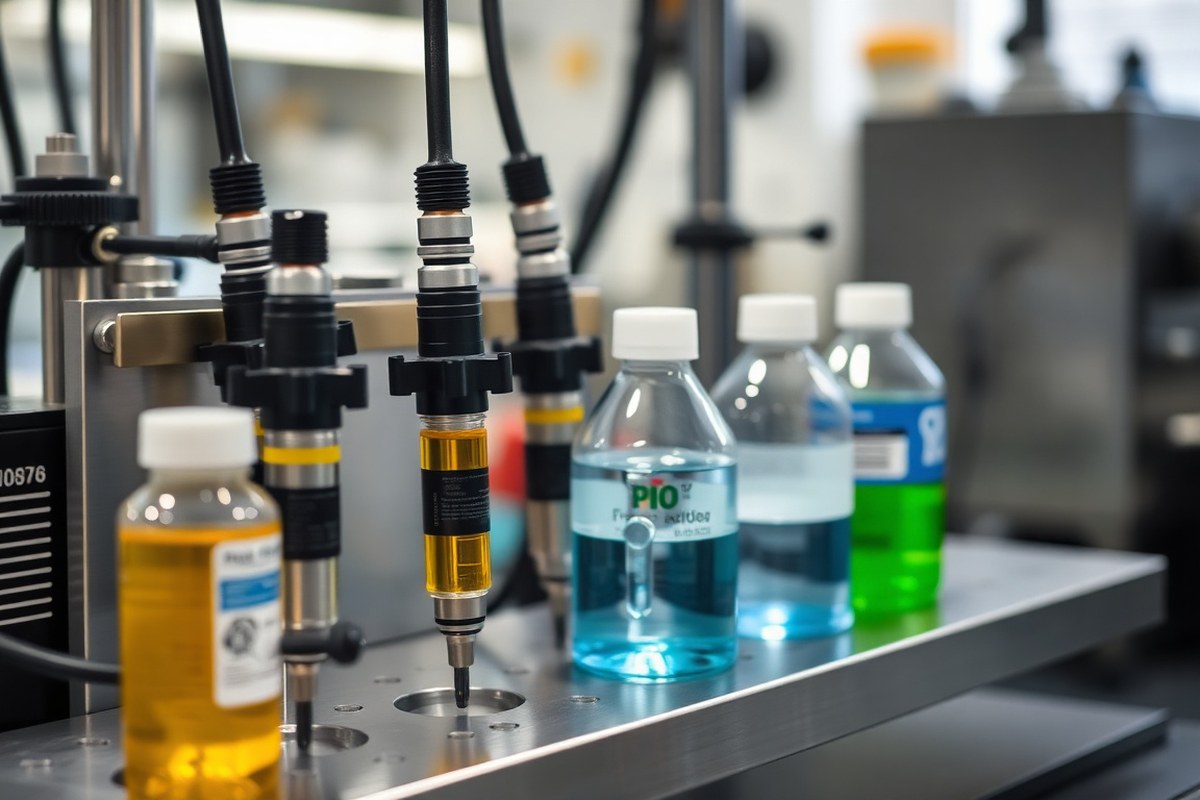
Fuel additives can provide real benefits, but their effectiveness depends on the type of additive used and the specific situation of your vehicle. Scientific tests and expert evaluations show that certain fuel additives do improve engine performance by cleaning deposits, improving combustion, and stabilizing fuel quality. For example, PEA-based fuel system cleaners are proven to dissolve carbon buildup on fuel injectors and intake valves, helping restore fuel flow and combustion efficiency. This improves engine responsiveness and can lead to modest gains in fuel economy when used regularly as part of maintenance.
Fuel additives designed for cleaning work by breaking down varnish, gums, and carbon deposits inside the fuel system and combustion chambers. Adding these cleaners directly to your fuel tank during refueling allows the chemicals to circulate through the engine, where deposits are dissolved and safely burned off. Tests indicate it typically takes a full tank of treated fuel, followed by normal driving for a few hundred miles, to see measurable improvements. The effectiveness depends heavily on your engine’s condition: newer vehicles with cleaner fuel systems show less noticeable change, while older engines or those with poor fuel quality often benefit more.
Fuel stabilizers offer another important use by slowing down fuel oxidation during storage. According to manufacturers like Gold Eagle Co, stabilizers can keep gasoline fresh up to 24 months. This prevents the formation of gum and sludge that can clog fuel systems when a vehicle sits unused for long periods. While stabilizers do not clean existing deposits, they preserve fuel quality and protect engine components, especially in seasonal or backup vehicles.
Fuel additives aimed at fixing existing engine problems may help to some extent but are not a guaranteed solution. Deposits and carbon buildup can reduce engine performance and cause knocking or rough idling, and additive cleaners can reduce these effects if used consistently. However, serious mechanical issues, such as worn parts or damaged injectors, require professional repair. Adding fuel additives will not reverse physical damage or replace worn components but can complement regular maintenance to prevent further buildup and maintain engine health.
Conditions such as fuel quality, engine age, and driving habits significantly influence how well fuel additives work. In cold climates, diesel additives improve fuel lubricity and prevent gelling, ensuring smooth engine operation. Fleet operators commonly rely on diesel additive packages to optimize performance under demanding driving conditions, such as hauling heavy loads or operating in ultra-low sulfur diesel environments. For gasoline engines, additives that boost octane ratings can reduce knocking, especially in high-compression engines or older vehicles that run on lower-quality fuel.
The costs of effective fuel additives vary, typically ranging from $10 to $30 per treatment bottle depending on the brand and formulation. Using these additives as directed, usually once every 3,000 to 5,000 miles, can keep your fuel system cleaner and protect engine components over time. Good results include smoother acceleration, better fuel economy, reduced emissions, and less frequent maintenance related to fuel system cleaning. Skipping additives or using them inconsistently may limit these benefits and allow deposits to build up, leading to reduced engine efficiency and costly repairs later.
What Types of Fuel Additives Exist and Their Functions

Fuel additives fall into distinct categories based on their purpose and the type of fuel they are designed to improve. Gasoline and diesel vehicles use different additives tailored to their fuel systems and combustion properties. The main types are fuel system cleaners, stabilizers, performance enhancers like octane or cetane boosters, and diesel-specific additives such as anti-gels.
Fuel System Cleaners for Deposit Removal
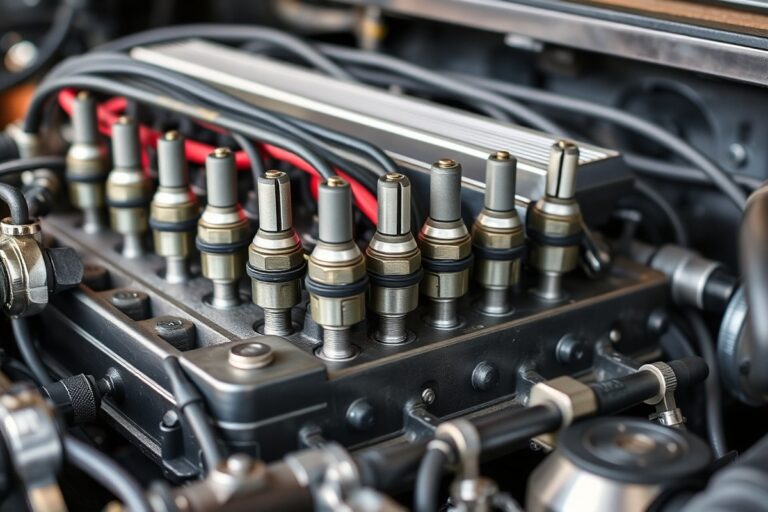
Fuel system cleaners target deposits that accumulate on fuel injectors, intake valves, and combustion chambers. Deposits reduce engine efficiency and cause poor performance such as rough idling or hesitation during acceleration. These cleaners work by scrubbing away carbon and other buildups as the fuel circulates through the system. For example, GM recommends ACDelco Fuel System Cleaner 44K specifically to control deposits on gasoline engines’ critical parts.
Adding these cleaners occasionally can help maintain injector spray patterns and combustion chamber cleanliness, leading to smoother operation and potentially reduced emissions. They are particularly useful if you’re experiencing minor performance problems or have used low-quality fuel. However, overuse is unnecessary since modern fuels often contain detergents designed to minimize buildup.
Fuel Stabilizers for Fuel Preservation
Fuel stabilizers are additives designed to prevent fuel degradation during storage. Gasoline and diesel break down over time, forming gums and varnishes that clog fuel systems. Stabilizers slow the oxidation and evaporation processes, which is especially important if you store fuel for weeks or months, such as in seasonal vehicles or generators.
These additives are often used before storing a vehicle or equipment for extended periods. The process involves adding the stabilizer to a full tank of fresh fuel, then running the engine briefly to circulate the treated fuel through the system. Prices for stabilizers vary but typically range from $10 to $20 per bottle, covering several tanks of fuel.
Performance Enhancers and Octane Boosters
Performance enhancers include octane boosters for gasoline engines and cetane boosters for diesel engines. Octane boosters raise the fuel’s octane rating, which improves engine knocking resistance, potentially allowing smoother power delivery and better efficiency. These are useful if you’re using lower-grade gasoline or notice knocking under heavy loads.
Octane boosters work by adding chemicals that increase the fuel’s ability to withstand compression without detonating prematurely. This helps prevent engine knocking and pinging. Costs can range from $5 to $15 per treatment depending on the brand and concentration. However, modern vehicles tuned for regular fuel may not see significant gains from these additives unless experiencing knock.
| Type of Additive | Main Function | Target Fuel Type | When to Use |
|---|---|---|---|
| Fuel System Cleaner | Removes deposits on injectors, valves, combustion chambers | Gasoline, Diesel | Performance issues, low-quality fuel use |
| Fuel Stabilizer | Prevents fuel degradation during storage | Gasoline, Diesel | Long-term storage, infrequent use |
| Octane Booster | Raises octane rating to reduce knocking | Gasoline | Low-grade fuel, knocking present |
| Cetane Booster | Increases cetane for improved diesel combustion | Diesel | Low cetane fuel, cold start issues |
| Anti-Gel Additive | Prevents diesel fuel from gelling in cold temperatures | Diesel | Cold climate, winter months |
Each additive category serves a specific role by targeting different stages or components of fuel use. Choosing the right type depends on your vehicle’s fuel system needs, fuel quality, and environmental conditions.
Diesel-Specific Additives and Anti-Gels
Diesel additives differ from gasoline products because diesel fuel does not always come pre-treated. Diesel additives often address unique problems like cetane enhancement to improve combustion quality or lubricity to protect fuel system components from wear. Anti-gel additives prevent diesel fuel from thickening or gelling in cold weather, which can clog filters and cause engine starting problems.
In cold climates, these anti-gel additives are essential during winter months. You add them before the onset of cold weather or when using diesel blends like B20 prone to gelling. Diesel additives may be more situational, intended to fix specific issues such as injector deposits, black smoke, or poor cold starts, and not necessarily used every tank. The variability in diesel fuel quality across suppliers means additives can play a bigger maintenance role for diesel owners compared to gasoline vehicle drivers.
Use diesel anti-gel additives before temperatures drop below 20°F to avoid fuel thickening and potential engine stalling.
How Fuel Additives Work Inside Your Engine and Fuel System
Detergents in fuel additives work by chemically breaking down carbon deposits and gum that accumulate in fuel injectors, intake valves, and combustion chambers. These deposits form from incomplete combustion and residual fuel impurities, restricting fuel flow and reducing engine efficiency. Detergent molecules surround the deposits and dissolve them, effectively cleaning the fuel system. This process improves fuel spray patterns and ensures more consistent combustion, which improve engine power and fuel economy. Regular use of detergents can prevent harmful buildup, though excessive or non-approved additives may cause seal deterioration or corrosion, so it’s important to choose products compatible with your engine.
Fuel stabilizers protect gasoline from oxidation and degradation, which happen when fuel is exposed to oxygen and heat over time. Oxidation causes fuel to form varnish and gum deposits that clog fuel lines and carburetors, leading to poor engine performance. Stabilizers chemically slow down these reactions by inhibiting the formation of these deposits, keeping fuel fresh and usable for longer periods, especially in vehicles stored or driven infrequently. This protection typically works best when added to fresh fuel and can extend the storage life by several months, which helps maintain efficient combustion and prevents engine startup issues.
Additives also improve combustion and reduce emissions by improving the fuel’s chemical properties. For instance, cetane boosters are common additives for diesel engines; they increase cetane number, which leads to faster and more complete ignition of the fuel. Faster ignition helps reduce engine knocking and lowers emissions of unburned hydrocarbons and particulate matter. In gasoline engines, improving combustion can reduce carbon monoxide and nitrogen oxides by promoting cleaner and more efficient fuel burning. Additives that clean injectors ensure that fuel is atomized properly, resulting in steadier fuel-air mixtures and smoother engine operation. Improved combustion not only supports better fuel economy but also helps vehicles meet emissions standards more consistently.
How Long Does It Take for Fuel Additives to Show Effects?
Fuel additives can start showing visible effects at different times depending on their type and the condition of your vehicle’s engine and fuel system. For example, deposit-clearing additives aimed at fuel injectors typically require driving at least one full tank of gas after adding the product. This allows the cleaner to circulate through the system and break down carbon buildup, which often takes about 100 to 300 miles to notice smoother idle and more stable engine response.
Improved fuel economy from combustion enhancers may take a similar amount of time to appear, as more efficient burn patterns develop over several driving cycles. You won’t typically see immediate jumps in mileage, but a moderate 1 to 3 percent improvement over weeks of regular driving is possible. Additives used for storage protection behave differently. Fuel stabilizers can preserve gasoline quality for up to 24 months by preventing oxidation and varnish formation during storage. Applying the stabilizer before storing your vehicle or equipment ensures the fuel stays fresh and the engine starts reliably when you return.
Several factors impact how quickly these benefits show up. Using additives in a vehicle with clogged injectors or older fuel increases results visibility, as there’s more buildup to clean. Conversely, newer engines with cleaner fuel injectors might not display noticeable changes. Environmental conditions like temperature and humidity, driving habits, and fuel quality also alter the timeline. High temperatures and frequent short trips speed fuel degradation but can also make additive effects easier to detect.
- Deposit-clearing additives typically need 100 to 300 miles to improve idle and throttle response.
- Fuel economy gains may take several tanks of gas to manifest noticeably.
- Fuel stabilizers preserve gasoline for up to 24 months during storage.
- Older engines and poor fuel quality increase visible effects from additives.
- Severe storage conditions like heat and humidity make stabilizers more important.
- Regular use as directed ensures ongoing protection and cleaner fuel systems.
- Immediate benefits are unlikely; patience with recommended driving is key.
Proper use involves adding the correct amount of additive according to product instructions before filling up the tank or storing fuel. Fuel injection cleaners, for example, usually require treating a full tank to ensure proper dilution and circulation. Stabilizers should be added before storing fuel for weeks or months to protect against degradation. Using additives intermittently or in small amounts often reduces their effectiveness and delays any measurable benefit.
Costs for fuel additives range from $10 to $25 per bottle, typically treating one to three tanks of gas. While not an everyday expense, using targeted additives seasonally or for specific problems can keep fuel systems cleaner and engines running more consistently. Avoid expecting rapid changes, and consider additives as maintenance supplements rather than performance fixes. Tracking your vehicle’s performance before and after treatment can help you gauge whether the timeline and benefits align with your expectations.
How to Choose the Right Fuel Additive for Your Vehicle
Selecting the right fuel additive depends on your vehicle’s fuel type, age, driving habits, and any engine problems you’ve noticed. Gasoline and diesel engines require different additives, and your choice should address specific issues like deposit buildup or fuel stability. Quality and manufacturer recommendations also affect results and your vehicle’s reliability.
Consider Your Engine Type and Age
Gasoline engines benefit from additives that clean fuel injectors and combustion chambers to improve fuel efficiency and reduce knocking. Use detergents designed for gasoline to prevent carbon buildup. Older engines with higher mileage may need stronger cleaning additives to remove long-term deposits, while newer engines often require milder formulas to maintain performance without causing harm.
Diesel engines face different challenges, especially in colder climates. Additives with cold flow improvers prevent wax crystals from clogging fuel lines and filters at low temperatures. Diesel additives with anti-corrosion and moisture control chemicals protect fuel systems from rust and water damage. Older diesel engines may also require additives that help reduce soot buildup in the exhaust system, improving emission compliance.
Match Additives to Specific Issues
Use a fuel stabilizer if you plan to store your vehicle or fuel for more than 30 days. Stabilizers keep gasoline or diesel fresh, preventing fuel degradation that leads to clogged filters and rough starts. STA-BIL is an example, its formula combines antioxidants and corrosion inhibitors to maintain fuel quality long-term.
Choose a cleaner if your engine shows signs of poor combustion, such as knocking, rough idling, loss of power, or increased emissions. Cleaners work by breaking down deposits on injectors, valves, and intake valves, restoring smooth engine operation. Avoid overusing cleaners as they can strip protective coatings or react poorly with certain engine sensors.
Evaluate Additive Quality and Certification
Select additives from reputable brands with verified formulas, preferably those tested by independent labs or recommended by your vehicle’s manufacturer. Trusted products have proven benefits without causing damage or voiding warranties. Many top additives include EPA or ASTM certifications, assuring compliance with environmental and safety standards.
Manufacturer-recommended additives often fit your engine’s specific needs because they match fuel types, engine design, and emission controls. Although these products might cost between $10 and $25 per bottle, they provide targeted benefits and peace of mind. Cheaper or generic additives can vary widely in composition and effectiveness; they might lack the detergents or stabilizers necessary for reliable results.
Always follow the exact dosage instructions on additive labels; overdosing can cause engine damage or sensor malfunctions.
How Often Should You Use Fuel Additives? Timing and Frequency
Fuel additives should be used based on your driving habits and fuel storage conditions to get benefits without wasting money or risking engine issues. Regular use is not necessary for everyday, problem-free driving, as modern fuels already contain treatments to maintain performance. Adding cleaning additives every 3,000 to 5,000 miles can help prevent buildup in older or high-mileage engines but may offer little advantage for newer vehicles driven under normal conditions.
Fuel stabilizers are especially important when storing fuel for extended periods, such as in seasonal vehicles, generators, or lawn equipment. They prevent degradation that causes hard starts and poor combustion. Add stabilizers at the time of storage and use fuel within 3 to 6 months for best results. Avoid adding stabilizers to fresh fuel you plan to use within a few weeks.
Cold-weather additives that prevent fuel line freezing should be applied once each winter before temperatures drop below 32°F. These additives reduce condensation and ice buildup that can clog fuel lines.
- Use fuel stabilizer when storing fuel for more than 30 days, adding the amount recommended on the product label.
- Add cleaning additives every 3,000, 5,000 miles for older or problem-prone engines during regular maintenance.
- Use cold-weather additives once annually before freezing conditions occur.
- Do not overuse additives; excess can upset fuel chemistry and damage engine parts.
- Skip additives in daily driving if your vehicle runs smoothly and fuel is fresh and high quality.
Applying fuel additives exactly as instructed on the product label matters most. Using more than recommended risks harming sensitive engine components or causing deposits instead of preventing them. A typical fuel additive dose costs only a few dollars and takes less than five minutes to add before filling the gas tank. Watch improvements like smoother idling, better acceleration, or fewer stalls after treatment. If no difference appears after using additives as recommended, your vehicle likely does not need them.
How to Know If a Fuel Additive Is Working in Your Vehicle
You can tell if a fuel additive is working by noting improvements in fuel efficiency, smoother engine operation, and cleaner fuel injectors. These changes indicate that the additive is effectively removing deposits, improving combustion, or protecting the fuel system. Using specific observations and simple tests will help confirm the impact on your vehicle.
Improved Fuel Economy Indicators
A key sign that a fuel additive is doing its job is an increase in miles per gallon (MPG). To track this, record your typical MPG before using the additive and compare it after a tank or two of treated fuel. Look for at least a 3 to 5 percent improvement, as smaller changes may be within normal driving variation.
Keep the driving conditions consistent while testing, such as similar routes, speeds, and loads. The additive helps reduce deposit buildup, which improves fuel atomization and combustion efficiency, leading to better fuel economy.
- Measure current MPG using your vehicle’s trip computer or manual calculations.
- Use the additive as directed for one or two full tanks of fuel.
- Recalculate MPG over the same type of driving conditions.
- Look for a 3-5% increase as evidence of positive effect.
- Note exact additives and fuel blend used to track changes accurately.
- Repeat the test if conditions change, such as colder weather or different routes.
Cost-wise, most fuel additives range from $8 to $15 per bottle, treating enough fuel for several tanks. Improved economy may offset this expense within a few fill-ups.
Reduction in Engine Hesitation and Rough Idle
Symptoms like engine hesitation, stalling, or rough idle often signal fuel system deposits or clogged injectors. A good fuel additive can clear these deposits and restore smooth engine operation.
Check your engine’s smoothness before treatment by noting rough idling or hesitation during acceleration, especially under load. After using the additive for one or two tanks, these symptoms should visibly decrease or disappear.
Driving behavior also affects results. The engine may require at least 200 to 300 miles of treated fuel before noticeable improvements appear. If you don’t feel reduced hesitation or a more stable idle, the additive may not be effective for your vehicle’s specific issues.
Visual or Diagnostic Confirmation of Cleaner Injectors
Direct visual inspection of injectors requires professional equipment, but you can verify cleaner injectors and fewer deposits with a diagnostic scan. A mechanic can use an OBD-II scanner to check engine codes related to fuel injection and combustion efficiency before and after treatment.
Improved fuel trims and fewer misfire codes show cleaner injectors and better combustion. You can also listen for smoother engine operation using an electronic stethoscope or similar tool during a tune-up.
Some owners notice reduced black smoke or strong fuel odor from the exhaust, which signals more complete combustion thanks to cleaner injectors. However, these signs are less precise and best combined with MPG tracking and symptom checks.
Common Mistakes with Fuel Additives and When to Get Expert Help
Overusing fuel additives can lead to engine issues rather than solving them. Each additive has a recommended dosage, usually specified on the product label. Pouring more than the recommended amount can upset your fuel’s chemical balance and damage fuel system components like injectors or catalytic converters. Most fuel additives only need a small quantity, typically a few ounces per tank of gas, so using multiple additives or double doses can cause buildup and harm rather than improve performance.
Fuel additives are not a substitute for professional repairs when mechanical problems arise. For example, if your vehicle experiences persistent knocking, poor acceleration, or warning lights on the dashboard, these symptoms likely result from issues beyond fuel chemistry. Relying solely on additives might delay proper diagnosis and repair, potentially making the problem worse or more expensive to fix over time. You should consult a mechanic if you notice any of the following:
- Engine knocking or pinging that additives haven’t resolved
- Reduced fuel efficiency lasting more than a few tanks
- Dashboard warning lights related to the engine or emissions
- Visible smoke or unusual exhaust odors
- Difficulty starting or frequent stalling
- Significant power loss or rough idling
- Fuel leaks or strong fuel smells around the vehicle
Always follow safety measures when using fuel additives. Handle additives in a well-ventilated area to avoid inhaling fumes, and avoid contact with skin or eyes. Use gloves if possible and keep additives away from heat, sparks, or open flames, as many contain flammable solvents. Store additives in their original container tightly sealed and out of reach of children and pets.
Always add fuel additives to a nearly empty tank before filling up to ensure proper mixing and avoid uneven concentration.
Proper use involves pouring the correct amount into your fuel tank before filling it with gas. This prevents the additive from sitting concentrated at the bottom of the tank, which can otherwise cause uneven treatment and potentially harm fuel lines. Following the directions on the additive’s label is important, as different products serve specific functions, from cleaning injectors to boosting octane, and are not interchangeable or safe to mix without guidance. Using only additives approved by your vehicle’s manufacturer is advisable to avoid warranty issues and ensure compatibility with your engine design.
Step-by-Step Action Plan for Using Fuel Additives Effectively
Follow these steps to maximize the benefits of fuel additives and monitor their impact on your vehicle’s performance.
- Before your next fill-up: Choose a fuel additive that matches your vehicle’s needs, such as a fuel system cleaner or octane booster. Check the product label for compatibility and intended use.
- Day 1: Add the recommended amount of fuel additive directly into your gas tank before filling up. This ensures proper mixing with your fuel.
- After 1 full tank: Drive normally and note any changes in engine smoothness or fuel efficiency. Some effects, like cleaner injectors, may start to appear.
- After 2 to 3 tanks: Evaluate if the additive reduced rough idling, engine knocking, or improved mileage. Minor improvements can confirm the additive is working.
- Monthly maintenance: Use fuel system cleaner additives once a month or every 3,000 miles to prevent buildup. More frequent use can be unnecessary and wasteful.
- Watch for signs: If your engine runs rough or fuel economy drops despite additives, consider professional inspection to identify underlying issues.
- Replace product if needed: Stop using an additive if no benefits appear after several tanks and try a different formula suited for your vehicle.
Frequently Asked Questions
What Is the Most Effective Fuel Additive?
The best fuel additives include those with PEA to clean fuel systems, packages designed for diesel engines, and stabilizers that keep fuel fresh. These options deliver clear results, such as removing injector deposits and maintaining fuel quality in different climates, which improves engine function noticeably.
How Long Does It Take for Fuel Additive to Work?
Fuel additives typically start showing effects within one to two fuel tank refills. Immediate results are rare, so consistent use over time is needed to notice improvements like smoother idling or better fuel economy.
Is It Okay to Put Fuel Additive in a Gas Tank?
Yes, it is generally safe to put fuel additives in your gas tank if you follow the product instructions carefully. Using the right additive in proper amounts helps improve fuel performance and clean engine components without damage.
Do Any Fuel Additives Actually Clean Injectors?
Yes, some fuel additives are formulated specifically to clean fuel injectors, intake valves, and combustion chambers. PEA fuel system cleaners are the most effective for breaking down deposits and maintaining injector performance.
Do Fuel Additives Work in Your Car?
Fuel additives can work in your car depending on the issue and usage. They help with cleaning deposits, improving fuel stability, or boosting octane, but regular maintenance and quality fuel remain important for long-term engine health.
Motor Oil & Fuel Additives: Just a WASTE of MONEY?
Motor oil and fuel additives are not always a waste, but their value depends on your vehicle’s needs and product quality. Some additives provide benefits like deposit cleaning or fuel stabilization, but they don’t replace basic maintenance and quality fuel use.
Before You Go
Fuel additives can help maintain engine performance and reduce deposits when used correctly, but they are not fixes for major engine problems. Always pick an additive designed for your vehicle’s fuel type and address any warning signs with a professional. Start with one carefully chosen product, follow the use instructions closely, and monitor your vehicle’s response to see real results.