How Long Is a Jeep Wagoneer? Exact Lengths and Key Size Comparisons
The Jeep Wagoneer measures about 214.7 inches long in its standard version, while the Grand Wagoneer extends to roughly 214.8 inches. The longer “L” models add approximately 16 inches, making them better for extra passenger space but tougher to maneuver. Knowing the exact length helps you decide if parking and driving the SUV will fit your everyday needs. Start by measuring your usual parking spaces and garage size to ensure compatibility with whichever Wagoneer model you choose.
Key Takeaways
- The standard Jeep Wagoneer length is approximately 214.7 inches, making it spacious yet manageable.
- The Grand Wagoneer closely matches the Wagoneer’s length but offers more luxury features.
- “L” models add about 16 inches, improving interior space at the cost of maneuverability.
- Long wheelbase affects parking ease, especially in tight urban or garage situations.
- 2026 updates retained length dimensions but improved other design and tech features.
- Choose the model length based on your priority: passenger comfort or daily driving convenience.
Exact Length of Jeep Wagoneer and Grand Wagoneer Models
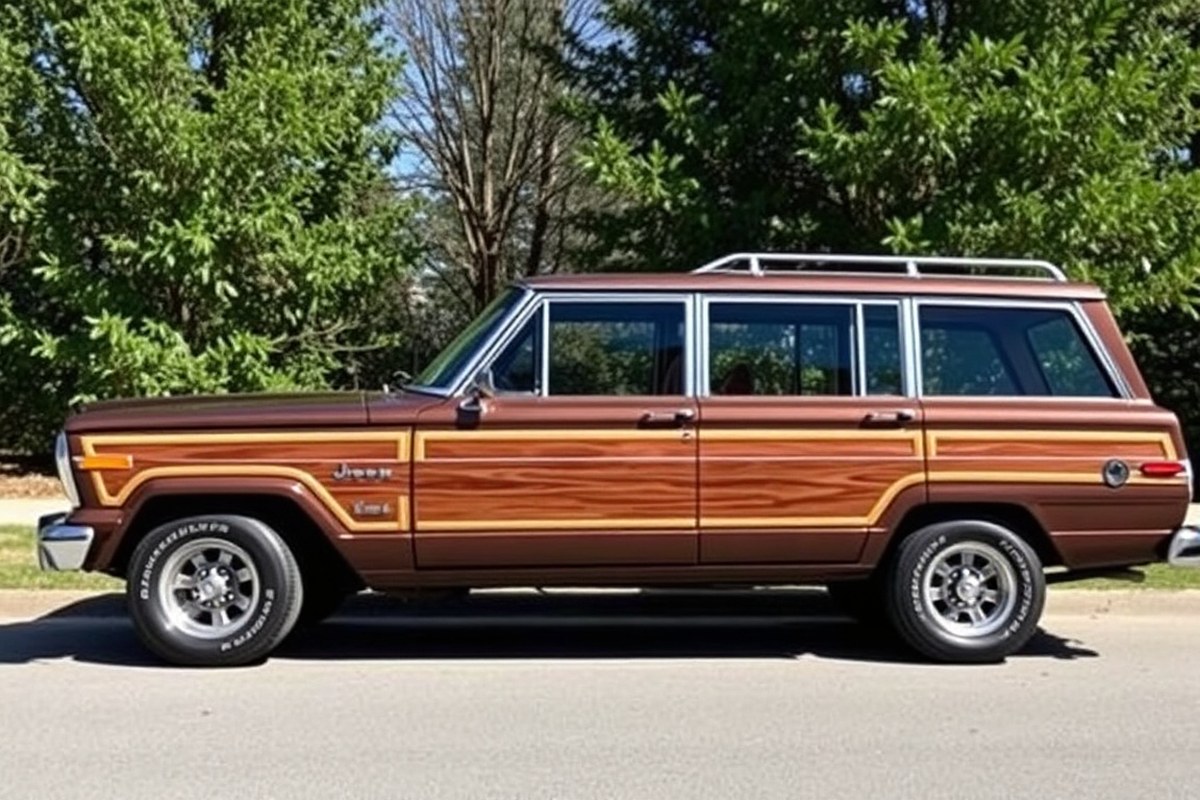
The length of Jeep Wagoneer and Grand Wagoneer models varies mainly between their standard and long wheelbase versions with clear differences between the Wagoneer and Grand Wagoneer trims. The long wheelbase “L” variants add roughly one foot to the overall length compared to the standard wheelbase versions. These measurements matter because they affect parking space requirements, maneuverability, and interior room, so knowing the exact figures helps when planning for daily use or garage fit.
| Model | Trim | Wheelbase | Length (feet & inches) |
|---|---|---|---|
| Jeep Wagoneer | Standard | Standard | 17 ft 10 in (214 in) |
| Jeep Wagoneer | Long Wheelbase “L” | Long (L) | 18 ft 10 in (226 in) |
| Jeep Grand Wagoneer | Standard | Standard | 18 ft 1 in (217 in) |
| Jeep Grand Wagoneer | Long Wheelbase “L” | Long (L) | 19 ft 1 in (229 in) |
Comparing the models, the Grand Wagoneer is about 3 inches longer than the Wagoneer on the standard wheelbase and maintains roughly the same extra foot length with its long wheelbase “L” version. The “L” badge adds about 12 inches or 1 foot to each model’s length, a difference that translates into increased passenger space and cargo room in the extended versions.
When deciding between trims, keep in mind that the Upland trim is only available with the standard wheelbase, which limits length options for that variant. Selecting the long wheelbase model means accommodating an extra foot in length, affecting parking and urban driving ease. Always measure your available space before choosing the long wheelbase, especially if garage or driveway dimensions are tight.
How Jeep Wagoneer Length Compares to Other Full-Size SUVs
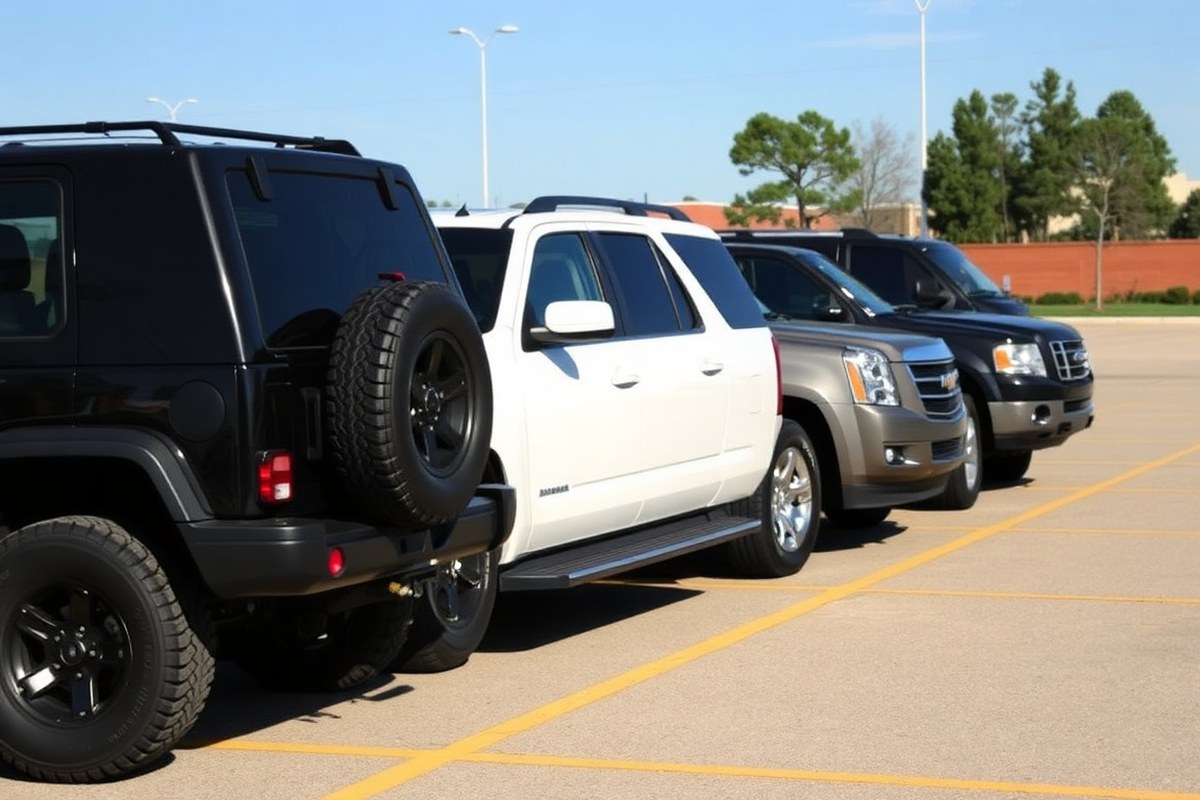
Comparing the Jeep Wagoneer and Grand Wagoneer to other full-size SUVs like the Chevrolet Suburban, Tahoe, and Ford Expedition shows both similarities and notable differences in length. The Wagoneer models offer substantial size, although the Grand Wagoneer is the longer and more luxurious option between the two. This length affects parking, maneuverability, and interior space, which are important factors to consider depending on your daily driving environment and parking availability. Here’s a side-by-side comparison table that simplifies how the Jeep Wagoneer and Grand Wagoneer stack up against key competitors in terms of length:
| SUV Model | Length (inches) |
|---|---|
| Jeep Wagoneer (2022, 2025) | 214.7 |
| Jeep Grand Wagoneer (2022, present) | 214.7 (standard), approx. 223 for long-wheelbase Wagoneer ‘L’ |
| Chevrolet Suburban | 224.4 |
| Chevrolet Tahoe | 210.7 |
| Ford Expedition | 210.0 standard, 221.9 extended |
The standard Jeep Wagoneer measures about 214.7 inches in length, making it longer than the Chevrolet Tahoe but shorter than the Chevrolet Suburban. The Grand Wagoneer shares a similar base length as the Wagoneer but offers an extended version known as the Wagoneer ‘L’, which pushes the length closer to that of the Suburban and Ford Expedition extended models. This puts the Grand Wagoneer at the upper end of the full-size SUV length spectrum, combining luxury and space with a commanding road presence.
For daily use, the Wagoneer offers a good balance if you want full-size SUV space without facing the full parking and maneuvering challenges of the longest competitors. The Suburban, being the longest, provides maximum interior volume and cargo space but can be more difficult to park in tight urban settings. The Tahoe and standard Expedition are slightly shorter, making them easier to handle in narrower spaces, but offer less passenger room than the Wagoneer ‘L’ or Suburban.
Measure your typical parking space before choosing a full-size SUV; even a few inches in length difference can affect ease of parking and garage fit.
Differences Between Standard and Long Wheelbase Wagoneer ‘L’ Models
The long wheelbase models, called the ‘L’ versions, add significant length to the standard Jeep Wagoneer. This extension provides more passenger room and cargo space, making the ‘L’ models better suited for drivers needing extra interior comfort or storage. You’ll find the ‘L’ comes mostly in higher trims where the extra space complements luxury features.
Length Increase in Feet and Inches
The Wagoneer L models extend roughly 20 inches longer than the standard version. This makes the total length around 224 inches compared to about 204 inches in the non-L Wagoneers. This increase comes mainly from a stretched rear section that supports more cabin and cargo volume. The added length shifts the overall profile, which affects parking and maneuvering but vastly improves usable space inside.
Interior Space Enhancements
The primary reason Jeep introduces the long wheelbase Wagoneer is to offer more interior room. The extra 20 inches directly translate to greater legroom in the third row and more cargo capacity behind it. Passengers sitting in the third row will notice a less cramped experience, with about 3 to 4 extra inches of legroom compared to standard models. The longer cabin also allows larger cargo area volume, helping you carry bigger loads or equipment without folding seats.
Besides space, the extended length allows for additional luxury and comfort features within the same footprint. For instance, the longer Wagoneer L can fit more advanced climate controls, bigger storage compartments, and optional seating upgrades that might feel tight in the shorter model.
Trim Availability for L Models
The Wagoneer L configurations are typically offered on mid to high trims such as the Series II and Series III. These trims emphasize premium features including upgraded interior materials, advanced technology, and improve driver-assist systems. By limiting the long wheelbase to these trims, Jeep balances added passenger comfort and cargo flexibility with a higher level of luxury and convenience expected by buyers opting for the extended version.
The availability may vary slightly based on model year and market, so it’s important to check with dealers for the latest options on ‘L’ trims. Higher trims also tend to include the latest powertrain and safety features, which align well with the more spacious design.
Impact on Towing and Cargo Capacity
The longer wheelbase contributes to improved towing stability, making the Wagoneer L a solid choice for hauling trailers or boats. While the extended length itself does not increase the engine’s towing capacity significantly, the extra length provides better weight distribution across the frame. This results in safer, more controlled towing performance.
In terms of cargo, the Wagoneer L expands the rear storage volume by nearly 20 percent when all seats are in use. You can expect more room for gear, luggage, or sports equipment without losing passenger ability. Folding the third row down further multiplies cargo space, supporting heavier and larger loads with ease.
Impact of Length on Parking, Driving, and Maneuvering
The full-size length of the Jeep Wagoneer affects how easily you can park, drive, and maneuver it, especially in tight urban environments, garages, or narrow driveways. Its size requires more attention and strategy to avoid obstacles and ensure safe operation.
Parking Considerations in Urban Areas
Parking a Wagoneer in city settings demands extra space due to its length, which can exceed 210 inches depending on the model. Parallel parking spots or compact parking garages may be tight. You should measure parking spaces beforehand and look for rows that allow easier entry and exit without risking damage.
Using parking aids such as rear cameras and sensors can be very helpful. The Wagoneer’s available Dual-View Rear-Facing FamCam with night vision improves visibility in dimly lit areas, which is especially useful for urban parking at night or in crowded lots.
Navigating Tight Garages and Driveways
Homes with narrow or short garages could challenge the Wagoneer’s length. Clearance space between the back of the vehicle and the garage door or wall is essential to avoid scrapes or dents. Driveways with sharp turns require slow, deliberate maneuvering to prevent clipping curbs or landscaping. Here’s a checklist for entering tight spaces safely:
- Measure your garage or driveway depth and width before parking.
- Use the Wagoneer’s rear and side cameras for real-time visual guidance.
- Practice slow, steady turns with spotters if possible.
- Clear obstacles like trash bins or bikes before parking.
- Consider parking forwards if backing in is too constrained.
Allow 1 to 2 feet of extra space beyond the vehicle’s length to ensure enough room for doors to open and for safe exiting and entry.
Safety Challenges with a Larger Vehicle
Driving a long SUV like the Wagoneer comes with safety considerations related to blind spots and stopping distances. The vehicle’s length increases blind spots on sides and rear, even with advanced sensor systems. Use curtain airbags and active safety features but remain vigilant.
Stopping distances are longer for bigger SUVs due to higher weight. Maintain safe following distances of at least 3 to 4 seconds behind other vehicles to compensate. The Wagoneer’s Hands-Free Active Driving Assist can help maintain lane position and speed but does not replace attentive driving.
Tech Tools to Improve Maneuvering
The Wagoneer offers technology that supports safer and easier handling in tight spaces. Besides the FamCam, standard parking sensors and available 360-degree camera systems provide a full view around the vehicle. These tools reduce guesswork and chances of minor collisions.
Audible warnings along with visual displays alert you to nearby obstacles, creating a predictable pattern during parking and low-speed maneuvers. Getting familiar with these assists improves confidence and helps avoid dents or scratches.
Adapting Your Driving Approach
Adjusting your driving style reduces risks associated with the Wagoneer’s length. Take wider turns and slow down more than you would with a smaller SUV to ensure control. In crowded or narrow spaces, plan your route before beginning to avoid unnecessary back-and-forth corrections.
Practice exercises such as backing into parking spots or navigating through cones simulate real scenarios and improve skill. Investing time in these exercises pays off in everyday parking ease and accident prevention.
Official Jeep Specifications for Dimensions and Size
To find the most accurate and up-to-date length specifications for the Jeep Wagoneer, the best sources are official Jeep materials. Official brochures published by Jeep provide precise measurements for every model year, including variants like the standard Wagoneer and the longer Wagoneer ‘L’. These brochures are typically available in PDF format on Jeep’s official website, where they outline detailed dimensions alongside other specs. These documents ensure consistency since they come directly from the manufacturer.
Jeep’s corporate website is another reliable source. It lists vehicle specifications for each model year, including length, width, and height. Because the website is regularly updated, it reflects the most recent changes, such as those introduced in upcoming models like the 2026 Wagoneer. When you need the exact length in inches or millimeters, verifying here helps avoid discrepancies that might occur in secondary sources.
Local Jeep dealerships are also valuable for obtaining precise dimensions. Sales staff can provide physical brochures, or you can physically measure the vehicle at a dealership if accurate, real-world data is essential. Dealerships may also confirm information on any updated trim levels or special editions that might affect the vehicle’s length.
Dimension data can slightly differ across sources due to rounding or typographical errors. Cross-referencing multiple official materials helps identify and resolve these differences. Avoid relying solely on third-party car review sites, as these might copy information incorrectly or estimate without official confirmation.
- Download and examine the latest Jeep Wagoneer brochures available on Jeep’s official website.
- Check Jeep’s official online configuration tools for updated specs by trim and model year.
- Contact a local Jeep dealership to request physical brochures or to view the vehicle for in-person measurements.
- Consult official press releases or Jeep’s media site, which often include detailed specifications on new model launches.
- Use Jeep’s customer support or online chat for specific questions about dimensions if brochures or websites leave uncertainty.
Always verify the model year when checking length specs, as even small yearly updates may change the exact dimensions.
Using these official resources guarantees that the length data you reference are consistent and validated by Jeep. This precision matters because the length influences parking requirements, garage fit, and maneuverability considerations. Official materials also clarify differences between standard and long-wheelbase versions, which can be critical for making a purchasing decision. While obtaining brochures or visiting dealerships might require some effort, the clarity and accuracy they offer outweigh relying on possibly outdated or unofficial specifications found elsewhere.
How 2026 Model Updates Changed Wagoneer Length and Naming
The 2026 Jeep Wagoneer lineup saw significant changes including a facelift, trim renaming, and the discontinuation of the standalone Wagoneer model. These updates mainly aimed to reduce customer confusion and streamline the brand, while the fundamental length dimensions of the Wagoneer and Grand Wagoneer models remained consistent.
Summary of 2026 Changes to Model Lineup
For the 2026 model year, Jeep discontinued the standalone Wagoneer badge and folded its lineup into the Grand Wagoneer family. This meant the Wagoneer name no longer appeared on its own and instead became a set of trims under the Grand Wagoneer banner. The facelift updated exterior styling and refreshed interior features, but the overall platform and core mechanical components stayed the same. This shift in branding and model hierarchy took effect early in the 2026 production year, helping clarify the range of large SUVs Jeep offers.
Effect on Size and Length Measurements
The 2026 Wagoneer and Grand Wagoneer models maintained their previous length dimensions despite the facelift and renaming. The standard Wagoneer versions, now presented as Grand Wagoneer trims, continued with the typical full-size SUV lengths. The Wagoneer L long wheelbase models also retained their extended length without changes. Jeep’s decision not to alter the chassis or overall size during the refresh means buyers selecting 2026 Wagoneer trims can expect the same parking and driving footprint as prior versions.
Reasons Behind Naming Strategy Shift
Jeep cited customer confusion as a key reason for the 2026 strategy to absorb the Wagoneer line into the Grand Wagoneer. The Wagoneer and Grand Wagoneer had overlapped in features and size ranges, making it difficult for consumers to distinguish between them. By consolidating under the Grand Wagoneer name, Jeep aimed to present a clearer hierarchy and simplify purchasing decisions. This approach reduces brand fragmentation and aligns with Jeep’s goal of making its premium SUVs easier to understand at a glance, both in dealerships and marketing materials.
Influence on Trim Availability and Options
The renaming of Wagoneer trims as Grand Wagoneer trims for 2026 affected available options and packages. Original Wagoneer luxury and tech features blended into the broader Grand Wagoneer offerings, providing buyers a wider selection of configurations. Some Wagoneer-exclusive trims were phased out or rebranded, while key options like long wheelbase versions remained intact. Pricing structures adjusted to reflect the streamlined lineup, which may simplify comparing models and packages but also requires prospective buyers to review updated trim charts closely.
How Wagoneer Length Affects Interior Space and Passenger Comfort
Longer Wagoneer models generally provide more interior space, which directly improve passenger comfort. For example, the extended length in the Wagoneer L models translates into increased legroom and headroom, especially for third-row passengers. This additional space can reduce fatigue on longer trips and make it easier to enter or exit the vehicle. The extra length doesn’t just add to seating comfort but also expands the cargo area, allowing you to carry larger or more items without sacrificing passenger room.
Comparing the standard Wagoneer to the Wagoneer L models highlights how length affects interior dimensions. The standard Wagoneer offers competitive legroom and headroom, but the third row benefits most from the longer wheelbase in the L models. Those models typically add several inches of legroom in the rear seats, which improves comfort for adult passengers or taller individuals. Headroom also sees modest gains, minimizing the feeling of cramped space often found in full-size SUVs with three rows.
Cargo capacity increases noticeably with longer Wagoneer models. The extended rear section of the Wagoneer L provides a larger cargo compartment behind the third row, which makes it easier to fit gear for camping, sports, or family trips. In contrast, the standard Wagoneer’s cargo space is sufficient for everyday needs but can feel limited when all seating is used. Choosing an L model means more flexibility for storage without folding down any seats, which can be important if you regularly transport large groups and luggage simultaneously.
| Wagoneer Model | Third-Row Legroom | Third-Row Headroom | Cargo Capacity (Behind 3rd Row) |
|---|---|---|---|
| Standard Wagoneer | Approx. 29 inches | Approx. 39 inches | About 17 cubic feet |
| Wagoneer L | Approx. 34 inches | Approx. 40 inches | Approximately 30 cubic feet |
The decision to opt for a longer Wagoneer model depends partly on how often you fill the third row or need extra cargo space. Longer models come with a higher price tag, and driving or parking in tight urban areas might be more challenging. Still, these tradeoffs matter most for those prioritizing passenger comfort and maximum cargo volume over compactness or lower cost. They provide a clear way to tailor the size of your Wagoneer to your needs, with room to move and store gear comfortably inside.
Buying Tips: Measuring and Considering Wagoneer Length for Your Needs
Measuring your garage or driveway before buying a Jeep Wagoneer is key to ensuring the vehicle fits comfortably. Start by taking the exact length of your intended parking spot using a tape measure that can reach at least 20 feet. Record the distance from the garage door or curb to the nearest obstacle, like a wall or trash bin. Don’t forget to note the width and height of the space as well, since the Wagoneer is a large SUV that needs room for door clearance and roof-based accessories.
Before you decide on a model, consider how the overall length affects parking and maneuvering. The longer “L” models require even more space. Keep in mind that accessories such as roof racks, bike carriers, or rear-mounted spare tires can add between 4 and 7 inches to the total length, so include an allowance for those extras in your measurements. It’s better to allow extra clearance than to find the SUV barely fits or risks scraping walls or other vehicles.
- Measure parking space length, width, and height carefully with a reliable tape measure
- Check the Wagoneer’s published length for the specific model you want, including “L” variants
- Add 5 to 7 inches if you plan to add roof racks or rear-mounted accessories
- Consider driveway slope and obstacles that could reduce available space
- Test parking by simulating the SUV’s footprint with marking tape or cardboard if possible
Allowing just a few extra inches beyond the measured length can prevent costly damage when parking or reversing your new Wagoneer.Good results mean you can open doors fully without hitting walls, and you’ll have space to walk around the SUV comfortably, especially for passengers entering or exiting the rear seats. If your garage is tight, think about whether you’ll need to park the Wagoneer outside or look for models with a slightly shorter length. Checking these details typically takes under an hour and only requires basic measuring tools, but it can save headaches and frustration after your purchase.
Step-by-Step Action Plan to Choose the Right Jeep Wagoneer Length
Deciding on the right Jeep Wagoneer size starts with knowing what fits your lifestyle and parking situation. Use this plan to narrow down your options and test the models that match your needs.
- Day 1: Measure your usual parking spots and garage space to see the maximum vehicle length you can accommodate comfortably.
- Days 2-3: Compare those measurements to the exact lengths of both the standard and ‘L’ long wheelbase Wagoneer models.
- Day 4: Visit a dealership to test drive both lengths, focusing on ease of parking and maneuvering based on your previous measurements.
- Day 5: Evaluate interior space by sitting in rear seats and cargo areas to confirm passenger comfort and storage needs.
- Day 6: Review 2026 model updates and specifications to see if changes affect your preferred length or other features.
- Week 2: Check online forums and owner reviews for any real-world feedback about longer versus standard Wagoneer usage.
- Week 3: Decide on your preferred Wagoneer length and begin exploring pricing, trim levels, and available options fitting your budget.
Frequently Asked Questions
Is a Wagoneer Longer Than a Suburban?
The Wagoneer is generally shorter than the Chevrolet Suburban. The Suburban is one of the longest SUVs on the market, making the Wagoneer easier to maneuver in tight spaces.
Why Is Jeep Discontinuing Wagoneer?
Jeep is not discontinuing the Wagoneer; plans involve updating models and improving features for 2026. They continue to invest in the Wagoneer as a key full-size SUV in their lineup.
Which Is Bigger, a Jeep Wagoneer or a Grand Wagoneer?
The Grand Wagoneer is bigger and more luxurious than the standard Wagoneer. It offers longer versions and more premium features.
Is the Wagoneer as Big as a Tahoe?
The Wagoneer and Chevrolet Tahoe are similar in size, but the Tahoe is slightly longer. Both offer roomy interiors suited for families and towing.
What Is the Wheelbase Length of the Jeep Wagoneer?
The standard Wagoneer has a wheelbase around 123 inches, with the extended L models about a foot longer. The longer wheelbase improves ride comfort.
How Does the Wagoneer Length Affect Garage Parking?
The Wagoneer fits in most standard two-car garages, but the longer L models might require extra length clearance. Measuring your garage before purchase is recommended.
Wrapping Up
Knowing the precise length differences between Jeep Wagoneer models helps you pick the right one for your needs without surprises. Start by measuring your typical parking space and then test drive the options you’re interested in. This practical approach ensures you choose a Wagoneer that fits your lifestyle and handling preferences.