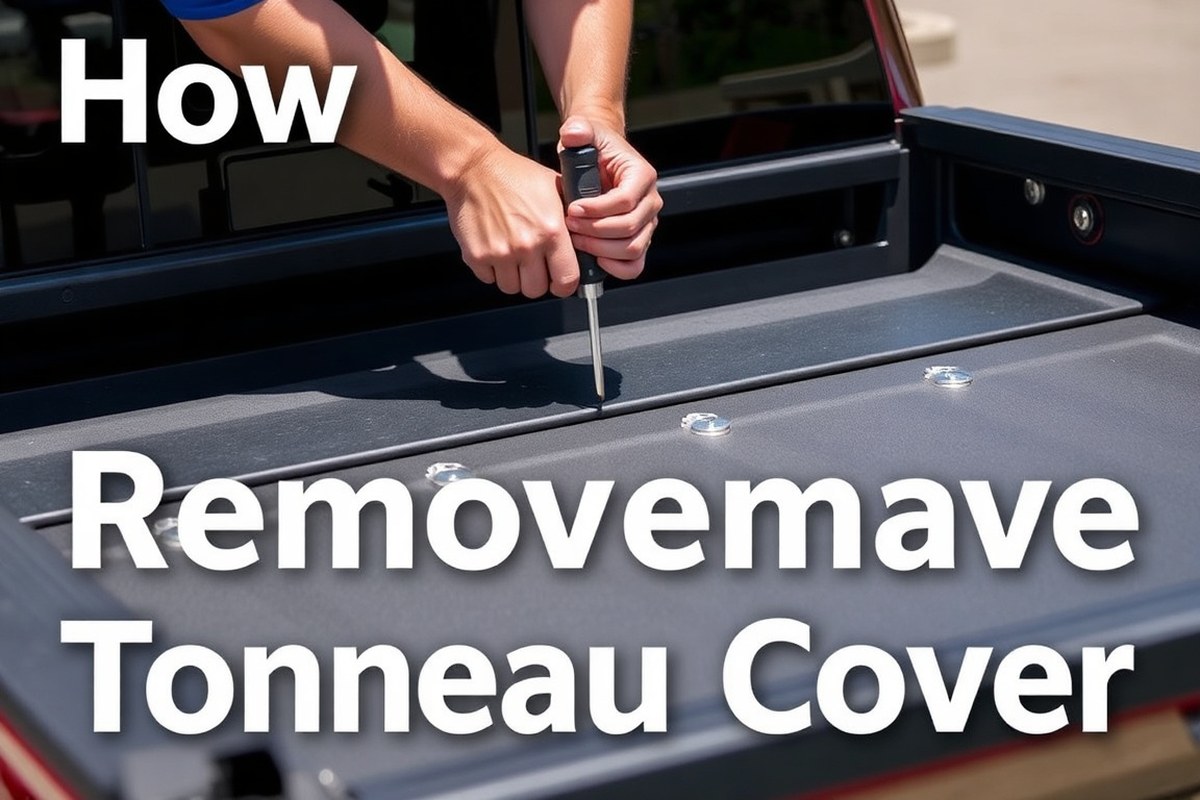
How to Remove Tonneau Cover Safely: 9 Must-Know Steps for Every Type
Removing a tonneau cover requires careful handling to avoid damage to your truck bed and the cover itself. The best approach depends on the type of cover, whether folding, tri-fold, hard shell, or retractable. Start by identifying the cover type and gathering the right tools to safely detach clamps, bolts, or rails without forcing the parts.
Key Takeaways
- Always start by reading the manufacturer’s instructions specific to your tonneau cover model.
- Use hand tools like wrenches or screwdrivers for bolts and clamps to prevent scratching or stripping hardware.
- Remove tension or locking mechanisms before attempting to lift or fold the cover sections.
- Support folding and tri-fold covers during removal to avoid bending the panels or hinges.
- Hard shell covers often require loosening frame bolts and careful lifting to prevent damage to seals.
- Check for trapped seals or hooks that could tear the weather stripping or paint when pulling off the cover.
Can You Remove a Tonneau Cover? What to Expect

Tonneau covers are generally designed to be removable, though the ease and method of removal vary significantly by type and brand. Soft folding covers may detach with minimal tools or even tool-free, using clamps or quick-release hooks. Hard shell and retractable covers usually require basic hand tools like a wrench or screwdriver due to bolts and rails securing them on the truck bed.
There are several common tonneau cover styles, including soft roll-up, folding (tri-fold or bi-fold), hard shell, and retractable. Folding covers like the Rough Country Tri-Fold and BakFlip MX4 connect through side rails that attach to the truck bed, often using clamps or bolts. These can typically be removed by unhooking or loosening these fasteners. Retractable covers may roll into a canister fixed to the bed and also involve bolts for removal. Soft roll-up covers commonly clamp on, making removal easier compared to hard styles.
Whether you can remove the cover without tools depends on the design. Some folding covers like the Extang Solid Fold ALX advertise tool-free removal with jaw-grip clamps, allowing quick detachment for full bed access. Others require loosening nuts or bolts on the rails, which takes more time and tools but secures the cover better. Removal often means loosening clamps or bolts, then lifting the cover off the rack or rails.
Removing a tonneau cover rarely damages the truck bed or cover if done carefully. The rails typically clamp onto the bed rails without drilling, protecting the truck’s finish. Some users note occasional fitment issues, like hooks not clipping perfectly on models such as the 2020 Ford F-150 Supercrew, but these are generally minor. Proper storage after removal helps prevent damage to the cover panels or fabric, while careful removal avoids scratching the bed rails.
The process usually starts by releasing any clamps or anchors securing the cover to the bed rails. For a tri-fold cover, you unhook the anchor hooks on both sides, lift the folded panels off the rails, and then remove the rails if needed. Retractable covers may require removing bolts holding the canister and rails. Soft covers frequently detach with easy-release clamps and do not require removing rails. Knowing your cover’s system helps you decide whether you’ll need tools and the best removal sequence.
Removal times vary with complexity; tool-free folding covers may take under 15 minutes, while hard-shell or retractable covers attached with multiple fasteners can take 30 minutes to an hour or more. The price of covers also influences design: premium models like the BakFlip MX4 ($1,100 or more) often balance ease of removal with durable attachment, while budget models may prioritize quick off but less security. Expect to spend some time loosening fasteners and handling components carefully for a smooth removal.
Tools and Safety Precautions for Removing Covers

Removing a tonneau cover usually requires few or no tools, depending on the type. Many folding and soft tri-fold covers detach easily by folding the panels and lifting them off the rails without needing screwdrivers or wrenches. Hard folding or tri-fold covers may not require tools either, but their awkwardness means you should handle them carefully to avoid bending hinges. Roll-up covers, especially hard ones, might need minimal tools if they include clamps or sealed edges to release.
Although specialty tools are rarely necessary, keep a basic toolkit handy: a set of screwdrivers (both flathead and Phillips), a ratchet with sockets, and pliers cover most needs. Soft covers that roll up often only need you to unclip or release rubber seals. For example, the Extang Encore and TruXedo Lo Pro models advertise tool-free removal. If your cover has bolts, they typically use standard sizes between 10mm and 13mm.
Safety precautions focus on preventing damage to the cover and injury to yourself. The heavy and awkward panels, particularly on hard covers, can strain your back or pinch your fingers. Wearing work gloves protects your hands from sharp edges or metal hinges. Use safety glasses if you need to remove screws or clips that could spring loose. Always work on a level surface, and have a second person assist with lifting heavy covers.
- Wear gloves to protect hands from sharp edges and hinges
- Use flathead and Phillips screwdrivers, and a ratchet with 10-13mm sockets
- Have a helper for heavy or large panel removal
- Fold soft tri-fold or folding covers completely before lifting
- Release clips or seals slowly to avoid sudden tension
- Keep the tailgate down or closed gently to avoid pressure on the cover
- Work on a stable, level ground to prevent slips or falls
Handle folded hard covers carefully to avoid bending hinges, which happens more from awkward lifting than weight.
Many tonneau covers hold onto their rails after removal, allowing quick detachment without unclamping or tools. For covers that use clamps or bolts, loosen these before lifting to avoid forcing the cover free, which risks scratching paint or breaking parts. Soft covers that roll like the Extang Encore simply unclip seals and roll forward, so carefully observe how the seals fit before you try to separate them. Always check the owner’s manual specific to your cover model for exact instructions and recommended tools.
How to Remove Folding and Tri-Fold Tonneau Covers
Removing folding and tri-fold tonneau covers is generally straightforward because the rails usually stay clamped to the truck bed, while the panels or fabric lift off. Soft and hard folding covers differ mainly in weight and panel thickness, which affects how you handle them during removal. Following a clear step-by-step process helps avoid damage to the panels, clamps, and rails.
Preparing the Cover and Clearing the Bed
Start by clearing any items from the truck bed and cover. A clean, open space on and around the bed allows you to fold and lift panels easily without scratching the cover or your truck. For hard folding covers, panels can be heavier due to their thickness, so consider having a helper or using a padded surface to lay the cover on once removed.
Next, unlock all latches or fasteners securing the cover. These locks prevent panels from moving during driving but must be fully released before folding. Check for any debris or ice around hinges and clamps that might cause sticking, and gently remove it to ensure smooth operation during removal.
Releasing Clamps and Folding Panels
Most folding tonneau covers use clamps to secure side rails to the truck bed, but the rails usually stay in place when removing the cover. The process involves folding the panels and lifting them off the rails, which is faster than rail removal and protects hardware from damage.
Soft folding covers typically have lighter fabric panels attached to a frame, which fold compactly and lift off with less effort. Hard folding covers include rigid panels that require careful handling due to their weight and thickness.
- Unlock any side latches fully to free each panel.
- Fold the panels one by one toward the cab, ensuring they stack neatly without forcing hinges.
- Locate and release quick-release clamps under the rails if your cover design requires disconnecting panels from the clamps.
- For stuck clamps or hinges, apply penetrating lubricant carefully and allow 10, 15 minutes to work before trying again. Avoid forced prying that can bend rails or break hardware.
- Lift the folded cover panels off the rails gently, supporting the weight evenly to prevent damage.
Removing Rails and Storing the Cover
Removing rails is usually not necessary for folding covers unless you want full bed access or intend to store the cover entirely. Rails involve six clamps that secure them to the bed; loosening these clamps requires a wrench or ratchet set. Keep the clamps intact during rail removal because reassembly depends on positioning them correctly.
To store the removed cover, place it on a padded, flat surface to avoid scratches or warping, especially if it’s a hard folding cover. Protect the hinges and clamps by covering them or placing the panels with softer sides together. Store in a dry, shaded area to maintain the materials and hardware condition.
Removing Hard Shell and Retractable Tonneau Covers
Hard shell and retractable tonneau covers require careful removal because they often involve bolts, clamps, and sometimes complex retractable mechanisms. Removing these covers without proper steps can damage the seals, rails, or even your truck’s bed. Following a precise sequence and knowing where to find mounting hardware will help you safely detach these covers.
Locating and Removing Mounting Hardware
Usually, mounting bolts or clamps secure a hard shell or retractable tonneau cover to the truck bed rails or body. These bolts often attach at the front and rear edges, sometimes underneath plastic inserts or rubber seals. You may need a socket wrench or screwdriver depending on the fastener type. Identifying these fasteners is critical before attempting removal. Some covers have quick-release clamps that can be loosened without tools, but these are less common in hard shells.
To avoid damage, check the bolts’ tightness. When the gap between the seal and the truck measures less than 1,5 mm, rotate the bolt counter-clockwise to open the gap gently. Removing mounting hardware typically requires loosening 2 to 6 bolts or clamps, mainly along the side rails and at the front and rear attachment points. Always keep track of washers or spacers that come off with the bolts to reuse them later.
Detaching the Cover Panels and Rails
After removing the bolts, the rails and cover panels can be detached. Hard shell covers usually come in sections or panels that are bolted or clipped onto side rails. Start by lifting the front edge of the cover, this often releases tension on seals and reveals hidden support brackets. Rails are sometimes locked onto the bed rail with brackets or metal clips, requiring gentle prying with a plastic tool to avoid scratching the paint.
Detach the panels of your multi-panel hard shell cover in the reverse of how you assembled them. Step by step, loosen any hinge bolts if present. Rails should come off easily once bolts are fully removed, but if they resist, wiggle them slightly without forcing. Excess force risks bending the rails or breaking mounting tabs. Use a clean cloth or plastic wedge between the rail and truck bed to protect seals.
- Locate all mounting bolts or clamps along the cover rails and front/rear edges.
- Use the correct wrench or screwdriver to loosen and remove each bolt or clamp.
- Lift the front edge of the cover gently to release tension and check for hidden fasteners.
- Remove hinge bolts (if applicable) one panel at a time for multi-panel covers.
- Pry rails gently using a plastic wedge or cloth to avoid scratching the truck’s paint.
- Lift the rails away from the bed once all fasteners are removed and rails are free.
Special Handling for Retractable Cover Mechanisms
Retractable tonneau covers often feature aluminum frames and a rolling shell panel that slides into a canister under the truck bed’s rails. These covers may include tool-free clamps or quick-release systems that make removal easier but require care to avoid damaging the rolling mechanism or seals. Before any removal, open the cover fully to access mounting hardware and inspect for locking levers or clips.
Avoid forcing the cover if it won’t retract or feels stuck. Spray a silicone-based lubricant on the rails and check if any debris blocks the mechanism. In some models, disengaging a safety latch or lever frees the retracting system. Always support the back end of the cover when loosening or removing bolts to prevent sudden drops that could damage seals or the bed.
For covers built with below-bed aluminum retractable designs, like those made in Shell Lake, Wisconsin, the rails typically clamp on without drilling. These clamps can be loosened with a wrench, and the cover rolls toward the bulkhead for maximum bed access before removal. Be mindful of the warranty terms: tampering with mechanisms improperly may void coverage that ranges from one to five years depending on the brand.
How Long Does Removal Take? Factors That Affect Timing
Average removal times differ significantly depending on the type of tonneau cover you have. Folding and tri-fold covers generally take less time, roughly 15 to 30 minutes, largely because they often use fewer and simpler fasteners. Hard shell and retractable covers usually require 30 to 60 minutes, since they involve more complex mounting systems and sometimes integrated locks.
Tools, your experience level, and weather conditions also influence how long removal takes. Having the right tools like socket wrenches or screwdrivers ready speeds up the process. Experience helps you recognize fasteners and panels quickly, reducing trial and error. Cold or wet weather can slow removal by making parts harder to handle or causing tools to slip.
The age and condition of the cover impact removal speed as well. Older bolts may be rusted or stuck, requiring extra effort or penetrating oil. Damage like bent frames or cracked panels demands care to avoid further harm. In some cases, extra time is needed to gently loosen or work around these problem areas to ensure you don’t damage the truck bed or cover.
| Cover Type | Average Removal Time | Typical Factors Affecting Time |
|---|---|---|
| Folding / Tri-Fold | 15, 30 minutes | Simple fasteners, fewer parts, easier to handle |
| Hard Shell | 30, 60 minutes | More complex mounts, heavier material, integrated locks |
| Retractable | 30, 60 minutes | Sliding mechanisms, multiple fasteners, sometimes locks |
| Older Covers | Variable; often longer | Rust, corrosion, damaged components |
| New Covers | Shorter removal time | Fresh hardware, less damage, cleaner mounts |
Use penetrating oil on any stubborn bolts before you start to prevent damage and save time during removal.
Planning to remove your tonneau cover in a climate where temperatures drop below freezing? Cold weather can cause fasteners to seize or become brittle, so warming the bolts with a heat gun or storing tools in a warm place before starting removal helps maintain control and speed. Similarly, gathering the exact tools specified by your cover manufacturer eliminates delays hunting for wrenches or screwdrivers mid-job.
Common Mistakes and How to Avoid Damage During Removal
One common error truck owners make when removing a tonneau cover is forcing parts that seem stuck without checking the fasteners first. This can strip bolts or warp clamps, leading to repair costs ranging from $20 for replacement bolts to over $100 for damaged clamp sets. To prevent this, always confirm which bolts or wing nuts hold the cover in place and loosen them fully using the correct tool size, usually a 10mm or a Phillips screwdriver.
Another frequent mistake is not protecting the seals and hinges during removal. These rubber or vinyl seals keep water and debris out, and hinges ensure smooth folding or rolling actions. Pulling or twisting seals roughly can cause tears or detachments, which might cost you $50 to $150 for replacements. When removing the cover, lift it gently and support the area around hinges with your free hand to avoid stress or bending.
- Use the right tool size and type to avoid stripping fasteners.
- Work methodically, loosening all bolts evenly before attempting removal.
- Apply spray lubricant to rusty or stubborn bolts, wait 10-15 minutes, then retry.
- Support the cover when disengaging clips or hinges to avoid bending the frame.
- Keep surrounding truck paint and seals protected by laying a blanket or towel during removal.
- Avoid driving the truck immediately after removing the cover to prevent debris entering the bed.
- For retractable covers, retract fully before removal to prevent damage to the rolling mechanism.
When the cover doesn’t come off easily, avoid increasing force. Instead, check for hidden fasteners under weatherstripping or plastic caps. Some clamps might require you to gently press or release a latch before loosening bolts. Should resistance persist, apply penetrating oil on connectors and let it soak for 15 minutes to loosen corroded parts.
Taking time to protect seals and hinges matters because these components maintain the cover’s weatherproof barrier and operational ease. Use a plastic pry tool or your fingernail to carefully lift the gasket edges before loosening bolts. When handling folds or tri-fold covers, fold panels slowly as hinges may stiffen in cooler temperatures below 50°F, increasing the risk of snapping or cracking. Keeping these precautions in mind and working step-by-step helps prevent common issues and protects your cover and truck bed during removal.
Special Tips for Removing Popular Brands Like BakFlip
Removing a BakFlip MX4 tonneau cover requires a clear approach to avoid damage since it involves multiple hinges and clips. Compared to Rough Country and Worksport covers, the BakFlip MX4 offers quick-release clamps that speed up removal, while the other brands involve slightly different hardware and folding mechanisms. Knowing these brand-specific details helps keep your cover and truck bed safe during the process.
BakFlip MX4 Removal Process
The BakFlip MX4 is a tri-fold hard cover with quick-release clamps on each side to lock it to the truck bed rails. Removing it safely takes about 15 to 30 minutes with simple hand tools. The clamps make detaching the cover easier than screw-based mounts.
- Open each of the three panels fully to fold the cover flat against the front of the truck bed.
- Locate the quick-release clamps on both passenger and driver sides near the tailgate.
- Use a ratchet or socket wrench (typically 13mm or 14mm) to loosen the clamp bolts by turning counterclockwise until the clamps slide off the rails.
- Lift the cover carefully off the truck bed rails. It may require two people due to weight (about 50 to 60 pounds).
- Place the cover on a clean, dry surface to prevent scratches.
- Optionally, store the clamps in a designated container to avoid losing hardware.
The clamp system on the BakFlip MX4 reduces the risk of stripping bolts, unlike some older covers with fixed screws. Applying moderate force to loosen clamps prevents damage to the rails. The cover’s folding panels hinge smoothly but watch for pinch points.
Rough Country Tri-Fold Covers Differences
Rough Country tonneau covers look similar to BakFlip with tri-fold designs but use bolt-on hinges rather than quick-release clamps. This means removal usually involves tools like socket wrenches to remove multiple bolts, which takes slightly longer and requires more care to avoid damage.
Rough Country covers typically have rubber seals around edges to improve water resistance, so you’ll want to check that seals aren’t warped when removing. Bolts may be 10mm or 13mm depending on model year.
Worksport Cover Removal Overview
Worksport tri-fold tonneau covers have a similar folding style but with a unique clamping system involving tightening knobs rather than bolts. The knobs can often be loosened by hand or with a standard wrench, saving time. However, Worksport covers sometimes show leaks, so be careful when detaching to avoid damaging seals.
Worksport covers weigh about the same as BakFlip models, so two people are advised to lift and remove the cover safely. Unlike BakFlip’s bolt clamps, Worksport’s knobs make some steps faster but can strip if over-tightened.
| Feature | BakFlip MX4 | Rough Country | Worksport |
|---|---|---|---|
| Mounting System | Quick-release clamps with bolts | Bolt-on hinges | Tightening knobs/clamps |
| Removal Tools | Socket wrench (13-14mm) | Socket wrench (10-13mm) | Wrench or hand loosening |
| Weight (lbs) | 50 – 60 | Similar (50 – 60) | Similar (50 – 60) |
| Removal Time | 15 – 30 minutes | 20 – 40 minutes | 15 – 25 minutes |
| Special Considerations | Watch clamp bolts to avoid stripping | Check seals carefully | Knobs can strip with overtightening |
Storing and Maintaining Your Tonneau Cover After Removal
After removing your tonneau cover, store it in a clean, dry place away from direct sunlight to prevent fading and warping. A garage or covered shed works well. Avoid leaning the cover against sharp edges or storing it flat on the ground where moisture could cause damage. Using a soft blanket or towel to wrap the cover adds protection against scratches and dents during storage.
Before putting the cover away, clean it thoroughly with mild soap and water to remove dirt and debris trapped between folds or seams. Dry it completely to prevent mold or mildew. For covers with folding panels or hinges, applying a silicone-based lubricant to moving parts helps keep them functioning smoothly and prevents rust.
Preparing your truck bed after removing the cover is equally important. Since the bed was previously shielded, it might collect dust or light dirt after cover removal. Wash the truck bed with a hose and mild detergent to keep it clean; this also ensures the surface is ready for a future cover or other accessories. Check and clean the weatherstripping along the bed rails too, as grime buildup can interfere with sealing when reinstalling the cover.
- Clean the tonneau cover gently with mild soap and water, then dry it fully.
- Apply a silicone lubricant to hinges and latches before storage.
- Store the cover in a shaded, dry area, off the ground and wrapped in soft material.
- Wash and dry the truck bed to remove dirt that accumulated during the cover’s removal.
- Inspect and clean bed rails and weatherstripping to maintain good seals later on.
- Check stored cover regularly for signs of moisture or damage and air it out if needed.
Avoid storing your tonneau cover in extreme temperatures or direct sunlight, as this can cause warping or fading that weakens the material over time.
Following these steps protects your tonneau cover from common issues like cracking, discoloration, and mechanical wear that happen if it’s stored improperly. This maintenance routine requires just basic cleaning supplies and a silicone lubricant, which usually cost under $15. Look for covers that fold completely away and have support bars; these tend to handle storage better because they keep panels from bending too sharply.
When to Get Professional Help for Tonneau Cover Removal
You should consider professional removal of your tonneau cover if you notice signs like severe rust on mounting hardware, damaged or seized locking mechanisms, or if the cover is integrated with complex retractable systems. Covers with built-in rails, motors, or electrical components often require specialized tools and expertise that go beyond typical household toolkits. Attempting to remove these without proper skills may cause damage to the truck bed or the cover itself.
Some tonneau covers, especially hard-shell models with heavy components or retractable covers with motors and wiring, are too complex for most DIY removals. These covers often involve delicate alignment and electrical connections that can be risky to dismantle without professional training. When your cover includes several electrical connections, built-in locks, or custom mounts, you should hire a professional to avoid damaging components or voiding your warranty.
Typical professional removal services range from $75 to $200 depending on the complexity of the cover and local labour rates. Simple soft tonneau covers generally cost less to remove, whereas hard-shell or retractable systems will fall on the higher end of this range. Some dealers or service shops may waive removal fees if you buy a new tonneau cover from them. Exact prices vary based on your location and the specific cover brand.
To find reputable technicians or dealers, start by searching for truck accessory shops or automotive upholstery specialists in your area who mention tonneau covers in their services. Check customer reviews on platforms like Google or Yelp for feedback on pricing and quality. Contact the manufacturer of your tonneau cover as they often have authorized service providers. Confirm that the professional has experience with your specific cover model by asking upfront and if they provide a warranty on the removal work.
The easiest way to decide whether to hire a professional is to first assess your comfort level and the cover’s complexity. You should choose professional assistance when you’re not confident with special fasteners, electronics, or when parts appear corroded or stuck. A good result from professional removal is a clean lift-off without scratches or damage to the truck bed. Common issues from DIY attempts include stripped bolts, broken trim pieces, and damaged paint that professionals are prepared to avoid with proper tools and technique.
Step-by-Step Action Plan for Removing Your Tonneau Cover
Follow these steps to remove your tonneau cover safely and efficiently, while protecting your truck bed and the cover itself.
- Before you start: Gather tools such as a screwdriver, socket wrench, and safety gloves. Confirm all tools fit the fasteners on your specific tonneau cover.
- First 10 minutes: Unlock any clamps or latches securing the cover to your truck bed. Check that the cover can move freely without force.
- Next 15 minutes: For folding or tri-fold covers, fold back each panel gently, ensuring hinges are not resisting. For hard shell or retractable covers, loosen bolts or rails using the appropriate wrench.
- 20 to 30 minutes in: Carefully lift the cover off the truck bed with help if needed. A second person can prevent dropping or bending the cover.
- After removal: Inspect the truck bed rails and bolt holes for dirt or damage. Clean and store the cover in a dry, flat area to avoid warping.
- Within the next hour: If you notice stuck bolts or damaged mounting points, consider contacting a professional for repair advice.
Frequently Asked Questions
Are Tonneau Covers Removable?
Yes, most tonneau covers are removable, allowing you to switch or replace them as needed. Removing usually requires basic tools and careful handling to avoid damage to the cover or truck bed.
Why Is My Tonneau Cover Not Opening?
Your tonneau cover might not open due to latch misalignment, damaged seals, or debris blockage. Checking and realigning latches or cleaning the sealing area often resolves this issue.
How to Remove a Bakflip Tonneau Cover?
Remove Bakflip covers by folding the panels, loosening clamps along the bed rails, and carefully lifting the cover off. Avoid forcing clamps to prevent damage.
Is a Tonneau Cover Necessary?
A tonneau cover is not necessary but protects cargo from weather, improves aerodynamics, and improve truck bed security. Choose based on your hauling needs and climate.
Can I Remove a Tonneau Cover Without Tools?
Most tonneau covers require at least basic tools like a wrench or screwdriver for removal. Some snap-on types might be tool-free but are less common.
Will Removing My Tonneau Cover Affect Truck Resale Value?
Removing the tonneau cover typically doesn’t reduce resale value if the cover and truck bed remain undamaged. Leaving mounting hardware intact can be beneficial.
Wrapping Up
Removing a tonneau cover requires a careful approach to avoid damage to both your cover and truck. Taking the right tools, working patiently through each step, and knowing when to stop are key to success. Start by checking your specific cover type and gathering the tools, so you can begin safely removing it today.