How Does Fuel Stabilizer Work? A Complete Guide with Key Benefits and Tips
How does fuel stabilizer work? Fuel stabilizer slows down the chemical breakdown of gasoline by preventing oxidation and the formation of gums and varnishes. It mixes with the fuel and keeps it fresh, maintaining its combustibility for months. Adding the correct amount before storage ensures the fuel remains stable and your engine will start smoothly after long periods.
Key Takeaways
- Use one ounce of fuel stabilizer for every 2.5 gallons of gasoline for optimal protection against degradation.
- Fuel stabilizer can keep your gasoline fresh and usable for up to 12 months when stored properly.
- Run the engine for 5 to 10 minutes after adding stabilizer to circulate the treated fuel throughout the system.
- Fuel begins to spoil after 30 days if stored in non-airtight containers, making stabilizers essential for longer storage.
- Choose a fuel stabilizer that includes corrosion inhibitors to protect metal engine components from ethanol fuel damage.
- Fuel stabilizers are compatible with both 2-stroke and 4-stroke engines and all grades of gasoline and diesel fuel.
How Fuel Stabilizer Chemically Prevents Fuel Degradation

Fuel stabilizers use a combination of chemical additives to keep gasoline fresh by targeting the key causes of fuel degradation. One primary issue is oxidation, a chemical reaction that happens when oxygen interacts with the fuel over time. This causes the fuel to break down and form gums and varnishes, sticky residues that clog carburetors, fuel injectors, and fuel lines. Stabilizers contain antioxidants that interrupt this reaction by slowing the oxygen’s ability to bond with fuel molecules, effectively extending the fuel’s usable life and maintaining its combustibility.
Another factor is corrosion, especially in engines and fuel tanks. Many stabilizers include corrosion inhibitors that form a protective layer on metal surfaces. These additives prevent rust development caused by moisture and ethanol, which is commonly blended with gasoline in ratios up to 10%. Ethanol attracts water due to its polar nature, and when moisture collects inside a fuel tank, it can mix with ethanol to create acids that corrode metal parts. Stabilizers often use polar dispersants to keep this moisture suspended evenly in the fuel, stopping water from pooling at the tank’s bottom where engines might draw it and cause damage.
Besides antioxidants and corrosion inhibitors, fuel stabilizers also include detergents and solvents that help clean and dissolve gums and varnish residues already present in the fuel system. These compounds help keep injectors and carburetors running smoothly by preventing buildup. Mixing stabilizer into fresh fuel and then running the engine for about 10 minutes ensures even distribution, allowing these additives to reach all parts of the fuel system and protect it from harmful deposits.
Using the correct amount of stabilizer is important for optimal effectiveness. For example, one ounce of a typical stabilizer like STA-BIL treats 2.5 gallons of gasoline. This dosing maintains a balance of chemicals strong enough to fight oxidation and corrosion without disrupting engine performance. With proper use, fuel can remain in good condition up to a year, avoiding the formation of gums, varnish, and rust that would otherwise cause starting problems and damage. Cheaper or less engineered additives may not address all degradation pathways, especially with ethanol-blended fuels, so choosing the right formula matters.
Moisture’s role in fuel degradation is particularly notable because it accelerates corrosive reactions and encourages phase separation in ethanol fuels, where water and ethanol mix separate from gasoline. Without stabilizers, this separation leads to uneven fuel quality and potential engine damage. Stabilizers that keep moisture evenly mixed ensure a homogeneous fuel blend, preventing these problems and supporting reliable engine starts after storage periods. It is this combination of antioxidant action, corrosion inhibition, and moisture management that explains how fuel stabilizers chemically and mechanically keep fuel fresh and engines protected during storage.
How Long Fuel Stabilizer Keeps Gasoline Usable
Fuel stabilizer typically keeps gasoline fresh and usable for up to 24 months when applied correctly. The actual duration varies based on storage conditions, fuel type, and how the stabilizer is added. Maximizing storage life requires careful preparation and adherence to product instructions.
Typical Duration of Stabilized Fuel
Most fuel stabilizers, like STA-BIL and Berryman Total Fuel Stabilizer, claim to preserve gasoline freshness for about two years. Untreated gasoline generally starts degrading within just days, while treated fuel resists oxidation and evaporation much longer. This longevity depends on the stabilizer’s ability to slow chemical reactions such as peroxide formation, which cause fuel to break down.
Lab tests measure the time it takes for fuel to oxidize. High-quality stabilizers can extend this resistance by thousands of minutes compared to untreated fuel’s few hundred. The label on the stabilizer bottle usually indicates the expected storage time, commonly up to 24 months under proper conditions.
Factors Influencing Fuel Stabilizer Effectiveness
Temperature plays a significant role in fuel stability. Storing fuel in a cool, dry place slows chemical degradation. Heat accelerates oxidation, reducing the effective time the stabilizer can protect fuel. Exposure to air and moisture triggers breakdown and rust formation in metal tanks.
The presence of ethanol in gasoline also affects stability. Although many stabilizers work with both ethanol and non-ethanol fuels, ethanol tends to absorb water and can cause phase separation over time. Using a stabilizer formulated to handle ethanol fuel helps avoid these issues.
The freshness of the stabilizer itself matters. Over time, stabilizer chemicals degrade, and older, improperly stored bottles may not protect fuel as well as fresher ones. Always check the manufacture date and store stabilizer tightly sealed in a cool place.
How to Maximize Fuel Storage Time
Add fuel stabilizer to fresh gasoline or diesel right after filling a tank or container. For best results, fill the tank completely to limit air exposure. Mixing the stabilizer with gasoline before storing it in an approved gas can and sealing it tightly helps maintain protection.
Topping off fuel tanks with fresh gasoline prior to adding stabilizer ensures the treated fuel is as fresh as possible. Agitate or run the engine briefly after treatment to fully distribute the stabilizer throughout the fuel system. This step helps prevent sediment or varnish build-up.
Store fuel containers indoors, away from sunlight and temperature swings. Avoid storing fuel more than two years, even if stabilized, and replace it sooner if you notice a sour or varnish smell or engine performance declines.
Adding Stabilizer to Old Fuel
Fuel stabilizer can slow further degradation when added to gasoline that’s a few months old but will not reverse damage already done. If old fuel smells sour, looks cloudy, or has sediment, stabilizer will not restore its original quality. Using such fuel may cause engine performance issues and is often best avoided.
For fuel stored beyond recommended limits without stabilizer, it’s safer to dispose of it following local regulations rather than trying to treat it. Fresh fuel mixed with stabilizer provides the most reliable engine protection and starting performance.
Adding fuel stabilizer right after filling and storing gasoline in a full, sealed container minimizes air contact and extends the fuel’s shelf life to its maximum potential.
When and How to Correctly Add Fuel Stabilizer
Add fuel stabilizer before filling the tank or container with gasoline. It is best to add stabilizer to a fuel supply that is not full, then top off the tank or can with fresh fuel. After adding stabilizer, run the engine briefly to circulate the treated fuel and protect the entire fuel system.
Preparing the Fuel Tank or Container
Start by ensuring the fuel tank or container is less than full. Adding stabilizer to a partially filled tank allows the additive to mix thoroughly with the incoming fresh gasoline. This improves its effectiveness in preventing fuel degradation and corrosion. You can use fuel stabilizer for cars, trucks, lawnmowers, generators, or gas cans.
Make sure the tank is cool and stored away from open flames or sparks before adding any additive. Working in a well-ventilated area reduces inhalation of fuel fumes and vapors.
Measuring and Adding the Right Amount
Carefully measure the correct amount of stabilizer based on the fuel volume in your tank or container. Dosage information is usually printed on the stabilizer bottle label. For example, Sta-Bil E10 Fuel Stabilizer requires about 1 ounce per 2.5 gallons of gasoline.
After measuring, pour the stabilizer directly into the fuel tank or gas can. Then add fresh gasoline to top off the container. Adding stabilizer before fueling helps ensure it mixes evenly with the fresh fuel. You can add stabilizer to a full tank, but topping off after adding the additive encourages better mixing and more complete protection. Most small bottles of fuel stabilizer treat enough fuel for a full tank of a typical vehicle or outdoor power tool, costing only a few dollars per treatment.
Running Engine to Distribute Stabilizer
Running your engine after adding fuel stabilizer is recommended but not immediately required. Operating the engine for about five minutes allows stabilized fuel to circulate through the entire fuel system including the carburetor or injectors, fuel lines, and tank. This protects all parts from fuel-related damage during storage.
To run the engine properly, start it and let it idle gently. This process also ensures the stabilizer mixes well with existing fuel in the system. Avoid running the engine at high speeds or heavy loads immediately after adding stabilizer, as gentle operation is sufficient to distribute the additive.
- Make sure the fuel tank or container is less than full and in a cool, ventilated area.
- Measure the stabilizer based on the volume of fuel you plan to treat.
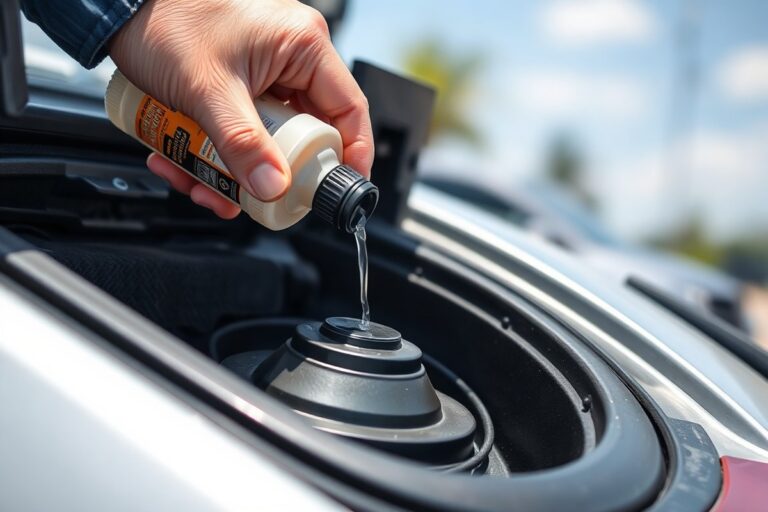
- Pour the stabilizer directly into the fuel tank or gas can.
- Add fresh gasoline to top off the tank or container.
- Start the engine and let it idle for about five minutes to circulate the stabilized fuel.
- Turn off the engine and store the vehicle or equipment as needed.
What Problems Fuel Stabilizer Prevents in Engines and Fuel Systems
Fuel stabilizer prevents common problems that happen when gasoline sits unused for long periods. Over time, chemical reactions cause fuel to degrade and form gum and varnish deposits. These sticky residues can coat carburetor jets and fuel injector passages, leading to poor engine starting and rough running. By stabilizing the fuel, the additive stops oxidation processes that produce these deposits, keeping fuel components cleaner and engines ready to run after months in storage.
Corrosion in fuel systems occurs when moisture inside the tank or fuel lines reacts with metal surfaces, causing rust that can clog filters and damage components. Fuel stabilizers contain corrosion inhibitors that form a protective film on metal parts, preventing exposure to water and acidic compounds. You can check if these inhibitors work by using a corrosion test strip on treated fuel, the strip will stay bright and free from stains when inhibitors are active.
Using fuel stabilizer is generally safe for all gasoline and diesel engines, including small two-stroke engines common in chainsaws, snowmobiles, and dirt bikes. The right product prevents gum and varnish buildup without leaving heavy residues that might harm delicate parts. Most manufacturers design stabilizers to be compatible with ethanol-blended fuels, which can otherwise cause phase separation and accelerate fuel breakdown. Be sure to select a stabilizer from a reputable brand with clear claims on corrosion and deposit prevention and positive user feedback.
To get the best protection, add the stabilizer to fresh fuel before storage, mixing according to the product instructions, typically one ounce per gallon of gasoline. Properly treated fuel stored at temperatures below 80°F can remain stable and free from harmful deposits for three to twelve months, depending on storage conditions. Untreated fuel often begins to degrade noticeably within three months, so stabilizer helps maintain fuel quality and safeguards engine performance during seasonal downtime.
Cost-wise, stabilizers usually run between $8 and $15 per 8-ounce bottle, treating several gallons of fuel. This cost helps avoid expensive repairs caused by clogged injectors, damaged carburetors, or rusted tanks. Fuel systems free from gum, varnish, and corrosion mean cleaner starts and improved fuel efficiency when the engine is used again. Taking these simple steps protects your small engines and outdoor equipment efficiently.
Differences Between Fuel Stabilizers and How to Choose the Best One
Different fuel stabilizers vary in chemical makeup and testing standards, affecting their ability to prevent fuel degradation. Choosing the right stabilizer depends on the fuel type you use and the storage conditions. Testing certifications like ASTM D525 provide a reliable way to compare their effectiveness.
Common Brands and Their Features
Popular stabilizers like AMSOIL Gasoline Stabilizer and Sea Foam Motor Treatment use antioxidants and detergents to slow oxidation and clean the fuel system. AMSOIL tends to have a higher concentration of active antioxidants, demonstrating longer protection in independent tests. Sea Foam combines stabilizing capabilities with cleaning agents suited for sporadic engine use.
Cost varies between $10 and $20 for typical 8-12 oz bottles, depending on concentration and additional additives. Some brands focus on a minimalist formula just enough to pass industry tests, while others add extra protections that extend fuel life beyond the official test standards.
ASTM Standards for Stabilizer Performance
The most accepted industry benchmark is the ASTM D525 Oxidation Stability Test. It evaluates how long a treated fuel withstands peroxide buildup when heated with oxygen. Effective stabilizers show extended resistance, indicating they slow the chemical reactions that degrade fuel.
AMSOIL and Sea Foam both have third-party ASTM D525 test results confirming their performance levels. Another related test, ASTM D665B, measures resistance to corrosion, critical for ethanol-blended fuels and marine applications.
| Brand | Key Ingredient Focus | ASTM D525 Tested | Corrosion Resistance ASTM D665B | Ideal Fuel Type | Price (approx.) |
|---|---|---|---|---|---|
| AMSOIL Gasoline Stabilizer | High antioxidant concentration | Yes (July 2022) | Yes (Modified NACE TM0172) | Gasoline, Ethanol blends | $15, $20 per 8 oz |
| Sea Foam Motor Treatment | Combination stabilizer & cleaner | Yes (June 2022) | Yes (Modified NACE TM0172) | Gasoline, Ethanol blends, some diesel use | $10, $15 per 12 oz |
Check for test certifications to confirm a stabilizer’s reliability. Testing ensures the chemical makeup delivers measurable resistance to degradation instead of just meeting minimal standards.
Suitability for Gasoline, Ethanol Blends, and Diesel
Gasoline stabilizers typically target oxidation and gum formation in standard unleaded fuels. Stabilizers designed for ethanol blends also address acid buildup and corrosion caused by ethanol’s interaction with fuel system metals. Brands like AMSOIL specify improve corrosion inhibitors to protect carburetors and fuel lines from ethanol damage.
Diesel fuels require different stabilizers because they degrade under different chemical processes, mainly microbial growth and water contamination. Some multi-use products like Sea Foam offer partial diesel compatibility, but dedicated diesel stabilizers are better for long-term storage of diesel engines.
Tip: Always choose a stabilizer tested for your specific fuel type, especially with ethanol blends, to avoid corrosion and engine issues during storage.
Common Mistakes When Using Fuel Stabilizer and How to Avoid Them
Using too much fuel stabilizer can cause engine problems by leading to residue buildup or fouling in the fuel system. Stick to the manufacturer’s recommended dose, usually listed as a certain amount per gallon of fuel. Overdosing does not improve fuel stability and may harm engine performance or cause clogging.
Common mistakes with fuel stabilizer include adding it to gasoline that is already stale, not running the engine after adding stabilizer, and improper dosing. Adding stabilizer to old fuel does not reverse degradation, it only prolongs freshness when added to fresh fuel or fuel with minimal age. Not running the engine after adding stabilizer leaves untreated fuel in the lines and carburetor, increasing the chance of gum and varnish formation. To prevent these issues, use a checklist:
- Add fuel stabilizer only to fresh or recently purchased gasoline.
- Measure stabilizer carefully, following label instructions, typically 1 ounce per gallon of fuel.
- Pour the stabilizer into the fuel tank before filling with gasoline for better mixing.
- Run the engine for 3 to 5 minutes after adding stabilized fuel to circulate it through the system.
- Store equipment with a full tank treated with stabilizer to reduce air space and moisture buildup.
- Before storage, change the oil and clean or replace spark plugs to ensure easier starting later.
Starting the engine after adding stabilizer is especially important for all gas-powered vehicles and equipment intended for storage longer than 30 days. This ensures that the stabilizer-treated fuel reaches every component where breakdown and corrosion typically start.
If the engine won’t start after storage, it’s most likely due to degraded fuel that was not properly stabilized, or fuel residue clogging the carburetor or fuel injectors. Draining the stale fuel and refilling with fresh fuel plus stabilizer before running the engine again often resolves this. For small engines, cleaning or rebuilding the carburetor might be necessary if clogging is severe.
How Ethanol in Fuel Affects Stabilizer Use and Fuel Storage
Ethanol is commonly added to gasoline, with most fuels in the U.S. Containing around 10 percent ethanol, labeled as E10. This additive absorbs moisture from the surrounding air more readily than pure gasoline because ethanol is hygroscopic. This means it draws water molecules directly into the fuel mixture during storage, which can lead to fuel degradation and engine issues if left untreated.
When moisture content in ethanol-blended fuels reaches about half a percent by volume, ethanol and water no longer stay fully mixed. Instead, they separate from the gasoline, forming a layer of water and ethanol that settles at the bottom of the tank or fuel container. This phase separation can cause engines to run poorly or fail to start, as the separated water-ethanol mix dilutes the fuel entering the system.
Fuel stabilizers play a key role in preventing problems related to ethanol and moisture. Most stabilizers contain ingredients that slow down chemical reactions causing fuel breakdown. More importantly, many fuel stabilizers also help manage water accumulation by making it easier for the engine to burn fuel that contains small amounts of water mixed in. This helps extend the usable life of the fuel during longer storage periods.
Using a stabilizer becomes increasingly important if you plan to store ethanol-blended fuel over several months, common when maintaining outdoor equipment like lawnmowers, chainsaws, or generators during an off-season. Without stabilizer, ethanol fuels can degrade within a month or two, especially in humid environments where moisture ingress is higher.
Some fuel stabilizers are specially formulated for fuels containing ethanol blends such as E10 or E15. These stabilizers often include additives that help prevent phase separation by improving the fuel’s ability to stay mixed and reduce moisture effects. They also provide extra protection against corrosion caused by water contamination in the fuel system.
To use these stabilizers effectively, add the recommended amount according to the product label before storing your fuel. For example, many products require about one ounce of stabilizer per gallon of fuel. Stir or shake the fuel container gently to mix the stabilizer thoroughly. Store fuel in tightly sealed containers to limit further moisture absorption. This approach helps maintain fuel stability for up to 12 months or more, depending on the stabilizer and storage conditions.
Failing to use a stabilizer or using one not designed for ethanol blends can lead to fuel turning gummy, clogging carburetors or fuel injectors, and damaging seals. Maintaining your fuel with the appropriate stabilizer protects your equipment’s performance and reduces the risk of costly repairs down the line.
Safety Tips and Best Practices When Using Fuel Stabilizer
Fuel stabilizer is an additive that helps keep gasoline from deteriorating and forming sticky gum or varnish inside your engine or storage container. This product makes it easier to store fuel for longer periods, but you should handle it with care. The stabilizer often includes flammable and volatile chemicals, so keep it away from flames, sparks, and smoking areas. Wearing gloves will protect your skin, and using it in a space with good airflow helps reduce inhalation of harmful fumes.
Safe storage keeps both fuel and its stabilizer from causing spills, contamination, or harm to the environment. Gasoline should be kept in containers built for fuel, typically made from high-density polyethylene or approved metal, and clearly marked. Keep these containers tightly closed and store them in a cool, dry location away from sunlight and heat, ideally below 80°F to prevent fuel loss and damage. The fuel stabilizer bottle requires the same care: keep it sealed, upright, and out of reach of children and pets.
Some fuel stabilizers are formulated to be more environmentally friendly, using less harmful chemical components. Look for products that advertise biodegradable ingredients or low toxicity. Using these options reduces risk to local waterways and soil in case of accidental spills. Always dispose of empty stabilizer bottles and leftover fuel according to local hazardous waste regulations to prevent environmental damage.
- Wear chemical-resistant gloves when pouring fuel stabilizer.
- Mix stabilizer with fuel outdoors or in well-ventilated areas.
- Store fuel and stabilizer in approved, labelled containers.
- Keep containers sealed to prevent leaks and evaporation.
- Avoid storing fuel and stabilizer near heat sources or open flames.
- Use environmentally safer stabilizers if available.
- Dispose of any waste fuel or stabilizer at hazardous waste facilities.
Never add fuel stabilizer to a running engine; always add it to fresh fuel before storage to ensure safety and effectiveness.
Prices for fuel stabilizers generally range from about $5 to $15 per bottle, depending on size and brand. The cost is a worthwhile investment to avoid costly engine repairs caused by degraded fuel. Following proper safety and storage practices also helps maximize the shelf life of both the fuel and the stabilizer, ensuring your equipment starts smoothly after months of inactivity.
Step-by-Step Action Plan to Use Fuel Stabilizer Effectively
Keep your fuel fresh and your engine running smoothly by following these clear steps when using fuel stabilizer.
- Before Storage: Add fuel stabilizer to fresh gasoline as soon as possible to prevent degradation and varnish build-up.
- Fill the Tank: Top off the fuel tank to minimize air space, which slows oxidation and stabilizer breakdown.
- Mix Thoroughly: Run the engine for 5 minutes after adding the stabilizer to ensure it circulates through the fuel system.
- Every 3 Months: Check stored fuel; if it smells sour or the equipment shows starting difficulty, consider replacing fuel or adding fresh stabilizer.
- Before Use After Storage: Drain old fuel and add fresh gasoline with stabilizer if the engine sits unused for more than 6 months.
- For Ethanol-Blended Fuels: Use a stabilizer formulated for ethanol blends to combat phase separation and corrosion effectively.
- Regular Maintenance: Clean fuel filters and inspect fuel lines to prevent issues that stabilizer alone can’t fix.
Frequently Asked Questions
Do Fuel Stabilizers Really Work?
Yes, fuel stabilizers prevent gasoline from degrading and forming gum and varnish when stored properly, protecting your engine from buildup and ensuring easier starts after storage. Their effectiveness depends on following the correct dosage and mixing procedures.
Is It Okay to Use a Fuel Stabilizer All the Time?
Using fuel stabilizer in every tank is not necessary unless you plan to store fuel or equipment for weeks; constant use may be uneconomical and doesn’t add extra benefit for daily operation.
Do You Add Fuel Stabilizer Before or After Gas?
Add fuel stabilizer to an approved gas can or tank first, then fill with gasoline and seal; this method mixes the stabilizer thoroughly and limits exposure to air and water.
Can You Put Too Much Fuel Stabilizer in a Gas Tank?
Yes, overusing stabilizer won’t improve protection and could harm engine performance; always follow the product label’s recommended dosage for your fuel volume.
How Long Can Fuel Stabilizer Keep Gasoline Fresh?
Fuel stabilizer generally keeps gasoline usable for up to 12 months when stored in a sealed container.
Will Fuel Stabilizer Work with Ethanol-Blended Gasoline?
Most fuel stabilizers are formulated to work with ethanol blends, helping to prevent phase separation and fuel degradation in ethanol-containing gasoline.
Key Points to Remember
Fuel stabilizer works by slowing chemical reactions that degrade gasoline, keeping your fuel fresh longer and protecting engine parts from damage. Using stabilizer correctly can extend equipment life, reduce maintenance, and avoid costly repairs. Start by treating your fuel promptly before storage and choosing the right product for your fuel type to get the most benefit. Taking this simple step now helps ensure your engines run smoothly whenever you need them.