How to Use Subzero R 1234 for Jeep Wrangler A/C: Simple Steps for Safe, Effective Cooling
Learning how to use Subzero R 1234 for Jeep Wrangler A/C involves confirming system compatibility, evacuating refrigerant completely, then carefully recharging with the correct amount. This next-generation refrigerant keeps your air conditioning efficient and eco-friendly when applied properly. Start by checking your Jeep’s service manual and testing for leaks to ensure the system is sealed and ready.
Key Takeaways
- Verify Jeep Wrangler A/C system compatibility with Subzero R 1234 using the vehicle’s service manual and a refrigerant identifier tool.
- Completely empty the A/C system and conduct a leak inspection prior to filling it with Subzero R 1234 to prevent harm and loss of coolant.
- Use pressure gauges to monitor the system closely during recharge and add Subzero R 1234 refrigerant at the exact manufacturer-recommended amount.
- Wear safety gear such as goggles and gloves when handling Subzero R 1234 to protect against refrigerant exposure and injury.
- Inspect all A/C components thoroughly prior to recharge to confirm no damage or leaks that could affect Subzero R 1234 performance.
- Troubleshoot common A/C issues like insufficient cooling or abnormal pressure readings after recharge to maintain peak system function.
How to Safely Recharge Jeep Wrangler A/C with Subzero R 1234
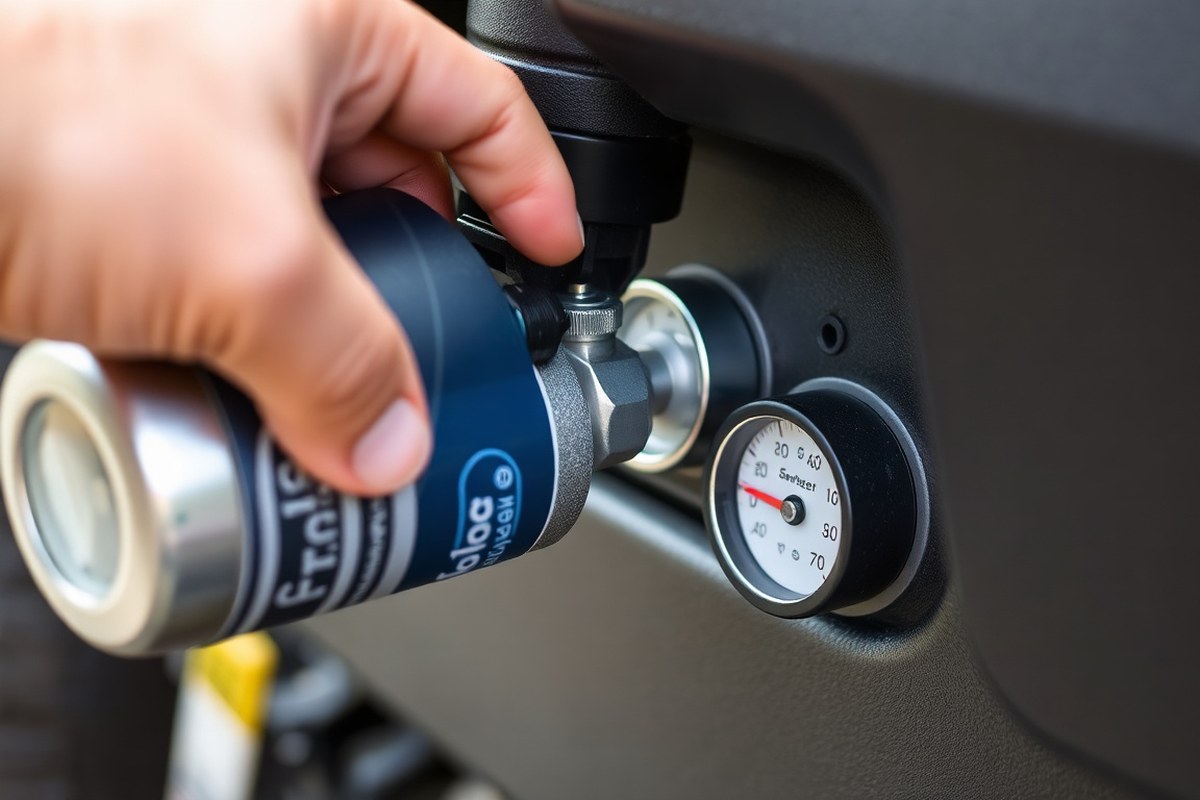
Recharging your Jeep Wrangler’s A/C system with Subzero R 1234 refrigerant requires precision and care to ensure optimal cooling and system health. The process starts with completely evacuating the old refrigerant and checking for leaks, which preserves system integrity. Adding Subzero R 1234 follows a strict sequence that involves monitoring pressure levels closely to avoid undercharging or overcharging. Correct pressure readings mean your system is working efficiently, providing reliable and environmentally friendly cooling. After recharging, detaching your equipment properly and verifying system performance prevents leaks and damage.
- Connect your manifold gauge set. Attach the low and high-pressure hoses to the corresponding service ports on your Jeep Wrangler’s A/C system. Ensure all connections are tight to avoid leaks.
- Use a vacuum pump to clear out the system. Operate it for a minimum of 30 minutes to eliminate any remaining refrigerant and moisture. This process guarantees the system is fully sealed and prepared for Subzero R 1234.
- Perform a leak test. With the vacuum pump off, monitor the pressure gauges for 10 to 15 minutes. Pressure should remain steady; any drop indicates a leak that must be repaired before proceeding.
- Zero your refrigerant scale and attach a canister of Subzero R 1234. Using a scale ensures you add the precise refrigerant charge. Weight the refrigerant before and during charging for accuracy.
- Add Subzero R 1234 refrigerant slowly. Open the low-pressure valve and allow refrigerant to flow into the system while monitoring the gauges. Follow your Jeep Wrangler’s manual for the exact charge amount, typically between 15 and 20 ounces depending on model and system capacity.
- Monitor pressure readings closely. Your goal is to reach the correct low and high side pressures as specified by manufacturer guidelines, often around 30-40 psi on the low side and 200-250 psi on the high side at normal operating temperatures (about 85°F ambient). Adjust flow to maintain these levels.
- Close all valves and detach equipment carefully. Once the system is charged to specification, close the manifold valves and disconnect hoses. Immediately replace service port caps to prevent leaks.
- Test system performance. Start the Jeep and run the A/C at the highest setting. After 5 to 10 minutes, check that cabin air temperature is noticeably cooled and pressure readings remain stable. This confirms proper recharge.
Expect to spend about $50 to $80 on Subzero R 1234 refrigerant and an additional $30 to $70 on proper equipment if you don’t already have it. Properly recharging avoids common problems like compressor damage from overcharging or poor cooling from undercharging. Maintaining steady pressure and carefully monitoring the refrigerant weight during addition are key to a successful recharge.
Confirming Jeep Wrangler Compatibility with Subzero R 1234 Refrigerant
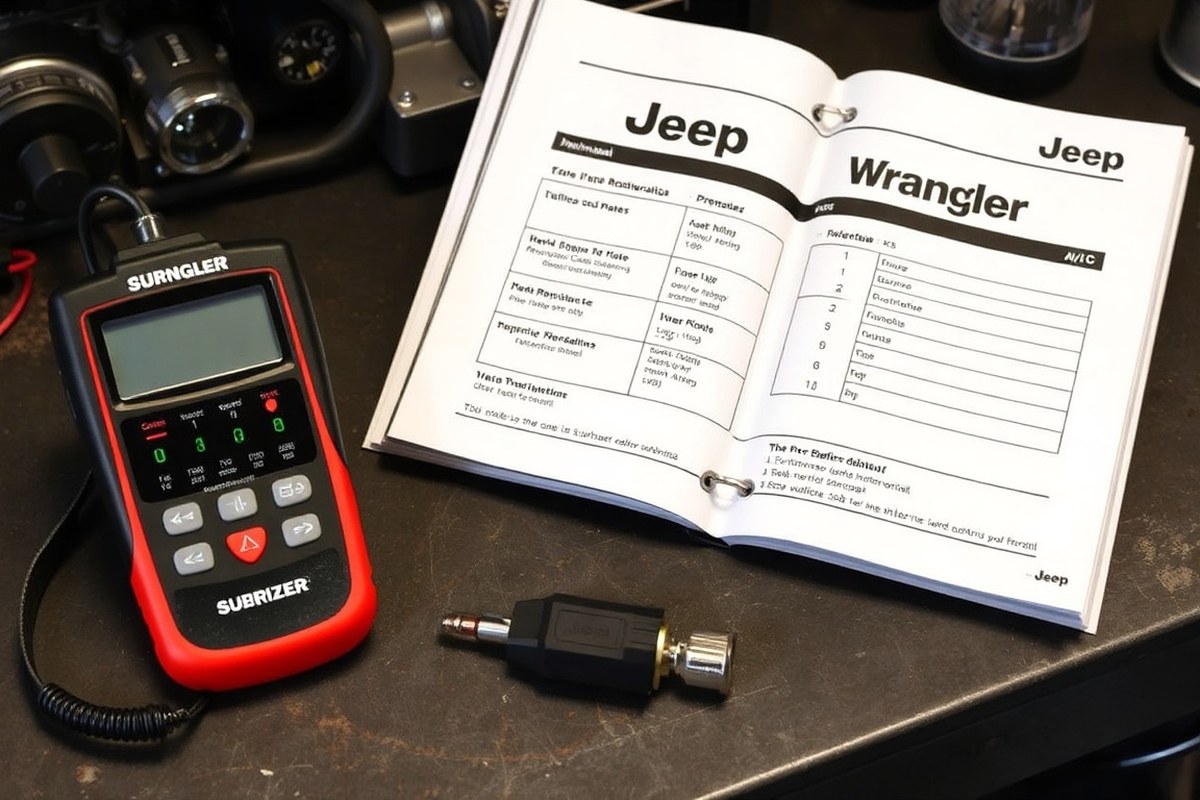
Your Jeep Wrangler must be compatible with Subzero R 1234 refrigerant before use. Confirm this by checking your vehicle’s service manual for refrigerant specifications, conducting a thorough leak test on the A/C system, and verifying if your model year supports R 1234. Skipping these steps risks damaging your A/C system or voiding warranties.
Using the Vehicle Service Manual for Refrigerant Specs
Start by locating your Jeep Wrangler’s service manual, either the physical copy or a manufacturer’s online version. This manual lists the exact refrigerant types approved for your specific model and year. Look for a section labeled “Air Conditioning System” or “Refrigerant Information.”
Check if Subzero R 1234, which is a next-generation refrigerant, is officially supported. Many Wrangler models from 2017 onward may be designed for R-1234 refrigerants, but exact compatibility depends on the system’s specifications. When the manual only lists older refrigerants such as R-134a, the system probably requires modifications to be compatible. Following the manual prevents damage and ensures your air conditioning performs efficiently with Subzero R 1234’s eco-friendly benefits.
Conducting a Complete System Leak Test
Before switching refrigerants, inspect the A/C system for leaks that could cause refrigerant loss or damage. Use a manifold gauge set to measure system pressure and a reliable electronic leak detector designed for automotive use. Connect the gauge to the low and high sides of the system and observe the pressure levels compared to specs in the service manual.
Should the system pressure fall quickly or a leak detector show escaping gases, find and fix all leaks before using Subzero R 1234. Leaks often occur around hoses, fittings, compressor seals, and valves in the evaporator or condenser.
- Park your Wrangler on a level surface with the engine off and keys out
- Attach the manifold gauge set securely to low and high side ports
- Check static pressure against ambient temperature charts for consistency
- Run the leak detector around all fittings and connections slowly
- Mark any leak points and plan repairs accordingly
Once all leaks are fixed, evacuate the system to remove moisture and air before recharging.
Leaks allow air and moisture into your system, which can degrade performance and cause expensive repairs, never skip this step.
Identifying Incompatible Jeep Wrangler Model Years
Certain Wrangler model years may not support Subzero R 1234 refrigerant without upgrading components. Generally, Wranglers made before 2017 were built around R-134a systems and should avoid Replacing refrigerants without professional conversion. Using R 1234 in these models can cause system inefficiencies or damage clear regulatory risks. Models from 2017 onward often come with or can be adapted for R-1234 use, but verify OEM recommendations. The following checklist helps you decide if your Jeep Wrangler should avoid Subzero R 1234:
- Model year earlier than 2017
- A/C system not listed for R-1234 in the service manual
- Presence of older components such as compressors or hoses incompatible with R-1234’s chemical properties
- No prior professional conversion to accept R-1234 refrigerant
- Warranty restrictions against using non-OEM refrigerants
Check warranty terms and confirm parts compatibility to avoid voiding coverage or harming your A/C system’s durability.
Essential Tools and Safety Gear for Subzero R 1234 A/C Recharge
Gathering the right tools and safety gear is essential for a successful and safe A/C recharge on your Jeep Wrangler using Subzero R-1234 refrigerant. Accurate pressure measurement, leak detection, and personal protection will ensure the process goes smoothly without damaging the system or risking injury.
Refrigerant Gauge Sets Compatible with R 1234
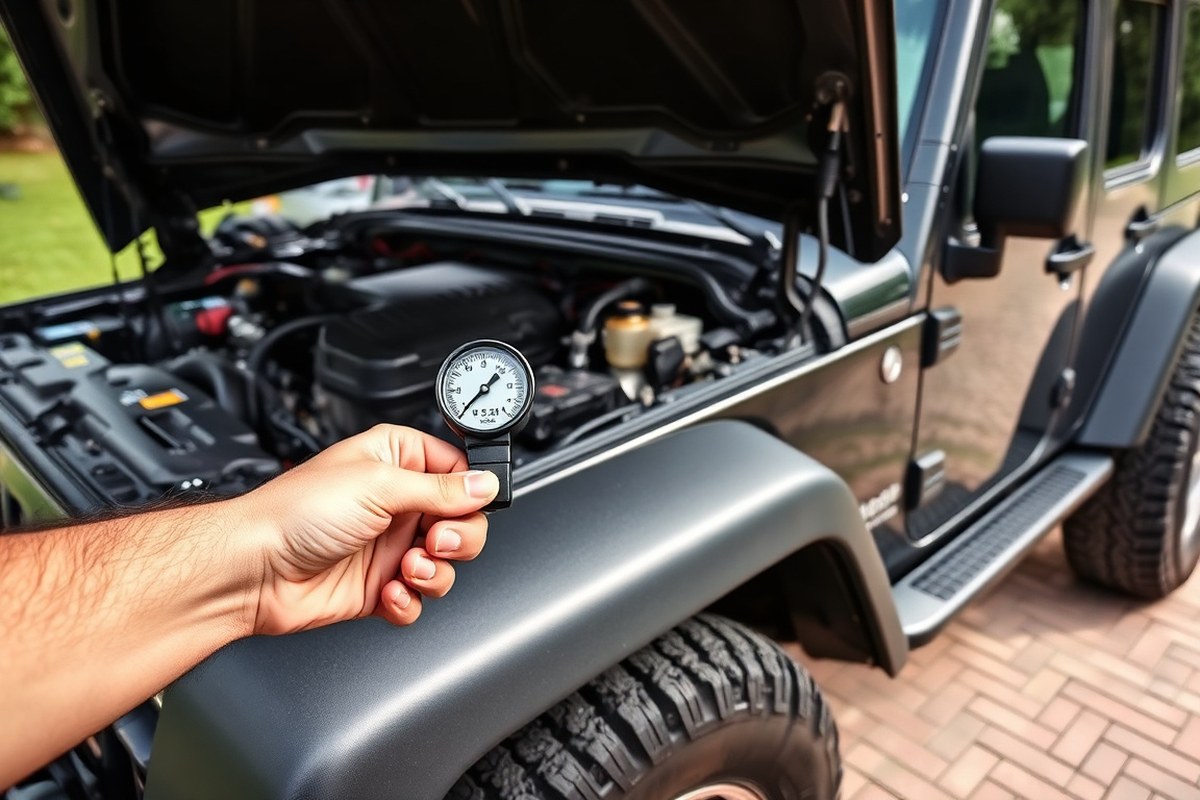
Use a manifold gauge set specifically designed for R-1234yf refrigerant to handle Subzero R-1234 safely. These gauge sets have calibrated scales that match the pressure characteristics of R-1234, preventing inaccurate readings that could lead to overcharging or undercharging. Look for digital or analog gauges that clearly display both high and low side pressures within the expected range for the Jeep Wrangler’s A/C system.
Brands such as Robinair and Yellow Jacket offer reliable R-1234-compatible gauge sets, with prices typically ranging from $150 to $300 depending on features. A gauge set with a built-in refrigerant scale or the ability to connect an electronic scale offers more precise measurement, which is critical for maintaining system integrity and performance.
Personal Protective Equipment Essentials
Wear the right protective gear while handling Subzero R-1234 refrigerant to avoid chemical exposure and frostbite injuries. Refrigerants in liquid form are extremely cold, and direct skin contact can cause damage. Always use chemical-resistant gloves rated for refrigerants, such as nitrile gloves, and safety goggles or a full-face shield to protect your eyes and face.
Long sleeves and pants made from durable fabric add a layer of protection. Respiratory protection is usually not necessary in well-ventilated garages, but consider a mask if airflow is limited. Avoid synthetic fabrics that can melt in case of a spill. Investing in quality PPE keeps you safe during every step of the recharge process.
Additional Tools Such as Vacuum Pumps and Leak Detectors
A vacuum pump is necessary to evacuate any moisture or air trapped inside the A/C system before adding Subzero R-1234. Moisture can cause system damage and reduce efficiency. A pump rated for automotive A/C systems typically costs between $100 and $300. Select a model with a micron gauge to confirm you’ve reached the proper vacuum level, commonly below 500 microns.
Leak detection tools help verify the system is leak-free after recharging. Electronic leak detectors designed for R-1234 refrigerants or UV dye kits are practical options. UV dyes require a compatible UV light to spot potential leaks around fittings and hoses, providing a clear visual indication of problems.
- Subzero R-1234 refrigerant canister
- Manifold gauge set calibrated for R-1234yf
- Electronic refrigerant scale for measuring charge
- Chemical-resistant nitrile gloves and safety goggles
- Vacuum pump with micron gauge
- Electronic leak detector or UV dye leak kit
- Long-sleeve clothing and protective footwear
Completing this tool and safety gear checklist before starting means you can recharge your Jeep Wrangler’s A/C system effectively with Subzero R-1234, protect yourself from hazards, and maintain proper system function and refrigerant charge accuracy.
Preparing Your Jeep Wrangler for Subzero R 1234 Recharge
Begin by parking your Jeep Wrangler on a flat surface with the engine off. This ensures safety and allows the A/C system to depressurize completely before you start working. Attempting to recharge while the system is pressurized or the engine is running can lead to inaccurate pressure readings and risks to your safety.
Next, evacuate the existing refrigerant from the A/C system. This step is important because leftover refrigerant can contain contaminants or chemicals incompatible with Subzero R-1234, which could damage the system or reduce cooling efficiency. A common approach involves connecting an evacuation pump to your vehicle’s service ports and running it for about 30 to 45 minutes to remove all old refrigerant and moisture. Proper disposal of the evacuated refrigerant is required by environmental regulations, so plan to either use certified recycling equipment or take the recovered gas to a qualified disposal facility.
After evacuation, inspect and clean the A/C components thoroughly. Dirt, debris, or oil residue inside the system can clog the expansion valve or damage the compressor, leading to poor performance or failure. Use A/C flush products approved for automotive systems, following instructions carefully to avoid damage. Pay special attention to the condenser and evaporator coils, ensuring they are free of buildup and leaks. You can perform a leak check by applying a leak detection dye or using electronic leak detectors on all fittings and hoses. Fix any leaks before proceeding with the recharge to avoid losing refrigerant after service.
- Park Jeep Wrangler on level ground and switch off the engine
- Connect an evacuation pump to service ports and remove all old refrigerant (30, 45 minutes)
- Comply with local regulations when disposing of evacuated refrigerant
- Clean A/C components with approved flush products to remove contaminants
- Inspect condenser, evaporator, hoses, and fittings for debris and leaks
- Use leak detection methods to confirm system integrity before recharge
Completing these steps properly protects your Jeep Wrangler’s A/C system, ensuring it accepts the new Subzero R-1234 refrigerant in optimal condition. Neglecting any part of preparation can lead to reduced cooling performance, increased wear on components, or environmental harm due to refrigerant leaks. Budget for about $50 to $150 if you hire professional evacuation and leak testing services, or invest in quality DIY tools for reuse over time. Good preparation sets a solid foundation for a successful and effective A/C recharge.
Common Issues and Troubleshooting After Subzero R 1234 Recharge
After recharging your Jeep Wrangler’s A/C system with Subzero R 1234, watch for signs like weak airflow, inconsistent cooling, or strange noises from the compressor. These issues often point to low refrigerant pressure, compressor faults, or system leaks. Confirm the problem by checking the high- and low-side pressure gauges; normal low-side pressure should be around 30 to 40 psi at 70°F outside temperature. Low-side pressure below 20 psi indicates undercharging or a leak, while high-side pressure over 60 psi may point to a blockage or compressor issue.
Diagnosing compressor engagement starts with listening for the compressor clutch clicking on and off when the A/C is turned on. No clicking usually means an electrical problem or the clutch won’t engage because of low pressure. Use a multimeter to verify voltage at the compressor clutch connector; lack of voltage signals wiring or control module issues. The clutch engaging without proper cooling signals possible internal compressor problems or low refrigerant flow.
Fixing leaks before recharge is essential. Use an electronic leak detector or apply UV dye during the filling process to reveal leaks at hose connections, condenser, evaporator, or O-rings. Even a small leak reduces efficiency and causes frequent recharge needs. Once you identify the source, replace the faulty parts or tighten connections. After repair, evacuate the system for at least 30 minutes with a vacuum pump to remove moisture and air before adding new Subzero R 1234 refrigerant.
A common mistake is overcharging the system, which increases pressure and stress on components, potentially leading to compressor failure. Follow the manufacturer’s recommended fill amount, usually about 13 to 16 ounces of Subzero R 1234 for Jeep Wranglers, checking pressure readings throughout. Use the verification checklist post-recharge: confirm system pressures are within expected ranges, compressor clutch cycles correctly, cabin air temperature drops by at least 20°F within five minutes, and no abnormal noises occur. Any discrepancies require repeating the diagnosis or performing additional leak detection.
Should you notice fluctuating pressures or the air doesn’t get cold enough, repeat the vacuum process and check for unnoticed leaks or damaged expansion valves. Sometimes, the accumulator or dryer also needs replacement after contamination or extended downtime. These parts are relatively affordable, typically $30 to $70, but make a big difference in system reliability. Regular maintenance prevents frequent recharge and costly compressor repairs.
Always evacuate the system thoroughly before refilling with Subzero R 1234 to avoid moisture contamination that can damage your Jeep Wrangler’s A/C components.
Safety Best Practices When Handling Subzero R 1234 Refrigerant
Handling Subzero R-1234 refrigerant demands strict safety protocols to protect you and your Jeep Wrangler’s A/C system. Wearing chemical-resistant gloves and goggles is essential to prevent skin and eye contact, as refrigerants can cause frostbite or irritation. Perform all work in a well-ventilated space to avoid inhaling fumes, which can lead to respiratory issues. Avoid direct exposure by carefully controlling refrigerant flow and never releasing it indoors.
Preventing accidents starts with preparing a clear safety checklist to follow during every step of your refrigerant handling. This includes setting up tools correctly, checking for leaks, and monitoring pressure gauges to avoid overcharging. Always remove old refrigerant properly before introducing Subzero R-1234 to prevent contamination, which can damage your system and increase hazards.
- Wear chemical-resistant gloves and safety goggles at all times.
- Work in a ventilated area to disperse any vented gases safely.
- Check your equipment and hoses for leaks before starting.
- Remove refrigerant cautiously using approved recovery machines.
- Store refrigerant cylinders upright in a cool, dry place away from heat sources.
- Keep Subzero R-1234 away from sparks, flames, or electrical equipment.
- Dispose of empty or unused refrigerant cylinders according to local regulations.
Proper storage reduces the risk of leaks or pressure build-up that could lead to dangerous releases. Refrigerant cylinders must be secured upright, kept between 50°F and 85°F, and shielded from direct sunlight or heat. Overpressurized containers can rupture, posing fire or injury risks. For disposal, follow local hazardous waste guidelines strictly. Never vent Subzero R-1234 into the atmosphere, since improper release can harm the environment and violates EPA regulations.
Focusing on these safety steps not only protects your health but helps maintain the integrity of your Jeep Wrangler’s A/C system. Cost-wise, investing in quality personal protective equipment and proper storage solutions adds minimal upfront expense but significantly reduces risks of system damage or injury. Skipping any safety measure can result in refrigerant leaks, frost injuries, or costly system repairs that outweigh the initial precautions.
Maintaining Your Jeep Wrangler’s A/C for Optimal Subzero R 1234 Performance
Checking your Jeep Wrangler’s A/C system every three months after recharging with Subzero R 1234 is a good starting point. This schedule ensures refrigerant levels remain stable and the system performs efficiently. Regular maintenance helps catch leaks early, keeping your Subzero R 1234 refrigerant sealed inside and preserving cooling power.
Performing basic routine care can prolong how well the Subzero R 1234 works. You’ll want to check for visible signs of leaks such as oily residue around hoses and connections. Cleaning debris from the condenser fins helps air flow better and prevents overheating. Running the A/C system for a few minutes weekly, even in colder months, distributes the refrigerant evenly and keeps seals lubricated, reducing wear. Use this checklist for your routine system maintenance:
- Inspect for leaks at hoses, fittings, and the compressor every three months
- Clean condenser fins with compressed air or a soft brush twice per year
- Run the A/C for 5 minutes weekly to maintain refrigerant circulation
- Check refrigerant pressure using a gauge during seasonal changes
- Replace the cabin air filter every 12,000 to 15,000 miles
- Have a professional flush and recharge system every 2 years or 24,000 miles
Costs for DIY inspections mostly involve your time and basic supplies like a refrigerant pressure gauge ($20 to $40) and cleaning tools. Addressing small leaks early can save you from costly compressor replacements, which typically range from $300 to $700 installed. If cleaning or leak repair exceeds your skill set, plan to visit an automotive A/C specialist every 24 months or sooner if performance drops noticeably. A professional inspection includes detecting hard-to-find leaks, checking compressor condition, and ensuring the system is correctly charged with Subzero R 1234. Neglecting these can lead to decreased cooling output and premature component failure.
Signs that professional service is needed include weak airflow, strange noises from the compressor, or higher cabin temperatures on hot days. Keeping up with these maintenance routines prevents common issues and helps your Jeep Wrangler’s A/C deliver consistent, cold air while maximizing the efficiency that Subzero R 1234 enables.
Environmental and Performance Benefits of Subzero R 1234 in Jeep Wranglers
Subzero R 1234 significantly lowers your Jeep Wrangler’s environmental footprint while maintaining excellent cooling power. It offers a marked improvement over traditional refrigerants by reducing greenhouse gas emissions without affecting fuel efficiency. You can expect a stable refrigerant lifespan, ensuring effective cooling over many miles before needing a recharge.
Global Warming Potential Comparison
Subzero R 1234 has a low global warming potential (GWP), which means it contributes far less to climate change compared to older refrigerants. This is important because refrigerants with high GWP can trap heat in the atmosphere, accelerating environmental harm. Switching to Subzero R 1234 lets you lower your Jeep Wrangler’s carbon footprint while still benefiting from efficient air conditioning.
| Refrigerant | Global Warming Potential (GWP) | Environmental Impact |
|---|---|---|
| Subzero R 1234 | ~7 | Low |
| R-134a (Traditional) | 1,430 | High |
| R-12 (Older Class) | 10,900 | Very High |
Reducing GWP helps you comply with updated environmental regulations and supports cleaner air initiatives. Your Jeep Wrangler’s cooling system performs well with Subzero R 1234, benefiting your vehicle’s sustainability without sacrificing comfort.
Fuel Efficiency Impact Analysis
Subzero R 1234 maintains efficient cooling without increasing engine load, so it does not negatively affect your Jeep Wrangler’s fuel economy. This refrigerant operates effectively at typical under-hood temperatures, keeping your A/C system running smoothly even on hot days. By preserving cooling efficiency, it avoids extra strain on the engine that would raise fuel consumption.
Because the cooling system sustains optimal pressure levels, there’s no added drag or energy loss that could occur with less suitable refrigerants. Your Jeep will stay comfortable, and you won’t see a drop in miles per gallon tied to the choice of refrigerant.
Typical Lifespan of Subzero R 1234 in Vehicle A/C
The lifespan of Subzero R 1234 inside Jeep Wrangler air conditioning systems typically ranges from 2 to 3 years before a recharge might be necessary. This depends on factors like leak prevention, proper installation, and the vehicle’s maintenance. Maintaining system seals and avoiding refrigerant leaks help maximize how long Subzero R 1234 lasts.
Detecting unusual pressure changes or inconsistent cooling performance often signals a loss of refrigerant that shortens its effective lifespan. Regular A/C system checks are essential to spot issues early and keep your Wrangler’s cooling reliable.
Tip: Always check for leaks and system pressure regularly; a drop in performance usually means refrigerant loss that should be addressed quickly.
Step-by-Step Action Plan for Using Subzero R 1234 Refrigerant in Your Jeep Wrangler
Use this straightforward guide to safely and successfully recharge your Jeep Wrangler’s A/C system using Subzero R 1234 refrigerant.
- Before you start: Verify your Jeep Wrangler model supports Subzero R 1234 refrigerant by checking the owner’s manual or dealer specifications.
- Gather tools and gear: Assemble a refrigerant recharge kit compatible with R 1234, safety gloves, goggles, and a leak detector. Confirm all equipment is rated for R 1234 use.
- Initial system check: Run the A/C to identify current cooling performance and inspect for visible leaks or damaged components.
- Recover or evacuate old refrigerant: If possible, safely remove any existing refrigerant from the system per environmental regulations to avoid contamination.
- Recharge with Subzero R 1234: Attach the recharge kit following instructions, fill refrigerant slowly, and monitor system pressure gauges. Stop when pressures match recommended specs for your Jeep Wrangler year and model.
- Test after recharge: Run the A/C and measure vent temperature drop to ensure effective cooling. Confirm no leaks or abnormal noises appear.
- Post-recharge maintenance: Schedule regular A/C system check-ups, cleaning the condenser and checking refrigerant levels every 6 months or 12,000 miles to sustain performance.
Frequently Asked Questions
How Do You Verify the Correct Amount of Subzero R 1234 for Your Jeep Wrangler?
Check your Jeep Wrangler’s service manual for exact refrigerant capacity and monitor pressure gauges during charging to avoid under or overfilling. Accurate measurement prevents damage and ensures optimal cooling.
What Should You Do If Your Jeep Wrangler’s A/C Pressure Readings Are Abnormal After Using Subzero R 1234?
Abnormal pressure often signals leaks or improper charging; perform a leak test and verify the refrigerant level before recharging. Addressing this early protects your A/C system from damage.
Can Using Subzero R 1234 Affect the Longevity of Your Jeep Wrangler’s A/C Components?
Yes, using Subzero R 1234 properly can extend component life if the system is leak-free and correctly charged. Incorrect use or contamination might lead to premature wear or failure.
How Do Temperature Variations Impact Recharging Your Jeep Wrangler’s A/C with Subzero R 1234?
Ambient temperature influences gauge readings and refrigerant pressure; recharge in moderate conditions for more accurate results. Avoid very hot or cold environments during the process.
Is It Necessary to Evacuate Moisture from the Jeep Wrangler’s A/C System Before Adding Subzero R 1234?
Absolutely, moisture causes system corrosion and less efficient cooling; always evacuate the system thoroughly with a vacuum pump before recharging.
What Do You Do If Your Jeep Wrangler’s A/C System Shows Signs of Poor Cooling After a Subzero R 1234 Recharge?
Inspect for leaks, check refrigerant levels, and ensure components like the compressor and condenser are functioning well. Sometimes a system flush or professional diagnosis is needed.
Final Thoughts
Using Subzero R 1234 refrigerant in your Jeep Wrangler requires careful preparation and adherence to safety steps. Ensuring compatibility and following recharge guidelines lead to efficient cooling and long-term system health. Start by confirming your Wrangler’s A/C system is leak-free, then proceed with a proper recharge to enjoy reliable cooling on every drive.