How Often to Replace Spark Plugs for Heavy Duty Cycle: A Complete Guide with Best Intervals and Tips
How often to replace spark plugs for heavy duty cycle depends on the spark plug type and usage conditions. Platinum and iridium spark plugs generally last between 60,000 and 100,000 miles under heavy-duty use. Start by checking your spark plug material and maintenance schedule to determine the best replacement interval.
Key Takeaways
- Copper or nickel spark plugs need replacement every 20,000 to 30,000 miles in heavy-duty cycles.
- Platinum spark plugs typically last between 50,000 and 100,000 miles in demanding conditions.
- Iridium spark plugs can remain effective for 75,000 to over 100,000 miles in heavy-duty engines.
- Replace spark plugs on Gators and UTVs every 100 hours of operation for optimal performance.
- Vehicles with spark ignition usually have spark plug gaps between 0.02 and 0.04 inches diameter.
- Regular inspection of spark plug condition helps identify when early replacement is needed.
How Often to Replace Spark Plugs for Heavy Duty Cycles
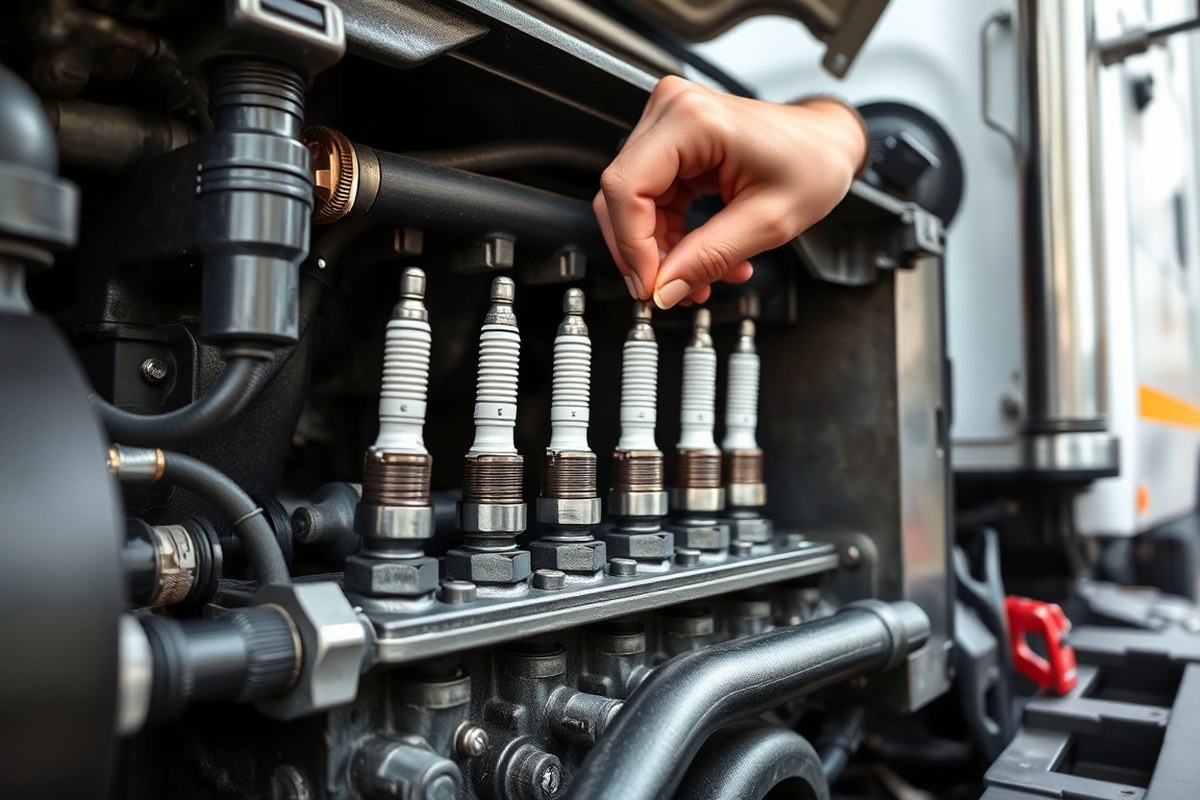
For heavy-duty vehicles and equipment, replacing spark plugs depends on both mileage and operational hours, as well as the specific engine design and usage conditions. Generally, heavy-duty trucks and machinery should have their spark plugs replaced between 60,000 and 100,000 miles or every 100 operational hours when hour meters are available. Following this schedule helps maintain engine performance, fuel efficiency, and avoids costly repairs caused by worn plugs.
Heavy-duty engines often experience harsher conditions than passenger vehicles, making regular spark plug maintenance more important. Truck manufacturers and engine makers typically recommend replacement intervals tailored to their engines’ operating cycles. When equipment runs in slow, high-load cycles, or in dusty and hot environments, inspect spark plugs more frequently and consider shortening replacement intervals to avoid misfires or power loss.
Using an hour-based replacement schedule is beneficial for equipment like forklifts, construction machinery, and some agricultural vehicles, which operate under steady load rather than accumulating high highway mileage. Replacing spark plugs every 100 hours of operation provides a practical method to ensure timely maintenance without relying on mileage tracking alone.
| Type of Vehicle/Equipment | Recommended Spark Plug Replacement Interval |
|---|---|
| Heavy-duty trucks (diesel with spark ignition) | 60,000 – 100,000 miles |
| Heavy machinery (construction/agriculture, hour-based) | Every 100 operational hours |
| Passenger vehicles (example: Porsche Macan) | 60,000 miles |
| Sports cars (example: Porsche 911) | Every 40,000 miles |
| Iridium spark plugs (general use) | 75,000 – 100,000+ miles |
For replacing spark plugs, using the vehicle or engine manufacturer’s recommended interval provides the most accurate schedule. Check the owner’s manual or service guide for the specific engine model to confirm. If you notice symptoms like poor acceleration, rough idling, or reduced fuel economy, inspecting and replacing spark plugs sooner can prevent further engine damage.
Replacement itself usually costs between $10 and $25 per spark plug depending on type (platinum or iridium) and labor costs if done professionally. Good results after replacement include smoother engine running, better throttle response, and restored fuel efficiency. Ignoring replacement intervals can cause misfires, increased emissions, higher fuel consumption, and engine damage over time.
What Factors Shorten Spark Plug Lifespan in Heavy-Duty Use?
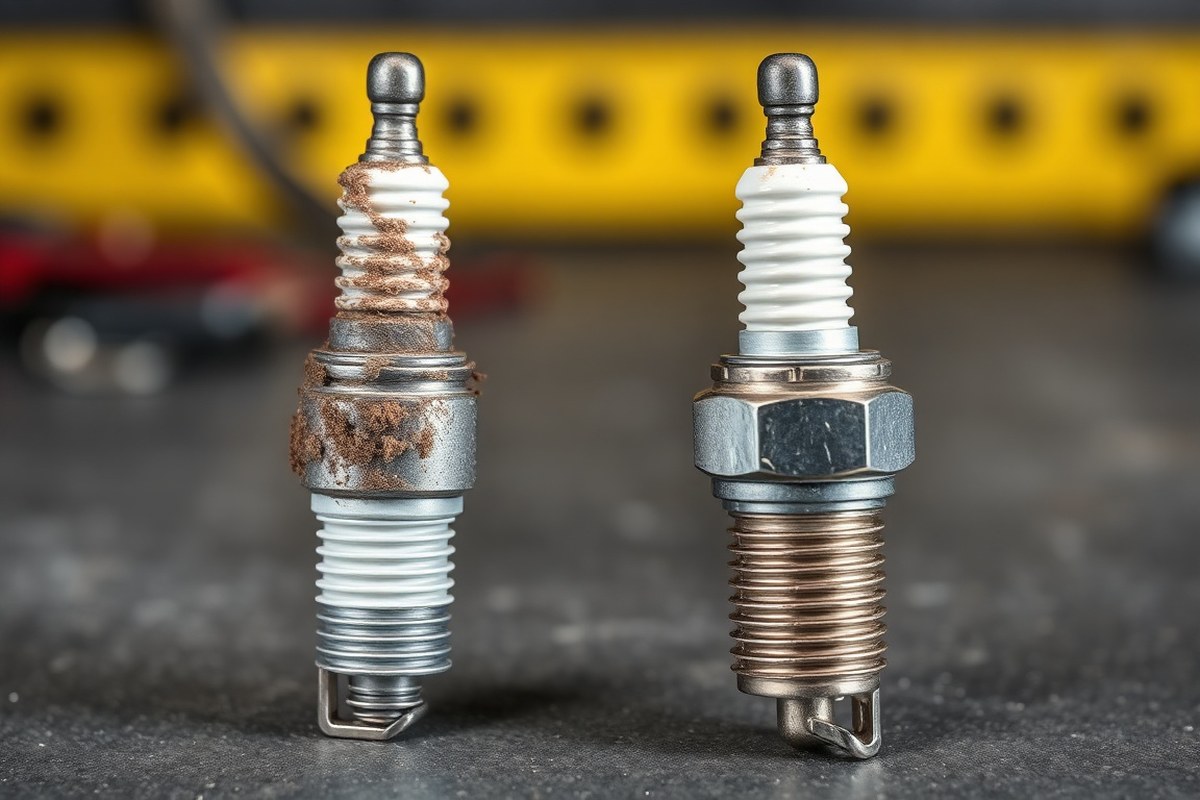
Spark plugs in heavy-duty engines face several challenges that can shorten their lifespan far below factory estimates. High engine loads, frequent short trips, low-quality fuel, and extreme climates all increase wear or cause malfunctions sooner than expected. Recognizing how these factors affect your spark plugs helps you plan timely replacements and avoid costly engine damage or performance loss.
Operating heavy-duty equipment under frequent high loads, like towing or hauling heavy trailers, raises combustion temperatures. This stresses spark plugs, causing faster electrode wear and fading ignition performance. Similarly, engines that run mostly short trips under 15 minutes don’t fully warm up, increasing carbon buildup on the plugs. This buildup muffles the spark, leading to incomplete fuel combustion and more frequent replacements.
Fuel quality plays a direct role in spark plug life. Low-grade fuels or those with problematic additives promote carbon deposits that coat the plugs’ electrodes. Over time, this buildup insulates the spark and reduces engine efficiency. Some environments with dirt, dust, or extreme humidity also accelerate plug wear by contaminating the combustion chamber or causing corrosion. Cold climates may require plugs with specific heat ranges to prevent fouling.
- Heavy loads increase combustion chamber heat and electrode erosion.
- Repeated short trips cause carbon buildup due to incomplete engine warm-up.
- Low-quality or additive-laden fuel accelerates carbon deposits on spark plugs.
- Dirty or dusty environments contaminate spark plugs and degrade spark quality.
- Cold weather can foul plugs unless they have the correct heat range.
- Using incorrect or cheaper spark plugs results in reduced durability and performance.
Choosing the right spark plug type and heat range tailored for your heavy-duty use helps resist these stressors. Copper plugs, for example, last only 20,000 to 40,000 miles and wear quickly under heavy load. Platinum or iridium plugs last longer, up to 60,000, 120,000 miles, thanks to better heat resistance and durability. Regular inspection lets you spot carbon buildup, electrode wear, or corrosion early. Cleaning spark plugs or replacing them soon after such signs appear maintains reliable ignition and fuel efficiency.
Use manufacturer-recommended spark plugs and fuel grades to avoid premature failure and protect your engine’s longevity.
Proper maintenance now saves more time and money than waiting for spark plugs to fail. Failing plugs cause rough idle, poor acceleration, and increased fuel consumption, leading to harder engine starts and additional strain on ignition coils and fuel systems. Monitoring these environmental and operational factors helps you adjust your maintenance schedule for consistent performance under heavy-duty conditions.
Comparing Spark Plug Types Best for Heavy Duty Engines
Choosing the right spark plug material and design affects durability and engine performance in heavy duty cycles. Copper plugs wear out faster, making them less suited for demanding engines. Platinum and iridium plugs last longer and handle high heat better, helping maintain efficiency and reduce maintenance.
Copper Spark Plugs: Pros and Cons
Copper spark plugs have a copper core with a nickel alloy coating. They offer excellent conductivity, which helps deliver strong sparks to the combustion chamber. However, their lifespan is the shortest among common types, generally lasting between 20,000 and 30,000 miles.
Copper plugs cost less upfront, making them attractive for budget-conscious operations. They perform well in low-stress engines but degrade quickly under heavy-duty conditions due to higher wear and erosion. Using copper plugs in trucks or industrial equipment that run hot or under load often requires more frequent replacements, increasing labor costs over time.
Platinum Spark Plugs: Durability and Cost
Platinum plugs feature a platinum disc welded to the center electrode. This material is more durable than copper, enabling a typical lifespan of 50,000 to 100,000 miles. Platinum spark plugs also handle higher engine temperatures better, which is common in heavy duty cycles.
Their corrosion resistance and slow wear rate help maintain consistent spark quality and combustion efficiency. While platinum plugs cost more than copper, the longer service intervals help balance costs for trucks and industrial machines running extended hours. Choosing platinum over copper is a practical upgrade where durability is important but budgets are moderate.
Iridium Spark Plugs: Longevity and Performance
Iridium spark plugs have an iridium tip, which is harder and more heat resistant than platinum. This allows iridium plugs to outlast both copper and platinum types, typically exceeding 100,000 miles in heavy duty conditions. They produce a reliable spark with lower voltage requirements, improving engine combustion efficiency and fuel economy.
Their advanced construction ensures stable performance even in engines running very hot or heavy loads. Although iridium plugs are the most expensive option upfront, their long lifetime and performance gains make them the preferred choice for demanding trucks and industrial equipment that prioritize reliability and lower downtime. The table below summarizes key differences among copper, platinum, and iridium spark plugs for heavy duty cycles:
| Feature | Copper | Platinum | Iridium |
|---|---|---|---|
| Typical Lifespan (miles) | 20,000, 30,000 | 50,000, 100,000 | 100,000+ |
| Heat Resistance | Low | Medium | High |
| Cost per Plug | Low | Moderate | High |
| Performance in Heavy Duty Engines | Poor to Moderate | Good | Best |
| Durability | Low | High | Very High |
Heavy duty engines benefit from higher heat resistance and durability, which platinum and iridium plugs deliver effectively. Selecting a plug depends on balancing upfront costs and desired replacement frequency. For trucks and industrial machines that require steady performance and less downtime, iridium plugs provide the best overall value despite higher initial price.
Identifying When Heavy Duty Spark Plugs Need Replacement
Signs of spark plug wear or failure in heavy duty vehicles often start subtly but worsen if not addressed. One of the earliest warnings is rough idling, where the engine runs unevenly or vibrates noticeably when parked or stopped. Another is unusual engine noises, such as rattling or knocking, which can happen while waiting at a stoplight or during low RPM operation. These symptoms suggest incomplete combustion, usually caused by worn or fouled spark plugs. You might also experience a noticeable drop in power and acceleration, especially under heavy loads or on inclines, which indicates your spark plugs aren’t firing properly.
Misfires are a common consequence of failing spark plugs and can be identified by a jerking motion or hesitation when you press the accelerator. If you notice increased fuel consumption or your engine feels less responsive, spark plug problems could be the cause. The spark plugs ignite the air-fuel mixture in the combustion chambers, so any inefficiency here reduces fuel economy and overall performance. Detecting these issues early makes maintenance simpler and less costly, avoiding damage to other engine parts like the catalytic converter. Use this checklist to identify spark plug wear or failure:
- Engine runs rough or shakes while idling
- Unusual rattling or knocking noises at low speed or idle
- Reduced engine power or sluggish acceleration under load
- Noticeable misfires or jerking during acceleration
- Increased fuel consumption compared to usual
- Difficulty starting the engine or extended cranking times
- Visible deterioration, soot, or corrosion during spark plug inspection
To check spark plugs yourself, remove each plug and inspect the electrode and insulator for signs of wear like rounded electrodes, heavy carbon deposits, or oil fouling. A healthy plug typically appears clean with sharp edges on the electrode. You can also check for consistent spark using an appropriate ignition tester but testing under engine load conditions is best left to professionals. Replace plugs that show physical damage, excessive deposits, or burnt tips. Costs for spark plug replacement in heavy duty equipment are generally low compared to the value of maintaining engine efficiency and reducing downtime.
The frequency and symptoms can vary depending on the type of spark plug material and the operating conditions. For example, copper plugs wear out faster and may require replacement every 20,000 to 30,000 miles, while iridium or platinum plugs can last longer but still need inspection at least once a year in demanding heavy duty cycles. Ignoring mileage and ignoring symptoms prolongs wear, resulting in increased fuel costs and the risk of engine misfire damage.
How to Inspect and Maintain Spark Plugs in Heavy-Duty Equipment
Inspecting and maintaining spark plugs in heavy-duty equipment requires careful attention to detail and the right tools. You’ll remove the plugs, check for wear or buildup, clean them if reusable, and adjust the gap to manufacturer specifications. This ensures reliable engine performance and prevents costly downtime.
Required Tools and Safety Gear
Gather specific tools before starting: a spark plug socket wrench (usually 5/8 inch or 13/16 inch), a torque wrench, a spark plug gap tool, a wire brush or spark plug cleaner, and dielectric grease. Safety gear includes gloves, protective eyewear, and a long-sleeve shirt to prevent burns or injuries when working near a hot engine or electrical components.
Wear gloves to avoid skin contact with engine oil and fuel residues. Eye protection guards against debris when cleaning spark plugs. Ensure the engine is completely cool to reduce burn risk, and disconnect the battery to prevent accidental starts or electrical shock.
Step 1: Removing and Inspecting Spark Plugs
Start by carefully removing each spark plug to inspect its condition. This step identifies issues like fouling, erosion, or deposits that affect ignition quality. Check plugs during routine maintenance, ideally with every oil change or every 10,000 to 20,000 miles, depending on your heavy-duty engine’s demands.
- Ensure the engine is cool and disconnect the negative battery cable.
- Locate the spark plugs and remove the ignition coil or spark plug wire by twisting and pulling gently.
- Use the spark plug socket wrench with an extension to unscrew each spark plug.
- Visually inspect each plug for signs of wear: dark soot indicates fouling, shiny electrodes suggest overheating, and oily deposits show oil leaks.
- Check the insulator for cracks or chips, which means replacement is necessary.
Always handle spark plugs carefully to avoid damaging the ceramic insulator, which can lead to misfires.
Step 2: Cleaning and Gap Adjustment
Cleaning can extend spark plug life if the plugs show light deposits but are otherwise healthy. Adjusting the gap maintains proper spark intensity and improves combustion efficiency. Incorrect gaps cause misfires or poor fuel economy.
- Remove carbon or oil deposits using a wire brush or commercial spark plug cleaner, avoiding damage to the electrodes.
- Use the spark plug gap tool to measure the gap between the center and ground electrodes; consult your engine’s manual for the exact gap size, often between 0.028 and 0.060 inches.
- Carefully adjust the gap by bending the ground electrode with the tool until it matches specifications.
- Apply a small amount of dielectric grease to the threads and electrode surface to ensure good electrical contact and easier future removal.
Set the spark plug gap precisely; too tight or too wide gaps reduce spark efficiency and engine performance.
Step 3: Reinstallation and Testing
Reinsert spark plugs properly to avoid thread damage and ensure tight seals. Testing after reinstalling prevents missed issues and confirms engine readiness for heavy loads. Proper torque application prevents over-tightening, which can strip cylinder head threads or crack the plug shell.
- Thread each spark plug by hand to avoid cross-threading, then tighten with a torque wrench to the manufacturer’s specified value, usually between 10 to 20 lb-ft.
- Reconnect ignition coils or spark plug wires securely.
- Reconnect the negative battery cable and start the engine to check for smooth running and absence of misfires.
- Listen for any unusual noises or hesitation that indicate installation issues or damaged plugs.
Use a torque wrench to prevent damage to spark plugs or cylinder heads during reinstallation.
Impact of Heavy Duty Conditions on Spark Plug Performance
Operating heavy-duty engines under severe workloads accelerates spark plug wear. High cylinder pressures and temperatures stress the electrode surfaces, causing erosion and carbon buildup faster than in lighter use. This degradation reduces spark efficiency, leading to misfires and lower fuel economy. Regular inspection is key; during plug replacement, a detailed check can reveal if excessive heat or combustion deposits have shortened plug life.
Temperature extremes affect spark plug performance as well. Hot climates increase engine operating temperatures, which can cause spark plugs to overheat and wear prematurely. On the other hand, cold climates may lead to incomplete combustion if the plugs cannot reach optimal temperature quickly, increasing fouling risk. In consistently hot environments, consider plugging replacement intervals on the shorter end of the recommended range, and opt for plugs rated for higher heat resistance. In cold conditions, ensure plugs have the correct heat range to avoid misfires during startup, especially if the engine frequently runs short trips.
Prolonged idling and frequent stop-start cycles harm spark plugs and engine health in unique ways. Idling keeps combustion temperatures lower than ideal, which promotes carbon deposits on plugs and electrodes. This fouling prevents consistent spark generation, reducing engine power and increasing emissions. Frequent stop-start use compounds wear by creating quick temperature fluctuations that stress plug components. If your equipment often idles or operates with many starts and stops, shorten the spark plug replacement interval and schedule inspections more frequently to address buildup early.
Choosing the right spark plug heat range for your specific heavy-duty application helps manage these stresses. Heavy loads and high temperatures call for plugs with a colder heat rating to handle extra heat without damage. For cold climates or low-load idling, warmer plugs maintain combustion chamber temperature and reduce fouling risk. Technician input can pinpoint the best plug type and replacement schedule based on your workload and conditions.
Maintaining proper spark plug function is an investment in engine reliability. Labor for professional spark plug service might cost between $100 and $300, depending on your engine size and accessibility. This cost is far lower than the expense of repairs from damage caused by neglected plugs. During replacement, a professional can test for hidden engine issues, such as leaks or ignition faults, that accelerate plug wear. Catching these saves you from costly downtime and major engine repairs down the line.
Common Mistakes When Replacing Spark Plugs in Heavy-Duty Vehicles
One common error when replacing spark plugs in heavy-duty engines is neglecting to clean the area around the plug before removal. Dirt or debris falling into the cylinder can cause severe engine damage, so always blow compressed air or use a vacuum to clear the spark plug well before installation. Ignoring this step risks costly repairs beyond just the plugs themselves.
Using the incorrect torque when tightening spark plugs also leads to problems. Over-tightening can strip threads, crack the cylinder head, or damage the plug base. Under-tightening allows combustion gases to leak, causing poor performance and eventual plug failure. Always use a calibrated torque wrench and follow the manufacturer’s torque specs, which typically range from 13 to 22 ft-lbs for heavy-duty engines, depending on plug type and engine model.
The spark plug gap is critical for proper ignition and engine efficiency. Most plugs come pre-gapped, but you should double-check with a feeler gauge before installation. Adjust the gap to match the engine’s specifications, usually between 0.035 and 0.045 inches for heavy-duty cycles. An incorrect gap causes misfires, rough idling, and increased fuel consumption. Proper gapping ensures the spark fires reliably and at the right intensity.
- Failing to clean debris around the plug hole before removal
- Using improper torque when tightening plugs
- Installing plugs without checking or adjusting the gap
- Reusing old spark plugs instead of replacing them at scheduled intervals
- Delaying plug replacement beyond recommended intervals, risking engine damage
- Replacing plugs too early, causing unnecessary expenses without added benefit
- Using plugs not suited for your engine’s specific heavy-duty cycle requirements
Replacing spark plugs too late results in worn electrodes, fouling, and reduced combustion efficiency, which can cause misfires, higher emissions, and eventual engine damage. Conversely, replacing plugs too early wastes money as modern heavy-duty plugs can last tens of thousands of miles when maintained properly. Follow your engine manufacturer’s recommendation for replacement intervals, usually between 30,000 and 60,000 miles. Adjust this based on specific heavy-duty operating conditions like high load, extreme temperatures, or dirty fuel.
Proper spark plug maintenance, including cleaning the area beforehand, confirming the gap with a gauge, and applying the correct torque, plays a significant role in engine safety and performance. Using compatible spark plugs suited for your heavy-duty cycle further extends service life and maintains fuel economy. Taking these precise steps avoids premature plug failure and costly engine repairs.
When to Seek Professional Help for Spark Plug Maintenance
Call a professional for spark plug inspection or replacement when your heavy-duty engine shows persistent performance issues, when access to the plugs is difficult, or if your vehicle’s warranty conditions require it. Complex engine designs, repeated misfires, or the need for diagnostic tools often put this task beyond a safe DIY approach. Professionals bring the right equipment and experience to handle the job efficiently while protecting your engine’s integrity.
Complex Engine Designs and Accessibility
Heavy-duty engines often have spark plugs located deep within the engine block or under components that require special tools or partial disassembly to reach. If you can’t remove the plugs without risking damage to surrounding parts, it’s better to seek expert service. Professionals have the correct torque wrenches and specialty sockets that precisely fit and allow safe removal and installation. This reduces the chance of cross-threading or breaking plugs, which could cause expensive repairs.
Your time and effort may not pay off if accessing plugs takes hours or more. Mechanics typically complete the job in about an hour using professional tools, which justifies the higher initial labor cost. Since heavy-duty engines can vary widely, matching the correct plug type and gap settings often requires experience and manufacturer specifications that pros are trained to follow.
Persistent Misfires or Ignition Issues
When your engine runs roughly, stalls, or has trouble starting despite a spark plug replacement, these symptoms indicate deeper problems that need professional diagnosis. Tools like spark plug testers can check whether the plugs produce a strong, consistent spark, but interpreting the results and identifying related issues like ignition coil failure or wiring problems often requires advanced diagnostic equipment available at service centers.
Attempting multiple DIY replacements without proper diagnostics can waste money and risk further damage. A professional inspection can detect carbon build-up, incorrect spark plug heat range, or engine timing issues contributing to ignition problems. Early detection with expert help helps avoid costly repairs from ongoing misfires, such as damaged catalytic converters or engine knock.
Safety and Warranty Considerations
Working with heavy-duty engines involves handling hot parts, electrical components, and toxins from fuel and exhaust. Lack of proper safety protocols or tools can lead to injury or equipment damage. Your vehicle’s warranty may also require maintenance be done by licensed professionals; DIY replacements can inadvertently void coverage. Confirm your warranty’s terms before attempting spark plug service on heavy-duty equipment.
Hiring a trained mechanic protects you from liability and ensures the job meets manufacturer standards. Professional shops have liability insurance and follow environmental regulations for disposing of old plugs and fluids safely. This service peace-of-mind can outweigh lower DIY costs, especially when your operation depends on reliable heavy-duty vehicle performance.
Do not attempt spark plug replacement if you lack a torque wrench or experience with engine ignition systems, it increases the risk of damaging key components and costly repairs.
Step-by-Step Action Plan for Heavy Duty Spark Plug Care
Follow these steps to keep your heavy-duty engine running smoothly and avoid unexpected spark plug failures.
- Before first use: Choose spark plugs rated for heavy duty cycles, such as platinum or iridium, for longer life and better performance.
- Every 10,000 miles or 250 hours: Inspect spark plugs for fouling, electrode wear, and proper gap using a spark plug gauge.
- After inspection: Clean light carbon buildup with a wire brush or spark plug cleaner if present but no severe wear is visible.
- Every 30,000 to 50,000 miles or 750 to 1,250 hours: Replace spark plugs based on the manufacturer’s recommendation or earlier if electrode damage or misfires occur.
- During heavy-duty use periods: Monitor engine performance and increase inspection frequency if operating conditions include frequent idling, high loads, or extreme temperatures.
- After replacement: Verify spark plug gaps and torque settings to manufacturer specs to prevent misfires and damage.
- Annually: Have a professional technician perform a thorough spark plug and ignition system check to catch hidden issues.
Frequently Asked Questions
How Often Should Spark Plugs Be Replaced in Heavy Duty Cycles?
Replace spark plugs every 30,000 to 60,000 miles in heavy duty cycles, depending on the engine and spark plug type. Heavy use and demanding conditions can shorten their lifespan, so check your manufacturer’s recommendations.
Can Spark Plugs Last 20 Years?
Spark plugs rarely last 20 years, especially in heavy duty engines. Over time, deposits and wear reduce their efficiency, so expect to replace them much sooner to maintain engine performance.
What Kills Spark Plugs Quickly in Heavy Duty Use?
Excessive heat, carbon buildup, and poor engine tuning can degrade spark plugs quickly. These factors cause misfires and wear, requiring more frequent replacements under heavy duty conditions.
What Are Five Signs That My Spark Plugs Need to Be Changed?
Signs include rough idling, poor acceleration, engine misfires, decreased fuel efficiency, and hard starts. These symptoms suggest spark plug wear or fouling, affecting ignition and engine performance.
Does Changing Spark Plugs Really Make a Difference in Heavy Duty Vehicles?
Yes, changing spark plugs improves engine efficiency, reduces emissions, and improve power delivery. Fresh plugs ensure reliable ignition, which is critical in heavy duty operations for consistent performance.
How Do Weather Conditions Affect Spark Plug Lifespan in Heavy Duty Engines?
Extreme heat or cold can stress spark plugs, causing faster wear or deposits. Heavy duty vehicles in harsh climates may need spark plug checks and replacements more often to prevent failures.
Final Thoughts
Replacing spark plugs at the right intervals keeps your heavy-duty engine efficient and reliable under demanding conditions. Monitoring and maintaining spark plug health prevents costly downtime and extends engine life. Start by scheduling your first inspection now to catch early signs of wear before they affect performance.