
How Much Is a Tonneau Cover? Prices, Installation & Best Options Explained
How much is a tonneau cover? Prices vary widely, typically ranging from $200 to over $1,800 depending on the type and material. Installation may add $50 to $200, but some covers are easy to install yourself. Choosing the right cover first saves money and protects your truck bed effectively.
Key Takeaways
- Soft roll-up tonneau covers usually cost $200 to $500, ideal for budget-friendly protection.
- Hard folding or retractable covers range from $800 to $1,800, offering better durability and security.
- Electric or automated tonneau covers like the Pace Edwards UltraGroove start around $1,500 with professional installation advised.
- Installation prices vary; expect to pay $50 to $200 unless you opt for a no-drill, self-install option.
- Cover size depends on your truck bed length; accurate measurement prevents costly returns or fitting issues.
- Lifespan of tonneau covers spans 5 to 10 years, depending on material and maintenance.
How Much Does a Tonneau Cover Cost on Average?
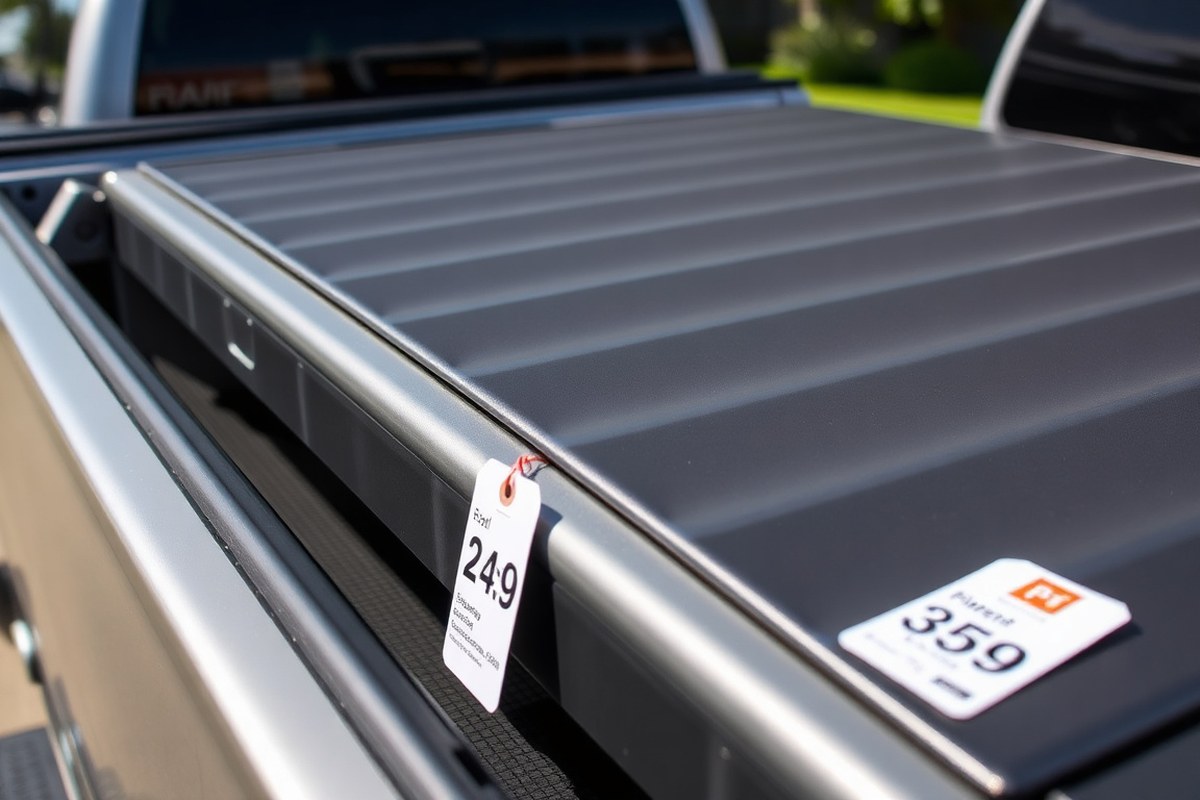
Basic soft tonneau covers typically cost between $300 and $700. These are often made of vinyl and roll up or fold, offering a budget-friendly way to protect your truck bed from weather and debris. Mid-range hard folding covers generally range from $900 to $1,500. They provide better security and durability by using aluminum or composite panels, with models like the Westin Hard Tri-Fold offering a balance of price and premium features.
Premium and electric tonneau covers can cost significantly more. High-end retractable models, such as those from Retrax or Westin’s electric retractables, range from $1,500 up to $3,000 or more. These covers offer convenience with motorized operation and improve weather sealing. The price extremes depend on your truck model and features like power-assist motors or locking mechanisms.
| Tonneau Cover Type | Typical Price Range (USD) | Key Features |
|---|---|---|
| Soft Vinyl Roll-up or Folding | $300 – $700 | Lightweight, budget-friendly, basic weather protection |
| Hard Folding (Tri-fold) | $900 – $1,500 | Better security, durable aluminum/composite panels, good weather sealing |
| Retractable (Manual) | $1,200 – $2,000 | Smooth sliding action, secure locking, strong weather resistance |
| Electric Retractable | $1,800 – $3,000+ | Motorized operation, convenience, premium weather sealing |
Selecting a tonneau cover within these price ranges involves considering the balance between your budget and desired features. Soft vinyl covers save money but provide less security and durability. Hard folding covers improve both without reaching premium prices. Electric retractable covers come with a higher upfront cost but offer ease of use and advanced sealing that might benefit you if you frequently cover and uncover your truck bed.
What Factors Affect Tonneau Cover Pricing?

The cost of a tonneau cover depends heavily on several key factors that influence price, quality, and fit. Material type has a major impact: soft vinyl or fabric covers usually cost less, ranging from $200 to $600, while hard covers made from aluminum, fiberglass, or composite materials often start around $500 and can exceed $1,200. Hard covers provide better security and durability but add to the initial expense.
Truck bed size also affects price. Most pickups come with bed lengths near 5.5, 6.5, or 8 feet, and covers must match these exactly. Larger beds require more material and stronger components, pushing prices higher by roughly 15% to 30% compared to shorter beds. For example, a 5.5-foot bed cover may cost $600, while an 8-foot cover of the same style and quality could approach $900 or more.
Brand reputation and included warranty influence price as well. Premium brands like UnderCover typically provide better construction and longer warranties, often resulting in prices 20% to 40% above no-name or generic covers. Warranties lasting 5-10 years add value, assuring you’re protected against defects and wear. Brands offering added features such as adjustable tension, weather seals, or power retractability also command higher prices.
Technological features and design complexity affect the price range. Basic roll-up or tri-fold soft covers are more affordable, while automated retractable covers with locking systems, remote operation, or reinforced frames can increase costs substantially. Adding weatherproof seals and UV-resistant coatings might add $50 to $150 but increase durability and professional appearance.
- Material: Soft vinyl/fabric ($200-$600), hard (aluminum/fiberglass) ($500-$1,200+)
- Truck bed length: Larger beds add 15-30% to cover cost
- Brand and warranty: Premium brands with 5-10 year warranties raise price 20-40%
- Technology and features: Retractable or power covers add $300-$800+ to price
- Compatibility: Custom-fit covers for specific truck models tend to cost more but provide better fit and functionality
Always verify your truck’s bed length and configuration before ordering a cover to avoid costly returns or poor fit.
Different trucks demand specific fitment, and a cover designed for one model or bed type might not suit another. Paying a small premium for exact compatibility can avoid issues like water leaks or difficulty operating the cover. Consider each factor, material, size, brand, and features, in relation to your budget and intended use of the tonneau cover.
Tonneau Cover Types and Their Price Differences
Tonneau covers come in several major types, each varying in materials, durability, ease of use, and cost. Soft roll-up covers are the most affordable and lightweight, while hard folding covers offer better security and weather protection at a higher price. Retractable and hinged covers typically cost the most but provide superior locking mechanisms and a semi-permanent installation. Understanding these types helps you pick the right cover based on your needs and budget.
Soft Roll-Up Covers
Soft roll-up covers are usually made from vinyl or similar flexible materials. They are the easiest to install, often clamping onto the truck bed rails without special tools. Their light weight makes them simple to roll back, allowing quick access to the bed.
Soft covers are the most affordable option, typically costing between $100 and $400. The tradeoff is lower durability and less security. They don’t lock as tightly as hard covers and are more susceptible to punctures or tearing. Soft covers protect against sun and light rain, but may allow more dust and water inside the bed during heavy weather or off-road use.
Hard Folding Covers
Hard folding covers come in tri- or quad-fold designs made from fiberglass, hard plastic, or aluminum. They fold up in sections, providing partial or full truck bed access without removing the cover. This design balances convenience with security.
These covers are much more durable and secure than soft covers, resisting prying and better sealing out weather. A hard tri-fold aluminum cover can support up to 700 kilograms (about 1,540 pounds) of cargo on top. Pricing ranges between $800 and $2,000, depending on materials and brand. They are heavier and require more effort to install but offer a longer lifespan and improved theft protection.
Retractable and Hinged Covers
Retractable tonneau covers use aluminum slats that roll into a canister at the front of the bed. They lock firmly and offer the best water and dust resistance. These covers often come with motorized or manual roller mechanisms and are designed for semi-permanent installation, which takes more time and tools to complete.
Hinged covers open similarly to a car hood with one-piece hard plastic or fiberglass panels. They provide full bed access while protecting cargo with a solid enclosure.
Retractable and hinged covers usually cost the most, ranging from $1,500 to $3,000 or more. Their superior locking and load-bearing capabilities justify the price for users prioritizing security and weatherproofing. Setup can be more involved, and removing the cover is not as simple as with soft or folding covers. The table below summarizes main tonneau cover types with their pros, cons, and typical price ranges:
| Type | Material/Design | Pros | Cons | Typical Price Range |
|---|---|---|---|---|
| Soft Roll-Up | Vinyl or flexible fabric | Lightweight, affordable, easy to install | Less durable, lower security, less weatherproof | $100 – $400 |
| Hard Folding (Tri- or Quad-fold) | Fiberglass, hard plastic, or aluminum | Durable, locks securely, supports heavy loads (700+ kg) | Heavier, more complex installation, higher cost | $800 – $2,000 |
| Retractable | Aluminum slats with rolling canister | Highly secure, water and dust resistant, semi-permanent | Most expensive, complex installation | $1,500 – $3,000+ |
| Hinged | Hard plastic or fiberglass | Solid enclosure, full bed access | Costly, heavy, less portable | $1,500 – $3,000+ |
Prices vary based on size, brand, material, and truck model fit. Hard covers generally offer better protection and longer service life, though they require a bigger upfront investment. Soft covers fit owners looking for budget-friendly options and quick access. Retractable and hinged covers suit those needing top-tier security and weather sealing despite higher cost and installation effort.
How Much Does Installation of a Tonneau Cover Cost?
Installing a tonneau cover typically costs between $100 and $300 when done professionally, depending on the cover type and your location. You can install many covers yourself with basic tools, often in under an hour. Professional installation is recommended if you want to avoid mistakes or if your cover has complex mounting systems.
Professional Installation Costs
Professional installation fees for tonneau covers range widely based on the type of cover and local labor rates. Basic roll-up or snap covers often cost around $100 to $150 to install. More complex folding or retractable covers can push installation fees to $200 or more. Some dealerships or specialty shops charge flat rates, while others may bill hourly at around $50 to $75.
Choosing professional installation helps guarantee proper alignment and secure mounting, which protects your investment. Installers have experience with different truck models and cover designs, reducing the risk of damage to the truck bed or cover. It also usually includes adjustments to prevent leaks or rattling while driving.
DIY Installation Tools Needed
Many tonneau covers come with all the necessary mounting hardware and simple instructions geared toward DIY installation. Required tools vary but generally include common hand tools most truck owners have. Basic tools recommended for installation include:
- Socket wrench set
- Phillips and flathead screwdrivers
- Measuring tape or ruler
- Rubber mallet (optional but helpful)
- Clamps (to hold parts temporarily in place)
- Clean cloth to wipe surfaces before mounting
Before starting, check the tonneau cover manual for any special tools or steps. You also want to park on a flat surface and work in good light for better accuracy. Avoid power tools unless your instructions explicitly allow them.
Installation Time & Tips
Installation times can range from 30 minutes for soft roll-up covers to over 2 hours for retractable or hinged hard covers. Most hard folding covers take about one hour for a straightforward fit. You can get faster by having a second person assist in aligning and holding sections. Here’s a simple step-by-step checklist for DIY installation:
- Clean the truck bed rails thoroughly to remove dirt and debris.
- Unpack the tonneau cover and check all parts against the inventory list.
- Position clamps or side rails according to the instruction manual and measure for accuracy.
- Tighten mounting brackets loosely to allow adjustment.
- Place the cover on the bed and adjust so it aligns evenly with the truck bed edges.
- Secure all fasteners firmly but avoid overtightening to prevent stripping.
- Test the cover by opening and closing it to check for smooth operation and proper seal.
Professional installation is recommended if you notice any fitment issues or if your cover type is heavy or complicated. Avoid forcing parts or modifying mounting points as it can void warranties. Investing in professional setup can save time and prevent future problems like leaks or damage to the cover or truck bed.
How Long Does a Tonneau Cover Typically Last?
Soft tonneau covers generally last around 3 to 5 years, while hard covers offer longer service life, often lasting 7 to 10 years or more. The material plays a big role: vinyl and fabric soft covers wear faster due to exposure to UV rays, rain, and temperature swings, which can cause cracking or fading. Hard covers, made from materials like aluminum, fiberglass, or hard plastic, resist weathering better but can suffer from dents or corrosion if not cared for.
Exposure to harsh weather conditions like intense sun, heavy rain, snow, or dust shortens the lifespan of any tonneau cover. For example, extreme heat above 90°F can dry out soft covers, while repeated freezing and thawing cycles can damage seals on all cover types. Salt from coastal areas or winter road treatments accelerates corrosion on metal parts. Using your truck in dusty or sandy environments can abrade surfaces and hardware, leading to premature wear.
Proper maintenance is key to getting the most out of your cover. Cleaning it regularly and addressing any small tears, cracks, or hardware issues early can prevent larger problems. Keeping the moving parts lubricated and seals intact preserves function and water resistance.
- Wash soft covers monthly with mild soap and water; avoid harsh detergents
- Apply UV protectant sprays specifically designed for vinyl covers every 3-6 months
- Inspect hard covers quarterly for dents, rust, or broken latches and clean debris from hinges
- Lubricate latches and hinges with silicone spray twice a year to prevent rust and sticking
- Remove snow and ice promptly to avoid excessive weight and seal damage
- Store folding or roll-up covers loosely rolled when not in use to prevent creases
- Check weather seals annually and replace if cracked or brittle
A torn soft cover can let moisture in and lead to rust or cargo damage, so repair small damage quickly or consider replacement.
Replacing your tonneau cover becomes necessary when it has significant tears, broken hardware that compromises security, or when it no longer seals properly, allowing water inside the bed. Signs like persistent leaks, faded or brittle material, or difficulty operating latches and hinges indicate it’s time for a new cover. Regular inspection every few months helps catch these issues early, saving money in the long run by avoiding damage to your truck bed or cargo.
Choosing the Right Size and Fit for Your Truck Bed
The right size and fit ensure your tonneau cover properly seals your truck bed, protects cargo, and looks good. Measure your truck bed length and width accurately, account for special features like Rambox or roll bars, and verify compatibility with your truck’s make, model, and bed style. Size affects cover price, so choosing precisely helps avoid extra costs or performance issues.
Measuring Your Truck Bed
Measure the truck bed length and width to find a tonneau cover that fits securely. Focus on the interior dimensions of the bed, not the overall vehicle size, since covers fit inside the bed rails.
Use a tape measure to get the bed length from the inside front (against the bulkhead) to the inside edge of the tailgate. Measure width at the widest inside points between the bed rails.
Make sure tailgate is closed during measurement. Round your measurements to the nearest inch. Knowing whether your bed is a short (around 5.5 feet), standard (6.5 feet), or long bed (8 feet) is key. For example, a 2019 Ram 1500 often has 5.7-foot or 6.4-foot beds depending on the trim.
- Open your truck’s tailgate fully and secure it in position.
- Measure the bed length by placing the tape measure inside the bed against the bulkhead and extend it straight to the inside edge of the closed tailgate.
- Measure the width inside the bed rails at the widest points, usually across the opening near the tailgate.
- Record all measurements in inches, rounding to the nearest whole number.
- Check your truck’s model specifications or owner’s manual to confirm bed size for your year and trim.
Adjusting for Bed Features
Some truck beds include features like Rambox storage, roll bars, or bed liners that affect tonneau fitting. Rambox compartments along the sides add width that standard covers may not clear.
Tonneau covers labeled “without Rambox” fit beds without those storage boxes, while special covers accommodate them. Roll bars or bed caps can interfere with how covers latch or fold.
In cases of non-standard beds, custom-fit or adjustable covers offer better fit. You might pay more for covers designed to fit around additional bed attachments.
Confirming Size Compatibility
Once you measure and note any bed features, match the dimensions to tonneau cover models. Covers are sold by bed length such as 5.7 feet, 6.4 feet, and 8 feet. Verify the cover is specified for your truck’s year, model, and bed style.
Using the exact bed length for cover selection is the best decision rule. A 6.4-foot bed requires a 6.4-foot cover for correct fit and seal. Buying a cover too long or short risks poor fit, water leaks, or mechanical problems.
Cover price tends to increase with size. Larger beds take more material and stronger support. For example, a 6.4-foot bed cover often costs more than a 5.7-foot cover of the same style.
Common Costly Mistakes When Buying a Tonneau Cover
Choosing the wrong size for your tonneau cover can cause leaks, poor fit, and rapid wear. A cover that’s too small won’t fully protect your bed, while one that’s too large can flap in the wind and strain mounting points. Measure your truck bed’s length and width exactly, including any tailgate overhang if your cover extends over it. Use manufacturer sizing guides to find the match. This avoids paying for returns or new covers, which can cost $100 or more in restocking fees plus shipping.
Buying a cheap tonneau cover sometimes means sacrificing durability and weather resistance. Materials like thin vinyl or low-grade plastics degrade faster under sun and rain, shortening the cover’s lifespan to 1-2 years instead of 5-7 years for mid-range options. Spending a bit more on weatherproof coating, UV resistance, or a reputable brand saves money over time by reducing replacement or repair needs.
Poor installation can raise future costs significantly. Skipping professional installation might save $100-$200 upfront but lead to improper sealing or mounting. This causes water leaks, increased wind noise, and extra wear on hinges or clamps. Use the manufacturer’s instructions carefully, tighten all fasteners evenly, and check seal alignment. If you lack the tools or experience, paying a professional ensures the cover lasts as expected.
Maintenance mistakes that harm tonneau covers include neglecting regular cleaning and allowing debris or moisture to stay trapped. Dirt and debris abrade surfaces, while moisture promotes mildew or rusting of metal parts. Clean the cover every 2-3 months with mild soap and water. Avoid strong solvents that degrade materials. Applying a UV protectant or vinyl conditioner twice a year helps maintain flexibility and color. Promptly dry the cover after heavy rain to prevent mold growth.
- Measure truck bed exactly before ordering to avoid fit issues and extra costs
- Choose a cover material rated for your climate to prevent early wear from sun or moisture
- Follow installation instructions thoroughly or hire a professional for secure mounting
- Regularly clean with soap and water and use protectants to extend cover life
- Check clamps, hinges, and seals each season for tightness and replace damaged parts promptly
- Avoid harsh chemicals that weaken reservoir coatings or fabrics
- Store the cover flat or rolled when not in use to prevent creases and tears
Taking these steps lowers the risk of costly repairs or replacements. Expect a well-chosen, properly installed, and maintained cover to last 5 to 7 years or more. Skimping on size, quality, installation, or upkeep could reduce its lifespan by half and add hundreds to your total cost.
How Tonneau Covers Impact Fuel Economy and Value
Tonneau covers can improve your truck’s fuel efficiency by reducing aerodynamic drag. Without a cover, air flows into the open bed, creating turbulence and resistance that lowers gas mileage. Tests by the South Carolina Department of Energy showed fuel economy gains of up to 10% at highway speeds above 55 mph when a tonneau cover is installed. The effect is less noticeable at city driving speeds below 40 mph because wind resistance is lower overall.
These savings depend on cover type and driving conditions. Hard, flush-mounted covers that create a smooth surface generally improve aerodynamics more than soft, roll-up covers. You’ll see the best fuel economy impact on the highway or long road trips at higher speeds where drag plays a bigger role. Short trips or stop-and-go driving won’t yield much improvement.
Whether fuel savings offset the cover’s cost varies. Covers range from about $300 to over $1,000. Assuming a 10% fuel economy improvement on highway driving and gasoline around $4 per gallon, you would save roughly $100 to $200 per year if you drive 15,000 miles mostly on highways. This means it may take several years to recoup your investment through fuel savings alone. Still, some owners value the convenience and security benefits alongside the potential savings.
Adding a tonneau cover often increases your truck’s resale value. Buyers tend to pay more for trucks with covers because they protect the bed from weather and theft and improve the vehicle’s appearance. According to automotive sales data, trucks with well-maintained tonneau covers can command an extra $500 to $1,000 in resale price, depending on the cover type and brand. Proper installation and matching the cover to your truck model help maximize this value.
To get the most out of your tonneau cover investment, pick a high-quality, properly fitting cover and focus on longer highway trips. Regular maintenance and keeping the cover clean will preserve its aerodynamic benefits and resale appeal. Don’t expect huge fuel savings on short or slow drives, but consider the combined benefits of fuel economy, truck bed protection, and higher resale value before deciding.
Make sure your tonneau cover fits snugly to minimize air leaks, which can reduce aerodynamic benefits and lead to less fuel savings than expected.
Step-by-Step Action Plan for Buying and Installing a Tonneau Cover
Follow these steps to choose and install a tonneau cover that fits your truck and budget, ensuring you get the best value and durability.
- Before you start: Measure your truck bed to determine the exact size needed. You’ll know this worked if you can list precise length, width, and height measurements.
- Day 1: Research types of tonneau covers that suit your driving habits and climate, like roll-up or retractable. Confirm your choice by checking reviews or ratings related to durability and ease of use.
- Day 2: Set your budget including both purchase and installation costs. Validate this step by listing cover options that fit within your price range.
- Day 3: Compare prices from multiple suppliers online and locally for similar tonneau covers. You’ll know you’ve done this right if you have at least three competitive quotes.
- Day 4: Decide whether to install the cover yourself or hire a professional based on your skill level and the cover type. You’ve succeeded if you either schedule a pro or gather the necessary tools and instructions for DIY.
- Within a week: Purchase the cover and schedule the installation if using a pro. Check that the appointment is confirmed or your DIY plans are ready.
- After installation: Inspect the fit and functionality of the tonneau cover. You know it works if the cover secures tightly and opens/closes smoothly without gaps or damage.
- After 1 month: Evaluate how the cover affects your truck’s fuel economy and cargo protection. Note any improvements or issues to decide if you need adjustments or a different cover type next time.
Frequently Asked Questions
How Much Is a Tonneau Cover?
A tonneau cover typically costs between $300 and $1,500 depending on the type and brand. Folding and roll-up covers tend to be less expensive, while hard, retractable, and electric models cost more due to materials and features.
How Much Does It Cost to Get a Truck Bed Cover Installed?
Installation usually costs $50 to $150 if not included with purchase. Professional installation ensures proper fit and security, especially for complex retractable or electric covers. Think of it as investing in the cover’s performance and longevity.
How Long Should a Tonneau Cover Last?
Most tonneau covers last 5 to 10 years with routine care. Hard covers tend to be more durable than soft ones, while exposure to harsh weather or rough handling can shorten their lifespan. Proper maintenance extends usability.
What Is the Best Tonneau Cover for My Truck?
The best tonneau cover depends on your budget, truck model, and how you use your truck bed. Soft roll-ups work well for occasional use, while hard folding or retractable covers offer better protection and convenience for frequent access or heavy use.
How Big of a Tonneau Cover Do I Need?
You need a tonneau cover that matches the truck bed’s exact length and width. Measure your truck bed precisely or check the manufacturer’s size guide, as a poor fit reduces protection and can cause damage to the cover or truck.
Can I Install a Tonneau Cover Myself?
Yes, many tonneau covers come with straightforward instructions and can be installed with basic tools. However, choose professional installation for heavy or complex models to ensure proper fit and avoid warranty issues.
Wrapping Up
Knowing the total cost of a tonneau cover, including purchase, installation, and lifespan, helps you budget wisely while choosing a product that fits your truck perfectly. Start by measuring your truck bed and setting a clear budget to narrow your options effectively. Take action now by contacting local dealers or browsing online stores to find covers that match your needs and price range.


