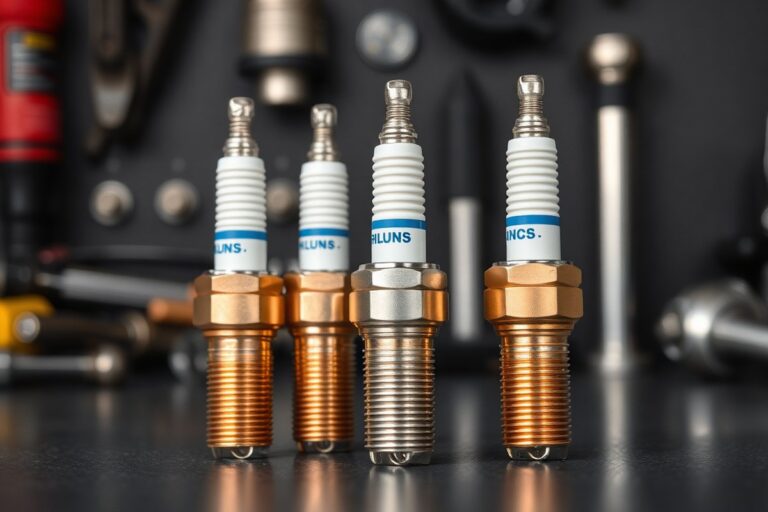
Are Spark Plugs Universal? What You Need to Know Before Replacement
Spark plugs are not universal across all vehicles. Each car model requires spark plugs that match specific size, heat range, and electrode design to ensure proper engine performance. Always check your vehicle’s manufacturer specifications before choosing spark plugs to avoid compatibility issues.
Key Takeaways
- Refer to your vehicle’s owner manual to find the exact spark plug type and specifications.
- Check the spark plug’s thread size and reach to ensure it fits your engine correctly.
- Select the proper heat range for your car to prevent engine misfires or overheating.
- Common spark plug types include copper, platinum, and iridium, each varying in durability and performance.
- Use online parts lookup tools or contact local auto parts stores with your car’s make and model for precise matches.
- Incorrect spark plugs can cause poor fuel economy, power loss, and potential engine damage.
Are Spark Plugs Universal for All Cars?
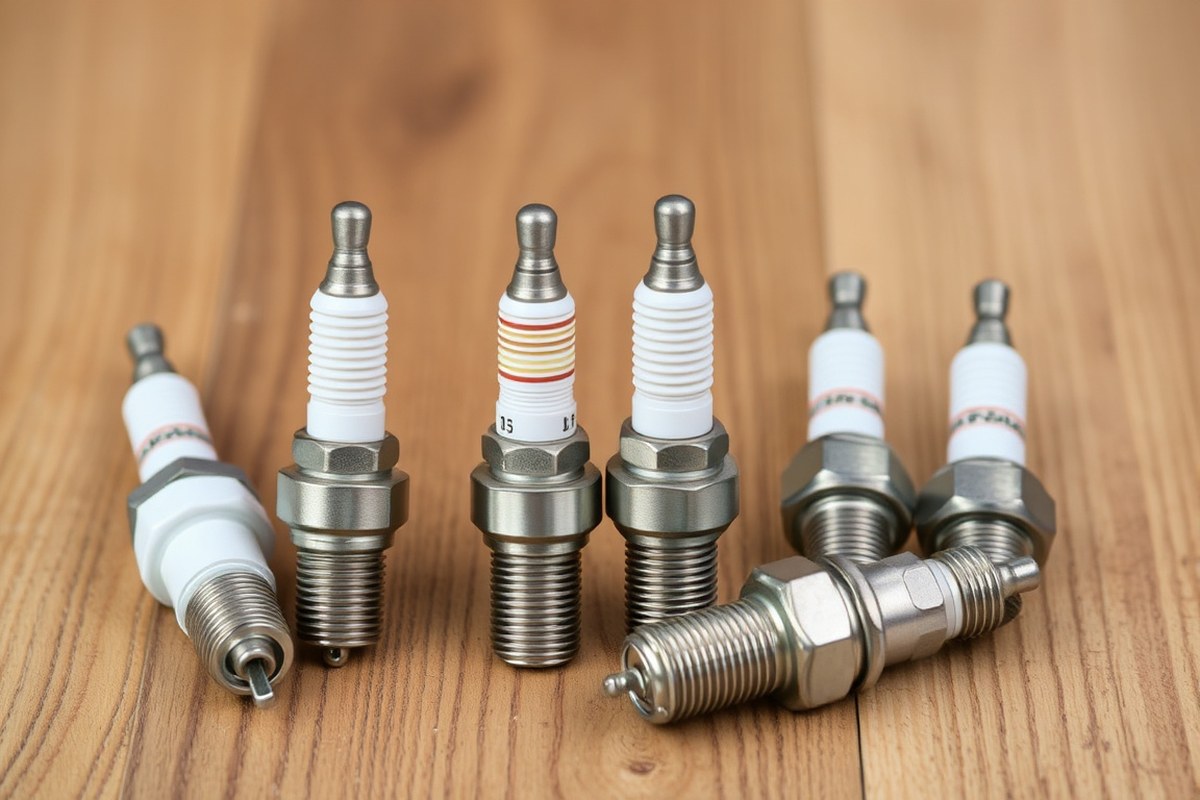
Spark plugs are not universal for all cars. Each vehicle requires spark plugs that suit its specific engine design, combustion chamber size, and ignition system. Using spark plugs designed for one model in a completely different car can cause poor engine performance, increased fuel consumption, or even damage. The key dimensions that vary include thread size, reach (the length of the threaded part that screws into the engine), heat range, and electrode design.
Some spark plugs are advertised as “universal” or designed to fit a wide range of vehicles. These plugs often have standard thread sizes and general specifications that cover many models, especially within certain engine families or manufacturers. However, these universal plugs cannot guarantee optimal performance across all cars. For example, a universal spark plug with the wrong heat range might overheat or foul prematurely in certain engines. So, while a universal plug might physically fit, it may not meet the engine’s electrical or thermal requirements.
Different engines have unique ignition characteristics, compression ratios, and combustion chamber shapes that affect spark plug compatibility. For instance, some engines require spark plugs with a specific heat range to handle the operating temperature without causing pre-ignition or fouling. Iridium or platinum electrode spark plugs may be required for modern, high-efficiency engines to ensure longevity and reliable ignition. The electrode gap size also varies, it determines the spark quality and must match manufacturer specifications. Using a spark plug with an incorrect gap or electrode configuration will reduce engine efficiency and could cause misfires.
When choosing a spark plug, you must check your vehicle’s owner manual or use an online lookup tool tied to your car’s make, model, engine size, and year. A typical OEM spark plug costs between $5 and $15 each, depending on the type and brand. Cheap universal plugs might save money upfront but risk higher fuel use, rough idling, or costly repairs later. Professional mechanics often recommend replacing all spark plugs together with the exact specifications the manufacturer requires, particularly for vehicles with multiple cylinders that need balanced performance.
Incompatible spark plugs often show signs such as hard starts, engine knocking, reduced throttle response, and higher emissions. The cost of using the wrong spark plugs can also include premature wear on ignition coils or catalytic converters. If you’re unsure, consult a trusted mechanic or parts specialist who can confirm spark plug compatibility based on the engine’s specific requirements rather than relying on universal claims. This approach ensures your engine runs smoothly, efficiently, and safely over time.
What Factors Determine Spark Plug Compatibility?

Spark plug compatibility depends primarily on thread size, heat range, and electrode design. Each plays a important role in ensuring the plug fits correctly and functions well within your engine’s environment. Choosing a plug that matches these specs prevents damage and promotes efficient combustion.
Thread Size and Length
The thread size refers to the diameter and pitch of the screw part of the spark plug that screws into the cylinder head. It must match the engine’s threads exactly to ensure proper sealing. Thread lengths vary as well, affecting how far the plug extends into the combustion chamber.
Incorrect thread size or length can cause cross-threading, stripped threads, or improper sealing, which leads to compression loss or engine misfires. Measuring thread diameter with a caliper and comparing it to manufacturer specs is the best way to confirm a match.
| Thread Diameter | Common Sizes (mm) | Typical Thread Pitch (mm) |
|---|---|---|
| Small Diameter | 10 | 1.0 |
| Medium Diameter | 12 | 1.25 |
| Large Diameter | 14 | 1.25 – 1.5 |
Thread size and length differ by vehicle make and engine type, so always consult your owner’s manual or a trusted parts database. Incorrect sizing typically means removing the cylinder head or using a costly repair to fix damaged threads.
Never force a spark plug if it resists screwing in gently, that often indicates the wrong thread size or damaged threads.
Heat Range Explained
Heat range determines how hot the spark plug’s tip gets during operation. It affects how quickly the plug dissipates heat from combustion. A plug that runs too hot can cause pre-ignition and engine knocking, while one that runs too cold may foul quickly with deposits.
Manufacturers rate heat range on a scale, with lower numbers typically representing hotter plugs. You can confirm the correct range for your engine in your vehicle’s service manual or from the spark plug maker. This rating ensures the plug maintains an optimal temperature, usually between 450°C and 850°C at the tip tip.
| Heat Range | Characteristics | Typical Engine Use |
|---|---|---|
| Hot (Low number) | Retains heat, less cooling | Low-speed or cold climates |
| Medium | Balanced heat dissipation | Most daily drivers |
| Cold (High number) | Dissipates heat faster | High-performance or high-speed engines |
Choosing a heat range outside your engine’s specification can cause engine damage or reduced life for the plugs. Adjustments might be needed if you upgrade performance parts or run your engine under unusual conditions.
Types of Electrode Designs
Spark plugs feature different electrode types that affect durability, ignition quality, and maintenance intervals. Common designs include single electrode, multi-electrode, and precious metal types such as platinum or iridium.
Single electrode plugs have one ground electrode and one center electrode; they’re simpler and often less expensive but may wear out faster. Multi-electrode plugs offer several ground paths for improved ignition reliability. Precious metal plugs use durable metals with finer electrodes for better efficiency and longer service intervals.
| Electrode Type | Materials | Benefits | Use Case |
|---|---|---|---|
| Single Electrode | Nickel alloy | Cost-effective, simple design | Standard engines, budget replacements |
| Multi-Electrode | Nickel alloy | Improved ignition reliability | Engines needing strong firing |
| Platinum/Iridium | Precious metals | Longer life, finer spark, better fuel efficiency | Modern engines, performance tuning |
Matching the electrode design to your vehicle and driving style helps maintain consistent engine starts and performance. Using the wrong type can increase wear or cause misfires over time.
Check your vehicle manual for recommended electrode materials to avoid premature wear or ignition problems.
Common Spark Plug Types and Their Differences
Spark plugs come mainly in copper, platinum, and iridium materials. Each type suits different engine designs and driving needs due to variations in durability, conductivity, and cost. Choosing the right material improves engine performance and longevity.
Copper Spark Plugs
Copper spark plugs have a solid copper core that provides excellent electrical conductivity. This allows for a strong spark, which is beneficial for older or conventional engines without high demands. They are the most affordable option, typically costing around $2 to $5 each.
However, copper plugs wear out faster because the copper corrodes quickly under high temperatures, typically lasting about 20,000 to 30,000 miles. Copper plugs are best for vehicles with low-compression engines or those that don’t require long-lasting plugs.
Platinum Spark Plugs
Platinum spark plugs feature a platinum disc welded to the center electrode. Platinum is more resistant to wear and heat than copper, resulting in a longer lifespan of about 60,000 miles. These are a middle ground in price, generally $8 to $15 each.
They perform well in modern vehicles with electronic ignition systems. Platinum plugs resist electrode erosion and maintain a stable spark over time, which helps with fuel efficiency and smoother engine performance. Still, they may not last as long as iridium plugs in high-performance engines.
Iridium Spark Plugs
Iridium spark plugs have an ultra-thin iridium tip on the electrode, which is harder and more heat resistant than platinum. This allows them to last 60,000 to 120,000 miles or more, depending on the brand and driving conditions. They cost between $15 and $25 each.
Iridium plugs are ideal for high-performance and fuel-efficient engines because they provide a highly concentrated spark and maintain performance for long intervals. Their thin tip allows for better ignitability and smoother starts. Universal types exist mostly in copper and platinum; iridium plugs often require checking specific fits due to precise engineering.
| Spark Plug Type | Material | Typical Lifespan (miles) | Cost per Plug (USD) | Best Use Cases |
|---|---|---|---|---|
| Copper | Copper Core | 20,000 – 30,000 | $2 – $5 | Older engines, low compression |
| Platinum | Platinum Tip | 50,000 – 60,000 | $8 – $15 | Modern engines, electronic ignition |
| Iridium | Iridium Tip | 60,000 – 120,000+ | $15 – $25 | High-performance, fuel-efficient engines |
Choosing the right spark plug type depends on engine requirements and budget. Copper plugs offer great conductivity at a low price but wear out quickly. Platinum and iridium plugs provide increasing durability and efficiency though at higher costs. Confirm compatibility with your vehicle before selecting, especially for iridium plugs, as they are less universally available across engine designs.
How to Check If a Spark Plug Fits Your Vehicle
To ensure a spark plug fits your vehicle properly, start by locating your car’s original spark plug specifications. These can usually be found in the owner’s manual, which lists recommended spark plug types, sizes, and heat ranges. When you don’t have the manual, visit the manufacturer’s website or use an online parts database by entering your car’s make, model, year, and engine size.
Next, compare the new spark plug’s specifications to your original equipment manufacturer (OEM) part. Key specs to verify include thread diameter and length, reach (threaded portion length), heat range, and terminal type. Using a plug with the wrong heat range can cause pre-ignition or fouling, damaging the engine over time. The correct thread size and reach avoid threading damage and maintain proper combustion chamber sealing.
- Confirm the exact spark plug model number from the OEM or a trusted parts catalog.
- Measure thread diameter and reach if you have the old plug available.
- Check the heat range rating to match your vehicle’s engine requirements.
- Verify the electrode gap matches or is adjustable to your car’s specification.
- Check the terminal type (standard, projected, or resistor) matches your ignition system.
- Avoid “universal” plugs unless your vehicle builder approves them; they often lack precise fit.
- Use a spark plug socket and gap tool to prepare the plug before installation.
After ensuring these details match, installing the spark plug is far safer. Avoid relying on aftermarket universal plugs claiming wide compatibility because they may not meet your vehicle’s specific needs. Using an incorrect or mismatched plug can lead to poor engine performance, misfires, or damage to the ignition system.
Purchasing spark plugs typically costs between $5 and $15 each, depending on the brand and type. Using recommended parts avoids costly engine damage and maintenance down the line. Always follow the manufacturer’s torque specs when tightening plugs to prevent thread stripping or gasket damage. Doubts about spark plug compatibility or installation call for consulting a licensed auto technician to ensure safety and proper function.
Steps to Safely Replace Spark Plugs Yourself
Replacing spark plugs yourself saves money and keeps your engine running smoothly. The key is to use the right tools and handle the plugs carefully, avoiding damage to the threads and electrodes. You’ll also need to correctly gap each plug before installation to ensure optimal engine performance.
Gathering Tools and Preparation
Having the proper tools and preparing your work area are essential for a safe and effective spark plug replacement. Basic tools include a spark plug socket, a ratchet wrench, and a spark plug gap tool. Also, keep a torque wrench, anti-seize compound, and dielectric grease handy for a professional-quality job.
Before starting, make sure the engine is cold to prevent burns and reduce the risk of thread damage when removing plugs. Disconnect the negative battery terminal to prevent accidental electrical shocks or shorts while working on the ignition components.
- Collect a spark plug socket that fits your vehicle’s plugs, usually 5/8 or 13/16 inches.
- Use a ratchet wrench with an extension to reach deep-set plugs easily.
- Get a spark plug gap tool to measure and adjust the electrode gap precisely.
- Keep a torque wrench ready to tighten plugs to manufacturer specifications, usually between 13 and 22 ft-lbs.
- Have anti-seize compound to lightly coat the plug threads to prevent seizing and dielectric grease to protect the boot from moisture and corrosion.
- Wear safety glasses and gloves to protect your eyes and hands from debris and hot parts.
Work on a cool engine and disconnect the battery to avoid burns and electrical hazards during spark plug replacement.
Removing Old Spark Plugs
Remove spark plugs carefully to avoid damaging the threads in the cylinder head, which can lead to costly repairs. Start by gently cleaning around each plug with compressed air or a brush to remove dirt and debris that could fall into the cylinder. Then use the spark plug socket and ratchet to unscrew the plugs counterclockwise.
Take your time loosening the plugs; sudden force can damage the threads or break the ceramic insulator. If the plugs are stuck, apply penetrating oil and wait 10-15 minutes before trying again. Keep track of where each plug came from to maintain your engine’s firing order.
- Remove the ignition coil or spark plug wire boot by twisting and pulling gently to avoid breaking the connector.
- Clean the area around the plug to prevent debris from entering the cylinder when the plug is removed.
- Attach the spark plug socket to the ratchet and extension for better reach.
- Turn the socket counterclockwise slowly to break the plug loose.
- Once loose, continue unscrewing by hand to prevent cross-threading.
- Remove the plug and inspect it for signs of wear or damage that might indicate engine issues.
Avoid applying excessive force when removing plugs to protect threads and spark plug boots from damage.
Installing and Gapping New Spark Plugs
Gapping new spark plugs ensures the proper distance between the center and ground electrodes, which affects the spark strength and engine efficiency. Use the gap tool to measure the gap, then gently bend the ground electrode if adjustment is needed. Most vehicle manuals list the correct gap, typically between 0.028 and 0.060 inches.
Apply a small amount of anti-seize to the threads to ease future removal but avoid the electrodes. Thread the spark plugs by hand first to avoid cross-threading, then tighten with the torque wrench to the manufacturer’s recommended specification. Finally, apply dielectric grease inside the boot before reconnecting the ignition coil or wire.
- Check the recommended spark plug gap from your vehicle’s service manual.
- Use the gap tool to measure the gap and gently adjust the ground electrode to match specs.
- Lightly coat the spark plug threads with anti-seize compound, avoiding the firing end.
- Thread the plug into the cylinder head by hand to ensure it seats correctly.
- Tighten the plug with a torque wrench to the specified torque, usually between 13 and 22 ft-lbs.
- Apply dielectric grease inside the boot to seal and protect against moisture.
- Reconnect the ignition coil or spark plug wire securely.
Always hand-thread spark plugs first, then use a torque wrench to avoid cross-threading and ensure proper tightness.
Effects of Incorrect Spark Plugs on Engine and Safety
Using the wrong spark plugs can lead to engine misfires, rough idling, and poor acceleration. These symptoms occur because the spark plug either doesn’t ignite the air-fuel mixture properly or fouls too quickly. You might notice your check engine light flashing or steady, signaling misfire codes. This directly affects the engine’s performance, making your car feel less responsive or jittery during driving.
Incorrect plugs can also reduce fuel economy. When combustion timing is off or the spark intensity is weak, the engine compensates by injecting more fuel, wasting gasoline and increasing emissions. Over time, this inefficiency adds unnecessary costs, sometimes up to 10-15% more fuel consumption depending on the mismatch severity.
There’s a real risk of engine damage from using plugs that don’t meet your car’s specifications. For example, if a spark plug has a heat range too hot for your engine, it can cause pre-ignition or detonation, which raises cylinder temperatures and damages pistons or valves. Conversely, plugs that run too cold may foul with carbon deposits, leading to misfires and inefficient combustion. Repeated misfire episodes can degrade the catalytic converter, a costly repair that can run over $1,000.
Safety hazards also come into play. A bad spark or misfire increases unburned fuel in the exhaust, which can overheat components or cause backfires. Driving a car with frequent stalling or power loss in traffic can create dangerous situations on the road. Also, some spark plugs require specific torque settings or gaps; improper installation might cause plugs to loosen or break, risking damage to the engine block or cylinder head. Using a torque wrench and following manufacturer specifications helps avoid this problem.
To avoid these issues, check your vehicle’s manual or trusted online sources for the exact spark plug type, heat range, thread size, and gap. Buying universal or one-size-fits-all plugs to save money could lead to costly repairs or safety risks. Expect to pay $10 to $20 per plug for correct OEM or quality aftermarket options. Spending time on proper selection and installation, including gap adjustment if needed, ensures better fuel efficiency, longevity, and smooth engine operation.
Common Spark Plug Mistakes and How to Avoid Them
Choosing the wrong heat range for spark plugs is a common mistake that can cause engine misfires or overheating. The heat range indicates how quickly a spark plug disperses heat from the combustion chamber to the cylinder head. Using a plug that runs too hot can lead to pre-ignition and engine damage, while a plug that’s too cold can cause fouling from carbon buildup. Always check your vehicle’s owner manual or trusted parts guide for the recommended heat range. On average, heat ranges vary from 1 (hot) to 10 (cold), with the right choice depending on your engine type and driving conditions.
Ignoring correct spark plug gap specifications is another frequent error. The gap is the space between the center and ground electrodes where the spark jumps, typically ranging from 0.028 to 0.060 inches. A gap that’s too wide causes weak sparks and misfires, while a gap that’s too narrow leads to incomplete combustion and reduced fuel efficiency. To fix this, use a spark plug gap tool to measure and adjust the gap by gently bending the ground electrode. Check the gap before installation and re-check after adjusting to ensure it matches the vehicle’s requirements.
Selecting cheap spark plugs might save you money initially but can compromise performance and durability. Lower-cost plugs often use lower-quality materials and manufacturing standards, resulting in shorter lifespans, usually around 10,000 to 20,000 miles, compared to premium plugs that last 30,000 to 100,000 miles. Spending a bit more on plugs with iridium or platinum tips pays off with better ignition, reduced fouling, and longer replacement intervals. The right choice depends on your vehicle’s needs and budget, but avoid plugs that don’t meet OEM specifications.
- Check the vehicle’s manual for the exact heat range and never guess.
- Use a wire gap tool to measure and adjust the spark plug gap carefully.
- Replace spark plugs in sets even if only one shows wear to keep consistent performance.
- Buy plugs with OEM certification or from reputable brands to avoid quality issues.
- Replace plugs every 30,000 to 100,000 miles based on plug type and manufacturer advice.
Correct spark plug installation ensures reliable engine performance and fuel efficiency. Avoid overtightening the plugs; use a torque wrench and follow the manufacturer’s recommended torque, typically between 13 and 22 ft-lbs. Applying anti-seize compound is not always necessary and can change torque readings, so follow the vehicle manual’s guidance. Properly maintained spark plugs prevent rough idling, starting problems, and poor acceleration.
How Long Do Spark Plugs Last and When to Replace Them
Spark plug lifespan varies significantly depending on the type of spark plug and driving conditions. Copper spark plugs typically last about 20,000 to 30,000 miles because copper wears out faster. Platinum plugs can last 60,000 miles, while iridium plugs often reach up to 100,000 miles before needing replacement. Knowing when to replace them helps maintain engine performance, fuel efficiency, and smooth starts.
Signs that spark plugs need replacement include rough idling, engine misfires, lower fuel economy, difficulty starting the engine, and sluggish acceleration. Under heavy stop-and-go traffic, short trips, or dusty environments, spark plugs wear faster due to incomplete combustion and increased deposits. Following the manufacturer’s recommended interval or checking plugs every 30,000 miles can prevent performance drops or engine damage.
| Type of Spark Plug | Typical Lifespan (miles) | Typical Cost Range (each) |
|---|---|---|
| Copper | 20,000, 30,000 | $2, $5 |
| Platinum | 60,000 | $5, $10 |
| Iridium | 80,000, 100,000 | $10, $20 |
To check if your spark plugs need replacement, remove and inspect them for signs of wear such as rounded electrodes, heavy carbon buildup, or blistering. Measure electrode gap with a feeler gauge; if it’s outside the vehicle’s specs, replace the plugs. Cleaning isn’t usually recommended because deposits and electrode wear affect spark quality. Replacement usually takes 30 to 60 minutes for most cars, making it a manageable DIY task with proper tools.
Check your owner manual for recommended spark plug intervals, and consider more frequent changes if you often drive in city traffic or dusty conditions, as these accelerate wear.
Step-by-Step Action Plan for Choosing and Replacing the Right Spark Plugs
Follow these steps to ensure you get the right spark plugs for your vehicle and replace them safely and effectively.
- Before you start: Consult your vehicle’s owner manual or manufacturer’s website to get the exact spark plug specifications. Confirm the recommended spark plug type, size, and gap. This ensures compatibility with your engine.
- Day 1: Purchase spark plugs that match those specifications. Use reliable sources like auto parts stores or brands known for quality. Check the packaging for correct part numbers and heat ranges.
- Day 2: Gather necessary tools including a spark plug socket, ratchet, gap gauge, and anti-seize compound. Verify that your workspace is safe, well-lit, and your engine cool before you begin to avoid burns or damage.
- Day 2: Remove the old spark plugs carefully, noting their placement and condition. Inspect them for wear patterns that can indicate other engine issues.
- Day 2: Adjust the new spark plugs’ gaps to match vehicle requirements using a gap gauge. Proper gap ensures effective ignition and engine performance.
- Day 2: Install the new spark plugs by hand to avoid cross-threading, then tighten them to the torque specified in the manual. Over-tightening can damage threads, while under-tightening can cause leaks.
- Day 3: Start the engine and listen for smooth operation without misfires or rough idling. Check for warning lights that might indicate improper installation.
- After 30 days: Monitor your vehicle’s performance and fuel economy. Properly installed and compatible spark plugs should maintain consistent engine function and efficiency through this time.
Frequently Asked Questions
Can You Use Spark Plugs from Different Brands Interchangeably?
You can often use spark plugs from different brands if they match your car’s specifications. Always verify size, heat range, and type to ensure compatibility and avoid engine problems.
Do Spark Plugs Need to Be Gapped Before Installation?
Most spark plugs come pre-gapped but checking the gap is important. Adjust to your vehicle’s specifications to maintain optimal engine performance and fuel efficiency.
Can Incorrect Spark Plug Heat Range Damage the Engine?
Using a wrong heat range can cause engine knocking or fouling. Choosing the correct range helps maintain proper combustion temperature and avoids engine damage.
Is It Necessary to Replace Spark Plug Wires When Changing Plugs?
Not always, but old or worn spark plug wires can affect performance. Inspect wires for cracks or corrosion and replace them if needed for reliable ignition.
Do Platinum or Iridium Spark Plugs Last Longer Than Copper Ones?
Platinum and iridium plugs typically last longer than copper plugs. They resist wear better, reducing replacement frequency, which may save you money over time.
How Can Using the Wrong Spark Plug Affect Fuel Economy?
Incorrect spark plugs can cause incomplete combustion, reducing fuel efficiency. Using the right plugs helps your engine run smoothly and maximizes mileage.
Before You Go
Spark plugs are not universal; selecting the correct type and specifications for your vehicle is essential for engine health and safety. Using incorrect plugs can cause poor engine performance and even damage. Checking your vehicle’s guidelines and using the right tools helps you make the right choice. Start by finding your car’s recommended spark plug specs and going from there to keep your engine running smoothly.