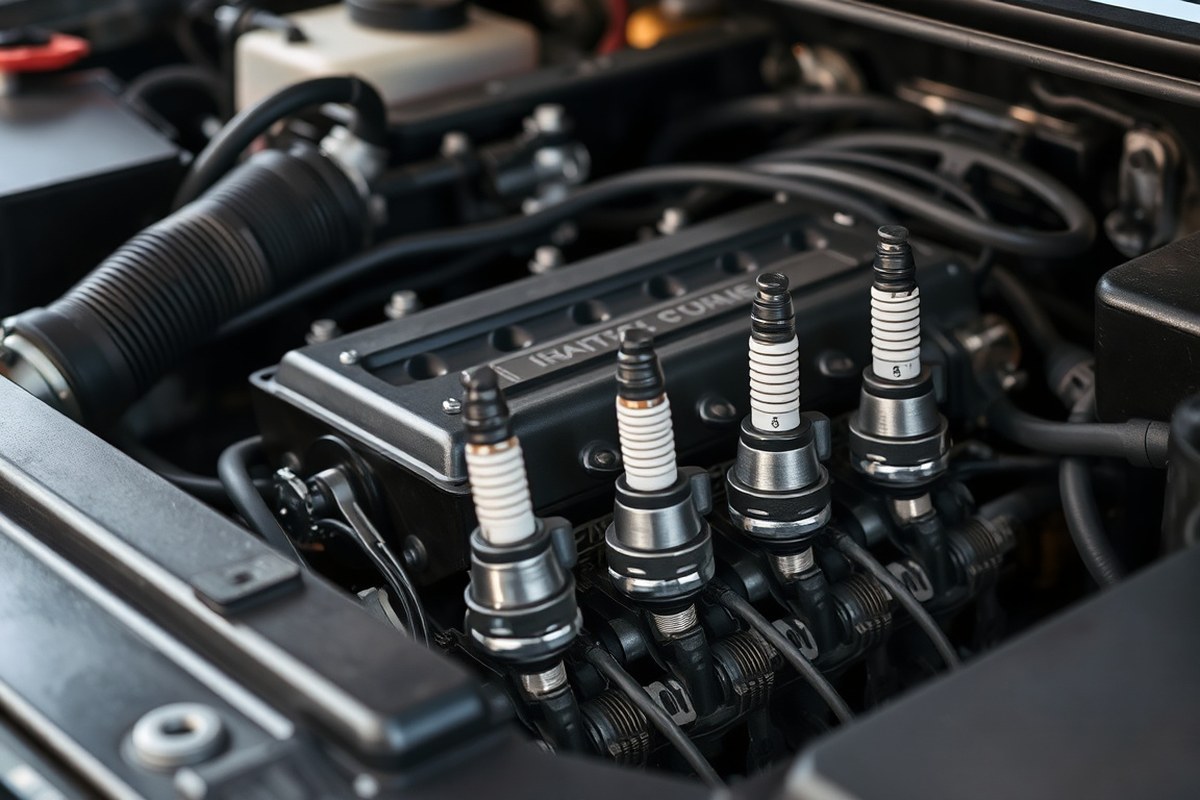
Should I Replace Ignition Coils with Spark Plugs What to Replace and When for Best Performance
Should I replace ignition coils with spark plugs? Not always, but in many cases, replacing both together can improve performance and prevent future issues. If your spark plugs are worn or nearing 100,000 miles, replacing ignition coils at the same time can save time and avoid repeated repairs. Start by checking the condition and mileage of each component to decide if a combined replacement makes sense.
Key Takeaways
- Ignition coils convert battery voltage into the high voltage needed for spark plugs to ignite the fuel-air mix.
- Replace spark plugs on schedule to avoid forcing ignition coils to work harder and fail prematurely.
- Use coil and plug kits when replacing multiple parts to ensure compatibility and reduce hassle.
- Replacing all ignition coils at once is smart if they share similar high mileage or show signs of wear.
- High-mileage vehicles benefit from replacement of coils alongside plugs for preventive maintenance.
- Repeated misfire codes or trouble codes P0300-P0308 often indicate the need to replace both coils and plugs.
Should I Replace Ignition Coils with Spark Plugs Together?
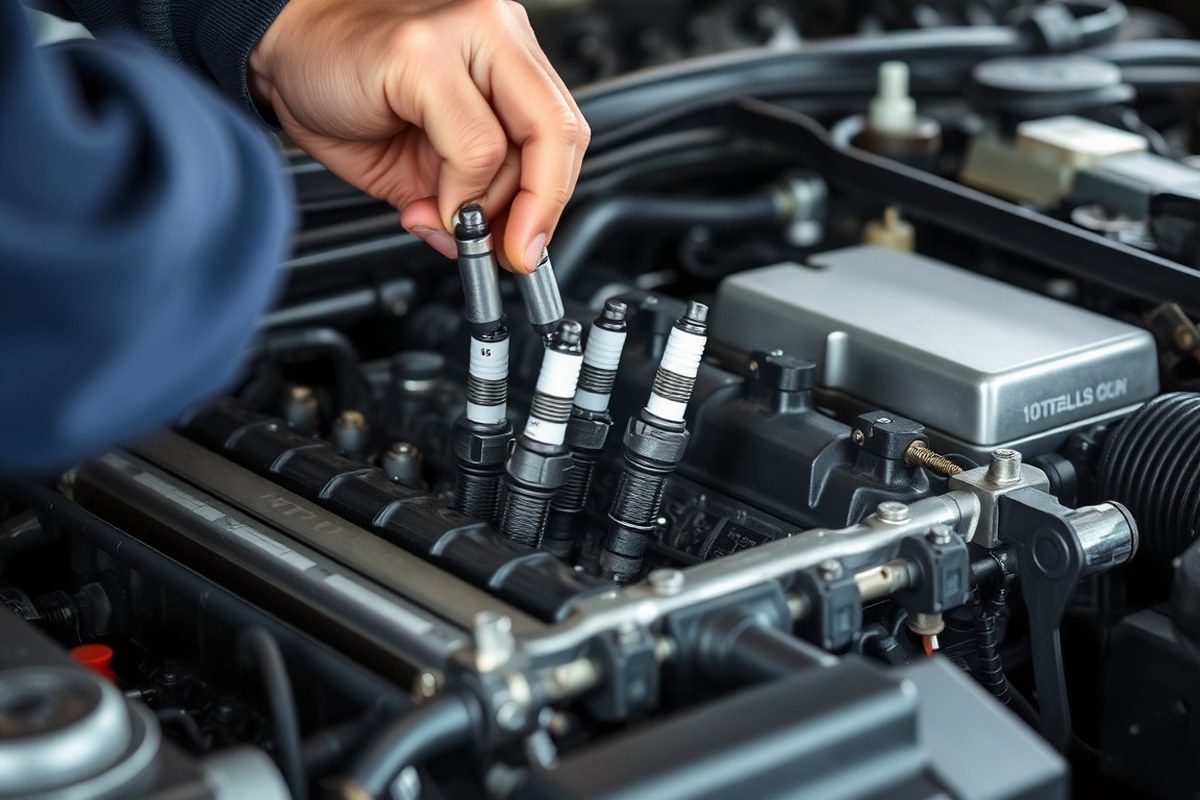
You don’t always have to replace ignition coils when you replace spark plugs, but doing both together often makes sense, especially if your vehicle has high mileage or you’re dealing with repeated misfires. Ignition coils and spark plugs age and wear out based on similar conditions, so if one is clearly worn or failing, the other part may not be far behind. Replacing both can help avoid extra labor costs and prevent future problems from developing shortly after the repair.
One useful rule of thumb is to check the condition and age of both parts. Spark plugs usually need replacement around every 30,000 to 100,000 miles depending on the type, which puts stress on ignition coils. Worn or incorrectly gapped spark plugs force ignition coils to work harder, raising the risk of coil failure. When your spark plugs show wear, fouling, or you’ve reached the manufacturer’s recommended replacement interval, replacing the coils at the same time is advisable, especially for original or high-mileage coils.
When deciding, also factor in how easy it is to access these components in your vehicle. Some engines require removing ignition coils to reach the spark plugs. Access that requires significant labor makes changing both spark plugs and ignition coils during the same service a way to save time and money. For example, replacing all coils and plugs at once prevents repeated diagnostics and labor charges in case you find another coil failing after finishing a plugs-only job.
When only one coil fails on a relatively new vehicle with low mileage, replacing just that coil could be sufficient. A budget-conscious repair in this situation can target the confirmed broken part. However, on vehicles over 100,000 miles or those with multiple engine misfire codes (like P0300 to P0308), replacing the entire set of ignition coils and spark plugs can improve engine reliability and prevent uneven wear issues.
Using quality replacement parts for both ignition coils and spark plugs is important for longevity and proper engine performance. Not replacing spark plugs during coil replacement means you need to inspect them closely to confirm they meet specifications and are undamaged; otherwise, new coils might face extra strain and wear out sooner.
Your best approach depends on mileage, condition, previous maintenance, and engine design. For high-mileage vehicles or if the plugs are near their service interval, replace both coils and plugs together. For lower-mileage cars with no coil symptoms, replacing only the spark plugs might be sufficient. Always base your decision on inspection results and diagnostic information to avoid unnecessary work while maintaining engine health.
How Do Ignition Coils and Spark Plugs Work Together?

The ignition coil and spark plug form a critical pair in a car’s ignition system, working closely to ignite the air-fuel mixture inside the engine’s cylinders. The coil’s job is to convert the 12-volt power from the battery into a much higher voltage, typically between 12,000 and 45,000 volts, required by the spark plugs. This high voltage must be strong enough to jump the spark plug gap and create a spark. In turn, the spark plug uses this energy to generate the spark that ignites the compressed mixture of fuel and air, powering the engine’s cylinders and keeping your vehicle running smoothly.
Coils and spark plugs wear out at different rates because they perform different roles under different stresses. Spark plugs endure extreme heat and pressure inside the combustion chamber, which slowly erodes the electrode tips over time, typically lasting 30,000 to 100,000 miles depending on the plug type and vehicle. The gap on the spark plug also changes with wear or improper installation, requiring more voltage to fire. This extra demand forces the ignition coil to work harder, which can accelerate coil wear. Ignition coils, on the other hand, are electrical components that convert voltage and tend to fail due to internal short circuits or insulation breakdown, not gradual wear like plugs.
To maintain optimal ignition performance, you should check both components during tune-ups. Begin by inspecting the spark plugs for signs of wear such as electrode erosion, fouling, or incorrect gap. Measuring the gap with a feeler gauge and comparing it to manufacturer specifications helps ensure the spark can reliably jump the gap without forcing the coil. Next, test the ignition coils with a multimeter or specialized scan tool to verify they deliver the necessary high voltage without dropping below normal thresholds. If a spark plug is worn or out of range, replace it before testing coils again, as a bad plug can stress the coil.
For vehicles near 100,000 miles or showing repeated misfires, replacing coils and spark plugs together can reduce future labor costs and improve engine response. In contrast, if only one coil fails and the plugs are relatively new, replacing just the coil might be sufficient. Replacing spark plugs generally costs between $60 and $120 for parts and labor, while ignition coils range from $70 to $150 each, varying by vehicle model and part quality. Labor for coil replacement can be more involved, especially on engines where rear coils are difficult to reach, sometimes requiring intake manifold removal, adding to time and expense.
Always match spark plug type and gap with your ignition coil’s output to avoid overloading coils and causing premature failure.
The relationship between ignition coils and spark plugs is a matched system where proper function of each depends on the health of the other. Keeping your spark plugs correctly gapped and replacing them when worn helps prevent ignition coil damage caused by excess voltage demand. Following manufacturer recommendations for both parts improves engine starting, fuel efficiency, and reduces misfires, safeguarding your ignition system’s longevity.
Recognizing Symptoms: Ignition Coil vs Spark Plug Issues
Determining whether your ignition coil or spark plugs are failing involves recognizing subtle differences in performance issues and symptoms. Both parts play essential roles in engine combustion, but their faults show up differently. Knowing these can help you choose the right repair approach without replacing parts that still work.
Symptoms of a Failing Ignition Coil
A bad ignition coil often causes rough engine performance and misfires by delivering weak or inconsistent spark to the cylinders. You might notice your engine hesitating during acceleration or running roughly at idle. An ignition coil failure can also cause poor fuel economy and difficulty starting the car since the spark needed to ignite fuel-air mixtures isn’t strong or steady enough.
Unlike spark plugs, faulty coils rarely cause obvious physical wear but instead affect spark reliability, leading to incomplete combustion. This incomplete combustion can eventually foul spark plugs, hiding the original cause of the problem. It’s important to watch for persistent misfires that do not improve after replacing spark plugs alone, as coils may be the underlying issue.
Signs of Worn or Damaged Spark Plugs
Worn or fouled spark plugs show different symptoms, primarily related to combustion quality and engine smoothness. You might feel vibrations, rough idling, or experience difficulty starting if the spark plugs are too worn to fire efficiently. Reduced power and acceleration are also common because a worn spark plug can’t generate a strong spark, making the ignition coil work harder. Physically inspecting spark plugs can provide clear signs of wear, such as:
- Carbon fouling: black, soot-covered tips
- Electrode erosion or rounded edges
- Oil deposits or wet plugs indicating leaks
- Cracked or broken insulator
- Gap widening beyond manufacturer specifications (usually between 0.028 to 0.060 inches)
Replacing spark plugs on schedule according to your vehicle’s maintenance guide helps avoid these performance issues and reduces strain on ignition coils.
Diagnostic Trouble Codes to Watch For
Modern vehicles can alert you to ignition system problems through onboard diagnostics. Trouble codes like P0351 to P0358 specifically indicate faults with ignition coil circuits. These codes identify which cylinder’s coil is malfunctioning, helping you pinpoint the problem coil instead of guessing.
Other codes related to misfires, like P0300 (random misfire) or P0301-P0308 (cylinder-specific misfire), can indicate either ignition coil or spark plug problems or other engine issues. Proper diagnosis requires checking these codes along with physical inspection and performance symptoms. Ignoring these warnings can lead to damage from running with poor combustion for extended periods.
How Long Do Ignition Coils and Spark Plugs Last?
Ignition coils generally last longer than spark plugs, typically surviving beyond 100,000 miles before showing signs of failure. Unlike spark plugs, there isn’t a set schedule for replacing coils because their longevity depends heavily on operating conditions and wear. You’ll usually replace ignition coils only when symptoms like misfires, rough idling, or decreased fuel efficiency signal weakness or failure.
Spark plugs have a more predictable lifespan, often needing replacement between 30,000 and 100,000 miles depending on the type and vehicle manufacturer’s recommendations. Standard copper plugs might require change closer to 30,000 miles, while platinum or iridium plugs can last upwards of 60,000 to 100,000 miles. Regular maintenance schedules typically factor this in, so checking your owner’s manual helps ensure timely replacement.
It’s not uncommon for spark plugs to fail before ignition coils because plugs endure constant exposure to heat and combustion pressures, which gradually wear their electrodes down. When spark plugs age or gap incorrectly, they can stress ignition coils by forcing them to work harder to produce a spark, potentially leading to premature coil failure. This relationship means neglecting spark plug replacement can shorten coil life.
During a major tune-up around the 100,000-mile mark, many car owners face the choice of replacing just plugs or both plugs and coils. Replacing spark plugs thoroughly and inspecting ignition coils can prevent future issues. If coils show no signs of cracking or electrical failure, you might delay their replacement. However, changing coils alongside plugs could reduce labor costs and avoid repeated disassembly in the near future.
Temperature extremes, driving habits, and electrical system health also affect coil and plug longevity. Frequent short trips, stop-and-go driving, or poor engine grounding can accelerate wear. Checking the coils for cracks or signs of corrosion, and testing their resistance with a multimeter, helps determine if replacement is needed. Spark plug condition can be assessed visually and by measuring the electrode gap during routine service.
Costs vary depending on parts and labor. Spark plugs generally cost between $10 and $20 each for common types, with premium plugs costing more. Ignition coils may range from $50 to $150 each. DIY replacement of spark plugs can save money, but diagnosing coil problems and replacing ignition coils often requires more technical skill and proper tools. Proper installation and torqueing following manufacturer specs are essential to avoid damage and ensure reliable engine performance.
Common Causes of Ignition Coil and Spark Plug Failure
Ignition coils fail mainly due to overheating, electrical stress, and wear over time. When coils overheat, their internal insulation can break down, causing shorts or open circuits. This often happens if the spark plugs are worn or have an incorrect gap because the coil has to work harder to generate a stronger spark. The higher voltage demand increases the coil’s stress, leading to premature failure.
Worn spark plugs not only reduce engine efficiency but also put extra strain on the coils. Spark plugs with excessive deposits, eroded electrodes, or wrong gaps create a weaker spark and may cause misfires. These misfires force the ignition coil to generate higher voltages repeatedly, generating more heat inside the coil. Over time, this heat damages the coil’s internal windings or electronics.
Environmental factors like moisture, dirt, and engine vibrations also contribute to coil and plug failure. Moisture or oil contamination can cause electrical shorts or corrosion, and constant vibration can loosen connections or crack coils. Extreme temperature shifts from cold starts to hot engine loads cause metal parts to expand and contract, which can degrade coil insulation and spark plug condition.
- Check and set the spark plug gap to manufacturer specs using a feeler gauge
- Replace spark plugs every 30,000 to 100,000 miles depending on plug type
- Inspect ignition coils for cracks, corrosion, or carbon tracking before installation
- Keep the ignition coil area clean and dry to prevent moisture intrusion
- Use dielectric grease on coil and plug boots to improve electrical insulation
- Avoid over-tightening spark plugs to prevent damage to the coil seat
- Address engine misfires promptly to prevent coil overheating
Proper maintenance helps reduce failure risks. Regularly inspecting spark plugs for wear, replacing them according to your vehicle’s schedule, and ensuring the correct gap can keep coils from overworking. Using quality parts designed for your vehicle reduces early wear. Avoid cheap or incorrect spark plugs that may create voltage spikes harmful to coils. Also, replacing faulty coils immediately after detecting trouble prevents engine damage and costly repairs.
Always follow the vehicle manufacturer’s torque specs when installing spark plugs to avoid damaging the ignition coil or threads.
Step-by-Step Guide to Diagnosing Coil or Spark Plug Problems
To diagnose whether the ignition coil or spark plug is causing engine problems, start by visually inspecting both parts. Then, test coil resistance with a multimeter to spot failures. Finally, use an engine scan tool to read misfire codes that pinpoint which component needs attention.
Visual Inspection of Spark Plugs and Coils
Begin by removing the spark plugs and ignition coils carefully. Look for obvious signs of wear on the spark plugs, such as a worn electrode, heavy carbon build-up, oil fouling, or cracks in the porcelain insulator. These conditions can reduce spark efficiency and cause misfires. For ignition coils, check for cracks, burns, or corrosion on the coil housing and terminals. These visible defects may indicate coil failure or poor electrical contact, which affects spark delivery.
Visual inspections don’t cost more than your time and basic tools like a spark plug socket and ratchet. Good spark plugs will have clean electrodes with some light tan coloration, showing normal wear. Coils should appear intact and dry. When either component shows damage, it’s a strong sign that replacement is necessary.
Using a Multimeter to Test Coil Resistance
Testing ignition coils with a multimeter involves measuring the coil windings’ resistance to confirm if they’re within manufacturer specifications. First, set your multimeter to the ohms (Ω) setting and consult your vehicle manual for the correct resistance values, usually between 0.4 to 2 ohms for the primary coil winding and 6,000 to 15,000 ohms for the secondary winding. Disconnect the coil from the vehicle’s electrical connectors to avoid inaccurate readings.
Place the multimeter probes on the coil’s primary terminals to measure primary resistance, and then test between the secondary terminal and ground for secondary resistance. Values significantly out of range or showing an open circuit indicate coil failure. Replacing a coil is more cost-effective than repeated misfire repairs, with coil prices typically between $50 and $120 each depending on make and model.
Engine Scan and Misfire Code Analysis
Using a diagnostic scan tool can clarify if ignition coils or spark plugs cause misfires by reading specific trouble codes. Codes ranging from P0351 to P0358 relate directly to ignition coil circuit faults. These appear and guide you to the exact coil experiencing an issue. Similarly, codes indicating misfires on one or multiple cylinders may point to either coils or plugs but cross-checking with physical and resistance tests strengthens the diagnosis.
Scan tools range from affordable devices under $50 to professional-grade tools. Plug it into the vehicle’s OBD-II port, turn the ignition on, and follow the device prompts to read codes. Clearing codes and then checking if they return after a test drive helps confirm if a replaced coil or spark plug solved the issue. This method minimizes unnecessary part replacements and ensures precise maintenance.
When to Replace One Coil or Spark Plug vs. All at Once
You can replace just one ignition coil or spark plug if you’re dealing with a single cylinder misfire or a localized failure. This approach saves money when the rest of the ignition components are in good condition and within their typical lifespan. For example, a single coil can cost between $40 and $120, while a set might run $200 to $400 or more. Replacing one part can take as little as 15 to 30 minutes, reducing labor costs if you hire a mechanic.
On the other hand, replacing the full set at once provides consistent performance and reliability. When your vehicle’s ignition coils or spark plugs reach the end of their expected life, commonly 60,000 to 100,000 miles for plugs and 80,000 to 100,000 miles for coils, it makes economic sense to replace all. Doing so prevents future cylinder misfires, uneven spark delivery, and potential engine damage. Plus, the labor involved in replacing all coils or plugs overlaps, so replacing everything together lowers overall labor cost per part.
Engine type affects this decision as well. Engines with individual coil-on-plug setups, usually found in modern vehicles, make it easier and less costly to replace a single coil or plug. Older engines that use a coil pack or distributor may require more labor to replace a single unit, shifting the balance toward full-set replacement. The decision table below outlines when to replace a single coil or spark plug versus the entire set, considering cost, labor, reliability, and engine type.
| Factor | Replace One Coil/Plug | Replace All Coils/Plugs |
|---|---|---|
| Condition | Single misfire or component failure | Worn out due to age or mileage |
| Cost | $40, $120 per coil; $10, $30 per plug | $200, $400+ for full set including both coils and plugs |
| Labor | 15, 30 minutes for one part; lower labor cost | 1, 2 hours total but lower cost per part due to batch work |
| Reliability | Short-term fix; risk of uneven performance | Better consistency and reduced chance of future failures |
| Engine type | Coil-on-plug favors single replacement | Older coil packs or distributor engines favor full set replacement |
| When to choose | Limited budget or first-time symptom | During tune-up or repeated misfires across cylinders |
After deciding on the replacement scope, match the parts to your vehicle’s specifications. Choose OEM-spec iridium spark plugs for longer life and stable combustion. Replacing the entire coil pack with new plugs as a set ensures that all cylinders fire evenly. The biggest downside of replacing just one coil or plug is that other old components might fail soon after, causing more repairs and costs. Full replacement reduces this risk but carries a higher immediate price.
Best Practices and Mistakes to Avoid When Replacing Coils and Plugs
Use high-quality parts, follow correct installation steps, and maintain your ignition system to prevent early failures when replacing coils and spark plugs. Proper care extends component life and ensures reliable engine performance. Here are key practices and common pitfalls to avoid.
Choosing the Right Replacement Parts
Select OEM or trusted brand ignition coils and spark plugs designed for your vehicle’s make, model, and engine type. Using inferior or incompatible parts can cause misfires, rough idling, or rapid wear. Check your owner’s manual or a trusted parts database for recommended specifications like plug type, heat range, and coil resistance.
For spark plugs, ensure they come pre-gapped or adjust the gap carefully with a feeler gauge to the exact millimeter your engine requires. Incorrect gaps lead to weak sparks and increased coil strain. For ignition coils, select parts with proper electrical ratings and connectors that fit securely to avoid poor electrical contact.
Avoiding Installation Errors
Incorrect installation causes many premature coil and spark plug failures. Always disconnect the battery before starting to reduce shock risk. Use a torque wrench to tighten spark plugs to the manufacturer’s specification, usually between 10 to 15 ft-lbs; over-tightening can damage threads while under-tightening leads to poor sealing. Avoid using anti-seize compounds on plug threads unless specified, since excess anti-seize can change torque readings.
Handle ignition coils gently to prevent cracking or damage to the internal winding insulation. When reinstalling coils, ensure connectors click fully in place for secure electrical contact. Replace coil boots or seals if brittle or cracked to prevent moisture intrusion which can cause coil failure.
- Disconnect battery before beginning
- Use correct torque on spark plugs (10, 15 ft-lbs)
- Check and set spark plug gap precisely
- Avoid anti-seize on spark plugs unless instructed
- Inspect and replace coil boots/seals if worn
- Handle coils carefully to avoid physical damage
- Ensure all electrical connectors are fully seated
Applying too much heat or torque when installing plugs can damage your engine’s cylinder head or cause misfires, follow exact specs and use proper tools.
Maintenance Habits to Maximize Lifespan
Regular inspection and engine tune-ups help keep ignition coils and spark plugs working well. Replace spark plugs as recommended, generally every 30,000 to 60,000 miles depending on type. Keep your engine’s air-fuel mixture balanced and watch for oil or coolant leaks that can contaminate ignition components.
Avoid driving habits that increase coil heat load, such as excessive idling or high-rev acceleration, to reduce coil stress. Be vigilant about valve cover gasket leaks; oil can seep into coil towers and degrade coil insulation, leading to failure. Clean or replace air filters frequently to maintain proper combustion conditions which help preserve ignition system health.
- Inspect ignition components during regular tune-ups
- Replace spark plugs on time (30,000, 60,000 miles)
- Watch for valve cover leaks and fix promptly
- Maintain clean air and fuel filters
- Avoid excessive idling and hard acceleration
- Keep engine oil and coolant levels correct
Step-by-Step Action Plan for Ignition Coil and Spark Plug Replacement
Follow this plan to decide whether to replace ignition coils and spark plugs together or separately and ensure your vehicle runs smoothly.
- Before you start: Inspect your vehicle’s service records to check the last replacement dates of ignition coils and spark plugs.
- Day 1: Conduct a basic diagnostic test using an OBD-II scanner to identify any error codes related to ignition problems.
- Day 2: Perform a visual and physical inspection of ignition coils and spark plugs for cracks, corrosion, or wear.
- Day 3: If symptoms or codes point to one faulty part, replace it first and then test drive your vehicle to monitor performance improvements.
- Day 7: If engine issues persist or multiple components are near the end of their lifespan, plan to replace ignition coils and spark plugs together.
- Day 8: When replacing parts, use the correct type and torque settings as specified by your vehicle’s manufacturer to avoid damage.
- After replacement: Clear any diagnostic trouble codes and keep track of mileage to schedule future maintenance appropriately.
Frequently Asked Questions
What Is the Life Expectancy of an Ignition Coil?
Ignition coils typically last between 100,000 and 120,000 miles, though this varies by vehicle and driving conditions. High mileage or repeated misfires can shorten their lifespan, making regular testing important for timely replacement.
How Do I Know If My Ignition Coil or Spark Plug Is Bad?
Bad ignition coils or spark plugs cause misfires, rough idling, and poor acceleration. Use diagnostic codes and listen for engine hesitation to help pinpoint the faulty component.
What Else Should You Change When Replacing Spark Plugs?
When replacing spark plugs, inspect and consider replacing ignition coils, especially in high-mileage vehicles, to avoid repeated labor and ensure reliable performance.
Do Spark Plugs or Coils Go Bad First?
Spark plugs usually wear out first, causing coils to work harder and possibly fail sooner. Replace worn plugs promptly to extend ignition coil life.
Can I Replace Just One Ignition Coil Instead of All of Them?
Replacing one coil is fine for low mileage or single failures, but a full set suits high mileage or multiple misfires better.
Should I Replace Ignition Coils If My Spark Plugs Are Worn but Coils Test Fine?
You can replace just the spark plugs if coils test fine, but changing coils with plugs boosts reliability in vehicles with high mileage or repeated issues.
Final Thoughts
Replacing ignition coils and spark plugs together is often a smart choice if both are old or symptoms affect engine performance broadly. Focusing on thorough diagnosis first helps you avoid unnecessary parts replacements. Start by checking your car’s service history and running a diagnostic scan, then decide which components truly need attention.