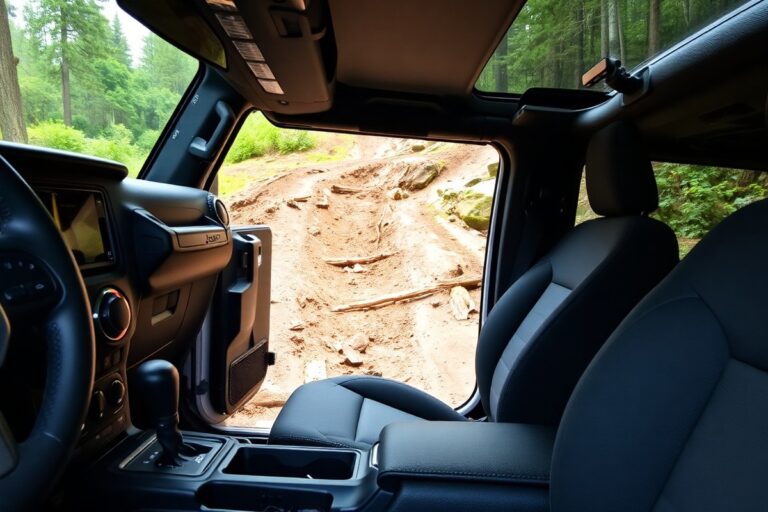
Should I Buy a Jeep Cherokee with over 100k Miles? A Complete Reliability Guide
Should I buy a Jeep Cherokee with over 100k miles? It can be a reasonable choice if you focus on well-maintained models and avoid certain problem years. Checking the vehicle’s maintenance history and condition is your most important step toward a reliable high-mileage Jeep.
Key Takeaways
- Prefer Jeep Cherokees with thorough service records to reduce the risk of expensive repairs after 100k miles.
- Models from the late 1990s and early 2000s often hold up better past 100k miles than some newer versions.
- Avoid diesel Cherokees nearing 93,000 miles due to common powertrain issues reported by owners.
- Expect major engine repairs in some 2010s Grand Cherokees, sometimes costing upwards of $7,000.
- High-mileage models frequently need attention to power locks, window motors, and distributor replacements.
- Repair costs typically increase after 100k miles, so budget accordingly when considering these Jeeps.
Is Buying a Jeep Cherokee with over 100,000 Miles Worth It?

Buying a Jeep Cherokee with over 100,000 miles can be worth it, but it depends on several key factors including the model year, maintenance history, and your willingness to manage potential repairs. High-mileage Cherokees often show more signs of wear and may require more frequent repairs, so budgeting for maintenance costs is essential. On average, Jeep Grand Cherokee owners face repair expenses of around $3,500 during the first five years, a cost that tends to rise as mileage increases. Taking on a vehicle with over 100,000 miles means parts like the powertrain, suspension, and electronics may fail more often, causing repairs that cost a few hundred to several thousand dollars.
Safety isn’t necessarily compromised by mileage alone, but it is tied closely to the vehicle’s upkeep and any existing mechanical issues. A high-mileage Jeep Cherokee that has been regularly serviced and inspected can remain safe and reliable. Conversely, a poorly maintained one poses more risks, especially with parts like brakes, tires, and steering components. It’s critical to have a trusted mechanic perform a thorough inspection before you commit. Paying close attention to the vehicle’s recent repairs, oil change frequency, and any manufacturer recalls can help gauge the safety and reliability of the SUV.
Certain model years and generations demonstrate better longevity past the 100,000-mile mark. Early Jeep Cherokees, particularly those with the 4.0L inline-six engine from the late 1990s and early 2000s, have built a reputation for durability. Owners have reported these vehicles lasting well beyond 200,000 miles with routine maintenance. The 2011, 2014 Grand Cherokee models had some recall issues and higher complaint rates, suggesting extra caution. Newer models, like those from 2018 onward, can be reliable but may suffer from expensive repairs, such as a reported $7,000 major engine repair at under 90,000 miles in some cases. It’s wise to research the specific year and trim to understand common problems and repair histories.
Your decision rule for buying a high-mileage Jeep should combine the vehicle’s service records with a professional pre-purchase inspection. A vehicle with a history of regular oil changes, brake maintenance, and no open recalls has a better chance of being a smart purchase. Anticipate spending between $500 and $1,500 annually on maintenance and minor repairs for SUVs over 100,000 miles, with occasional higher expenses. Avoid models known for chronic issues or those lacking clear maintenance history. This approach helps balance the lower purchase price of a high-mileage Jeep against higher ownership costs and the risk of unexpected breakdowns.
Which Model Years and Generations to Avoid or Prefer

The 2011 Jeep Grand Cherokee stands out as a model year best avoided due to known engine and electrical system problems, especially with the Totally Integrated Power Module (TIPM). In contrast, earlier and later model years within different generations show varying reliability records, which matter a lot if you’re buying a Jeep Cherokee with over 100,000 miles. Knowing which years to prefer or avoid can save you from costly repairs and reliability headaches.
Top Performing Jeep Cherokee Years
Certain Jeep Cherokee model years have demonstrated better longevity and fewer chronic issues past 100k miles. For example, model years before 2011, such as the late 1990s and early 2000s, often receive better reliability feedback, particularly the 1999 Grand Cherokee. These earlier models tend to have fewer complex electronics and more straightforward mechanical parts, making them easier to maintain as they age.
Recent fifth generation models, like those from 2022 to 2024, show mixed results but generally benefit from modern engineering updates. However, some newer models also face unique problems like infotainment glitches. Buyers should weigh these factors against maintenance records and inspect potential high-mileage vehicles carefully.
Problematic Model Years and Their Flaws
The 2011 Jeep Grand Cherokee is notorious for chronic failures. Engine problems linked to the TIPM caused numerous breakdowns and costly repairs. Owners report early electrical system failures, making this year a poor choice if reliability past 100k miles is your priority.
Some models around 2011 to 2012 also experience transmission issues, with aggressive clunking noises signaling potential design-related wear shortly after 100k miles. These repair costs can quickly add up to hundreds or thousands of dollars.
Earlier models like the 1999 Grand Cherokee also carry a mixed reputation. While some owners praise their durability, many complaints focus on suspension wear and drivetrain concerns as mileage climbs, often requiring component replacements.
| Model Year | Known Issues | Reliability Notes |
|---|---|---|
| 1999 | Suspension wear, drivetrain concerns | Mixed reliability; common repairs needed after 100k miles |
| 2011 | Engine problems, TIPM failure, electrical issues | Most trouble-prone model year; best avoided |
| 2012 | Early TIPM complaints, transmission clunking | Similar to 2011, carry ongoing reliability concerns |
| 2022-2024 | Infotainment glitches, minor electrical issues | Newer models with modern tech; moderate reliability |
This table highlights what you can expect from some critical Jeep Cherokee model years when considering vehicles with over 100,000 miles. Avoiding 2011 and surrounding years can reduce your risk of coming across early major repairs.
Check for recall history and technical service bulletins on the specific model year before purchase; early TIPM failures are a red flag to steer clear.
Differences Between Generations
Generations vary significantly in their build quality and technology, affecting how well they endure high mileage. The fourth generation (2011-2021) introduced complex electronics like the TIPM, which has been a notorious failure point. If you consider a fourth-gen Cherokee, avoid the early years, especially 2011 and 2012, when these issues were most common.
Third-generation Cherokees (late 1990s to early 2000s) appear mechanically simpler and have fewer complicated electrical systems. This often translates to better repairability and potentially lower maintenance costs for high-mileage vehicles.
The fifth generation also introduces advanced features and some improved reliability but includes a tradeoff with complicated infotainment and electrical systems that might start failing after 100k miles. Knowing these generation-specific differences can help you pick a Jeep Cherokee that fits your reliability needs.
Common Problems to Expect After 100k Miles
Jeep Cherokees with over 100,000 miles often develop several mechanical and electrical issues. Key problems usually arise in the engine, transmission, suspension, and electrical systems. Knowing what to check can help you avoid surprises and costly repairs.
Engine and Transmission Issues
High-mileage Jeep Cherokees frequently face engine and transmission problems that can affect drivability and safety. Common engine issues include oil leaks and rough idling, often caused by worn valve seals or aging gaskets. These leaks can lead to engine overheating or poor fuel efficiency if left unchecked. During an inspection, check for oil spots under the vehicle and pay attention to any unusual engine noises or excessive smoke from the exhaust.
The transmission is another weak spot in older Cherokees, particularly in models with automatic gearboxes. Transmission failures may present as delayed or harsh shifting, slipping gears, or sudden loss of power. These symptoms could signal worn clutch packs or failing transmission solenoids. Having a mechanic perform a transmission fluid analysis and road test can help identify issues early. Transmission repairs on high-mileage Cherokees often cost between $1,200 and $3,000, depending on severity.
Electrical and Powertrain Failures
Electrical problems become more common after 100,000 miles in Jeep Cherokees, affecting everything from the brake system to interior accessories. Owners frequently report intermittent failures of the power brake booster and electrical connectors, which can cause sudden brake unresponsiveness and present serious safety risks. Test brake response thoroughly and look out for warning lights on the dashboard.
Other recurring electronic issues include malfunctioning power windows, faulty sensors, and erratic lighting. These are often due to worn wiring harnesses or corrosion at connectors. During inspection, cycle all electrical components and scan for diagnostic trouble codes (DTCs) that may reveal malfunctioning modules.
- Brake system sudden unresponsiveness or delayed action
- Intermittent dashboard warning lights
- Power window failures or inconsistent operation
- Erratic sensor readings impacting engine or transmission
- Corroded or loose wiring harness connections
Electrical repairs can vary widely in cost, from minor connector cleaning at around $50 to more involved wiring or module replacements exceeding $500. Pay special attention to any reported history of electrical warnings or disabling failures.
Suspension and Brake Wear
Suspension components on high-mileage Jeep Cherokees typically show signs of wear such as noisy or loose steering, uneven tire wear, and vibrations during driving. Common areas to inspect include control arm bushings, ball joints, and shocks or struts. These parts degrade over time and mileage, with replacement costs ranging from $200 to $800 depending on whether it’s a single component or a full suspension job.
Brake wear is also expected after 100,000 miles, especially if regular maintenance is not documented. Look for worn brake pads, scoring or warping on the rotors, and leaking brake lines. A thorough brake inspection should include checking rotor thickness and pad remaining thickness, pads usually last 30,000 to 70,000 miles depending on driving style and conditions. Brake fluid contamination or air in the lines can also cause poor pedal feel, so a fluid flush may be necessary.
How Maintenance History Impacts Jeep Longevity
Detailed maintenance records are essential when buying a Jeep Cherokee with over 100,000 miles because they show how well the vehicle was cared for. A high-mileage Jeep with a full service history is likely to be more reliable than one with no documentation, even if that vehicle has fewer miles. Regular maintenance like oil changes, fluid replacements, brake servicing, and timely repairs can prevent common wear issues and extend the Jeep’s lifespan.
Good maintenance impacts reliability by keeping key components in working order and catching problems before they lead to expensive breakdowns. For example, changing the engine oil every 5,000 to 7,500 miles reduces engine wear and overheating risks. Replacing transmission fluid and coolant at recommended intervals prevents sludge buildup and corrosion. These routine services help your Jeep run smoothly beyond 100,000 miles and can cost between $150 and $400 annually, depending on service complexity and parts. When you review a Jeep’s maintenance history, watch for the following red flags:
- Long gaps between oil changes or missing oil change stamps
- No evidence of brake pad or rotor replacements
- Lack of transmission or coolant fluid changes
- Skipped routine inspections like tire rotations and suspension checks
- Repairs only done after major failures instead of preventative care
- Unexplained or inconsistent mileage entries in service records
- Absence of documentation from authorized dealers or trusted mechanics
To verify maintenance before purchase, ask the seller for a complete service history folder or digital records. Compare documented mileage with odometer readings for consistency. Contact service providers listed in the records to confirm the work was done as claimed. If the seller can’t provide detailed records, plan for a more thorough inspection by a trusted mechanic to identify potential deferred maintenance.
Documenting proper care yourself starts the moment you buy your Jeep. Use a maintenance log, either paper or digital, to track oil changes, fluid replacements, tire rotations, and any repairs. Keep all receipts and reports in one place. This will not only help you maintain reliability but also increase your Jeep’s resale value if you decide to sell.
Key Inspection Steps for High-Mileage Jeep Cherokees
Inspecting a Jeep Cherokee with over 100,000 miles before purchase requires a thorough evaluation of its key systems and physical condition. Focus on spotting wear on common trouble spots, verifying mechanical soundness, and uncovering hidden issues through tests. This hands-on inspection ensures you understand the vehicle’s current health and potential future costs.
Exterior and Suspension Check
Start by examining the exterior for signs of rust, body damage, or uneven panel gaps, which could hint at past accidents or poor repairs. Check the condition of the suspension by pushing down on each corner; the Jeep should rebound smoothly without excessive bounce. Inspect the tires for even tread wear, since uneven wear may indicate alignment problems or worn suspension components.
Look under the vehicle for leaks of oil, coolant, or transmission fluid. Excess corrosion on the frame or suspension parts, common in older Jeeps exposed to road salt, can lead to expensive repairs. Test the 4×4 system engagement if possible, as some systems can fail intermittently after high mileage.
Engine, Transmission, and Fluids Inspection
Inspect the engine bay for visible signs of leaks, cracked hoses, or worn belts. Check fluid levels and appearance, including engine oil, transmission fluid, brake fluid, and coolant. Dark, gritty oil or burnt-smelling transmission fluid signals neglect or internal damage. Start the engine cold and listen for unusual noises like ticking, knocking, or rough idling.
Shift through all gears in both manual and automatic transmissions, noting any hesitation, slipping, or delayed engagement. A smooth, quiet operation during a road test is a good sign. Pay attention to any warning lights on the dashboard that remain on after the engine starts.
Electrical Systems and Interior Features
Test all interior features such as power windows, locks, seat adjusters, and climate controls. Malfunctions here may point to electrical problems, which can get costly to fix. Evaluate the condition of the instrument cluster and ensure all warning lights illuminate and turn off as expected during startup.
Check the operation of safety features like airbags and driving assist systems, if equipped. These can develop intermittent failures in high-mileage models, affecting vehicle safety. Verify the stereo system, interior lighting, and any additional electronics to confirm full functionality.
- Walk around the Jeep and note any body damage, rust, or misaligned panels.
- Press down on each wheel corner to test suspension rebound and inspect tires for uneven tread wear.
- Open the hood and check all fluid levels and condition, plus look for any leaks or worn components.
- Start the engine cold, listen for unusual sounds, and watch for dashboard warning lights.
- Take the Jeep for a test drive, shifting through all gears and testing acceleration and braking response.
- Operate all electrical systems and interior features to confirm proper function.
- Engage the 4×4 system to ensure it activates and disengages without issue.
- Inspect under the vehicle for leaks and check frame and suspension for corrosion or damage.
Have a mechanic, preferably one experienced with SUVs or Jeeps, perform a detailed pre-purchase inspection to uncover hidden issues not obvious in your own check.
How Driving Conditions and Use Affect Jeep Reliability
The way a Jeep Cherokee has been driven seriously affects its reliability after 100,000 miles. Highway miles typically cause less wear than city driving or off-road use. This is because highway driving involves steady speeds and fewer mechanical stressors like frequent braking or uneven terrain challenges. City driving, with constant stops and starts, heats and cools the engine repeatedly and adds strain on brakes and the transmission. Off-road use introduces risks of damage to suspension components, undercarriage, and drivetrain parts from rocks, mud, and uneven surfaces.
Understanding the Jeep’s driving conditions helps you predict what repairs might come next and which parts are likely still in good shape. A Jeep Cherokee used mostly for highway commuting can often offer a smoother ownership experience even past 100k miles. In contrast, one with extensive city or off-road history might need more frequent maintenance or part replacements sooner. To assess the impact of driving conditions on a high-mileage Jeep Cherokee, use this checklist when reviewing the vehicle’s history and inspecting it in person:
- Look for service records noting city or highway use, or any off-road repairs.
- Check for frame or undercarriage damage indicating frequent off-road use.
- Evaluate brake and transmission wear for signs of heavy stop-and-go city driving.
- Inspect suspension and differential components for damage or excessive wear common in off-roading.
- Ask how the Jeep was driven during harsh weather or rough terrain conditions.
- Consider any aftermarket additions like skid plates, which might suggest extensive off-road use.
- Confirm if the owner frequently performed maintenance to address conditions stress, timely oil changes and fluid replacements prolong life.
Harsh conditions, such as driving on snowy, icy roads or rough trails, tend to accelerate wear on seals, brakes, and electronic components exposed to moisture and dirt. Rough terrain stresses the suspension and leads to faster degradation of tires and alignment. While previous off-road use doesn’t automatically disqualify a high-mileage Jeep Cherokee, it increases the likelihood of repairs. It matters most how well the vehicle was maintained afterward. A well-maintained off-road Jeep might last longer than a neglected highway-driven one.
Good results look like relatively unworn brake pads, suspension components without rust or damage, and a clean engine bay free of mud or excessive grime. Signs of poor condition include bent frame parts, leaks under the vehicle, uneven tire wear, and rattling noises from suspension. Pricing should factor in potential upcoming repairs linked to usage history, such as replacing shocks sooner on an off-road Jeep.
Expected Repair Costs and Common Replacements over 100k Miles
Jeep Cherokees with over 100,000 miles often require repairs and replacements that owners should budget for carefully. Common parts needing attention include brake components, suspension parts, cooling system elements, and sometimes the transmission. Timely replacement of these parts helps avoid breakdowns and expensive emergency repairs.
Brake pads and rotors typically wear out between 50,000 and 70,000 miles but may need replacement again after 100,000 miles, especially if driving conditions have been tough. Suspension parts such as ball joints, control arms, and bushings often fail around or past 100k miles, due to road use and wear. Cooling system components, including the water pump and radiator hoses, may also deteriorate and require replacement to prevent overheating. Transmission repairs or fluid changes become more critical after this mileage to maintain smooth shifting and avoid costly rebuilds or replacements.
The following table shows average repair cost ranges based on typical experiences with Jeep Cherokees past 100,000 miles. These costs vary depending on model year and local labor rates but provide a useful guideline for budgeting maintenance and repairs.
| Repair or Replacement | Estimated Cost Range (Parts + Labor) | Typical Repair Timeline |
|---|---|---|
| Brake Pads and Rotors | $300 – $700 | Every 30,000 to 50,000 miles |
| Suspension (Ball Joints, Control Arms) | $400 – $1,200 | Often around 100,000 miles |
| Water Pump and Cooling Hoses | $250 – $600 | Every 90,000 to 120,000 miles |
| Transmission Fluid Change | $150 – $250 | Every 60,000 to 100,000 miles |
| Transmission Repair or Rebuild | $1,500 – $3,500 | Potentially after 150,000 miles |
Creating a maintenance budget should start with setting aside $500 to $1,000 annually for typical repairs and replacements once your Cherokee passes 100,000 miles. Checking and changing fluids more frequently than the manual suggests can extend part life. For example, using high-quality synthetic transmission fluid every 50,000 miles instead of the standard 100,000 miles interval may reduce costly transmission problems. Regularly inspecting brakes and suspension for wear signs also helps catch problems early.
To save money, consider doing minor services yourself, like replacing air filters and fluids, or using trusted independent mechanics rather than dealerships. On models with complicated electrical or computer issues, professional diagnosis is recommended to avoid wasting money on unnecessary replacements. Maintaining a clear maintenance record helps track what parts were replaced and when, avoiding premature or duplicate services.
Which Jeep Cherokee Engines and Trims Last Longest
Jeep Cherokee engines vary in reliability and fuel economy, especially beyond 100,000 miles. The 4.0-liter inline-six engine is well-known for durability, often lasting well past 200,000 miles if maintained properly. It delivers solid power and off-road capability but tends to consume more fuel compared to smaller engines. On the other hand, the 2.4-liter four-cylinder offers better fuel economy but may lack the longevity and power robustness of the 4.0-liter, especially under heavy use.
Trim levels impact both build quality and maintenance complexity. Base trims usually have simpler equipment, which means fewer electronic components can fail, making them easier and cheaper to maintain. Higher trims often include more luxury features and electronics that can lead to increased repair costs at higher mileage. The most basic trims prioritize ruggedness and ease of repair, while premium trims cater to comfort but may present more maintenance challenges after 100,000 miles.
| Engine Type | Estimated Longevity (miles) | Fuel Economy (mpg city/highway) | Notes |
|---|---|---|---|
| 4.0L Inline-Six | 200,000+ | 15/19 | Powerful, reliable, higher fuel consumption |
| 2.4L Four-Cylinder | ~150,000 | 21/28 | Fuel-efficient, less durable under heavy load |
Choose the 4.0-liter engine if you want a Jeep that can handle rugged use beyond 100,000 miles with fewer major mechanical issues. It requires regular oil changes and monitoring to avoid problems like bearing failures, which can appear unexpectedly and demand expensive repairs. The simpler base trims reduce the risk of costly electrical failures and improve ease of maintenance. However, expect to spend more on fuel with these trims.
Higher trims may appeal if you want more comfort features, but be prepared for higher maintenance costs as electronics and sensors age. Also, certain engine failures, like spun crankshaft bearings, have been reported around similar mileage marks, especially in less strong engine variants, underscoring the importance of thorough inspection before purchase.
Check maintenance records closely for any history of major engine repairs, especially bearing replacements, before buying a high-mileage Jeep Cherokee.
Step-by-Step Action Plan for Buying a High-Mileage Jeep Cherokee
Follow these steps to make a confident choice when considering a Jeep Cherokee with over 100,000 miles.
- Before you start: Research specific model years and trims known for better reliability to target your search efficiently.
- Day 1: Check the vehicle’s maintenance records to ensure consistent servicing; well-documented care reduces risk.
- Day 2: Arrange for a detailed pre-purchase inspection focusing on known issues like transmission and cooling system problems.
- Week 1: Test-drive the Jeep under varied conditions to assess drivability and listen for unusual noises.
- Week 2: Get a professional mechanic’s opinion on potential upcoming repairs and repair cost estimates.
- Week 3: Review ownership costs including insurance and potential repairs to verify the purchase fits your budget.
- Week 4: Finalize paperwork only once confident in the Jeep’s condition and history, then plan preventive maintenance post-purchase.
Frequently Asked Questions
What Is Considered High Mileage for a Jeep Cherokee?
High mileage for a Jeep Cherokee generally starts around 100,000 miles. After this point, wear and tear on components becomes more common, so it’s important to check maintenance records and vehicle condition carefully.
What Year to Stay Away from a Jeep Cherokee?
Avoid model years with known reliability issues like the 2011 and some early 2000s versions. These years often show frequent engine and transmission problems in owner reports.
Should I Buy a Jeep with 100k Miles?
Buying a Jeep Cherokee with 100,000 miles can be fine if it has a complete maintenance history and a thorough pre-purchase inspection. Higher mileage requires more attention to potential repairs.
Is 200,000 Miles on a Jeep Cherokee Bad?
200,000 miles isn’t necessarily bad, but expect more frequent repairs and parts replacement. Many Cherokees reach this mileage with persistent maintenance and care.
Can I Expect Better Fuel Economy with High-Mileage Jeep Cherokees?
Older, high-mileage Jeep Cherokees typically have lower fuel economy due to engine wear and outdated technology.
Are Jeep Cherokees with Aftermarket Parts More Reliable?
Aftermarket parts can vary in quality and affect reliability; original equipment is usually safer for long-term use.
Final Thoughts
A Jeep Cherokee with over 100,000 miles can be a practical choice if you focus on well-maintained models with stronger engine and trim options. Prioritizing inspection and maintenance history helps reduce unexpected repair costs and keeps the Jeep reliable longer. Start by pinpointing the best model years and arranging a thorough inspection before committing to buy.