How Long Do Shocks and Struts Last: A Complete Guide with Costs and Signs
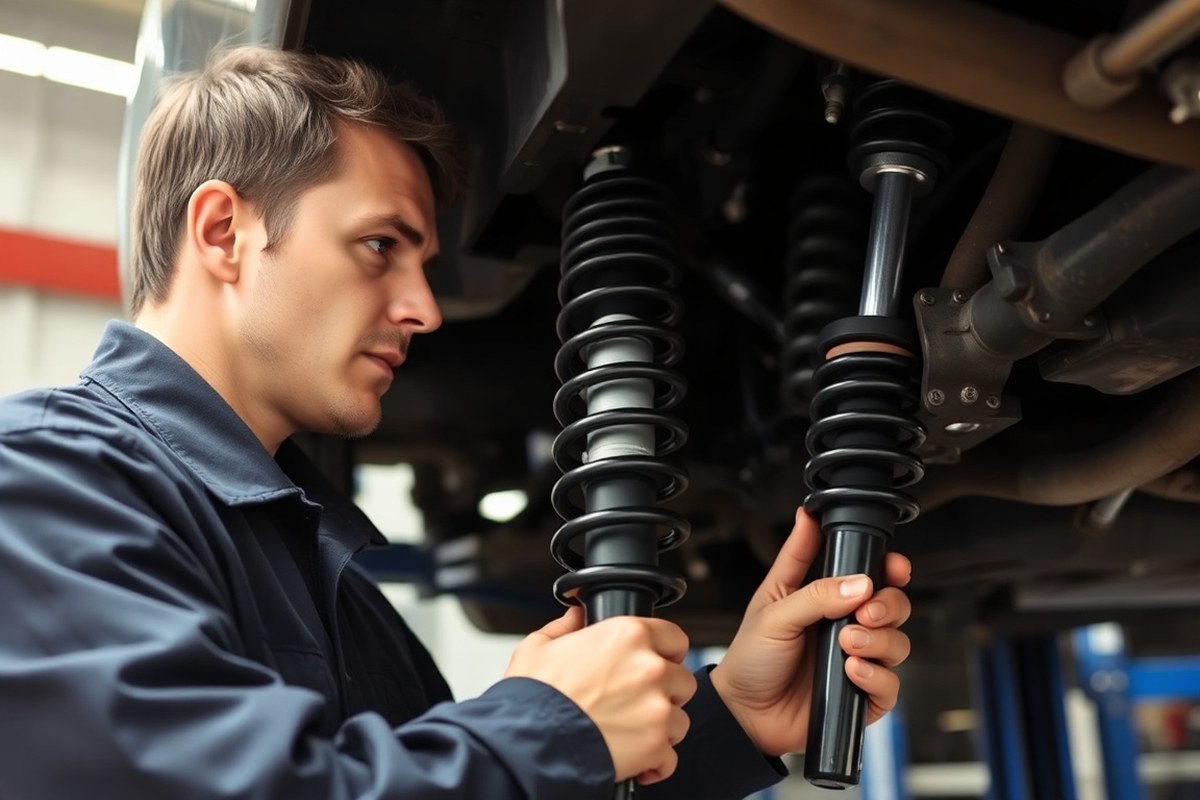
How long do shocks and struts last? Typically, most shocks and struts can last between 50,000 and 100,000 miles under normal driving conditions. Properly maintaining your vehicle and monitoring driving habits can help you get the most out of these components. Regular inspection is key to spotting issues early and avoiding costly repairs.
Key Takeaways
- Replace shocks or struts approximately every 50,000 to 100,000 miles, depending on driving conditions.
- Inspect shocks and struts after 50,000 miles to catch wear before it affects vehicle handling.
- Look for fluid leaks on shocks or struts as an immediate sign of failure.
- Uneven tire wear often signals worn shocks or struts and should prompt a checkup.
- Harsh driving, rough roads, or heavy loads can shorten shocks and struts lifespan.
- Replacing shocks and struts together maintains balanced suspension and improved safety.
How Long Do Shocks and Struts Typically Last?
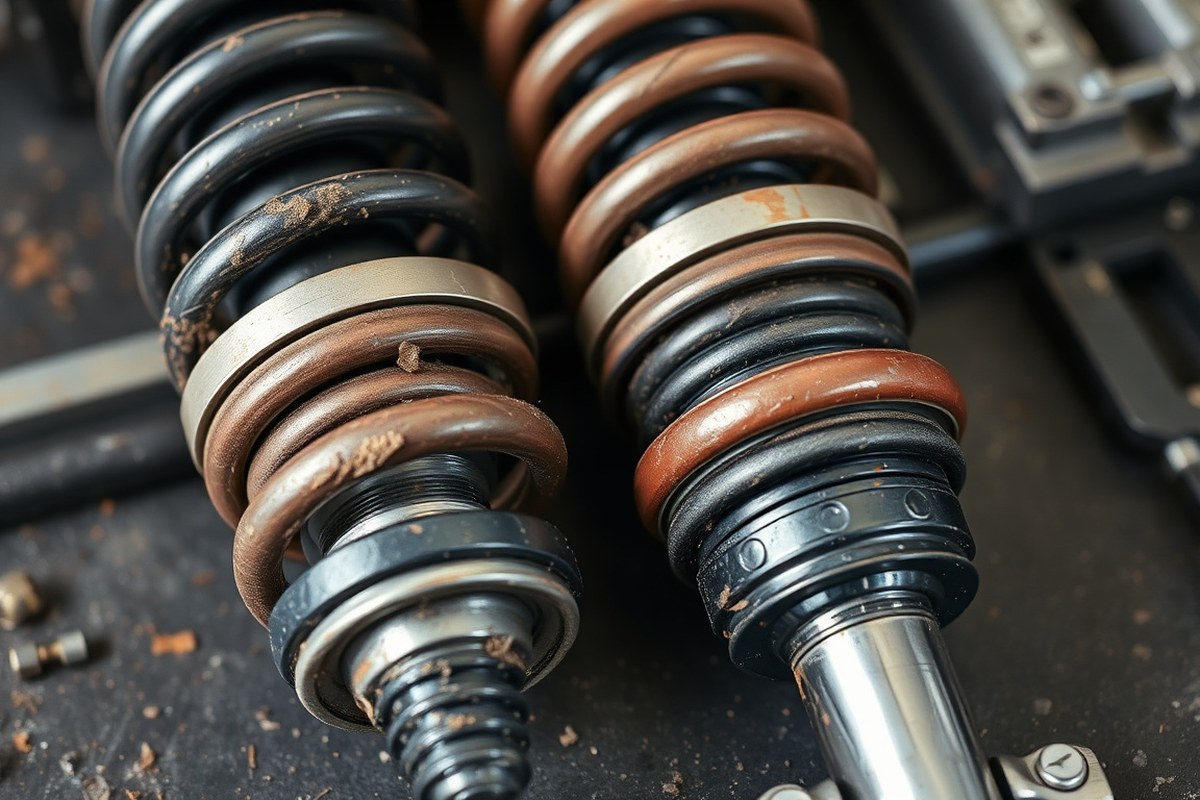
Shocks and struts generally last between 50,000 and 100,000 miles under normal driving conditions. This range reflects typical use on paved roads without excessive rough terrain or heavy loads. Many manufacturers advise having your struts inspected at around 50,000 miles since wear can start to affect vehicle handling and comfort by then. You might see shocks or struts lasting beyond 100,000 miles, but that largely depends on how, where, and how often you drive.
Driving on rough, uneven roads or carrying extra heavy loads can shorten the lifespan of these components significantly. In contrast, gentle driving on smooth highways can extend their life. Front and rear shocks or struts may wear at different rates, depending on the vehicle’s design and weight distribution. For example, front struts on front-wheel-drive cars typically wear faster than rear shocks since they handle more weight and steering duties.
It’s not uncommon for factory-installed shocks to last anywhere from 15,000 to 30,000 miles, with struts lasting between 30,000 and 50,000 miles, especially on older or economy vehicles. Replacement shocks and struts designed for durability can often reach or exceed the 50,000 to 100,000-mile mark. However, even within these ranges, signs of wear may appear sooner. Leaks of fluid from shocks or struts and uneven tire wear are both clear warning signs that replacement is becoming necessary, regardless of mileage.
Although some shocks might reach as high as 150,000 or even 200,000 miles, this is rare and should be treated as an exception rather than the norm. By the time your shocks or struts have covered anywhere near those miles without issues, they have likely been replaced or rebuilt at least once. Generally, waiting until shocks or struts degrade too much compromises your vehicle’s ability to absorb bumps and maintain proper tire contact, which affects safety and comfort.
Because shocks and struts are often replaced by axle, you might find that front components need replacing before the rear ones due to differences in wear patterns. Scheduling an inspection after about 50,000 miles is a practical step to assess their condition. Professionals will check for leaks, bounce tests, and uneven tire wear to determine if replacement is warranted. This timely inspection can prevent bigger safety risks and reduce the damage caused to other suspension parts and tires.
What Are the Key Differences Between Shocks and Struts?
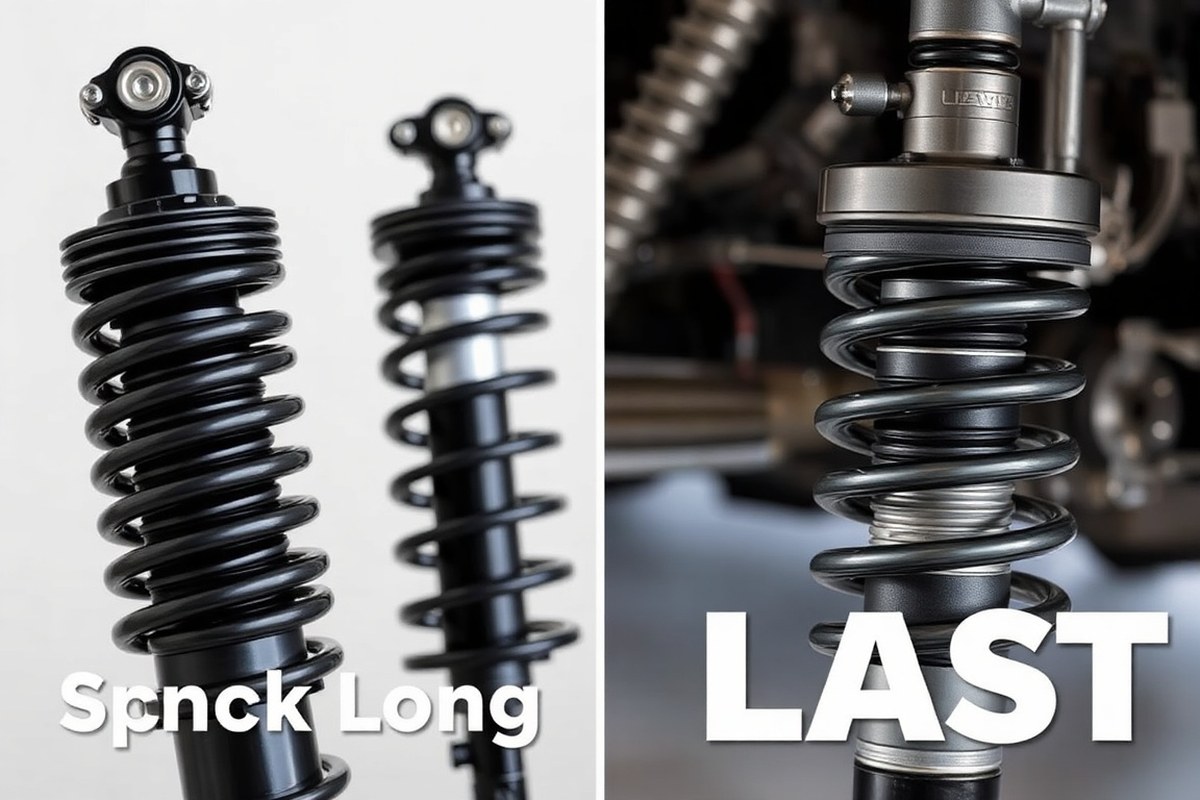
Shocks and struts both play important roles in a vehicle’s suspension system by helping control the impact and rebound of your car’s springs and suspension. While they work closely to provide a smooth ride and stable handling, they are not the same thing.
Struts are a structural component of the suspension system. They combine the shock absorber with other parts such as the coil spring, serving as a mount for the suspension and supporting the vehicle’s weight. Shocks, on the other hand, are standalone components designed solely to absorb and dampen the shocks caused by road bumps, without bearing weight.
Understanding these differences is important because it affects how your vehicle handles, how you inspect these parts, and the replacement process. Most front-wheel-drive cars have struts in the front and shocks in the rear, but some vehicles, especially trucks and SUVs, may use shocks on all four wheels or a mix depending on the suspension design.
| Feature | Shocks | Struts |
|---|---|---|
| Function | Control spring and suspension movement | Support the vehicle’s weight and maintain suspension geometry |
| Structural Role | No | Yes |
| Physical Appearance | Cylinder or tube, often separate from springs | Strut assembly includes coil spring and mount |
| Location in Vehicle | Commonly rear suspension | Commonly front suspension on many cars |
| Effect on Steering | Minimal | Directly affects steering and alignment |
You can identify if your vehicle uses shocks, struts, or both by checking the owner’s manual. Visual inspection helps too, looking for a coil spring integrated around the shock absorber, which signals a strut. Consulting a professional mechanic is a reliable way to determine the exact suspension setup on your car and get advice on maintenance.
Keeping shocks and struts in good shape maintains proper tire-to-road contact, improves braking, and supports responsive steering. Worn components reduce your vehicle’s ability to brake quickly and steer precisely, especially at highway speeds. The difference in function means replacing struts usually costs more and takes longer than replacing shocks due to their structural role.
Never drive long with worn shocks or struts; poor suspension can increase stopping distances and cause uneven tire wear, affecting your safety and repair costs.
Signs Your Shocks or Struts Need Replacing
Worn shocks or struts show clear signs that mean replacement is needed. You can spot leaks, dents, or uneven tire wear, but driving also reveals issues like excessive bouncing or poor brake response. Checking these signs helps avoid unsafe conditions and costly damage.
Visual Signs to Look For
Look closely at the shocks and struts for fluid leaks, which is a common indicator they’re failing. Hydraulic fluid leaking from the body means the internal seals have likely worn out, reducing their ability to dampen shocks. Also check for dents, cracks, or other physical damage to the strut or shock body, which can impair function.
Wear may also show as dirt buildup around the seals or rusting on the exterior. While fluid leaks almost always mean replacement is needed, minor surface rust without leaks typically does not require immediate action but should be monitored.
Driving Symptoms Indicating Wear
Pay attention to ride quality changes. Excessive bouncing after hitting bumps or dips means the shocks or struts are no longer controlling suspension movement properly. This reduces comfort and can worsen handling.
Your vehicle might also sway or lean more in turns, feel nose-diving during hard braking, or experience longer stopping distances. These symptoms indicate reduced stability from worn components. Sudden jolts or increased noise from the suspension area also suggest shock or strut failure.
Effects on Tires and Braking
Worn shocks or struts cause abnormal tire wear, often seen as uneven tread wear or cupping (wavy, scalloped tire edges). This happens because the tires lose firm contact with the road, bouncing and skipping instead of rolling smoothly.
- Check tires for uneven wear patterns or flat spots.
- Notice if handling feels loose or unstable in corners.
- Watch for longer braking distances or nose-diving while braking.
- Feel for excessive bouncing or knocking noises after driving over bumps.
- Look for visible fluid leaks on the shocks or struts.
- Inspect the shock or strut body for dents or damage.
These effects worsen safety and can lead to more expensive repairs. Tires wearing unevenly will need replacement sooner, and compromised braking increases collision risk. Replacing shocks or struts at the first sign of these symptoms keeps your vehicle safer and prevents further damage.
Factors That Affect the Lifespan of Shocks and Struts
The lifespan of shocks and struts depends heavily on driving habits, road conditions, climate, and vehicle load. Regular exposure to rough roads, harsh weather, and heavy loads leads to faster wear. Understanding these factors helps you plan for timely inspections and replacements to maintain your vehicle’s safety and handling.
Driving Habits and Road Types
Driving habits directly influence how long shocks and struts last. Frequent sharp turns, rapid accelerations, and hard braking apply more stress to these suspension components, accelerating wear. Steady, cautious driving puts less strain on the shocks and struts, potentially extending their life.
The type of roads you regularly drive on plays a significant role. Rough or unpaved roads expose shocks and struts to constant jolts and impacts, which can cause seals and internal components to deteriorate faster. Gravel, potholes, and uneven pavement lead to quicker wear compared to smooth highway driving. For example, a vehicle driven mostly on gravel roads may need shock or strut replacement after 40,000 miles, whereas highway drivers might reach 60,000 miles or more before replacement is necessary.
Weather and Climate Effects
Harsh climates shorten shocks and struts’ durability. Areas with extreme temperatures, either hot or cold, put additional stress on the components. Heat can cause the lubricating oils inside shocks to thin out, reducing damping efficiency. Cold causes seals to harden and become brittle, which can lead to leaks and loss of functionality.
Winter roads treated with salt or chemicals also accelerate corrosion. Salt exposure corrodes metal parts on shocks and struts, resulting in rust that weakens structural integrity over time. Vehicles regularly exposed to salted roads may experience failures 10 to 20 percent earlier than those kept in milder, salt-free climates. Protecting shock and strut surfaces by cleaning the underside of your vehicle after winter drives can slow this process.
Vehicle Load and Usage Patterns
Heavier vehicles or those carrying frequent heavy loads cause shocks and struts to wear faster. The extra weight compresses the springs and forces the shocks to work harder to control movement and maintain stability. This is especially true for trucks, SUVs, or cars carrying heavy cargo or multiple passengers regularly.
Repeated hauling of heavy loads can reduce shock and strut life by thousands of miles. For example, a loaded pickup truck could see shock wear start around 30,000 to 40,000 miles, compared to the average 50,000 to 70,000 miles for a similar unloaded vehicle. Avoiding overloading or distributing weight evenly helps extend these components’ durability.
Maintenance and Inspection Frequency
Regular maintenance and inspections help detect early signs of shock and strut wear, which can prevent sudden failures. Checking for leaks, worn bushings, and reduced damping performance every 12,000 to 15,000 miles is a practical approach to catch issues early. Professional inspections during oil changes or tire rotations can identify problems you might miss.
Timely replacement when signs of wear appear, such as increased bumpiness or uneven tire wear, reduces the risk of damage to other suspension parts. Neglecting maintenance can lead to replacements costing $100 to $300 more in labor due to additional suspension damage. Staying proactive with inspections reduces overall repair costs and keeps your vehicle safer on the road.
Is It Necessary to Replace Shocks and Struts Together?
You don’t always have to replace shocks and struts at the same time, but it’s often recommended to do so for balanced performance and safety. Shocks and struts wear out based on their location and the type of suspension system. Front struts, for example, usually wear out faster than rear shocks or struts because the front end handles more stress from steering, braking, and weight from the engine. This means that front and rear units can have different wear rates and might need replacement at different times.
Deciding whether to replace both front and rear shocks or struts simultaneously depends on their condition and mileage. Replacing only the front struts or shocks while the rear ones remain worn can make your vehicle feel unstable when cornering or braking. Uneven damping can cause poor handling and increase tire wear. Typically, if front shocks or struts have reached about 50,000 miles or show clear signs of wear, it’s a good idea to check the rear and consider replacing both sets together.
You can test the condition of your shocks and struts by pushing down firmly on one corner of your vehicle. The shock or strut is probably worn if your car bounces more than once or twice after you let go. Driving on worn shocks or struts in the rear while the front ones are new can lead to inconsistent feedback from the road. This mismatch causes uneven ride quality and can increase strain on other suspension components.
When replacing shocks and struts, especially in pairs (front or rear), the cost may vary but expect around $200 to $400 per pair, including parts and labor. Replacing only one side or mixing old and new shocks or struts is generally not recommended because suspension balance affects handling and safety. New shocks and struts improve comfort and control by properly damping vibrations and impacts.
Always replace shocks or struts in pairs on the same axle to maintain balanced handling and vehicle stability.
Vehicles with front struts typically have separate rear shocks, but some setups use struts on all four wheels. Check your owner’s manual or ask a mechanic how your suspension is configured before ordering parts. In some cases, extreme driving conditions or heavier vehicles might wear out struts and shocks faster, which makes synchronized replacement more necessary.
Replacing only the worn parts without considering the condition of the others risks uneven suspension performance. Good results look like consistent ride comfort across all wheels and stable, predictable handling. Poor results include uneven tire wear, increased body roll, and reduced ability to stop or steer safely. Finding a trusted mechanic for an inspection helps you decide whether a full replacement is due or if just the front or rear shocks or struts should be changed first.
Typical Costs and Time Required for Replacement
Replacing shocks and struts typically costs between $200 and $600 per axle, depending on whether you choose OEM or aftermarket parts and where you have the work done. OEM parts generally cost more, often adding $50 to $100 per component compared to aftermarket options. Labor charges vary by region and shop but usually range from 1 to 2 hours per axle, with rates around $75 to $150 per hour. For just shocks or struts by themselves, the cost may lean toward the lower end of the spectrum, while complete strut assemblies tend to increase the price as they include mounts and bearings.
OEM parts are designed to match the original equipment on your vehicle, which often ensures fit and performance closely aligned with factory standards. Aftermarket shocks and struts can offer good quality at a lower price and may even provide upgraded features, but quality varies widely by brand. Choosing aftermarket parts from reputable manufacturers can save you money without sacrificing much in performance or durability. Make sure any replacement parts carry a warranty and meet your vehicle’s specifications to avoid early failure or handling issues.
Timing for replacing shocks or struts usually ranges from 1 to 2 hours per axle when performed by a professional mechanic. The process includes removing the old components, inspecting mounts and other suspension parts, and installing the new shocks or struts. Strut assembly replacements may take longer because of the need to compress springs safely and reinstall mounts. After the physical replacement, a wheel alignment is often recommended or required, which adds about 30 to 60 minutes and $75 to $150 to the repair cost.
For example, if you plan to replace front struts using OEM parts, expect parts to cost around $150 to $250 per strut assembly. Labor might run about $150 to $300 per axle. If you instead choose aftermarket struts costing $100 to $150 each, total expenses could fall closer to $200 to $400 including labor. Rear shock replacement tends to be a bit less costly than front struts due to a simpler assembly and easier access, with parts costing approximately $50 to $150 each.
Costs can increase if your vehicle has additional suspension components that require replacement during the job. Worn mounts, broken springs, or damaged bushings add to material and labor expenses. Attempting to delay replacement risks further suspension damage and unpredictable handling characteristics, potentially leading to higher repair bills.
How to Inspect Shocks and Struts at Home Before Visiting a Mechanic
You can perform a basic inspection of your shocks and struts at home to catch urgent issues before visiting a mechanic. Checking for visible damage and testing the ride quality helps identify safety concerns and tells you if replacement might be needed soon. The process requires minimal tools and a straightforward checklist.
Gathering Required Tools and Safety Gear
For a home inspection, you won’t need many tools, but a few items make the process safer and more effective. Gloves protect your hands from dirt and sharp parts. A flashlight or good work light helps you see details clearly in tight spaces around the wheel wells. A jack and jack stands are necessary if you want to lift the car to inspect shocks and struts from below. Here’s what you should have ready:
- Flashlight or work light
- Jack and jack stands
- Gloves
- Wheel chocks to prevent rolling
- A tape measure or ruler (optional for measuring compression)
Using a jack and stands safely requires placing them on a flat, stable surface and consulting your vehicle’s manual for proper lift points. Never rely on a jack alone to hold the car up while working underneath.
Visual Inspection Steps
Start by looking for any obvious signs of wear or damage on the shocks and struts. Examine the area around the top mounting points inside the engine bay or trunk, depending on your vehicle. Check the entire length of the shock or strut for worn or torn rubber bushings, dents, or corrosion.
Look specifically for signs of leaking fluid, which indicates the shock or strut seal has failed. A wet, oily film or dirt sticking heavily to the component suggests it’s leaking. Crushing or dents on the shock body show it has been physically damaged. Also, inspect the mounting bolts and hardware for looseness or rust. Here’s a simple checklist to follow during the visual inspection:
- Check for oil or fluid leaks on shock/strut surface
- Look for dents, cracks, or corrosion on the shock body
- Inspect rubber bushings for cracks or deterioration
- Ensure mounting bolts and brackets are secure and rust-free
- Check dust boots for tears or missing parts
- Look for uneven tire wear as an indirect sign
Good results mean the shocks and struts look dry, clean, and tightly mounted with intact bushings. Uneven tire wear alone isn’t definitive but could prompt closer inspection.
Test Drive for Handling and Noise
To check shocks and struts under actual driving conditions, take your car for a short test drive on varying road surfaces. Listen for clunking, rattling, or knocking noises coming from the suspension, especially over bumps. Such sounds often indicate loose or worn parts. Try the following:
- Drive over a smooth road, then a rough patch, to compare ride comfort.
- Notice if the car bounces excessively after going over bumps, normal rebound is one or two bounces; more indicates worn shocks.
- Check if the vehicle leans significantly during turns or sways side to side.
- Observe braking behavior; nose-diving forward may signal shock deterioration.
Handle and ride feel changes are important clues your shocks and struts need professional evaluation or replacement soon.
When to Consult a Professional
Home inspections can reveal obvious problems, but some issues require a mechanic’s tools and expertise to diagnose fully. If you notice leaks, rusted mounting points, or hear unusual noises during your test drive, schedule a service appointment. Professionals can perform detailed tests like rebound checks or pressure tests.
Replacing shocks and struts requires specific tools, such as spring compressors for struts, which are dangerous without training. Mechanics safely disassemble components and install parts to exact torque settings.
Estimated replacement labor on average takes 1 to 2 hours and costs vary by vehicle and location. Avoid delaying repairs if symptoms persist to maintain safe handling and ride comfort.
Safety Risks and Vehicle Problems from Worn Shocks and Struts
Worn shocks and struts significantly reduce your vehicle’s ability to maintain proper contact with the road, leading to compromised handling and stability. When these suspension parts no longer absorb bumps and vibrations effectively, your car can bounce excessively, especially over uneven surfaces or during turns. This loss of control increases the risk of accidents, particularly during emergency maneuvers or in wet and slippery conditions.
Delaying the replacement of worn shocks or struts worsens these safety risks. Over time, poor suspension leads to longer stopping distances because the tires cannot maintain consistent road contact during braking. The vehicle may also experience nose diving when braking or excessive body roll during cornering. Each of these factors makes driving unpredictable and unsafe, increasing the chances of collisions.
Worn shocks and struts directly affect tire wear patterns. Without proper damping, tires bounce or skid across the pavement instead of gripping it firmly. This uneven contact causes rapid and irregular tire wear, such as cupping or scalloping. The more aggressively you drive, accelerating hard, braking suddenly, or taking fast turns, the quicker these suspension components fail, and the more uneven the tire wear becomes. You might find yourself replacing tires more often or paying for alignments sooner than expected.
Braking performance suffers as well due to worn shocks and struts. Since the suspension cannot keep the tires pressed firmly against the road, the braking system’s effectiveness drops. The vehicle may feel unstable or nosedive under hard braking, reducing your ability to stop promptly and safely. This effect is especially noticeable on rough roads or during sudden stops. The extra strain on brakes caused by poor suspension can also increase wear on brake pads and rotors, raising maintenance costs.
Check your shocks and struts for leaks or excessive bouncing every 12,000 miles to avoid unexpected safety issues and costly tire damage.
Step-by-Step Action Plan for Maintaining Your Shocks and Struts
Follow this plan to check and maintain your shocks and struts, helping you avoid unexpected replacements and keep your car safe on the road.
- Before Driving Regularly: Visually inspect your shocks and struts for leaks or visible damage. Look for oil stains, dents, or worn mounts as signs that replacement is needed.
- Every 12,000 Miles: Perform a bounce test by pressing down on each corner of your vehicle; it should settle quickly without excessive bouncing. If it bounces multiple times, your shocks or struts may be worn.
- Every Oil Change: Listen for unusual noises like clunks or squeaks during turns or over bumps; these can indicate shock or strut issues.
- At 50,000 Miles: Schedule a professional suspension inspection, even if no signs are present. Many shocks and struts start to wear out around this mileage.
- When You Notice Handling Problems: If your car drifts during braking, sways in corners, or nose-dives going downhill, arrange for replacement immediately to maintain safety.
- After Replacement: Test drive the vehicle and check for improved stability and smoother ride; consult your mechanic if issues persist.
Frequently Asked Questions
How Often Should You Replace Shocks and Struts?
You should replace shocks and struts every 50,000 to 100,000 miles. Inspect them sooner if you drive on rough roads or notice ride problems.
Can Struts Last 150,000 Miles?
Struts rarely last 150,000 miles under normal driving. Most last between 50,000 and 100,000 miles before needing replacement.
How Much Does It Cost to Replace 4 Shocks and Struts?
Replacing all four shocks and struts typically costs between $800 and $1,200, depending on parts and labor rates.
How Do I Know If My Struts Need Replacing?
Worn struts cause bouncy rides, uneven tire wear, and poor handling. Have them checked if you notice these signs.
Can I Replace Just the Front Shocks or Struts?
You can replace only front shocks or struts, but matching both sides on the same axle is best for balanced handling.
Will Worn Shocks or Struts Affect My Car’s Braking?
Yes, worn shocks and struts increase stopping distance and reduce control during braking.
Wrapping Up
Shocks and struts usually last around 50,000 to 100,000 miles but watching for signs of wear is important to avoid safety risks. Routine checks keep you aware of their condition and help you plan timely replacements. Start with a simple visual and bounce test today to stay ahead of costly repairs or dangerous handling problems.