
Must Have Jeep Wrangler Accessories for Off-Road Safety and Style
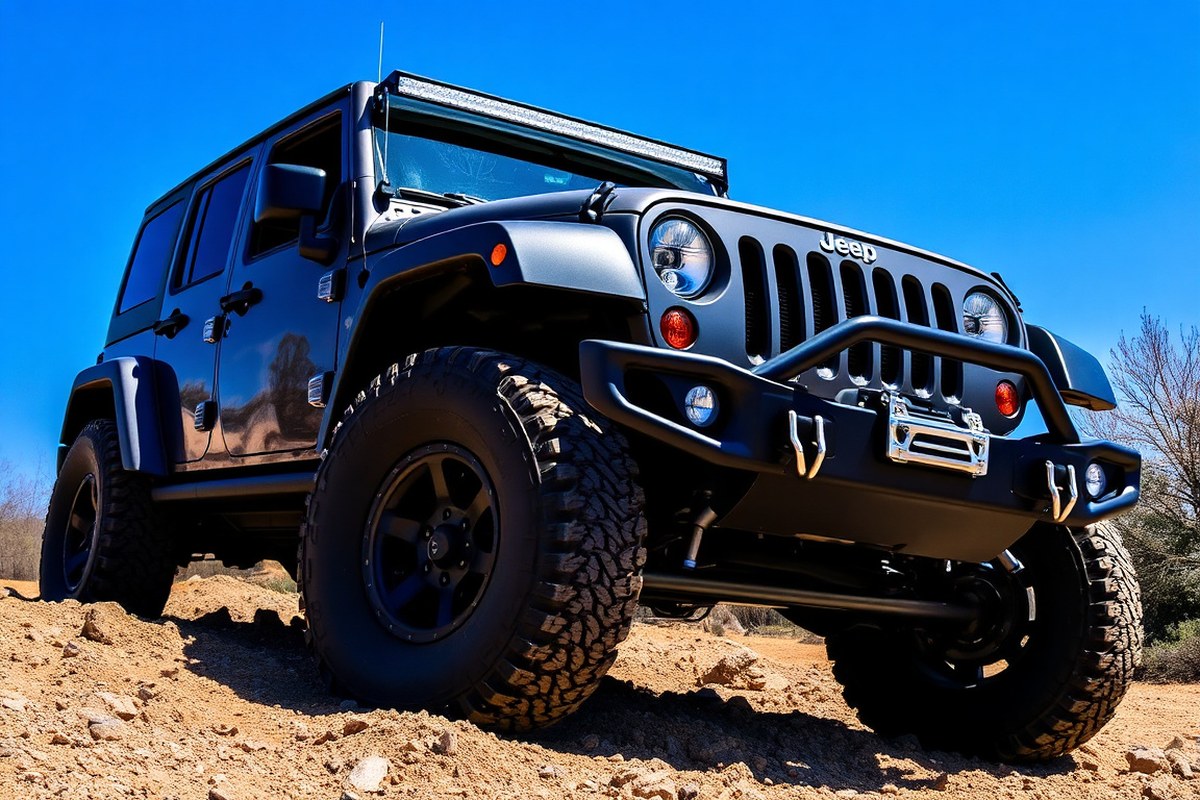
Finding the right must have Jeep Wrangler accessories helps you balance off-road safety, style, and daily driving needs. Start with durable bumpers and a reliable winch to protect your Jeep and aid in recovery. Prioritize accessories that improve capability while maintaining comfort and vehicle integrity.
Key Takeaways
- Choose a Jeep Performance Parts winch with 100 feet of WARN® Spydura™ synthetic rope for waterproof recovery readiness.
- Install a 2” lift kit with Fox shocks to improve tire contact and suspension articulation without sacrificing street handling.
- Upgrade to bumper-mounted 12” LED off-road lights to significantly boost nighttime trail visibility.
- Pick removable roof racks designed for hard tops to expand cargo capacity without permanent modifications.
- Use durable cargo totes that fold compactly yet carry extra gear securely with Jeep branding.
- Avoid cheap lift spacers under $80, as they wear out quickly and compromise handling.
Top Must-Have Jeep Wrangler Accessories for Off-Roading
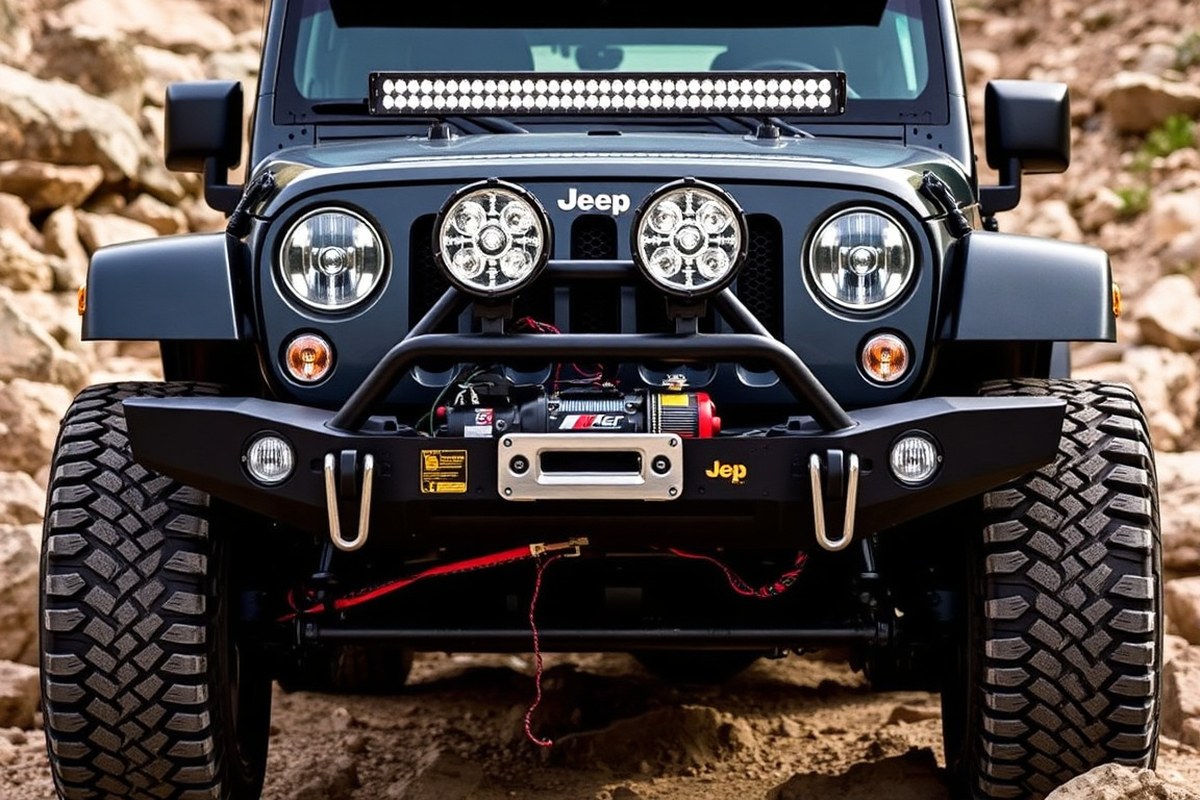
To gear up your Jeep Wrangler for safe and effective off-roading, focus first on accessories that improve protection, traction, and control. A quality set of skid plates is essential to shield critical components like the oil pan, transfer case, and fuel tank from rocks and debris. These plates usually cost between $300 and $800, depending on material and coverage, and installation takes about 2 to 4 hours. Proper skid plates prevent expensive underbody damage that can double or triple repair costs if neglected.
Locking differentials offer another critical upgrade. By ensuring power reaches both wheels on an axle, they improve traction on slippery or uneven surfaces. Many Jeep Wrangler models can be factory-upgraded with limited-slip or locking differentials for roughly $1,000 to $2,000 plus installation. For new owners on a budget, aftermarket lockers are also available but require professional installation and can impact on-road handling.
Recovery gear should be part of your baseline essentials. At minimum, carry a high-quality tow strap (rated for at least 10,000 pounds), a D-ring shackle, and a shovel stored in an accessible spot inside or on the Jeep. A winch is highly recommended if your routes include remote or technical trails, with prices starting around $400 for basic models, moving up to $1,500 or more for heavy-duty options with synthetic rope and remote controls. Set up your winch with a wired or wireless remote for quick deployment, and regularly inspect the cable for frays or corrosion.
Lighting upgrades, like 12-inch LED off-road lights mounted on the bumper or roof, improve visibility during low-light conditions and in foul weather. These lights may cost about $1,485 plus installation. Properly positioned lighting not only makes obstacles easier to see but also improve safety by making your Jeep more visible to other trail users.
Lastly, tire pressure monitoring and adjustment tools are a low-cost way to boost capability and safety. Lowering tire pressure to 15-20 psi on soft trails increases the tire’s footprint and traction while preventing flats. Carry a portable air compressor or a manual pump to restore pressure before highway driving. Neglecting proper tire preparation can result in stuck wheels or damaged tires, especially on rocky or sandy terrain.
Start with skid plates and recovery gear for immediate protection and recovery readiness. Next, add locking differentials and lighting based on your budget and trail difficulty. Remember that proper installation by a licensed technician improve safety and accessory performance. These steps ensure your Jeep Wrangler is well-prepared for diverse off-road conditions, improving confidence and reducing the risk of costly damage or delays in remote areas.
Choosing the Right Bumpers and Winches for Protection and Recovery
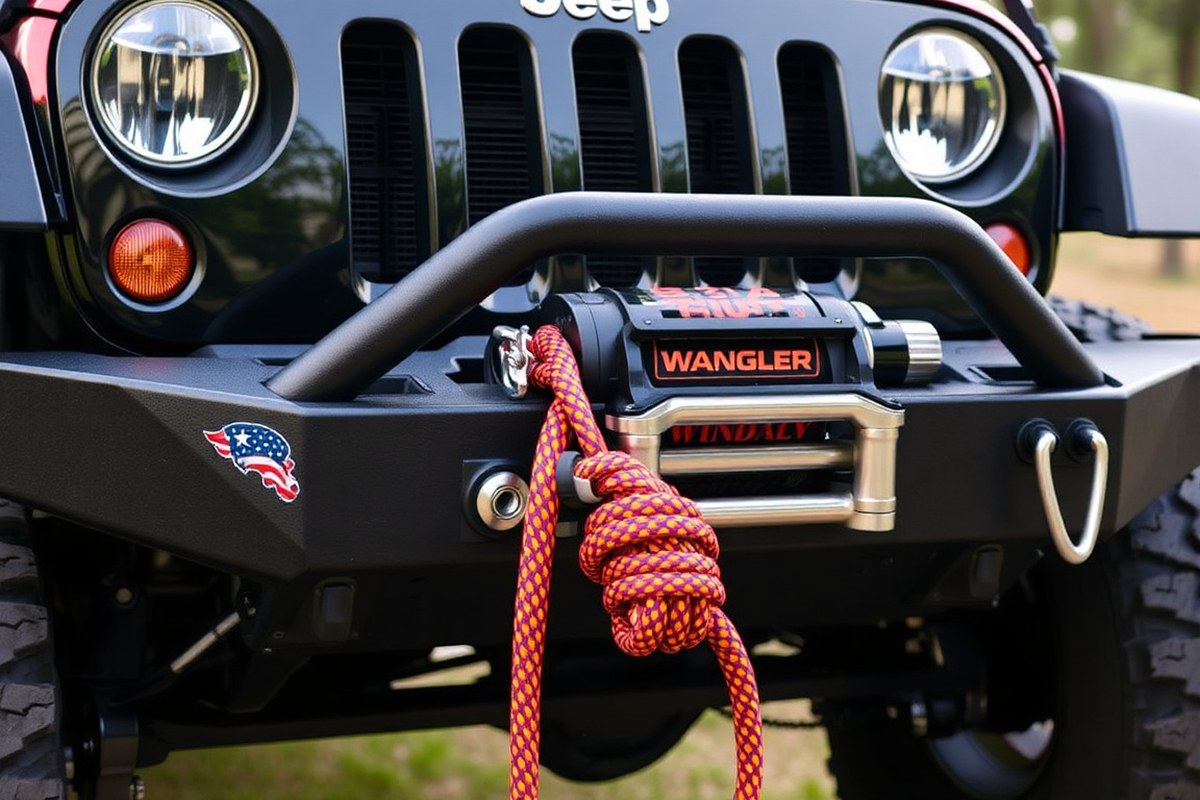
Choosing the right bumpers and winches improve your Jeep Wrangler’s protection and recovery ability during off-road adventures. Picking steel, tubular, or modular bumpers depends on how much protection and customization you want, while winch capacity should match your Jeep’s weight plus extra margin. Properly installing these components ensures safety and reliability, avoiding common mistakes that can cost time and money.
Types of Bumpers: Steel, Tubular, and Modular
Steel bumpers offer maximum durability and impact resistance. They are the go-to choice for serious off-road use, providing solid protection against rocks, trees, and collisions. Expect to pay from $300 to $1,000 or more depending on customization. Tubular bumpers weigh less and provide basic protection, often chosen for preserving the Jeep’s look and reducing added weight. Modular bumpers combine steel strength with configurable options like recovery hooks, winch mounts, and additional guards, giving you adaptability for your needs.
Consider your typical off-road terrain and what type of protection is critical. Steel bumpers excel on rugged trails, while modular bumpers let you tailor recovery accessories without full replacement. Tubular bumpers suit lighter trail use or daily driving where heavy impacts are less likely.
Selecting Winch Capacity and Rope Types
Your winch needs a pulling capacity at least 1.5 times your Jeep’s gross weight, which ranges from about 4,000 to 5,000 pounds depending on model and modifications. A winch rated for 6,000 to 8,000 pounds is common for most Wranglers and covers typical recovery situations without overspending on excessive power. Also, synthetic rope like the WARN® Spydura™ synthetic rope offers strength with less weight and easier handling compared to steel cable, plus it’s waterproof and submersible, ideal for wet conditions.
Choosing a winch with 100 feet of rope covers typical recovery distances without needing extensions. Look for kits designed specifically for Jeep Wrangler models to simplify installation, such as kits fitting factory steel bumpers or Mopar bumper assemblies. High-quality winch kits can cost $2,500 or more including installation, so invest in reputable brands for reliability.
Installation Tips and Common Pitfalls
Installing bumpers and winches demands attention to compatibility and mounting points. Confirm that the bumper fits your Jeep’s model year and body style. Using a winch mounting plate designed for your bumper and Wrangler trim helps align mounting holes, reducing frustration. Difficulties often include misaligned mounting brackets, poor wiring connections to the battery, and failure to securely anchor recovery hooks. Avoid these by:
- Aligning bumper bolt holes precisely before tightening bolts
- Using proper wiring harnesses with inline fuses for the winch
- Testing the winch pull and spool operation before heading off-road
- Checking clearance between bumper and vehicle components like headlights or grill
- Consulting the installation manual or hiring a professional if unsure
Preparedness during installation prevents damage and guarantees your recovery gear functions under pressure.
Secure all electrical connections carefully to avoid shorts or corrosion that can disable your winch at critical moments.
Best Tires and Wheels for Rugged Terrain and Daily Driving
Choosing the right tires and wheels for your Jeep Wrangler means balancing traction, ride comfort, and durability for both rugged trails and daily driving. All-terrain tires like the KO2 deliver reliable grip on mud, rocks, and pavement while maintaining reasonable noise levels. Selecting wheel sizes affects off-road capability and ride quality, with 33-inch tires on lifts offering the most noticeable performance upgrade. Trusted brands combine long-lasting tread with value to match your specific driving needs.
All-Terrain vs. Mud-Terrain Tires
All-terrain tires provide a strong compromise between off-road traction and on-road comfort. The BFGoodrich KO2 stands out as a top-ranked all-terrain tire for Jeep Wranglers, excelling on pavement and handling mud and rocks exceptionally well. These tires usually maintain quieter road noise and longer tread life compared to mud-terrain options.
Mud-terrain tires like the BFGoodrich Mud-Terrain KM3 or Goodyear MTR offer better grip in muddy or snowy conditions but tend to be louder and less comfortable for daily highway driving. These tires typically wear faster on paved roads and increase road noise, which might not suit drivers who regularly commute.
Choosing between the two depends on your trail frequency and driving style. Frequent rock crawling, deep mud, or winter trail use benefit from mud-terrain tires despite their drawbacks. For mixed use, all-terrain tires strike a practical balance.
Optimal Wheel Sizes for Different Jeep Models
Wheel and tire sizes influence ride height, ground clearance, and suspension geometry. Upgrading to 33-inch all-terrain tires on a 1.5 to 2.5-inch lift significantly improves your Wrangler’s off-road capability by increasing clearance for rocks and ruts. This combo is one of the most effective factory-compatible upgrades for better trail performance.
Larger wheels with low-profile tires may look aggressive but often reduce ride comfort and increase damage risks on rough terrain. Smaller wheels with thicker tires provide better cushioning and traction off-road but at the cost of higher rolling resistance. Choose sizes that match your driving priorities and suspension setup. Different Jeep models like the two-door and four-door Wranglers can handle similar upgrades, but wider variants or heavier Rubicons may benefit from slightly larger tires for improved traction and load capacity.
Recommended Tire Brands and Models
BFGoodrich is widely trusted, with their KO2 offering toughness, longevity, and all-around performance ideal for Jeep Wranglers. The KM3 mud-terrain tire is another option for dedicated off-roaders needing maximum grip in mud and snow. Goodyear’s MTR tires provide similar benefits for off-road winter use but come at the cost of road noise and decreased tread life.
Collins Bros Jeep and McHugh CDJR FIAT are reputable sources for genuine Jeep tire and wheel accessories. They can help tailor a package that suits your needs and ensures compatibility with your Wrangler while maintaining warranty coverage. The table below compares key features of popular tire types for Wrangler owners:
| Tire Model | Type | Best Use | Advantages | Drawbacks | Approximate Size Range |
|---|---|---|---|---|---|
| BFGoodrich KO2 | All-Terrain | Mud, rocks, pavement | Quiet, durable, versatile | Less grip in deep mud than mud-terrain | 31″ to 33″ |
| BFGoodrich Mud-Terrain KM3 | Mud-Terrain | Mud, snow, rugged trails | Excellent off-road traction | Loud, wears faster on pavement | 33″ and larger |
| Goodyear MTR | Mud-Terrain | Winter, mud, off-road use | Strong winter traction | High road noise, quick tread wear | 33″ and larger |
Matching all-terrain or mud-terrain tires with the proper wheel size and lift ensures your Jeep Wrangler performs well both on paved roads and rugged terrain. Consult trusted Jeep accessory dealers who can help with installation and product selection tailored to your adventure style.
How Suspension Lifts improve Jeep Wrangler Performance
Adding a suspension lift to your Jeep Wrangler raises the chassis higher above the axles, increasing ground clearance and improving articulation, the ability of the wheels to move independently over uneven terrain. Lift kits use longer springs, shocks, and control arms to achieve this extra height, which lets your Wrangler clear larger obstacles off-road without damaging the undercarriage. Greater articulation also keeps the tires planted on uneven surfaces, improving traction and stability across rocks, mud, and rutted trails.
Choosing the right lift height depends on your driving style and daily needs. A 2-inch lift is practical for most daily drivers who want a modest boost in clearance and can still run tires around 33 inches without complex modifications. This size balances off-road benefits with manageable on-road handling and helps avoid extra wear on driveline components. For aggressive off-roading, lifts of 3 to 4 inches or more allow you to fit larger tires, typically 35 inches or bigger, and tackle serious trails, but they can lead to a stiffer ride and may require extended brake lines, driveshaft adjustments, and a professional alignment.
Quality lift kits usually include coil springs or spacers, longer shocks designed for the new height, upgraded control arms, track bars, and necessary hardware. Some kits add sway bar links or brake line extensions to maintain proper geometry and safety. Installing a complete kit ensures that your Wrangler’s suspension geometry stays aligned, the ride quality remains acceptable, and the vehicle handles predictably both on and off-road. Partial lift kits that only use spacers or shocks without control arms risk uneven wear, poor handling, and faster suspension damage.
When deciding on a suspension lift, follow this simple rule: match your lift height to your tire size and planned use. For example, a 2-inch lift pairs well with 33-inch tires for improved daily drivability and occasional trail work. A 3- to 4-inch lift suits 35-inch tires for serious off-road conditions but adds complexity and maintenance. Prices for a good quality 2-inch lift kit typically range from $700 to $1,500, while kits for higher lifts can cost $1,500 to $3,000 or more, excluding installation. Professional installation is recommended unless you have suspension experience, as incorrect fitting can lead to steering issues, unstable handling, and accelerated wear.
Interior Upgrades for Comfort and Protection
Durable seat covers and floor liners protect your Jeep Wrangler’s interior from mud, dirt, and wear, especially after off-road adventures. Look for custom-fit seat covers made from heavy-duty materials like neoprene or canvas that resist water and stains. These typically cost between $100 and $300 but can extend your seats’ life by years. All-weather floor mats designed specifically for Jeep Wrangler models shield the carpet from mud and debris. They are easy to remove, clean with soap and water, and dry quickly. Investing in these liners means your cabin stays cleaner and retains resale value.
Maintaining a clean interior requires quick action after each trip. Remove loose dirt and mud using a handheld vacuum or brush. Wipe down plastic and vinyl surfaces with a damp cloth to avoid staining. Use a quality custom-fit windshield shade to reduce sun damage and protect the dashboard. Spending 5 to 10 minutes on this routine once or twice a week keeps the cabin fresh and prevents long-term wear. For deeper cleaning, use specialized automotive interior cleaners designed for rugged materials.
Efficient cargo and storage organizers improve usability by keeping gear sorted and accessible. Portable cargo totes made from durable vinyl fold flat when not in use and expand to approximately 24 by 15 inches, providing space for tools or supplies. Tailgate-mounted accessories like the Outback Adventures Trailgater with a bamboo cutting board add a handy outdoor prep surface. A collapsible pet kennel, designed to fit with Jeep’s cargo management system, offers secure space for your dog on trips, pricing around $320.
- Custom-fit neoprene or canvas seat covers to resist water and wear
- All-weather floor liners tailored for Jeep Wranglers to trap mud and dirt
- Handheld vacuum or brush for routine dirt removal inside the cabin
- Windshield shade to protect dash and reduce heat buildup
- Vinyl cargo totes that fold up and expand to 61cm x 38cm for gear storage
- Tailgate-mounted trailgater with a bamboo cutting board for campsite food prep
- Collapsible pet kennel compatible with cargo system for safe pet travel
Always secure loose items before driving off-road to avoid damage or injury during rough rides.
Choosing accessories compatible with your specific Wrangler year and model ensures a better fit and easier installation. Many universal gear options like cargo nets and floor mats work across Wrangler generations, but check dimensions before buying. Proper installation usually requires basic tools and 15 to 30 minutes. After heavy off-road use, remove and rinse floor liners outside the vehicle to avoid transferring mud back into the cabin, and let all items dry fully before reinstalling.
Improving Visibility with LED Lighting Upgrades
Upgrading your Jeep Wrangler’s lighting with LED options significantly improves visibility and safety during off-road night driving. Common choices include LED light bars, 5-inch and 7-inch LED off-road lights, and bumper-integrated LED pods. The 5-inch lights, measuring about 13 centimeters, are versatile for mounting on roof baskets or A-pillars and usually cost around $1,000 with installation, according to Mopar® pricing. The light bars provide broad illumination to cover wide trails, while smaller spotlights add focused beams to light distant obstacles. Bumper-integrated lights improve visibility close to the vehicle, assisting in tight maneuvers.
When selecting LED lights, consider your Jeep’s mounting options. Roof-mounted light bars need sturdy roof racks or baskets rated to handle their weight and wind resistance. A-pillar pods attach near the windshield, offering directional lighting without bulky placement. Bumper lights integrate smooth but may require compatible bumpers designed to house them. Check dimensions carefully; a 5-inch light fits many standard mounts, whereas 7-inch kits occupy more space and produce stronger light but may need reinforced mounts.
Safe wiring is critical. Use a dedicated relay and fuse with the lighting kit to protect your Jeep’s electrical system. Connect the relay switch to your Jeep’s battery positive terminal with a fuse rated slightly higher than the total amp draw of the lights to avoid overload. Run the wiring through grommets in your firewall or along existing harnesses, securing cables with zip ties to prevent chafing. Ground each light properly to the chassis with clean metal contact to reduce flicker or failure. Installing a switch inside the cabin lets you control lights while keeping them off-road only, reducing battery drain.
Legal considerations vary by state and region, emphasizing that off-road lights must be off when driving on public roads. Many states prohibit the use of extra bright or roof-mounted LED bars on highways as they can blind other drivers. Check your local Department of Motor Vehicles (DMV) rules for exact regulations on light brightness, mounting height, and when usage is allowed. Installing a switch that turns off auxiliary lights automatically with your headlights helps ensure compliance and prevents fines.
Costs depend on the system you choose. A complete 5-inch LED off-road light kit including installation averages around $1,000, while DIY installation can reduce costs but takes several hours and moderate electrical skills. Properly installed LED lights will provide consistent, bright illumination of at least 10,000 lumens, vastly improving your nighttime trail visibility and safety. Poor wiring can cause failure or electrical shorts, while improper mounting risks damage to the lights and your Jeep from vibrations or impacts, so mounting securely with quality brackets and hardware is essential.
Protective Gear to Safeguard Your Jeep’s Body and Undercarriage
Protecting your Jeep Wrangler’s body and undercarriage is essential for preserving its integrity on rough trails. The most vulnerable areas include the underside of the vehicle, the rocker panels below the doors, and the fender wells. Skid plates guard the underside by absorbing impacts from rocks, roots, and debris, preventing damage to critical components like the oil pan, transmission, and fuel tank. Meanwhile, rock sliders protect the lower edges of your Jeep’s body when you navigate sharp rocks or steep inclines. Fender flares help prevent mud, stones, and trail debris from damaging the wheel wells and paint.
Choosing skid plates involves considering material and thickness. Steel skid plates are common because of their strength and durability, generally ranging from 3/16-inch to 1/4-inch thickness. For instance, a 1/4-inch thick steel plate offers solid protection but adds more weight, which may affect fuel efficiency slightly. Aluminum plates are lighter and resist corrosion but may dent more easily. The right thickness depends on your driving style and terrain: frequent heavy rock crawling favors thicker steel plates, while mainly dirt or sand trails could do with thinner aluminum. Look for kits designed for your JK or JL model to ensure proper fit and coverage.
Installing skid plates and rock sliders usually requires basic garage tools like ratchets, socket sets, and screwdrivers. Many equipment kits come with pre-drilled mounting holes to bolt directly onto factory frame points. This installation typically takes around two hours when following the manufacturer’s step-by-step instructions. Start by safely lifting the Jeep with jack stands to access the undercarriage and rocker panels. Remove any factory splash guards if needed. Then, position the skid plates or sliders in place and secure them with bolts tightened to recommended torque values, often listed in the instructions or part packaging. Fender flares install by unclipping and removing the factory flares, then attaching new ones using included hardware such as screws or rivets. Some models use simple clip-in systems requiring no drilling.
Expect to pay between $150 and $500 for skid plates, $200 to $600 for rock sliders, and around $100 to $300 for fender flares depending on brand and materials. High-quality OEM or aftermarket parts from brands like Mopar, Smittybilt, or Quadratec can justify the investment by greatly reducing the risk of costly repairs caused by trail damage. Poorly installed or cheaply made skid plates can shift or crack, while insufficient thickness might fail to protect during harder impacts. Rock sliders that are too light or improperly mounted can bend or break under pressure.
Good results mean your Jeep’s body remains free of dents, scratches, and punctures after off-road sessions. You’ll also notice less undercarriage wear and fewer trips to the mechanic for damage repairs. For heavy trail use, consider pairing rock sliders with rocker armor to protect the entire lower body. Matching protective gear to your Jeep’s trim level and trail needs helps avoid overpaying or underprotecting critical areas. Use the manufacturer’s instructions and recommended torque specs carefully during installation to ensure durability and safety on your next adventure.
Soft Tops vs. Hard Tops: Which Is Best for Your Jeep?
Soft tops offer versatility in warmer climates by providing better ventilation and easier removal. Their fabric design, however, can let in cold air and moisture in harsher weather. Hard tops provide superior protection against rain, snow, and wind, making them a better fit for colder or wet environments. They generally insulate the interior better, keeping the Jeep warmer in winter and cooler in summer.
Security is another important consideration. Hard tops are made from solid materials that add a layer of theft protection by limiting access to your gear inside. Soft tops, with their flexible fabric, are more vulnerable to cuts or tampering. If security is a priority, hard tops offer peace of mind when you’re away from your Jeep.
Installation and costs vary between the two. Soft tops usually weigh less and can be installed or removed by you within 15 to 30 minutes, typically costing between $300 and $700 depending on material quality. Hard tops are heavier, often requiring two people and can take more than 30 minutes to install or remove. Pricing ranges widely from $800 to over $1,500 based on the style and features like removable panels. Keep in mind the cost of additional accessories such as grab handles or clothes hangers, which work with both and price at around $72.40, plus installation fees.
| Feature | Soft Top | Hard Top |
|---|---|---|
| Weather Resistance | Less effective in cold, wet conditions | Excellent protection against all weather |
| Security | Vulnerable to cuts and theft | Strong and secure shell |
| Installation Time | 15 to 30 minutes, usually one person | 30+ minutes, recommended two people |
| Cost Range | $300 to $700 | $800 to $1,500+ |
| Additional Accessories | Separate grab handle and clothes hanger ($72.40 + install) | Same accessories compatible |
Soft tops offer a lightweight, affordable option that’s easier to swap out for open-air driving, especially in mild climates. Hard tops, meanwhile, provide improved protection and security, better suited if you face inclement weather or want to lock up your Jeep’s interior. For either choice, securing additional features like grab handles can improve your vehicle’s usability.
Make sure to check that your chosen top fits your Jeep’s year and model exactly to avoid costly adjustments or leaks.
Essential Recovery Gear for Safety on the Trails
Carrying essential recovery gear keeps you and your Jeep Wrangler safe when off-roading. Key tools such as a Hi-Lift jack, recovery straps, and basic roadside safety items cover both self-recovery and helping others. Learning to use each correctly prevents damage and injuries on the trails.
Basic Recovery Kit Components
Your recovery kit should include reliable equipment that suits both simple and challenging recovery situations. Start with a pair of recovery straps with a high tensile strength rated for your Jeep’s weight. Shackles are necessary to connect the straps securely to your vehicle’s recovery points.
Adding a Hi-Lift jack gives you a versatile tool for lifting, winching, clamping, and spreading when stuck or repairing tire issues. Other helpful tools include a snatch block to double your winch’s pulling power, a tree saver strap to protect anchor points, and gloves to keep your hands safe during recovery tasks.
- Recovery straps rated 20,000+ pounds breaking strength
- Bow or D-shackles for secure strap attachment
- Hi-Lift jack with base plate for stability
- Tree saver strap for rigging winch anchors
- Snatch block for increased winch pulling power
- Protective gloves for safe handling
- Basic roadside safety kit (emergency triangle, flashlight, jumper cables)
A good recovery kit generally costs between $150 and $300, balancing affordability and essential coverage. Ensure everything fits your Jeep model’s weight and recovery point specs. Beginners should focus on strap, shackles, and gloves first, then add a Hi-Lift jack and snatch blocks as skills grow.
Using a Hi-Lift Jack Safely
The Hi-Lift jack is among the most practical recovery tools but poses risks if used wrong. Always work on firm, level ground to stabilize the jack’s large base plate firmly under a solid lifting point on your Jeep’s frame or bumper. Avoid lifting the vehicle under axles or parts not designed to support weight.
Use gloves to prevent pinching or cuts, and keep bystanders clear of the jack line and vehicle. Raise the jack handle smoothly, never with sudden movements. Lower the vehicle slowly by carefully reversing the lifting steps. If lifting to change a tire or to free a stuck vehicle, place sturdy blocks to support the Jeep after raising it.
- Position the base plate on stable ground under a recommended lift point
- Engage the jack handle and lift slowly, maintaining control
- Use wheel chocks on opposite tires
- Support the vehicle securely with blocks once raised
- Reverse the lifting steps to safely lower the vehicle
Training videos and practice at home improve confidence before trail use. A mistake with this jack can bend metal or cause injury, so always respect its power and complexity.
Choosing Recovery Straps and Shackles
Recovery straps must stretch enough to provide a snatch effect but remain strong enough to handle your Jeep’s weight. Nylon straps are preferred for their elasticity and durability. For a Jeep Wrangler, choose at least 20-foot-long straps rated for 20,000 pounds or more. Avoid cheap straps that can snap dangerously.
Bow shackles are easier to use with thicker straps and winch cables due to their wider pin openings. Make sure shackles have a Working Load Limit (WLL) well above your Jeep’s curb weight; for example, a 6.5-ton WLL shackle suits most Wranglers. Proper pin tightening prevents accidental loosening during recovery.
Beginners benefit from straightforward strap setups, while experienced off-roaders may add accessories like tree savers, dampers to reduce strap recoil, and quick links for complex rigging. Always inspect straps and shackles before and after each use for frays or deformation, replacing any compromised gear immediately.
Storage Solutions and Cargo Management for Jeep Adventures
Maximizing storage inside and outside your Jeep Wrangler is essential for organized, stress-free adventures. For the rear cabin, storage organizers like MOLLE panels and drawer systems provide structured spaces to keep tools, first aid kits, and personal items within easy reach. Drawer systems typically slide out smoothly, allowing quick access while offering locking features to secure belongings. Prices for these systems range from about $300 to $700 depending on size and features. Installing MOLLE panels requires attaching mounting brackets to your cargo area, which usually takes under an hour with basic tools.
On the roof, cross bars are the foundation of versatile storage solutions. Installing roof racks can take as little as 30 minutes with hand tools and usually includes adjustable clamps to fit Jeep roof rails tightly. These racks support cargo carriers, bike racks, and kayak mounts, which expand your hauling capacity beyond the cabin limits. Roof cargo boxes cost between $300 and $1,000, offering weatherproof storage that protects gear from elements and road debris. Proper installation ensures safe carrying and prevents noise or rattling during your drive.
Transporting pets safely matters for their welfare and to avoid distractions while on the road. A pet partition keeps your dog securely behind the second row seats, typically fastening to existing anchors in minutes without permanent modifications. Expect to pay around $375 for a Mopar Pet Partition designed for Jeep models. For longer trips, combining this barrier with a crate or kennel provides additional protection and comfort. Ensuring proper ventilation and easy access to water makes the ride safer and more enjoyable for your pet.
- Rear cabin drawer systems for organized tool and gear storage
- MOLLE panels mounted on cargo walls for flexible accessory attachment
- Roof rack cross bars compatible with Jeep factory rails for easy installation
- Weatherproof rooftop cargo boxes for secure external storage
- Pet partitions installed behind the second-row seats for safety
- Tailgate tents as extra sleeping or storage space priced around $426
- Soft or hard rooftop carriers depending on seasonal and gear needs
Regularly check the tightness of all fasteners on your racks and organizers to prevent loss or damage. Weight limits vary by component; sticking to manufacturer recommendations avoids strain on mounting points or vehicle roof damage. For pets, keeping the partition clean and inspecting for any wear ensures it continues to perform well. Tailgate accessories like the Mopar Tent Kit add versatility by turning your cargo area into a gear or sleeping zone without complex setup, ideal for overnight trips.
Your First Steps: A Quick-Start Plan for Jeep Wrangler Accessories
Getting the right accessories installed in the right order helps you enjoy your Jeep safely and fully. Follow these steps to upgrade your Jeep efficiently.
- Before you buy: Assess your main uses, such as daily driving, trail riding, or camping, to prioritize accessories that match your needs. You know you’re ready when your list reflects your actual off-road plans.
- Week 1: Install protective bumpers and a reliable winch to cover immediate recovery and front-end safety. Confirm proper fit and operation by testing the winch under low-load conditions.
- Week 2: Upgrade tires and wheels suited for your terrain, checking for clearance if you installed a suspension lift. You’ll see improvement when ride quality and traction meet your expectations.
- Week 3: Add suspension lift components to improve ground clearance and articulation. Verify your Jeep handles obstacles better without bottoming out.
- Week 4: Improve lighting with LED upgrades for better night visibility on and off-road. Test by driving at night or using the lights in dark trail sections.
- Week 5: Install interior protection gear and cargo organizers to keep your cabin clean and secure. You’ll know it’s effective when dirt, gear, and supplies stay contained during rides.
- After 1 month: Assemble and pack essential recovery gear like tow straps, shackles, and a shovel before your next off-road trip. Confirm everything fits in your storage solution and is ready to use.
Frequently Asked Questions
What Are the Top 10 Accessories for a New Jeep Wrangler?
The top 10 must-have accessories include off-road lights, bumpers, winches, tires, suspension lifts, interior upgrades, protective gear, storage solutions, recovery gear, and roof racks to improve performance and adventure readiness. Prioritize based on your off-roading needs and budget.
Is There a Secret Compartment in a Jeep Wrangler?
Some Jeep Wrangler models offer hidden storage spaces like under-seat compartments or behind panels, but they are not true secret compartments. These spaces are practical for storing small tools or valuables safely while off-roading.
What Are Some Cool Things to Buy for a Jeep Wrangler?
Cool accessories include LED light bars, removable roof racks, custom floor mats, and rugged grab handles. These add functionality and style without impacting your Jeep’s off-road capabilities.
What Are the Unspoken Jeep Rules?
Unspoken Jeep rules include always greeting fellow Jeep owners with a wave, respecting trail etiquette, and maintaining your vehicle for safety. These informal codes build community and keep adventures safe.
What Must-Have Jeep Wrangler Accessories Improve Off-Road Safety?
Essential safety accessories are winches, recovery straps, skid plates, and upgraded bumpers. These protect your Jeep and help with vehicle recovery during tough trail situations.
Can I Install Jeep Wrangler Accessories Myself or Need a Professional?
You can install many accessories yourself if you have basic tools and skills, but suspension lifts or electrical upgrades often require professional installation for safety and warranty reasons.
The Bottom Line
Choosing the right Jeep Wrangler accessories boosts safety, performance, and comfort on every adventure. Start by selecting products that match how you use your Jeep, then install them thoughtfully with attention to fit and function. Your next step is to pick the core upgrades that make the biggest difference on your most common trails, ensuring your Jeep is ready for any challenge ahead.


