How Do You Fuel a Hydrogen Car? A Complete Guide with Practical Tips
How do you fuel a hydrogen car? You open the filler cap, connect the nozzle to the fuel port, and the system seals securely under high pressure. Filling the hydrogen tank typically takes only 3 to 5 minutes before you’re ready to go. Pre-cooling the hydrogen to around minus 40 degrees Fahrenheit also helps keep the refuelling process safe and efficient.
Key Takeaways
- Hydrogen fuel is compressed up to 700 bar (10,000 psi) before entering your vehicle’s tank.
- Tanks usually hold about 5 kilograms of hydrogen, which gives you 300 to 400 miles of driving range.
- Fueling a hydrogen car costs roughly the same as gasoline, about $13 to $16 per kilogram of hydrogen.
- Hydrogen stations pre-cool fuel to prevent overheating and ensure safe handling during refuelling.
- Hydrogen refuelling infrastructure is limited but expanding, with about 700 miles of hydrogen pipelines in the U.S.
- Always follow the station’s safety instructions to avoid risks related to high-pressure hydrogen fueling.
How Do You Fuel a Hydrogen Car Step by Step?

Adding hydrogen to your car is similar to putting gas in a regular vehicle, but instead of liquid fuel, you use compressed hydrogen gas. You attach a special high-pressure hose to the filling port, allowing the hydrogen to flow safely into the tank. The refueling usually takes between 3 and 5 minutes, with the display showing how much hydrogen has been added and the tank’s pressure. The system stops automatically once the tank is full, usually at about 700 bar (10,000 psi). Here’s how to fuel your hydrogen car step by step:
- Open the Fuel Filler Cap. Unlock and open the flap covering the fueling port to gain access to the hydrogen tank inlet.
- Pick Up the Hydrogen Nozzle. Retrieve the high-pressure nozzle from the dispenser, which is designed specifically for hydrogen fuel dispensing.
- Connect the Nozzle to the Car’s Fueling Port. Attach the nozzle firmly to the port; it locks in place to create a pressure-tight seal. You should hear or feel a click, indicating a secure connection.
- Start the Fuel Dispenser. Activate the pump using the station’s interface, often by pressing a button or tapping a card. The dispenser begins transferring compressed hydrogen gas into your car’s tank at around 700 bar.
- Monitor the Fueling Progress. Watch the display on the dispenser screen showing the amount of hydrogen filled, usually measured in kilograms, and the pressure inside your tank. Expect fueling to take 3 to 5 minutes.
- Wait for the Nozzle to Automatically Stop. The fueling nozzle will cease dispensing once the tank is full. This automatic shutoff prevents overfilling and ensures safety.
- Disconnect the Nozzle. Release the lock and carefully remove the nozzle from your fuel port.
- Close the Fuel Filler Cap. Securely replace and lock the fuel door to maintain tank pressure and prevent contamination.
While fueling, avoid rushing or forcefully detaching the nozzle, as the seal under high pressure is critical for safety. Since hydrogen cars carry about 5 kilograms of fuel, costs generally run between $50 and $80 per full tank. Expect a range between 300 and 400 miles depending on your vehicle model and driving habits.
Different stations might vary slightly in their setup, but the core fueling steps remain consistent due to standardized equipment and safety protocols. Always follow the station’s instructions for any unique details, and make sure your vehicle is compatible with the station’s nozzle type.
What Equipment and Safety Measures Are Involved in Hydrogen Refueling?
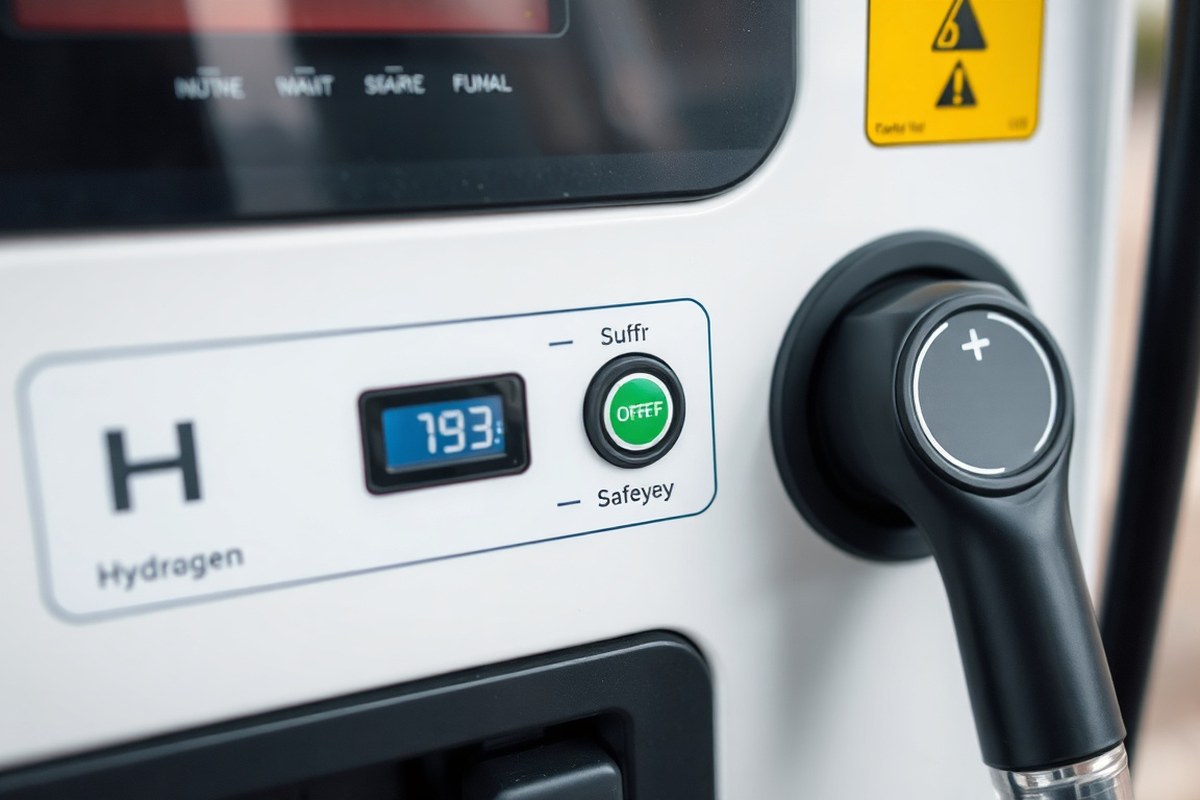
Hydrogen refueling stations use specialized hardware to ensure a safe and efficient transfer of hydrogen gas into your vehicle. The nozzles you connect to your hydrogen car’s fuel port are designed to create a secure, leak-proof seal. These nozzles, paired with flexible yet strong hoses, handle extremely high pressures, typically 700 bar for passenger cars, without risk of rupture or leak during the refueling process. This design is essential because hydrogen molecules are tiny and can escape more easily than liquid fuels if not properly contained.
Safety systems include continuous leak detection sensors positioned around the fueling equipment. These sensors detect any hydrogen leakage instantly by monitoring concentration changes in the air. If a leak is identified, the system automatically triggers an emergency shutdown that immediately stops hydrogen flow and powers down the dispenser to prevent dangerous accumulation of fuel. This automatic safety cut-off is a critical feature required by industry standards such as SAE J2601, which governs hydrogen fueling processes to keep them quick and secure.
Compared to gasoline refueling, hydrogen is safer due to these integrated measures. Gasoline involves flammable liquid that can spill and ignite, whereas hydrogen vapor disperses rapidly if released, reducing fire risk. Station designs also isolate the hydrogen storage tanks and dispensers from ignition sources, minimizing any risk of explosion. You should still avoid any open flames or smoking near the dispenser, but the engineered safety systems allow you to fuel your hydrogen vehicle with confidence.
Operating the equipment requires some care to ensure the nozzle fully seats in the vehicle’s receptacle. This creates a tight connection and activates a mechanical latch that prevents accidental disconnection or gas escape during fueling. The refueling process will automatically stop when your vehicle’s tank reaches full pressure. The dispenser may alert you if any issues arise, advising you to halt fueling and contact station staff or emergency responders if necessary.
The upfront cost of these safety systems is factored into hydrogen station operation, but they enable fast fueling, often under 5 minutes, and increase user confidence. Different stations may have minor variations in nozzle design or emergency procedures, especially between those supplying 350 bar versus 700 bar hydrogen, so always follow posted instructions. In colder climates, some stations use heating or temperature control to maintain safe gas transfer conditions, preventing pressure drops or refueling delays.
Avoid forcing the refueling nozzle if it doesn’t fit easily; this may damage the safety seal and cause a leak. Always wait for the dispenser’s green light before starting.
What Pressure Standards and Hydrogen Compression Methods Are Used?
Hydrogen fueling relies on compressing the gas to extremely high pressures, typically 700 bar, to store enough fuel for a practical driving range. Stations compress and cool hydrogen before dispensing it into the car’s high-pressure tank. Both 350 bar and 700 bar systems exist, with 700 bar being the standard for modern passenger vehicles because it allows more hydrogen storage, longer driving range, and faster refueling times.
Compression and Storage Explained
Hydrogen at the station starts as either gaseous or liquid form. If liquid hydrogen is delivered, it’s first converted back to gas before compression. The station uses a compressor that increases hydrogen pressure up to about 700 bar (10,000 psi). This compression step is essential because hydrogen naturally exists at low pressure, which is insufficient for efficient storage and dispensing.
After compression, the hydrogen gas is stored in high-pressure vessels at the station, waiting until a vehicle connects for refueling. Proper storage pressure and vessel strength ensure safe containment of the gas. The compressor and storage tanks must meet strict pressure ratings for safety and durability, matching or exceeding the car’s onboard tank pressure standard.
Differences Between 350 Bar and 700 Bar Systems
Hydrogen storage and dispensing standards vary primarily between 350 bar (about 5,000 psi) and 700 bar (about 10,000 psi). Older or heavy-duty vehicles like buses and some trucks often use the 350 bar standard, which requires less complex compression and cooling equipment. Passenger fuel cell cars, such as the Toyota Mirai or Honda Clarity, favor the 700 bar standard, doubling the pressure and allowing a tank to hold more hydrogen in the same volume.
Choosing 700 bar means your car’s fuel tank and the station’s equipment must both be rated for that high pressure to ensure safe transfer and storage. 350 bar systems usually have simpler station setups without the need for pre-cooling, but their lower pressure limits hydrogen storage capacity and reduces driving range.
Pre-Cooling Hydrogen for Safe and Fast Filling
Hydrogen compression raises its temperature, making it unsafe or inefficient to directly fuel a cold storage tank. To avoid overheating the car’s hydrogen tank during refueling, stations pre-cool the hydrogen gas, often to temperatures near -40°C (-40°F). This cooling reduces gas temperature and volume expansion during filling, preventing pressure spikes and ensuring a faster, controlled refueling process.
The most advanced fueling stations use dynamic pre-cooling systems that adjust the gas temperature in real time based on ambient and tank temperatures at the moment of refueling. This approach, known as the MC formula method, optimizes fueling speed and safety by preventing tank overpressure and allowing the hydrogen to enter the tank efficiently.
At 350 bar fueling stations, pre-cooling is less critical because the lower pressure reduces gas heating during compression and dispensing. Consequently, these stations often skip the cooling step, which also simplifies station infrastructure and lowers costs.
Influence on Vehicle Range and Fueling Speed
Higher hydrogen pressure directly increases the car’s storage capacity for hydrogen, which boosts the driving range. For example, a car filled at 700 bar, like the Toyota Mirai, can travel roughly 312 miles per fill, comparable to gasoline vehicles. In contrast, 350 bar systems provide significantly less range because less hydrogen volume fits in the same tank size.
Filling at 700 bar also reduces refueling time because a high-pressure system can quickly transfer a full tank’s volume without long wait periods for pressure equalizing. Cooler hydrogen gas further speeds fueling by safely maintaining tank temperature and pressure levels during the process. Without proper compression and pre-cooling, fueling times increase and can put stress on the vehicle’s storage system.
Hydrogen fueling stations and vehicles use matching pressure standards (e.g., both at 700 bar) to ensure refueling occurs efficiently and safely. Filling a vehicle from a lower-pressure station will limit the tank’s fill level, reducing range, while fueling from a higher-pressure station isn’t possible unless the vehicle tank is rated for that pressure. Selecting the correct system pressure affects your driving experience, fuel cost efficiency, and accessibility to fueling networks.
How Long Does It Take to Fill a Hydrogen Tank?
Filling a hydrogen car’s tank generally takes between three and five minutes, closely matching the time required to refuel a traditional gasoline vehicle. The exact duration depends mainly on how empty the tank is and its total hydrogen capacity, which typically ranges from 1 to 6 kilograms for passenger models like the Toyota Mirai that hold around 5 kilograms. The process is fast because hydrogen fueling stations communicate directly with the car to monitor tank pressure, temperature, and fuel level in real time.
Several factors influence the fueling speed. Ambient temperature affects how quickly the hydrogen can be compressed and cooled during filling. The fueling system uses pre-cooled hydrogen gas to prevent the onboard tank’s temperature from exceeding 85 degrees Celsius, ensuring safety and preserving tank integrity. Also, the dispenser adjusts pressure increments gradually, based on current tank pressure and temperature, to optimize fill speed without risking damage.
Higher initial tank pressure or warmer temperatures can slow filling, as the system must moderate the pressure increase to maintain safe conditions inside the tank. Conversely, an emptier tank and cooler temperatures at the station allow faster fuel delivery. The fueling equipment fine-tunes gas flow by constantly exchanging data with your vehicle’s onboard computer, enabling the dispenser to ramp up pressure as quickly and safely as possible.
To illustrate, if your tank is nearly empty and the station’s hydrogen is well-cooled, expect fueling to take closer to three minutes. In cooler weather, the hydrogen gas remains denser and can flow faster. On hot days, the system slows pressure increases to keep temperature limits in check, extending fill time toward five minutes. Larger tanks also require more time to fill fully compared to smaller ones.
For best results, pull up to the hydrogen dispenser and start fueling promptly, allowing the automated system to control flow rates according to real-time conditions. Refueling takes only a few minutes, offering a quicker turnaround compared to battery electric vehicle charging, which can last from 30 minutes to hours depending on the charger type. This speed advantage makes hydrogen fueling convenient for drivers seeking minimal downtime during stops.
How Much Does It Cost to Fuel a Hydrogen Car?
Fueling a hydrogen car typically costs between $10 and $16 per kilogram of hydrogen. A full tank refill usually runs from about $78 to $90, depending on the vehicle and location, translating to roughly $0.17 to $0.27 per mile driven. These costs vary by region and are influenced by government incentives, making the actual expense different depending on where you live and the available subsidies.
Typical Hydrogen Prices by Region
Hydrogen prices often range from $10 to $16 per kilogram in the United States, though some prices can be higher in other countries. For example, in the UK, green hydrogen from Motive Fuels costs approximately £21 per kilogram. Regional differences arise due to production methods, transportation costs, and local government support. The typical cost to refill a hydrogen car like the Toyota Mirai can be around $78 to $90 in the US, which varies based on the tank size and hydrogen price in that area.
| Region | Price per Kilogram | Approx. Cost per Full Tank |
|---|---|---|
| United States | $10 – $16 | $78 – $90 |
| United Kingdom | £21 (~$25) | £117.60 (~$140) |
Prices in more developed hydrogen infrastructure areas tend to be lower with more access to renewably produced hydrogen. Be prepared for higher costs in locations with fewer stations or where hydrogen is sourced from fossil fuels.
Cost Comparison: Hydrogen vs Gasoline vs Electric
Hydrogen fuel costs roughly the same as gasoline on a per-kilogram or per-gallon energy equivalent basis, but it usually translates to a higher cost per mile for hydrogen cars. Hydrogen vehicles typically cost about $0.17 to $0.27 per mile, while gasoline-powered cars generally run cheaper per mile given current fuel prices.
Electric vehicle (EV) charging can be significantly less expensive per mile, especially with home charging. However, refueling a hydrogen car is faster, taking about the same time as a gasoline fill-up and much less than a full EV charge, which might balance costs for some drivers.
Tip: Calculate your typical daily mileage to see which fuel option best fits your budget and driving habits before committing to a hydrogen car.
How Tank Size Affects Fueling Cost
Hydrogen fuel tanks vary in size, but the amount of hydrogen needed depends on the vehicle’s range and tank capacity. Most hydrogen cars have tanks that hold about 5 to 6 kilograms of hydrogen, which is enough for around 300 to 350 miles of driving.
The cost to fill a tank fully is simply the price per kilogram multiplied by the tank size. For example, for a 5-kilogram tank with hydrogen priced at $14 per kilogram, a full fill costs 5 x $14 = $70. Larger tanks will naturally cost more per fill but can increase driving range, reducing how often you need to refuel.
| Tank Size (kg) | Price per kg | Cost per Fill | Estimated Range (miles) | Cost per Mile |
|---|---|---|---|---|
| 5 | $14 | $70 | 300 | $0.23 |
| 6 | $12 | $72 | 350 | $0.21 |
Because hydrogen fueling stations are fewer and farther apart, having a larger tank might be more convenient despite the slightly higher cost per fill.
Government Incentives Impacting Costs
Various areas provide financial advantages like tax breaks, rebates, or other benefits for those who own hydrogen vehicles, helping to lower fuel expenses or the initial purchase price. These benefits differ depending on the country, state, or local government.
For instance, some US states may offer rebates on hydrogen fuel purchases or exemptions from certain fees. Some car manufacturers include additional incentives, such as free refueling credits for a limited time, which can lower your fueling expenses significantly.
Tip: Check local government websites and your dealer for active incentives before buying or fueling a hydrogen car to take full advantage of cost savings.
Where Can You Find Hydrogen Refueling Stations?
Hydrogen fuel stations are primarily located in a few key regions worldwide where the infrastructure has been heavily invested in. In the United States, most stations can be found in California, which leads in hydrogen initiatives. Europe has cities with more established networks too, especially in Germany and the UK, although the UK has only around 15 stations as of August 2023. These limited locations reflect the early stage of hydrogen infrastructure development, meaning you will not yet find stations everywhere like gas stations.
Use mobile applications such as “H2 Finder” or the Alternative Fuels Data Center site from the US Department of Energy to locate hydrogen stations near you. These tools provide current information on station positions, status, and opening times. Using an app helps you plan your refueling points and manage your journey more efficiently. Check these resources frequently since station availability may shift due to temporary shutdowns or new openings.
Hydrogen stations are not widespread mainly because building and maintaining them requires significant investment and specialized technology. Unlike gasoline, hydrogen needs high-pressure storage and specialized compression equipment, which increases costs. Early stations commonly received hydrogen deliveries via tube trailers, supplying up to around 900 kilograms daily, but demand still restricts how many stations existing companies build. These logistical and financial challenges slow the expansion of the hydrogen refueling network compared to conventional fuels.
Currently, refueling at home is generally not feasible for most drivers. Home hydrogen production and storage require commercial-grade equipment that costs much more than typical residential refueling setups. Safety considerations also require strict adherence to regulations, so home setups remain rare outside industrial or research environments. Therefore, it is essential to rely on approved public hydrogen fueling stations designed for safe dispensing and routine maintenance.
When planning trips in a hydrogen car, always use hydrogen station locator apps to identify stations along your route. This helps avoid getting stranded due to scarce refueling options. In more populated or tech-forward regions, station density is increasing slowly, improving convenience. However, in rural or less-developed areas, hydrogen stations may be absent, so expect to plan accordingly or use alternative transport methods when necessary. Careful trip preparation makes your hydrogen vehicle practical despite the current infrastructure limits.
What Are Common Mistakes and Safety Tips When Fueling Hydrogen Cars?
One major error to avoid while fueling a hydrogen car is failing to ensure the nozzle fits tightly into the fuel port. This mistake can cause hydrogen to leak, creating safety hazards. Always confirm the nozzle locks securely before beginning to fuel. Taking your time here helps prevent automatic shutoffs or escaped fuel due to a loose connection.
Hydrogen stations have leak detection sensors that will stop fueling immediately if a problem arises, but you want to be proactive too. Watch for any unusual hissing sounds, the smell of gas (though hydrogen is odorless, some stations add a scent for safety), or a sudden stop in fueling. These signs indicate something might be wrong. Detecting any of these problems means you should immediately stop refueling and alert station staff.
Handling the nozzle and fuel port properly improves your safety and the car’s performance. Always hold the nozzle steady and avoid forcing the connection. Do not touch electronic devices or open flames near the fueling area. Since hydrogen is stored under high pressure (up to 700 bar or roughly 10,000 psi in many cars), mishandling can result in unexpected releases that are hazardous. Problems during fueling should be handled by following this checklist:
- Immediately stop the fueling process by releasing the nozzle handle
- Step away from the fueling station and keep others clear of the area
- Alert station staff or emergency services if hydrogen leakage or fire is suspected
- Do not attempt to reconnect or continue fueling until the issue is resolved
- Follow any on-site emergency instructions promptly and calmly
Keep in mind that temperature extremes can affect fueling, very cold or hot conditions might make the nozzle or port stiff or more difficult to connect. Experiencing resistance calls for pausing and gently trying again instead of forcing the nozzle. The fueling process typically takes about 3 to 5 minutes, so patience is necessary to ensure a secure, leak-free connection.
How Does Hydrogen Fueling Technology Affect Driving Range and Efficiency?
Hydrogen cars typically travel about 60 miles per kilogram of hydrogen, with total range influenced by how much hydrogen the tank holds and the refueling pressure used. Higher pressure allows more hydrogen storage, extending range without increasing tank size. These factors combine to affect how far you can drive on a single fill and the vehicle’s overall efficiency compared to gasoline or electric options.
Typical Range for Popular Hydrogen Models
The Lexus LS hydrogen model can travel between 530 and 621 miles on a full tank, varying with driving conditions such as road type and temperature. This range comes from a tank that holds enough hydrogen at high pressure, allowing for long-distance travel before refueling. Other models may offer different ranges, generally falling around 300 to 400 miles for smaller tanks or lower pressure setups.
Driving in cold weather can reduce this range because hydrogen fuel cells operate less efficiently in lower temperatures. The Lexus LS’s range figure accounts for this variation, with the lower end reflecting colder or more demanding conditions. Your actual mileage will depend on the specific model, climate, and driving habits.
Impact of Pressure and Tank Size on Range
Hydrogen is stored in tanks compressed to very high pressures, often around 700 bar (about 10,150 psi). This high pressure significantly increases the amount of hydrogen that fits inside a tank without making it too large or heavy. For instance, a 5 kg tank at 700 bar would store enough hydrogen for roughly 300 miles, assuming an average efficiency of 60 miles per kg.
If the tank pressure is lower, say 350 bar, the stored hydrogen mass drops about in half for the same tank size, cutting driving range accordingly. Increasing tank size also boosts range but can add weight and reduce interior space. Automakers balance these factors to optimize your vehicle’s commuting needs.
Ensure tanks are refilled to the correct high pressure to maximize your driving range and avoid wasting fuel.
Hydrogen Fuel Efficiency vs Other Fuels
Hydrogen cars average about 60 miles per kilogram, which roughly translates to 66 miles per gallon gasoline equivalent (MPGe). Gasoline vehicles typically get between 25 and 35 mpg, so hydrogen cars nearly double that efficiency in terms of miles per energy unit. Electric vehicles, however, often surpass hydrogen efficiency on a full energy cycle, getting 100 MPGe or more.
This comparison accounts for energy losses because hydrogen must be compressed and converted back to electricity in the fuel cell, adding inefficiencies compared to direct battery use. Still, hydrogen offers quick refilling and longer range over many electric cars, balancing the efficiency tradeoff.
Driver Habits That Can Affect Efficiency
Aggressive acceleration and high-speed driving can significantly reduce hydrogen mileage, similar to gasoline cars. Maintaining steady speeds and gentle acceleration helps maximize the 60 miles per kilogram average. Cold starts and use of heating also draw extra power and reduce range, especially in freezing conditions where fuel cells work less efficiently.
Using the vehicle’s eco-driving modes when available, and planning routes to avoid heavy traffic or frequent stops, can help preserve hydrogen and extend your driving distance per fill. Tracking your consumption with onboard displays assists in adjusting habits for better efficiency.
Step-by-Step Action Plan for Fueling Your Hydrogen Car
Follow this clear plan to fuel your hydrogen car safely and efficiently, ensuring a smooth experience every time.
- Before Your First Fill: Locate the nearest hydrogen refueling station using a trusted app or map, and check its operating hours to avoid delays.
- Arrival: Pull up to the pump calmly, aligning your car’s fueling port with the dispenser to ensure easy access.
- Safety Check: Confirm that no open flames or sparks are nearby, and that you are wearing any recommended protective gear.
- Connect the Nozzle: Attach the hydrogen fueling nozzle securely to your car’s port; a proper seal will click or lock into place.
- Start Refueling: Begin the fueling process as directed on the pump; the system will automatically manage pressure and flow.
- Monitor the Fill Time: Wait about 3 to 5 minutes until the pump indicates the tank is full, avoiding premature removal to prevent leaks.
- Disconnect Safely: Remove the nozzle carefully, following any on-screen instructions, and replace the fuel cap on your car.
- Review the Receipt: Check the amount of hydrogen delivered and cost, so you stay informed about your fuel consumption and expenses.
Frequently Asked Questions
What Is the Pressure of Hydrogen Fuel in a Car’s Tank?
Hydrogen fuel in a car’s tank is stored at about 700 bar (10,000 psi), allowing for a good driving range. This very high pressure requires specially designed tanks to keep it safe and secure during travel.
What Type of Nozzle Is Used to Fuel a Hydrogen Car?
A specialized high-pressure nozzle connects to the fueling port of hydrogen cars, similar in look to a gas pump but designed to handle the pressurized hydrogen safely. This ensures a secure and leak-free connection during refueling.
How Do I Know When My Hydrogen Car’s Tank Is Full?
The dispenser’s screen shows how much hydrogen has been dispensed and the tank pressure, automatically stopping when the tank reaches full capacity. You rely on this display rather than guessing to avoid overfilling.
Can I Fuel a Hydrogen Car at Home?
No, hydrogen fueling requires high-pressure equipment available only at licensed refueling stations. Home fueling isn’t feasible or recommended due to the complexity and safety requirements.
Is Hydrogen Fueling Safe During Bad Weather?
Yes, hydrogen stations have safety measures designed to operate safely even during bad weather, including automatic shutoff systems and sensors. These precautions keep refueling secure regardless of weather conditions.
Does Hydrogen Refueling Affect Hydrogen Fuel Cell Car Maintenance?
Hydrogen refueling doesn’t significantly affect maintenance but keeping the fuel system intact is critical for safety and performance. Regular inspections recommended by manufacturers should be followed.
Final Thoughts
Refueling a hydrogen car is a straightforward process when you follow safety rules and understand the equipment involved. Doing so helps you maximize your vehicle’s range and efficiency with minimal time and cost. Start by finding a nearby station and try your first fill with confidence, using the steps here to guide you.