How Often Should You Service Your Jeep Wrangler: A Complete Guide for Owners
How often should you service your Jeep Wrangler? Generally, schedule an oil change every 7,500 miles to keep the engine running smoothly. Other key maintenance tasks depend on mileage intervals and driving conditions, with adjustments needed for severe use or specific engine types. Starting with regular oil changes ensures reliable performance and prevents costly damage.
Key Takeaways
- Change oil every 7,500 miles under normal driving to maintain engine health.
- Flush and replace engine coolant at 150,000 miles or every 10 years to prevent overheating.
- Inspect transfer case fluid and replace the engine air cleaner every 30,000 miles or three years.
- Under severe conditions, perform oil changes and inspections every 3,000 miles or 3 months.
- Replace timing belt on a 3.6L engine every 100,000 miles to avoid engine damage.
- Inspect CV and universal joints yearly or every 10,000 miles for drivetrain reliability.
How Often Should You Service Your Jeep Wrangler?
The Jeep Wrangler’s oil change interval generally falls around every 7,500 miles. Adhering to this timeline keeps your engine lubricated and running smoothly without pushing the oil beyond its effective lifespan. You should never exceed 10,000 miles or 12 months between oil changes, whichever comes first. For engine use measured in hours, such as off-road or seasonal inactivity, the threshold is about 350 hours of operation.
Following the manufacturer’s recommended mileage and time intervals helps avoid engine wear and costly repairs. For example, changes often include replacing the oil filter and checking fluid levels such as brake and transmission fluids. Replacing oil and fluids at proper intervals maintains optimal engine performance and fuel economy.
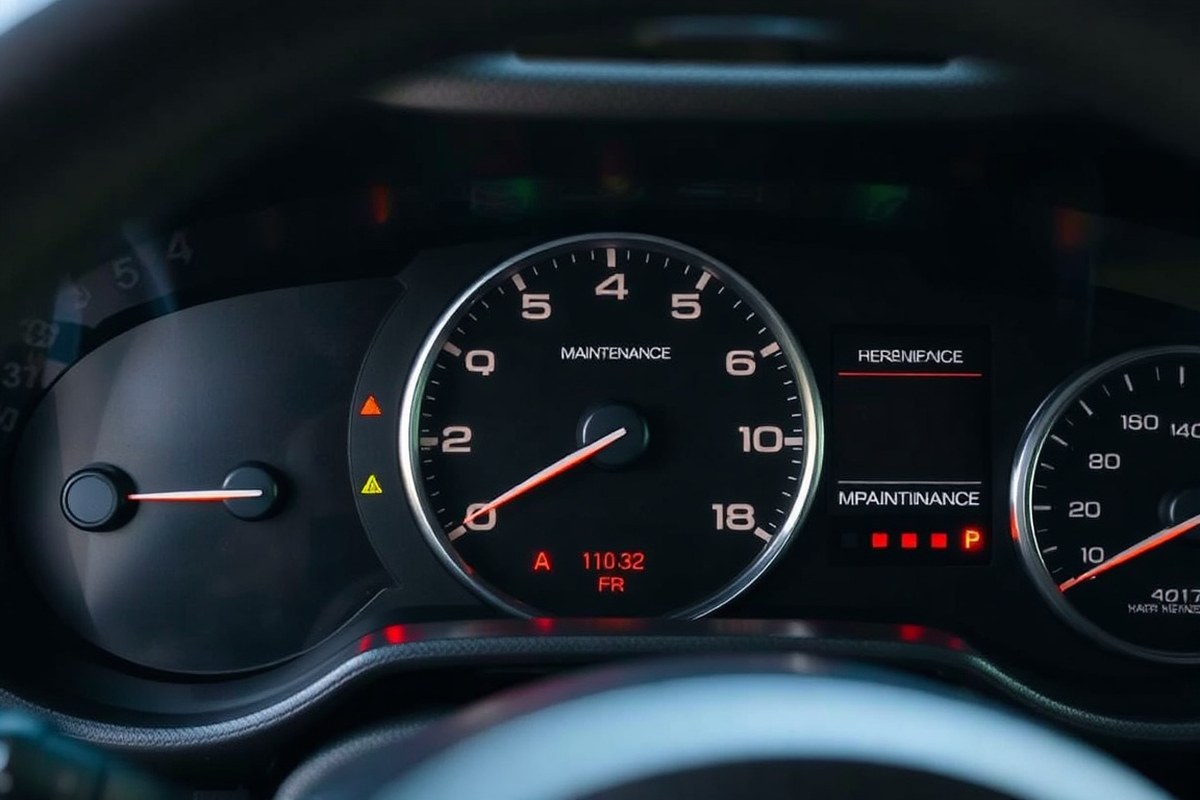
Your Jeep Wrangler notifies you when it’s time for service through an intelligent oil change indicator system. This system tracks driving conditions and engine performance to alert you early, reducing guesswork. Even with these reminders, checking your oil and service schedule every few thousand miles ensures nothing gets missed, especially if you drive in dusty or rough terrain.
In most cases, you’ll want to schedule your oil change service at 7,500 miles. When you do, service professionals typically perform a full checklist that covers other routine maintenance items, such as inspecting brakes, tires, and fluids, to keep your Wrangler ready for any situation. This can cost around $50 to $100 depending on location and service shop, but it protects your vehicle’s longevity and resale value.
For Jeep Wranglers driven under severe conditions like extreme weather, frequent towing, or mostly short trips, oil change intervals should shorten to every 3,000 miles or about every three months. These conditions accelerate oil degradation and contamination, so more frequent service preserves engine health.
Lastly, some fluids have longer intervals but still require regular attention. For instance, the engine coolant should be flushed and replaced around 150,000 miles or every 10 years. Keeping coolant fresh prevents overheating, which is important for Wrangler engines navigating tough trails and high temperatures.
Following the recommended schedule for oil changes and fluid replacements safeguards your Jeep Wrangler’s performance and extends its lifespan. Stick to manufacturer guidelines, watch for indicator alerts, and adjust service intervals based on how you drive to maintain your vehicle’s reliability on and off the road.
Essential Maintenance Tasks at Key Mileages

At key mileage points, your Jeep Wrangler requires specific maintenance tasks to maintain reliability and performance. Around 3,000 miles, focus on an initial oil and filter change, engine inspection for leaks, and checking tire condition. By 7,500 miles, inspect the automatic transmission fluid if you drive in severe conditions. Also, this is a good time to check the brake linings and front suspension components to catch wear early, particularly if you use your Jeep off-road.
At 30,000 miles, several important fluids and filters need attention. Replace the engine air cleaner filter to maintain proper airflow and fuel efficiency. Inspect and replace, if necessary, the transfer case fluid to protect the drivetrain. This interval is also ideal for a thorough check of the fuel filter, especially if your Jeep runs on biodiesel, which can clog more quickly.
- 3,000 miles: Oil and filter change, engine leak inspection, tire check
- 7,500 miles: Inspect transmission fluid (severe conditions), check brakes and suspension
- 30,000 miles: Replace air cleaner filter, inspect/replace transfer case fluid, fuel filter check
- 40,000 miles: Inspect axle and transfer case fluids after initial 20,000 miles check
- Every 20,000 miles: Suspension and brake lining inspections
- 60,000 miles (2.0L engine): Replace spark plugs
- 100,000 miles (3.6L engine): Replace spark plugs, drive belts, coolant flush
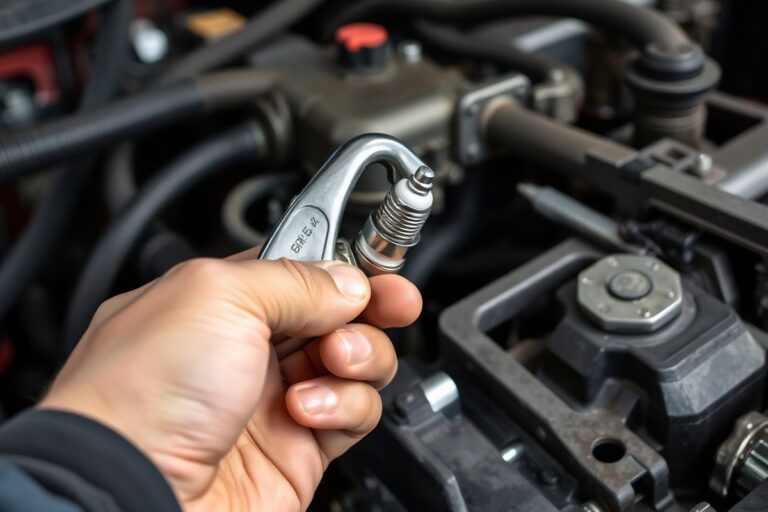
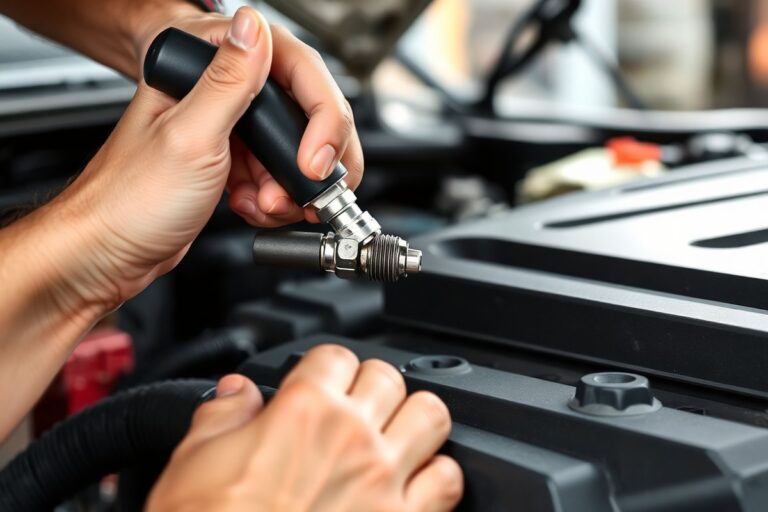
For spark plugs, replace them every 60,000 miles if your Jeep has the 2.0L engine, and every 100,000 miles for the 3.6L engine. This replacement keeps your engine firing efficiently and avoids rough starts or misfires. Drive belts typically require attention at the 100,000-mile mark to prevent failure that might leave you stranded.
High mileage milestones such as 100,000 miles call for complete inspections. This includes drive belt replacement, coolant flush, and often assessments of the battery, tires, and brake system conditions. Checking the CV and universal joints annually or every 10,000 miles also helps prevent drivetrain issues later on.
| Mileage | Maintenance Tasks |
|---|---|
| 3,000 | Oil/filter change, engine inspection, tire check |
| 7,500 | Transmission fluid inspection (severe conditions), brake & suspension check |
| 30,000 | Replace engine air cleaner, transfer case fluid service, fuel filter check |
| 60,000 | Spark plug replacement (2.0L engine) |
| 100,000 | Spark plugs (3.6L), drive belts, coolant flush, full system inspection |
Check your Jeep’s owner manual for fluid type specifications and replaceable part models to avoid costly mistakes.
How Severe Driving Conditions Affect Service Frequency
Severe driving conditions for your Jeep Wrangler include frequent short trips under 4 miles in freezing temperatures, driving in dusty or sandy environments, heavy city traffic with temperatures above 90°F (32°C), towing trailers, idling for long periods, and off-roading on rugged terrain. These conditions increase engine stress and contamination, which accelerates wear on fluids and parts, requiring you to shorten your maintenance intervals.
If you mostly take short trips when it’s below freezing, change your oil every 3,000 to 5,000 miles instead of the usual 7,500 to 10,000 miles recommended for normal driving. Off-roading in muddy or dusty conditions can also call for oil changes at or below 5,000 miles due to increased debris and strain on the engine. In heavy stop-and-go city traffic over hot days, oil and coolant may degrade faster, so more frequent checks and changes are wise.
Other fluids need extra attention in these conditions. Transmission and transfer case fluids should be checked at least every 15,000 miles or annually if you off-road frequently or tow heavy loads. Brake fluid can absorb moisture quicker in wet or cold environments, so have it inspected more often to avoid brake failure. Air filters clog faster in dusty areas, making replacements necessary every 10,000 to 15,000 miles or sooner if the filter looks dirty after an off-road trip.
Adjust your service schedule based on actual driving habits and environment. For example, if your normal oil change interval is 7,500 miles, reduce it to about 5,000 miles for largely off-road or city driving in extreme heat. Check engine oil level and condition monthly during tough conditions to catch problems early. Also, inspect underbody components regularly for damage and clean out mud or debris after off-road use.
Winter care tips include warming up your Jeep briefly before driving to reduce cold start wear, using synthetic oils rated for low temperatures (like 0W-20), and keeping battery terminals clean since cold drains power faster. After off-roading, wash the undercarriage to prevent corrosion and inspect suspension parts for bent or broken components.
Following these stricter maintenance steps may increase your annual service cost by 20% to 40%, mostly due to more frequent oil and fluid changes and inspections. However, this protects critical systems and improves reliability, especially if you rely on your Jeep Wrangler for demanding activities or tough weather. Ignoring such adjustments risks costly repairs like engine damage, transmission failure, or brake issues sooner than expected.
Differences Between Gas and Diesel Jeep Wrangler Maintenance
Gasoline and diesel Jeep Wranglers have different maintenance needs due to their engine designs and fuel types. Diesel models require more frequent fuel filter changes and use specialized fluids, while biodiesel variants need extra attention to keep injectors and fuel lines clean. Understanding these differences helps you maintain your Wrangler’s performance and prevent costly repairs.
Gas Engine Maintenance Essentials
Gasoline Jeep Wranglers typically use standard engine oil formulated for spark-ignition engines and have oil change intervals around 6,000 to 7,500 miles. The engine oil filter is replaced with each oil change to protect engine components, and coolant and transmission fluid changes follow manufacturer recommendations, usually between 30,000 and 60,000 miles. Spark plugs and air filters require replacing at regular intervals to keep the engine running efficiently.
Diesel Engine Service Specifics
Diesel-powered Wranglers demand specialized maintenance to avoid engine damage. Engine oil changes are important every 5,000 to 7,000 miles using heavy-duty diesel engine oil that handles higher compression and soot levels. Fuel filters require replacement every second oil change interval to prevent clogged injectors and maintain fuel flow. Checking and properly tightening the oil filter cap is essential to retain oil pressure in diesel engines.
For older diesel models made between 1987 and 1995, the fuel filter replacement remains a key task to ensure clean fuel delivery. Other diesel-specific service tasks include monitoring the glow plugs, which help in cold starting, and inspecting the turbocharger if equipped. Diesel engines also require cooler operating conditions, so maintaining the cooling system with the correct antifreeze mix is important to prevent overheating.
| Maintenance Task | Gasoline Model Interval | Diesel Model Interval |
|---|---|---|
| Engine oil change | 6,000, 7,500 miles | 5,000, 7,000 miles (heavy-duty oil) |
| Engine oil filter replacement | With every oil change | With every oil change; ensure cap tightness |
| Fuel filter change | As needed | Every second oil change (older models every oil change) |
| Glow plug inspection | Not applicable | At scheduled intervals or cold start issues |
| Air filter replacement | 15,000, 30,000 miles | 15,000, 30,000 miles |
Following these intervals helps maintain engine health and fuel efficiency specific to each engine type. Diesel Wranglers need closer attention to filters and starting systems compared to gasoline models.
Biodiesel Usage and Care
Biodiesel use in Jeep Wranglers requires extra maintenance considerations because biodiesel can loosen deposits within the fuel system. This means filters clog more quickly and fuel lines need periodic inspection for leaks or degradation. Changing the fuel filter more frequently, sometimes as often as every 10,000 miles, prevents flow restrictions.
Regularly checking injectors for signs of buildup or malfunction is important with biodiesel since impurities can affect spray patterns. Using additives approved for biodiesel fuels can help maintain cleaner injectors and fuel lines. Also, biodiesel users should monitor the engine oil more closely as it may degrade faster due to fuel dilution and soot accumulation.
Seasonal and Annual Checks for Year-Round Reliability
Seasonal and annual checks help keep your Jeep Wrangler reliable and safe throughout the year. You should perform specific maintenance tasks to prepare for winter and summer, while also scheduling yearly inspections for critical fluids, filters, tires, batteries, and hoses. These checks protect your vehicle’s key systems and adapt your Wrangler for changing weather and driving conditions.
Winter Preparation Steps
Battery health is essential during cold months because low temperatures reduce battery capacity. Check the battery terminals for corrosion and ensure the voltage is above 12.4 volts. Tire pressure drops as temperatures fall, so inflate your tires to the recommended PSI to maintain traction and prevent uneven wear. Inspect the coolant and antifreeze level and quality to avoid freezing and overheating issues. Coolant should offer protection down to at least -34°F (-37°C), which suits most winter conditions.
Inspect all rubber hoses for cracks or stiffness caused by cold weather. Replace any damaged hoses to prevent leaks that could cause overheating or engine damage. Also, check brake fluid and clutch fluid levels, they can absorb moisture over time, which reduces effectiveness in cold weather.
- Test battery voltage and clean terminals
- Adjust tire pressures according to cold weather recommendations
- Check antifreeze concentration and coolant level
- Inspect hoses for signs of cracking or brittleness
- Monitor brake and clutch fluid levels and condition
- Examine windshield wipers and washer fluid for freezing resistance
Use a hydrometer or tester to verify antifreeze strength; diluted or old coolant may fail to protect your engine in freezing temperatures.
Summer Maintenance Tips
Hot weather puts extra strain on your Jeep Wrangler’s air conditioning system and engine cooling. Check the air conditioning system for leaks, refrigerant charge, and operation at the start of the season. Replace the cabin air filter yearly to maintain airflow and reduce dust and pollen inside the vehicle. The cooling system should be flushed and refilled every 2 to 3 years or 30,000 miles to prevent corrosion and blockages.
Hoses may soften or swell in summer heat, so inspect them carefully. Pay attention to the radiator, heater core, and thermostat, verifying that coolant is circulating properly. Tire inspections are important too, as hot asphalt can cause pressure to rise beyond limits, risking tire failure. Always inspect for cracks, bulges, or uneven tread wear that can worsen with heat exposure.
- Test air conditioning performance and inspect for leaks
- Replace the cabin air filter annually
- Flush and refill engine coolant every 2 to 3 years
- Inspect radiator and cooling hoses for damage and leaks
- Check tire pressure regularly and adjust for temperature changes
- Examine brake system function and fluid level
Running the air conditioner at least once a week, even in cooler weather, helps prevent system seals from drying out and reduces costly repairs.
Annual Fluid and Filter Inspections
Certain fluids and filters should be inspected or replaced once per year regardless of driving conditions. Replace the cabin air filter annually to trap dust, pollen, and other airborne contaminants, improving interior air quality. Brake fluid absorbs moisture and should be flushed and replaced every two years; however, a yearly check helps spot early signs of contamination that affect braking.
Coolant needs to be checked yearly for proper freeze and boil protection. Testing your coolant’s pH and antifreeze concentration helps avoid corrosion and overheating. Also inspect engine air filters each year or more frequently if you drive off-road. Dirty air filters reduce fuel economy and engine efficiency.
- Replace cabin air filter once a year
- Inspect and flush brake fluid every 2 years, check annually for moisture content
- Test and service engine coolant yearly
- Replace engine air cleaner if visibly dirty or after 15,000 miles
- Check hose integrity and clamps for leaks
- Verify tire tread depth and overall condition
Never mix different brands or types of coolant, always drain completely before adding new fluid to prevent chemical reactions that reduce protection.
Long-Term Maintenance Milestones and High Mileage Care
Passing the 100,000-mile mark on your Jeep Wrangler signals the need for critical service tasks to maintain reliability and avoid costly repairs. Key parts like the timing belt, drive belts, and coolant require timely replacement to prevent engine failures and overheating. Although some Wrangler engines use a timing chain that lasts longer, if your model has a timing belt, replace it every 100,000 miles according to manufacturer recommendations, usually costing between $500 and $900 at a shop due to labor intensity. Drive belts often require inspection and possible replacement at this mileage, typically around $100 to $200, as worn belts can cause accessory failures like alternator or air conditioning issues.
Replacing the coolant is equally important after 100,000 miles to protect the engine and cooling system from corrosion and overheating. Flushing and refilling with fresh coolant every 5 years or 100,000 miles helps maintain optimal thermal performance. Expect this service to cost roughly $100 to $150 at most service centers.
Alongside fluid and belt replacements, thorough inspections of suspension and exhaust components significantly extend your Jeep’s life. Suspension bushings, ball joints, and shocks should be checked for wear and replaced as needed to maintain off-road capability and ride comfort. Exhaust systems also deserve close attention for leaks, rust, or damage that can impair performance and increase emissions.
- Replace timing belt at 100,000 miles if equipped (timing chain models differ)
- Inspect and replace drive belts around 100,000 miles
- Flush and replace engine coolant every 100,000 miles or 5 years
- Check suspension components: bushings, shocks, ball joints
- Inspect exhaust system for rust, leaks, or damage
- Replace spark plugs and wires to ensure smooth ignition
- Test battery and charging system condition
Follow this checklist during a high-mileage service visit to keep your Wrangler running strong. Worn timing or drive belts can snap unexpectedly, causing engine damage or leaving you stranded. Old coolant risks overheating and corrosion inside the engine block and radiator. Delayed suspension repairs lead to uneven tire wear and poor handling, increasing safety risks on rough terrain.
Cost and time for these tasks vary with model year and engine type. If you often drive in heavy off-road conditions or extreme temperatures, consider performing inspections and replacements slightly earlier. A professional mechanic can accurately assess the condition of belts and suspension joints using visual checks, tension measurements, and test drives, ensuring you address only what’s necessary without overspending.
How to Track and Record Your Jeep Wrangler Maintenance
Keeping a detailed service record for your Jeep Wrangler helps you protect your warranty, maintain its value, and spot potential issues early. Tracking maintenance also ensures you follow the recommended schedule closely, which supports your Jeep’s performance and longevity. You can use simple logs or modern apps to manage these records effectively.
What to Record During Each Service
Logging the right details during every service keeps your maintenance history clear and useful. Critical information includes the date of service, current mileage, specific work done, and any parts replaced. This data helps you verify warranty claims, track wear patterns, and prepare for future repairs or inspections. Here’s a step-by-step method to keep thorough records:
- Note the date every time service occurs, whether at a dealership or DIY.
- Record the exact mileage on your Jeep at service time.
- List all tasks performed, such as oil changes, brake checks, or tire rotations.
- Detail any parts replaced including part numbers if possible, preferably OEM parts.
- Keep the contact info of the mechanic or service provider.
- Save all receipts, service orders, and inspection reports.
- Log any resets of maintenance indicators or systems diagnostics.
Keeping a consistent template helps you avoid missing important information and syncs easily with warranty records.
Using Digital Maintenance Trackers
Several apps and online tools are designed to simplify Jeep maintenance tracking. These platforms allow you to enter service details, set reminders for upcoming tasks, and store digital copies of receipts. Digital logs reduce the risk of losing records and help you stay on top of service intervals. Some popular options include:
- MyCARFAX: Tracks service history, notifies you of recalls, and reminds you of needed maintenance.
- AutoCare: Lets you log repairs, manage fuel economy data, and schedule maintenance alerts.
- Simply Auto: Offers digital records, easy input of maintenance milestones, and exportable reports for resale or warranty proof.
Many apps allow you to back up data to the cloud, sync across devices, and share access with mechanics. Using these tools requires minimal time investment but saves hours when scheduling service or handling warranty claims.
Organizing Paper Receipts and Records
Physical documentation remains important, especially for warranty protection and resale. Having well-organized paper records means you can quickly prove when and what maintenance was done. Store original receipts and service summaries in a dedicated folder or binder clearly labelled by year or mileage range. A good practice includes:
- Sort receipts immediately after service to avoid misplacement.
- Use clear plastic sleeves or envelopes to protect documents from damage.
- Label each receipt with the corresponding mileage and service type using a pen or sticky note.
- Keep a master log in the binder with a summary table outlining all service dates, mileage, and tasks performed.
- Scan or photograph each document to create a digital backup stored on your phone or computer.
This method preserves your records even if the physical copies degrade or get lost. Dealers and buyers typically request this proof, so keeping neat, accessible files can make a big difference in maintaining your Jeep’s value.
Recognizing When to Call a Professional Mechanic
Your Jeep Wrangler can give clear signals when it faces issues beyond routine maintenance. Recognizing these warning signs early helps avoid expensive repairs and ensures your vehicle stays reliable both on trails and city roads. Pay close attention to any unusual noises, smells, or performance changes to decide when professional help is necessary. Common warning signs that call for immediate professional diagnosis include:
- Persistent knocking or ticking noises from the engine, which may indicate internal damage
- Grinding or squealing brakes, pointing to worn pads or rotor issues
- Unusual vibrations or pulling to one side while driving, suggesting alignment or suspension problems
- Dashboard warning lights such as the check engine or oil pressure alerts
- Difficulty starting, stalling, or noticeable power loss during acceleration
- Fluid leaks under the vehicle, such as oil, coolant, or brake fluid
- Excessive exhaust smoke, particularly blue or white smoke, which can signal engine trouble
Ignoring these signs risks worsening damage and higher repair costs. Intervene promptly to protect your Jeep’s performance and safety. If you notice any of these symptoms, schedule a visit with a qualified mechanic familiar with Jeep Wranglers. They have the tools and experience to perform thorough diagnostics and pinpoint the exact problem.
Describe symptoms clearly to your mechanic, including when they started, how often they occur, and under what driving conditions they happen.
Communicating effectively with your technician speeds up repairs and reduces confusion. Start by noting the sound, sensation, or warning light that alarmed you. Also, tell them about any recent changes to your driving habits or environments, such as off-roading or towing heavy loads. These details help identify the root cause and suggest the best solutions.
Preventing major repairs requires addressing warning signs early and adhering to regular maintenance schedules. Choosing a certified Jeep specialist often results in accurate diagnoses and prevents recurring problems. Typical diagnostic visits range from $100 to $200, which is cost-effective compared to replacing major components like transmissions or engines that can cost thousands.
Quick-Start Maintenance Action Plan for Your Jeep Wrangler
Follow these steps to begin servicing your Jeep Wrangler effectively and keep it running smoothly.
- Right now: Check the engine oil level and tire pressure using your owner’s manual guidelines. Proper levels and inflation help you spot early issues immediately.
- Within the next week: Inspect brake pads and lights for wear and function. Replace or fix any problems to maintain safety and compliance.
- At 3,000 miles: Change engine oil and filter if you frequently drive off-road or in severe conditions. Confirm success by noting clear, clean oil on the dipstick and smooth engine operation.
- At 7,500 miles: Rotate tires and check all fluids including coolant and transmission oil. Even tire wear and proper fluid levels indicate well-balanced maintenance.
- Before winter or summer: Test your battery and inspect the cooling and heating systems. Reliable starts and comfortable cabin temperature confirm these systems work well.
- At 30,000 miles: Replace air filters and inspect the driveshaft and suspension components. A clean filter and smooth suspension response show this schedule is effective.
- Before any long trip: Conduct a full visual check of belts, hoses, and warning lights. No warning signals or leaks mean your Jeep is travel-ready.
Frequently Asked Questions
How Often Should You Service Your Jeep Wrangler?
Service your Jeep Wrangler at least every 7,500 miles for oil changes, with other maintenance done during these visits to keep it running smoothly and safely.
What Year to Stay Away from a Jeep Wrangler?
Avoid early TJ models from 1997 to 2002 due to transmission and frame rust issues as reported by some owners.
How Long Can a Jeep Go Without an Oil Change?
Jeep Wranglers can generally go up to 10,000 miles or 12 months without an oil change if driving conditions are mild.
How Many Miles Do Jeeps Usually Last?
With proper maintenance, Jeep Wranglers can often last 200,000 miles or more.
Will My Jeep Wrangler Tell Me When I Need an Oil Change?
Yes, your Jeep Wrangler has an intelligent oil change indicator system that alerts you when it’s time to change the oil.
Does Mileage Affect When I Should Replace Jeep Wrangler Tires?
Yes, tires typically need replacement every 25,000 to 50,000 miles depending on use and terrain conditions.
Before You Go
Servicing your Jeep Wrangler on a clear, scheduled routine keeps it dependable and ready for any adventure. Start by checking your oil and tires today to catch any immediate issues early. Consistent care tailored to your driving style and environment pays off in fewer repairs and better performance. Keep a simple log of each service step to stay on track and confident in your Jeep’s condition.