How to Turn Oil Change Light Off in Jeep: 8 Simple Steps That Work
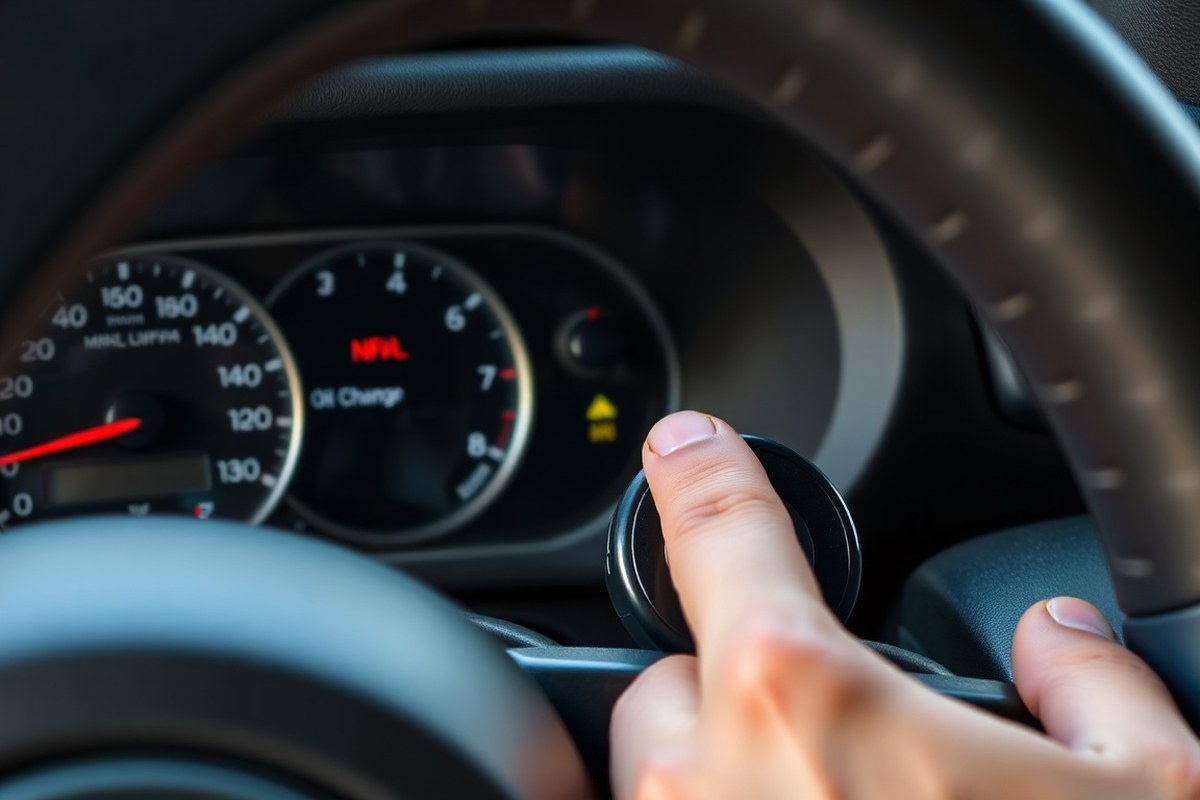
Resetting the oil change indicator in a Jeep is simple. First, turn the ignition to the “On” position without starting the engine, then fully press the gas pedal for 30 seconds. After an oil change, many Jeep models need you to reset the light either by using the accelerator or dashboard buttons. Turning on the ignition puts the system into reset mode before the indicator clears.
Key Takeaways
- To start resetting the oil change light, switch the ignition to “On” without starting the engine. This prepares the Jeep’s system for the reset procedure.
- Depress the accelerator fully and hold it there for at least 30 seconds; this action often clears the oil change warning on various Jeep models.
- Some Jeep models, like the 2020 Gladiator, require accessing the “Vehicle Info” screen to turn off the oil change light.
- With the key in the “On” position, tap the gas pedal three times within 10 seconds to manually clear the oil change light.
- After resetting, the oil change light stays off only after driving about 1,000 miles to complete the set driving cycle.
- Use dashboard “OK” or menu buttons to hold and reset the oil life percentage to 100% on newer Jeep models.
1. How to Reset the Oil Change Light on Any Jeep
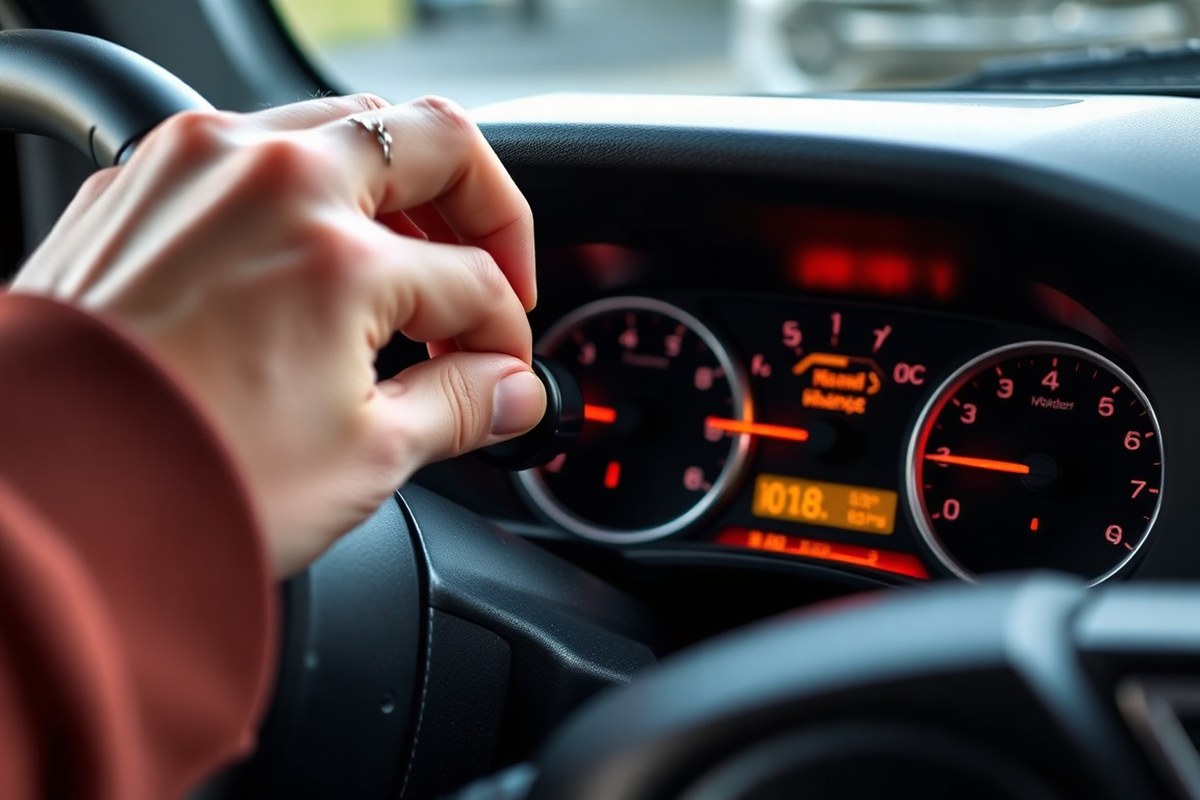
Resetting the oil change light on your Jeep typically involves turning the ignition to the right position without starting the engine, then using either the gas pedal, instrument cluster buttons, or dashboard screen to clear the reminder. Most Jeep models use the ignition-on method, which allows the vehicle’s system to recognize when the oil has been changed and turn off the alert. Confirming the reset means turning the Jeep off and starting it again to ensure the oil change light no longer appears on the dashboard. Here’s a simple step-by-step process you can follow to reset the oil change light on most Jeep models:
- Switch the ignition to the “On” position without turning on the engine. This activates the dashboard and electrical components while the engine remains off.
- Push the accelerator pedal all the way down and hold it there for 10 to 30 seconds. This tells the vehicle’s system that maintenance work was done.
- Release the accelerator pedal after the light starts to blink or turn off. In some cases, this may take around 15 to 30 seconds.
- Turn the ignition off completely.
- Turn on the engine to check that the oil change light on the dashboard has gone off.
- Your Jeep’s digital display or “Vehicle Info” screen lets you Go to the maintenance or oil life menu by using steering wheel buttons or the touchscreen. Then choose “Reset” and confirm the selection.
- Watch the dashboard for a confirmation message or the oil change light turning off during this process.
This method usually takes less than a minute and costs nothing other than your time. It’s designed to be foolproof for routine maintenance resets. The oil change light may stay on if the reset wasn’t done with the ignition in the “On” position (engine off) or if the accelerator wasn’t held down long enough. Check these steps again. Some Jeep models or years might require a slightly different procedure, but this universal approach fits most Wranglers, Cherokees, and Grand Cherokees.
2. Model-Specific Oil Change Light Reset Procedures
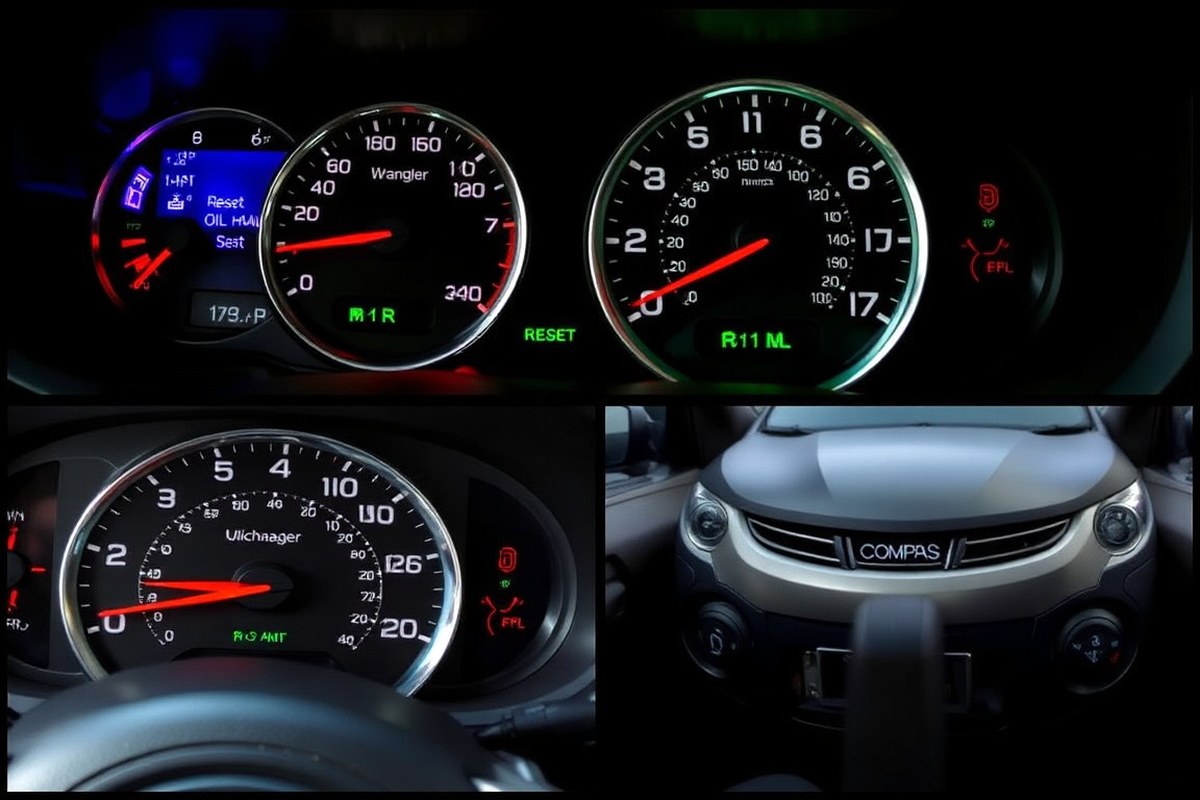
Resetting the oil change light varies between Jeep models and years, mainly due to differences in instrument clusters and control interfaces. Older Jeeps (pre-2010) often rely on manual buttons and simpler dashboard displays, while newer models frequently incorporate touchscreen controls along with traditional buttons.
For Jeep Wrangler and Grand Cherokee owners, the presence of either an analog instrument cluster or a digital one influences the reset method. The Wrangler models from 2010 onwards, such as the JK and JL series, typically require using the vehicle’s trip odometer reset button on the instrument panel. The Grand Cherokee models commonly use a combination of the ignition and dashboard buttons or touchscreen menus depending on the year.
The Jeep Gladiator, sharing many components with the Wrangler JL, uses a very similar reset procedure. Compass models, however, lean towards button sequences involving the steering wheel controls or the touchscreen, especially in 2017 and newer models.
| Jeep Model | Model Years | Reset Location | Reset Method | Notes |
|---|---|---|---|---|
| Wrangler (JK) | 2007, 2018 | Instrument Cluster – Trip Odometer Button | Turn ignition to ‘ON’ without starting, press and hold trip reset until oil light flashes and turns off | Simple button press, no touchscreen |
| Wrangler (JL) | 2018, present | Instrument Cluster – Left/Right Button or Steering Wheel Controls | Use menu buttons to scroll to ‘Vehicle Info’ > ‘Oil Life’, then press and hold ‘OK’ until reset | Digital cluster; may also use touchscreen in some trims |
| Grand Cherokee | 2006, 2010 | Dashboard Buttons | Turn ignition to ‘ON’, press the accelerator pedal three times fully, quickly press the brake pedal three times to reset | Works without ignition on engine |
| Grand Cherokee | 2011, present | Touchscreen or Steering Wheel | Access ‘Settings’ > ‘Vehicle Maintenance’ in Uconnect system, select ‘Reset Oil Life’ | Requires infotainment system interaction |
| Gladiator (JT) | 2020, present | Instrument Cluster and Touchscreen | Similar to Wrangler JL: Navigate menu via cluster or touchscreen to reset oil life | Newer digital interface |
| Compass | 2017, present | Steering Wheel Buttons or Touchscreen | Hold ‘OK’ button in instrument cluster menu or reset via Uconnect system | Depends on trim level and year |
Turn the ignition to the “On” position without running the engine to begin the oil light reset. Jeeps with instrument cluster buttons often use the odometer or ‘OK’ button to start the reset. For models with touchscreens, go to menus like “Vehicle Info,” “Vehicle Maintenance,” or “Oil Life,” then select and confirm the reset. The exact steps depend on your Jeep’s display type since older versions don’t include touchscreens, while newer ones combine buttons and digital screens.
The oil change light won’t reset unless the exact sequence is followed, and the ignition cycle is completed properly. For example, on some Grand Cherokee models, the three times accelerator and brake pedal presses must be done quickly and precisely to register.
Attempting to reset the oil change light without going through the full sequence may leave the light on or cause the system to incorrectly track oil life.
3. Why the Oil Change Light Comes on and How the System Works
The oil change light on your Jeep is triggered by the vehicle’s oil life monitoring system, which calculates when your engine oil needs to be changed. It goes beyond a simple mileage counter by assessing driving conditions and engine performance to alert you at the proper time. Waiting for the light to come on before resetting ensures your engine oil is changed at the correct interval, helping maintain engine health and performance.
What Triggers the Change Oil Light?
The oil change light is activated based on the oil life percentage calculated by your Jeep’s monitoring system. This system uses data from engine sensors, including temperature, revolutions per minute, and driving habits like frequent stops or short trips, to estimate oil degradation. When the system detects the oil has degraded to around 15% remaining life, it triggers the light to remind you it’s time for an oil change.
The alert system is designed to prompt maintenance before the oil loses its ability to lubricate and protect the engine properly. It triggers not by a fixed mileage but by tracking actual engine conditions, which can mean the light comes on sooner if you drive in harsh conditions or less often under easy-driving conditions.
Understanding Jeep’s Oil Life System
Jeep’s oil life monitoring system doesn’t rely solely on miles driven. Instead, it calculates a percentage value representing the remaining useful life of your engine oil based on real-time engine data. This system analyzes factors such as engine temperature, idle time, engine load, and the number of cold starts, which influence oil wear.
The system resets only when you perform an oil change and then manually reset the oil change light. This requires a specific sequence of actions on your Jeep’s dashboard, varying by model and year. Resetting the light prematurely without changing the oil can cause the system to miscalculate, leading to inaccurate reminders and potential engine wear.
Recommended Oil Change Intervals
Oil change intervals for Jeeps generally range from 5,000 to 7,500 miles or every six months, whichever comes first, but exact recommendations vary by model and engine type. The oil life monitoring system adjusts these intervals dynamically based on driving conditions rather than relying on these fixed numbers alone.
Waiting until the oil change light turns on before resetting is critical because the system calculates the right time for oil replacement by measuring oil degradation. Resetting the light too early removes this safeguard, increasing the risk of driving with degraded oil that can reduce engine lubrication and cause long-term damage. Routine oil changes at the recommended intervals extend your engine’s life and improve fuel economy, usually costing between $30 and $70 depending on the service location and oil type used.
4. Common Reset Methods: Pedal, Buttons, and Digital Controls
You can reset your Jeep’s oil change light in three main ways: using the accelerator pedal, pressing dashboard or steering wheel buttons, or navigating digital menus or Jeep apps. Each method fits different Jeep models and dashboard designs, so knowing how and when to use them keeps your maintenance tracking smooth.
Reset Using the Accelerator Pedal
This method works well for Jeep models with a simple ignition and dashboard setup, especially older or base models without digital displays. Pressing the gas pedal in a specific sequence signals the vehicle to reset the oil change reminder. Follow these steps to reset the oil change light using the accelerator pedal:
- Insert the key into the ignition and turn it to “On” without activating the engine.
- Press the accelerator pedal fully three times in rapid succession within 10 seconds.
- Wait for the oil change light or maintenance reminder on the dashboard to start blinking or turn off.
- Turn off the ignition and then start the Jeep normally to confirm the light stays off.
This reset requires no tools or code scanners and takes under a minute. The light might not reset if the gas pedal was not pressed quickly enough or if the engine was running during the process. The vehicle must be in the “On” position, not “Start.”
Reset Through Dashboard or Steering Wheel Buttons
Jeep models with digital instrument clusters or multifunction displays often use buttons on the dashboard or steering wheel to reset the oil change light. This method requires handle the menus to find and reset the “Oil Life” or “Maintenance” setting. Use these steps to reset using buttons:
- Turn on your Jeep’s ignition but do not start the engine.
- Use the steering wheel buttons or dashboard controls to access the menu, often labeled “Vehicle Info,” “Settings,” or “Maintenance.”
- Navigate to “Oil Life” or “Remaining Oil Life” on the display.
- Select the option to reset or refill the oil life to 100%.
- Confirm your selection if prompted and shut off the ignition.
- Start the engine and check your dashboard to verify the oil change light is off.
This method fits newer Jeep Compass, Renegade, and Grand Cherokee models equipped with digital displays. Key tips include reading your owner’s manual for the exact button layout and moving through menus slowly to avoid skipping the oil life option.
Using Jeep’s Digital Interface and Mobile Apps
Some recent Jeep models allow resetting the oil change light through digital interfaces like Uconnect or vehicle-specific mobile apps. These apps connect via Bluetooth and offer maintenance reminders with reset functions that range from easy to moderately technical. To reset via digital menus or apps:
- Turn on your Jeep and connect your smartphone to the vehicle’s Bluetooth system.
- Open the Jeep mobile app or the vehicle’s infotainment system interface.
- Access the maintenance or vehicle health section where oil life is displayed.
- Select the option to reset or update the oil change status to 100%.
- Follow any on-screen prompts to complete the reset.
- Verify the dashboard oil change light is off after the procedure.
This option usually requires your vehicle to support smartphone connectivity and the latest app version, which may be free. It’s favored by Jeep drivers who prefer managing vehicle care remotely or want reminders aligned with service history. Not all vehicles support this method.
5. Troubleshooting When the Oil Change Light Won’t Reset
When the oil change light on your Jeep won’t reset after following the usual steps, it often signals a deeper issue like sensor faults, software glitches, or improper reset methods. Addressing these problems quickly protects your engine and prevents unnecessary worry.
Diagnosing Persistent Oil Light Issues
A common reason for the oil change light to remain on is an incomplete reset process or a delay in the system’s response. Some models require you to hold the reset button for a specific duration or cycle the ignition key multiple times. Incorrect timing or skipped steps will prevent the light from turning off.
Other factors include low oil pressure or an oil quality issue that the sensor detects but the driver may not notice. Always start with a thorough check of your oil level and condition before attempting another reset.
- Double-check the reset procedure specific to your Jeep model in the owner’s manual
- Ensure the ignition is in the correct position during reset attempts
- Verify the oil level is within the recommended range using the dipstick
- Inspect the dashboard for other warning lights that may indicate oil pressure problems
- Perform the reset steps slowly and precisely, allowing the system to update
- Use a quality OBD-II scanner to read any stored fault codes related to oil or sensors
- Try disconnecting the battery for 10 to 15 minutes to reset the vehicle’s computer as a last manual method
Sensor Problems and Software Glitches
The oil change light depends on sensors to monitor oil quality and system status. A damaged or malfunctioning sensor can send incorrect signals to your Jeep’s computer, leaving the light on despite valid resets or fresh oil changes. Dirt, oil residue, or wiring corrosion often cause sensor errors.
Software glitches in the vehicle’s onboard computer may also interfere with the reset function. These electronic hiccups occur more frequently in older Jeeps or models with outdated firmware. Software updates from a dealership can sometimes fix stubborn oil light problems.
Always avoid forcing the sensor or trying DIY repairs on the sensor wiring without proper knowledge; this may cause more damage.
Knowing When to Visit a Mechanic
If you’ve followed the correct reset steps, verified oil levels, and scanned the system for errors but the oil change light still won’t turn off, it’s time to seek professional help. A certified mechanic can diagnose sensor malfunctions, reprogram the vehicle’s computer, or repair wiring issues safely and correctly.
The cost for professional diagnosis and repair varies by location and Jeep model but expect to pay around $100 to $200 for a typical sensor replacement or software update. Ignoring the light or forcing the reset without fixing the root cause risks engine damage and higher repair bills later.
6. How Often to Change Your Jeep’s Oil and Why It Matters
Maintaining your Jeep’s oil on the correct schedule preserves engine health and avoids premature wear. Most Jeep models benefit from oil changes every 5,000 to 7,500 miles, but exact intervals depend on the model and your driving style. Changing your oil regularly also ensures the oil change light functions correctly, providing timely alerts for future servicing.
| Jeep Model | Recommended Oil Change Interval (miles) |
|---|---|
| Jeep Wrangler (JL) | 7,500 |
| Jeep Grand Cherokee (WK2) | 6,000 |
| Jeep Compass | 5,000 |
| Jeep Renegade | 5,000 |
| Jeep Cherokee | 7,000 |
Choosing the right oil type matters. Synthetic oil often offers better engine protection, especially if you frequently drive in extreme temperatures or tow loads. Conventional oil is generally less expensive and adequate for mild conditions with normal driving. Check your owner’s manual for recommended oil viscosity grades like 5W-20 or 0W-40 and whether synthetic or conventional is preferred.
Consistently changing your oil on time reduces engine sludge and wear on critical components like pistons and bearings. Fresh oil lubricates moving parts efficiently, cools the engine, and helps remove contaminants. Neglecting oil changes leads to degraded oil quality, which can cause increased friction, overheating, and eventual engine damage that may require costly repairs.
You should reset the oil change light right after completing an oil change to keep track of when the next service is due. This practice helps protect your Jeep’s engine and keeps it running well over time. Missing oil changes or ignoring the alert light might reduce your engine’s lifespan and lower how much your vehicle is worth later. Typical oil changes run from $30 to $75, depending on whether you handle them yourself or go to a shop.
7. Safety Tips and Precautions When Resetting the Oil Change Light
Resetting the oil change light yourself is generally safe when done with care. The light is designed as a reminder, not a hazard indicator, so the reset process mainly involves turning the ignition and pressing certain buttons or pedals in sequence. However, avoid resetting the light if you haven’t actually changed your Jeep’s oil, since this can cause you to miss important maintenance and risk engine damage. Also, ensure the vehicle is parked in a safe, level area before starting the reset procedure.
When resetting the oil change light, there are some important precautions to follow to avoid any damage to the vehicle or injury to yourself. For example, do not press pedals too forcefully, as doing so could impact other controls unexpectedly. Avoid switching the ignition positions too quickly or multiple times, since this can interfere with the vehicle’s electronic systems. When you’re unsure about the sequence or the light doesn’t reset after several tries, it’s wise to see a professional mechanic to avoid warranty or repair problems.
- Turn off the engine and make sure the vehicle is in park or neutral with the parking brake engaged.
- Use gentle, deliberate presses on the brake, gas, or reset buttons, avoid rapid or forceful actions.
- Follow the reset procedure as outlined in your Jeep’s manual for your specific model and year.
- Do not reset the light before completing an oil change, which typically costs between $40 and $100 depending on oil type and location.
- Should the light remain on after resetting or signal low oil pressure, stop driving and arrange a professional check to prevent engine damage.
- Keep the ignition key or push-button start within reachable range to avoid accidental shut-off mid-reset.
Ignoring the oil change light can lead to serious risks. The light is tied to the oil quality and volume, which lubricates your engine and prevents overheating. Driving with degraded or low oil causes increased friction, which can damage engine parts or lead to engine failure. Repair costs from such damage often range from several hundred to several thousand dollars, far outweighing the cost of an oil change. Properly resetting the oil change light after service confirms the sensor is calibrated and helps keep track of future maintenance needs, so your Jeep runs reliably and safely.
8. Best Practices to Maintain Jeep’s Oil Change Reminders
Keeping your Jeep’s oil change reminders accurate depends mainly on consistent and correct maintenance habits. The oil life system tracks engine conditions and mileage to alert you when the oil needs changing. To avoid false alerts, make sure the oil change light goes off only after you complete an oil change that meets your Jeep’s specifications. Resetting it too early or without servicing can confuse the system.
Performing oil changes with the recommended oil type and grade keeps your Jeep’s oil life sensor working accurately. Using synthetic oil as noted in your owner’s manual helps maintain stable oil condition readings. Changing the oil every 5,000 to 7,500 miles, adjusted for your Jeep model and driving style, ensures sensor data remains correct. Tough driving conditions, such as many short trips, city traffic with frequent stops, or dusty environments, can reduce oil longevity and call for more frequent oil changes.
Tracking your maintenance manually or with digital tools each time you change the oil improves reminder accuracy. Keeping a simple checklist or log lets you cross-check your Jeep’s oil life system and decide if a reset is due. Smartphone apps designed for vehicle maintenance can send alerts and store service records, which helps you stay on top without confusion.
- Write down oil changes with date, mileage, oil type, and filter brand
- Use your Jeep owner’s manual to confirm oil grade and change intervals
- Reset the oil change light only after maintenance is completed
- Check oil level monthly and top off if low to avoid sensor triggers
- Use an app like MyCarFax or a built-in Jeep Uconnect system for digital reminders
- Avoid skipping scheduled oil changes to prevent sensor inaccuracies
- Note driving habits that might require more frequent oil monitoring
The oil life system relies on accurate input from driving patterns and oil condition. Avoid tampering with the sensor or resetting the light repeatedly without oil changes, as this can cause permanent sensor errors. Using the correct oil viscosity ensures the sensor detects oil degradation correctly, which usually happens when the oil breaks down at higher temperatures or after accumulating contaminants. A regular maintenance routine pays off by reducing the chance of engine wear, costly repairs, and false service alerts.
Only reset the oil change light after you have fully completed the oil and filter change to keep your Jeep’s maintenance alerts precise and trustworthy.
Step-by-Step Action Plan to Turn Off Your Jeep’s Oil Change Light
Follow these steps to reset the oil change light in your Jeep right away. Each step includes how to confirm the light has turned off, ensuring you’re set to go.
- Before you start: Make sure your Jeep is parked, engine off, and the key is out of the ignition to avoid accidental starts.
- Day 1: Insert the key into the ignition but do not start the engine. Turn the key to the “On” position where the dashboard lights up.
- Within 10 seconds: Press the accelerator pedal fully to the floor three times within 10 seconds. This is common for many Jeep models.
- Immediately after: Turn the key off and then back to “On.” Check if the oil change light has turned off or reset to its normal state.
- When the light stays on: Look up your owner’s manual for reset steps specific to your model or use the vehicle’s menu if it has a digital display.
- After engine start: Start your Jeep and observe the dash for any warning lights. The oil change light turning off means the reset was successful.
- Within a week: Monitor the light status regularly. The light coming on again without an oil change means a technician should check the sensor or system.
Frequently Asked Questions
How Do I Reset the Oil Change Light on a 2016 Jeep Wrangler?
Turn the ignition to the “On” position without starting the engine. Press the accelerator pedal all the way down and hold it there for at least 30 seconds. Switch off the ignition, then start the engine to verify the oil change light has turned off.
Can I Turn Off the Oil Change Light Without Special Tools?
Yes, you can reset the oil change light in most Jeep models without any special tools by using the ignition and accelerator pedals. This makes the process accessible and straightforward.
Why Does My Jeep’s Oil Change Light Stay on After an Oil Change?
The light might stay on if the reset procedure wasn’t completed fully. Make sure to follow the exact reset steps, like holding the accelerator pedal down for the required time.
How Can I Check If the Oil Change Light Reset Worked?
After following the reset steps, turn off the ignition and restart the Jeep. The oil change light turning off means the reset was successful. Should the light come back on, repeat the reset procedure or inspect the vehicle for any maintenance needs.
What Should I Do If the Oil Change Light Won’t Reset in My Jeep?
Try the reset method again, ensuring correct timing and steps. Continued failure to reset the light could indicate a sensor or system problem that requires a licensed mechanic’s evaluation.
Does Turning Off the Oil Change Light Affect My Jeep’s Maintenance System?
Turning off the oil change light simply resets the maintenance reminder after an oil change. It doesn’t affect other systems but should only be done after oil has been changed.
Before You Go
Resetting the oil change light on your Jeep ensures your instrument panel accurately reflects maintenance needs and helps avoid unnecessary alerts. Perform the reset as soon as you complete an oil change to keep your vehicle’s reminders working correctly. The best next step if the light won’t reset after trying the instructions is to see a certified mechanic to avoid engine problems.