Can Bad Shocks Cause Vibration? A Complete Guide with Signs and Solutions
Can bad shocks cause vibration? Yes, worn or damaged shock absorbers can lead to noticeable vibration while driving. They fail to properly absorb road impacts, causing your vehicle to bounce, sway, or vibrate. Start by checking your shocks if you experience vibrations, especially at higher speeds or over uneven roads.
Key Takeaways
- Bouncing or swaying during turns often signals worn shocks in need of replacement.
- Uneven tire wear is a common sign that shocks aren’t stabilizing your ride properly.
- Constant vibration at cruising speeds suggests shocks are no longer absorbing road impacts effectively.
- Front shocks typically cause steering wheel vibration, unlike rear shocks which affect seat or floorboard feel.
- Extend your shocks’ life by replacing them every 50,000 to 100,000 miles to prevent vibrations and safety risks.
- Check for vibration differences under braking to rule out brake system issues distinct from shock problems.
Can Bad Shocks Cause Vibration While Driving?

Yes, bad shocks can cause vibration while driving. Shock absorbers control the impact and movement of your suspension, so when they wear out, the vehicle’s ability to absorb bumps and keep the tires in steady contact with the road declines. This loss of control often leads to vibrations felt in different parts of the car, especially the steering wheel. You might notice the vibrations even on smooth roads, which signals that the shocks are no longer effectively dampening suspension movement.
Driving with worn shocks often feels like your car is shaking, shuddering, or rocking more than usual, especially over minor bumps or rough patches such as railroad tracks. Instead of the usual smooth ride, you’ll experience a rougher, less controlled motion. This can include a jittery or vibrating steering wheel, a sensation that the car is less stable, and sometimes a rattling noise. The vibration may be constant or become more noticeable at certain speeds.
The steering wheel vibration specifically happens because worn front shock absorbers cannot control the springs and suspension during road impacts. When the shocks fail to absorb these forces, the energy transfers through to the steering components connected to the wheels, causing the steering wheel to vibrate visibly. Since the shocks sit close to the wheels, their deterioration often translates directly to steering wheel feel. If the vibration is strong and continuous, this may indicate serious shock damage affecting your steering’s responsiveness. Here is a simple decision rule to identify if vibrations come from bad shocks:
| What You Feel | Potential Cause |
|---|---|
| Steering wheel vibration | Front shocks, front tire or wheel balance, or brake system issues |
| Vibration in seat or floorboard | Rear shocks, rear tire or wheel problems, suspension, or drivetrain issues |
| Vibration when braking | Brake rotors or brake system problems |
This decision rule helps you understand how bad shocks contribute to vibration in specific parts of the car. Steering wheel vibration often points to front shocks or related front-end components, while vibrations felt in the seat or floorboard usually come from rear suspension or tires.
Replacing worn shocks generally costs between $200 and $500 per axle, including parts and labor, depending on vehicle type and location. Good results show as a restored smooth ride, reduced vibrations, and improved handling. Without repair, continuous vibration can worsen tire wear, damage other suspension parts, and increase braking distance by up to 20 percent, raising safety risks. Keeping your shocks in good condition can prevent these problems and improve driving comfort and control.
Signs and Symptoms of Worn or Damaged Shock Absorbers
One of the earliest signs that your shock absorbers might be failing is excessive bouncing after you hit a bump or dip in the road. Shocks are designed to control the up-and-down motion of your vehicle, so if you find your car continues to bounce more than two or three times after a bump, the shocks may be worn out or damaged. Front shocks often wear sooner due to the weight of the engine and steering components, with nose diving during braking as a key symptom. This happens when the front end dips sharply, indicating the shocks can’t adequately absorb the weight shift.
Other common symptoms of bad front shocks include swaying or leaning to one side during turns, which makes the vehicle feel less stable. You may also notice that the vehicle seems to “float” over bumps or that the ride feels unusually harsh or loose. Damaged shocks can cause both vibration and noise at the same time because worn shocks cannot dampen the road’s irregularities or engine and road noise properly. This can lead to rattling, clunking, or knocking sounds coming from suspension components or mountings.
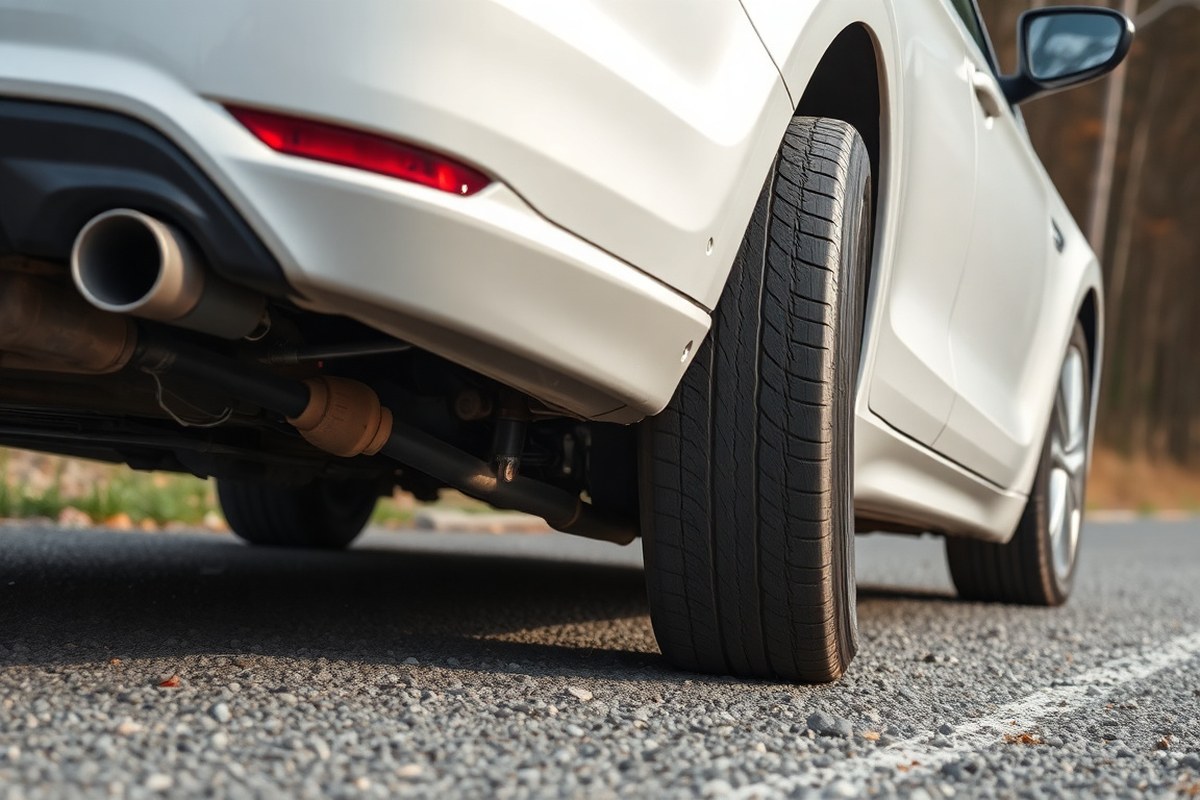
Inspection usually reveals several telltale signs of shock absorber problems. A trusted mechanic will check for broken shock mounts or cracked rubber bushings, which help hold the shocks in place and isolate vibration. Bikes having noisy or inconsistent suspension movement, excessive body roll on turns, or uneven tire wear all come down to how well the shocks keep the tires planted. Uneven or cupped tire wear can appear because the shocks are failing to maintain firm contact between the tires and the road.
- Excessive bouncing after hitting a bump or dip
- Front end nose diving when braking
- Swaying or leaning during turns
- Clunking or knocking noises from the suspension
- Uneven or cupped tire wear
- Vehicle floating or harsh ride quality
- Cracked or worn rubber bushings at shock mounts
These symptoms often worsen gradually over several months or even years, so it’s important to address them before they compromise vehicle control or safety. The cost for shock replacement typically runs between $200 and $500 per axle, depending on the vehicle and parts quality. Good shocks restore a smooth, stable ride and reduce noise and vibration. On the other hand, ignoring worn shocks allows problems to compound, leading to more costly suspension and tire wear issues.
Don’t ignore persistent bouncing or noise; worn shocks can reduce braking efficiency and vehicle control, increasing your safety risk.
How Bad Shocks Lead to Uneven Tire Wear and Vibration
Shock absorbers control the up-and-down motion of your vehicle’s wheels by dampening the impact of bumps and road irregularities. When shocks wear out or leak, they fail to stabilize the tire’s contact with the road consistently. This instability often leads to uneven tire wear patterns, such as cupping or scalloping, where tires develop high and low spots. These uneven patterns disrupt smooth rolling, causing vibrations that become noticeable when driving, especially at higher speeds.
Uneven tire wear does not always mean bad shocks are the cause. Other factors like missed tire rotations, improper tire pressure, poor wheel alignment, or balance issues can lead to uneven wear. However, bad shocks contribute significantly by allowing excessive bouncing and wheel movement that accelerates irregular wear. When shocks fail to keep the tire firmly planted, the contact patch changes constantly, wearing tires unevenly and setting the stage for vibration.
Vibration that worsens with speed is a common symptom of uneven tire wear linked to bad shocks. At low speeds, the impact of uneven wear and loose suspension is less pronounced, so vibration may be minimal or occasional. As speed increases, the variable tire surface hits the road more frequently and with greater force, intensifying the vibration felt through the steering wheel or floorboard. Since shocks are supposed to absorb and smooth these impacts, their poor condition means the wheels bounce more, worsening vibration.
To identify if your vibration is related to bad shocks and tire wear, inspect your tires for irregular wear patterns such as cupping or bald spots. These damages usually become visible after 10,000 to 15,000 miles on worn shocks, which can shorten tire life by thousands of miles. Pay attention to how the vibration changes with speed and road conditions. If vibrations come and go or grow worse on rough roads or at highway speeds, worn shocks are a likely suspect alongside tire balance or alignment issues.
Fixing this involves replacing the shocks and addressing any tire problems. New shocks restore wheel stability, reducing excessive bouncing and allowing tires to wear evenly in the future. You may also need to replace tires prematurely damaged by uneven wear, costing $400 to $800 for a set of four quality tires depending on size and brand. After shock replacement, have your wheels balanced and aligned; this step prevents recurring uneven wear and vibration. Following these steps helps maintain smooth rides and extends tire life by several thousand miles.
In some cases, vibration may persist despite new shocks if the tires have severe damage or if other suspension components like bushings or struts are compromised. A thorough suspension inspection by a licensed technician can reveal any additional worn parts. Avoid delaying shock replacement once uneven tire wear and vibration appear, as driving with bad shocks reduces handling safety and can lead to more costly repairs.
Distinguishing Vibration from Shocks vs Tires vs Brakes
Vibration in your vehicle can come from shocks, tires, or brakes, each with distinct causes and symptoms. Pinpointing the source helps you address the problem correctly and avoid unnecessary repairs. To distinguish these sources, you’ll want to observe when and how the vibration happens during your drive.
Vibration from bad shocks usually happens continuously while driving, especially on uneven roads. You might notice your car bouncing more than two or three times after hitting a bump. This is a sign your shocks aren’t controlling body movement and your tires lose steady contact with the road. On the other hand, tire-related vibration often occurs at specific speeds, typically between 50 and 70 mph, and feels like a rhythmic shake through the steering wheel or floorboard. This points to issues like tire imbalance, wheel alignment, or uneven tire wear. Brake-related vibration usually appears only when applying the brakes, felt strongly through the steering wheel or brake pedal. This could indicate problems like warped rotors or brake system issues. Here is a comparison table to help identify the source of your car’s vibration:
| Vibration Source | When It Occurs | How It Feels | Key Indicator | Typical Cause |
|---|---|---|---|---|
| Shocks | Continuous, increases over bumps | Car bounces excessively; feels unstable | Bounces more than 2, 3 times after bumps | Worn shocks failing to control car body movement |
| Tires | At certain speeds, often 50, 70 mph | Rhythmic shake through steering wheel or floor | Consistent vibration at specific speeds | Imbalanced tires, wheel misalignment, uneven wear |
| Brakes | Only during braking | Vibration felt in steering wheel/pedal | Vibration stops when brakes are released | Warped brake rotors, brake system issues |
The reason your car vibrates only when braking likely points to the brake system rather than shocks or tires. Worn shocks affect handling and stability but don’t cause vibration exclusive to braking. When brakes vibrate, the rotors could be uneven or warped, producing pulsations felt in the pedal and steering wheel. Tires can cause constant vibration but normally won’t react to braking alone.
To test for shocks, observe how your car reacts after bumping over a speed bump or pothole. Count the number of bounces as you slow down; more than two or three means your shocks may be worn out. For tires, check wheel balance and inspect for uneven wear or damage. Brake vibrations require a brake inspection, focusing on rotor surface condition and brake pad wear. Getting these checks done by a professional mechanic usually costs between $50 and $150 but will clearly identify the source to guide proper repairs.
Why Does Your Steering Wheel Vibrate with Bad Shocks?
Vibration in the steering wheel often comes from worn front shocks or their mounts because these parts help absorb road impacts and stabilize your vehicle. When shocks deteriorate, their ability to cushion the up-and-down movement lessens, causing the wheels to bounce more than they should. This excessive bouncing transmits through the suspension to the steering components, resulting in a noticeable vibration or shimmy in the steering wheel, especially on rough or uneven surfaces.
Shock mounts and bushings also play a critical role in controlling vibration. These parts secure the shocks to the vehicle’s frame and suspension, acting like cushions themselves. As they age, the rubber bushings can crack or harden, and mounts can loosen or become damaged. When this happens, the shocks can shift or vibrate independently, amplifying the shaking felt in the steering wheel. This movement can make the vibration more erratic and may increase noise or cause clunking sounds when driving over bumps.
Identifying vibration caused by bad shocks or mounts begins with a visual inspection and a test drive. Check the shocks for leaks or physical damage, like dents or rust. Look at the shock mounts and bushings for cracks, excessive wear, or separation from metal parts. You can also perform a bounce test by pressing down hard on the front corners of your vehicle; if it bounces more than twice before settling, the shocks may be failing. When you drive, pay attention to how the steering wheel feels over different road surfaces. Vibration from bad shocks tends to be consistent and increases with speed or road roughness, while vibration from other issues might be less predictable.
The condition of your shocks directly affects handling and safety, so noticing vibration early is important. Worn suspension parts allow more play in the front end, which reduces steering precision and can increase driver fatigue on long trips. Replacement shocks and mounts vary in cost, typically ranging from $100 to $300 per shock, plus labor. Quality aftermarket options often provide a good balance between price and durability. Professional inspection is recommended if you’re unsure, especially since improper replacement or installation can worsen vibration or create new suspension problems.
Regularly inspect shock mounts and bushings during tire rotations or oil changes to catch early wear before steering vibration becomes severe.
Vibration Differences from Front vs Rear Shocks
Vibrations caused by bad shocks vary depending on whether the front or rear shocks are worn. Front shocks often affect the steering wheel and can produce vibrations at a wider range of speeds, starting as low as 30 to 40 mph and becoming more noticeable above highway speeds. This occurs because the front shocks directly influence the suspension and steering components, causing the steering wheel to wobble or shake when they fail.
Rear shocks cause vibrations that tend to be felt more in the body of the vehicle rather than through the steering wheel. Typically, these vibrations appear at higher speeds, usually above 50 mph, and become more intense as you accelerate. Rear shock-related vibration often feels like a mild shaking that comes from the floor or seat area rather than the steering column. These vibrations result from poor damping of road impacts and mechanical energy, which the shocks are supposed to absorb and convert to heat.
Because rear shocks are less connected to the steering mechanism, you may not feel the vibration in the steering wheel, making it harder to diagnose without paying attention to other signs. Both front and rear shocks play a role in reducing vibrations but show up differently during driving. Identifying whether the vibration comes from the front or rear helps you target the suspension components to inspect or replace, saving time and repair costs. Use these tips to help spot whether front or rear shocks cause the vibration:
- Note the speed range when the vibration starts and ends; front shocks often cause vibration at lower speeds compared to rear shocks.
- Feel where the vibration is strongest: steering wheel for front shocks, seat or floor for rear shocks.
- Check if the vibration worsens when turning or braking, which usually indicates front shock issues.
- Listen for clunking or knocking noises from the front or rear suspension areas during bumps.
- Observe if the vehicle bounces excessively after hitting bumps; more bounce in the front suggests front shock wear, while bounce in the rear points to rear shocks.
- Inspect tire wear patterns; uneven tread can signal related shock or suspension problems.
- Remember that balancing tires is a common first step since poor balance resembles shock-related vibration at high speeds.
Rear shocks can indeed cause vibration at high speeds, particularly when damping ability weakens and the vehicle body resonates on the road surface. This often leads to subtle or intermittent vibrations that increase as speed rises above 50 mph. Front shocks will more likely affect control by transmitting vibration through the steering system, which can compromise handling and safety. Checking by location and speed cues thus helps isolate the problem.
How Often to Replace Shocks to Prevent Vibration and Safety Risks
Shock absorbers should generally be replaced every 50,000 miles, though this can vary depending on driving conditions, vehicle type, and manufacturer recommendations. Harsh roads, heavy loads, and frequent towing can shorten shock lifespan, requiring earlier replacement. Regular inspections every 12,000 to 15,000 miles or during oil changes help catch early signs of wear such as leaks, dents, or reduced damping efficiency.
Vibration caused by worn shocks is more than an annoyance; it signals possible safety risks. When shocks lose their ability to control wheel movement, your vehicle’s stability and traction decrease, especially during braking or cornering. This instability increases stopping distances. According to safety experts, worn shocks can increase braking distance by up to 20% or more, which may be critical in emergency situations.
Your vehicle showing nose diving while braking or oily, wet spots near the shocks strongly suggests it’s time for replacement. Waiting too long to replace bad shocks can cause further suspension damage and uneven tire wear, leading to costly repairs. Shock replacement typically costs between $200 and $400 per axle, depending on vehicle model and labor rates, making timely replacement a cost-effective safety investment.
Mechanics recommend replacing shocks in pairs (both front or both rear) to maintain balanced handling and performance. Driving on deteriorated shocks can reduce your control, making vibration more severe and braking less predictable. Experiencing more vibration along with longer stopping distances or nose diving means you should check your shocks right away to avoid accidents.
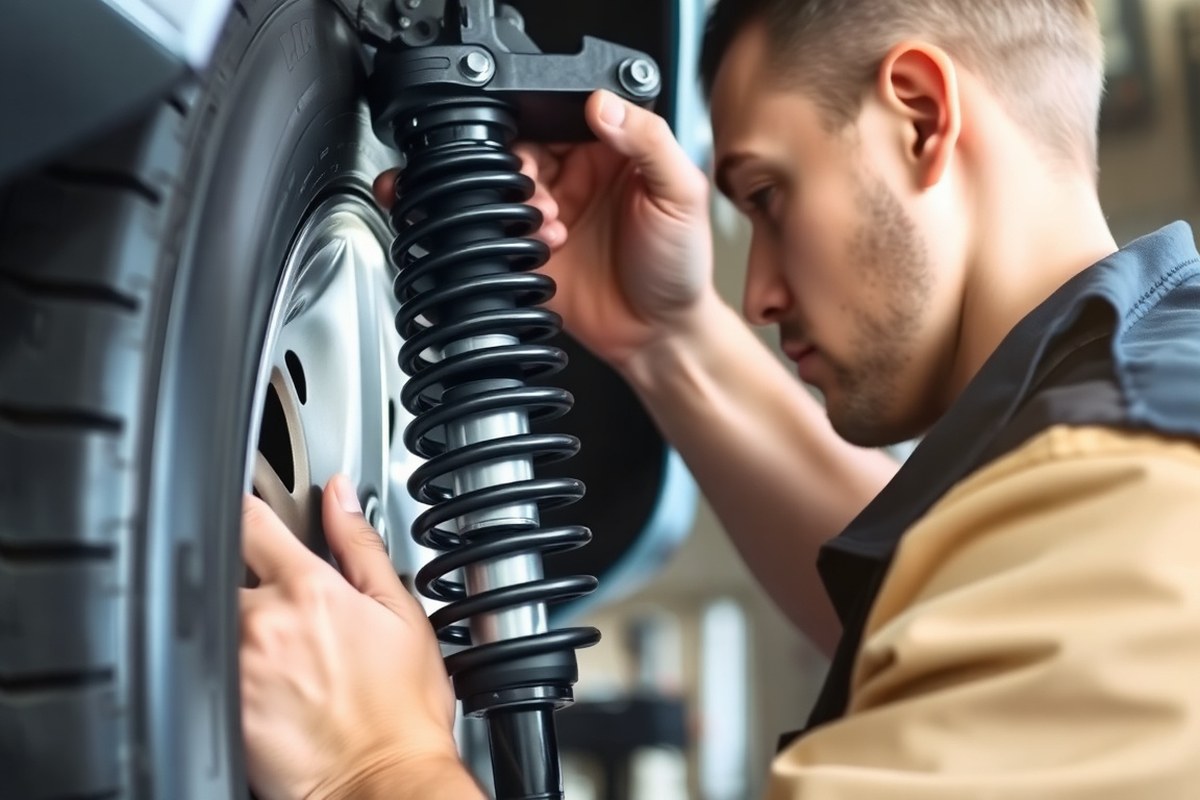
To replace your shocks, a professional mechanic removes the old shock absorbers mounted near each wheel and installs new ones designed specifically for your vehicle. This process usually takes 1 to 2 hours. Good replacement results feel like smoother rides, reduced vibrations, tighter steering response, and shorter braking distances. Conversely, ignoring these signals only worsens the problem and risks your safety on the road.
How to Test Shock Absorbers Yourself at Home
Testing your shocks at home is possible with a simple bounce test and a careful visual inspection. You can quickly identify worn shocks by how your vehicle reacts to pressure and by checking for leaks or visible damage on the shock absorbers. This lets you decide if professional replacement or repair is needed.
Bounce Test Method
The bounce test helps reveal if the shock absorbers have lost their damping ability. Good shocks stop the vehicle from bouncing excessively. A worn shock will let the car continue to bounce several times after you push down on a corner.
- Park your vehicle on a level surface and make sure the engine is off.
- Press down firmly on one corner of the vehicle’s body, above the wheel where the shock is located.
- Release quickly and observe the motion of the vehicle’s body.
- Count how many times the vehicle bounces up and down before settling.
- Repeat this test on each corner of the vehicle.
Good shock absorbers will stop the bouncing after about one or two motions. When the vehicle continues bouncing three or more times, it’s a sign that the shocks are probably worn and not absorbing motion correctly. This test takes less than a minute per corner and costs nothing.
Perform the bounce test on a cold vehicle and avoid this test right after driving to prevent misleading results caused by heat expansion.
Visual Inspection for Leaks and Damage
Leakage of hydraulic fluid or physical damage to shock absorbers is a clear sign of failure. Inspect the shocks closely around the body and piston rod for oil stains or dents that indicate compromised sealing or impact damage. Worn shocks often develop these issues over time.
- Lift the vehicle safely with a jack and secure it on jack stands to access the shocks.
- Clean the shock body and surrounding area to remove dirt and grime for better visibility.
- Look along the length of the shock for oil leaks; wet or oily patches suggest fluid escaping from the inside.
- Check the piston rod for scratches or dents, which can cause leaking and reduced shock performance.
- Examine the base and mounting points for rust or corrosion that could weaken attachment.
Visible oil leaks or damaged piston rods usually mean the shock absorber needs replacement. This inspection takes about 10 to 15 minutes with basic tools and a flashlight. Avoid handling shocks while the vehicle is hot to prevent burns.
Never ignore even small leaks because they can quickly worsen, leading to poor vehicle control and more expensive repairs.
Checking Shock Mounts and Bushings
Shock mounts and bushings cushion the shock absorber and reduce noise and vibration. These components can cause clunks, vibrations, or uneven tire wear when they wear out. Checking these points ensures all parts related to shocks function well.
- Inspect the rubber bushings at the top and bottom of each shock absorber.
- Look for cracks, hardening, or missing pieces in the bushings.
- Push or pull on the shock absorber near its mounts to check for excessive play or wobble.
- Listen for unusual noises like clunks or squeaks during this movement.
- Note any loose or missing mounting bolts that could affect shock stability.
Damaged bushings or loose mounts can mimic the symptoms of bad shocks and should be replaced promptly. These checks cost nothing and take about five minutes per shock but may require hand tools to tighten or replace parts.
Perform these checks with the vehicle supported off the ground to safely test for movement and small defects in the mounts and bushings.
Common Suspension and Steering Issues That Mimic Shock Vibration
Vibration similar to what bad shocks cause can also result from worn suspension parts like ball joints, tie rods, control arm bushings, and wheel bearings. These components support your vehicle’s wheels and keep them aligned while driving. When they wear out, they may cause your car to shake at various speeds or feel unstable on the road. For example, failing ball joints allow excessive wheel movement, which transfers vibration through the steering system, mimicking shock-related symptoms.
Steering and suspension parts are closely linked because they both manage how your vehicle responds to the road surface. Loose or damaged tie rods can cause your steering wheel to vibrate, especially when driving at higher speeds, very similar to the effect of bad shocks. Control arm bushings that are cracked or deteriorated can cause vibrations and uneven tire wear due to improper wheel alignment. Wheel bearings that are worn or damaged often produce a humming or grinding noise combined with vibration, which can sometimes be confused with shock absorber issues.
To differentiate if the vibration is from shocks or other suspension parts, start with a visual inspection and basic tests. Check for loose or torn bushings, leaking grease from ball joints, or excessive play in tie rods by lifting the vehicle safely and moving the wheel by hand. A tight wheel bearing should show minimal play; more than 0.05 inches of movement indicates a problem. Also, listen carefully for distinct noises while driving: clunking sounds often point to loose suspension joints, while a steady hum could signal bearing wear. Cost-wise, replacing bushings or tie rods averages between $150 and $300 per side, while ball joints and wheel bearings can run $200 to $400, depending on your vehicle model.
Driving with worn suspension or steering parts worsens vehicle stability and can increase repair costs if ignored. Good results from fixing these parts include reduced vibration, improved steering response, and even tire wear. Problems might worsen if you only replace shocks but ignore worn steering components because vibration sources overlap. In some cases, after replacing shocks, vibrations persist if links or bushings are still bad. That’s why a full suspension and steering inspection is necessary when facing unexplained vibration. Taking a trip to a certified mechanic for a thorough checkup is recommended if you’re unsure how to accurately test these components yourself.
Impact of Bad Shocks on Braking and Vehicle Handling
Worn shock absorbers directly affect your vehicle’s braking performance by increasing stopping distances. Shocks control the up-and-down movement of your wheels, keeping the tires firmly planted on the road surface. When they wear out, your tires lose consistent contact, especially during heavy braking, which can extend your stopping distance by up to 20 percent or more. This increase can be critical in emergency situations, where every foot of stopping distance matters for safety.
Besides longer braking distances, bad shocks cause nose diving, a forward pitching motion when you brake. This happens because worn shocks no longer resist the weight transfer effectively, allowing the front end of the vehicle to dip. Nose diving reduces your ability to maintain smooth control and also shifts weight unevenly, which compromises traction and stability during braking. Driving with this condition makes your car harder to maneuver and increases the risk of skidding or loss of control.
Swerving or erratic steering is another consequence of failing shock absorbers. With reduced damping ability, bad shocks make your vehicle bounce more over bumps, causing instability. This instability forces you to make frequent corrections to stay in your lane. Swerving becomes more pronounced at higher speeds or on uneven roads, limiting your overall control of the vehicle. This lack of steadiness not only affects driving comfort but also improve the chance of accidents, especially when trying to avoid obstacles.
Replacing worn shocks typically involves purchasing a set that suits your vehicle’s make and model. Prices vary widely depending on quality and brand, with mid-range options costing about $100 to $150 per shock. Installation can take 1 to 2 hours at a professional shop, or longer if you do it yourself and are less experienced. After replacement, you should notice shorter, more predictable braking distances, reduced nose diving, and greater control during turns and sudden maneuvers.
In cases of extreme wear or damage, shocks might fail to dampen suspension movement at all, causing severe bouncing and making the vehicle unsafe to drive. This condition also wears down other suspension components faster and can lead to uneven tire wear, further reducing handling capability. Regular inspection and timely replacement ensure your shocks keep absorbing energy properly, maintaining braking efficiency and vehicle control under various driving conditions.
What to Do When You Experience Vibration Caused by Bad Shocks
Vibration caused by bad shocks should be addressed promptly to maintain vehicle safety and comfort. The most effective solution often involves replacing worn shocks after a professional diagnosis confirms they are the cause. Prioritizing these repairs helps prevent uneven tire wear and compromised handling, especially at highway speeds.
Diagnosing the Vibration Source
Properly diagnosing vibration starts with identifying whether the bad shocks are truly responsible. Bad shocks produce vibration typically at speeds above 55 mph and may worsen as speed increases. However, other issues like tires, brakes, or steering components can cause similar symptoms, so precise identification is important.
Begin by noting when the vibration occurs, at what speed, during braking, or turning. This information helps a technician understand the situation better. Basic at-home tests, like bouncing the car at each corner, can indicate shock wear but don’t replace a professional inspection.
Decision Rule for Replacing Shocks
Shock absorbers generally require replacement between 50,000 and 100,000 miles, but vibration and other symptoms can suggest earlier replacement. Use the following steps to decide if your shocks need replacement or if further inspection is needed:
- Observe if vibration increases with speed, especially over 55 to 70 mph.
- Perform a bounce test: press down on each corner and release; if the vehicle bounces more than once or twice, shocks may be worn.
- Look for visible signs such as leaking fluid or damaged shock boots.
- Check for uneven tire wear patterns that can indicate bad shocks.
- Schedule a professional inspection if symptoms persist or if you notice vibration only at highway speeds.
- Replace shocks if the mechanic confirms they are worn or damaged.
- Balance and align the wheels after shock replacement to avoid new vibration sources.
Replacing shocks promptly prevents further damage to tires, suspension, and brake components. Costs typically range from $200 to $400 for parts and labor per axle, varying by vehicle type. Ignoring vibrations above 65 to 70 mph could compromise vehicle control and safety.
Do not delay professional inspection if your car vibrates only at highway speeds; it often signals worsening suspension issues that affect safety.
Finding a Trusted Technician
Choosing a reputable mechanic or auto shop ensures an accurate diagnosis and effective repairs. Look for shops with specialized suspension expertise and good customer reviews. Independent mechanics or dealerships familiar with your vehicle model also work well.
Communicate clear symptoms, including specific speeds when vibration occurs. This helps the technician focus the inspection on shocks and related components. Request a written estimate for inspection and any repair costs before proceeding.
Scheduling an inspection as soon as persistent vibration starts, especially above highway speeds, is essential. Facilities like Main Street Auto specialize in these evaluations and can recommend whether shock replacement is necessary or if vibration relates to another system.
Differences Between Shock Absorbers and Struts Related to Vibration
Shock absorbers and struts both manage vehicle vibrations, but they serve different roles. Shocks primarily control the up-and-down motion by damping impacts, while struts combine shock absorption with structural support for the suspension. Together, they maintain stability and comfort by limiting vibrations from road irregularities.
Basic Function of Shock Absorbers
Shock absorbers use hydraulic fluid inside a cylinder to slow the movement of the suspension springs. When your car hits a bump, shocks convert kinetic energy into heat inside the fluid, which prevents excessive bouncing. This damping action controls vibrations by steadily reducing the oscillations caused by uneven road surfaces.
Good shocks help keep your tires in contact with the road, which improves traction and vehicle control. A worn shock absorber loses its ability to damp vibrations effectively, leading to a rough ride and possible safety issues. Hydraulic fluid condition, seal integrity, and internal valves are critical for proper shock function.
Role of Struts in Suspension
Struts include a shock absorber within a structural component that supports the vehicle’s weight and suspension geometry. Unlike shocks, struts are usually part of the steering assembly for front wheels, affecting both vibration damping and alignment. The strut combines functions like absorbing impacts, providing a mounting point for springs, and maintaining suspension stability.
Because struts carry structural loads, damage or wear can affect ride height, tire wear, and increase vibration. Replacing struts can be more expensive since they involve both shock absorber functions and suspension components. On average, strut replacement costs range from $300 to $700 per axle, depending on vehicle type.
Impact on Ride Comfort and Vibration
Both shocks and struts reduce vibration by controlling how suspension components move when encountering bumps or rough terrain. Shocks smooth out small vertical motions, preventing harsh oscillations. Struts contribute by keeping suspension alignment correct and supporting the vehicle’s weight, which controls larger-scale vibrations that can reach the steering wheel or seats.
Failing shocks or struts can cause symptoms like excessive bouncing, swaying, or vibration at certain speeds. Addressing worn shocks or struts promptly improves ride comfort and safety. Regular inspection, usually every 50,000 miles or as recommended by manufacturers, helps prevent vibration issues from developing into costly repairs. Here is a comparison of shock absorbers and struts focusing on their vibration-related functions:
| Feature | Shock Absorber | Strut |
|---|---|---|
| Main Function | Dampens suspension springs to reduce vertical motion and vibration | Combines shock absorption with structural support for suspension |
| Location | Usually mounted separately from the suspension spring | Part of the suspension assembly, often includes coil spring |
| Effect on Vibration | Absorbs small bumps, minimizes bouncing and vibrations | Controls larger vibrations, helps maintain alignment reducing steering vibrations |
| Structural Role | No structural support; only absorbs motion | Supports vehicle weight and suspension geometry |
| Cost to Replace (per axle) | $100 to $300 | $300 to $700 |
| Signs of Wear Affecting Vibration | Excess bouncing, rough ride, vibration felt in the body | Uneven tire wear, vibration in steering wheel, lowered ride height |
Both components contribute to minimizing vibration but through different mechanisms and locations. Your vehicle depends on both working well to maintain a smooth, stable ride and control vibration effectively.
Step-by-Step Action Plan to Address Vibration from Bad Shocks
Follow these clear steps to identify, confirm, and fix vibration issues caused by bad shocks, helping you drive smoothly and safely.
- Before you start: Inspect your shocks visually for leaks, dents, or damage. If you see issues, plan to replace them soon.
- Day 1: Perform a bounce test on each corner of your car. Press down firmly and release; the vehicle should settle quickly. Excessive bounce means worn shocks.
- Day 2: Check your tires for uneven wear patterns, which can signal shock problems. Replace or rotate tires if needed alongside shocks.
- Week 1: Take your car for a slow drive over small bumps to feel if vibration or shaking is present. Note if steering wheel vibration increases.
- Week 2: If vibration continues, have a trusted mechanic perform a suspension check, including shocks, struts, bushings, and alignment.
- After 2 weeks: Replace any worn shocks or struts as recommended by the mechanic. Use OEM or quality aftermarket parts for best results.
- After replacement: Monitor your vehicle’s ride smoothness and steering response. Vibration should significantly decrease or disappear.
- Ongoing: Schedule shock inspections every 50,000 miles or sooner if you detect vibration or handling changes.
Frequently Asked Questions
What Does Driving with Bad Shocks Feel Like?
Driving with bad shocks often feels bouncy and unstable, making your car harder to control and less comfortable to ride in. You might notice excessive swaying during turns or a rough ride on uneven roads.
What Are the First Signs of Bad Shocks?
The first signs of bad shocks are increased bouncing, uneven tire wear, and a tendency to sway or lean during turns. These symptoms indicate your shocks are losing their ability to properly absorb road impacts.
What Is the Most Common Cause of Car Vibration?
The most common cause of car vibration is unbalanced or damaged tires and wheels. Suspension issues like bad shocks can also cause vibration, but tire and wheel problems typically come first.
Why Does My Car Vibrate When I’m Driving over 70 Mph?
Vibration over 70 mph usually results from tire imbalance, worn shocks, or alignment issues. Shocks that are bad can cause your vehicle to shake at higher speeds by failing to stabilize the suspension.
Can Bad Shocks Cause Steering Wheel Vibration?
Yes, worn shocks can cause the steering wheel to vibrate even on smooth roads because they can’t properly dampen road impacts and suspension movement. This leads to instability and noticeable shaking in the steering.
How Do Bad Shocks Affect Vehicle Braking?
Bad shocks increase braking distance and reduce control because they fail to keep tires firmly on the road. This can make your vehicle harder to stop safely, especially in emergency braking situations.
Final Thoughts
Bad shocks frequently cause noticeable vibration that can affect your ride and safety. Taking action early to test and replace worn shocks reduces uneven tire wear and prevents further suspension damage. Start by checking your shocks and tire condition today to maintain smooth handling and improve driving comfort.