Do You Need a Torque Wrench for Spark Plugs? Complete Guide with Tips & Tools
Do you need a torque wrench for spark plugs? Yes, using a torque wrench ensures spark plugs are tightened to the correct spec, preventing damage or poor engine performance. Start by checking the manufacturer’s torque specification for your specific spark plug model, usually between 7 and 20 ft-lbs.
Key Takeaways
- Most spark plugs require tightening between 7 and 20 ft-lbs of torque for proper installation.
- A 3/8-inch drive torque wrench is ideal for spark plugs, providing better control over tightness.
- Using a torque wrench prevents over-tightening, which can damage spark plug threads or the cylinder head.
- Some spark plugs, like NGK Iridiums, need precise torque and retorquing after installation.
- If you don’t own a torque wrench, a ½-inch clicker wrench under $20 can work for occasional use.
- Flat-seat spark plugs generally require 10-20% higher torque than tapered-seat plugs.
Is a Torque Wrench Necessary for Installing Spark Plugs?

You need a torque wrench for installing spark plugs, especially on engines with aluminum cylinder heads or when the spark plugs are 14mm or 18mm in size. Proper torque matters because tightening spark plugs to the exact specification prevents engine damage and ensures optimal performance. Most spark plugs require torque from about 7 ft-lb up to 20 ft-lb. Using a torque wrench lets you hit that target range accurately, avoiding both under-tightening and over-tightening.
Under-tightening spark plugs risks poor engine performance like misfiring, increased emissions, and loss of compression. On the other hand, over-tightening, particularly on aluminum heads, can cause the threads to strip or even crack the cylinder head, leading to expensive repairs. Over-tightened plugs may also break when removing them later. Because aluminum heads tolerate a narrower torque range, generally between 13 and 17 ft-lb, using a torque wrench to stay in that range is critical to avoid damage.
Hand-tightening spark plugs is sometimes suggested but rarely sufficient unless you have a lot of experience and know the correct feel. For smaller engines or older cast-iron heads, some mechanics might rely on turning the spark plug an additional 180 degrees after finger-tightening as a rough method. However, this approach risks inconsistency and damage because friction, thread condition, and temperature impact how tight a plug really is. Using a torque wrench removes guesswork and gives peace of mind.
Deciding whether to use a torque wrench depends largely on your engine type and plug size. For automotive engines with standard 14mm or 18mm spark plugs, always use a torque wrench. The right tool will have a torque range that includes typical spark plug specs, often from 3.7 to 37 ft-lb, and a 3/8-inch drive size fits most spark plug sockets well. If you have a small engine like a lawnmower or generator, using a torque wrench designed for the lower torque range still helps avoid common problems.
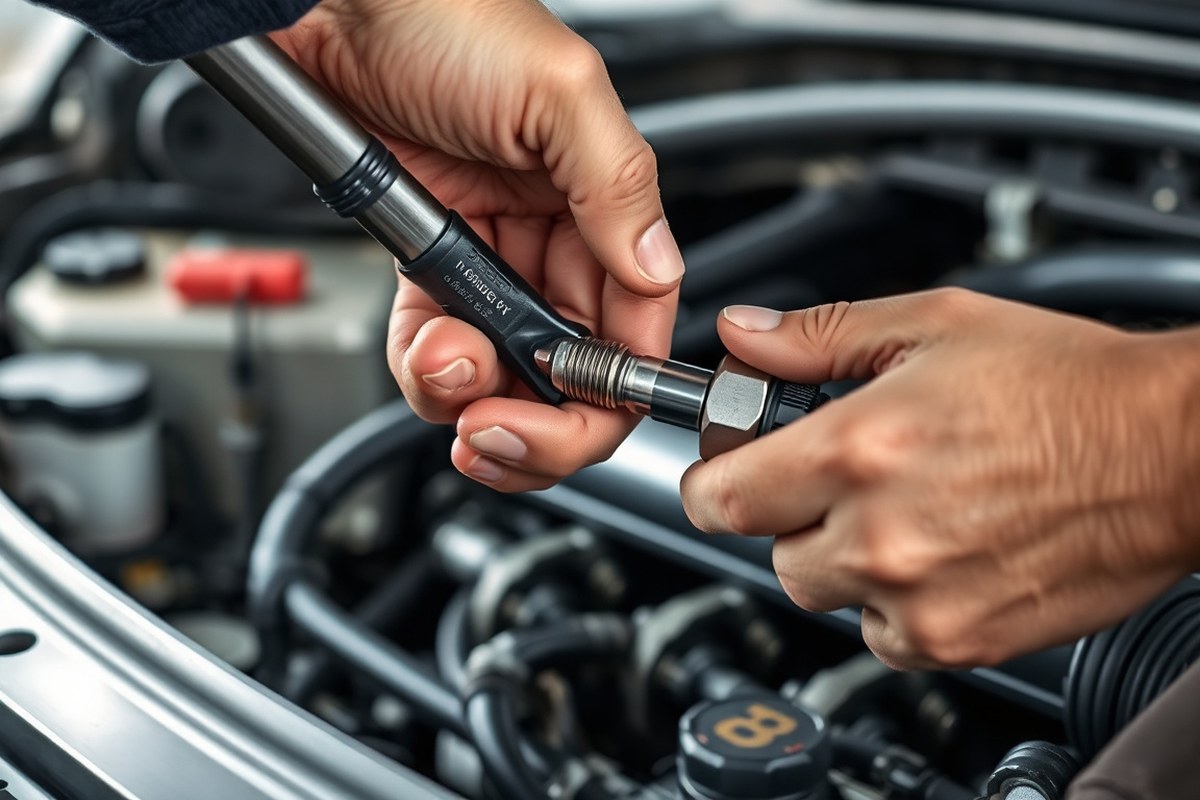
A good torque wrench designed for spark plugs costs around $30 to $60 and will save you money in the long run by preventing damage and ensuring reliable ignition. When installing, first finger-tighten the plug to seat it properly, then use the torque wrench set to the manufacturer’s recommended torque. Turn the wrench steadily until it clicks or indicates the set torque has been reached. This method takes little extra time but protects your engine’s cylinder head and improves spark plug life.
Understanding Spark Plug Torque Specs and Why They Matter

Spark plug torque specifications depend mainly on the thread size and engine type. Running the correct torque ensures the spark plug seats properly without damaging the threads or the cylinder head. Common thread sizes include M8, M10, and M14, and they each have a recommended torque range tailored to their design and application.
Manufacturers such as NGK, Bosch, and Champion publish torque specs that generally assume a clean, dry spark plug and engine thread. Applying lubrication like anti-seize compound affects torque readings by reducing friction, which can cause over-tightening if the original dry torque values are used unchanged. Typically, lubrication increases torque readings by 20, 30%, so torque settings should be lowered accordingly to avoid damage.
| Thread Size | Typical Torque Range | Engine Type |
|---|---|---|
| M8 | 9, 10 ft-lbs (12, 13 Nm) | Scooters, 50, 125cc small engines |
| M10 | 10, 15 ft-lbs (13, 20 Nm) | Standard passenger cars |
| M14 | Approximately 20 ft-lbs (27 Nm)* | Large engines, GM LT 5.3L, 6.6L (2014+) |
*The exact M14 torque can vary; GM LT engines specify about 15 ft-lbs (20 Nm) for their spark plugs, but heavier-duty applications may require values closer to 20 ft-lbs. Different spark plug manufacturers may provide slightly varied torque specifications, mainly due to design differences such as the seat type (gasket vs. Tapered) and material. Always check the specific spark plug box or manufacturer’s chart for the exact recommendation. If you use anti-seize or any other lubricant on the threads, reduce the torque value by roughly 20% to compensate for the lowered friction and prevent over-tightening.
Always torque spark plugs on a cold engine for the most accurate results and to avoid thread damage caused by heat expansion.
Remember that torque specifications are not only critical for proper engine performance but also to prevent costly damage. Spark plugs run loose if under-torqued, risking misfires and carbon build-up. Over-torquing stretches or breaks the plug threads or warps the cylinder head, which can be expensive to repair. Using a torque wrench calibrated for your plug size, such as a 1/4-inch drive wrench for low torque specs or a 1/2-inch drive for larger plugs, ensures you achieve the right clamping force consistently.
How to Use a Torque Wrench Properly for Spark Plug Installation
Using a torque wrench properly for spark plug installation ensures the plugs seal correctly and prevent engine damage. Follow the manufacturer’s torque specifications exactly, use the right tool size, and double-check your work to avoid common installation problems.
Choosing the Right Torque Wrench Size
The ideal torque wrench for spark plugs typically has a lower torque range since spark plug specs usually fall between 10 and 30 ft-lbs (13.6 to 40.7 Nm). A 1/4-inch drive torque wrench is most appropriate because it provides precise control in that range and fits the tight spaces where plugs sit deeply recessed.
Look for a torque wrench that can measure torque increments of about 1 ft-lb or less to ensure accuracy. Some spark plug installations require a torque adapter, especially on engines with hard-to-reach plugs. An adapter lets you reach the plug without changing the wrench size but verify the adapter does not affect the torque reading.
Setting the Torque Wrench to Manufacturer Specification
Before starting, find the spark plug’s torque specification from either the vehicle’s manual or the spark plug manufacturer’s instructions. These specs vary by engine and plug type, often between 12 and 25 ft-lbs. Setting the wrench correctly guarantees that the plug washer or gasket creates a proper seal without risking over-tightening.
Adjust the torque wrench by unlocking the handle or dial, then turning it to the exact torque setting in ft-lbs (or Nm, converted as needed). Lock the handle or dial afterward to keep the setting fixed while you work. Double-check the value before moving on because an inaccurate setting can cause thread damage or compression leaks.
Applying Torque and Verifying the Result
Use the torque wrench carefully and steadily to avoid over-torquing or under-torquing the spark plug. You must apply torque evenly until the wrench clicks or indicates it has reached the preset value. Stop immediately at that point to prevent thread damage.
After tightening, confirm the spark plug is secure but not forced. Check the torque by setting the wrench again to the specified setting and applying it lightly; the wrench should click right at the set torque if the plug is installed correctly. When you can’t reach the plugs easily, use a proper torque adapter extension and make sure the wrench reading isn’t skewed.
- Clean the spark plug threads and engine spark plug hole to remove dirt and debris.
- Hand-start the spark plug into the hole to avoid cross-threading.
- Select a 1/4-inch drive torque wrench rated for spark plug torque ranges (10, 30 ft-lbs).
- Set the torque wrench to the exact spark plug torque value recommended by the manufacturer.
- Attach a torque wrench adapter extension to reach recessed plugs when necessary.
- Slowly tighten the spark plug using the torque wrench until it clicks, indicating the set torque is achieved.
- Stop tightening immediately after the click to avoid over-torquing.
- Double-check the torque by resetting the wrench and applying it lightly to the plug; it should click again at the correct torque.
Alternatives When You Don’t Have a Torque Wrench
You can tighten spark plugs without a torque wrench using several manual methods and simple tools, but each comes with risks. The angle-tightening method and using hand-tight measurements are common approaches. These alternatives can work if done carefully to avoid over- or under-tightening, which can cause engine damage or plug failure.
Hand Tight Plus Turn Degrees Method
This method relies on initially tightening the spark plug by hand, then turning it by a specific angle to reach the approximate torque setting. Typically, you start by threading the plug in with fingers until it seats snugly against the cylinder head. From there, turn it an additional 1/2 to 2/3 of a turn, depending on the spark plug and engine specs. For example, many spark plugs require about 60 to 90 degrees of extra turn after finger-tightening.
This approach is inexpensive and doesn’t require special tools. However, its accuracy depends heavily on your feel and attention. Over-tightening risks stripping threads or breaking the plug, while under-tightening can cause poor sealing and misfires. It works best on newer or clean threads where there is less friction variation.
Using an Angle Gauge for Greater Accuracy
An angle gauge lets you measure the exact degrees of rotation after finger-tightening. This tool clips onto the ratchet handle and displays the rotation angle as you turn the spark plug. Angle gauges cost around $10 to $20 and provide a closer approximation to the torque wrench setting. To use an angle gauge:
- Hand-tighten the spark plug until it seats firmly.
- Attach the angle gauge to your ratchet or wrench.
- Turn the plug the number of degrees specified by the manufacturer.
- Remove the gauge and stop tightening.
This method is the closest substitute if you can’t buy a torque wrench but want better control. Friction still affects accuracy, so make sure threads are clean and dry, or lightly lubricated if recommended.
Using a Fish Scale or Torque Measuring Device
A fish scale attached between the wrench and socket can measure the force applied when tightening spark plugs. This method is more experimental and less common but can help gauge how much torque you’re applying against the plug. To use a fish scale:
- Connect the scale to the wrench handle and socket.
- Apply force steadily while watching the scale’s reading.
- Adjust the applied force to match the torque specification in pounds-feet.
This technique requires some practice and fair mechanical skill for reliable results. The tool itself is affordable but not specifically designed for spark plug installation. It’s more useful as a reference than a precise measurement tool.
Key Tips to Avoid over- or Under-Tightening
Tightening spark plugs without a torque wrench always carries risk, but these steps can reduce problems:
- Always start by hand-threading the plug to avoid cross-threading.
- Clean and dry threads improve consistency and reduce friction variation.
- Use the manufacturer’s recommended angles or turns beyond finger-tight.
- Apply light anti-seize lubricant only if specified, which affects torque readings.
- Stop tightening as soon as resistance sharply increases or the specified turn is completed.
- Avoid excessive force; tightening too much can break the plug or strip threads.
- Check spark plug condition regularly if not using a torque wrench, to catch any loosening early.
Following these guidelines helps prevent damage to your engine’s cylinder head or spark plugs. Always exercise patience and care when tightening manually. If you’re unsure or working on a high-value engine, renting or borrowing a torque wrench is a safer choice.
Common Mistakes When Installing Spark Plugs and How to Avoid Them
Over-tightening spark plugs is a common mistake that can cause thread damage, cracked insulators, or even stripped cylinder head threads. Under-tightening, while less frequent, risks sparks that don’t ignite properly or ignition coil damage due to loose connections. Using an inaccurate torque wrench or guessing torque values increases the chance of engine misfires, rough idling, and premature spark plug or engine parts wear.
Cross-threading happens when the spark plug is inserted at the wrong angle or forced, damaging the cylinder head’s threads and making future removal difficult and costly. Prevent this by starting the spark plug by hand with light pressure and turning it slowly. If you feel resistance early on, back out and realign the plug. Always use the manufacturer’s recommended torque specifications, typically between 10 and 30 ft-lbs, depending on your vehicle and spark plug type.
- Start threading spark plugs by hand to avoid cross-threading.
- Use a quality torque wrench calibrated within 2% accuracy.
- Apply anti-seize compound only if specified by the spark plug maker.
- Follow the vehicle manufacturer’s torque specs precisely.
- Double-check torque after initial tightening to avoid loosening.
- Inspect spark plug threads and cylinder head threads for damage before installation.
- Replace spark plugs with damaged or worn threads immediately.
Signs of over-tightening include difficulty removing plugs, visible scorch marks on the insulator, or threads that are loose or damaged in the cylinder head. Under-tightened plugs may cause misfires, erratic engine performance, or visible carbon build-up around the plug base. A torque wrench that’s out of calibration may over- or under-tighten plugs without your knowledge, risking engine damage or increased wear.
| Symptom | Possible Cause | Fix |
|---|---|---|
| Engine misfire or rough idling | Under-tightened or loosely seated spark plug | Retorque to correct specification |
| Damaged spark plug insulator or threads | Over-tightening or cross-threading | Replace spark plug; repair cylinder head threads if needed |
| Plug difficult to remove | Excessive torque or thread damage | Use penetrating oil and extract carefully; avoid future overtightening |
| Carbon or oil deposits around spark plug base | Loose plug seal | Retorque or replace spark plug if damaged |
Tip: Always hand-start spark plugs before using a torque wrench; this simple step prevents cross-threading and costly cylinder head damage.
When to Replace and Retorque Spark Plugs for Optimal Performance
Spark plugs typically need to be replaced between 30,000 and 100,000 miles, depending on the type and the recommendations from your vehicle’s manufacturer. Copper spark plugs usually last about 30,000 to 50,000 miles, whereas platinum or iridium ones can last from 60,000 up to 100,000 miles or more. Check your owner’s manual for the exact replacement intervals, as driving habits and conditions can affect how quickly your plugs wear down. Replacing plugs on time helps maintain engine performance, improves fuel efficiency, and lowers the risk of misfires.
Retorquing spark plugs is less common but may be needed after initial installation if the torque wasn’t correct or after the vehicle has been driven extensively. An inspection and retorque check every 20,000 to 30,000 miles can help ensure plugs remain properly seated and avoid issues like gas leaks or damage to the cylinder head threads. Always use a calibrated torque wrench set to the manufacturer’s specified torque (usually between 10 and 20 ft-lbs) for retorque to avoid over-tightening or loosening.
Signs indicating improperly torqued spark plugs include engine misfires, rough idling, reduced fuel efficiency, and difficulty starting the engine. Physical signs might show as damage to the plug’s ceramic insulator or stripped threads in the cylinder head, which require immediate attention. Notice any of these symptoms or find a spark plug that’s loose or too tight during your check? It’s important to retorque or replace the plug as needed.
You should consider professional help if you’ve never worked with spark plugs before or if you suspect thread damage inside the engine cylinder head. Professionals have the skills and tools to correctly install plugs, retorque them accurately, and repair or replace damaged threads, which can be costly and complex for DIY repairs. Costs for professional spark plug replacement usually range from $100 to $200, including parts and labor, but vary by vehicle type and location.
When performing inspections or replacements yourself, clean the spark plug holes to remove debris and check for corrosion or damage to wiring. After installing new plugs, follow the exact torque specs and sequence recommended for your engine. Use a torque wrench to tighten each plug evenly, avoiding cross-threading or uneven pressure. Unsure about how to properly retorque or replace spark plugs? Taking your vehicle to a trusted mechanic can help keep your engine running well and avoid expensive damage.
Choosing the Best Torque Wrench for Spark Plugs: Types and Features
Choosing the right torque wrench for spark plug installation depends on accuracy, ease of use, and budget. Clicker, dial, and beam torque wrenches each offer specific strengths, while digital torque adapters improve precision. Proper maintenance and regular calibration are critical to keep results consistent and avoid damaging spark plugs.
Clicker Torque Wrenches: Pros and Cons
Clicker torque wrenches are popular for spark plug installation because they provide an audible and tactile click when the preset torque is reached. Typically featuring a ratchet head, these wrenches are quicker to use than dial or beam types. Their torque accuracy generally lies within +/-4%, which is adequate for most spark plugs that require precise but not extreme torque.
However, clicker types can wear out with frequent use, leading to slight shifts in the torque setting. They also need proper storage to avoid spring damage inside the mechanism. Most models cost between $30 and $100, making them accessible for DIYers and professional mechanics alike.
Dial and Beam Wrenches Features
Dial torque wrenches are the most accurate, with accuracy ratings up to +/-1%, making them well-suited for spark plugs requiring tight torque specs. They display the exact torque value on an analog dial, allowing you to apply precise torque without guesswork. This accuracy makes dial wrenches preferred in workshop settings where repeatability is essential.
Beam wrenches are more affordable and simpler, comprising a lever arm with a scale and pointer. Although less precise, beam wrenches don’t require calibration and have fewer moving parts, making them durable. Both dial and beam wrenches lack ratchet heads, which can slow down installation compared to clicker types.
| Torque Wrench Type | Accuracy | Usability | Price Range (USD) | Best Use |
|---|---|---|---|---|
| Clicker | ±4% | Fast, ratchet head | 30, 100 | General spark plug work |
| Dial | ±1% | Precise reading, no ratchet | 80, 200+ | High-accuracy spark plugs |
| Beam | ±5% | Simple, no ratchet | 15, 50 | Budget or occasional use |
| Digital Torque Adapter | Varies, often ±1% | Attaches to ratchet, digital readout | 50, 150 | Improve precision with existing tools |
The choice between these types depends on your required torque precision, frequency of use, and budget. Dial wrenches suit high-accuracy needs while clicker models balance speed and affordability. Beam wrenches offer a no-frills option for infrequent use.
Digital Torque Adapters Benefits
Digital torque adapters convert a regular ratchet into a torque-sensitive tool with a digital display. They improve accuracy to about +/-1% while providing real-time torque feedback. This feature is especially useful for delicate spark plugs that need precise installation torque but can be costly.
These adapters often include angle measurement and programmable alerts, helping prevent under- or over-tightening. They fit on common drive sizes like 1/4″ or 3/8″ and can cost $50 to $150 depending on features. Use with care according to the manufacturer’s specifications to avoid damage to the adapter or spark plugs.
Maintenance and Calibration Tips
Regular maintenance extends the life of all torque wrenches and maintains accuracy. Always store torque wrenches at their lowest torque setting to reduce spring tension. Keep tools clean and free of oil or grime, especially the ratchet mechanism on clicker types.
Calibration should be performed annually or after every 5,000 to 10,000 cycles of use. Calibration requires specialized equipment, so consider sending the wrench to a professional calibration service or manufacturer. Some dial and digital tools offer built-in recalibration features, but do not attempt to adjust the internal springs on clicker wrenches yourself.
How Thread Friction and Lubrication Affect Spark Plug Torque
Thread friction plays a significant role in how much actual clamping force is applied when tightening spark plugs. Roughly 40% of the torque you apply doesn’t directly clamp the plug but instead overcomes resistance between the plug threads and the cylinder head threads. This means the torque reading on your wrench includes both overcoming thread friction and exerting pressure to seat the plug properly.
Using lubrication or anti-seize compound on spark plug threads reduces friction between the mating surfaces. This lowers the torque required to reach the correct clamping force. For example, NGK Iridium plugs are generally torqued to about 13 ft-lbs without lubrication. Applying anti-seize reduces friction, which can cause the plug to reach the proper clamping force at a lower torque reading. Without adjusting the torque spec downward, you run the risk of over-tightening, potentially damaging the threads or the plug itself, which is especially critical with fine-thread plugs or those using softer materials like aluminum cylinder heads.
To see how this works, consider a spark plug that requires 13 ft-lbs torque unlubricated. Since thread friction accounts for 40% of torque, about 5.2 ft-lbs goes to friction, and 7.8 ft-lbs applies clamping force. Applying anti-seize can reduce friction by roughly half, so friction torque drops to about 2.6 ft-lbs. Applying the original 13 ft-lbs torque will result in an actual clamping force closer to 10.4 ft-lbs, which may be too high for the plug. The recommendation is to lower the torque setting based on the lubrication used, often by 10-20%, but you should check the specific product instructions or manufacturer specs if available.
Before installing spark plugs, always prepare the threads correctly to ensure consistent torque results. Clean the threads with a wire brush and compressed air to remove carbon deposits or debris. Do not apply anti-seize unless the manufacturer specifically recommends it. Many modern spark plugs have plated threads designed to prevent galling without lubrication. When using anti-seize, apply it sparingly and evenly to prevent excess buildup that can increase thread diameter and cause binding.
Applying anti-seize to spark plugs not recommended by the manufacturer can lead to thread damage or incorrect torque application, so always confirm before use.
Step-by-Step Action Plan for Installing Spark Plugs with Proper Torque
Follow these steps to correctly install spark plugs using the right torque and ensure your engine runs smoothly.
- Before you start: Check your vehicle’s service manual for the exact torque specification of your spark plugs.
- Preparation phase: Clean the spark plug holes and apply anti-seize lubricant lightly on the threads if recommended, to reduce friction and ensure accurate torque readings.
- Initial installation: Hand-tighten the spark plugs until snug to avoid cross-threading; it should feel firm without forcing.
- Using the torque wrench: Set your torque wrench to the specified torque value and tighten the spark plugs until you hear or feel the click, confirming correct tightness.
- After installation: Inspect each plug to make sure they sit flush without gaps, indicating even tightening.
- First engine run: Start the engine and listen for any unusual sounds or misfires that could indicate improper installation.
- After 100 miles: Re-check the torque of the spark plugs to compensate for engine heat cycles and ensure they remain properly tightened.
Frequently Asked Questions
Can I Tighten Spark Plugs Without a Torque Wrench?
Yes, you can tighten spark plugs by hand or using a regular wrench, but using a torque wrench ensures you apply the correct tightness to avoid damage or loosening. Proper torque prevents engine issues caused by improper spark plug installation.
Do I Really Need to Torque My Spark Plugs?
Yes, torquing spark plugs to the manufacturer’s specifications is important to prevent engine damage and ensure optimal performance. Over-tightening or under-tightening can lead to stripped threads or loose plugs, causing misfires or other issues.
Do Spark Plugs Need to Be Really Tight?
Spark plugs need to be tightened to the recommended torque level, which is usually between 7 and 20 ft-lb. Tightening beyond this isn’t necessary and can damage the spark plug or engine threads.
What Kind of Torque Wrench Do I Need for My Spark Plugs?
A torque wrench with a range of about 3.7 to 37 ft-lb suits most spark plugs. Choose one with clear settings to match your vehicle’s specified torque to prevent over or under tightening.
Can I Use an Adjustable Torque Wrench for Spark Plugs?
Yes, adjustable torque wrenches are ideal for spark plugs since they allow you to set the exact torque required. This flexibility helps you follow the manufacturer’s torque specs accurately.
How Often Should I Check the Torque on Installed Spark Plugs?
It’s usually not necessary unless you notice engine performance issues or after engine work. Most spark plugs only need retorquing during replacement or if they loosen over time.
Wrapping Up
You don’t always need a torque wrench for spark plug installation, but using one ensures you won’t overtighten or undertighten your plugs, which protects your engine and saves time on future repairs. Grab a quality torque wrench that matches your plug’s specs today and practice using it before working on your vehicle. Accurate torque helps your spark plugs perform as designed and avoids damage to the threads or cylinder head. Start with the right tool for better results on your next tune-up.