Does Lucas Fuel Injector Cleaner Work? What Actually Happens and How to Use It Right
Does Lucas Fuel Injector Cleaner work? Yes, it helps remove deposits and restore fuel injector performance when used as directed. Its chemical formula includes polyetheramine, a detergent that cleans fuel system deposits effectively. For best results, add one bottle per 25 gallons of fuel and drive for at least 200 miles afterward to let it circulate and clean thoroughly.
Key Takeaways
- Use one bottle of Lucas Fuel Injector Cleaner per 25 gallons of fuel for accurate dosing.
- Add the cleaner when your tank is between one-quarter and half full to optimize mixing.
- Repeat usage every 3,000 miles to maintain peak injector performance and fuel economy.
- Drive normally for at least 200 miles after adding the cleaner to allow it to work effectively.
- Do not expect Lucas Fuel Injector Cleaner to fix severely clogged injectors or mechanical failures.
- Regular use can improve MPG by 5% to 10% by keeping the fuel system clean.
Does Lucas Fuel Injector Cleaner Really Work?
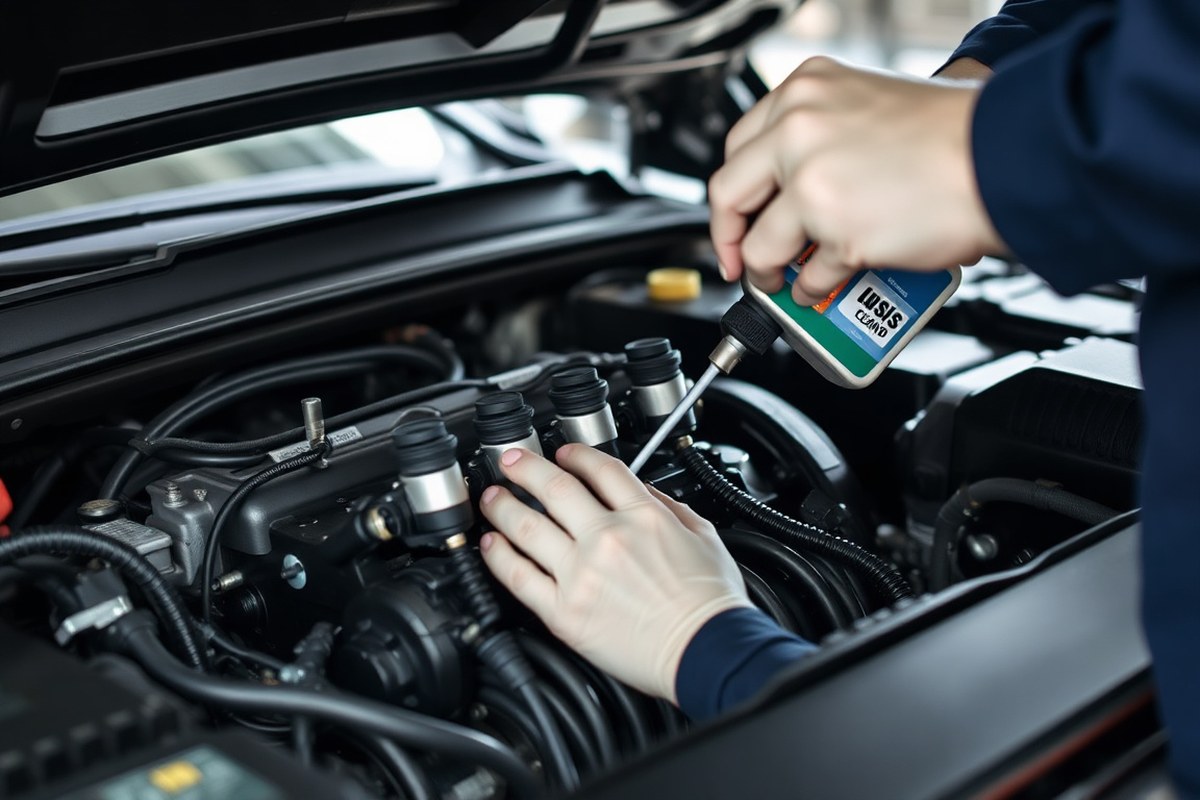
Lucas Fuel Injector Cleaner works by using a blend of detergents and lubricants to remove harmful deposits from your vehicle’s fuel injectors. Clogged injectors reduce fuel atomization and cause rough idling, hesitation, and power loss. Regular use of this cleaner restores spray patterns, which improves fuel efficiency, engine responsiveness, and overall performance.
Expect improve throttle response, more stable idling, and increased fuel efficiency after using Lucas Fuel Injector Cleaner. It uses mild cleaning agents that protect older engines and preserve fuel system parts without causing harm. Applying the cleaner as directed, one bottle per 25 gallons of fuel every 3,000 miles, helps maintain injector cleanliness and lowers the risk of buildup over time.
While it effectively cleans built-up deposits like varnish and carbon, Lucas Fuel Injector Cleaner won’t fix severely clogged injectors with heavy fouling over 80 microns or repair mechanical failures such as damaged solenoid coils. In such cases, professional cleaning or replacement of parts is necessary. For most everyday engine issues caused by typical deposit buildup, this product improves combustion efficiency by ensuring proper fuel spray and atomization.
Based on expert consensus and user feedback, Lucas Fuel Injector Cleaner reliably boosts engine power and reduces emissions by promoting complete combustion. Its combination of cleaning agents also lubricates fuel system components, which reduces wear. Expect to use around $10 to $15 worth of the cleaner with each tank treatment, making it a cost-effective maintenance step compared to shop services.
Adding Lucas Fuel Injector Cleaner regularly to your fuel every 3,000 miles or with each oil change supports ongoing injector cleanliness and consistent engine performance. Skipping doses or improper dilution may reduce results, so follow label instructions carefully. Used as directed, this product offers noticeable benefits in fuel economy and drivability for most gasoline engines, especially when paired with good fuel quality and routine maintenance.
How Lucas Fuel Injector Cleaner Works Inside Your Engine
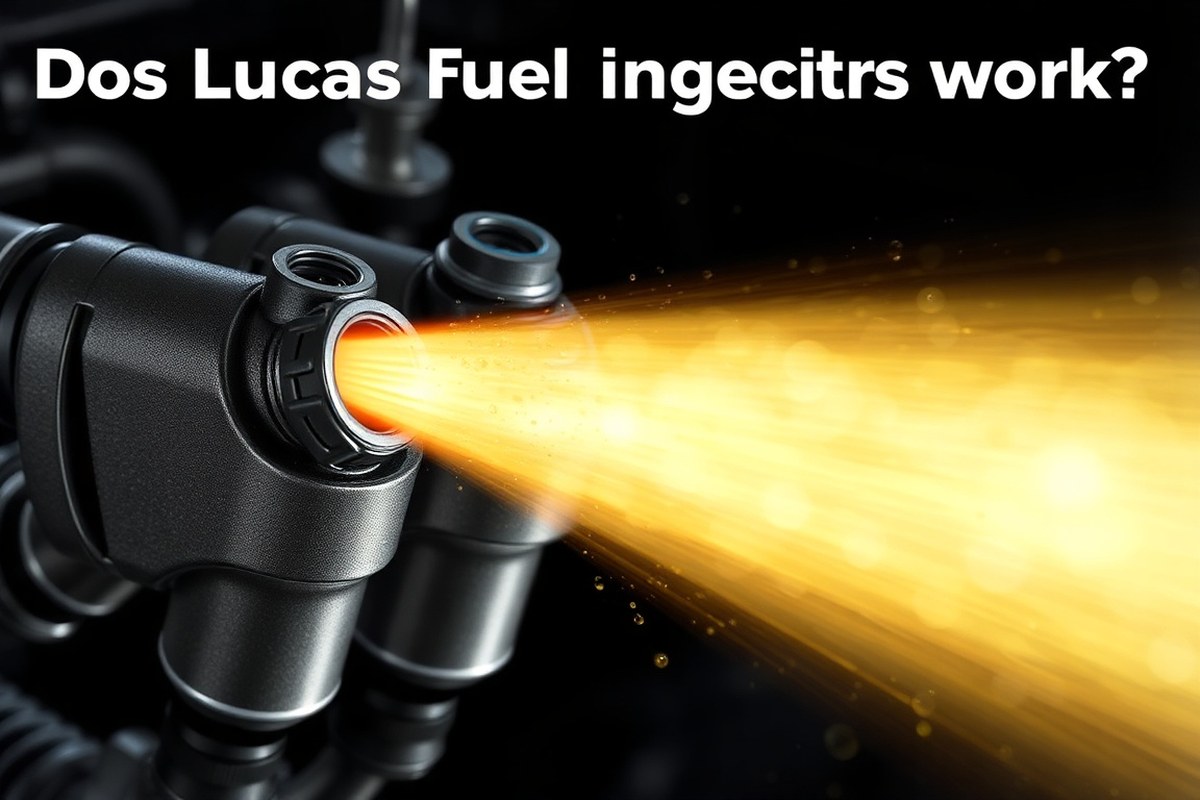
Lucas Fuel Injector Cleaner works by chemically breaking down and dissolving deposits that accumulate inside your fuel injectors over time. These deposits include carbon, dirt, and varnish residues that restrict fuel flow and disrupt the spray pattern of the injectors. The result is uneven fuel atomization causing rough idling, reduced power, and higher emissions. By restoring the injector spray to its original fine mist, the cleaner helps your engine use fuel more completely and efficiently.
The key active ingredient in Lucas Fuel Injector Cleaner is polyether amines (PEA), a potent detergent proven to remove hard deposits from injectors and combustion chambers. PEA works by chemically attacking and softening carbon-rich buildup, allowing it to be rinsed away through normal fuel flow. Lucas’s formula also includes components that lubricate the fuel system, reducing wear and preventing new deposits from forming after cleaning.
As deposits dissolve, fuel injectors can spray fuel evenly across the intake valves or directly into the combustion chamber, ensuring better mixing with air. This improved atomization facilitates more thorough combustion, which increases engine power and responsiveness. Cleaner fuel injectors reduce unburnt fuel and hydrocarbons, lowering exhaust emissions and improving gas mileage.
The cleaning action occurs mainly inside the fuel rail and injectors, not just the intake tract, making it more effective at restoring fuel delivery than some alternatives that focus only on the intake valves. Using Lucas cleaner supplements regular vehicle maintenance by targeting hidden areas where fuel system buildup restricts performance.
In practice, Lucas Fuel Injector Cleaner is added to your gas tank. It flows into the fuel system as you drive, gradually removing deposit buildup. While you might not notice immediate effects, consistent use can prevent further clogging and maintain injector spray quality over time. This product works best in vehicles sensitive to fuel impurities, such as those frequently driven in stop-and-go traffic or with older engine designs prone to deposit formation.
Do not exceed recommended dosages or mix different fuel additives, as this may cause buildup or malfunctions rather than improve fuel system cleanliness.
Optimal Dosage and Timing for Using Lucas Fuel Injector Cleaner
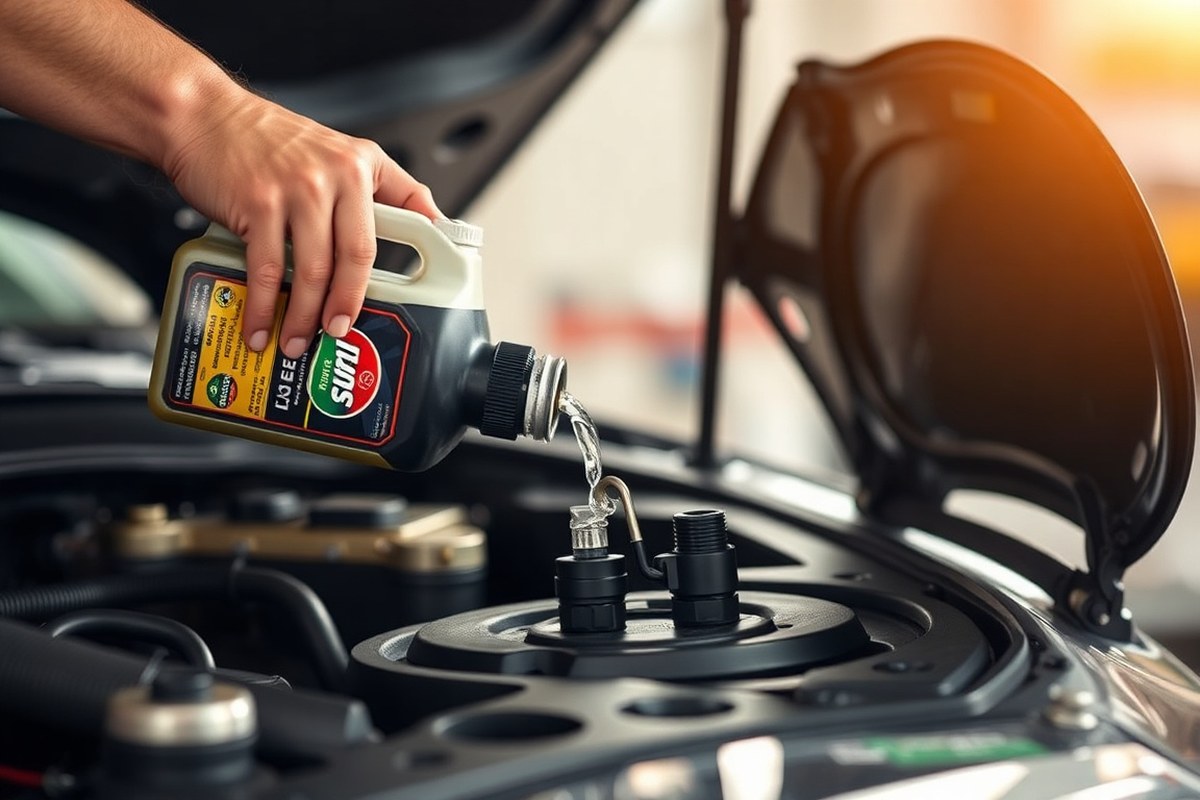
Use one 16-ounce bottle of Lucas Fuel Injector Cleaner to treat up to 20 gallons of gasoline. Add the cleaner directly into your fuel tank before filling up, preferably when you have between 1/4 and 1/2 of a tank remaining. This timing ensures the product mixes well with the fuel and delivers the best cleaning performance.
Recommended Dosage Based on Fuel Tank Size
Lucas Fuel Injector Cleaner dosing follows a simple rule: use 1 ounce per 10 gallons of fuel. For most passenger cars with fuel tanks around 15 to 20 gallons, one 16-ounce bottle covers the full tank if you add it at the right time. Accurately knowing your tank size helps avoid under- or overdosing.
To measure tank size, check your vehicle’s owner manual or manufacturer’s specifications. Without this info on hand, calculate your car’s average fuel range times its usual fuel economy. For example, if your car drives roughly 300 miles on a full 15-gallon tank, the tank size is close to 15 gallons.
Why Tank Level Matters When Adding Cleaner
Add Lucas Fuel Injector Cleaner when your fuel level is between 1/4 and 1/2 full. Pouring it into an almost empty or completely full tank is less effective. A quarter to half tank allows better mixing and prevents the cleaner from sitting stagnant at the bottom, where fuel injectors rarely draw from.
Pouring the cleaner just before refilling ensures the additive mixes evenly as new fuel enters the tank. This timing improves fuel injector and system cleaning efficiency and avoids diluting the additive too quickly or concentrating it unevenly.
Dos and Don’ts During Fueling
Follow this checklist while using Lucas Fuel Injector Cleaner to get the best results:
- Pour the cleaner into the tank before filling up.
- Add cleaner only once per tank fill-up at the recommended dosing.
- Use the product with gasoline, compatible with regular and ethanol blends.
- Avoid mixing Lucas with other fuel additives or cleaners.
- Keep a regular schedule by using the product every 3,000 to 5,000 miles, or follow the intervals suggested by the manufacturer.
- Never add to a full or nearly empty tank to prevent poor mixing.
- Check your local fuel station availability if using ethanol blends.
Do not overuse or treat the tank more than necessary. Overusing fuel additives rarely brings better performance and may cause unintended chemical interactions. Trust the dosing instructions to balance cleaning power and protect your engine’s fuel system.
How Often to Use Lucas Fuel Injector Cleaner for Lasting Results
Apply Lucas Fuel Injector Cleaner every 3,000 to 5,000 miles to keep your fuel injectors working efficiently. This schedule matches well with common oil change timing, making it easier to maintain your vehicle regularly. On long highway trips with clean fuel, this interval effectively cleans injectors without using the product too often. For mostly city driving with frequent stops or using lower-grade fuel, aiming closer to 3,000 miles helps reduce buildup better.
Several factors affect how often you should use the cleaner. Poor-quality or ethanol-blended fuel tends to cause more deposits, so shorter intervals help maintain engine performance. Frequent short trips prevent the engine from reaching optimal temperature, which can also encourage injector dirt accumulation; using the cleaner more often helps counteract this. Vehicles older than 10 years or those with high mileage might need use on the lower end of the mileage scale to preserve injector function.
- Every 3,000 to 5,000 miles is the typical recommended interval
- Use more often with lower-quality or ethanol-blended fuel
- Frequent city driving or short trips may require shorter intervals
- Older or high-mileage vehicles benefit from more frequent treatments
- Do not exceed recommended dosages to avoid potential buildup issues
Overusing Lucas Fuel Injector Cleaner is not advisable. While the product is safe for regular use and won’t harm your vehicle or void warranties, adding cleaner too frequently can lead to chemical buildup in the fuel system. Stick to the recommended timeline and avoid doubling doses in attempts to speed results. You won’t see extra benefit from using it more frequently than every 3,000 miles, and this practice can increase your maintenance costs unnecessarily.
Apply the cleaner by pouring the recommended dose into your fuel tank before filling up with gas. Each 16-ounce bottle usually treats up to 20 gallons of fuel. Because it works best when fuel mixes well inside the tank, be sure to use it when your tank is at least half full. The price typically ranges from $10 to $15 per bottle, depending on where you buy it.
Signs that the cleaner is working include smoother idling, better throttle response, and possibly improved fuel economy. Persistent rough engine performance or reduced power after multiple uses signals that a professional injector check is likely needed. Regular use according to the suggested schedule helps avoid those issues by keeping the fuel system operating cleanly and efficiently.
How to Use Lucas Fuel Injector Cleaner Correctly: Step-by-Step
To use Lucas Fuel Injector Cleaner effectively, start by adding the proper amount of cleaner to a nearly full tank of gas. Then, drive normally for at least 200 miles so the product can pass through the fuel system and clean the injectors. Proper preparation, accurate dosing, and consistent driving habits maximize the cleaner’s performance.
Preparing Your Vehicle and Tank for Treatment
Before adding Lucas Fuel Injector Cleaner, fill your fuel tank close to full. This helps the cleaner dilute evenly throughout the fuel and reduces the chance of excessive concentration in one area of the tank. Avoid adding the treatment to a nearly empty tank, as this can diminish its effectiveness or cause uneven cleaning.
Inspect your vehicle for any immediate mechanical issues that could interfere with fuel flow before treatment. Clean injection systems work best in vehicles that do not leak fuel or air through injector seals or other parts. Make sure the engine is cool and turned off before opening the fuel cap to avoid evaporative fuel loss or injury.
Adding the Cleaner Accurately
Lucas Fuel Injector Cleaner typically comes in a one-ounce bottle designed to treat up to 10 gallons of fuel. Follow the label instructions exactly to avoid overdosing or underdosing. Measure the fuel in your tank if you are unsure of the volume.
- Add the entire bottle of cleaner to your fuel tank.
- Pour the cleaner before filling the tank with gasoline or diesel if possible.
- Close the fuel cap securely after adding the product.
- Do not mix with other fuel additives at the same time.
- Use only one bottle per treatment unless instructed otherwise.
This ensures your fuel system receives the right concentration to break down deposits without potential mechanical or emissions system damage.
Driving Tips to Maximize Cleaning Effectiveness
Driving your vehicle normally after adding the cleaner is key. The product requires time and fuel flow to circulate through injectors, intake valves, and combustion chambers. Take these steps to help the treatment work efficiently:
- Drive at regular speeds on both highways and city roads
- Avoid short trips under 5 miles that don’t fully warm the engine
- Maintain steady throttle rather than constant stop-and-go driving
- Allow the engine to cool between heavy acceleration bursts
- Keep the tank as close to full as possible during the process
Do not expect immediate results; the cleaner needs about 200 miles of driving to penetrate and dissolve carbon build-up.
Monitoring Results over Time
After adding Lucas Fuel Injector Cleaner, you might notice smoother idling, fewer stalls, or improved throttle response within a few hundred miles. Complete cleaning effects typically manifest after 200 miles of driving, depending on your vehicle’s condition and driving habits.
Keep an eye on signs like improved fuel economy or reduced exhaust smoke. If problems persist beyond a full treatment cycle, professional inspection may be necessary. Using Lucas cleaner regularly every few thousand miles can keep your fuel system clean and prevent costly issues down the line.
Common Mistakes with Lucas Fuel Injector Cleaner and How to Avoid Them
Using Lucas Fuel Injector Cleaner incorrectly can lower its effectiveness and even cause engine problems. Common mistakes include adding it to an empty or full tank, mixing it with other additives, relying on it to fix mechanical injector failures, and misreading engine symptoms. Avoiding these errors ensures the cleaner delivers its full benefits without causing costly issues.
Adding Cleaner to an Empty or Full Tank
Pouring Lucas Fuel Injector Cleaner into an empty gas tank risks uneven distribution because the cleaner won’t mix thoroughly with fuel. This can lead to some injectors receiving little or no treatment, reducing how well the product cleans deposits. On the other hand, adding it to a completely full tank dilutes the cleaner, making it less effective because there is too much fuel relative to the amount of additive.
For best results, add the cleaner when your tank is about a quarter to half full. This provides enough fuel for proper mixing without diluting the cleaner excessively. After adding the cleaner, drive for at least 10 to 15 minutes on varied throttle settings to help distribute the additive and break down deposits.
Mixing Lucas Cleaner with Other Fuel Additives
Combining Lucas Fuel Injector Cleaner with other fuel additives is a frequent error that can harm engine performance. Different additives contain various chemical compounds that might interact negatively or overload the fuel system. Such mixtures could cause residue buildup, increased emissions, or damage to seals and injectors.
Stick to Lucas Fuel Injector Cleaner alone unless product instructions explicitly allow mixing. If you already use a different additive regularly, alternate their use rather than combining them at once. Cleaning the fuel system with one trusted product at a time helps avoid chemical conflicts and keeps the engine safer.
- Do not mix multiple fuel additives simultaneously
- Use one cleaner product per treatment cycle
- Race or high-performance fuel additives may not be compatible
- Check for ingredient conflicts if switching products
- Follow the manufacturer’s instructions carefully
Being cautious about additive mixing prevents unexpected engine problems and preserves the cleaner’s intended effectiveness.
Using Cleaner to Fix Mechanical Injector Failures
Lucas Fuel Injector Cleaner is designed to remove fuel deposits, improve spray patterns, and restore injector performance, but it cannot repair mechanical injector failures. Issues like stuck injector pintles, cracked injector bodies, or electrical coil problems require professional diagnosis and repair or replacement of parts.
Relying solely on the cleaner when the problem is mechanical can waste money and risk worsening engine damage. Use diagnostic tools to identify injector codes or symptoms first. For example, intermittent misfire codes often signal worn spark plugs or coils rather than dirty injectors. Cleaners help only when deposits cause rough idle or hesitation with no mechanical faults.
Misunderstanding Symptoms and Expected Results
Expecting immediate or dramatic engine transformation after one cleaner dose may lead to disappointment. Fuel injector cleaners like Lucas work gradually and best on mild to moderate deposit buildup. Rough idle, hesitation, and slight loss of fuel economy are typical symptoms that respond well over time with consistent use, not instantly.
Users should also avoid mistaking unrelated issues for injector problems. For example, random misfire codes can stem from spark plug wear, coil weaknesses, or intake valve deposits. Using injector cleaner makes sense only after these basics are ruled out. Good results include smoother acceleration, quieter engine runs, and measurable fuel efficiency gains.
- Smoother engine idle and acceleration
- Reduced knocking or engine noise
- Improved fuel economy by up to a few percent
- Not effective on severe mechanical damage
- Multiple treatments may be needed for noticeable effects
- Symptoms unrelated to injector deposits require different fixes
Understanding what the cleaner can and cannot do helps set realistic expectations and guides appropriate maintenance choices.
Comparing Lucas Fuel Injector Cleaner to Other Fuel System Cleaners
Lucas Fuel Injector Cleaner stands out for its triple-action formula that cleans, lubricates, and protects your fuel system. This combination matters because many products focus mainly on cleaning but neglect lubrication, which helps prevent wear and corrosion inside the injectors and fuel pump. Cost-wise, Lucas provides good value considering the added protection it offers, especially when compared with several popular alternatives.
When looking at Lucas Fuel Injector Cleaner versus competitors like STP Complete Fuel System Cleaner, Techron Fuel Injector Cleaner, and Gumout Fuel Injector Cleaner, differences appear in how well they work, their safety, and price. Many of these products focus mostly on clearing deposits and improving fuel economy but don’t include lubricating additives. Without lubrication, these cleaners might need to be used more often, which could increase the total maintenance expense over time.
| Fuel Injector Cleaner | Cleaning Effectiveness | Lubricates Fuel System? | Protects Fuel System Components? | Approximate Cost (per 16 oz bottle) |
|---|---|---|---|---|
| Lucas Fuel Injector Cleaner | High | Yes | Yes | $10 – $14 |
| STP Complete Fuel System Cleaner | Moderate to High | No | No | $8 – $12 |
| Techron Fuel Injector Cleaner | High | No | No | $9 – $13 |
| Gumout Fuel Injector Cleaner | Moderate | No | No | $7 – $11 |
Choosing a fuel injector cleaner depends on what you want from the product. Lucas’ option costs slightly more but includes lubrication and protection that other brands generally lack. This means you may reduce the frequency of cleaning treatments and lower the risk of fuel system damage over time.
While Techron and STP provide strong cleaning actions, you might need to reapply them more frequently to maintain the same injector performance. Gumout offers a budget-friendly option but typically demonstrates lower cleaning effectiveness, making it less ideal if your engine has stubborn deposits.
Applying Lucas Fuel Injector Cleaner as directed (usually one bottle per full tank) supports better engine performance by addressing deposits and maintaining injector condition. The added lubrication helps prevent issues like injector sticking or premature wear, particularly important if you drive in harsh conditions or use lower-grade fuels. Considering these factors will help you decide whether Lucas is worth the investment compared to other cleaners in your maintenance routine.
When to Seek Professional Fuel Injector Cleaning or Repair
You should consider professional fuel injector cleaning or repair when symptoms persist despite using Lucas Fuel Injector Cleaner as directed. Lucas can dissolve many common deposits, but severe clogging, mechanical injector failure, or electrical issues require expert diagnostics and intervention.
To know if your fuel injectors need professional attention, look for persistent symptoms such as rough idling, engine misfires, sluggish acceleration, hard starts, or increased emissions that do not improve after a full treatment cycle with Lucas Cleaner. These signs indicate deposits or faults beyond what a cleaner can fix.
Professional diagnostics usually start with a visual inspection and fuel pressure test to check flow consistency. Mechanics often use specialized tools like a fuel injector balance test or a digital oscilloscope to evaluate electrical signals. A cylinder leak-down test or compression check might also reveal engine conditions affecting injector performance. If Lucas Cleaner does not resolve your symptoms after one or two treatments spaced according to the product instructions, next steps include:
- Visit a certified technician for fuel injector testing and cleaning using ultrasonic or bench methods
- Request an injector flow test to measure spray pattern and volume output
- Have faulty injectors replaced if they fail electrical or mechanical tests
- Inspect related systems like fuel pumps, filters, and electronic controls
- Check for engine issues causing or worsening injector problems
Professional cleaning methods often remove tough carbon buildup and varnish that chemical cleaners cannot dissolve. Such services typically cost between $50 and $150 per injector, depending on your location and vehicle model. Replacement injectors can range from $100 to over $400 each, plus labor.
Continuing to use chemical cleaners without improvement can risk further engine damage and wasted fuel; seek a professional diagnosis if problems persist beyond a proper treatment cycle.
Recognizing this decision rule, stubborn symptoms despite proper use of a cleaner indicate the need for professional help, ensures you address fuel injector issues early before they cause engine damage or costly repairs.
Your First Steps: Lucas Fuel Injector Cleaner Action Plan
Follow this straightforward plan to test Lucas Fuel Injector Cleaner and see if it improves your vehicle’s performance.
- Before your next fill-up: Add the full recommended dose of Lucas Fuel Injector Cleaner to a nearly empty tank according to the instructions on the bottle.
- Fill the tank: Use the specified amount of fuel to mix with the cleaner, ensuring proper dilution for best results.
- Drive normally for 300 miles: Monitor your vehicle for smoother acceleration, quieter operation, or better gas mileage, which indicate cleaner injectors.
- After 300 miles: Perform a simple fuel economy check by tracking miles per gallon compared to before treatment.
- Every 3,000 to 5,000 miles: Repeat treatment as part of regular maintenance to keep fuel injectors clean and maintain engine efficiency.
- Pay attention to signs like rough idle or hesitation: Use cleaner sooner if you notice those symptoms, possibly followed by a professional inspection if issues persist.
Frequently Asked Questions
Is Lucas Fuel Injector Cleaner Safe for All Vehicle Types?
Yes, it is safe for use in cars, trucks, and SUVs with gasoline engines, but always follow manufacturer instructions to avoid overuse.
Can Lucas Fuel Injector Cleaner Improve Fuel Economy Noticeably?
It can improve fuel economy by cleaning deposits that hinder fuel flow, especially in engines with minor injector clogging.
Does Lucas Fuel Injector Cleaner Remove Carbon Buildup Completely?
No, Lucas Fuel Injector Cleaner can reduce carbon buildup but won’t fully remove heavy deposits or severe engine damage.
Can Using Lucas Fuel Injector Cleaner Prevent Expensive Repairs?
Regular use can reduce injector clogging and help prevent costly repairs, but it won’t fix existing mechanical issues.
Will Lucas Fuel Injector Cleaner Cause Any Damage If Used Too Often?
Overusing it won’t generally cause damage, but unnecessary frequent use offers no extra benefit and wastes product.
How Soon Can I Expect to See Results After Using Lucas Fuel Injector Cleaner?
Improvements in engine performance and smoother idling may be noticed after one treatment, although multiple uses yield best results.
The Bottom Line
Lucas Fuel Injector Cleaner can be an effective maintenance tool when used properly and on schedule. It helps remove deposits that reduce injector performance, improving your vehicle’s operation and fuel economy. Start by treating your next tank of gas and watch for smoother performance. Persistent problems may call for professional service to address more serious injector issues.