How Much Does a Tonneau Cover Save on Gas: What Actually Works and How to Maximize Savings
How much does a tonneau cover save on gas? Typically, you can expect around 0.5 to 0.8 miles per gallon improvement at highway speeds. This can represent up to 10% better fuel efficiency by reducing aerodynamic drag over the truck bed. Installing a hard tonneau cover first helps smooth airflow, which directly cuts down on wind resistance and improves gas mileage.
Key Takeaways
- A hard tonneau cover can reduce aerodynamic drag by about 2.7%, improving fuel economy slightly at highway speeds.
- Fuel savings of 0.5, 0.8 MPG are typical during steady interstate driving around 80 mph.
- Turbulent air behind the truck bed shrinks 1, 3% with a tonneau cover, improving overall truck aerodynamics.
- Fuel economy gains range from 5% to 10%, but weather and driving conditions also affect results.
- Soft tonneau covers generally offer less aerodynamic benefit than hard covers but still improve mileage compared to an open bed.
- Cover type, driving speed, and route length influence gas savings, with longer highway commutes gaining more.
How Much Gas Does a Tonneau Cover Really Save?
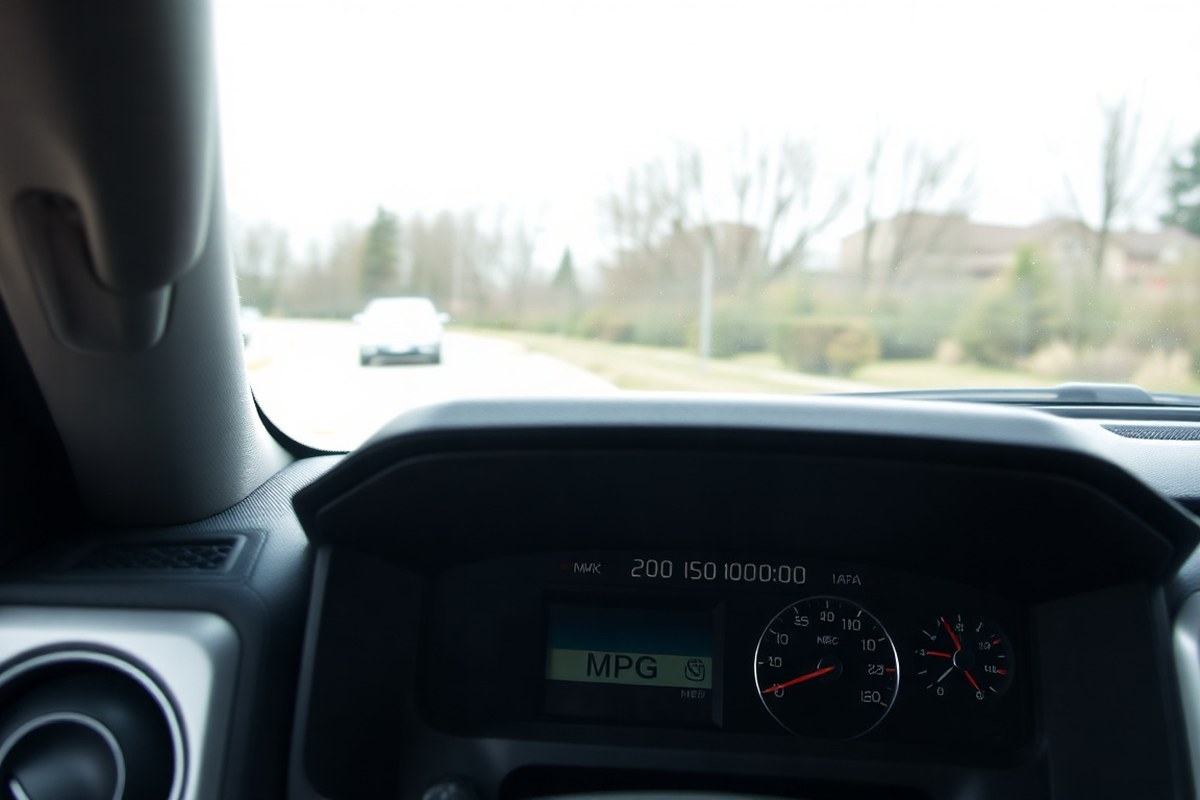
Using a tonneau cover can improve your truck’s gas mileage by about 0.5 to 0.8 miles per gallon (MPG) on highway drives around 80 mph. For example, a controlled test on a RAM TRX showed an 11.82% increase in MPG after driving 163.5 miles on the highway with the cover installed, matching manufacturer claims of up to 10% improvement. This means if your truck normally gets 15 MPG, the cover could boost that to around 16.5 MPG on a long trip.
These savings are more noticeable during steady highway driving than in stop-and-go city traffic. On shorter, daily commutes with varying conditions, the increase in MPG often isn’t obvious. Several studies and self-reported data from thousands of truck owners found no statistically significant difference overall when controlling for factors like engine type, cab configuration, tire size, and driving style. This suggests that real-world savings may depend heavily on your specific truck and how you drive.
The improvements don’t happen every time, since factors like temperature changes, wind, and road conditions impact fuel consumption. Even in experiments where small MPG gains were recorded, some of the improvement was attributed to seasonal weather rather than the cover alone. That said, on consistent long-haul highway routes, a lightweight tonneau cover, like a soft roll-up or folding design, can contribute to modest fuel savings that add up over time.
For example, if your daily interstate commute covers 100 miles at 80 mph, you could expect roughly a 0.5 to 0.8 MPG gain. Although this might not seem large, it can reduce fuel costs over weeks or months especially if you drive frequently and log high-mileage trips. The key is to test the cover in your typical driving conditions and monitor your fuel economy carefully to confirm the benefit.
Keep in mind, a tonneau cover’s impact on fuel savings does come with tradeoffs such as purchase price and installation effort. The cover needs to fit tightly and seal the truck bed properly to reduce aerodynamic drag effectively. Loose fitting or damaged covers may offer little to no benefit. Also, trucks with open beds, cargo racks, or other accessories might see different effects than those with clean bed areas.
A tonneau cover generally improves gas mileage by a small but measurable amount, especially during long highway trips with steady speeds. Your exact savings will depend on the truck model, cover type, and driving habits. Measuring fuel economy before and after installing your cover can help you see if it makes a real difference in your fuel costs.
How Tonneau Covers Improve Fuel Efficiency Aerodynamically
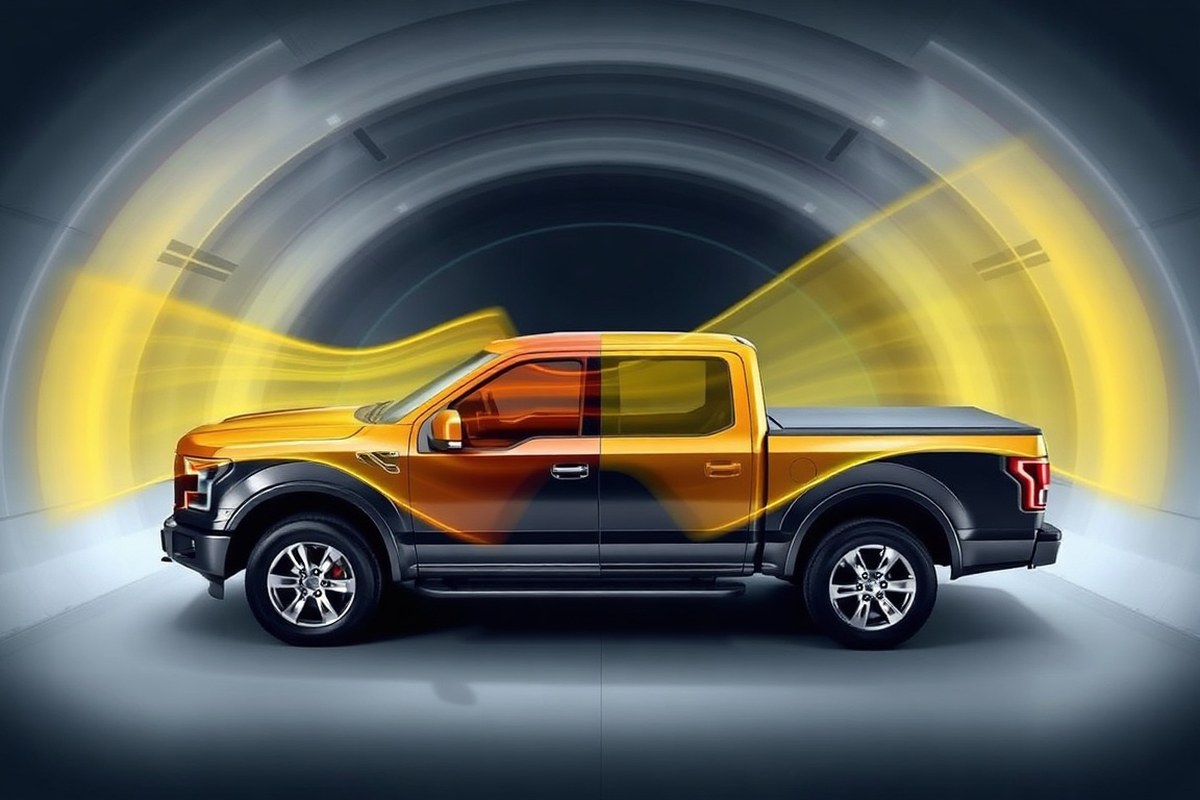
A tonneau cover reduces aerodynamic drag by smoothing airflow over the open bed of a pickup truck, which improves fuel efficiency. The open bed creates a turbulent air pocket that increases drag and slows the truck down. Covering the bed reduces this turbulence by creating a flatter, more continuous surface for air to flow over.
Understanding Aerodynamic Drag and the Truck Bed Vortex
Aerodynamic drag is the force air exerts on a moving vehicle that slows it down and reduces fuel economy. Pickup truck beds contribute to drag because their open design traps air, forming a low-pressure turbulent vortex behind the cab. This vortex acts like a drag-inducing air pocket, increasing the overall resistance.
The vortex forms as air hits the vertical front end of the truck bed and then swirls in the open area behind it. This swirling air creates drag that the engine needs to overcome by burning more fuel. Because the bed accounts for about 7 to 10 percent of the truck’s total drag, addressing this vortex has a measurable impact.
How Covering the Truck Bed Streamlines Airflow
Installing a tonneau cover transforms the open bed into a smooth, flat surface that air can flow over with less disruption. The cover seals off the bed from direct airflow, eliminating the turbulent wake created by the vortex. This reduces the size and strength of the turbulent air pocket behind the cab.
With the cover in place, air moves more cleanly from the truck cab to the tailgate, minimizing swirls and reducing drag forces. This smoother airflow means the engine encounters less resistance, which can improve miles per gallon by reducing wasted fuel overcoming drag.
Drag Coefficient Differences for Open Versus Covered Beds
Computational fluid dynamics and wind tunnel testing show that a tonneau cover can reduce the coefficient of drag (Cd) by about 1 to 3 percent. One study found a hard tonneau cover reduced Cd by roughly 2.7 percent over an open bed. Conservative aerodynamic estimates peg drag reduction closer to 5 percent.
This reduction does not sound huge but translates to a fuel economy gain of roughly 1 to 2 percent. The truck bed contributes only a fraction of total drag, so even a significant improvement to bed airflow results in modest overall gains. The improvements become more noticeable on highways where aerodynamic drag accounts for most fuel consumption.
Variations Among Tonneau Cover Types and Impacts
Hard tonneau covers typically produce the most drag reduction since they create the smoothest, most sealed surface. Soft covers also cut drag but to a slightly lesser degree because they may have folds or gaps where air can enter. Retractable and folding covers fall in between depending on their design and tightness of fit.
Weight also matters. A heavy cover can add mass that offsets your fuel savings. Lightweight yet well-sealed designs hit the aerodynamic sweet spot by reducing drag without significantly increasing weight. Installing the cover securely to prevent gaps will maximize aerodynamic benefits.
A properly fitted tonneau cover with minimal gaps can reduce your truck’s drag, but avoid heavy covers that add excess weight and negate fuel savings.
Types of Tonneau Covers and Their Impact on Gas Mileage
Tonneau covers come in several types, each affecting your truck’s fuel efficiency differently. Soft roll-up and folding covers tend to be lighter and offer moderate improvements in aerodynamics, while hard folding, retractable, and hard rolling covers usually provide better fuel economy gains due to their solid design and aerodynamic fit. Weight and how snugly a cover fits your truck bed influence the overall drag reduction and impact on gas mileage.
Soft Roll-Up Covers
Soft roll-up tonneau covers are made from vinyl or fabric stretched over a lightweight frame. They are the lightest type, which helps minimize adding weight to your truck bed. This light weight allows them to improve aerodynamics modestly by reducing air turbulence inside the bed.
Though their impact on fuel savings is real, it is generally small and may not show a noticeable change at the pump. Soft covers work best on popular trucks like the Ford F-150 5.5-foot bed, Chevrolet Silverado 1500, or Ram 1500 8-foot bed. They are usually the most affordable option, costing between $300 and $600.
Hard Folding Covers
Hard folding covers use rigid panels, usually made of aluminum or fiberglass, hinged to fold towards the cab. Their more solid construction gives better sealing with the truck bed rails, reducing drag and providing improved aerodynamic efficiency compared to soft covers. This can translate into better fuel economy, especially at highway speeds.
They add more weight than soft covers but still remain manageable, generally under 80 pounds. Installation is often simple, and the durability also helps protect cargo from weather and theft. Prices for hard folding covers typically range from $800 to $1,200.
Retractable and Hard Rolling Covers
Retractable and hard rolling tonneau covers are made of interlocking rigid slats that roll up into a canister near the cab. Their aerodynamic design seals well against the bed and minimizes wind drag more effectively than most other covers. The rigid structure also means better durability and secure cargo storage.
These covers are heavier and cost more, often in the $1,000 to $1,500 range. The extra weight might slightly reduce net fuel savings, but the aerodynamic advantage tends to outweigh that. These covers usually deliver the best MPG improvement for long highway driving, especially if you frequently haul empty or lightly loaded beds.
Other Specialty Covers
Other tonneau covers include snap-on, roll-on, or snap-up types primarily designed for convenience rather than fuel savings. Their fit may be less aerodynamic, and heavier builds can add drag. Some lack a tight seal, which reduces their ability to improve airflow and fuel economy.
These covers often cost less than rigid options, starting around $200, but fuel-saving benefits are usually minimal. If improving MPG is your main goal, focusing on soft roll-up, hard folding, or retractable cover types is more effective.
| Cover Type | Fuel Efficiency Impact | Weight | Price Range | Pros Relevant to MPG | Cons Relevant to MPG |
|---|---|---|---|---|---|
| Soft Roll-Up | Moderate | Light (under 50 lbs) | $300, $600 | Lightweight, easy to install, fits most popular trucks | Smaller fuel savings, less aerodynamic seal |
| Hard Folding | Better | Moderate (under 80 lbs) | $800, $1,200 | Improved aerodynamics, durable, better seal | Heavier than soft covers, higher cost |
| Retractable/Hard Rolling | Best | Heavy (80+ lbs) | $1,000, $1,500 | Excellent aerodynamic seal, secure cargo storage | Heaviest, most expensive |
| Other Specialty | Minimal | Varies | $200+ | Lower cost, convenient | Poorer seal and aerodynamics |
The balance between weight and aerodynamic fit determines how much a tonneau cover will help your gas mileage. Lightweight soft covers reduce added mass but do not seal as tightly as hard folding or retractable types. In contrast, heavier hard covers improve airflow better but add weight that can slightly negate those gains. Choose a cover based on your typical driving patterns: soft covers are fine for city and mixed use, while heavier, tighter-sealing covers benefit highway mileage more.
Factors Influencing How Much Gas a Tonneau Cover Saves
Driving speed plays a major role in how much gas your tonneau cover saves you. At highway speeds above 50 mph, aerodynamic drag on your truck bed increases, so a cover can reduce turbulence and improve fuel efficiency. At lower city speeds, the difference is less noticeable and might be negligible. Tests showed fuel usage was about the same whether the tailgate was open, closed, or removed when driving at 25 or 55 mph, indicating speed and tailgate position must be combined with a cover to see real gains.
The length and shape of your truck bed also affect fuel savings. Shorter beds create less air disturbance, so a cover may deliver smaller MPG improvements compared to longer beds. If your truck bed is taller or has unusual side profiles, the airflow patterns change, which can impact how well a cover smooths the air passage. Soft roll-up covers based on a standard platform work across bed sizes but consider your specific truck’s dimensions for the best fit and aerodynamics.
- Driving above 50 mph maximizes aerodynamic benefits from a cover
- Longer, taller, or differently shaped beds often see greater fuel savings
- Empty versus loaded truck beds change airflow and potential cover impact
- Closed tailgates combined with a cover can reduce drag better than open tailgates
- Rain or snow calls for a cover to protect cargo, affecting fuel used for drying or replacing wet items
- Seasonal weather tricks airflow and may increase or decrease cover benefits
Adding cargo to your truck bed influences the fuel economy benefit of a tonneau cover. An empty bed allows air to swirl freely, increasing drag. Covering that space helps smooth airflow. When loaded, especially with bulky or tall items, the airflow might already be less turbulent, so a cover adds less value. Secure the cargo properly and cover it if possible; water-resistant covers cut down on moisture that adds weight and reduces efficiency over time.
Weather and seasons alter results as well. Rain, snow, and ice on your truck bed increase weight and drag, leading to lower MPG. A tonneau cover keeps your bed dry and clear, indirectly supporting better fuel use. Cold weather thickens engine fluids and tires lose pressure, both reducing mileage regardless of cover. Still, the protective benefits justify using a cover year-round for cargo security and bed preservation.
Tailgate position interacts closely with your tonneau cover in affecting fuel savings. Closing the tailgate reduces drag compared to having it open. Some experiments found that with the tailgate closed, adding a tonneau cover further improves MPG. Removing the tailgate or leaving it open negates some aerodynamic advantages the cover provides. Always keep the tailgate closed and the bed covered when aiming to maximize fuel efficiency gains.
Real-World Test Results and Owner Reports on Gas Savings
Owner-reported improvements in miles per gallon (MPG) after installing a tonneau cover typically range from about 3% to 10%, depending on driving conditions and cover type. In one notable experiment, a truck was driven for 20 days without a cover, followed by 20 days with a cover, and showed a measurable increase in fuel efficiency. These kinds of real-world tests reflect everyday driving variables such as traffic, speeds, and weather, giving a practical context to potential gas savings.
Test track and wind tunnel studies often report aerodynamic improvements that translate to fuel savings in more controlled conditions. For example, wind tunnel tests might show up to a 10% reduction in drag, which in theory should improve MPG similarly. However, these gains tend to be lower in typical usage. Factors such as stop-and-go traffic, wind direction, and speed variations mean actual savings on the road often fall between 3% and 7%. This discrepancy occurs because controlled tests isolate airflow effects much more precisely than is possible in everyday driving.
The most reliable information combines both controlled tests and extended real-world experiments. One study compared fuel efficiency over a month-long period with and without a cover and found a consistent increase in MPG by about 5%. Independent tests sourcing owner data and controlled trials together provide a well-rounded picture, better reflecting actual outcomes for pickup owners.
A small summary of MPG improvements from various studies indicates the following ranges: 3% to 5% increase in owner reports collected through forums and experimental drives; 5% to 10% improvement in wind tunnel tests focused solely on aerodynamics; and consistent 4% to 6% gains in longer-term real-world testing that balanced controlled conditions with everyday driving. Variance in these numbers arises from factors such as bed length, cover design, driving speed, and cargo presence.
Road tests often show lower fuel savings than lab experiments because no test can fully replicate all environmental variables that affect fuel consumption. Differences in temperature, tire pressure, and even road gradient influence these outcomes. Also, different types of tonneau covers, soft roll-up, hard folding, or retractable, can produce slightly different fuel economy improvements, meaning some choices perform better in specific driving scenarios.
Track your fuel economy yourself for at least two weeks before and after installing a tonneau cover, using consistent routes and driving habits to see your true gas savings.
While lab data highlights the theoretical maximum improvement, actual MPG gains typically land in the middle range, making it sensible to expect modest but real benefits. Choosing a cover that fits well and driving consistently are key factors in translating improved aerodynamics into real fuel savings on your truck trips.
Checklist to Maximize the Gas Saving Potential of a Tonneau Cover
Maximizing the fuel-saving benefits of a tonneau cover requires proper installation, ongoing maintenance, and mindful driving habits. Ensuring a tight, secure fit and keeping the cover in good condition reduce drag effectively. Adapting your driving speed and avoiding common errors further help maintain or increase fuel efficiency.
Proper Installation and Measurement
A tonneau cover that fits perfectly minimizes gaps where air can create turbulence and drag. This helps improve aerodynamic efficiency and gas mileage. Accurate measurement and precise installation prevent flapping or loose edges that could negate savings. Follow these steps carefully for best results:
- Measure the truck bed width and length at multiple points to account for any variations.
- Select a tonneau cover designed to fit your specific make, model, and bed size.
- Clean the truck bed rails thoroughly to remove dust, dirt, and debris before installation.
- Align the cover evenly with the bed rails, ensuring both sides are level and flush.
- Secure clamps or mounting hardware tightly, but avoid overtightening which can damage the cover.
- Confirm the cover lies flat without sagging or raised edges once installed.
- Test opening and closing the cover several times to ensure smooth function and consistent fit.
Regular Maintenance and Tension Adjustment
Keeping the cover clean and properly tensioned sustains its aerodynamic shape and durability. A loose or damaged cover can increase drag instead of reducing it. Inspect and maintain your cover every few months, or more frequently if you drive in harsh environments. Steps to maintain peak performance:
- Clean the cover surface gently with mild soap and water to remove dirt without damage.
- Check tension regularly by pressing lightly on the cover; it should feel firm without sagging.
- Tighten adjustment points or latches according to manufacturer instructions to maintain proper tension, especially after temperature changes.
- Inspect seals and edges for wear or gaps and replace any damaged parts promptly.
- Lubricate hinges or moving parts if applicable to ensure smooth operation.
- Store the cover properly if removable, avoiding prolonged exposure to extreme heat or cold which can affect materials.
Driving Speed and Habits to Adopt
Your driving style influences how well the tonneau cover improves fuel efficiency. The cover reduces drag more effectively at highway speeds, so steady driving helps maximize savings. Sudden stops, excessive idling, and carrying open loads can reduce its benefit. Optimize your fuel economy with these adjustments:
- Maintain consistent speeds between 55 and 70 mph where aerodynamic drag is a significant factor.
- Avoid rapid acceleration and aggressive braking which increase fuel consumption.
- Keep the truck bed closed with the cover fully secured rather than partially open or removed.
- Limit hauling irregular or bulky loads that disturb airflow over the cover.
- Use cruise control on highways to reduce speed fluctuations and optimize mileage.
Avoiding Common Mistakes That Reduce Savings
Several errors can cause a tonneau cover to underperform or even worsen fuel economy. Watch for improper installation, neglecting maintenance, and driving habits that increase drag. Common pitfalls include:
- Installing a cover that doesn’t match your truck bed dimensions, causing gaps and flapping.
- Ignoring loose clamps or worn seals that let air disrupt streamlined flow.
- Removing the cover during high-speed driving or leaving it partially open.
- Ignoring damage from weather or debris, which makes the surface uneven and increases turbulence.
- Driving frequently with the tailgate down, which negates aerodynamic improvements from the cover.
Cost-Benefit Analysis: When Does a Cover Pay for Itself Through Fuel Savings?
Calculating when a tonneau cover pays for itself through fuel savings requires knowing your truck’s average mileage before and after installation, your annual driving distance, and current fuel prices. Begin by determining your MPG gain. For example, if your truck used to get 15 MPG and improves to 17 MPG with the cover, that’s a 2 MPG increase. To estimate yearly fuel savings, use this formula:
Annual Fuel Savings ($) = (Annual Mileage) × (1/Old MPG, 1/New MPG) × (Fuel Price per Gallon)
For instance, if you drive 12,000 miles yearly, have a 2 MPG improvement from 15 to 17 MPG, and pay $4.00 per gallon for fuel, the calculation goes:
(12,000) × (1/15, 1/17) × $4.00 = 12,000 × (0.0667, 0.0588) × 4 = 12,000 × 0.0079 × 4 = $379.20
This means you save approximately $379 yearly from improved fuel economy. Now, if your tonneau cover cost $400, it would take just over a year for the fuel savings to cover your initial investment. Several factors influence the payback period:
- Driving Habits and Mileage: Higher annual mileage leads to faster payback. Lower mileage means the cover takes longer to pay off.
- Fuel Prices: Rising fuel costs reduce the payback period, boosting savings.
- Type and Cost of Cover: More expensive covers require longer to pay off unless they yield better MPG gains.
- Driving Conditions: Highway driving maximizes fuel economy improvements compared to city stop-and-go traffic.
Deciding whether to invest in a tonneau cover versus other fuel economy upgrades often depends on cost-effectiveness and convenience. Many aerodynamic mods, like customizing tires or adding bed extenders, may cost more or offer smaller savings. A cover that yields 2 to 3 MPG improvement can be one of the quickest ways to recoup your money just from fuel savings.
The table below compares estimated payback periods for common scenarios based on cover price, MPG gains, and annual mileage. Fuel price is fixed at $4.00 per gallon for consistency.
| Annual Mileage | MPG Gain | Cover Cost | Yearly Fuel Savings ($) | Payback Period (Years) |
|---|---|---|---|---|
| 10,000 miles | 2 MPG (15 → 17) | $350 | $316 | 1.11 |
| 12,000 miles | 2 MPG (15 → 17) | $400 | $379 | 1.06 |
| 15,000 miles | 3 MPG (15 → 18) | $450 | $600 | 0.75 |
| 8,000 miles | 1 MPG (15 → 16) | $300 | $107 | 2.80 |
| 20,000 miles | 2 MPG (15 → 17) | $400 | $632 | 0.63 |
Lower mileage or smaller MPG gains stretch the payback time, sometimes beyond typical ownership periods. High-mileage commuters get the fastest return, especially when fuel prices rise. If you expect to keep your truck a while and drive mostly highway miles, investing in a quality tonneau cover with proven MPG gains is often worthwhile.
Common Misconceptions and Pitfalls About Tonneau Covers and MPG
Some believe tonneau covers fail to improve gas mileage, which partly stems from how their benefits vary under different conditions. Tests that show no improvement or worse fuel economy often involve heavier covers or improper installation, making the aerodynamic advantages less effective or even detrimental.
Heavier covers add extra weight, which can increase fuel consumption and offset the gains from reduced drag. Real Truck’s research suggests choosing a simple, lightweight cover to maximize fuel savings since bulky, heavy options may negate the aerodynamic benefits entirely. Also, installing a cover that doesn’t fit snugly can disrupt airflow, causing turbulence that hurts mileage.
Signs your cover may not be helping your gas mileage include rattling noises, visible gaps or loose edges, and excessive flapping when driving at highway speeds. These issues allow air to enter the truck bed, increasing drag instead of decreasing it. Dirt and debris buildup under or around the cover can also compromise its fit and effectiveness.
- Myth: All tonneau covers improve fuel economy, only certain lightweight designs can provide real gains.
- Myth: Heavier covers offer better aerodynamics, extra weight often reduces fuel efficiency.
- Myth: Installation does not impact gas savings, poor fit can increase drag and negate benefits.
- Myth: Gas mileage improvement is consistent regardless of driving speed, higher speeds amplify aerodynamic effects.
- Myth: A cover will save fuel immediately, improvements can be subtle and depend on driving habits.
Regularly check your tonneau cover for tightness and damage, and clean debris to maintain a secure fit that protects fuel efficiency benefits.
Troubleshooting poor performance starts with examining the fit and sealing of the tonneau cover. Adjust any loose clamps or fasteners, and replace worn weather stripping if needed. For covers with sections or folds, ensure each part sits flush without gaps. In cases where weight is key, removing heavy accessories like lock boxes or cargo racks can improve fuel savings.
Tests often show mixed results because driving conditions like wind, speed, and load also influence how much a cover can help. Urban stop-and-go traffic offers less aerodynamic advantage than steady highway speeds over 55 mph, where tonneau covers reduce drag more noticeably. Thus, if your driving style or route involves frequent stops, expect smaller or no improvements in MPG.
Step-by-Step Action Plan to Save Gas with a Tonneau Cover
Follow these steps to choose and use a tonneau cover that helps improve your truck’s fuel efficiency and check how much gas you really save.
- Before purchase: Research tonneau cover types considering your truck model and driving habits; pick one with proven aerodynamic benefits like hard folding or retractable styles.
- Within the first week: Install the cover yourself or have a pro do it to ensure a snug, gap-free fit; test fit by checking for wind noise or loose edges while driving.
- Weeks 2-4: Measure your truck’s gas mileage accurately by recording fuel used for consistent routes; compare to previous records to detect any improvement.
- Month 2: Adjust placement or seals if you notice leaks or excessive drag; confirm fixes by monitoring changes in fuel consumption or wind noise.
- Every 3 months: Clean and maintain the cover’s surface to keep aerodynamics optimal; avoid dirt buildup that can add drag.
- Ongoing: Avoid carrying loose items in the bed that disrupt airflow; use the cover consistently to maximize savings.
- After 6 months: Calculate fuel cost savings versus cover cost to evaluate if the investment is paying off for your driving style.
Frequently Asked Questions
How Much Does a Tonneau Cover Save on Gas?
A tonneau cover can improve your truck’s fuel economy by reducing aerodynamic drag and sealing the bed from airflow. Savings vary but often range up to about 5-10%, especially over longer drives at highway speeds.
Does a Tonneau Cover Really Help with Gas Mileage?
Yes, tonneau covers help by smoothing airflow over the truck bed, which reduces drag on your vehicle. This improves fuel efficiency, typically a small but meaningful gain if you drive frequently on highways.
Do Truck Bed Caps Improve Gas Mileage?
Truck bed caps can improve gas mileage similarly to tonneau covers by reducing aerodynamic drag. However, their added weight might negate some gains, so lighter tonneau covers generally offer better fuel economy benefits.
Does a Tonneau Cover Improve Gas Mileage on an F‑150?
Yes, the F-150 benefits from tonneau covers through reduced drag in its truck bed area, leading to slightly better fuel economy. Gains tend to be modest but noticeable during steady highway driving.
Do Tonneau Covers Help MPG MythBusters?
Testing shows tonneau covers do improve MPG by streamlining airflow over the truck bed, though the effect is moderate. Test results confirm covers offer better mileage than an open bed but aren’t a huge fuel-saving device.
How Much Gas Do You Save with a Bed Cover?
Savings depend on driving conditions but usually range from a few cents to several dollars per tank on long trips. A bed cover reduces wind resistance, slightly stretching each gallon’s range, especially at highway speeds.
Key Points to Remember
A quality tonneau cover can reduce fuel costs by improving your truck’s aerodynamics, but the exact savings depend on your cover choice, installation, and driving routine. Taking time to pick the right cover and maintain it properly will help ensure you get the most fuel efficiency gain possible. Start by measuring your fuel use before and after installing to track real savings. That data will let you decide if the cover is a worthwhile investment for your pickup’s everyday driving.